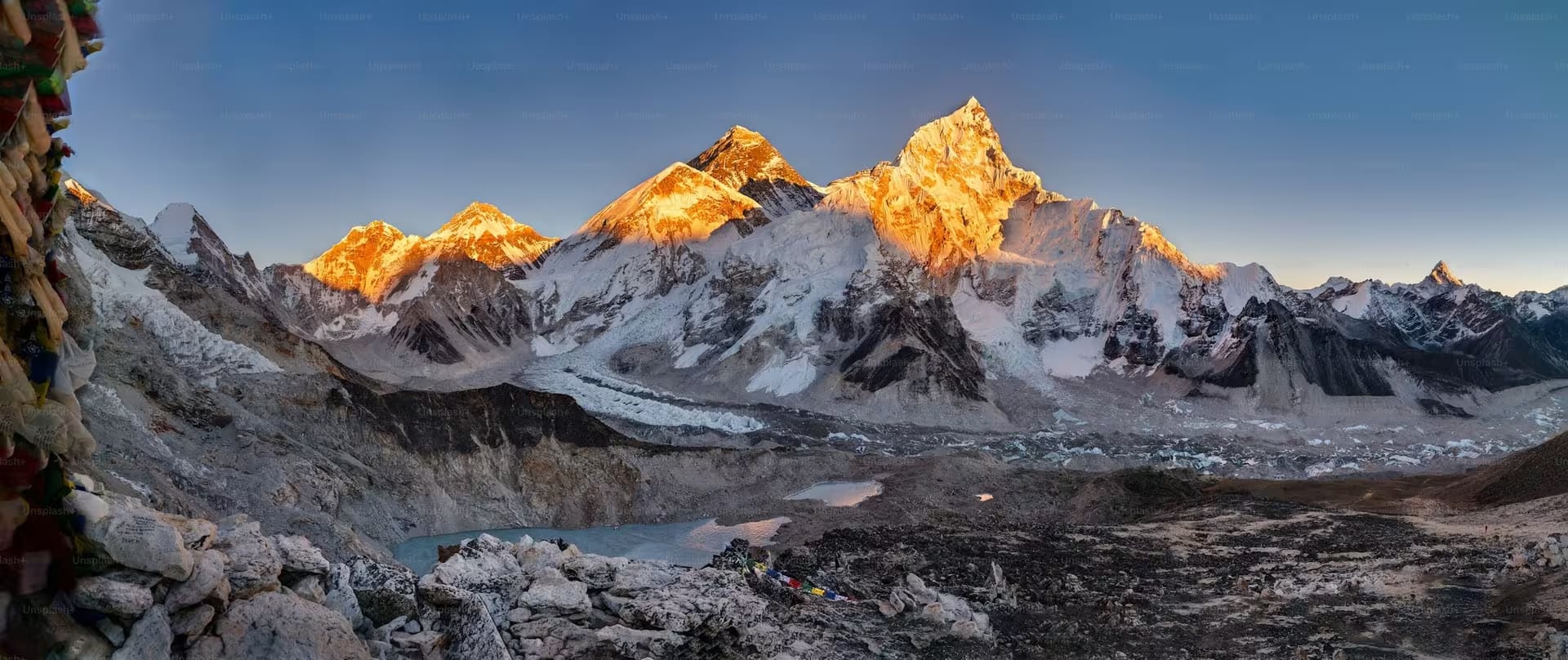
Sagarmatha National Park
A UNESCO World Heritage Site encompassing Mount Everest and surrounding peaks, glaciers, and Sherpa villages in the Khumbu region.
- Altitude
- 8,849 m
- Coordinates
- 27.943°, 86.751°
Current Weather
Sagarmatha National Park is a UNESCO World Heritage Site that protects 1,148 square kilometers of dramatic mountain wilderness in northeastern Nepal. The park encompasses the upper catchment of the Dudh Kosi river system and includes the world's highest peak, Mount Everest (Sagarmatha, 8,849m), along with other iconic summits like Lhotse, Cho Oyu, and Ama Dablam.
Inscribed as a World Heritage Site in 1979 for its outstanding natural value, the park ranges from 2,845m to the summit of Everest. The lower elevations are covered in birch, juniper, and rhododendron forests that give way to alpine scrub, glaciers, and permanent snow above 5,000m.
The park is home to rare wildlife including the snow leopard, Himalayan black bear, red panda, and the Himalayan monal (Nepal's national bird). The Sherpa people, who have lived in harmony with this harsh environment for centuries, add rich cultural significance to the natural landscape.
The park's main entry point is Lukla, reached by a short flight from Kathmandu. The trail to Everest Base Camp passes through the park, visiting Sherpa villages like Namche Bazaar, Tengboche (home to the famous monastery), and Dingboche. The Sagarmatha Pollution Control Committee works to preserve the fragile mountain environment against the impacts of tourism.
Location & What's Inside
Within this area
Places and landmarks inside
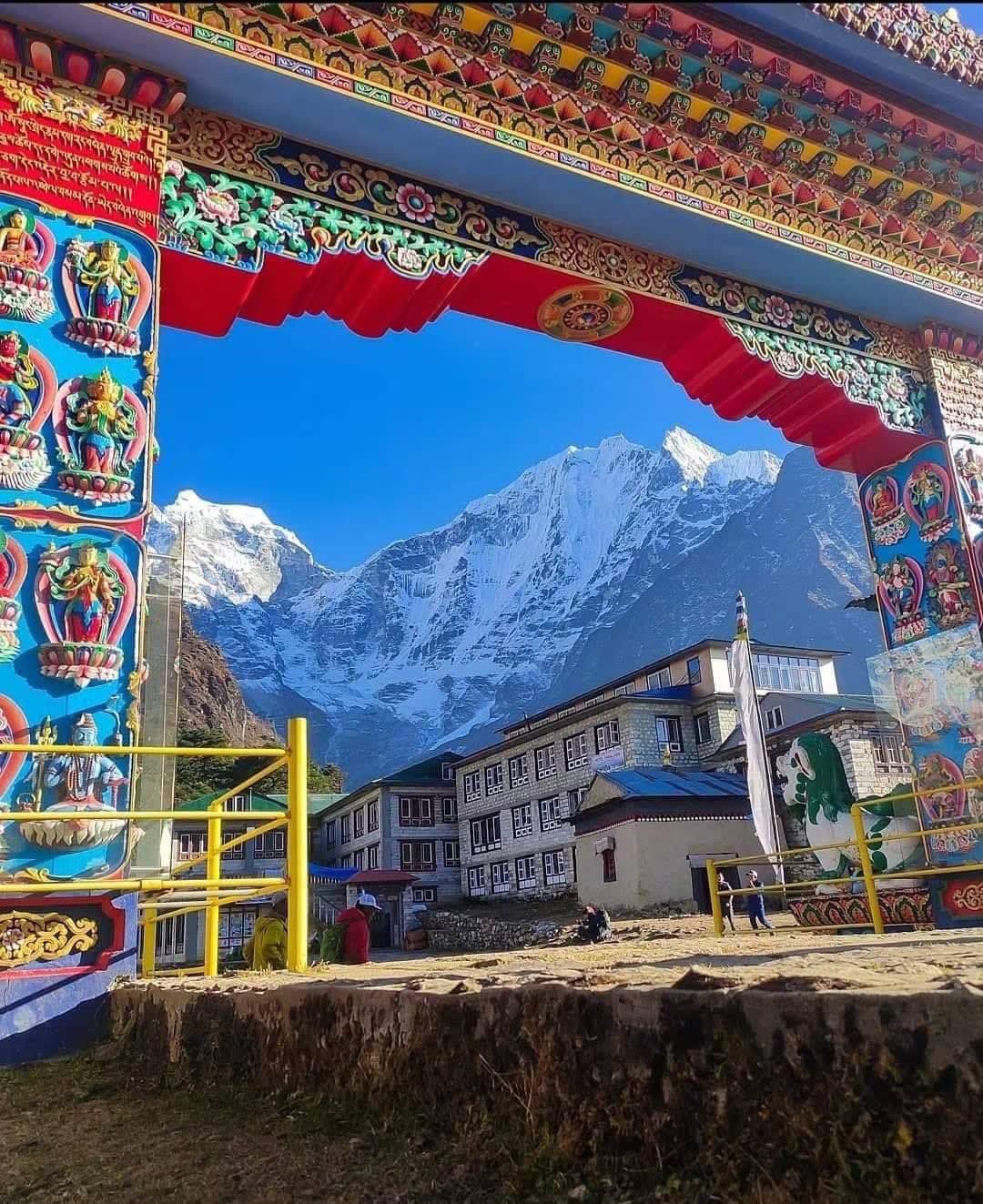
Tengboche Monastery
Most iconic monastery in the Khumbu, at 3,867m
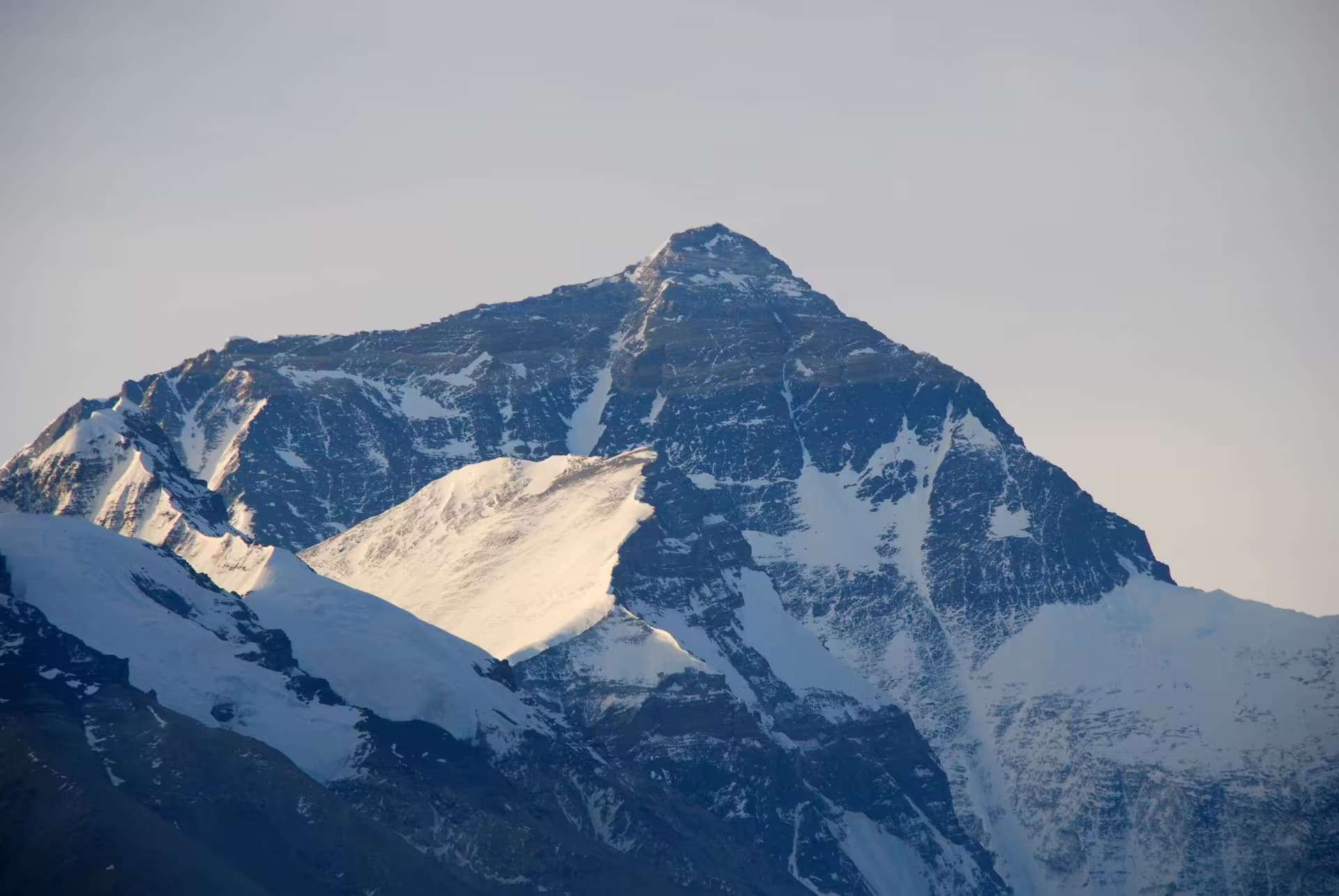
Mount Everest (Sagarmatha)
The highest peak on Earth, centerpiece of the park
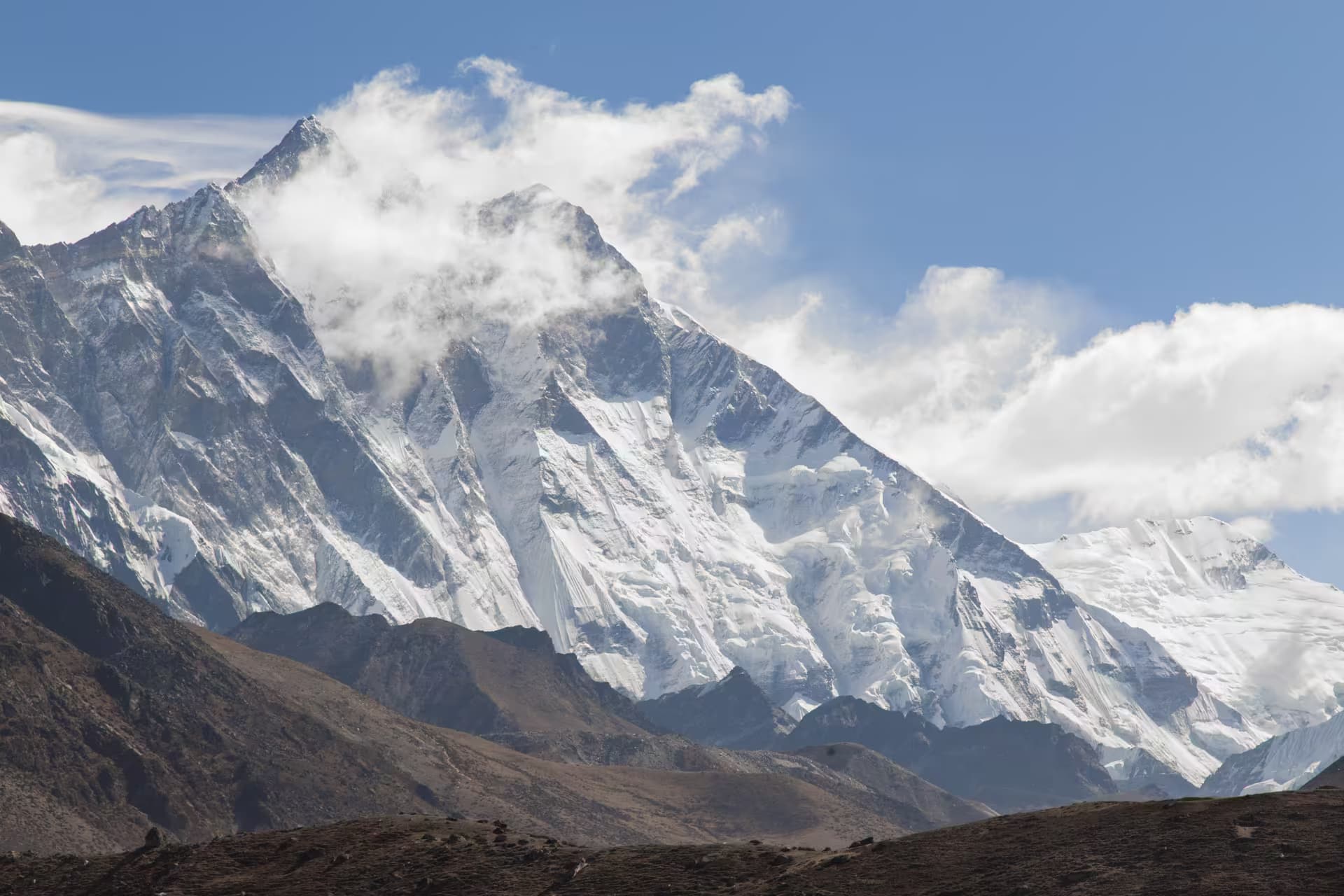
Lhotse
Fourth-highest peak, shares South Col with Everest
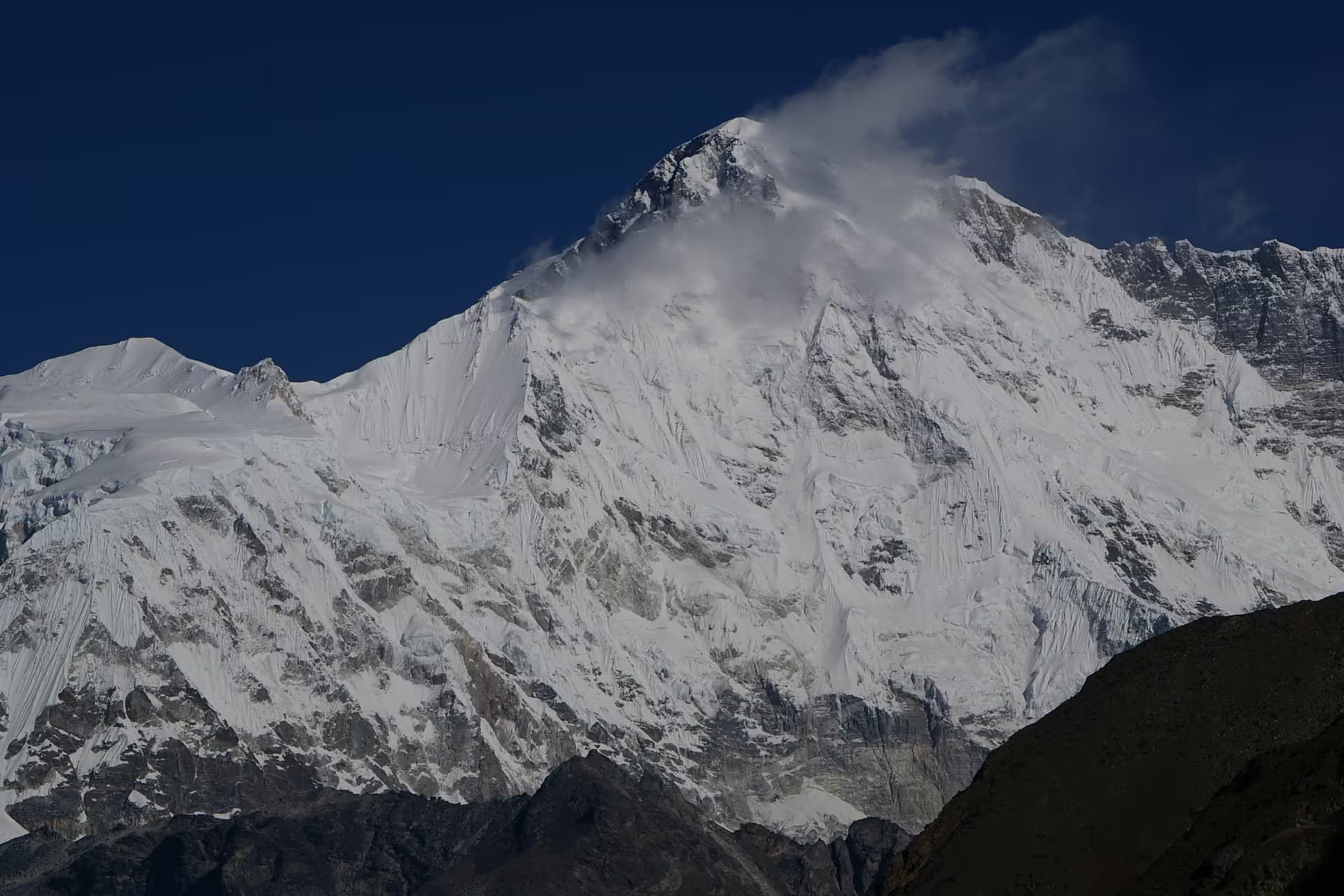
Cho Oyu
Sixth-highest peak, on the Nepal-Tibet border
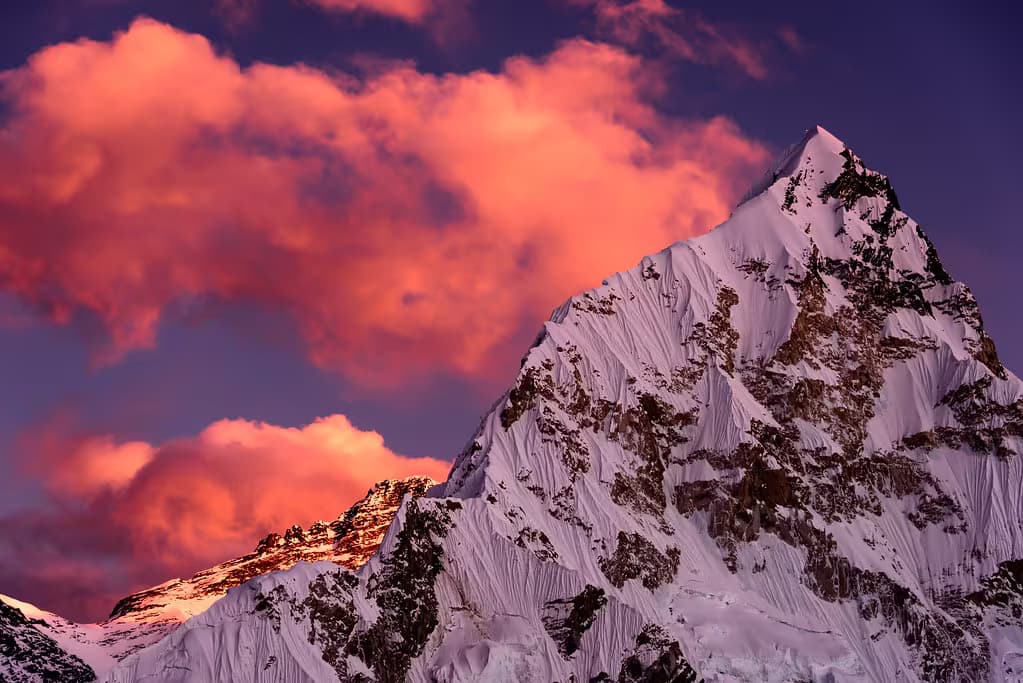
Nuptse
Third peak of the Everest massif, linked by the Western Cwm
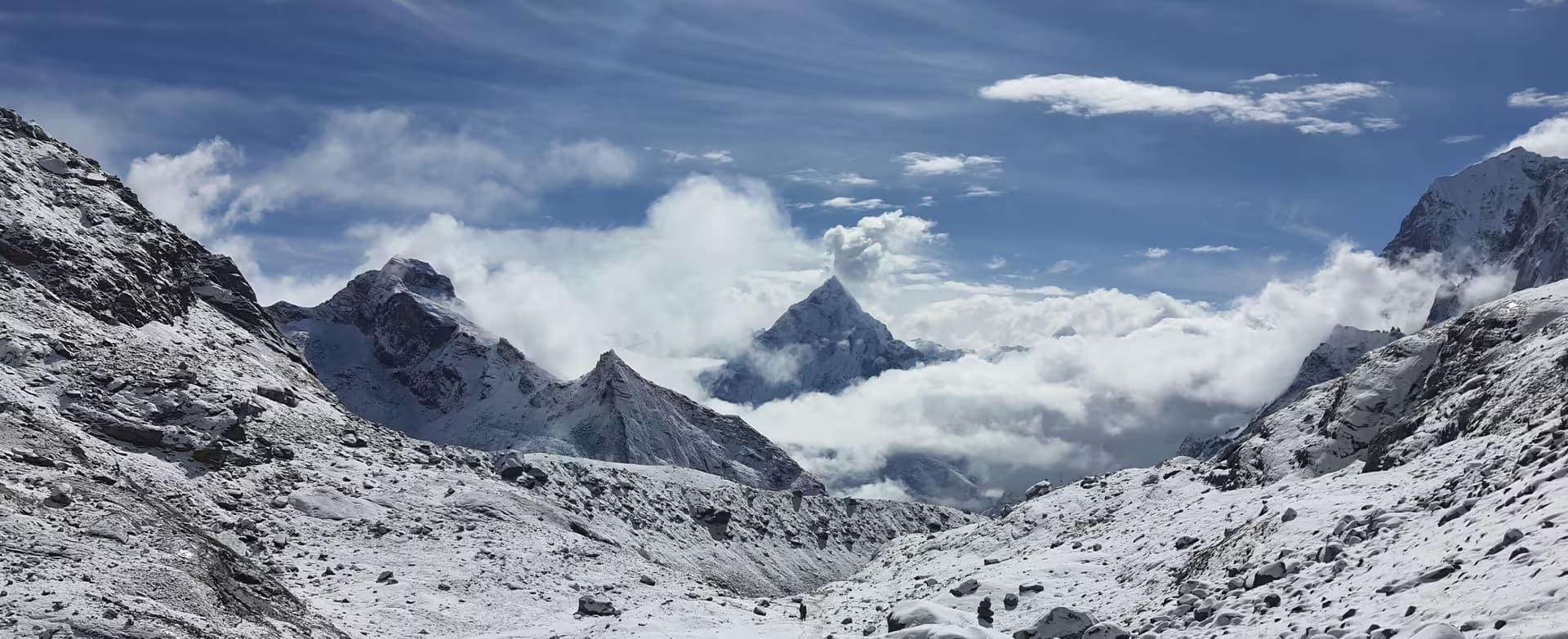
Everest Three Passes Trek
Epic circuit crossing Kongma La, Cho La, and Renjo La
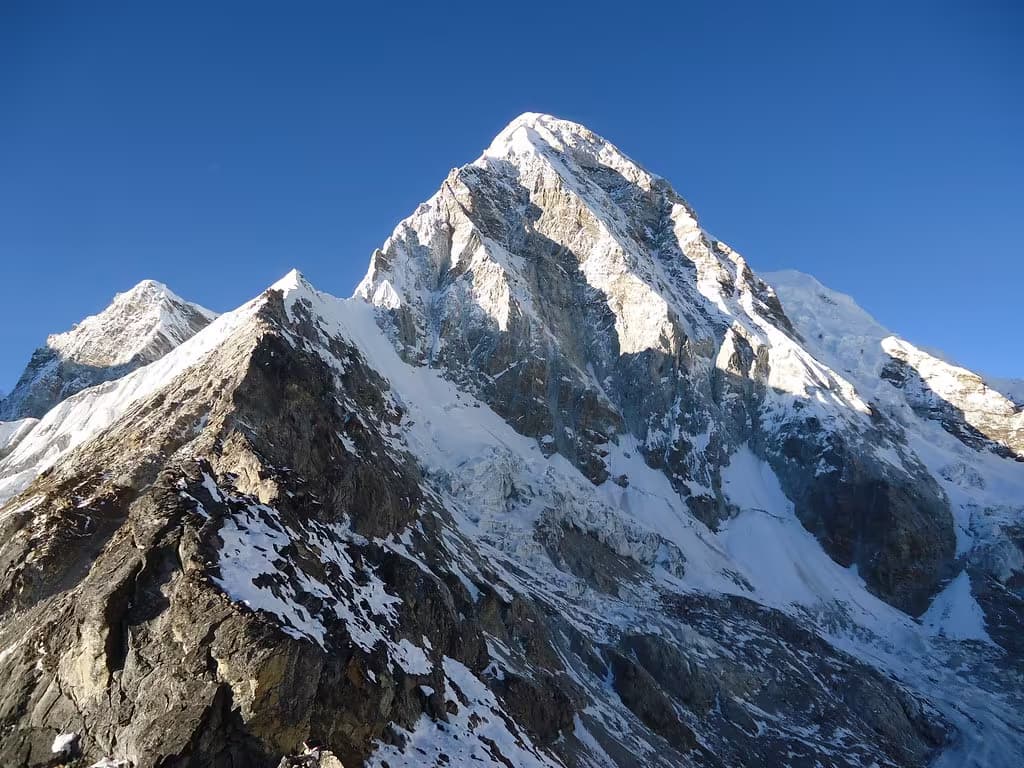
Pumori
Sentinel peak at the head of the Khumbu Valley, striking from Gorak Shep
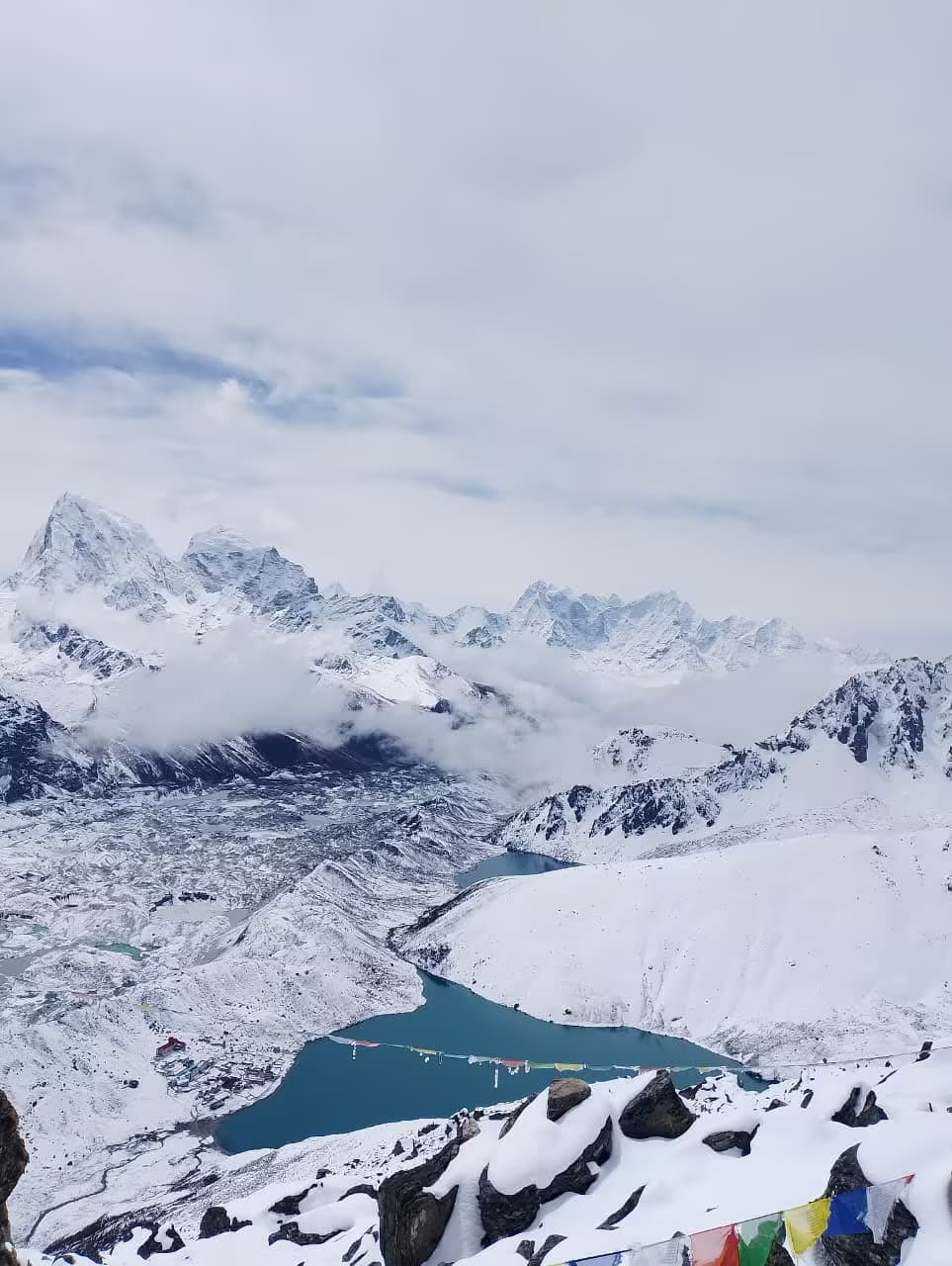
Gokyo Lakes Trek
Turquoise high-altitude lakes route
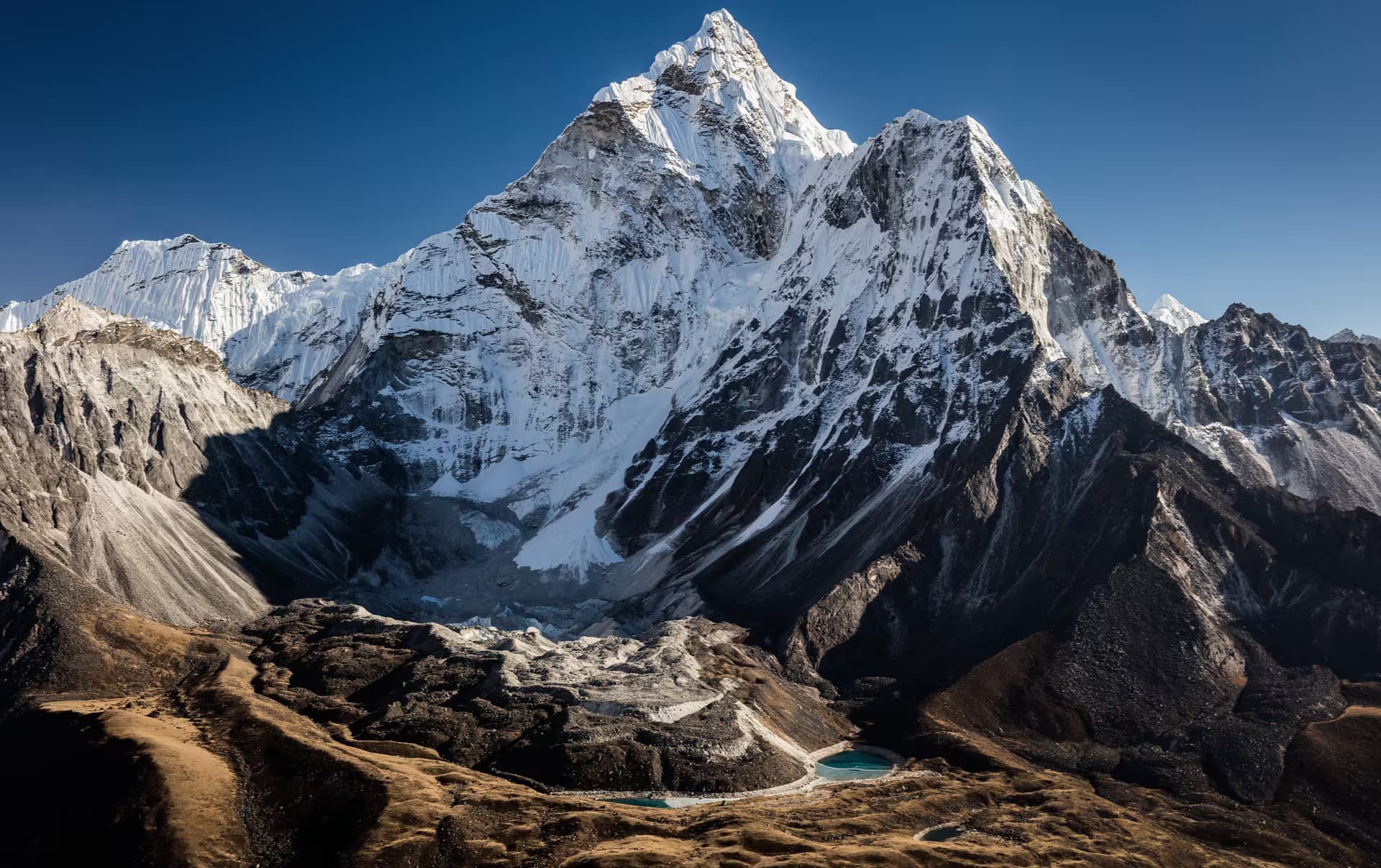
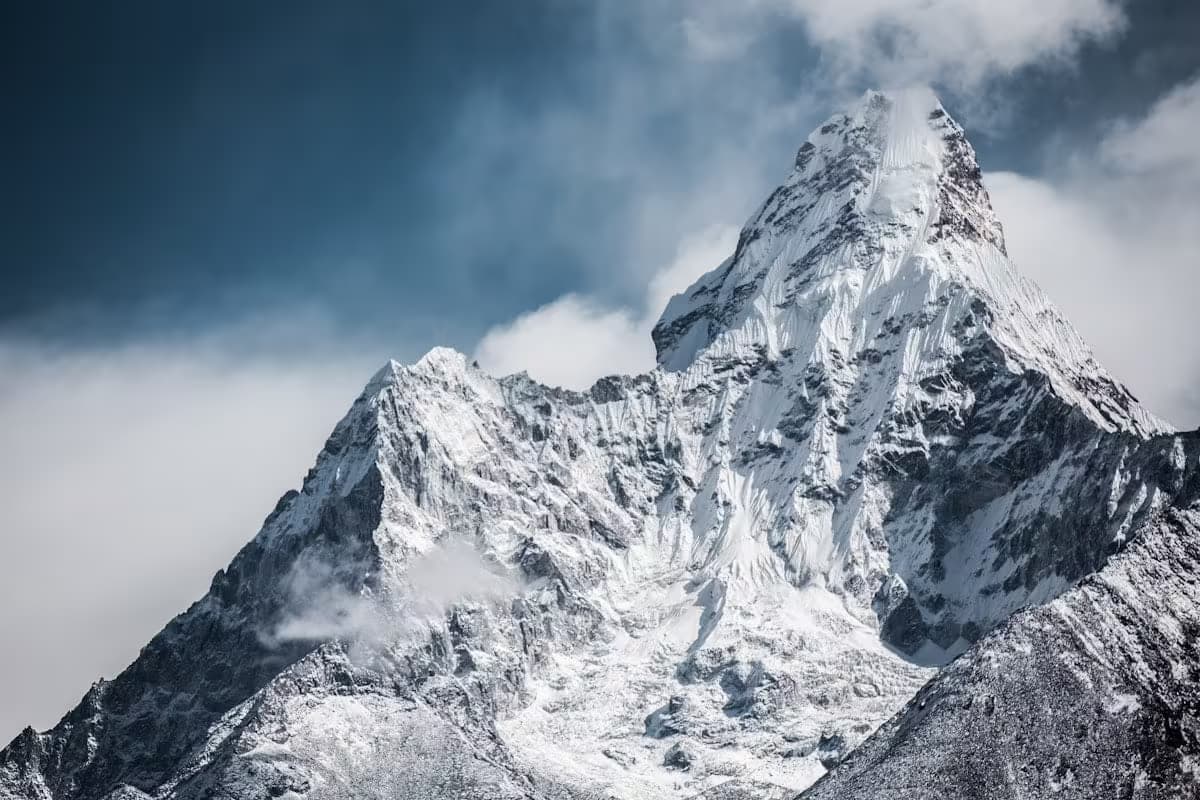
Ama Dablam
The iconic double-humped peak visible throughout the Khumbu valley
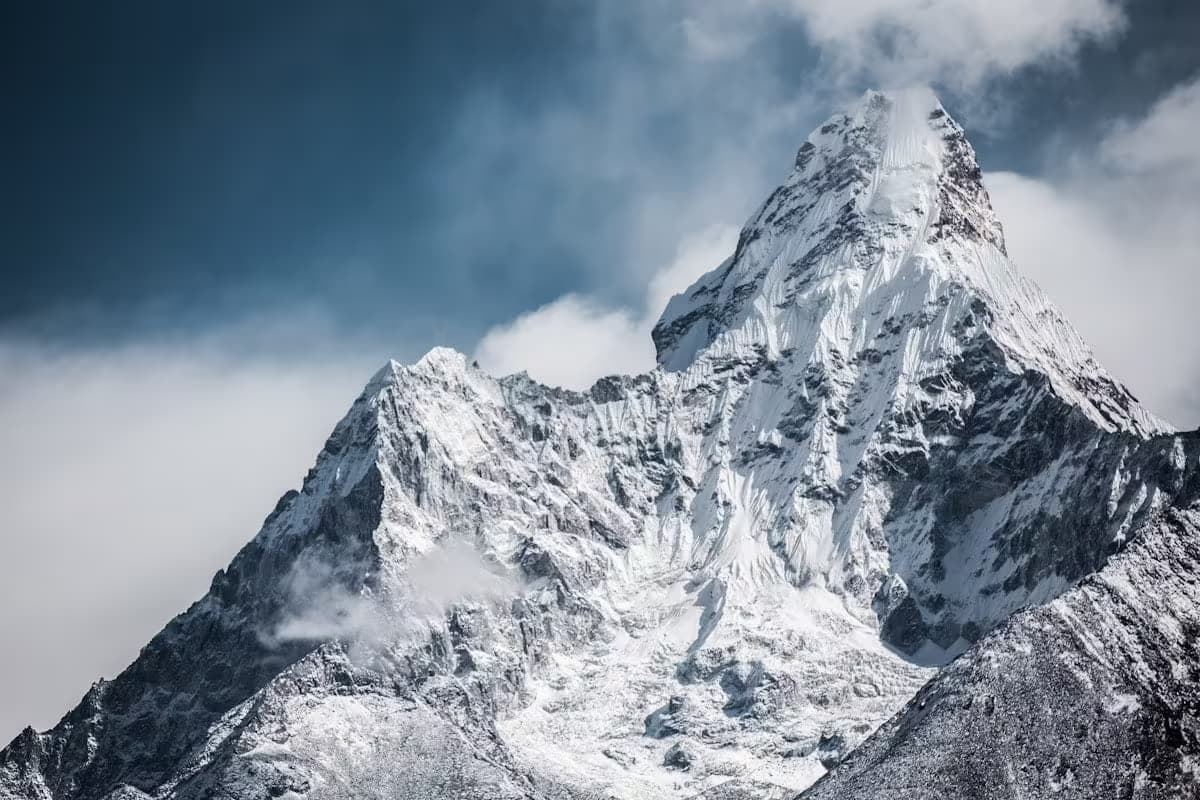
Island Peak (Imja Tse)
Popular trekking peak above the Chhukung valley, gateway climb for many alpinists
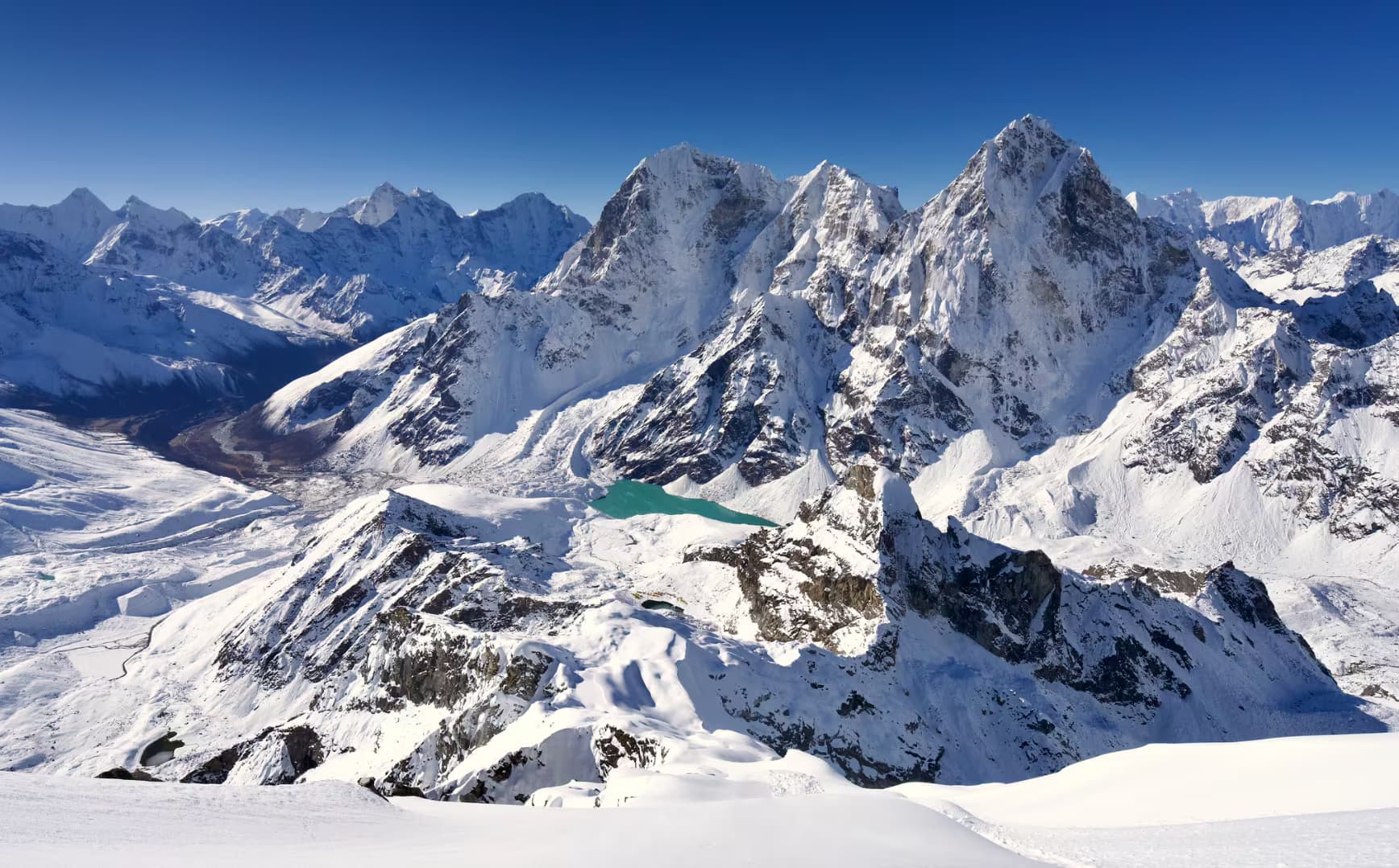
Lobuche East
Technical trekking peak above Lobuche village on the Everest trail
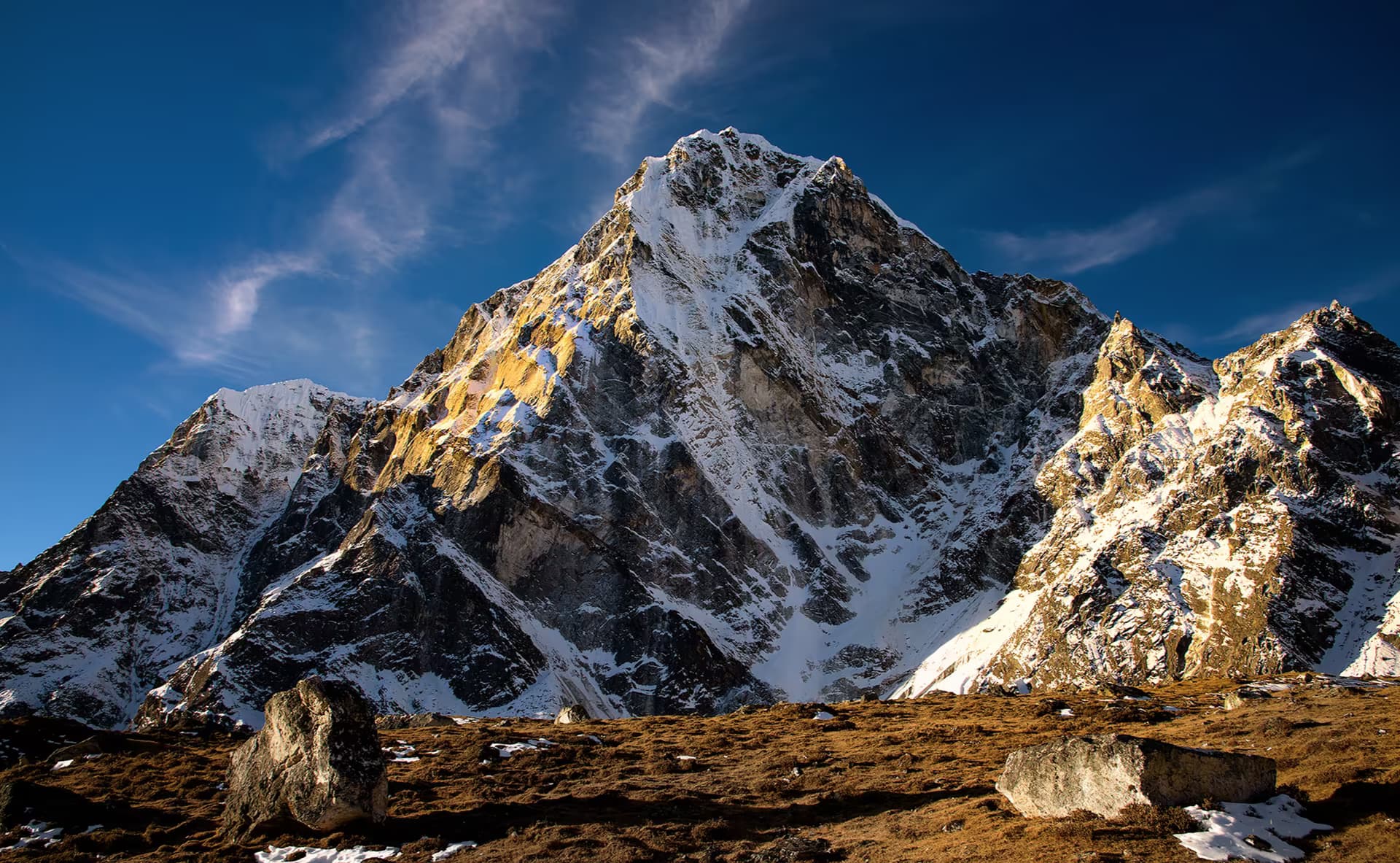
Cholatse
Steep pyramid above Cho La pass with technical routes on all aspects
Connects to
Routes and trails that link here
Planning this trip? Local operators publishing trips here can arrange it.
Elsewhere in this region
Help us get it right
Know Sagarmatha National Park better than we do?
We write from research and reporting, and the ground changes faster than we can keep up. If something here is out of date, or you have been and would tell it differently, we would rather hear it.