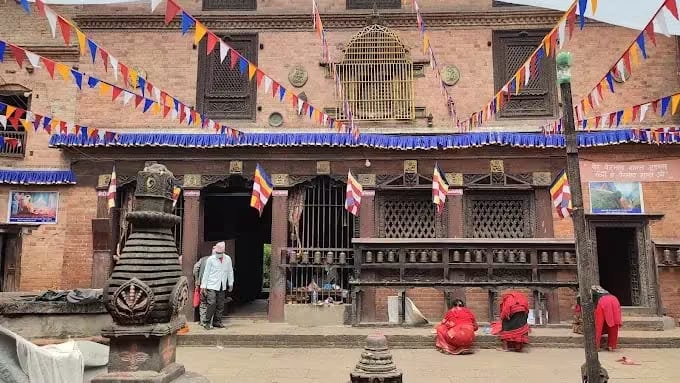
Bahal · Syncretic
Dipankar Mahavihar
दीपंकर महाविहार
Dipankara Buddha·Built c. 1630 CE·Bhaktapur
A hidden gem deep in Bhaktapur's alleys, housing the city's principal Dipankara Buddha alongside Hindu deities in a beautifully syncretic setting.
Dedicated to
Dipankara Buddha
Period
Built c. 1630 CE
Hours
6:00 AM – 5:00 PM
Admission
Free
Neighborhood
Between Kwathandou and Bekhal, inner Bhaktapur
Dipankar Mahavihar, built around 1630 CE, is the second most-visited Buddhist monastery in Bhaktapur. Accessible only through narrow alleyways between the Kwathandou and Bekhal quarters, the monastery rewards adventurous visitors who venture deep into Bhaktapur's medieval street network.
The monastery houses Bhaktapur's principal Dipankara Buddha — one of the Buddhas of the past, venerated across the Newar Buddhist world — dressed in yellow garments. Alongside the Buddha stand statues of Mahankal, Manjushree, Ganesh, and Shiva-Parvati, as well as a Red Tara figure, creating a rich syncretic pantheon that blends Buddhist and Hindu traditions.
This mix of deities under one roof illustrates the distinctly Newar approach to religion, where Buddhist and Hindu traditions are not seen as separate or competing faiths but as complementary paths. The monastery's hidden location and narrow approach lanes give it a 'secret treasure' quality that many visitors find enchanting.
Dipankar Mahavihar pairs well with a visit to the nearby Chatur Varna Mahavihar for a deeper understanding of Bhaktapur's Buddhist heritage.
Best visited in autumn.autumn: best, 10°C to 26°C. Best season for Bhaktapur. Clear light on the monastery's carvings. Combine with pottery square and temples. monsoon: possible, 20°C to 29°C. Accessible in light rain. The ancient Buddhist monastery retains its atmosphere in any weather. spring: good, 11°C to 29°C. Warm days for Bhaktapur heritage walks. The monastery is near Durbar Square for easy combining. winter: good, 2°C to 19°C. Quiet and contemplative atmosphere. Cold mornings but pleasant midday sun in the courtyard.
The Almanac
Accessible in light rain. The ancient Buddhist monastery retains its atmosphere in any weather.
Folio III
Nearby Sacred Sites
Places within a short walk that help turn this stop into a small sacred cluster.
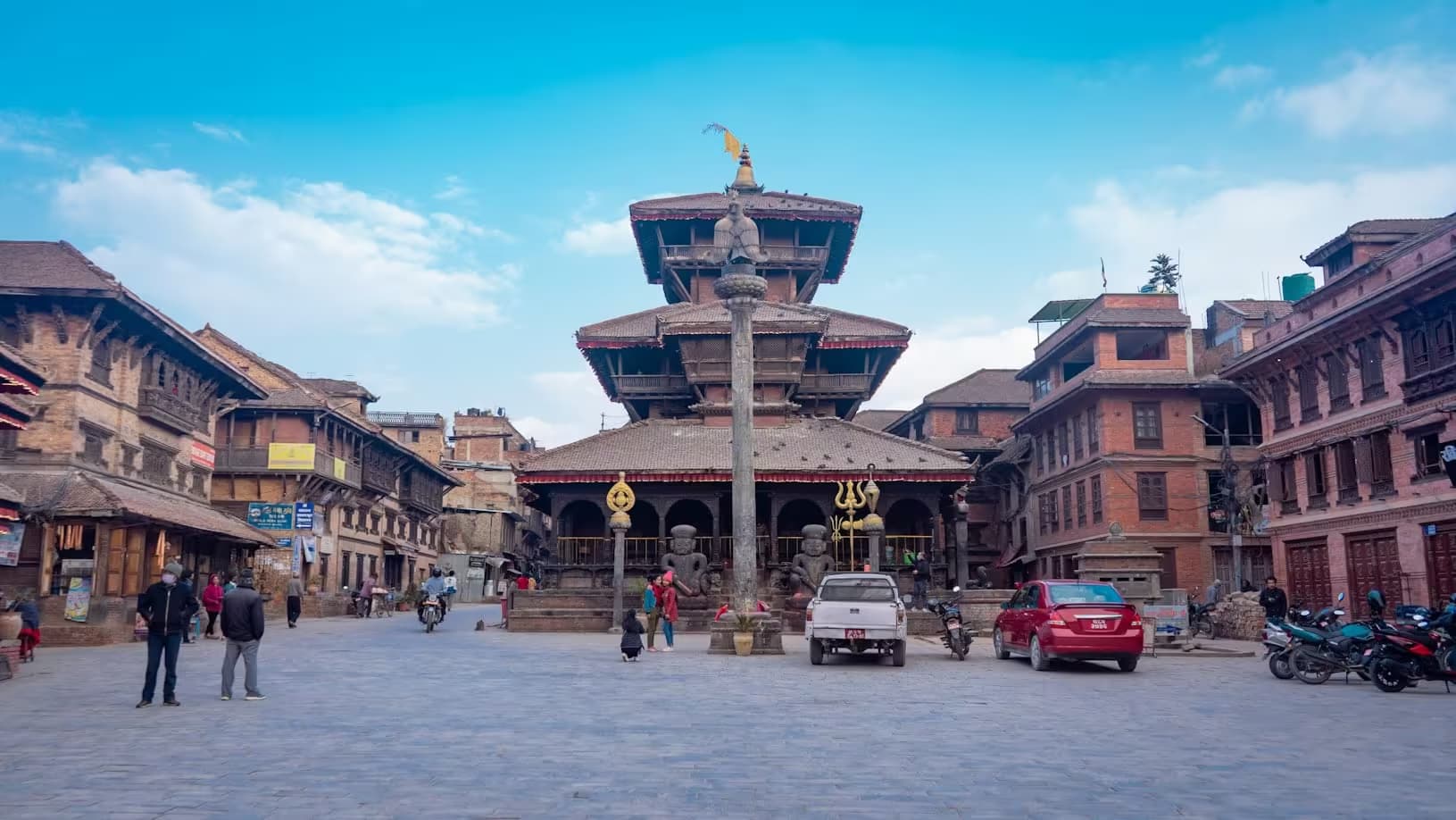
Dattatraya Temple
Bhaktapur's landmark three-storey pagoda in Dattatraya Square, dedicated to the combined trinity form of Brahma, Vishnu, and Shiva and central to the old Tachapal quarter.
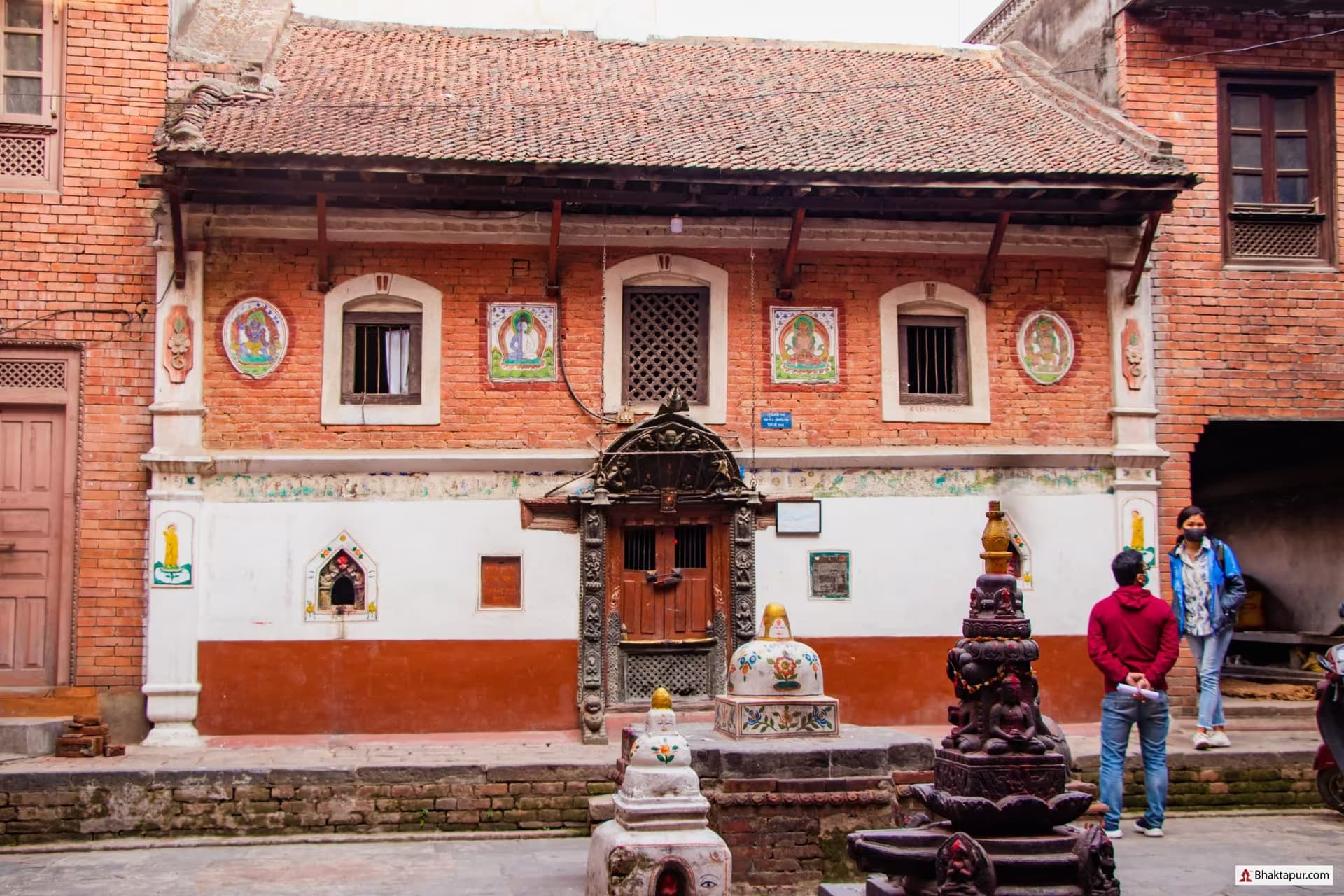
Tom Bahal (Aadipadma Mahavihar)
The oldest bahal in Bhaktapur and starting point of the Samyak Mahadan and Panchara rituals — a living center of Newar Buddhist ceremonial life in the city.
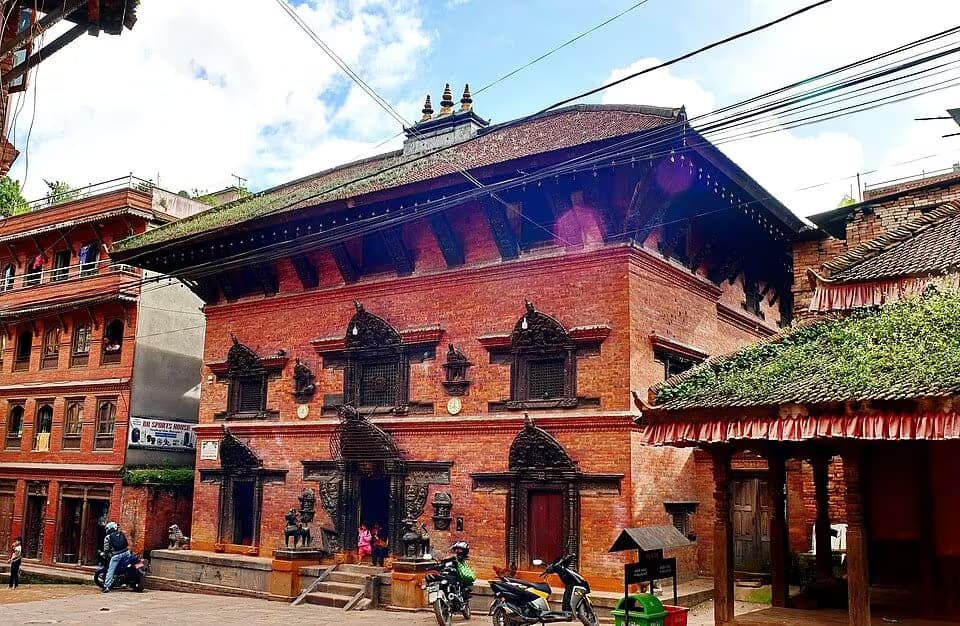
Navadurga Temple (Nava Durga Dyo Chhen)
The sacred temple-house where Bhaktapur's legendary Nava Durga dance masks are created, consecrated, and displayed — the spiritual epicentre of the city's unique tantric masked dance tradition.
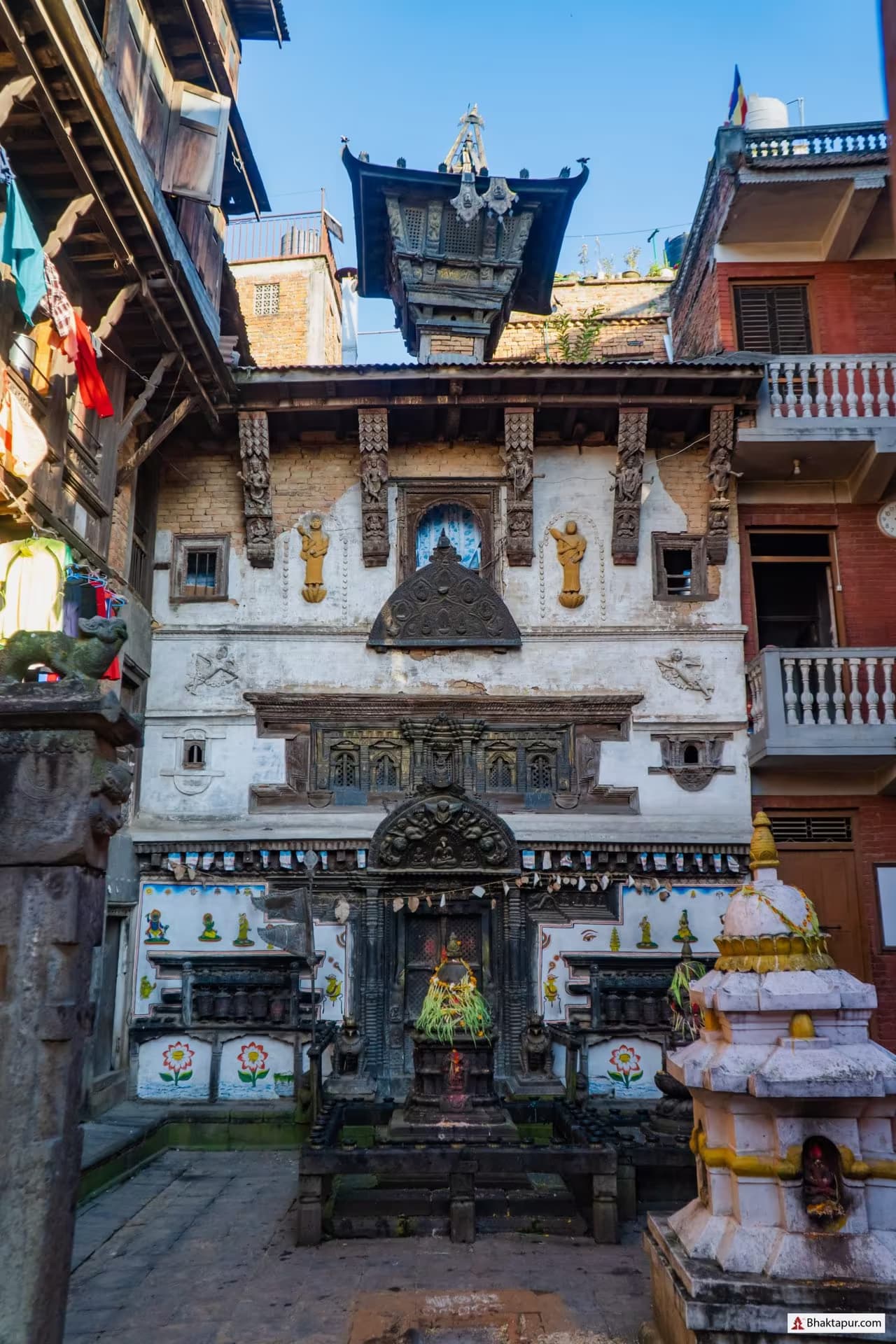
Indra Varna Mahavihar (Inabaha)
One of the five major mahavihars of Bhaktapur, located at Inacho Chowk and housing a Dipankar Buddha — an important node in the city's Buddhist ceremonial network.
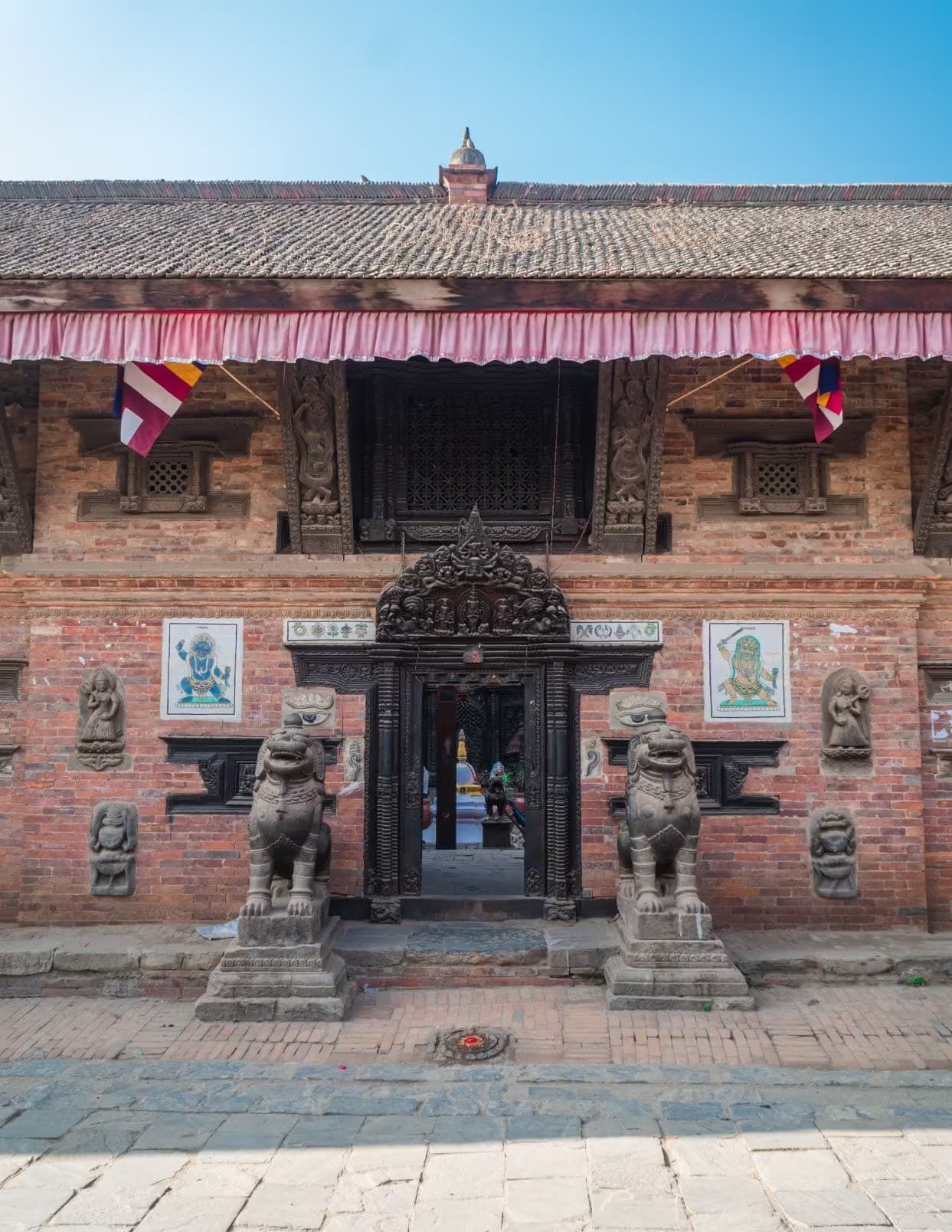
Chatur Varna Mahavihar
Bhaktapur's most visited mahavihar near Durbar Square, built in 1492 with a fascinating mix of Buddhist and Hindu guardian figures.
Coda
Continue the Pilgrimage

Part of
Bhaktapur Durbar Square
Planning this visit? Local operators publishing trips here can arrange it.
Elsewhere in this region
Help us get it right
Know Dipankar Mahavihar better than we do?
We write from research and reporting, and the ground changes faster than we can keep up. If something here is out of date, or you have been and would tell it differently, we would rather hear it.