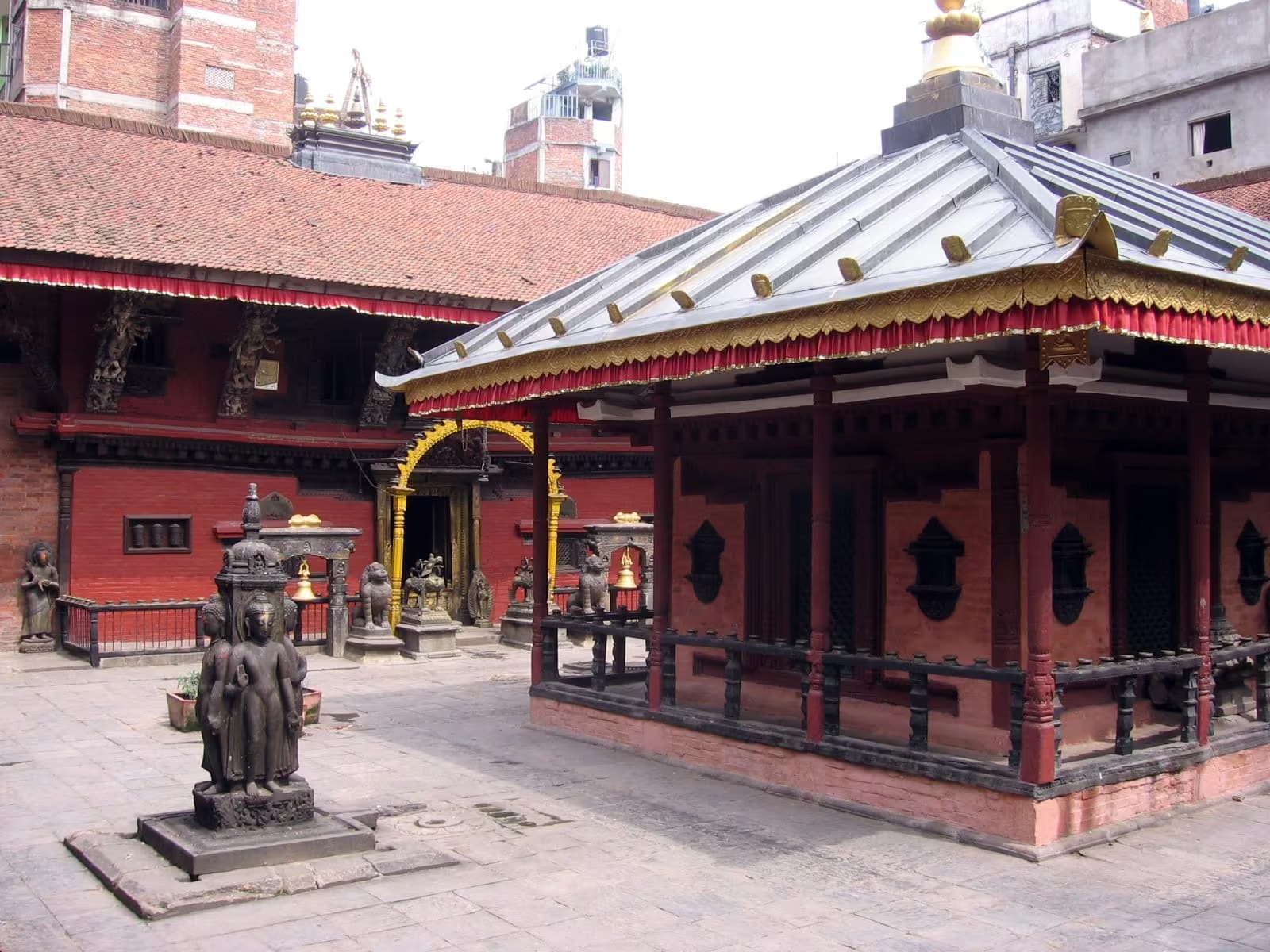
Bahal · Buddhist
Itum Bahal (Keshchandra Mahavihar)
इटुम बहाल
Prince Keshchandra (Buddhist)·11th century CE (current structures 13th century)·Kathmandu
Kathmandu's largest Buddhist monastery complex with hidden courtyards, brass plaques depicting the Gurumapa legend, and a golden window relic.
Dedicated to
Prince Keshchandra (Buddhist)
Period
11th century CE (current structures 13th century)
Hours
Open courtyard (accessible during daytime)
Admission
Free
Neighborhood
Between Thamel and Durbar Square, Old Kathmandu
Itum Bahal, formally known as Keshchandra Mahavihar, is the largest Buddhist monastery complex in Kathmandu. Hidden between Thamel and Durbar Square, this sprawling compound dates to the 11th century, with most current structures from the 13th century.
The monastery is famous for its multiple hidden courtyards (nanis) — Saraswati Nani, Tara Nani, and Baku Nani — each offering a different atmosphere and collection of sacred art. Brass plaques throughout the complex depict the legend of Prince Keshchandra and the monster Gurumapa, a beloved Newari folk tale. A golden window relic is among the monastery's prized artistic treasures.
Severely damaged in the 2015 earthquake, the main shrine was fully restored by 2017 with support from the World Monuments Fund, demonstrating the international significance of this heritage site.
The complex also houses a free community clinic, continuing the Newar tradition of monasteries serving both spiritual and civic functions. The northern entrance via Kilagal Street and the hidden southern archway from Chokachen Street make approaching the bahal an adventure in itself, winding through the atmospheric lanes of old Kathmandu.
Best visited in autumn.autumn: best, 10°C to 27°C. Perfect weather for walking through old Kathmandu's courtyards. Festival decorations add color. monsoon: possible, 20°C to 30°C. Rain adds atmosphere to the ancient courtyard. The bahal is a living community — visit respectfully. spring: good, 12°C to 30°C. Warm weather for exploring Kathmandu's largest and oldest bahal. The courtyard comes alive with local activity. winter: good, 2°C to 20°C. Quiet mornings in the ancient courtyard. Locals gathering for winter sun makes for authentic cultural moments.
The Almanac
Rain adds atmosphere to the ancient courtyard. The bahal is a living community — visit respectfully.
Folio III
Nearby Sacred Sites
Places within a short walk that help turn this stop into a small sacred cluster.
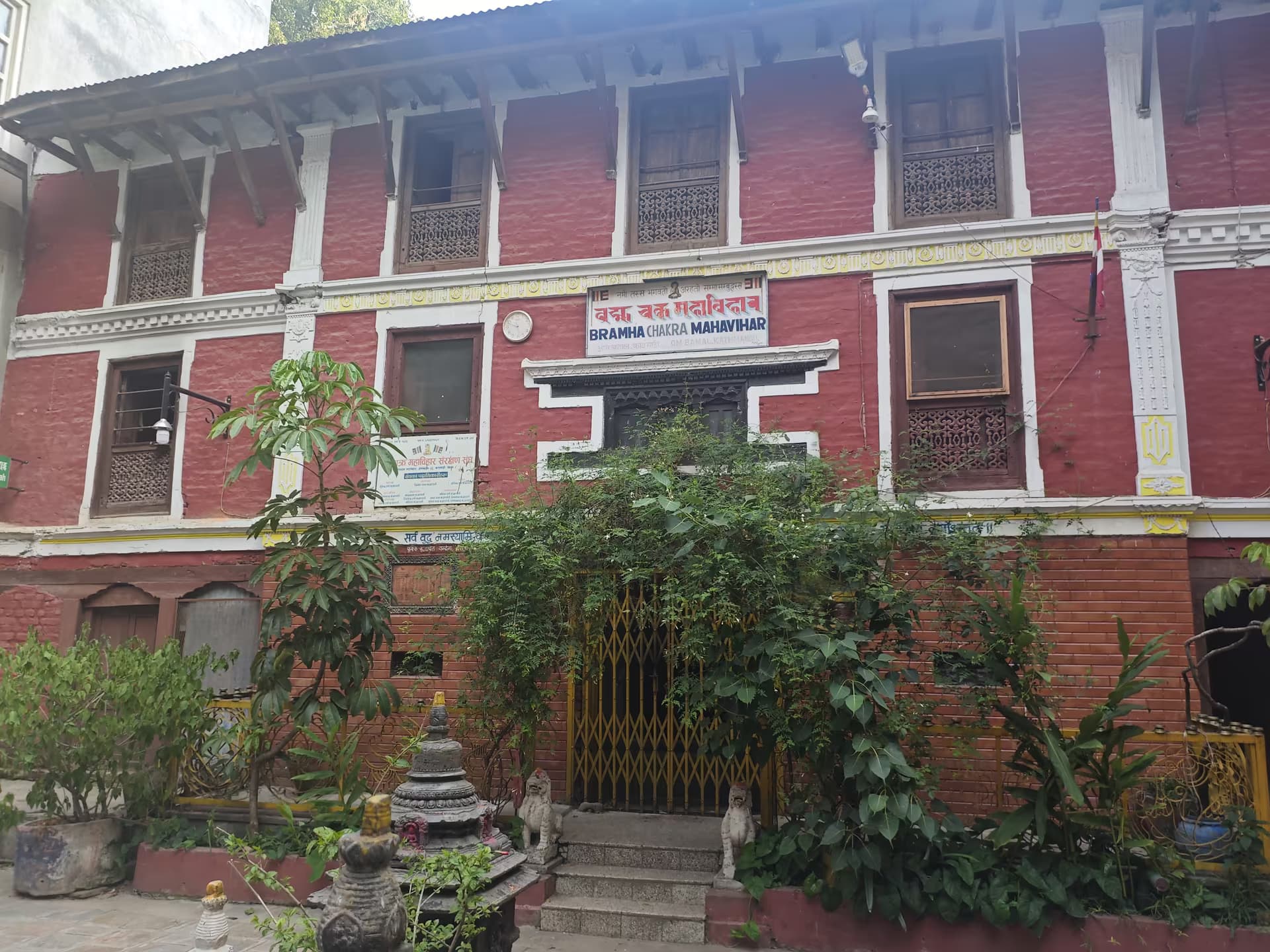
Om Bahal (Brahmachakra Mahavihar)
One of the 18 principal mahavihars of Kathmandu, the 'Wheel of Creation Monastery' lends its name to the surrounding neighborhood.
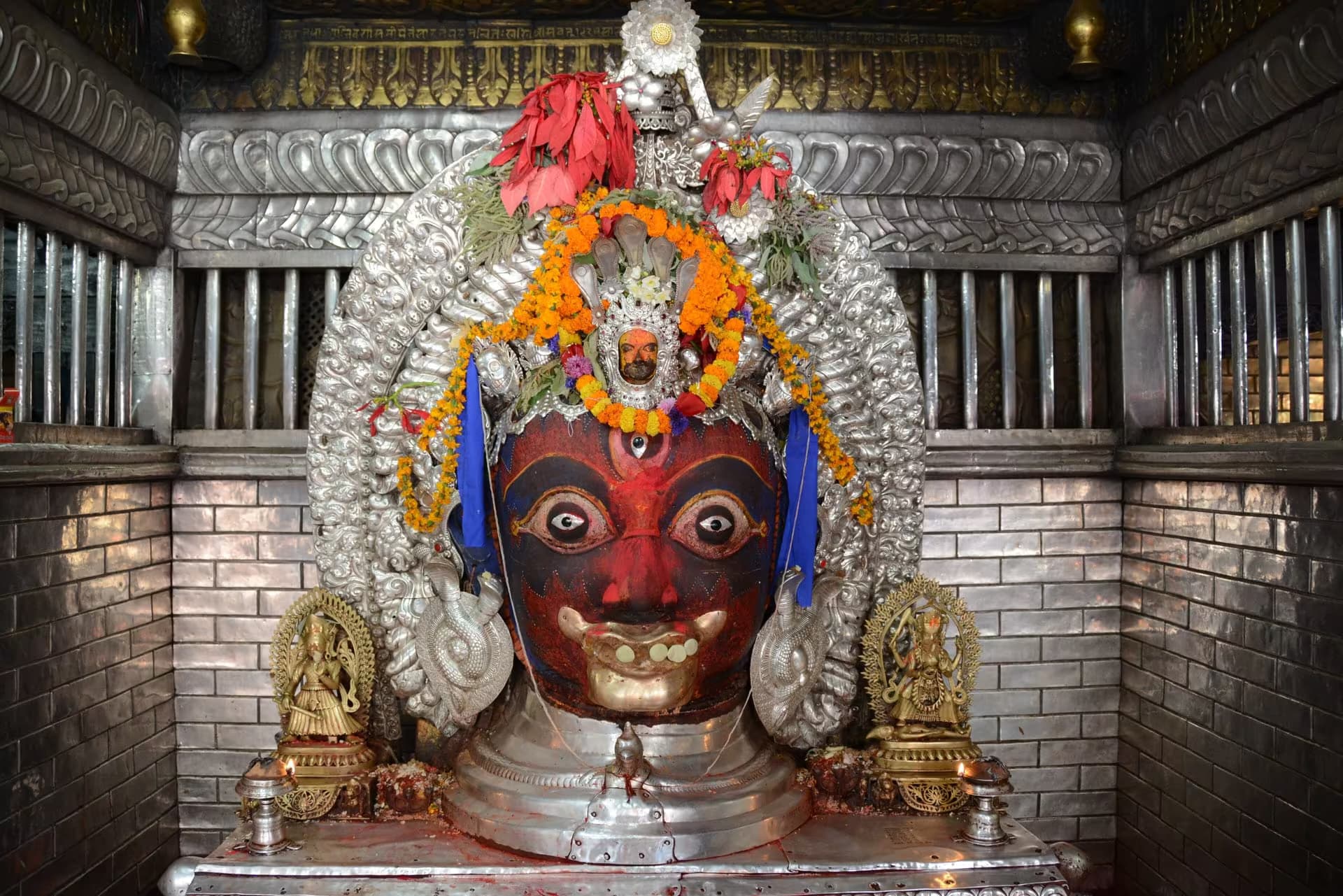
Akash Bhairav Temple
A three-storey temple at Indra Chowk housing the 'Sky Bhairav' — a disembodied silver head worshipped as the Bhairav of the heavens.
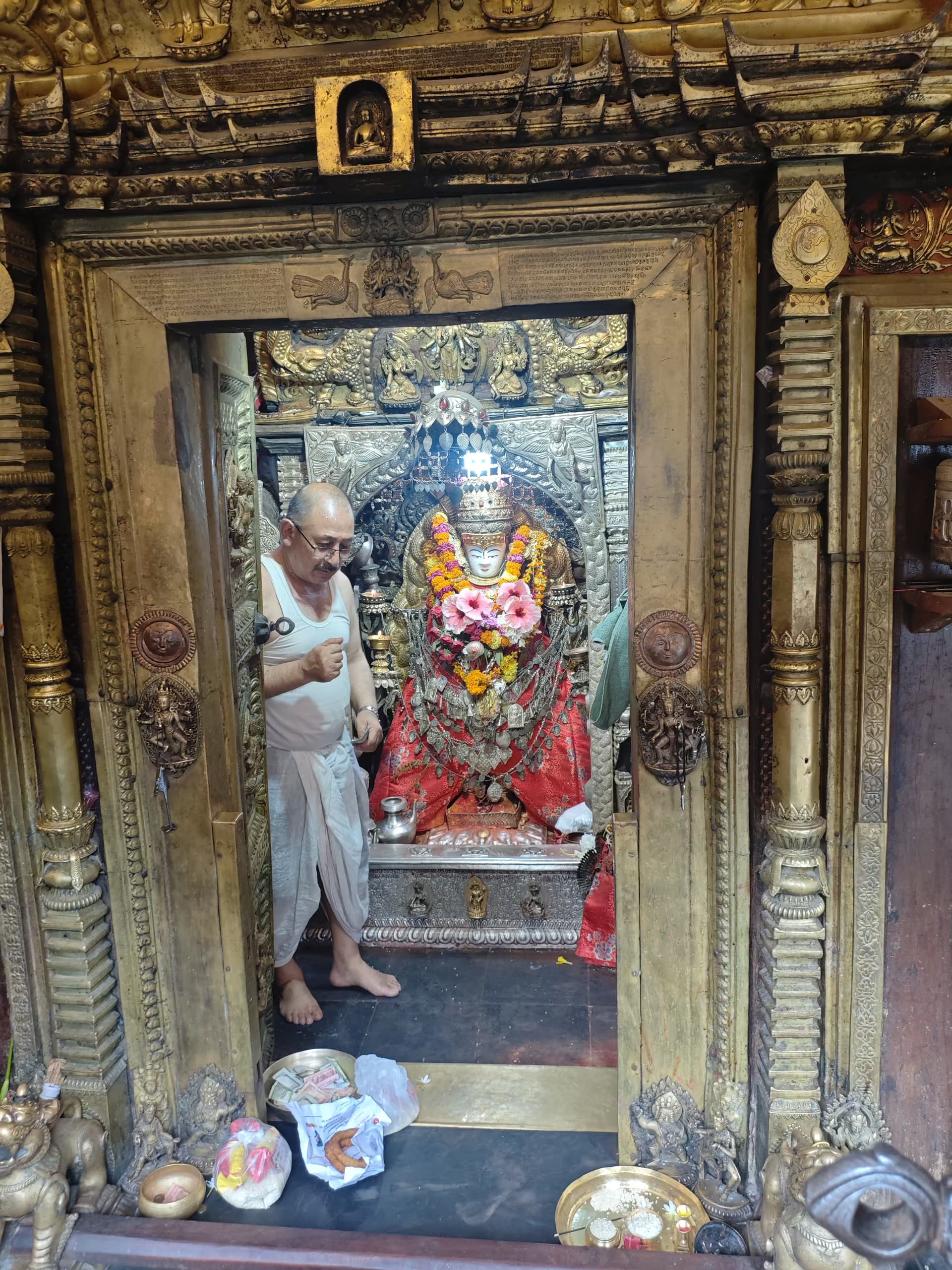
Jana Bahal (Seto Machhindranath Temple)
A 10th-century 'living bahal' housing the White Machhindranath, worshipped as Avalokiteshvara by Buddhists and Machhindranath by Hindus — the finest example of Valley syncretism.
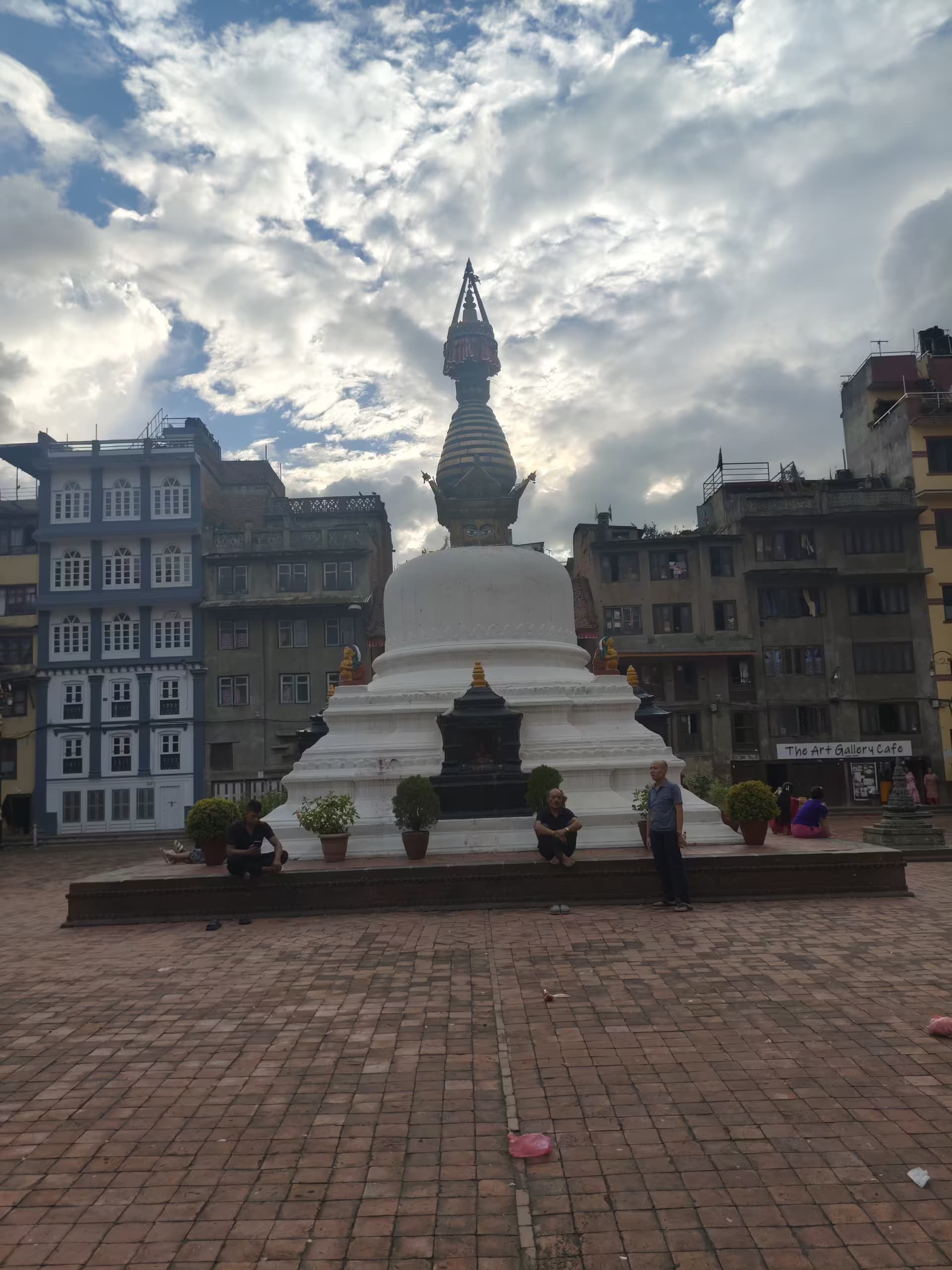
Yetakha Bahal (Bhaskarakirti Mahavihar)
Home to the oldest known wooden torana in the Kathmandu Valley (radiocarbon-dated 900-1030 CE) and stunning yaksha struts — a vast monastery courtyard hiding in plain sight near Durbar Square.
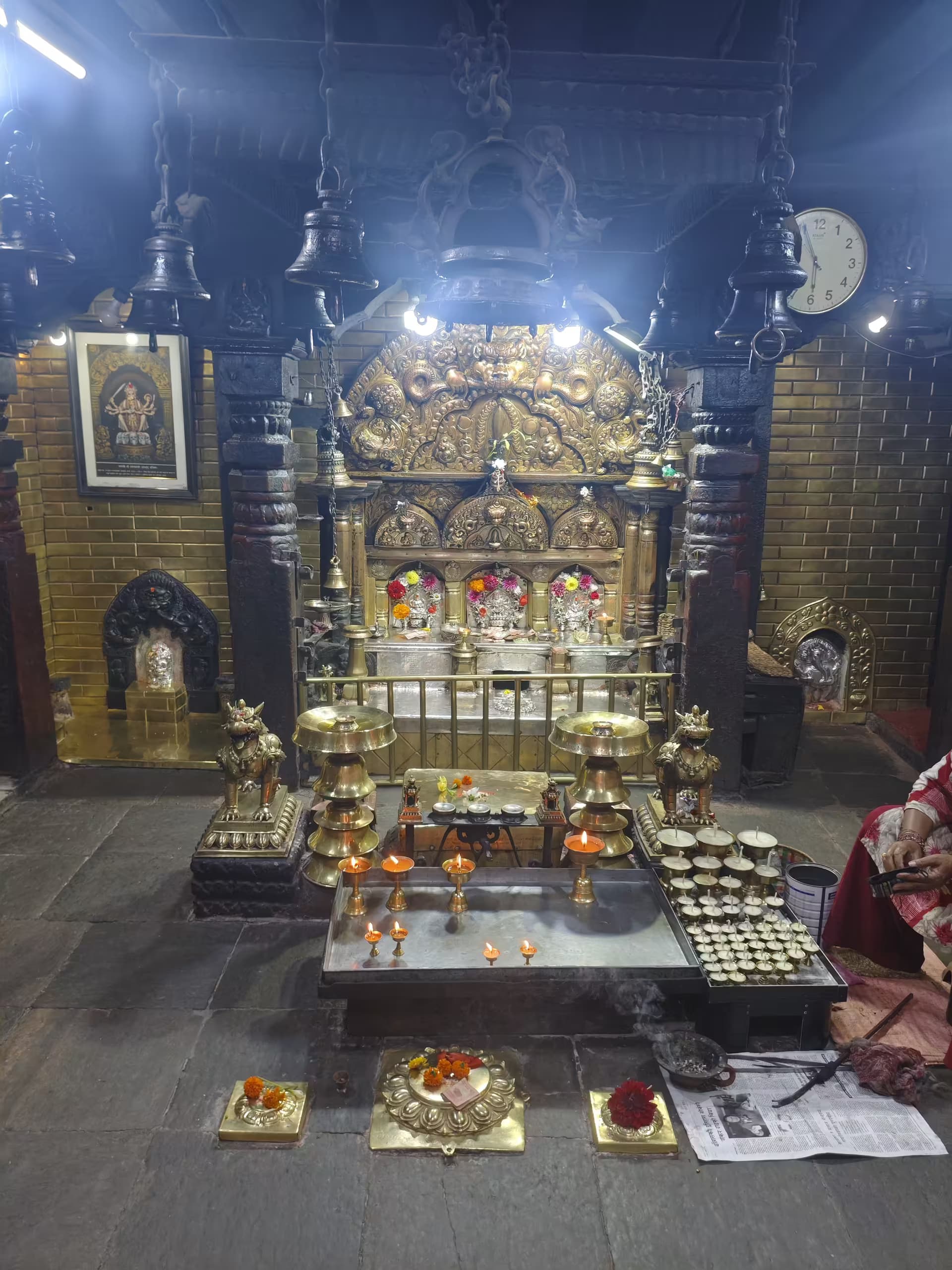
Naradevi Temple
An old inner-Kathmandu goddess temple near Durbar Square, worshipped as Sweta Kali and known to Newars as Nyata Ajima.
Coda
Continue the Pilgrimage
Planning this visit? Local operators publishing trips here can arrange it.
Elsewhere in this region
Help us get it right
Know Itum Bahal (Keshchandra Mahavihar) better than we do?
We write from research and reporting, and the ground changes faster than we can keep up. If something here is out of date, or you have been and would tell it differently, we would rather hear it.