Khokana
One of Nepal's oldest surviving villages, famous for its traditional mustard oil production, the powerful Rudrayani temple, and cobblestone lanes where centuries of Newar agrarian life remain unbroken.
- Altitude
- 1,350 m
- Coordinates
- 27.635°, 85.293°
Current Weather
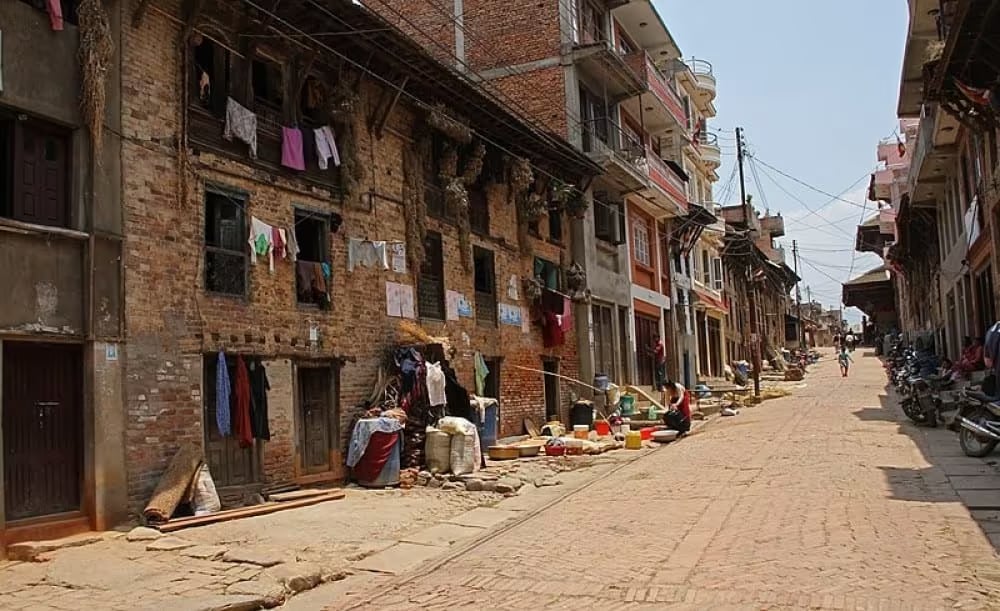
Khokana is a remarkably well-preserved Newar farming village perched on a slight rise above the rice paddies south of Patan, its origins stretching back well over a thousand years. The village is renowned throughout the valley for its mustard oil — cold-pressed using traditional wooden beam presses that have been operated by local families for generations. The pungent scent of roasting mustard seeds drifts through Khokana's narrow lanes, and small shops sell the distinctive golden oil that is a staple of Newari cooking.
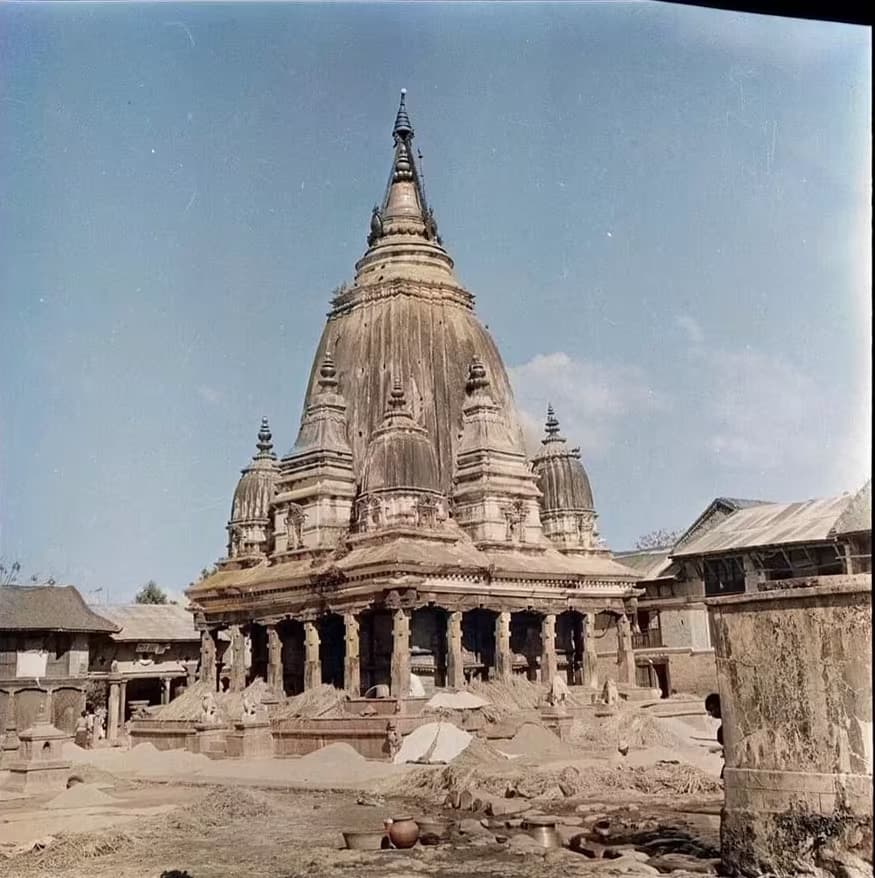
At the village's heart stands the Rudrayani Temple, dedicated to a fierce mother goddess who is Khokana's protective deity. The annual Rudrayani Jatra (chariot festival) is a vivid affair in which the goddess is paraded through the village streets. Khokana was also historically known for a controversial animal sacrifice tradition involving a goat and a pond, though this practice has been officially banned in recent years.
Khokana's built heritage — the dense cluster of three-storey brick houses, the communal courtyards (nani), the stone water spouts (hiti), and the raised brick platforms (dabali) where elders gather — offers one of the most authentic snapshots of traditional Newar village life in the entire valley. The 2015 earthquake caused significant damage, and some sections remain under reconstruction. Khokana is a 20-minute walk from Bungamati and easily combined for a half-day village excursion from Patan. No entry fee is charged.
Location
Planning this trip? Local operators publishing trips here can arrange it.
Elsewhere in this region
Help us get it right
Know Khokana better than we do?
We write from research and reporting, and the ground changes faster than we can keep up. If something here is out of date, or you have been and would tell it differently, we would rather hear it.