Nepal protects roughly a quarter of its land area in 12 national parks, 6 conservation areas, 1 wildlife reserve and 1 hunting reserve — a chain that runs from the sub-tropical Terai floodplains all the way up to the glaciers of Sagarmatha. The big-game parks of the south harbour Nepal's famous one-horned rhino, Bengal tiger and gharial; the Himalayan reserves safeguard snow leopard, red panda and Himalayan tahr.
The Terai Lowlands
75–300 m · 7 areas
Subtropical floodplains and sal forest along the southern border — this is big-game Nepal. One-horned rhino, Bengal tiger, gharial and wild elephant in Chitwan and Bardia; blackbuck on the Khairapur grasslands; clouds of migratory birds over Koshi Tappu's marshes.
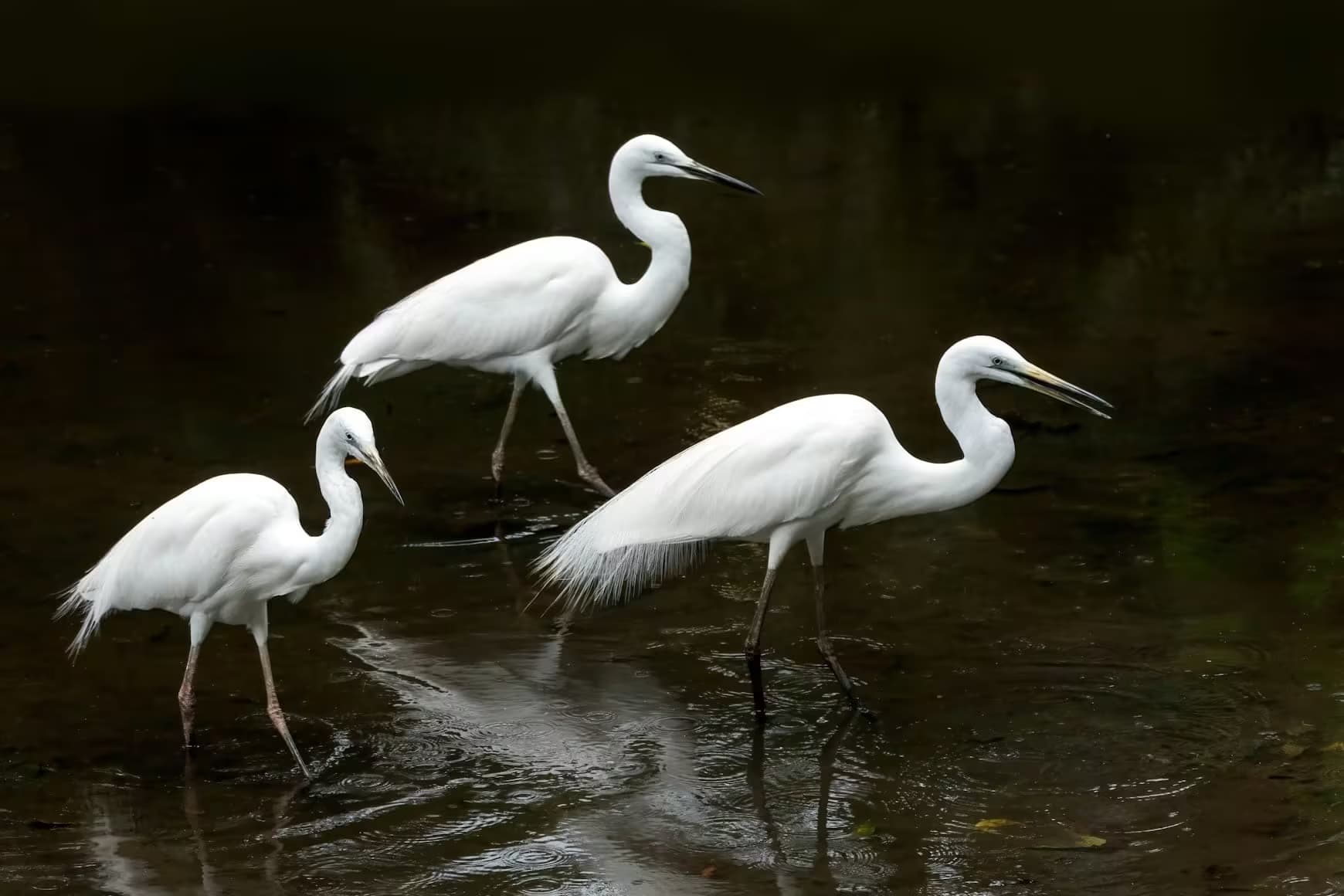
Wildlife Reserve
Koshi Tappu Wildlife Reserve
A Ramsar wetland on the Koshi River floodplain, a paradise for birdwatchers with over 500 species and Nepal's last population of wild water buffalo.
Entry: NPR 1,500

National Park
Chitwan National Park
Nepal's premier wildlife destination in the Terai lowlands — home to one-horned rhinos, Bengal tigers, and over 500 bird species.
Entry: NPR 2,000

Conservation Area
Krishnasaar (Blackbuck) Conservation Area
Nepal's smallest protected area — a patch of western Terai grassland set aside to save the country's only population of the blackbuck antelope.
Entry: NPR 500
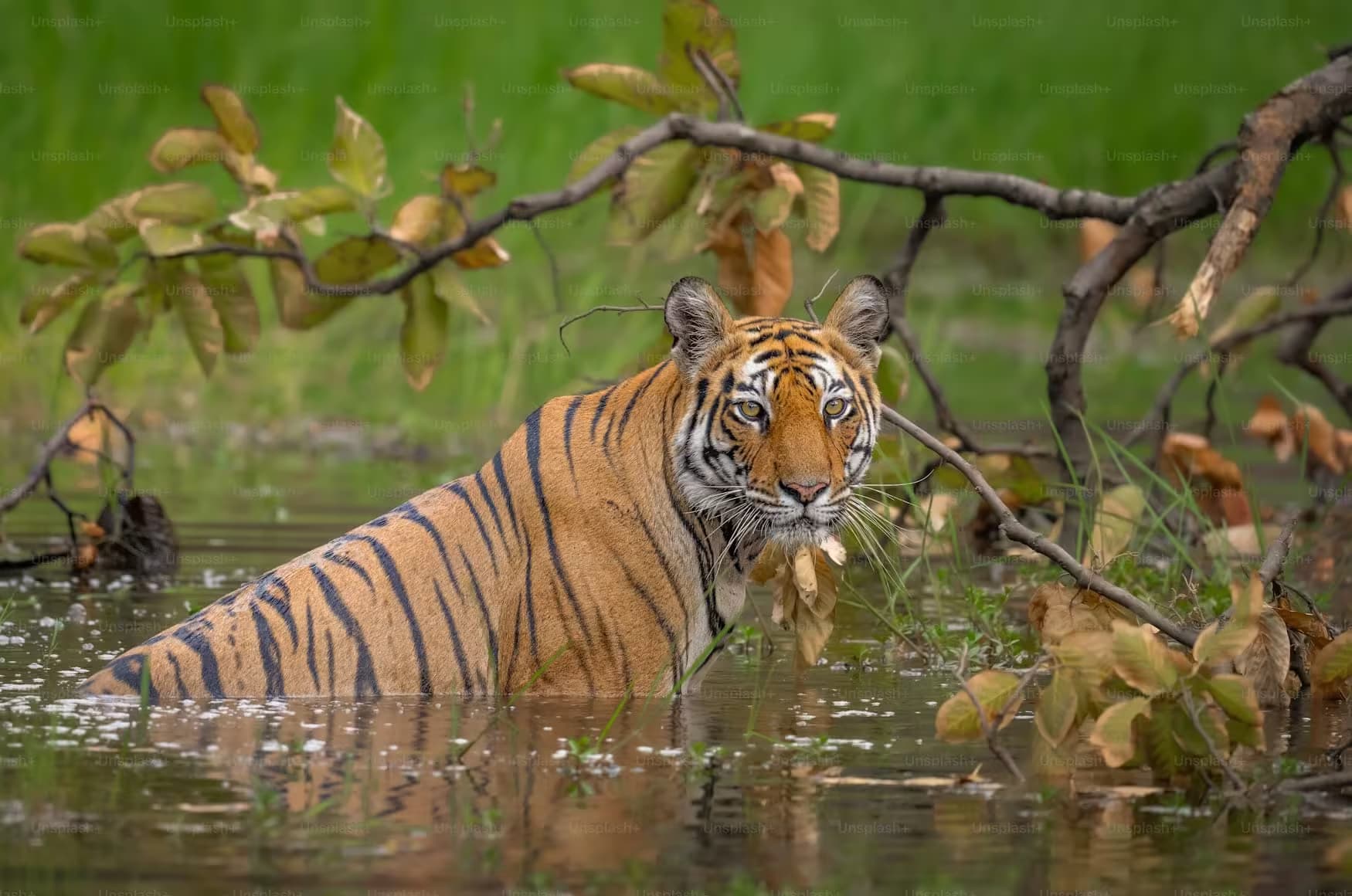
National Park
Bardia National Park
Nepal's largest undisturbed wilderness in the western Terai, home to Bengal tigers, one-horned rhinos, wild elephants, and the endangered Gangetic dolphin.
Entry: NPR 1,500
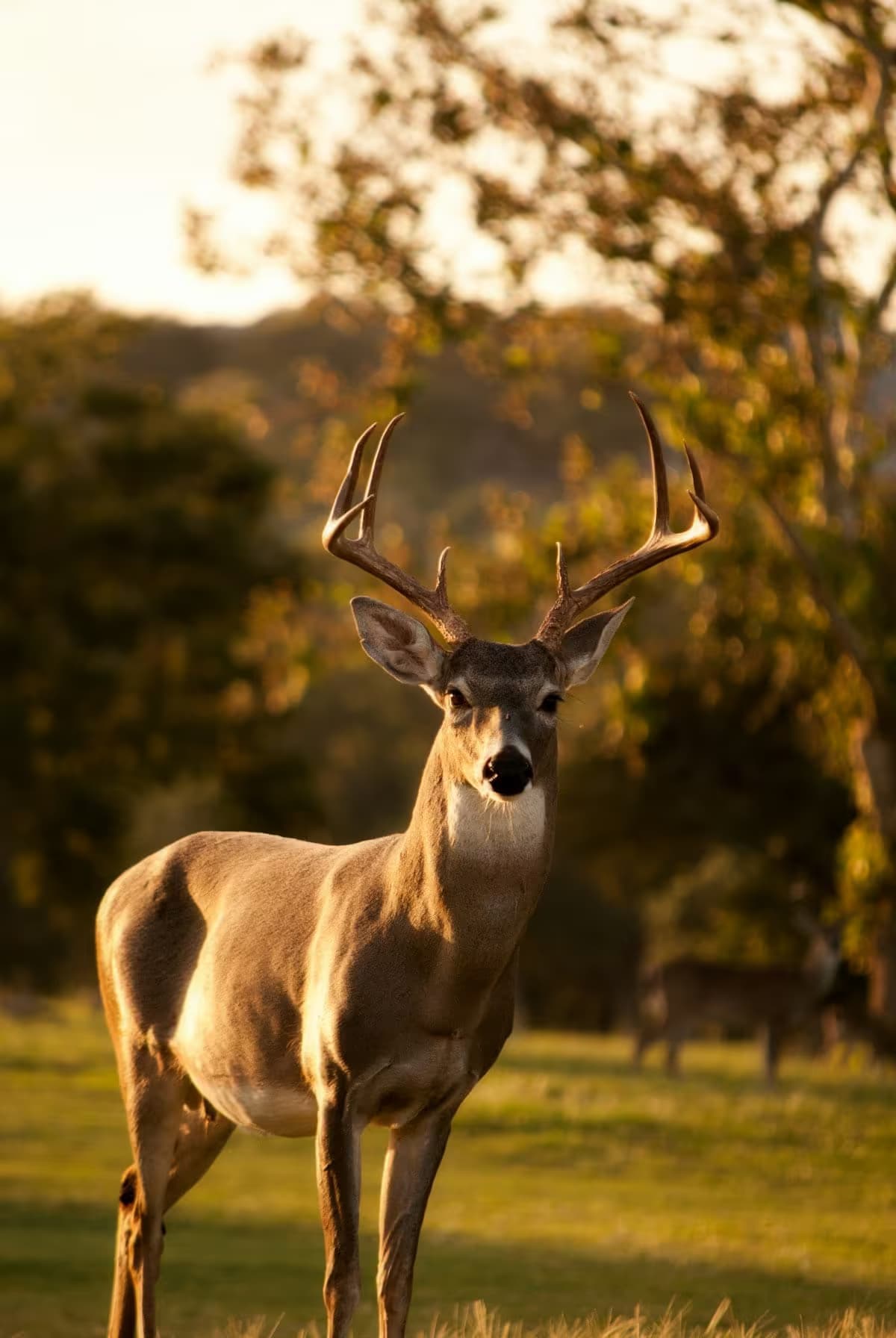
National Park
Shuklaphanta National Park
A vast grassland wilderness in Nepal's far southwest, home to the world's largest population of swamp deer and a growing number of Bengal tigers.
Entry: NPR 1,500
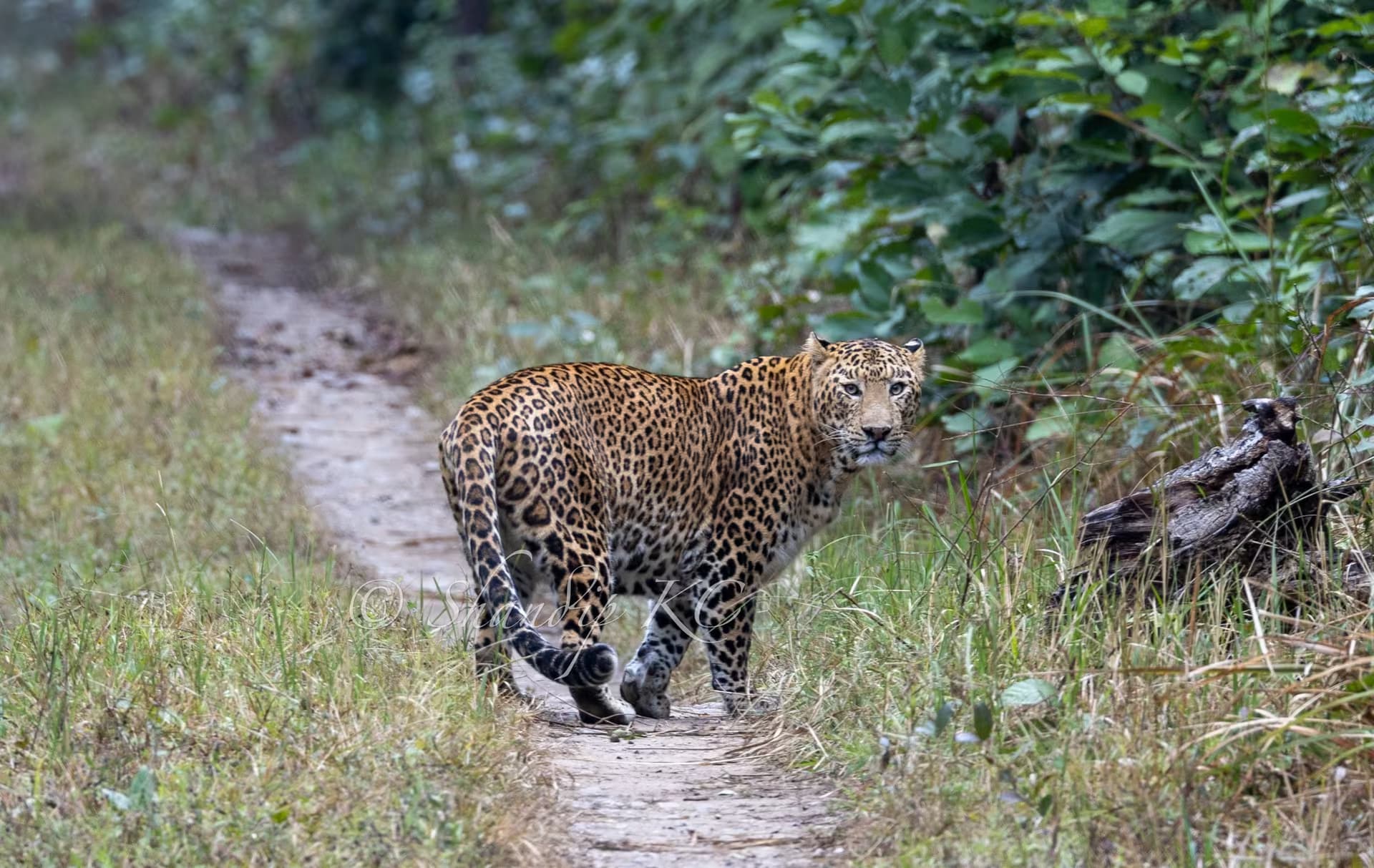
National Park
Banke National Park
A 'Gift to the Earth' in the western Terai — sal forest and Churia hills that, joined to neighbouring Bardia, form a transboundary tiger landscape.
Entry: NPR 1,500

National Park
Parsa National Park
The forested eastern extension of the Chitwan landscape — sal forest and Churia hills holding wild elephants, tigers and sloth bears, with almost no crowds.
Entry: NPR 1,500
The Middle Hills
2,700–3,500 m · 4 areas
Temperate ridges of oak, pine and rhododendron around the Kathmandu Valley and the western lakes. Leopard, Himalayan black bear and pheasant country — and Rara, Nepal's largest lake, sitting blue at 2,990 m.
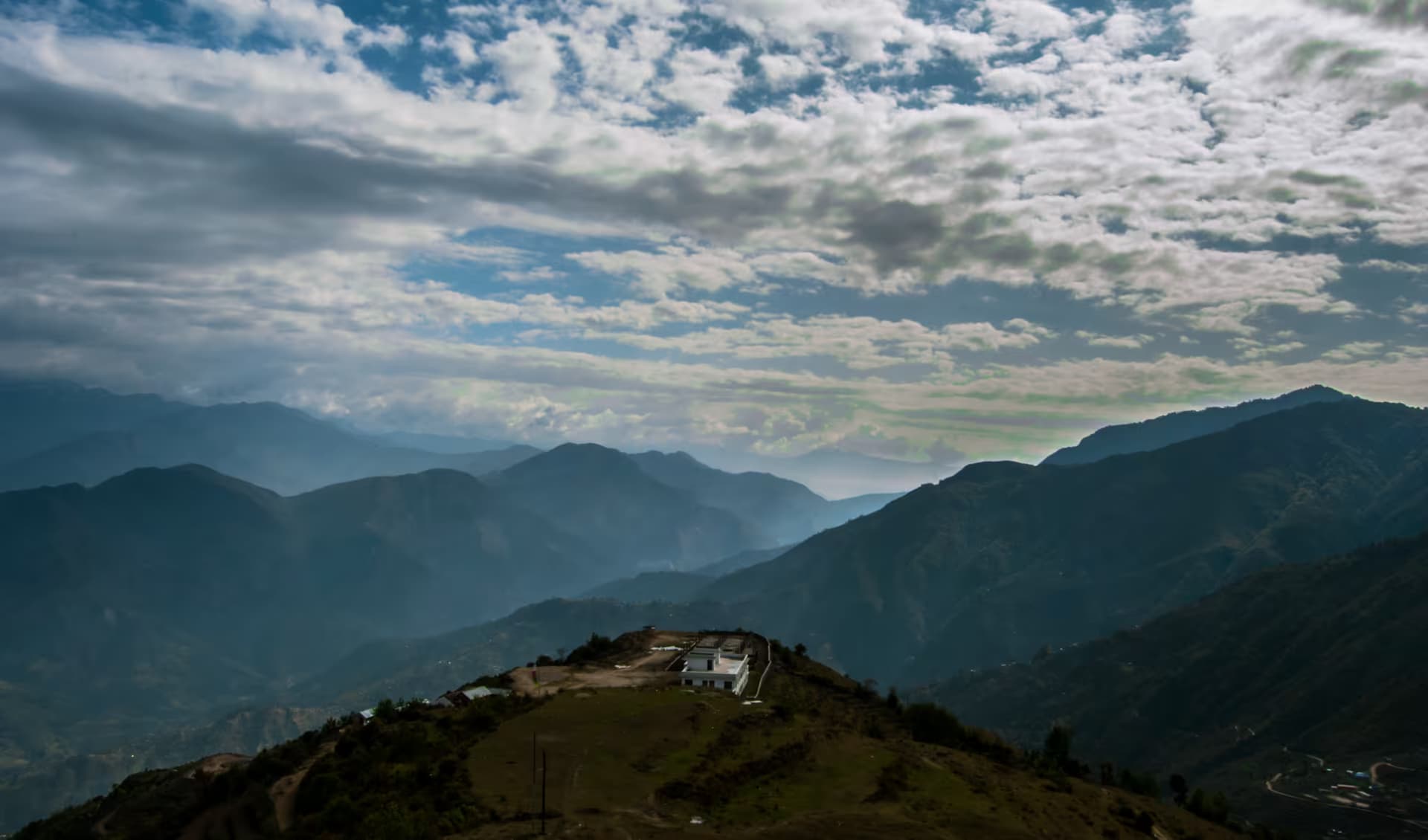
National Park
Shivapuri Nagarjun National Park
The green wall on Kathmandu's northern rim — a forested watershed park of day hikes, birdlife and viewpoints reachable within an hour of the city.
Entry: NPR 1,000
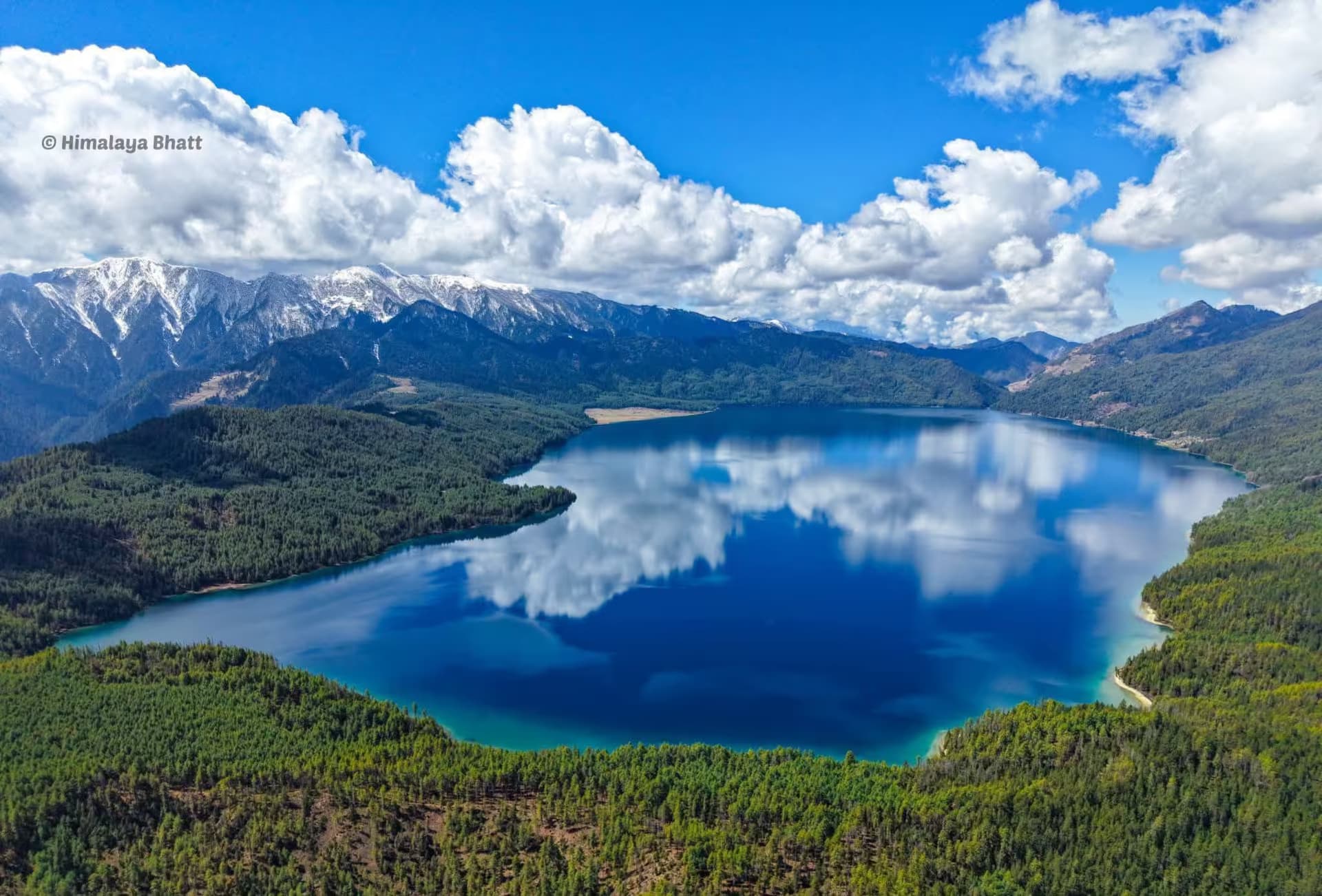
National Park
Rara National Park
Nepal's smallest national park, established in 1976 to protect Rara Lake and its ring of pine, spruce and juniper forest — red panda and musk deer country in remote Mugu.
Entry: NPR 3,000
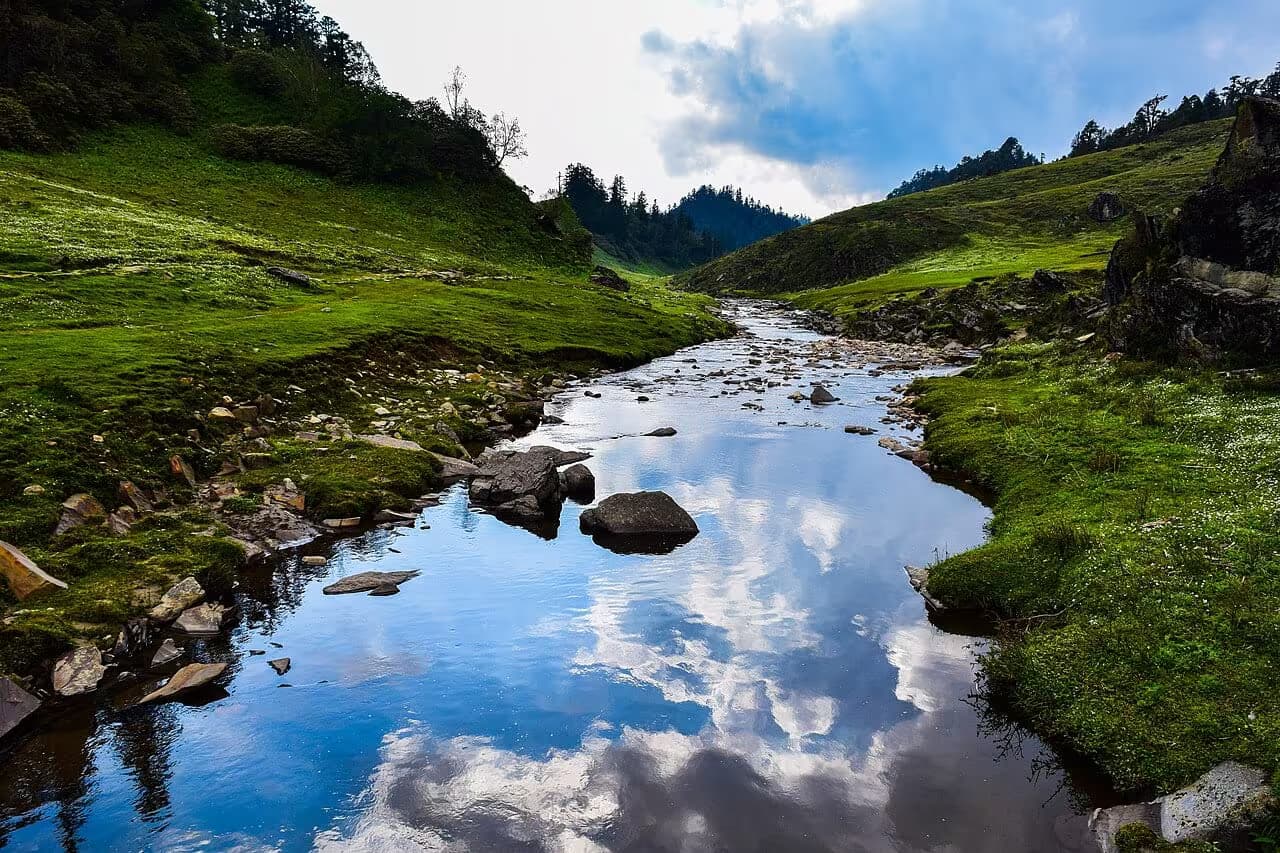
National Park
Khaptad National Park
A mystical highland plateau in far-western Nepal with rolling grasslands, ancient forests, and the spiritual hermitage of Khaptad Baba — Nepal's most remote national park.
Entry: NPR 3,000
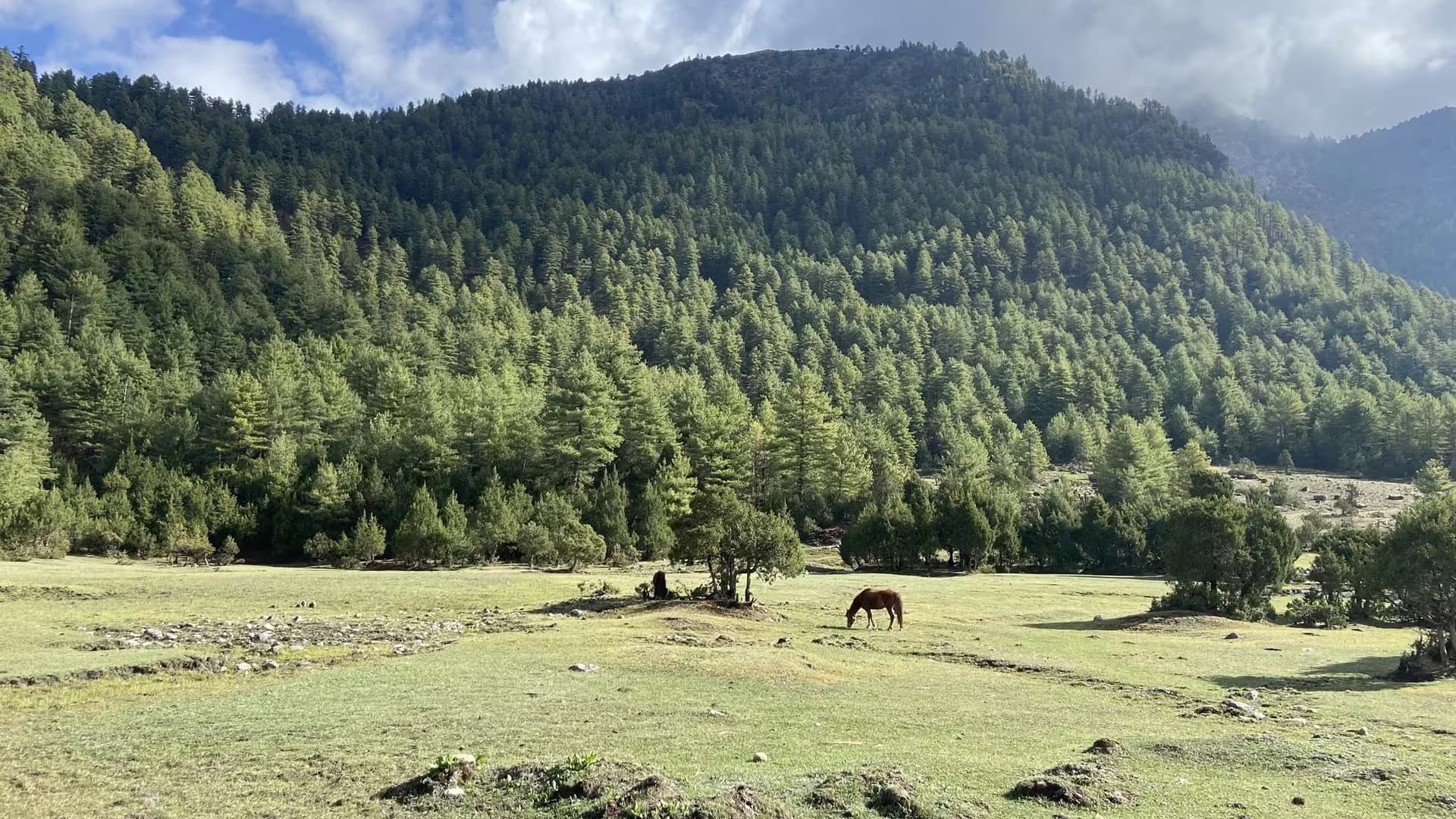
Hunting Reserve
Dhorpatan Hunting Reserve
Nepal's only hunting reserve — a high-altitude wilderness of blue sheep, alpine meadows (patans), and the unique Kham Magar culture in the Dhaulagiri shadow.
Entry: NPR 3,000
The High Himalaya
up to 8,849 m · 9 areas
Glaciers, alpine meadow and the eight-thousanders themselves. Snow leopard, blue sheep, red panda and Himalayan tahr range the great conservation areas — Annapurna, Manaslu, Kanchenjunga, Sagarmatha — where trekking trails and wildlife share the same thin air.
National Park
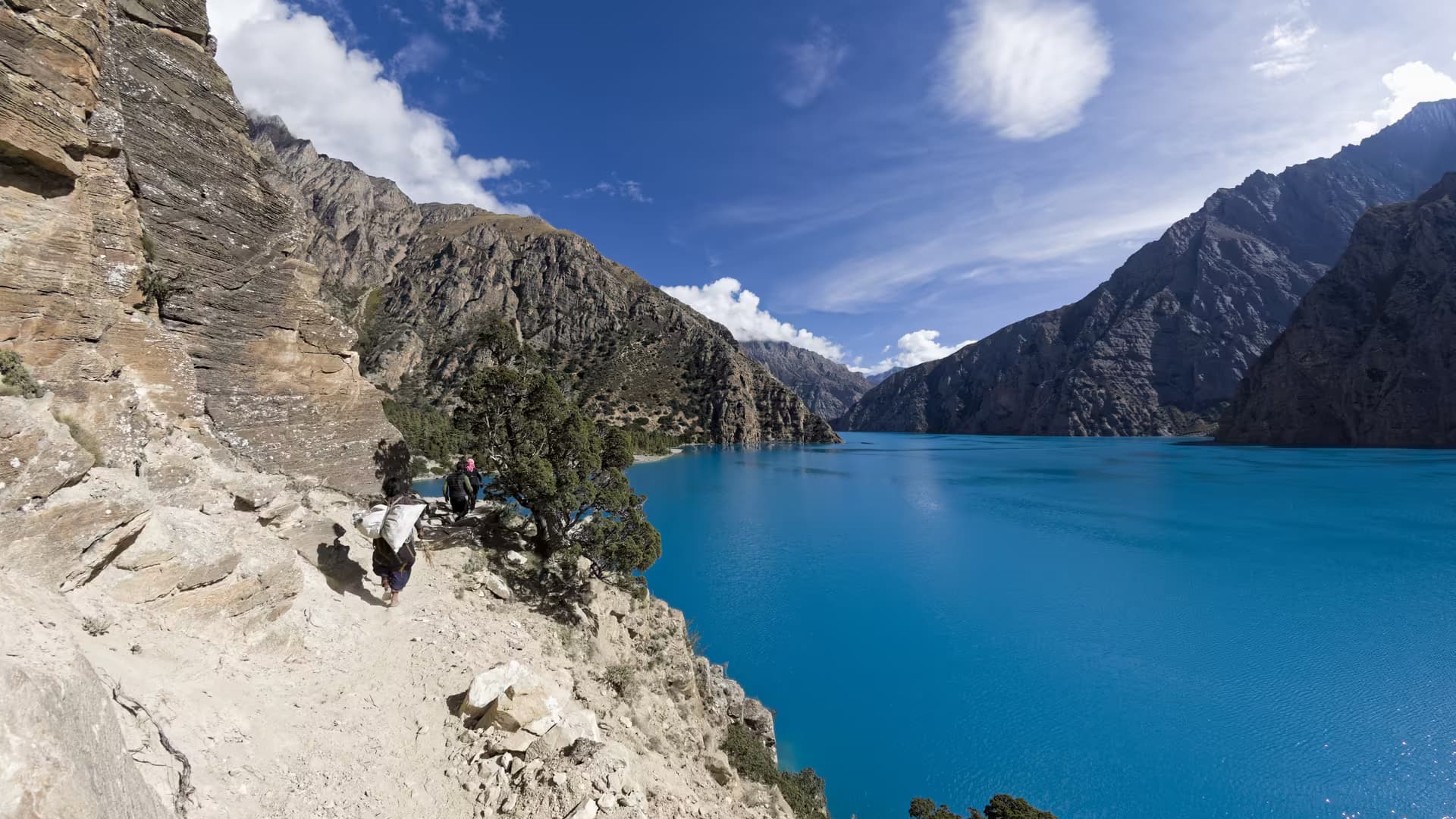
Shey Phoksundo National Park
Nepal's largest national park — a trans-Himalayan wilderness of turquoise Phoksundo Lake, snow leopards and ancient Bon culture in remote Dolpo.
Entry: NPR 3,000

Conservation Area
Api Nampa Conservation Area
Nepal's remote far-northwest corner — the snow peaks of Api and Nampa, snow leopard country and one of the least-visited protected areas in the country.
Entry: NPR 2,000
Conservation Area
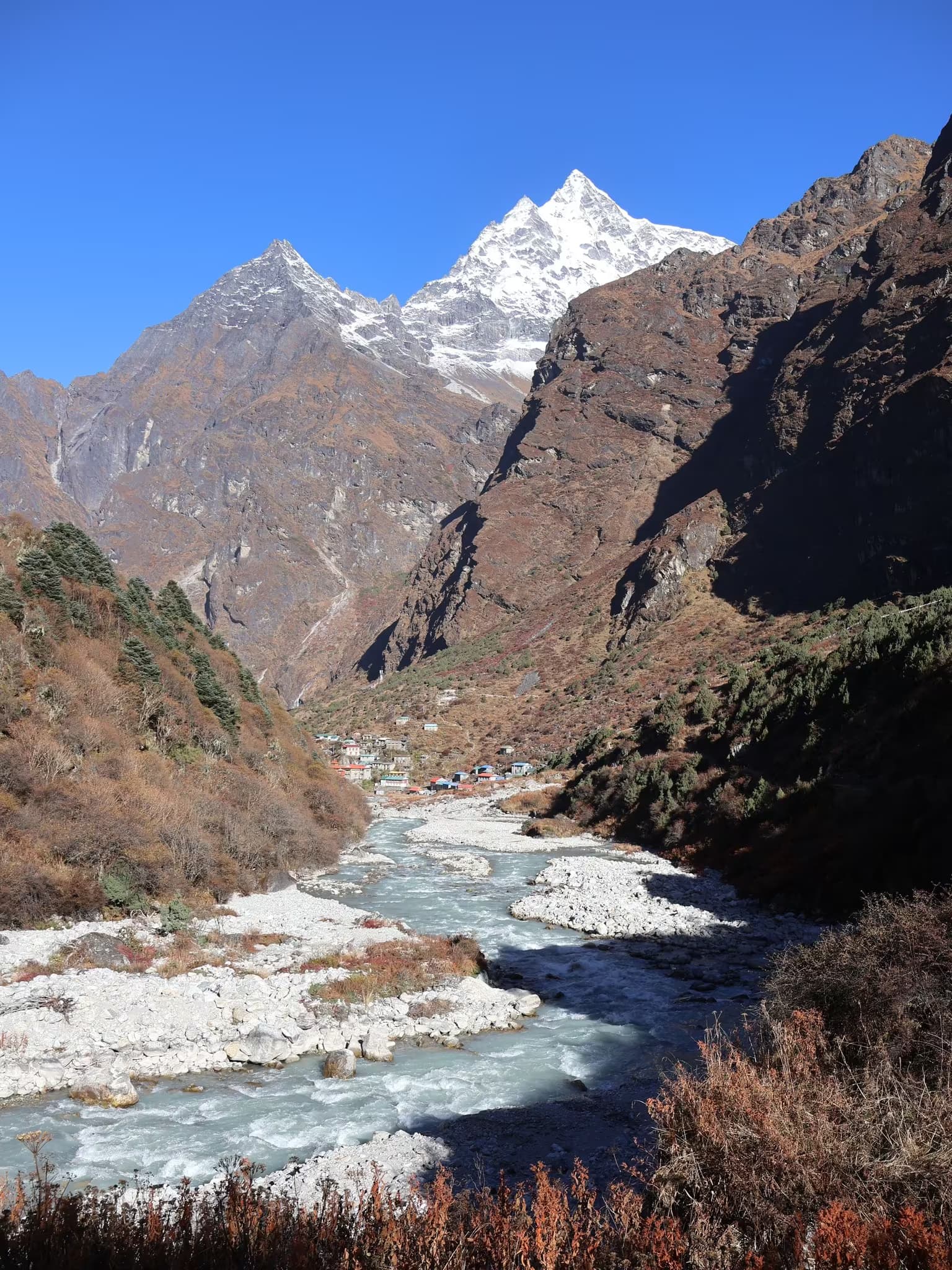
Gaurishankar Conservation Area
The conservation corridor linking Langtang to the Everest region — sacred peaks, the hidden Rolwaling valley and prime red panda habitat.
Entry: NPR 3,000
National Park
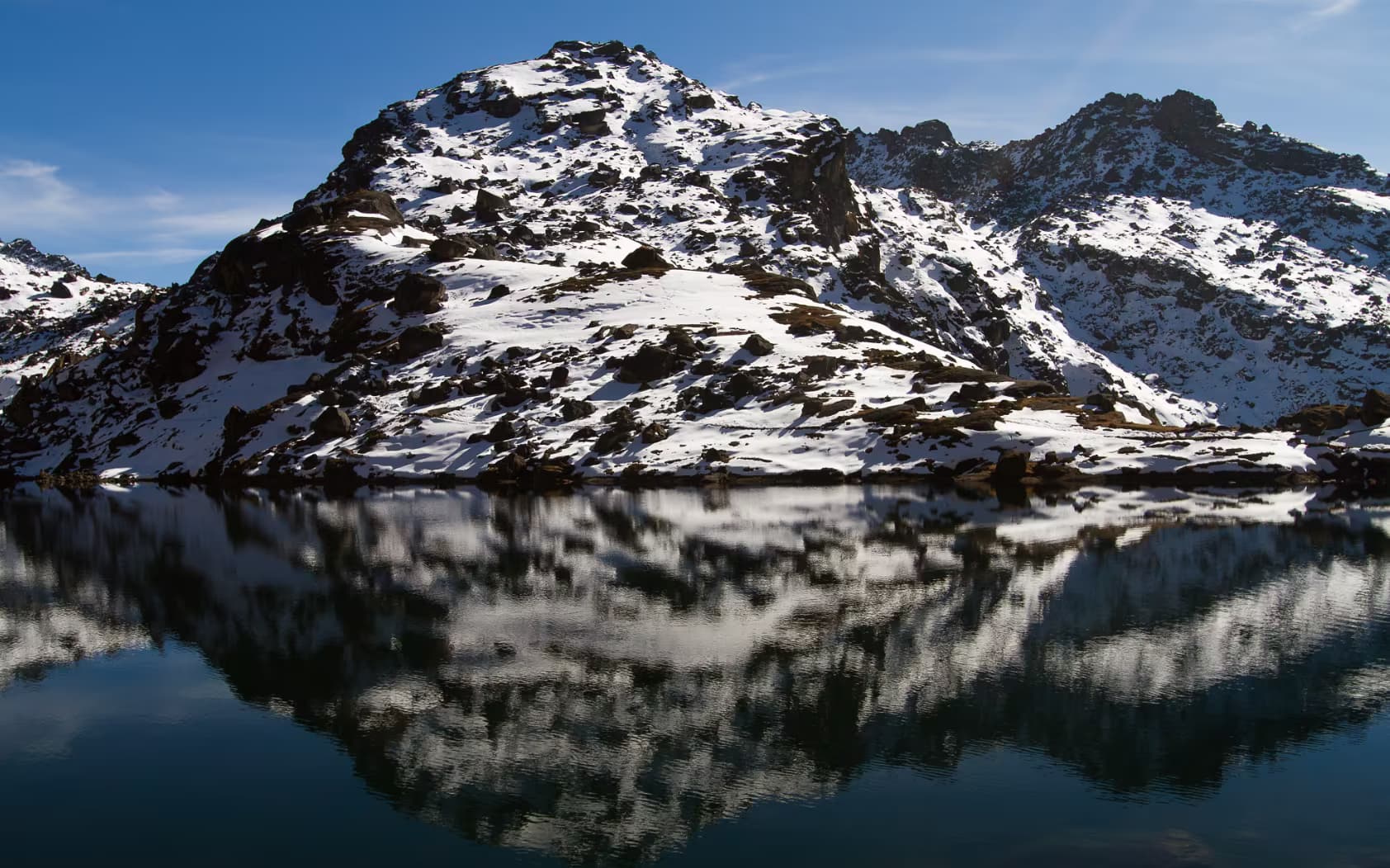
Langtang National Park
Nepal's first Himalayan national park — a glaciated valley of yak pastures, rhododendron forest and Tamang villages within a day's drive of Kathmandu.
Entry: NPR 3,000
Conservation Area
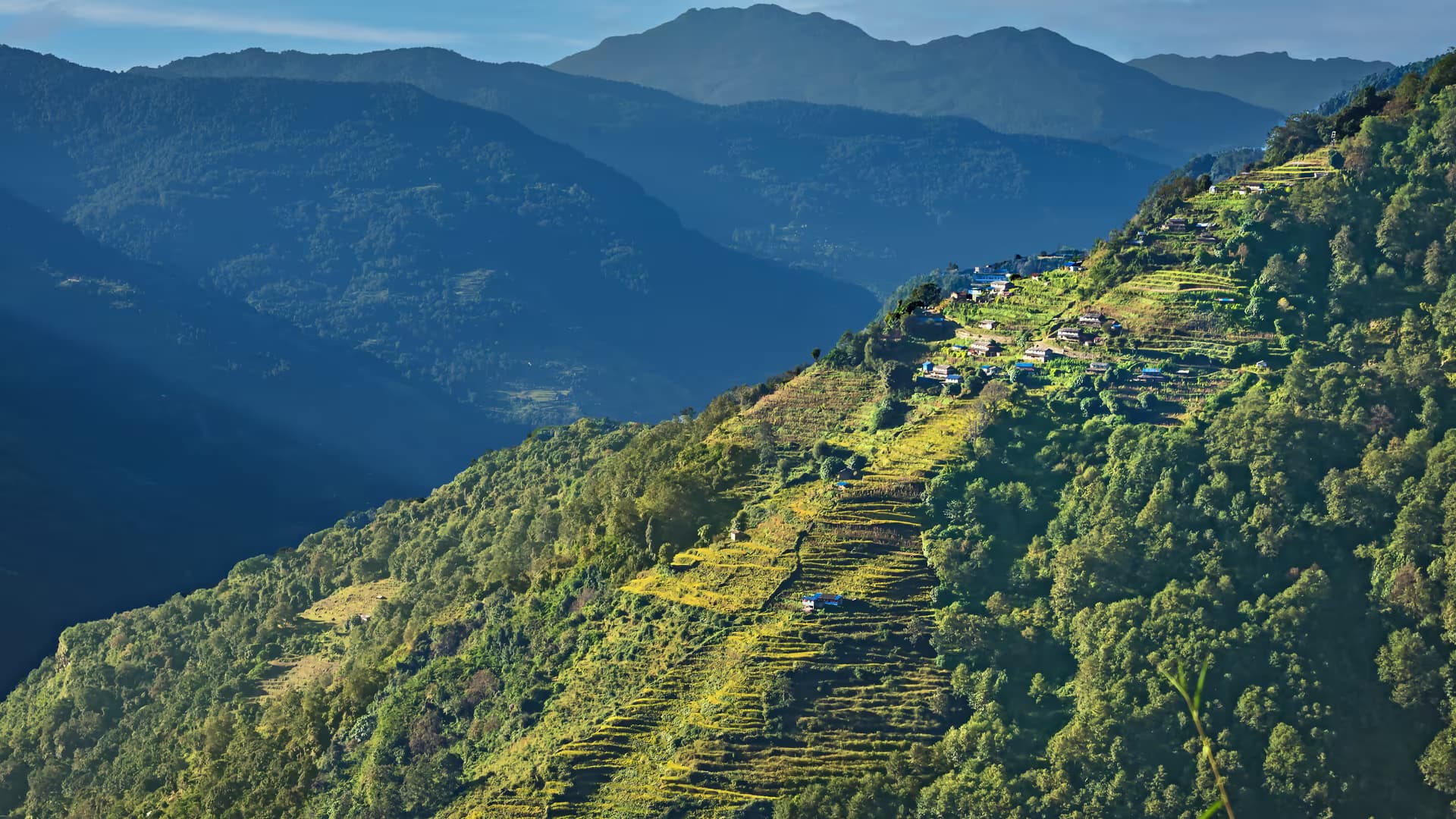
Annapurna Conservation Area
Nepal's largest protected area and first conservation area — a 7,600 km² landscape from subtropical valley to trans-Himalayan desert, home to the country's classic treks.
Entry: NPR 3,000
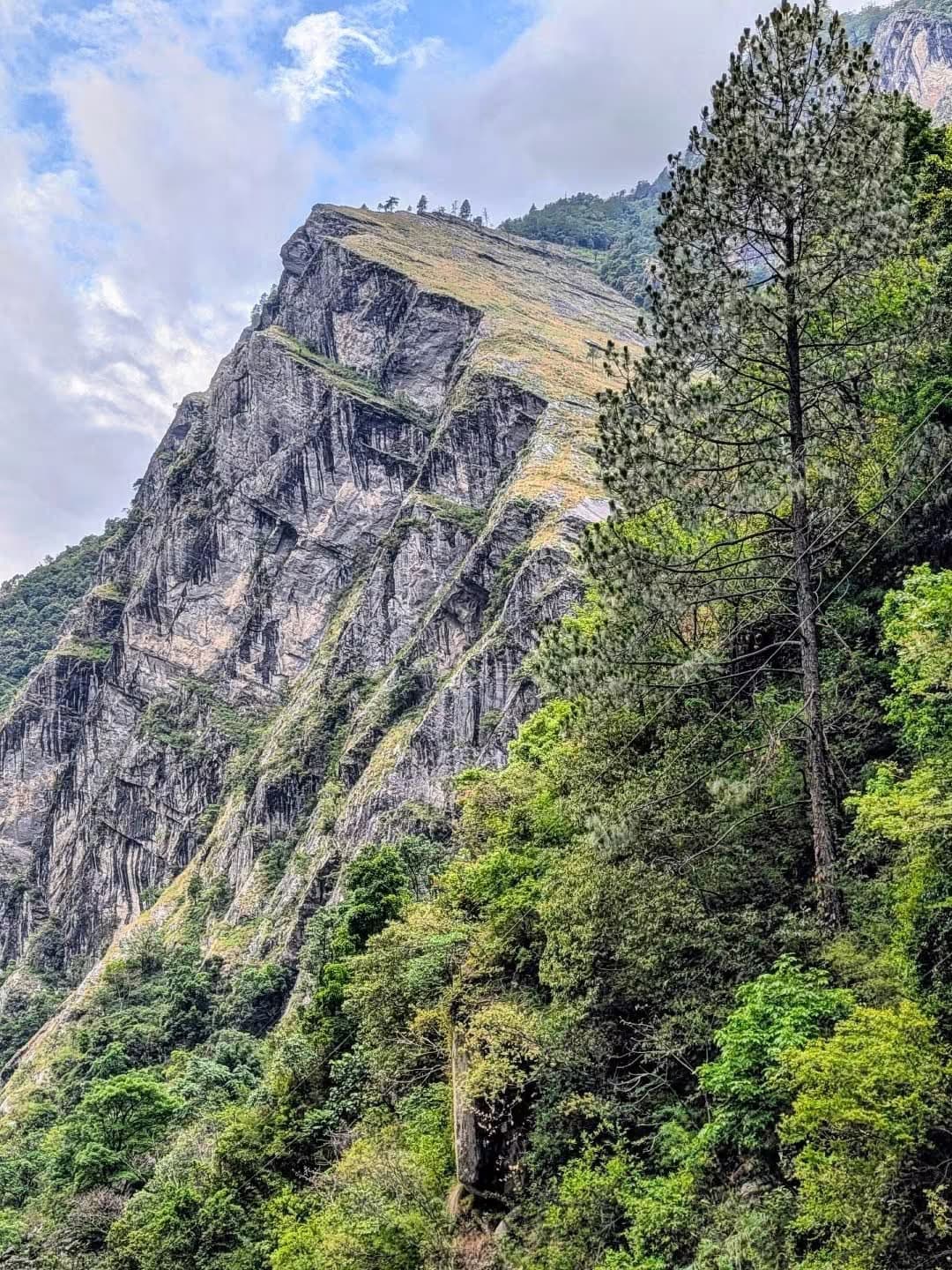
Conservation Area
Manaslu Conservation Area
A restricted Himalayan landscape around the world's eighth-highest peak — Tibetan-influenced Nubri and Tsum valleys, snow leopards and the Manaslu Circuit trek.
Entry: NPR 3,000
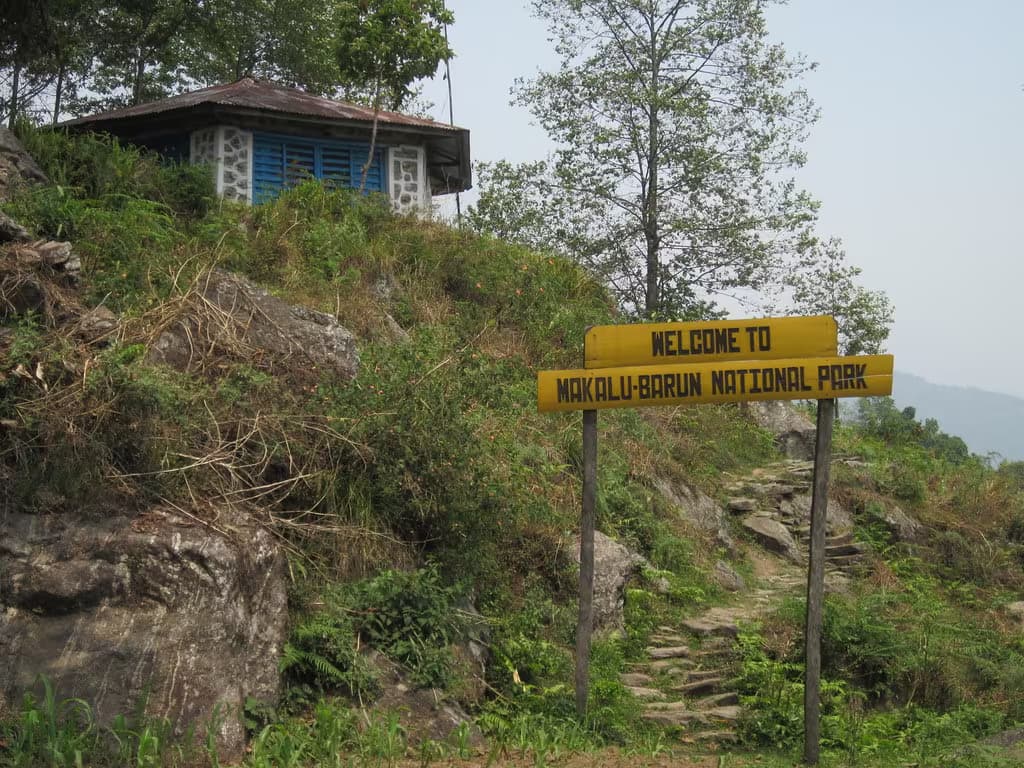
National Park
Makalu Barun National Park
A pristine eastern wilderness beneath Mt Makalu — the only protected area on earth spanning tropical forest to 8,000m peaks, with the untouched Barun valley at its heart.
Entry: NPR 3,000
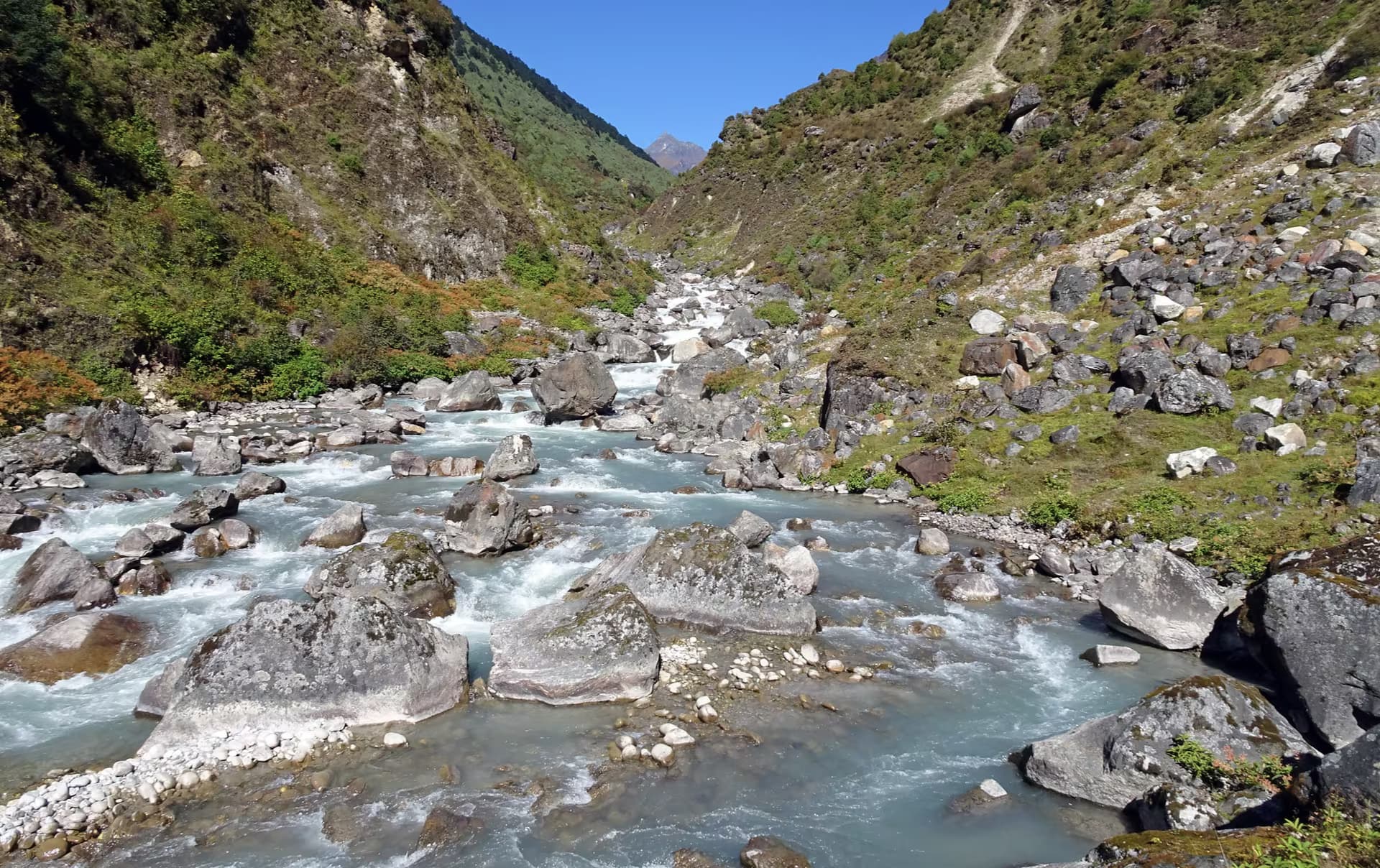
Conservation Area
Kanchenjunga Conservation Area
Nepal's far-eastern wilderness beneath the world's third-highest peak — a community-managed snow leopard and red panda landscape on the Sikkim border.
Entry: NPR 2,000
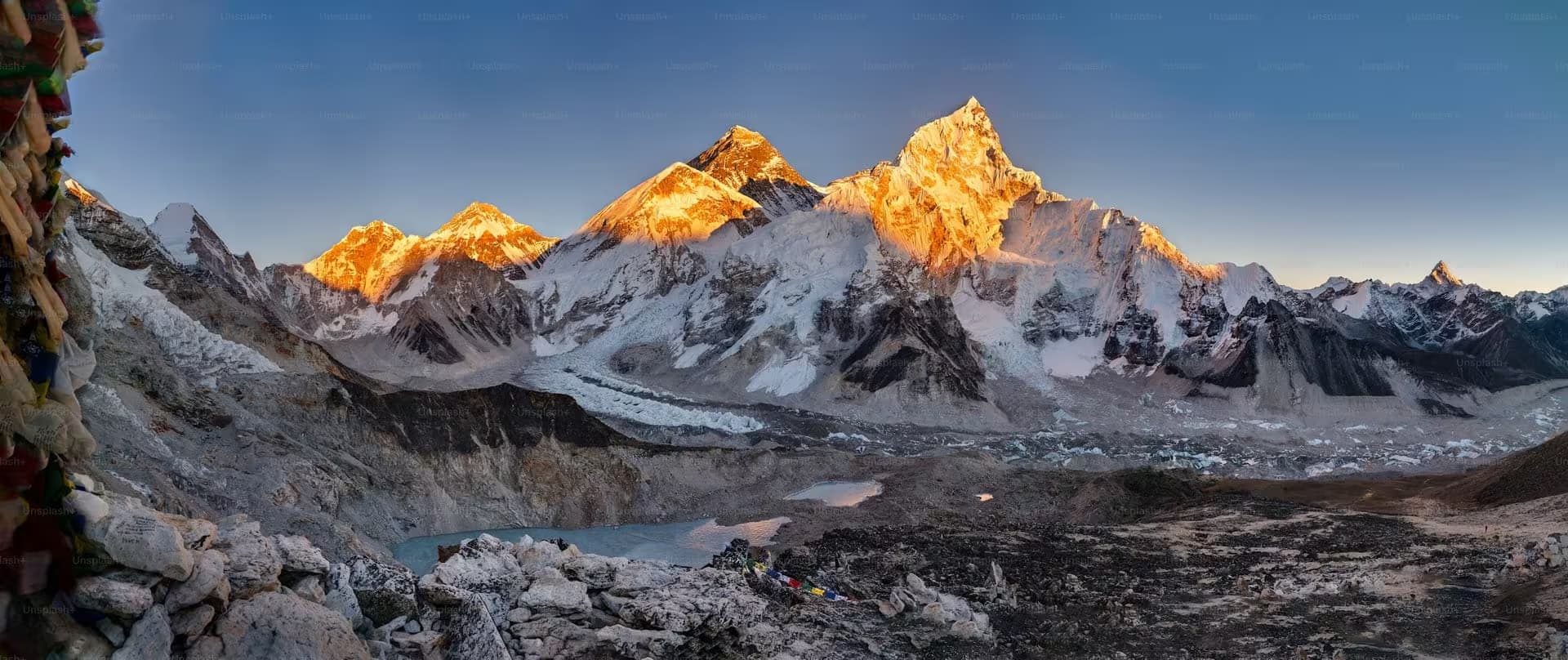
National Park
Sagarmatha National Park
A UNESCO World Heritage Site encompassing Mount Everest and surrounding peaks, glaciers, and Sherpa villages in the Khumbu region.
Entry: NPR 3,000
Planning a trek through one of these parks?
Several Himalayan parks are crossed by multi-day trekking routes. Browse trails and trail-areas for the walking side of the story.