Bardia National Park
Nepal's largest undisturbed wilderness in the western Terai, home to Bengal tigers, one-horned rhinos, wild elephants, and the endangered Gangetic dolphin.
- Altitude
- 152 m
- Coordinates
- 28.395°, 81.501°
Current Weather
Bardia National Park is the largest and most undisturbed national park in the Terai, covering 968 square kilometers of sal forest, grassland, and riverine habitat along the Karnali and Babai rivers. Often called the wilder, quieter alternative to Chitwan, Bardia offers a more authentic jungle experience with far fewer tourists.
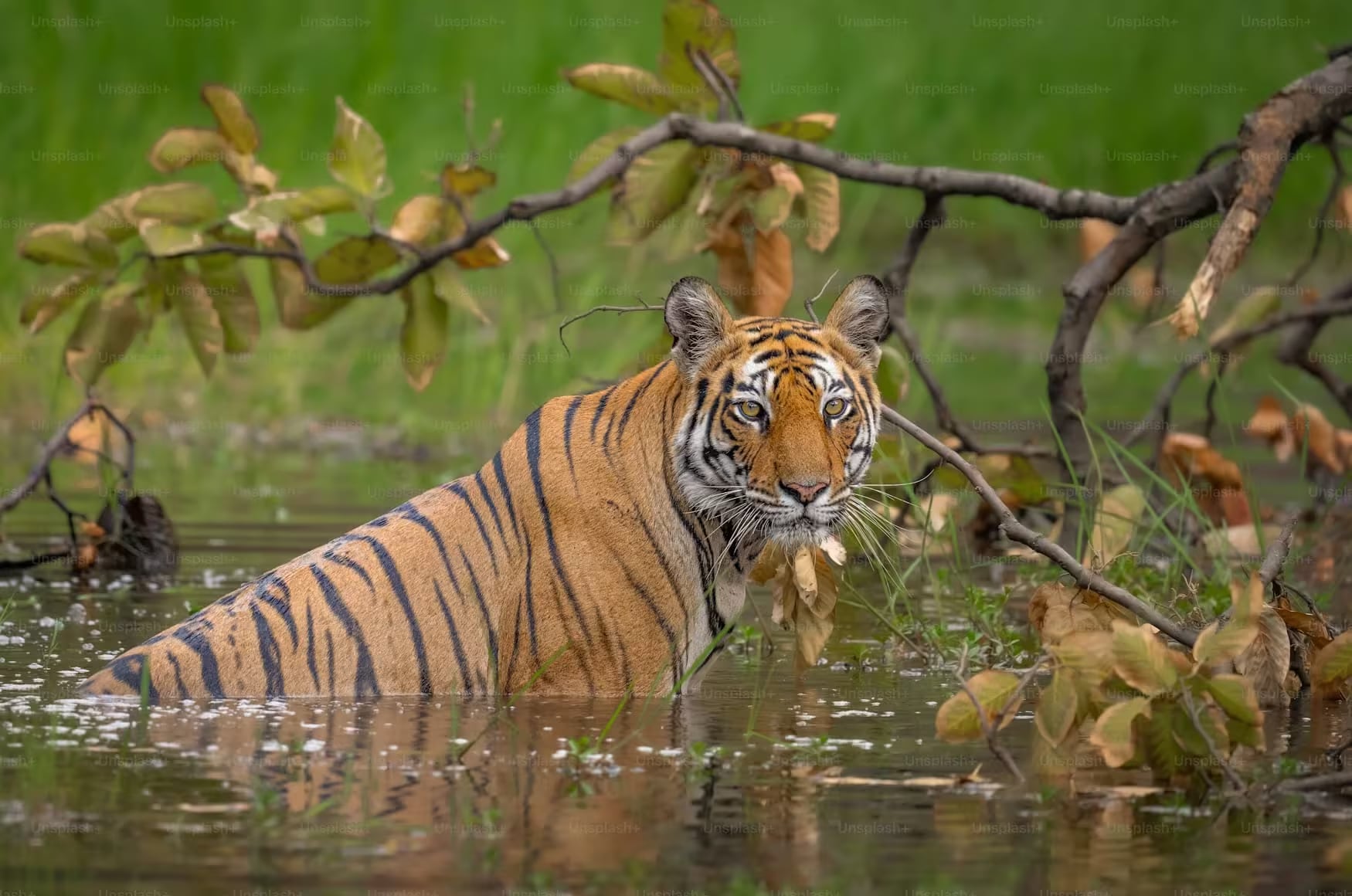
The park is one of the best places in Asia to spot the Royal Bengal tiger in the wild. Bardia's tiger population has been steadily growing thanks to successful conservation efforts, and the dense sal forests provide excellent habitat. The park is also home to greater one-horned rhinoceros reintroduced from Chitwan, wild elephants, swamp deer, and the critically endangered Gangetic dolphin in the Karnali River.
Jungle activities include jeep safaris, guided nature walks, elephant-back excursions through tall grasslands, and rafting on the Karnali River — one of Nepal's finest whitewater experiences. The Tharu indigenous community in surrounding villages offers cultural homestays and traditional stick dance performances.
Bardia's remoteness is part of its charm. The journey from Kathmandu takes a domestic flight to Nepalgunj followed by a 2-hour drive, or a scenic 12-hour overland drive through the mid-hills. The park is best visited from October to April when wildlife congregates near water sources.
Getting there
Nepalgunj is the practical air gateway for Bardia; continue by road toward Thakurdwara and park lodges.
- NepalgunjMain gateway
- BardiaAlternate gateway
Routes to these gateways
- KathmandutoNepalgunjFlight0.9-1.1 hr
- JuphaltoNepalgunjSTOL flight1.25-1.75 hr
- TalchatoNepalgunjSTOL flight1.25-1.75 hr
Location
Planning this trip? Local operators publishing trips here can arrange it.
Elsewhere in this region

Help us get it right
Know Bardia National Park better than we do?
We write from research and reporting, and the ground changes faster than we can keep up. If something here is out of date, or you have been and would tell it differently, we would rather hear it.