Chitwan National Park
Nepal's premier wildlife destination in the Terai lowlands — home to one-horned rhinos, Bengal tigers, and over 500 bird species.
- Altitude
- 150 m
- Coordinates
- 27.517°, 84.438°
Current Weather
Chitwan National Park is Nepal's first national park — declared in 1973 (originally Royal Chitwan) and inscribed as a UNESCO World Heritage Site in 1984 — protecting some 953 km² of subtropical Terai lowland. Until the mid-twentieth century this tract was the 'Four Mile Forest,' a royal big-game hunting reserve; today it is one of Asia's great conservation success stories.
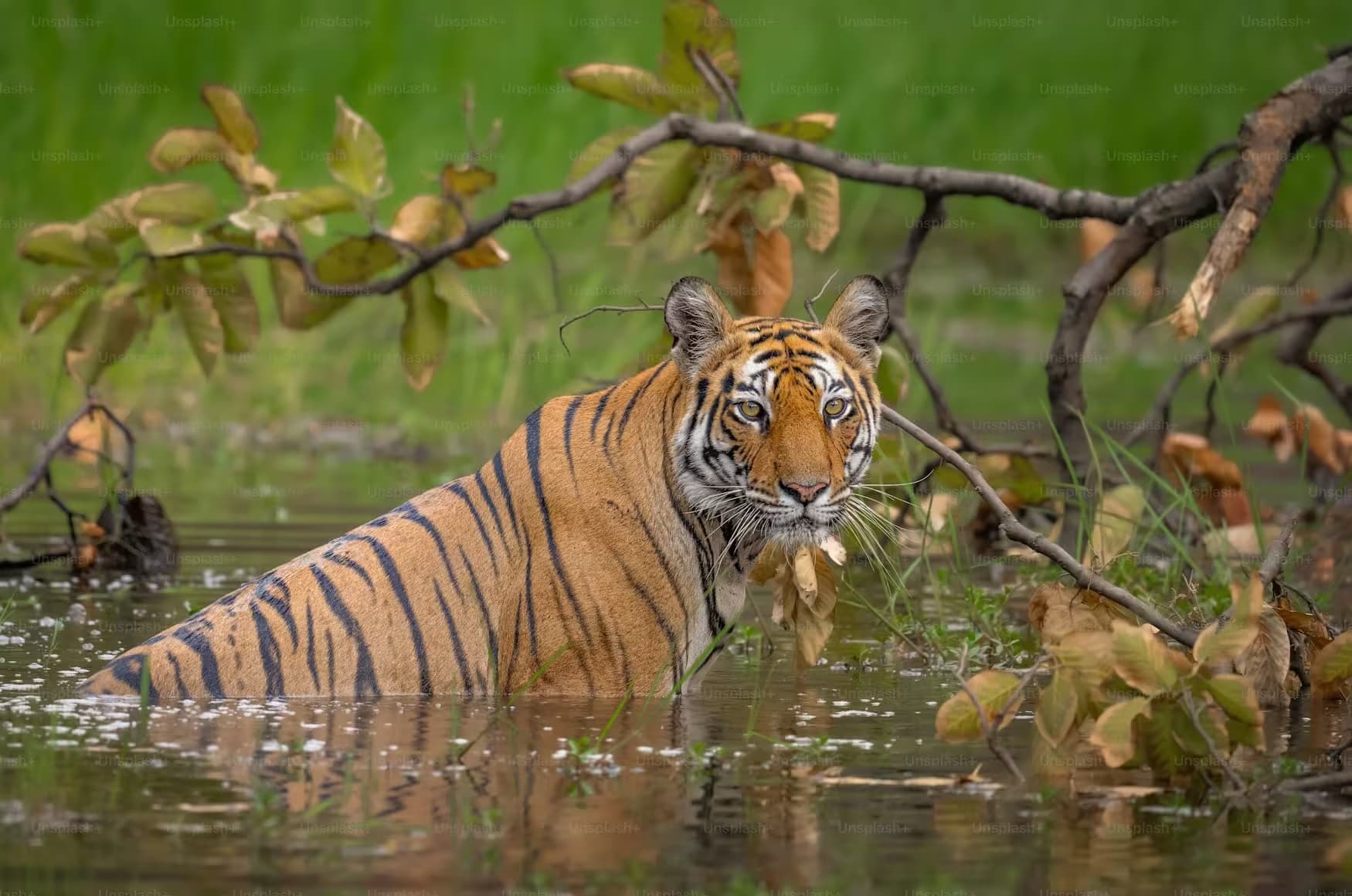
Its most famous resident is the greater one-horned rhinoceros, of which Chitwan holds the largest population anywhere — counted at 694 in the 2021 national census. It also shelters one of Nepal's densest Bengal tiger populations (128 at the 2022 count), along with sloth bears, leopards, wild elephants, and both gharial and mugger crocodiles — the endangered gharial bred and released from the conservation centre at Kasara since 1978 — plus over 500 species of birds. Nepal's anti-poaching model, combining army posts, community patrols and a buffer-zone scheme that returns a share of park revenue to local people, has delivered several years of zero rhino poaching since 2011.
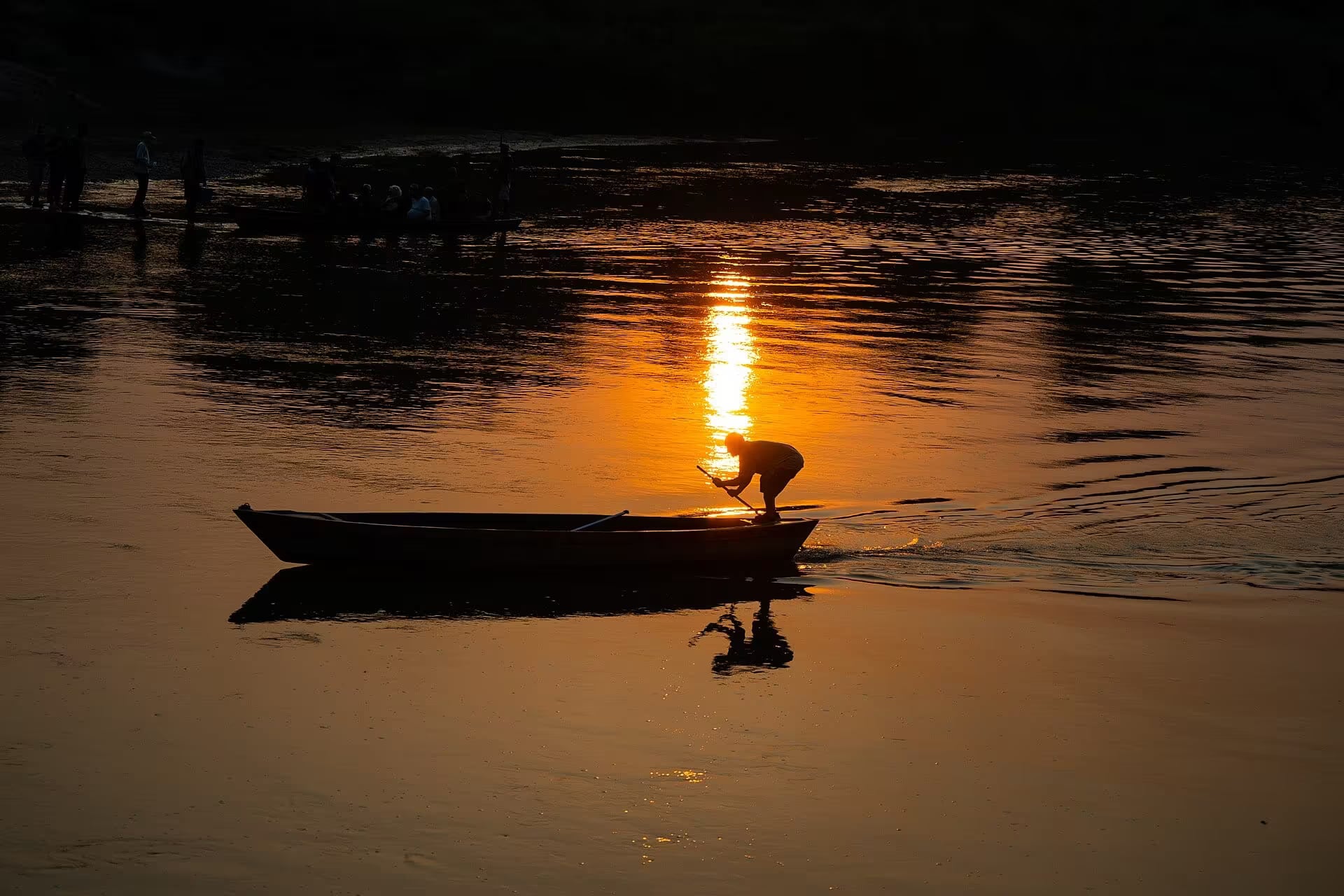
Visitors explore on jeep safaris and guided jungle walks, and by dugout canoe on the Rapti and Narayani rivers, drifting past basking crocodiles. The buffer zone is home to the Tharu, the Terai's indigenous people, whose villages offer homestays and whose vigorous stick dance — a memory of defending their fields — is an evening highlight. Traditional elephant-back safaris are being phased out on welfare grounds in favour of walking and jeep options.
Sauraha, on the northern edge, is the main hub, with everything from budget lodges to luxury jungle resorts; quieter Meghauli to the west sits closer to prime tiger country. Come between October and March, when the weather is dry and the cut grass makes wildlife easy to spot; the monsoon (June–September) floods much of the park but is superb for birding.
Getting there
Bharatpur is the main air gateway; continue locally toward Sauraha or park lodges.
- BharatpurMain gateway
- SaurahaAlternate gateway
- ChitwanAlternate gateway
Routes to these gateways
- KathmandutoBharatpurFlight0.4-0.5 hr
- KathmandutoBharatpurTourist bus4-6 hr
- KathmandutoChitwanTourist bus5-7 hr
- KathmandutoChitwanPrivate car5-6 hr
Location & What's Inside
Planning this trip? Local operators publishing trips here can arrange it.
Elsewhere in this region
Help us get it right
Know Chitwan National Park better than we do?
We write from research and reporting, and the ground changes faster than we can keep up. If something here is out of date, or you have been and would tell it differently, we would rather hear it.