AroundTrail
Water Heritage

Pokharis of the Kathmandu Valley

20 historic ponds across Kathmandu, Patan & Bhaktapur

Share:
What is a pokhari?

A pokhari (पोखरी; pukhu in Newar usage) is a historic pond. It can be a reservoir, a ritual water body, a neighborhood landmark, a royal pond, a monastery pond, a Naga pond, or part of a larger water system.

These are not only scenic ponds. Many helped store monsoon water, recharge shallow groundwater, support hitis and wells, cool dense neighborhoods, provide emergency water, and host rituals or festivals. Their present forms often took shape during the Valley’s medieval city-making, but the water traditions they carry are older and broader than any single period.

  • Water memory

    Ponds preserve old systems of storage, recharge, drainage, and neighborhood water use — older than any single dynasty.

  • Ritual water

    Many pokharis are tied to Nagas, deities, festivals, offerings, or seasonal worship at the water's edge.

  • Urban breathing space

    Open water and shade still give dense Kathmandu Valley neighborhoods a place to gather, cool down, and slow down.

  • Living infrastructure

    Restoration, encroachment, cleaning, and reuse decide whether a pond stays alive. Many are tended by their neighborhoods today.

Explore pokharis

Historic ponds of the Kathmandu Valley

Siddha Pokhari

Siddha Pokhari

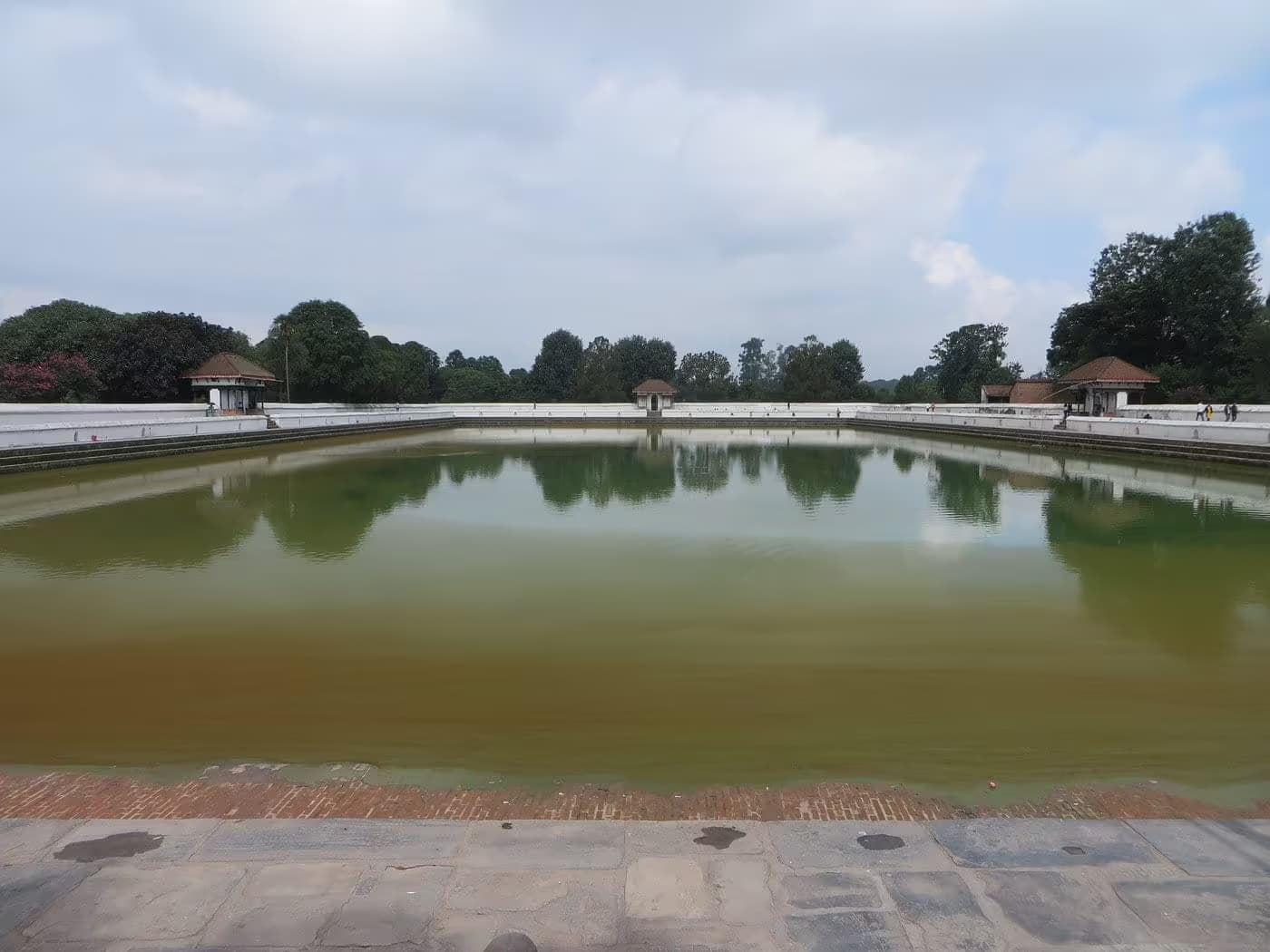
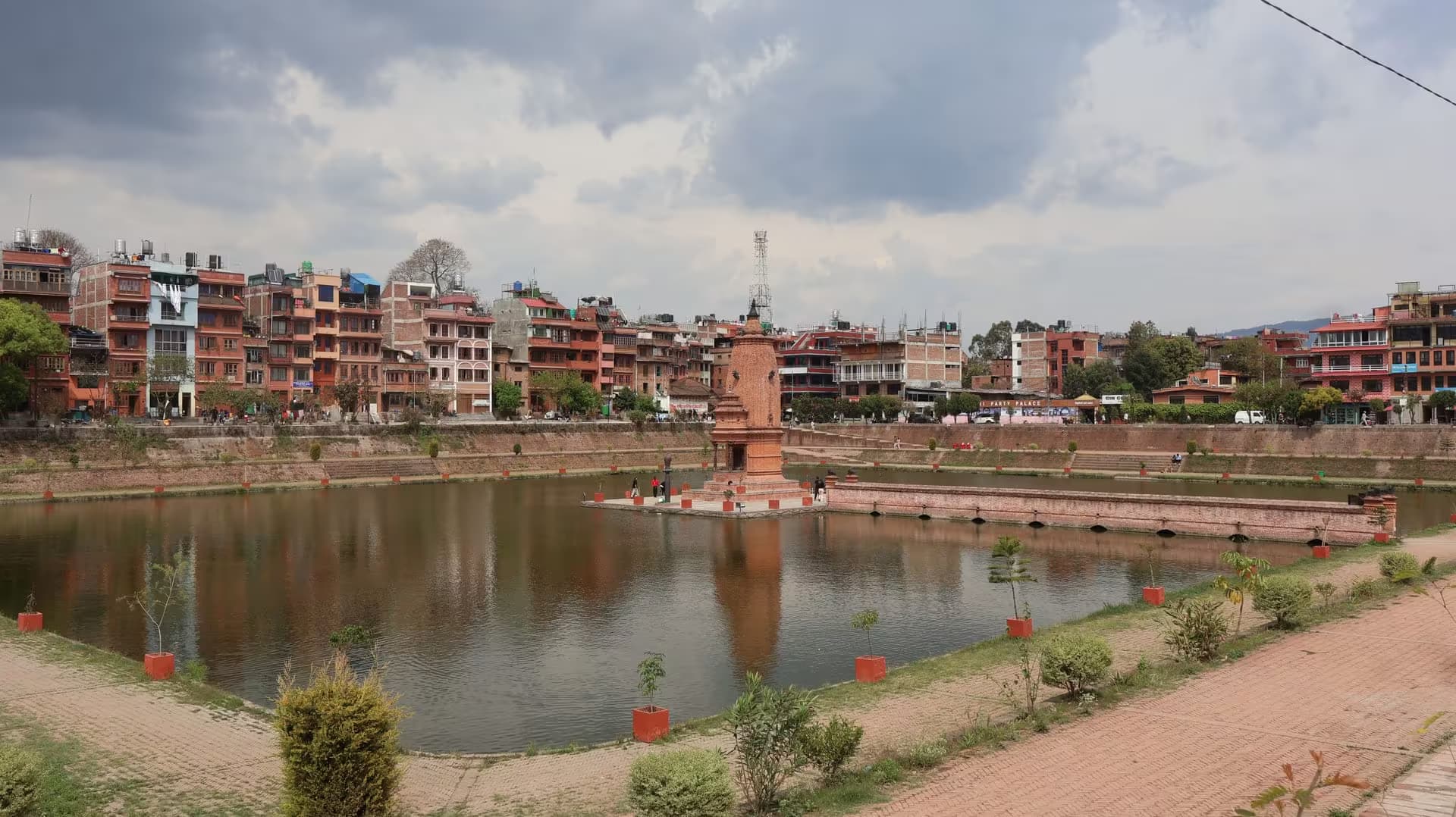
The largest historic man-made pond in Bhaktapur, built during the medieval Malla era, a serene spot for sunset walks and festival celebrations.

Free entry

Bhaktapur

Rani Pokhari

Rani Pokhari

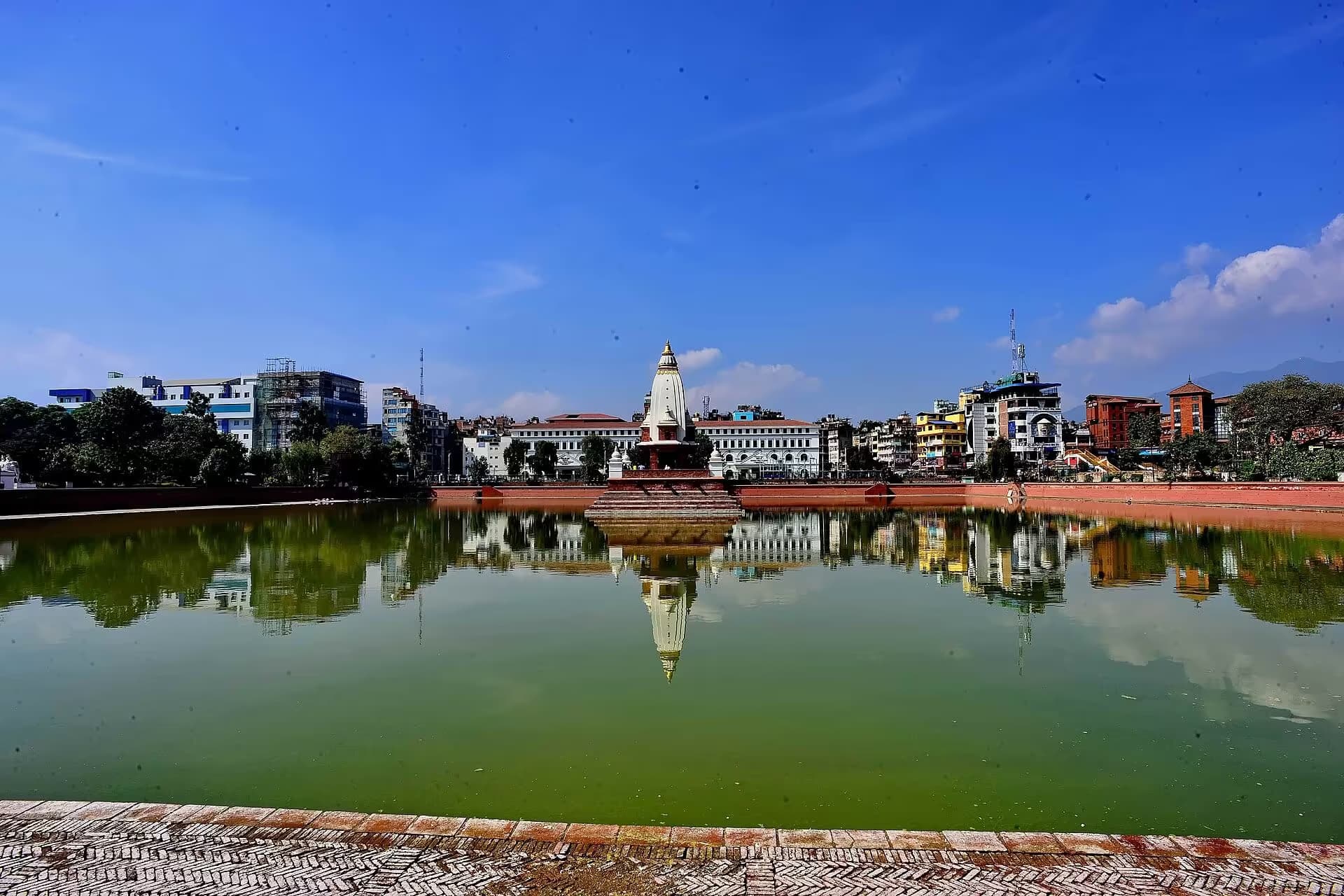
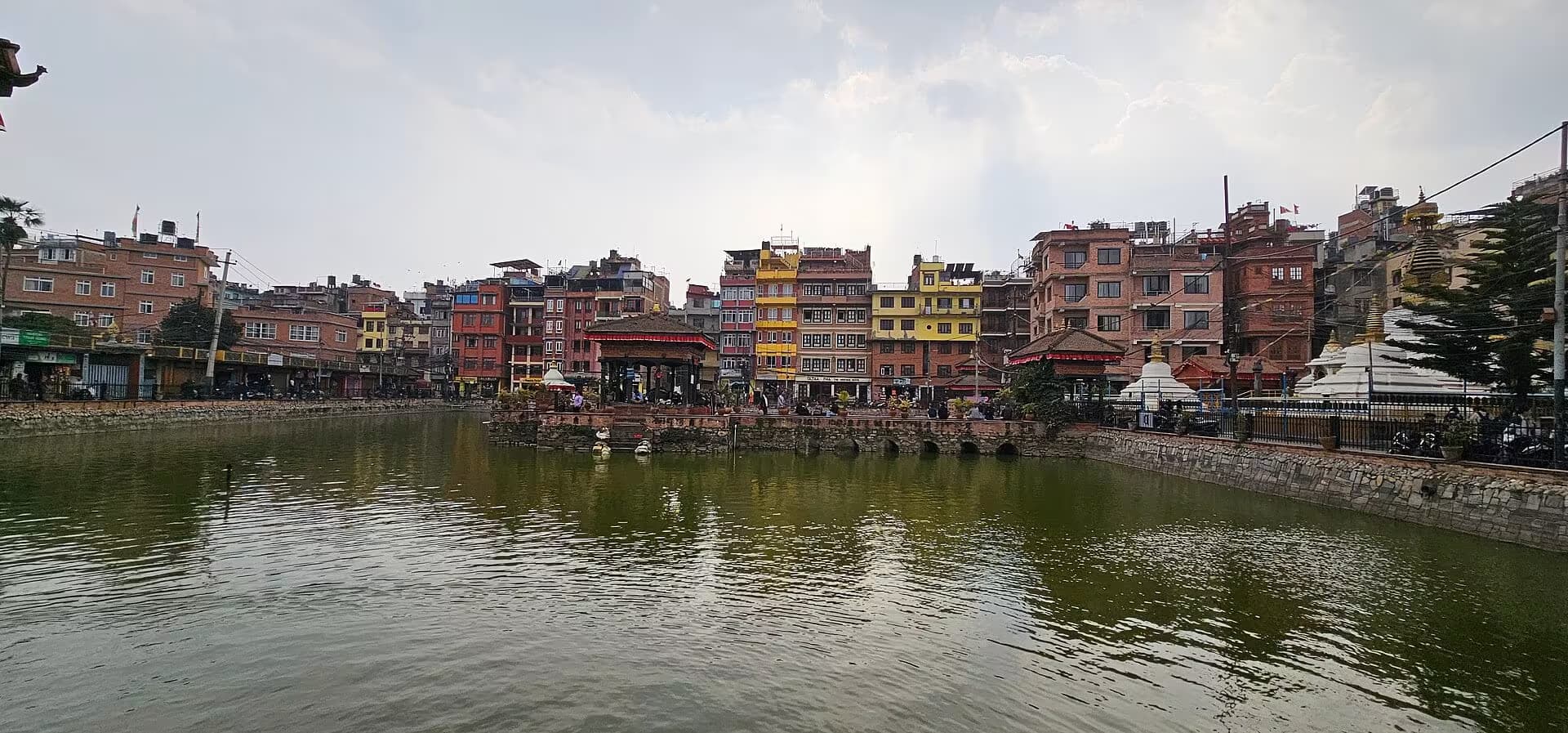
Kathmandu's most iconic historic pond, built in 1670 by King Pratap Malla for his grieving queen, crowned by the sacred Bal Gopaleshwor temple at its center — beautifully restored after the 2015 earthquake.

Free entry

Kathmandu

Kamal Pokhari

Kamal Pokhari

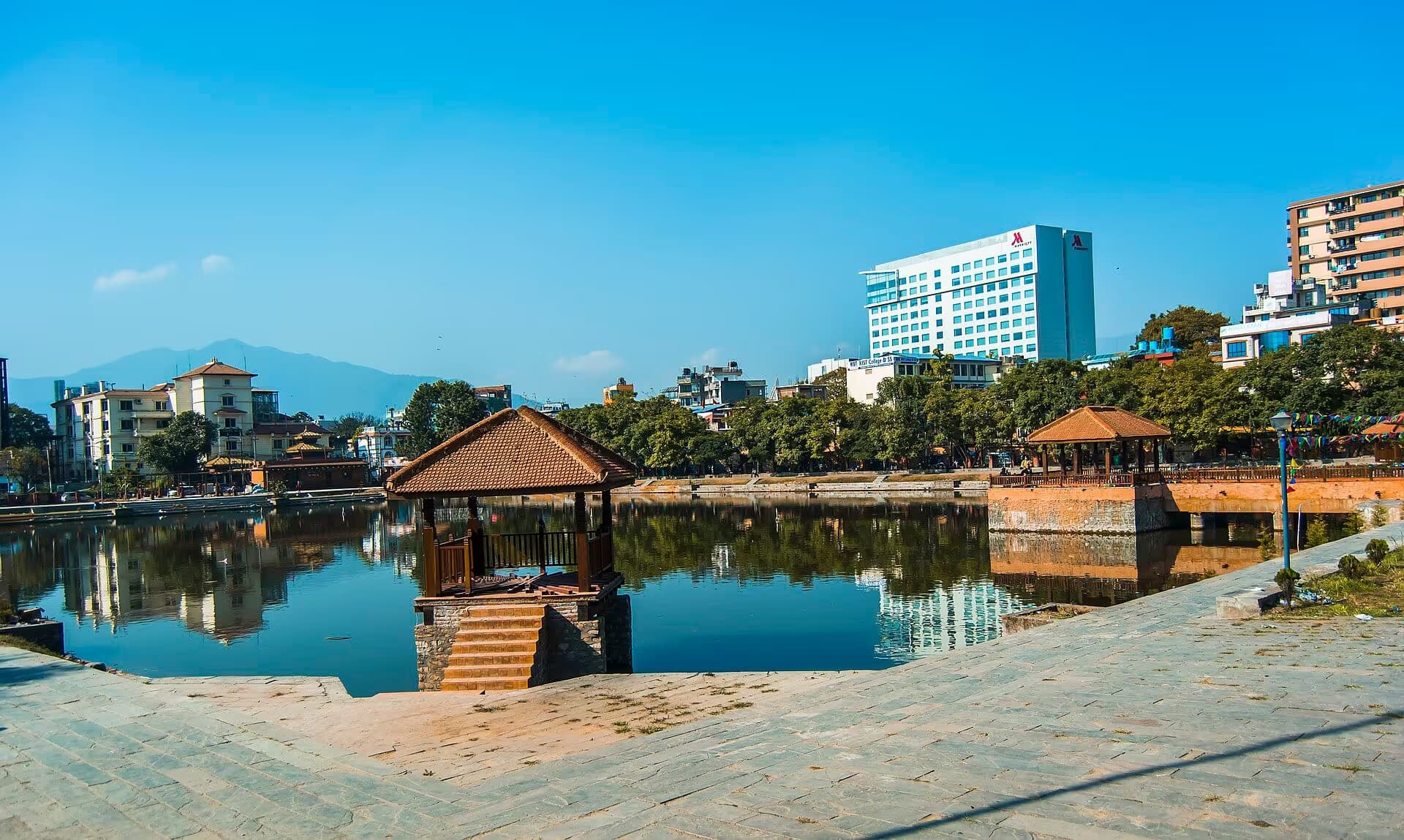
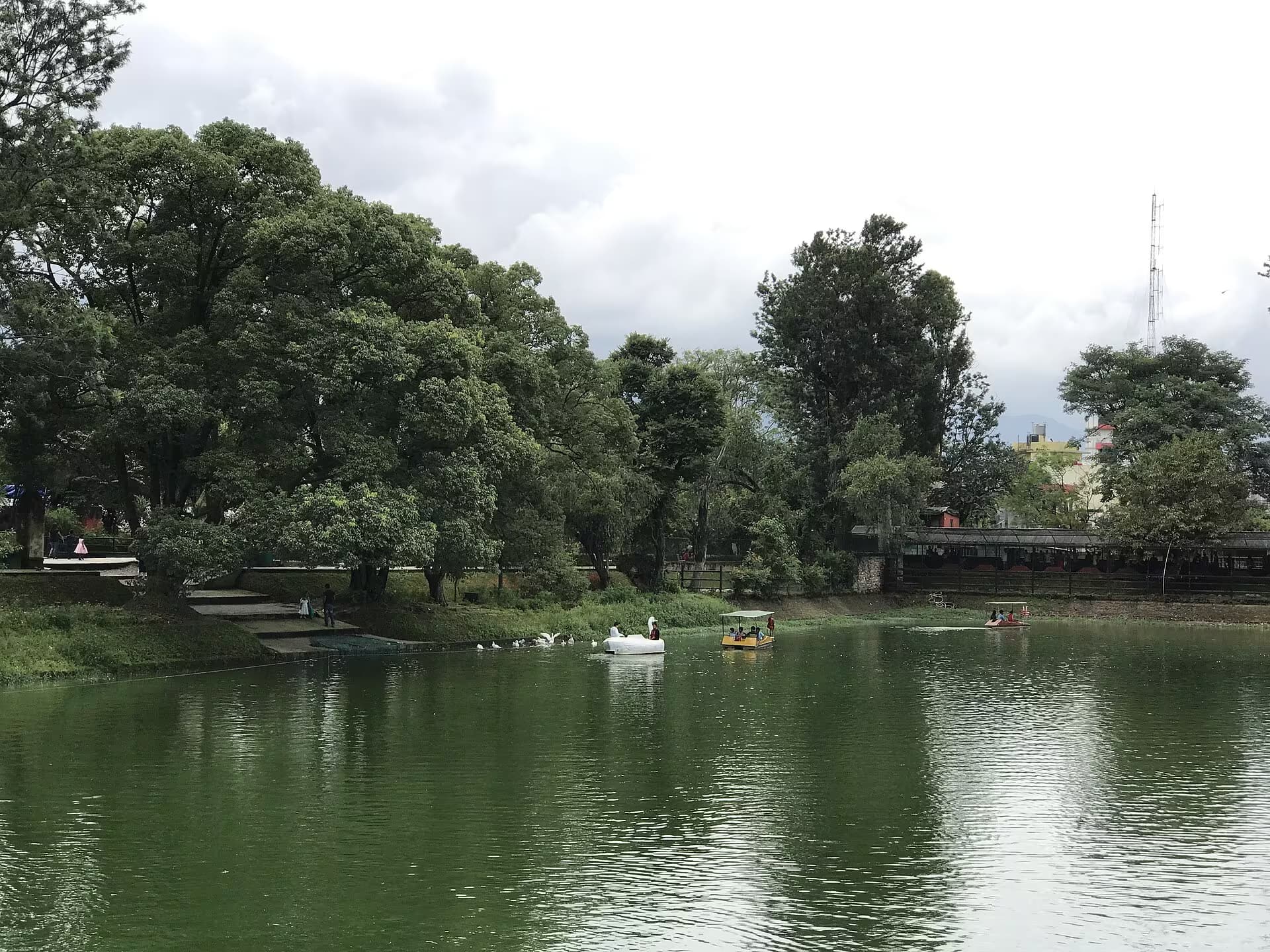
A historic lotus pond in central Kathmandu that once rivalled Rani Pokhari in scale, now a quiet urban park preserving a fragment of the valley's lost waterscape heritage.

Free entry

Kathmandu

Nag Pokhari

Nag Pokhari

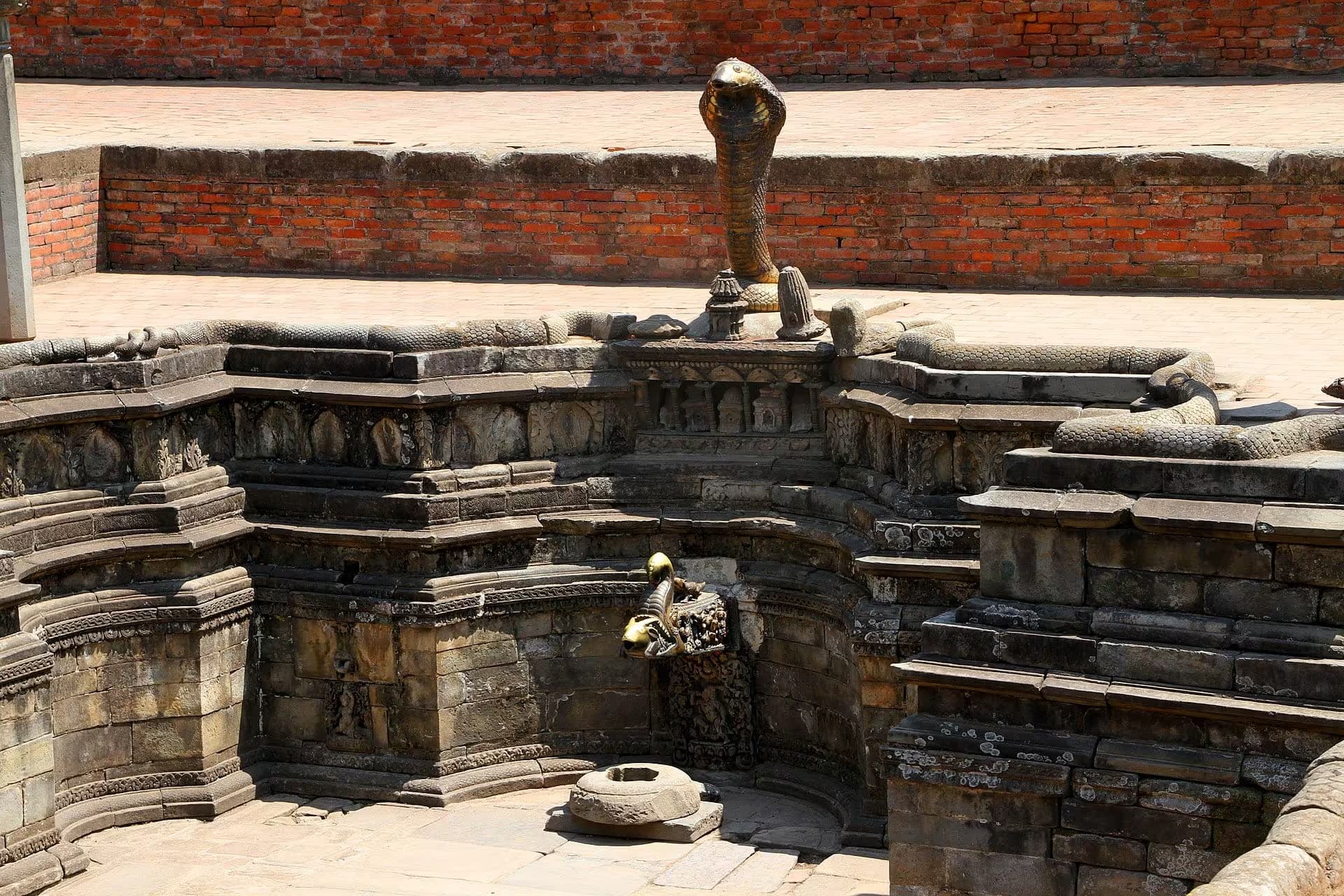
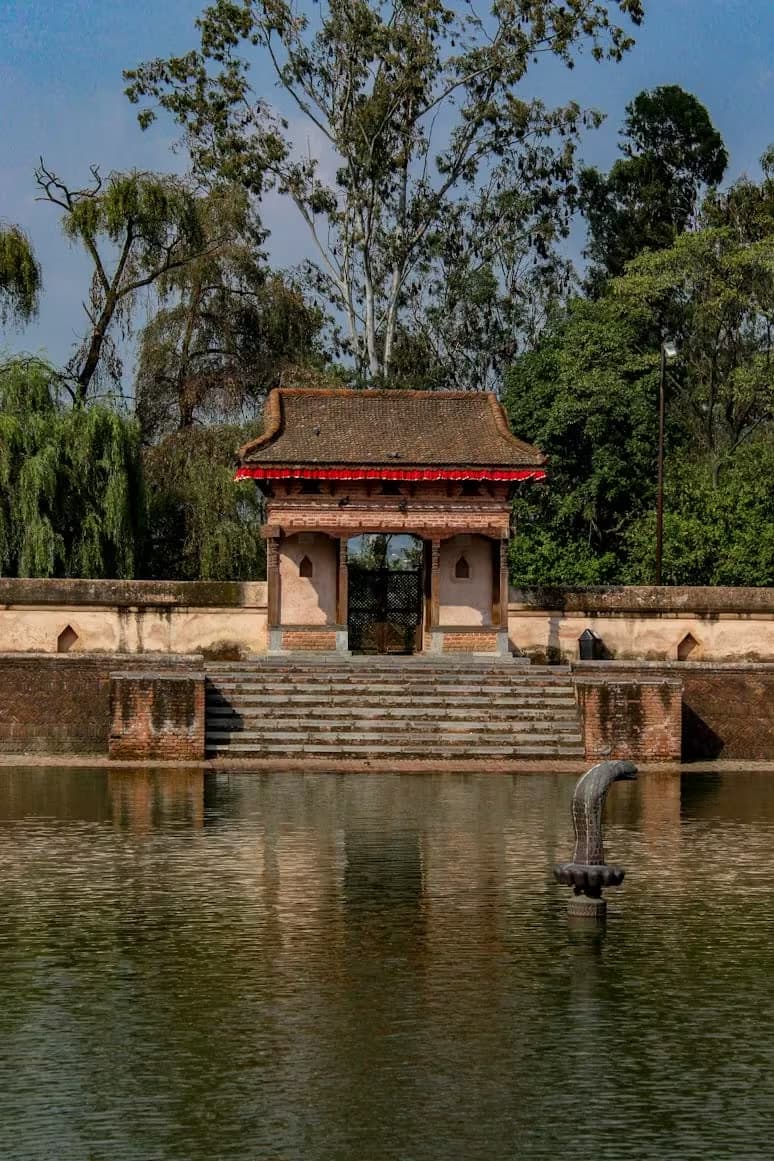
An ancient serpent pond beside Bhaktapur's royal palace adorned with exquisite Naga sculptures, reflecting the Malla kings' reverence for water deities and the serpent cult.

Bhaktapur

Bhandarkhal Pokhari

Bhandarkhal Pokhari

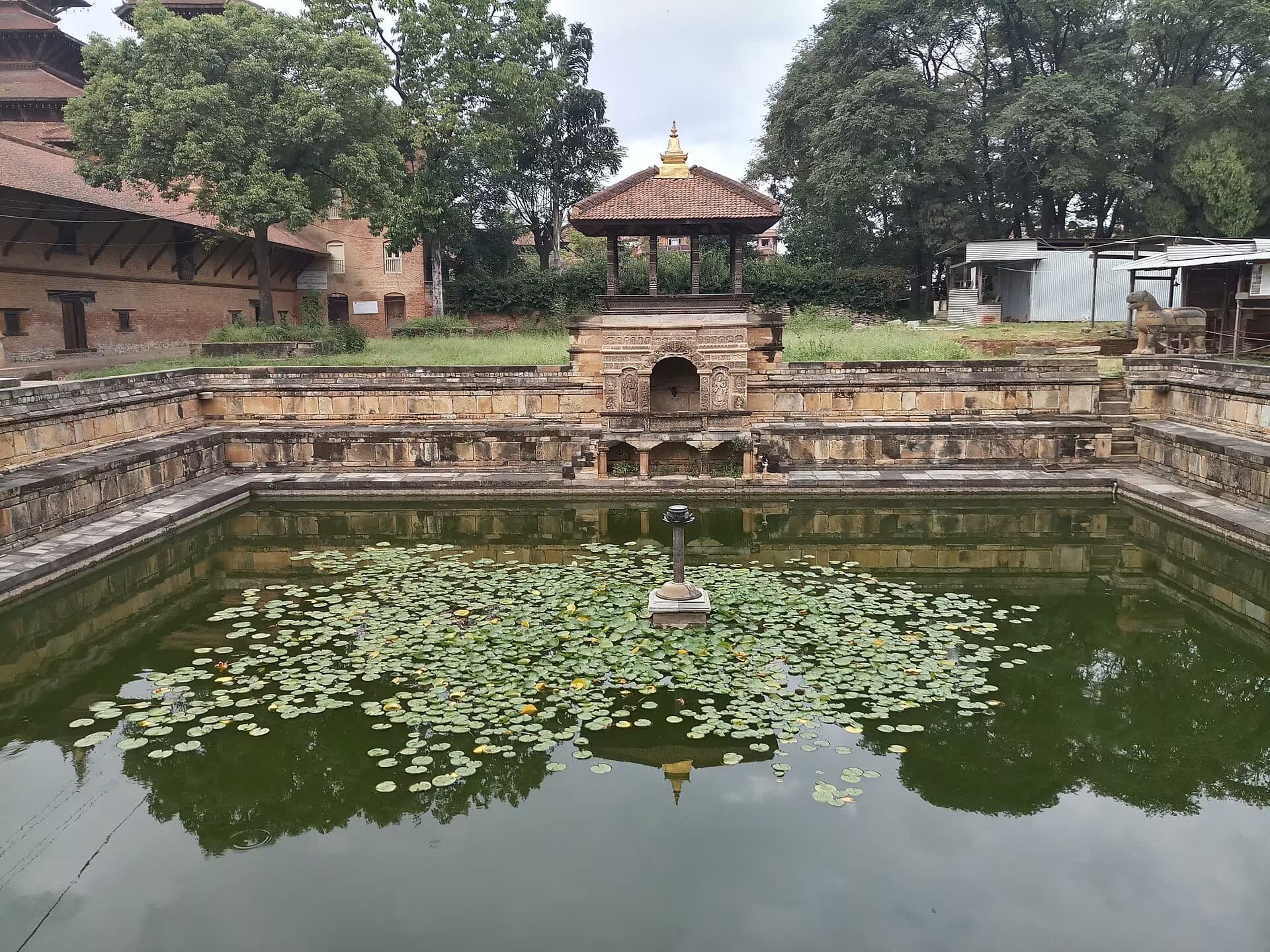
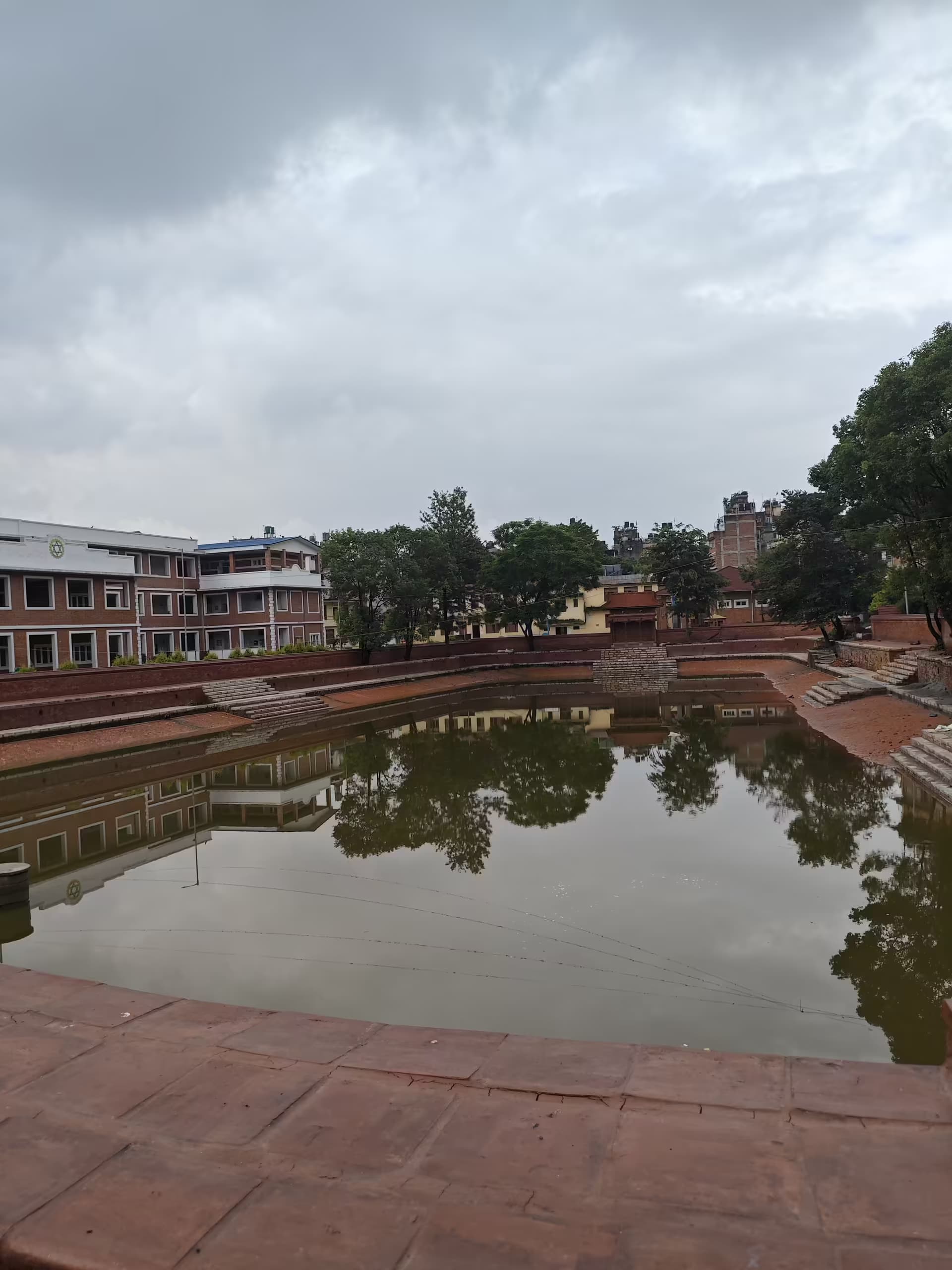
A hidden royal garden tank inside the Patan Palace complex, once the private pleasure garden of Malla kings, featuring a gilded waterspout and stone bath surrounded by ancient trees.

Lalitpur

Pim Bahal Pokhari

Pim Bahal Pokhari

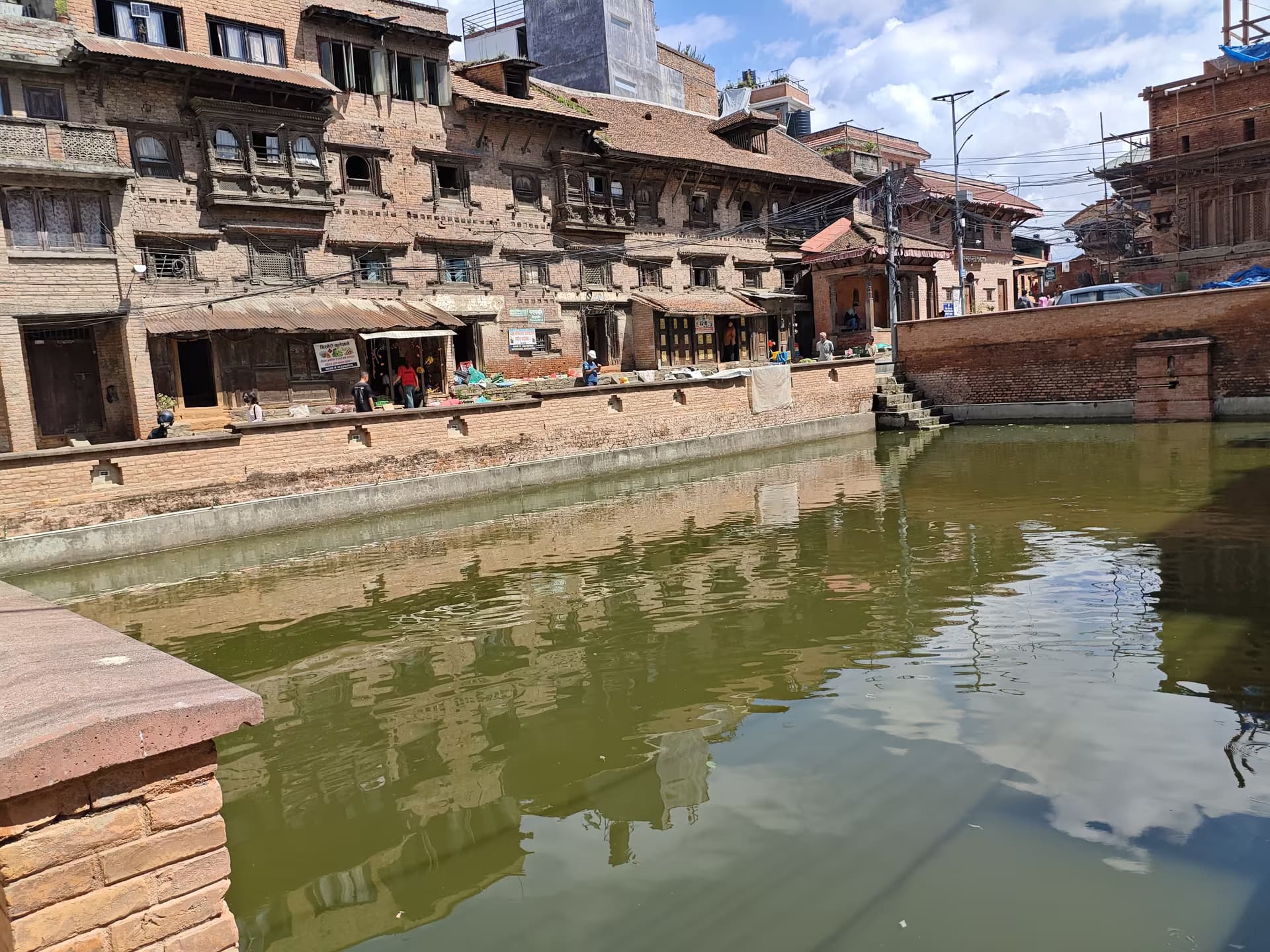
A centuries-old monastery pond in the heart of Patan, surrounded by traditional Newar courtyard houses and a working Buddhist bahal — one of the valley's most atmospheric hidden waterscapes.

Free entry

Lalitpur

Tekha Pokhari

Tekha Pokhari

A quiet medieval pond in Bhaktapur's eastern quarter (also called **Khancha Pukhu**) beside the Muni Bihar Buddhist monastery — famous among locals for mirroring the silhouette of the Nyatapola temple on still mornings.

Bhaktapur

Byasi Pukhu

Byasi Pukhu

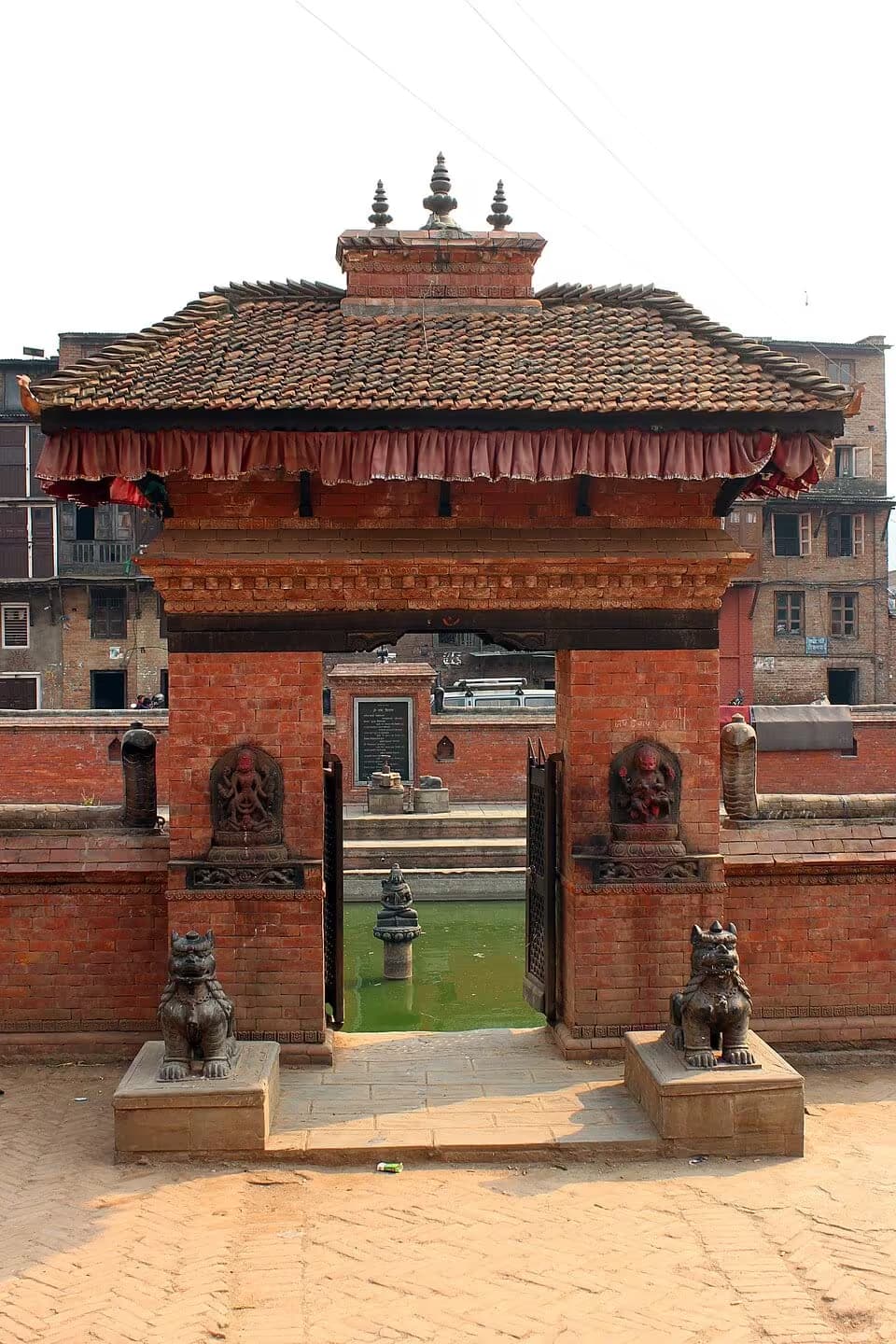
A rectangular Malla-era pond guarding the northern gateway into old Bhaktapur, ringed by *falchas*, Narayan shrines and deity statues — a working piece of the city's traditional water-and-microclimate infrastructure.

Free entry

Bhaktapur

Nhu Pukhu (Rani Pokhari of Bhaktapur)

Nhu Pukhu (Rani Pokhari of Bhaktapur)

Bhaktapur's own 'Rani Pokhari' at Sallaghari — begun by King Jagajyoti Malla around 1630 AD in memory of his queen, predating Kathmandu's more famous version by four decades and still sheltering a brass Nagaraja image and lineage deities.

Free entry

Bhaktapur

Na Pukhu

Na Pukhu

At roughly 431 by 250 feet, Bhaktapur's second-largest historic pond — a Malla-era reservoir set in Dudhpati beside the Buddhist Thathubahi courtyard, and folklore's holder of the 'tail' of the cosmic snake Basuki Naag.

Free entry

Bhaktapur

Kwathandau Pukhu

Kwathandau Pukhu

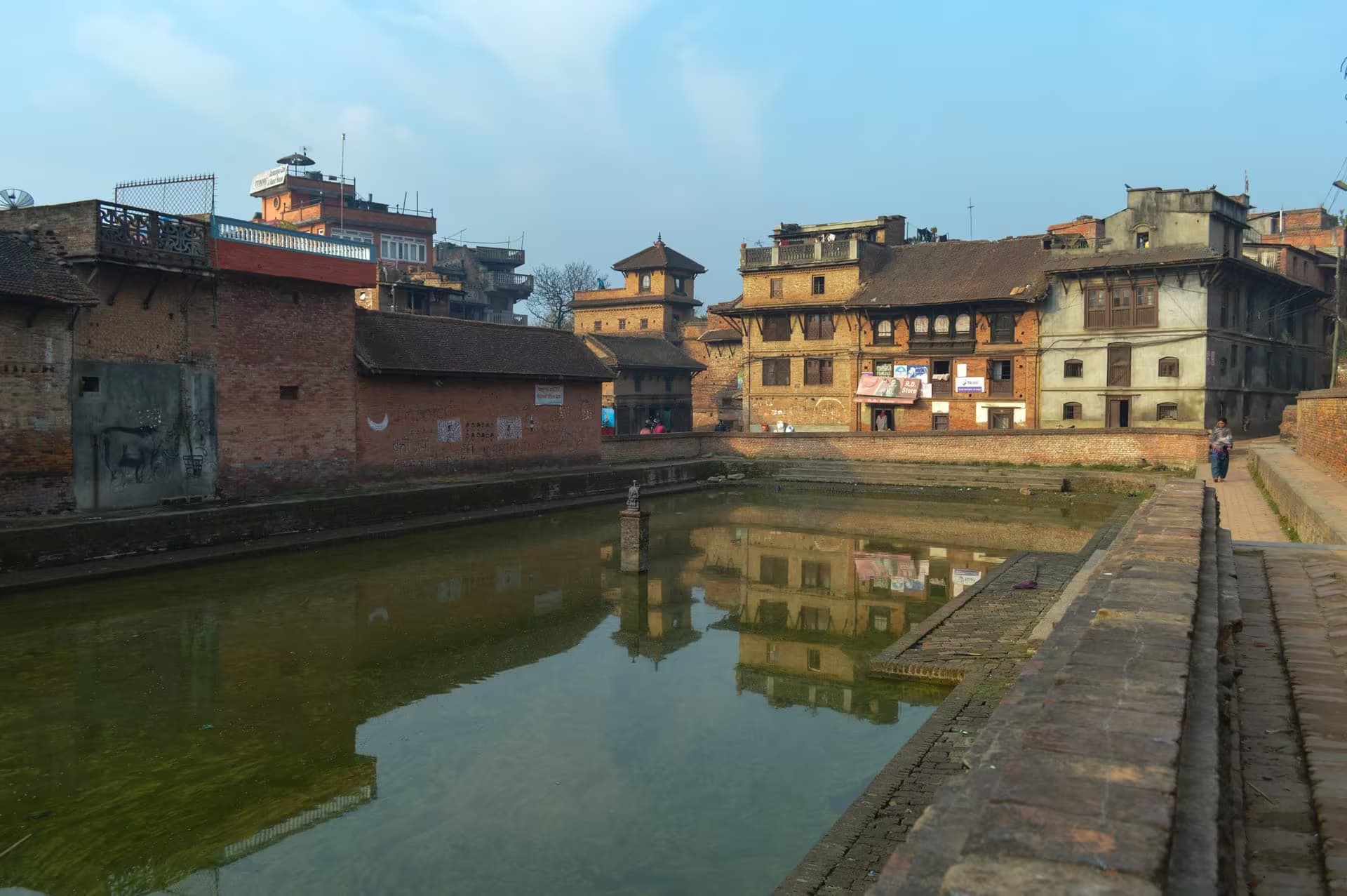
A 175-foot Malla-era pond in the Kwathandau quarter — one of the 24 *tol* neighbourhoods into which medieval Bhaktapur was divided — with a single surviving stone water spout at its northwestern corner.

Free entry

Bhaktapur

Sanla Pukhu

Sanla Pukhu

Also known as **Yattacheen Pukhu**, a rectangular Tachapal-area pond alongside the Sanla Ganesh temple, with twin stone spouts at the northwest corner and a row of deity images on the eastern bank.

Free entry

Bhaktapur

Jawalakhel Pokhari

Jawalakhel Pokhari

One of Patan's three major surviving historic ponds — an upstream reservoir that once fed the city's medieval hiti network, now a peaceful neighbourhood landmark in the heart of Jawalakhel.

Free entry

Lalitpur

Gahana Pokhari

Gahana Pokhari

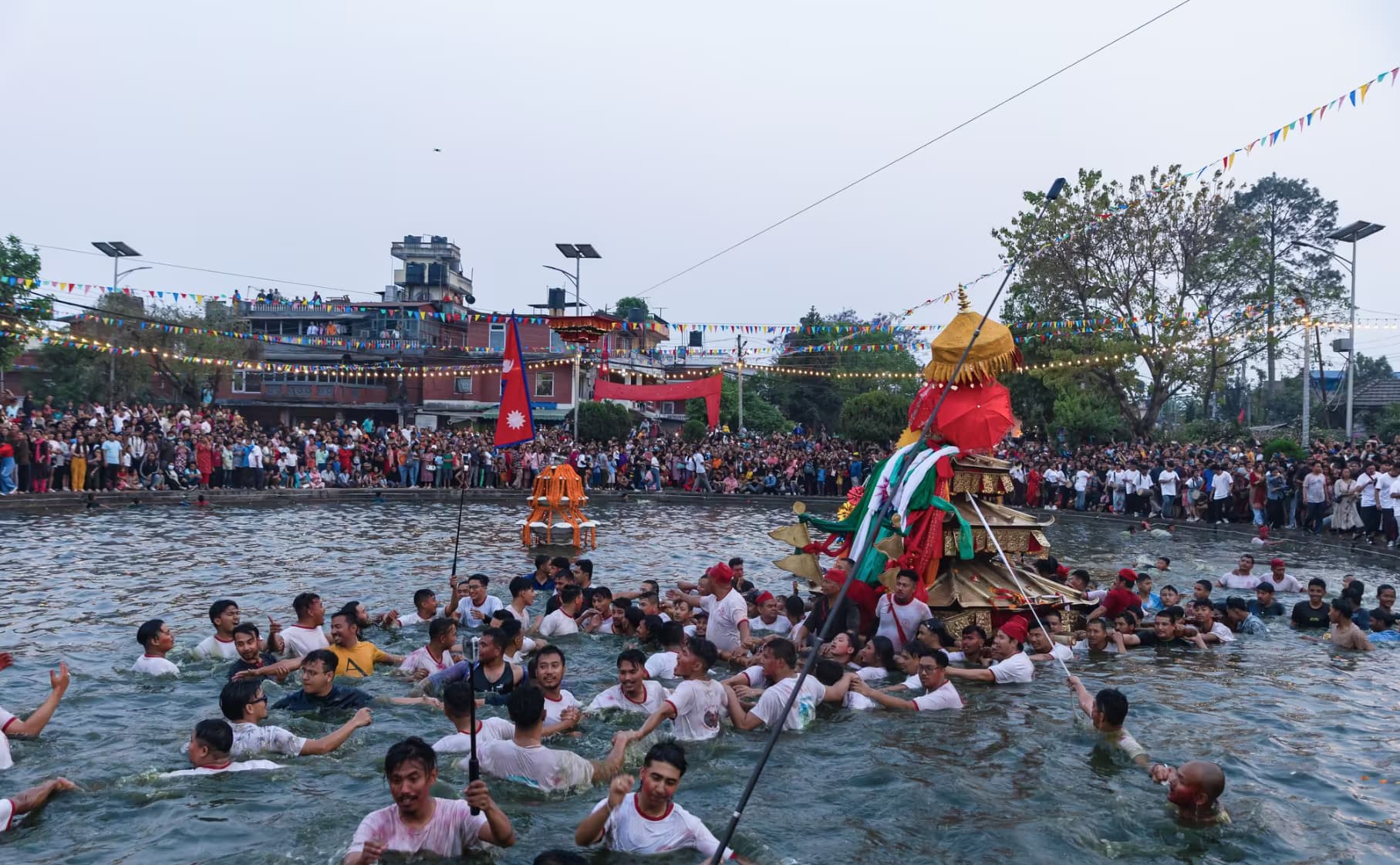
A historic pond in the ancient Licchavi heartland of Handigaun, home to Gahana Khojne Jatra — the Kathmandu Valley's vivid water ritual of searching for Tudaldevi's lost ornaments.

Free entry

Kathmandu

Guita Pukhu

Guita Pukhu

Patan's most ancient surviving pond, built by King Sarvananda — a downstream reservoir that exemplifies the Newar water-urbanism principle of cascading ponds protecting settlements from stormwater surges.

Free entry

Lalitpur

Saptapatal Pokhari

Saptapatal Pokhari

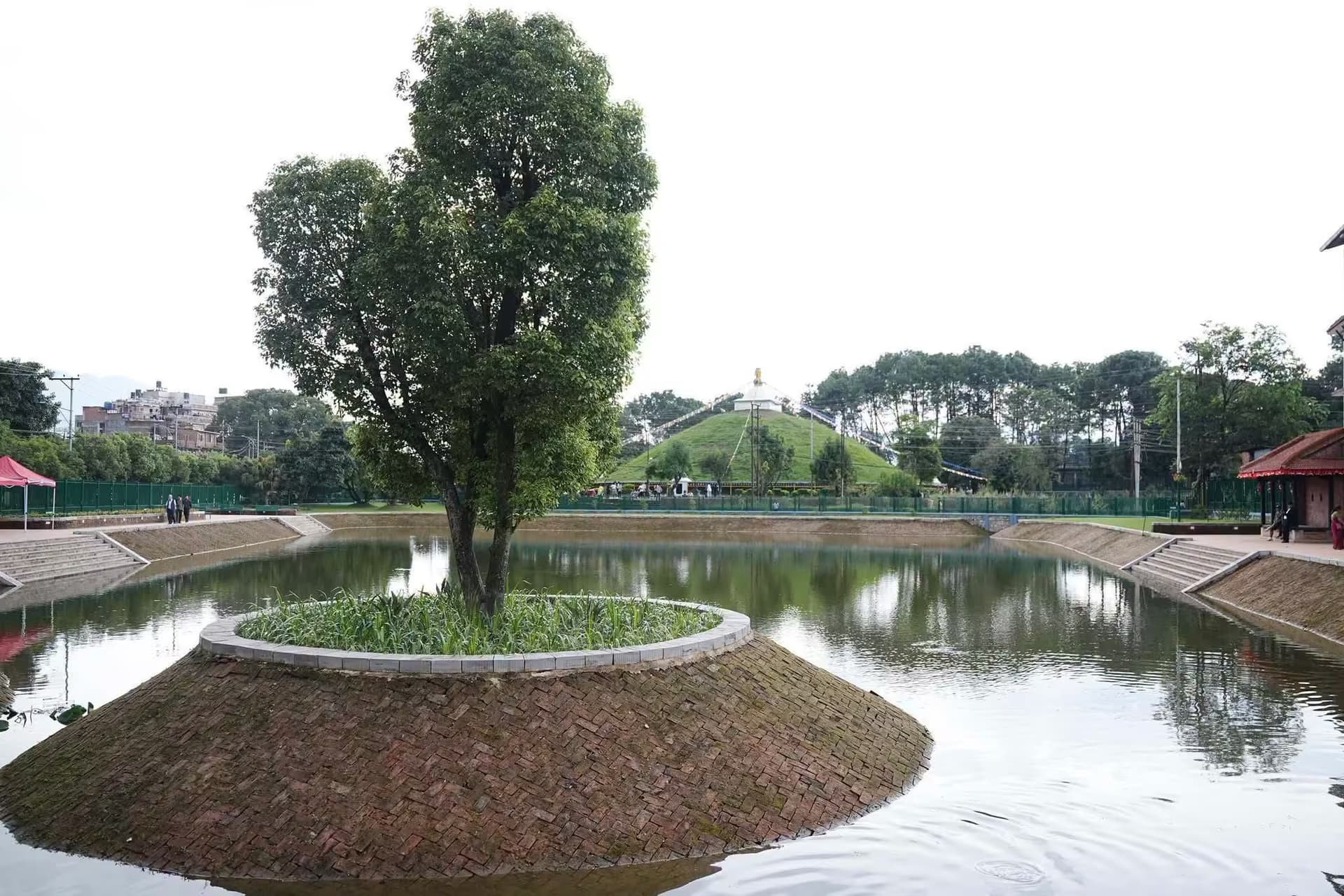
Patan's great lost pond, brought back — a Licchavi-era reservoir at Lagankhel that shrank to almost nothing under fifty years of encroachment and reopened in August 2026 after a fifteen-year court battle.

Free entry

Lalitpur

Ikha Pukhu

Ikha Pukhu

One of Kathmandu's three great upstream ponds — alongside Rani Pokhari and the lost Lainchaur — this historic reservoir in the Chhetrapati area preserves a fragment of the capital's original Lichhavi-era water infrastructure.

Free entry

Kathmandu

Bhajya Pukhu

Bhajya Pukhu

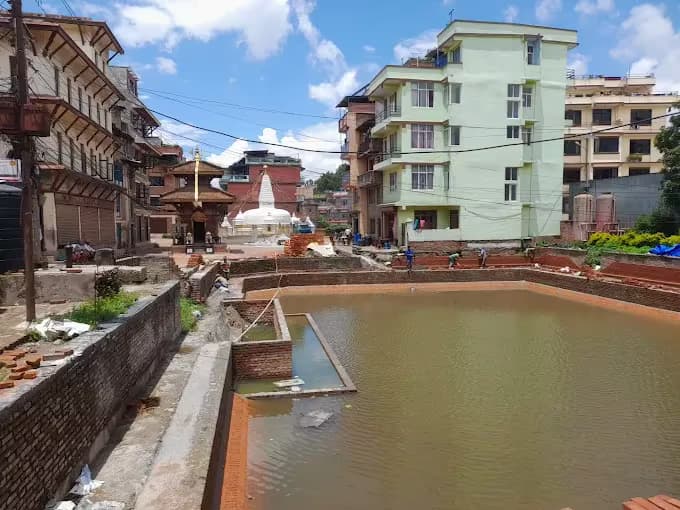
A 12th-century pond in Dudhpati — said to be around 500 years older than Kathmandu's Rani Pokhari — once centred on a Shikhara temple destroyed in the 1681 earthquake, and now being rebuilt in traditional mud, brick and timber.

Free entry

Bhaktapur

Nag Pokhari (Naxal)

Nag Pokhari (Naxal)

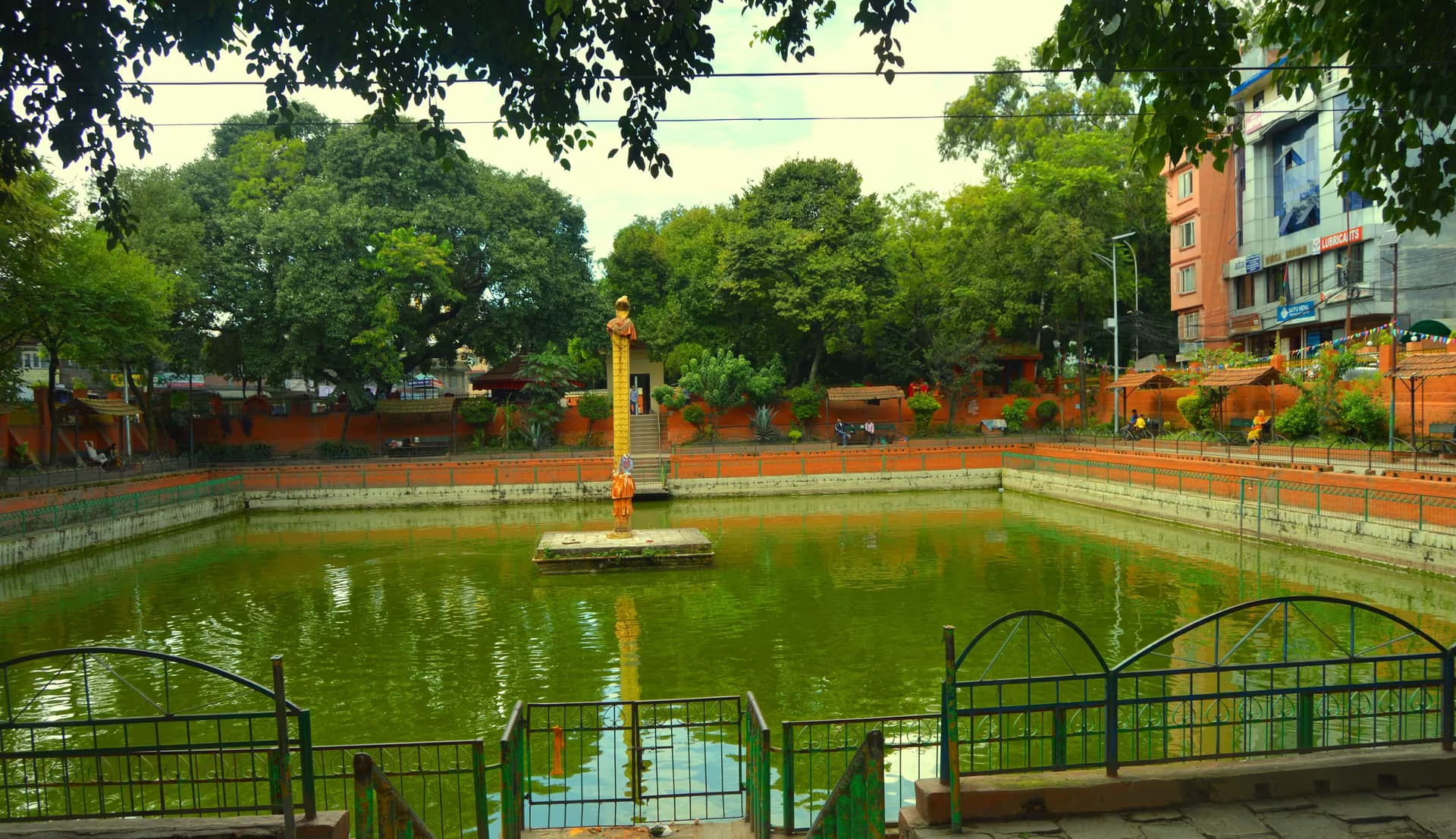
An elegant historic serpent pond in the Naxal neighbourhood of Kathmandu, crowned by a striking multi-hooded Naga King statue — a serene park retreat that comes alive during Nag Panchami.

Free entry

Kathmandu

Dey Pukhu

Dey Pukhu

Kirtipur's historic stone reservoir directly in front of the Bagh Bhairav Temple — a rain-fed pond that locals say has never run dry, ringed by the white Pukushi Narayan temple and alive with Lakhey dances during Indra Jatra.

Free entry

Kathmandu

Beyond individual ponds, pokharis reveal how the Valley's cities stored water, marked sacred places, and kept dense neighborhoods livable.

Why they matter

Water infrastructure, ritual, and neighborhood life

Pokharis are not flat catalog entries. They preserve old water systems, hold ritual meaning at the pond edge, and remain working parts of dense Valley cities.

Water Infrastructure

Pokharis stored rainwater, helped recharge groundwater, managed runoff, supported hitis and wells where connected, and provided emergency water in dense cities. Many took their visible civic form during the medieval period; the water traditions they carry are broader.

Ritual and Naga Worship

Ponds often hold shrines, serpent imagery, lamps, and offerings. Nag Panchami, Chhath, and local jatra observances bring the water's edge into worship at specific sites across the Valley.

Royal and Civic Memory

Rani Pokhari, Siddha Pokhari, palace tanks, and Bhaktapur's major pukhu preserve stories of kingship, city gates, palace gardens, and civic identity. Their present forms often reflect medieval city planning.

Neighborhood Life Today

Many pokharis remain places for walking, resting, morning puja, local cleaning campaigns, restoration debates, and everyday gathering. The pond edge is still a working part of the city.

How to read a pokhari

What to look for at the water’s edge

A practical interpretive guide. Pond layouts vary; these four lenses help you read what you see without flattening every site into the same story.

Water Edge

Steps, retaining walls, ghats, railings, walkways, and shaded edges show how people approach the water — for ritual, rest, or passage.

Shrine and Image

Central temples, Naga posts, corner shrines, Ganesh images, Narayan shrines, or deity stones mark the ritual meaning anchored to the pond.

Water System Clues

Nearby hitis, spouts, channels, wells, slope, upstream/downstream position, and seasonal water levels hint at how the pond once fitted a larger system.

Neighborhood Setting

Bahals, falchas, palace courtyards, toles, schools, homes, markets, and rest spaces explain who uses and maintains the pond today.

Visit respectfully

At the pond edge

Pokharis are working ritual spaces and fragile water bodies. A few practical points keep them clean, sacred, and welcoming for the neighborhoods that maintain them.

  • Do not enter the water unless a local ritual or posted rule clearly allows it.
  • Do not throw trash, coins, plastic, flowers, or food into the water.
  • Feed fish only where it is clearly allowed; avoid encouraging pollution.
  • Ask before photographing close-up rituals, mourning rites, children, priests, or residents.
  • Do not climb on Naga images, stone spouts, shrines, or fragile pond edges.
  • During Chhath, Nag Panchami, Janai Purnima, Yenya Punhi, or local jatras, keep clear of worship areas and follow the crowd's direction.

Explore more Kathmandu Valley heritage

Pokharis are part of the valley's rich built heritage. Discover the royal palace squares and ancient Buddhist courtyards too.