Newar Buddhist Continuity
Bahals preserve forms of Vajrayana Buddhist practice, ritual calendars, sangha identity, and devotional life that remain active in the Kathmandu Valley today.
See exampleGolden Temple Patan
A bahal (also baha or bahi) is a Newar Buddhist monastery courtyard of the Kathmandu Valley — an enclosed chowk organized around a shrine, chaitya, or sacred image, with residential and ritual life arranged around it. The terms relate to the older Sanskrit vihara and mahavihara, and local usage varies between cities and neighborhoods.
Hundreds of these courtyards still anchor the old cities of Kathmandu, Patan, and Bhaktapur. Many remain active religious, family, and neighborhood spaces — you step from a busy lane into a quieter courtyard, and the contrast itself is part of the experience.
An enclosed Newar Buddhist vihara organized around a shrine, chaitya, or sacred image, with residential and ritual life arranged around it.
Maintained through religious, family, and neighborhood obligations. Many bahals are still active community spaces, not preserved monuments.
Reached through lanes, gates, and neighborhood thresholds. The walk from busy street into quiet courtyard is part of the experience.
Metalwork, woodcarving, stone sculpture, inscriptions, and sacred images remain part of worship rather than display.
Kathmandu's bahals form the densest network in the Valley — quiet courtyards reached through the bazaar lanes around Asan, Kel Tole, and Itum Bahal.
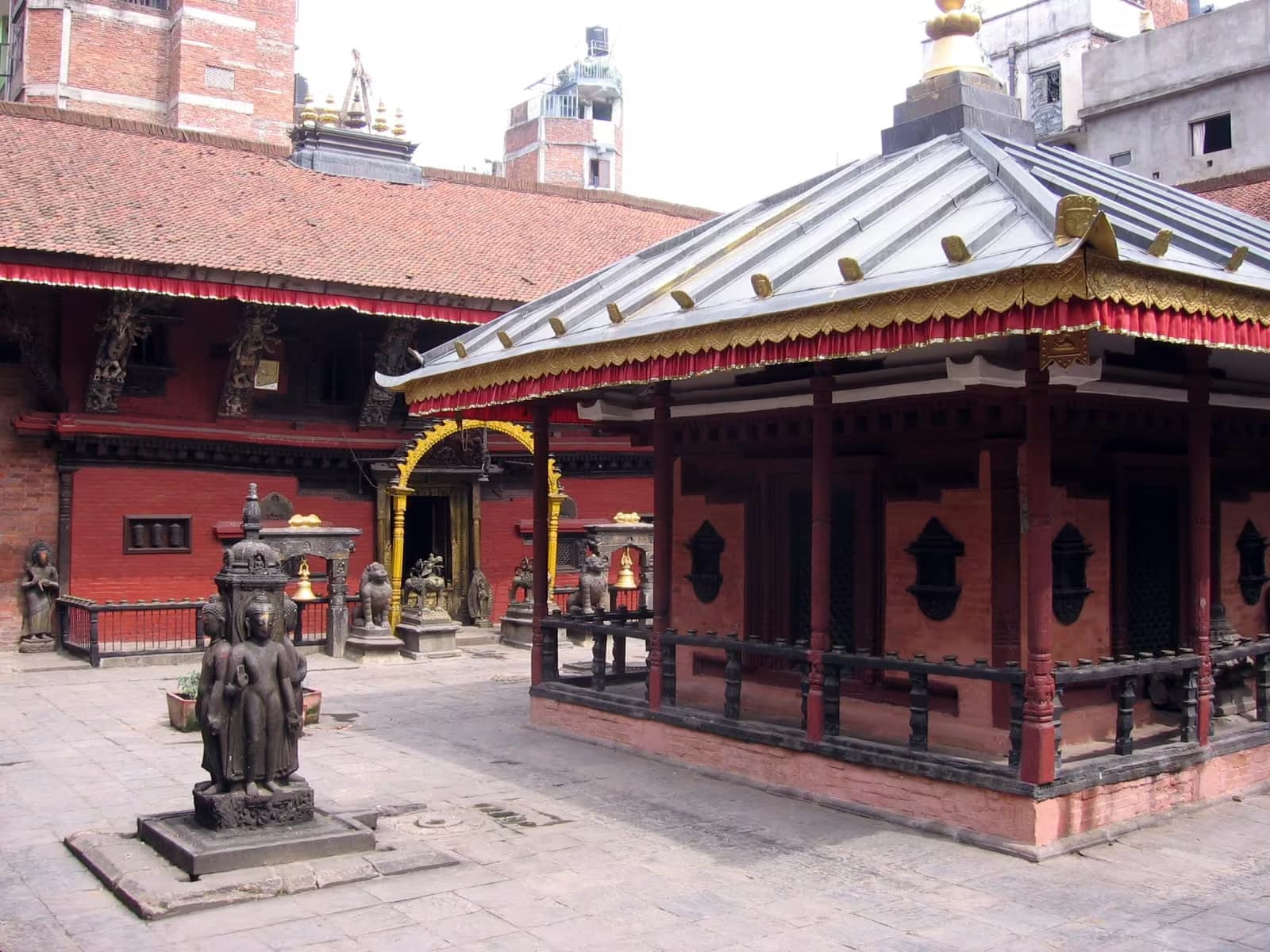
इटुम बहाल
Kathmandu's largest Buddhist monastery complex with hidden courtyards, brass plaques depicting the Gurumapa legend, and a golden window relic.
Between Thamel and Durbar Square, Old Kathmandu
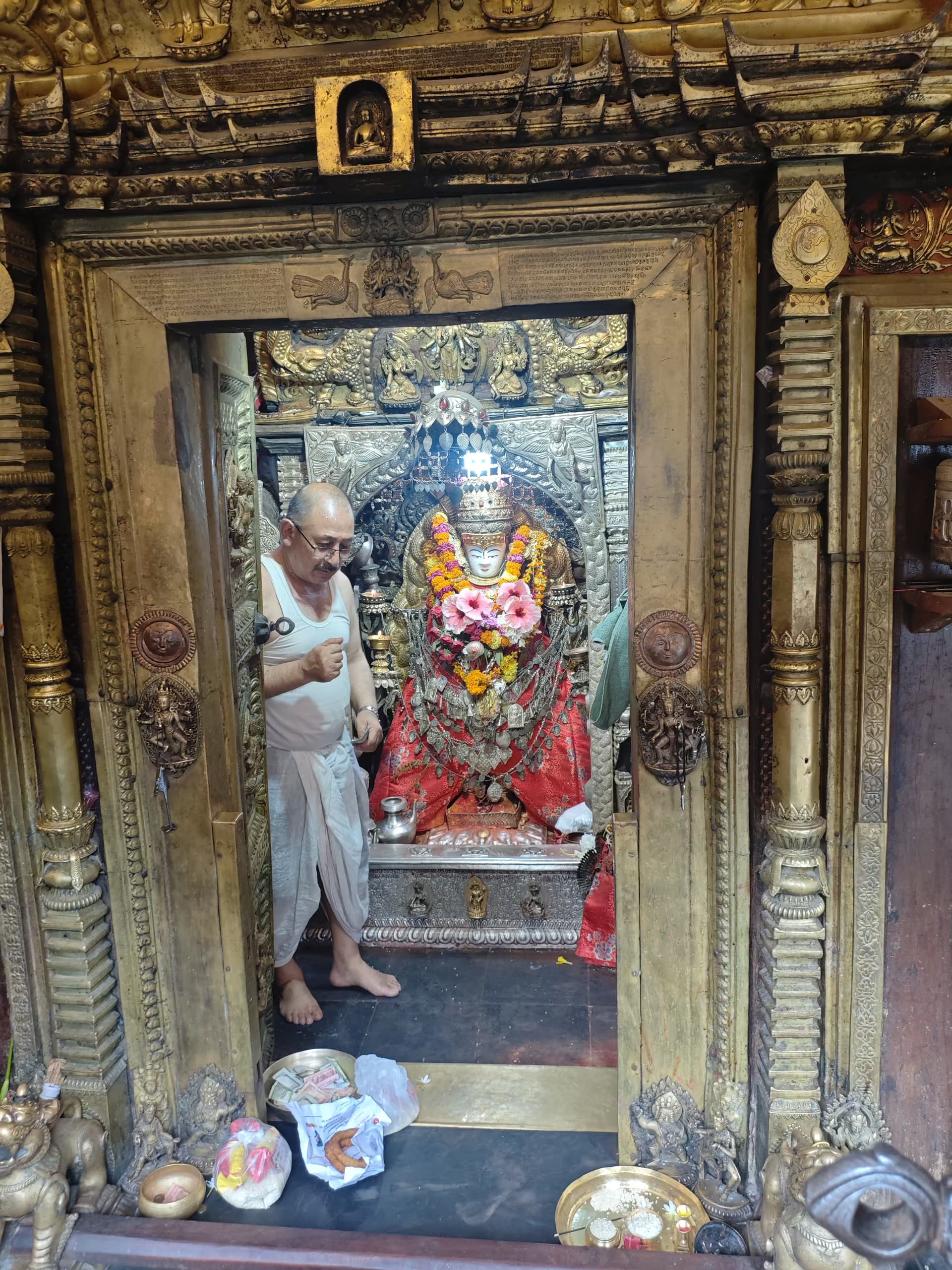
जनबहाल
A 10th-century 'living bahal' housing the White Machhindranath, worshipped as Avalokiteshvara by Buddhists and Machhindranath by Hindus — the finest example of Valley syncretism.
Keltole, between Asan and Indra Chowk
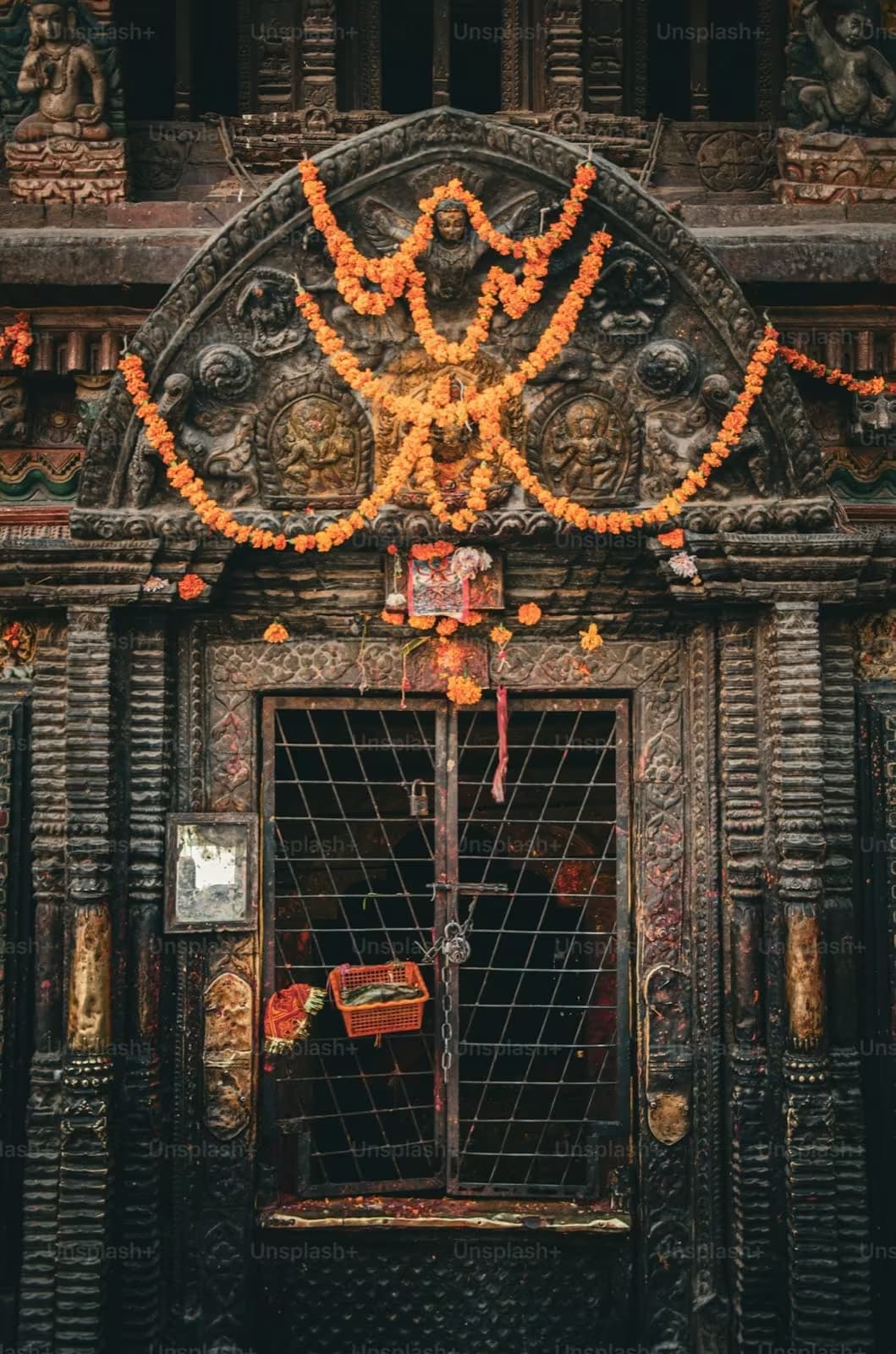
मुसुम बहाल
A unique 'double bahal' in old Kathmandu with inner and outer courtyards, each counted as separate mahavihars, and an active center of Vajrayana Buddhist learning.
Kwane Puin, downtown Old Kathmandu
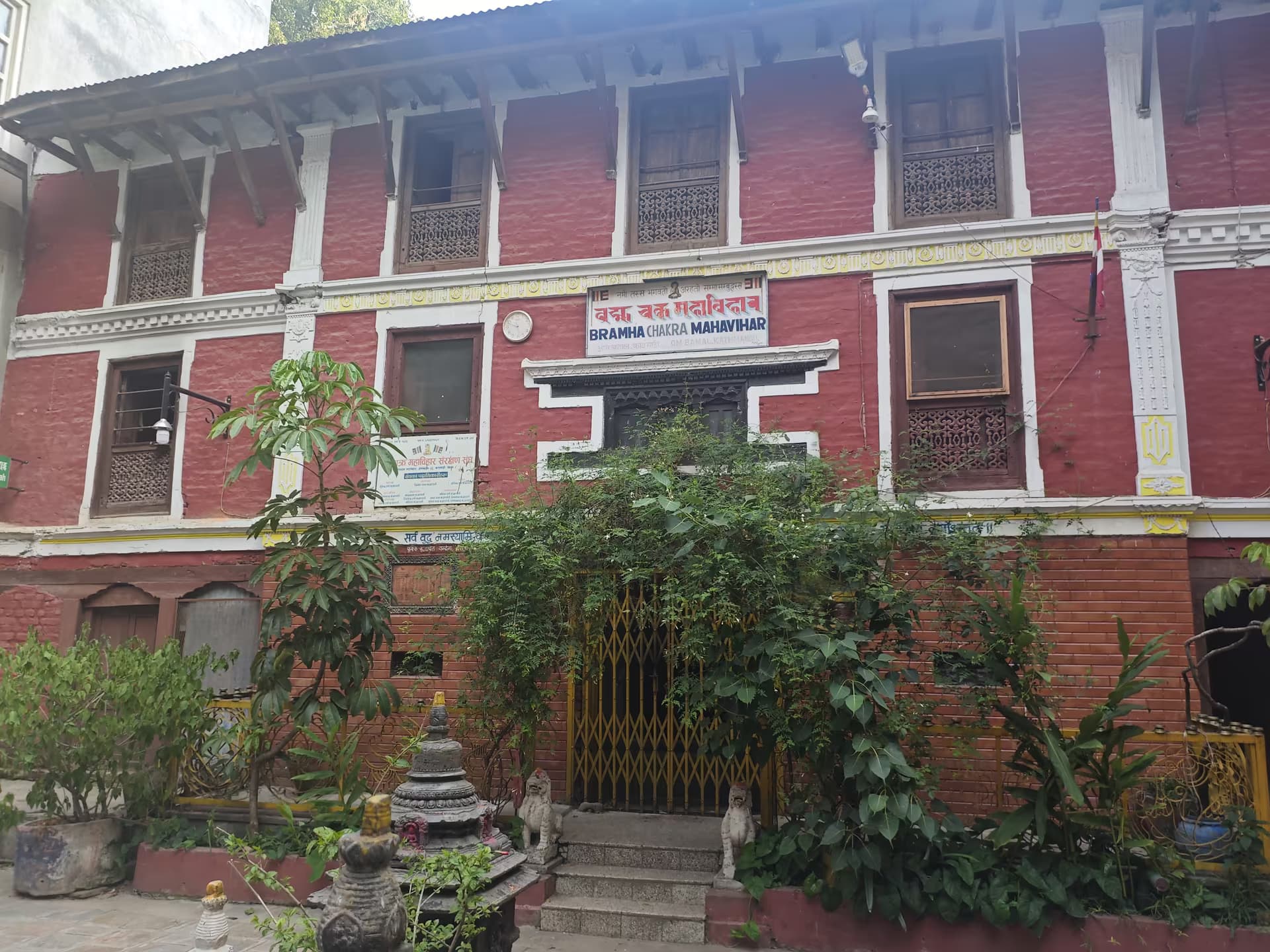
ओम बहाल
One of the 18 principal mahavihars of Kathmandu, the 'Wheel of Creation Monastery' lends its name to the surrounding neighborhood.
Om Bahal, Kwane Puin, Old Kathmandu
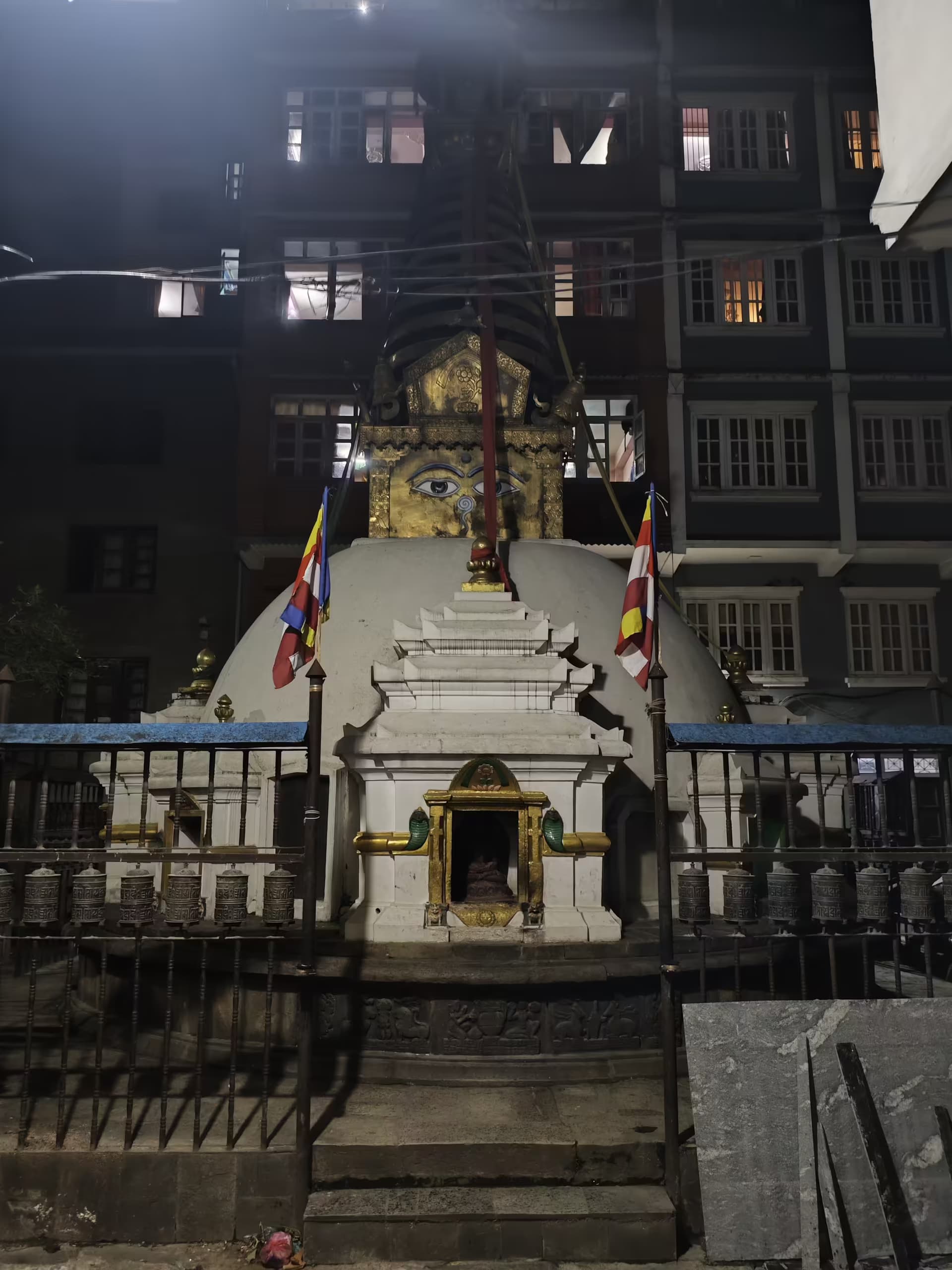
तुकं बहाल
An old Newar Buddhist courtyard monastery at Hyumat Tole in inner Kathmandu, built by tradition as a 14th-century replica of the Swayambhu stupa.
Hyumat Tole near Jaisideval, inner Kathmandu
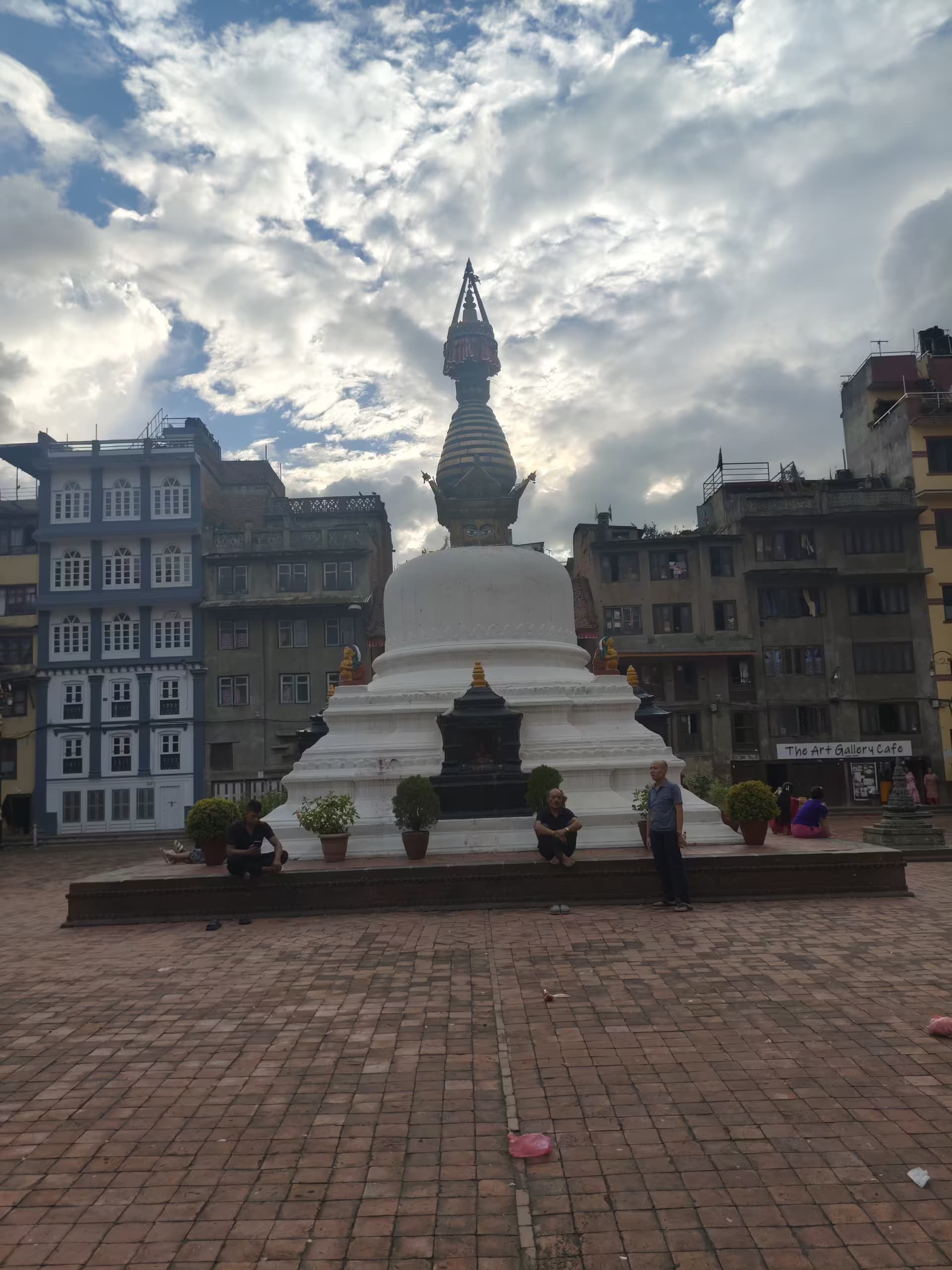
यतखा बहाल
Home to the oldest known wooden torana in the Kathmandu Valley (radiocarbon-dated 900-1030 CE) and stunning yaksha struts — a vast monastery courtyard hiding in plain sight near Durbar Square.
Near Hanumandhoka Durbar Square, accessible via lane from Maju Dewal toward Naradevi
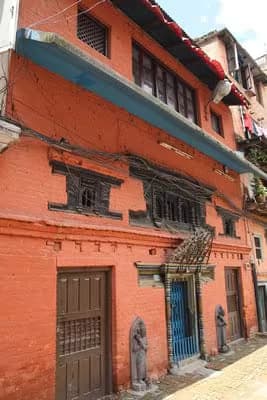
टे बहाल
Kathmandu's largest open monastery courtyard, a Licchavi-era complex housing Buddhist shrines alongside Ganesh, Bhairav, and Matrika — a living museum of Valley syncretism.
Near New Road, Dathu Puin, Old Kathmandu
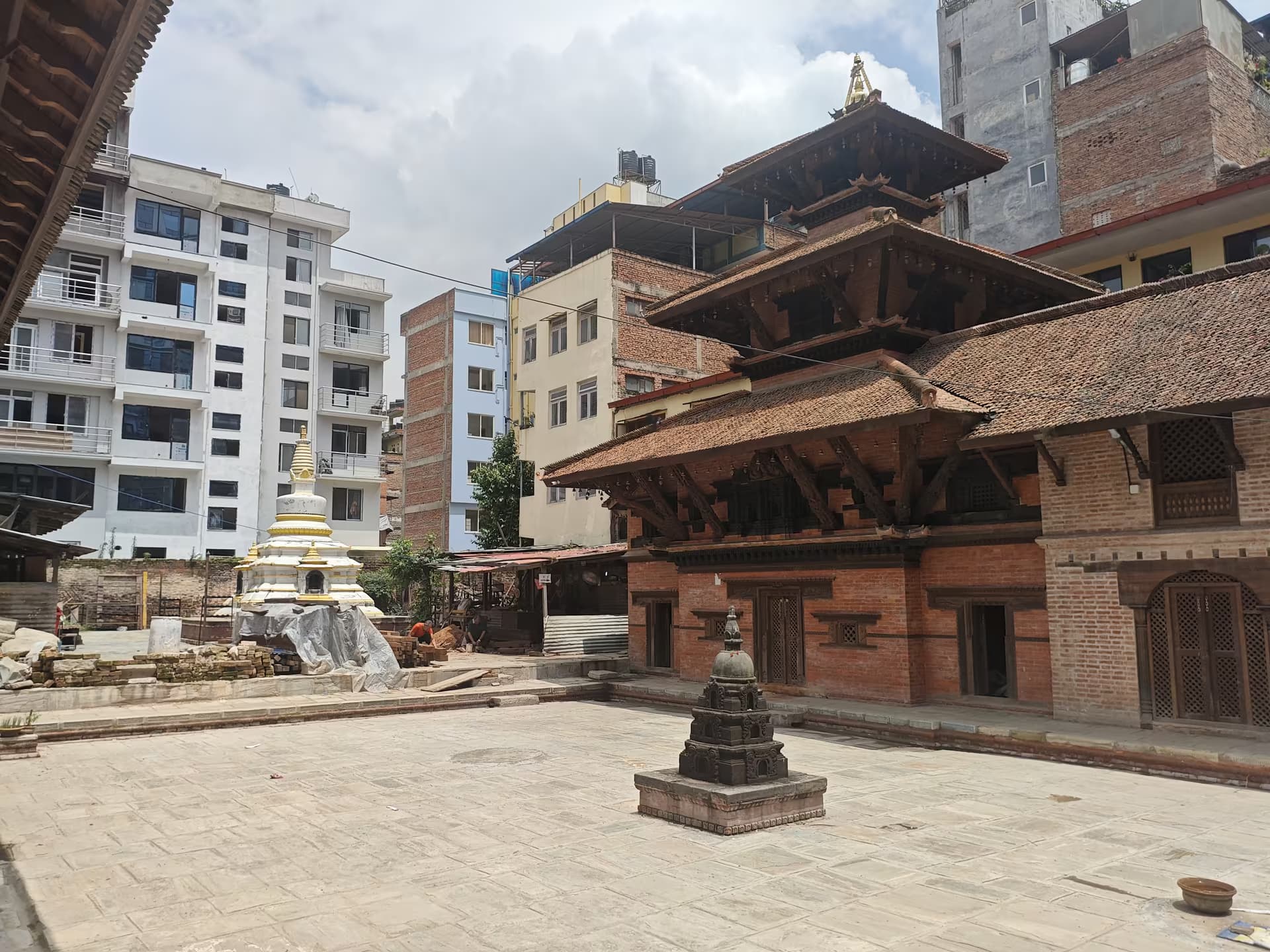
भगवान बहाल
Claimed to be the oldest monastery in the Kathmandu Valley, rebuilt by the great Indian master Atisha in 1041 CE and home to a 7-foot gold statue and a priceless Prajnaparamita manuscript.
Thamel, central Kathmandu
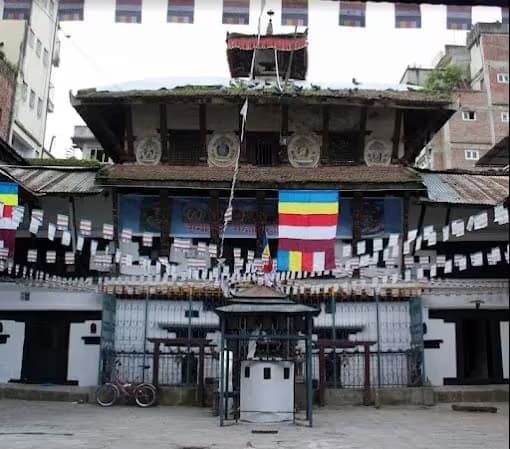
क्व बहाल
The 'mother bahal' of Kathmandu's 18 principal monasteries, home to Kwapa Dya — the presiding deity of the entire mahavihar network — and one of the Valley's oldest scholastic centers for Vajrayana Buddhism.
Kwathando, Thane Puin, Old Kathmandu
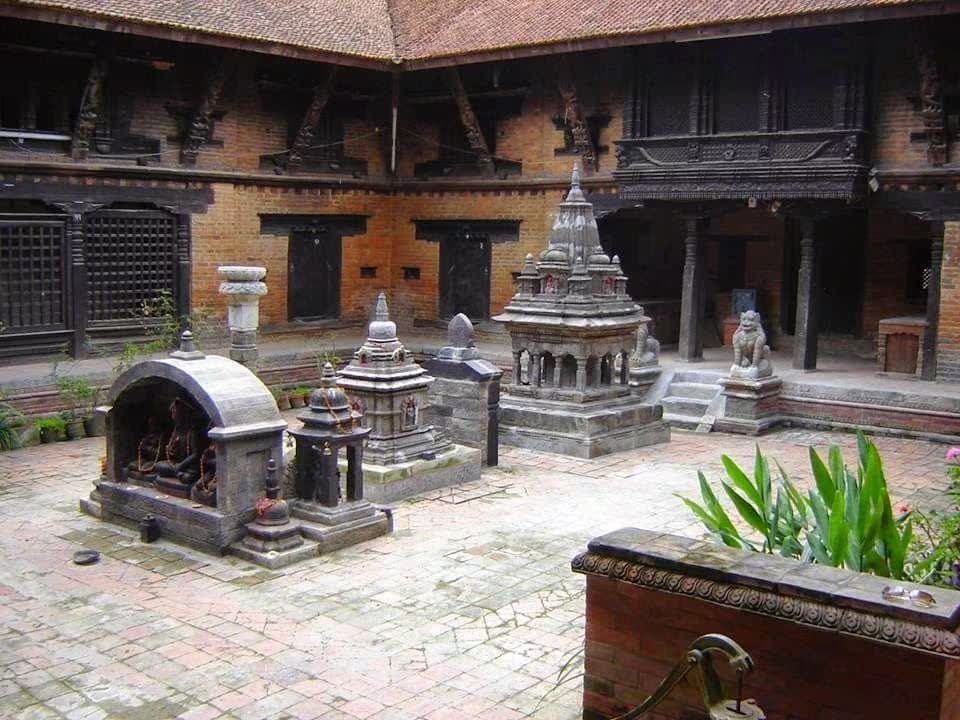
चुस्या बहाल
A well-preserved 1662 monastery built by a Nepal-Tibet trader, one of the finest surviving examples of traditional Newar Buddhist monastic architecture in Kathmandu.
Jyatha, near Kantipath
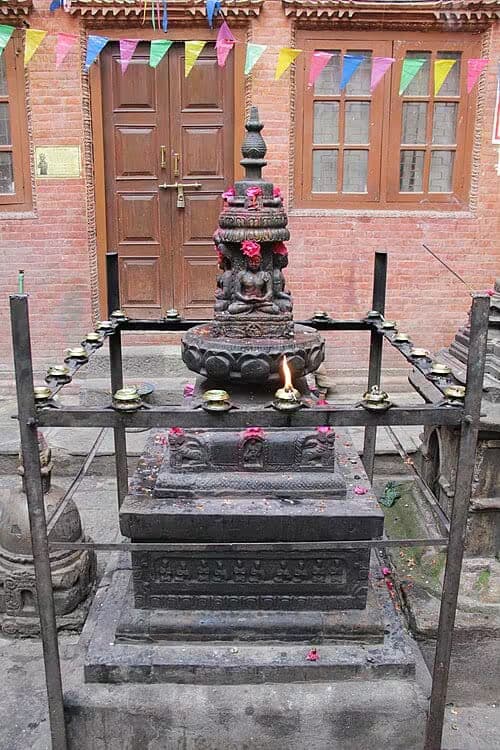
सिखमु बहाल
The only bahal in Kathmandu's Durbar Square quarter, associated with the legendary teacher Lila Bajra Bajracharya — one of four masters who shaped Valley Buddhism.
Maru Tole, near Basantapur / Durbar Square
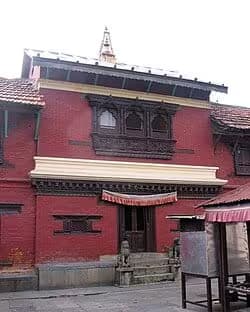
किन्दो बहाल
A monastery at the foot of Swayambhunath hill that became the cradle of Nepal's Theravada Buddhist revival in the early 20th century, when monks defied government bans to teach.
Southern foot of Swayambhunath hill
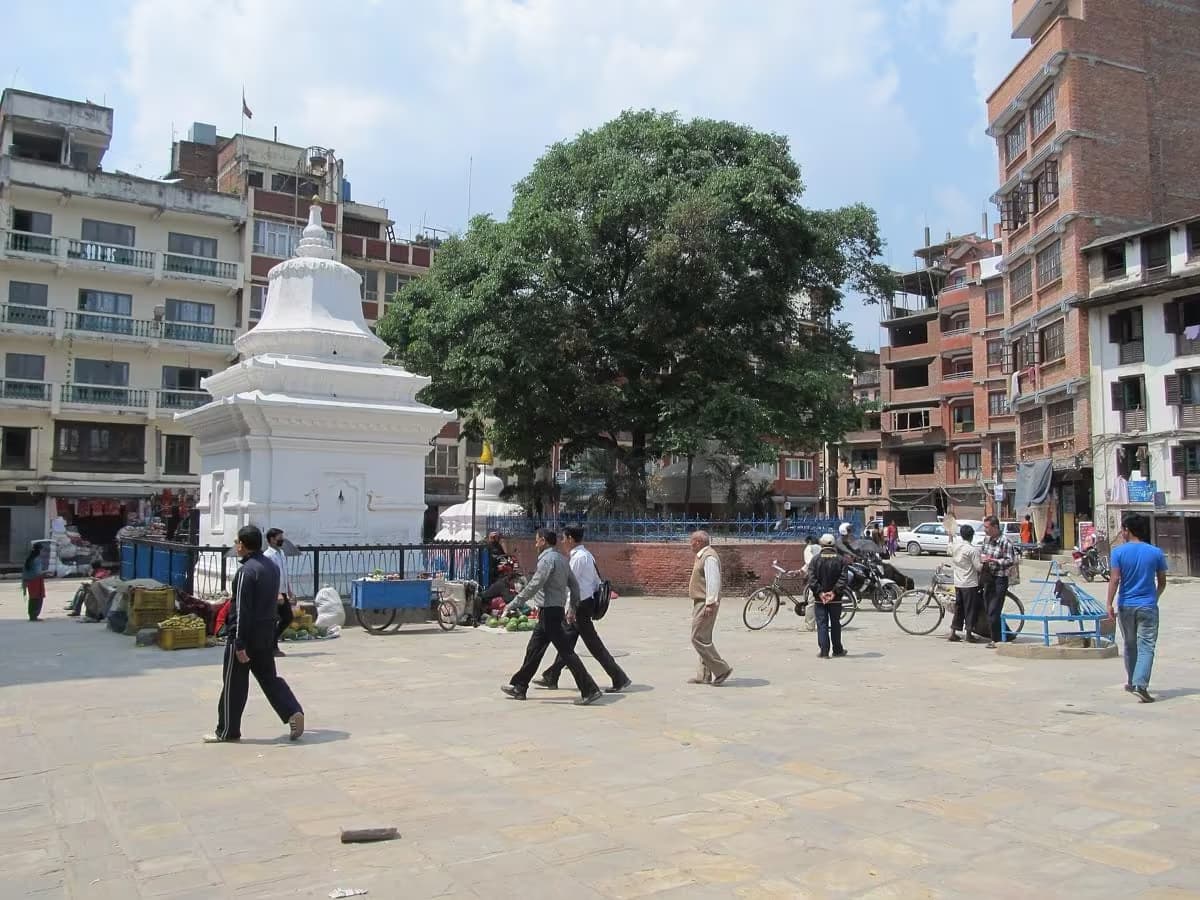
लगन बहाल
One of the 18 principal mahavihars of Kathmandu in the historic Lagan Tole quarter, notable for its ancient Ranjana script stone inscriptions.
Lagan Tole, Kwane Puin, Old Kathmandu
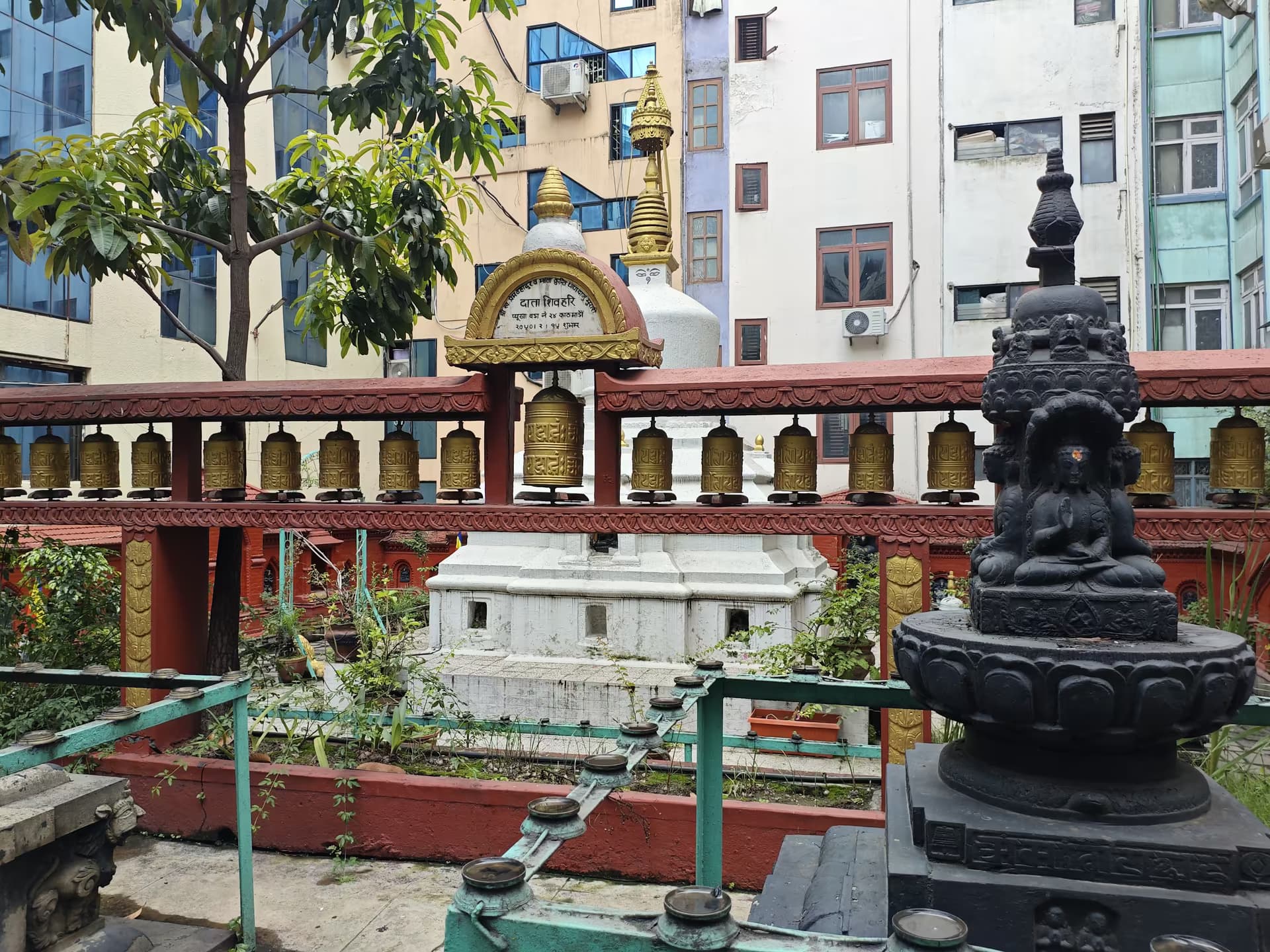
प्यूखा बहाल
A quiet branch monastery in Pyukha Tole off New Road — formally Shree Dharma Dhatu Mahavihar, also called Ashok Chaitya Vihar — built around a large central chaitya crowned with Swayambhu-style Buddha eyes. A Nepal Sambat 667 (c. 1547 CE) inscription records its founding.
Pyukha Tole, near New Road, Old Kathmandu
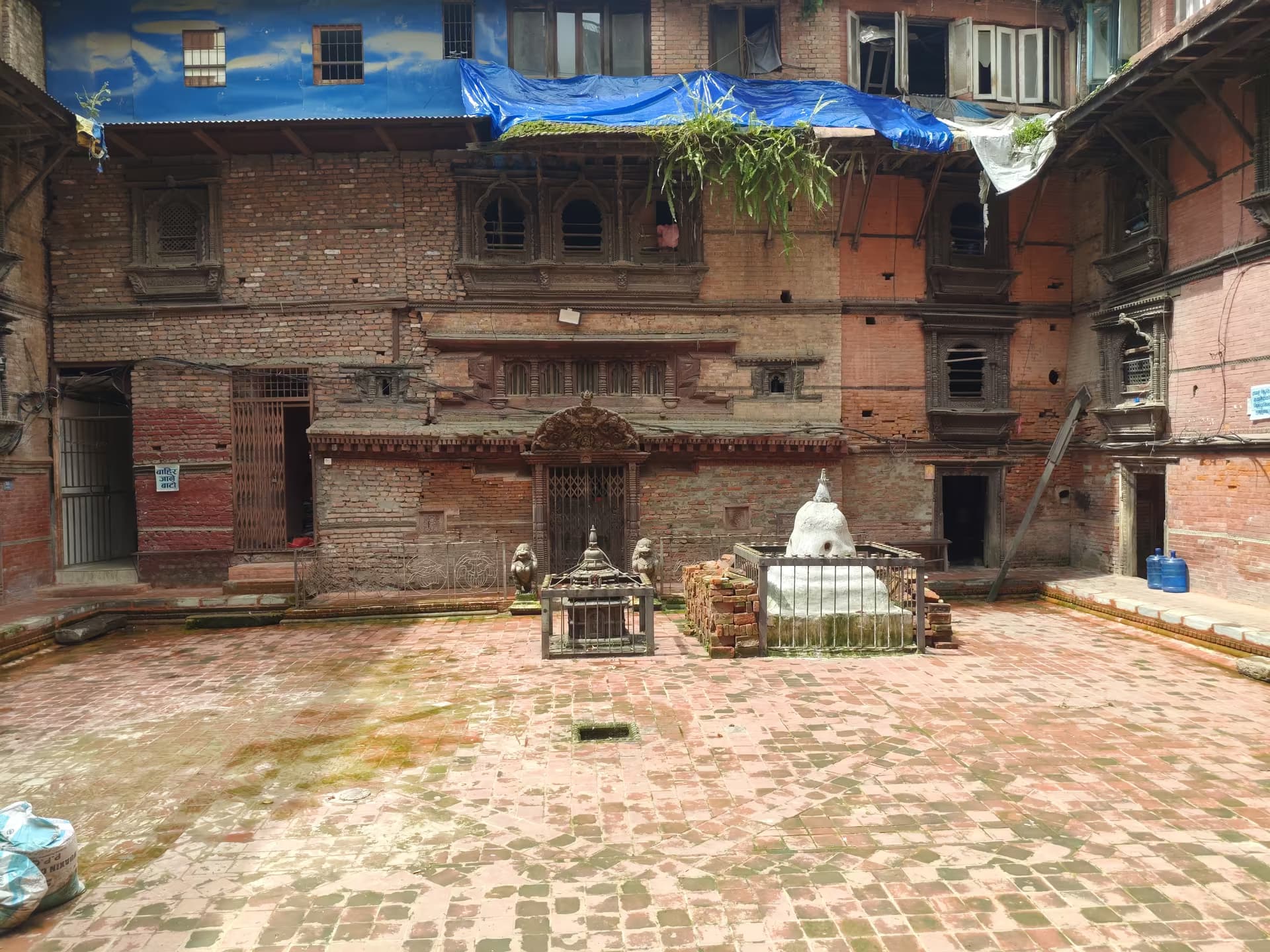
मू बहाल
Reckoned the most artistic of Kantipur's 18 great bahals, Mulashree Mahavihar in Watu Tole enshrines Akshobhya Buddha and once held its own line of Kumaris — held to be the valley's strictest — whose seat is still worshipped in the courtyard.
Watu Tole, Ward 22, Old Kathmandu (near New Road)
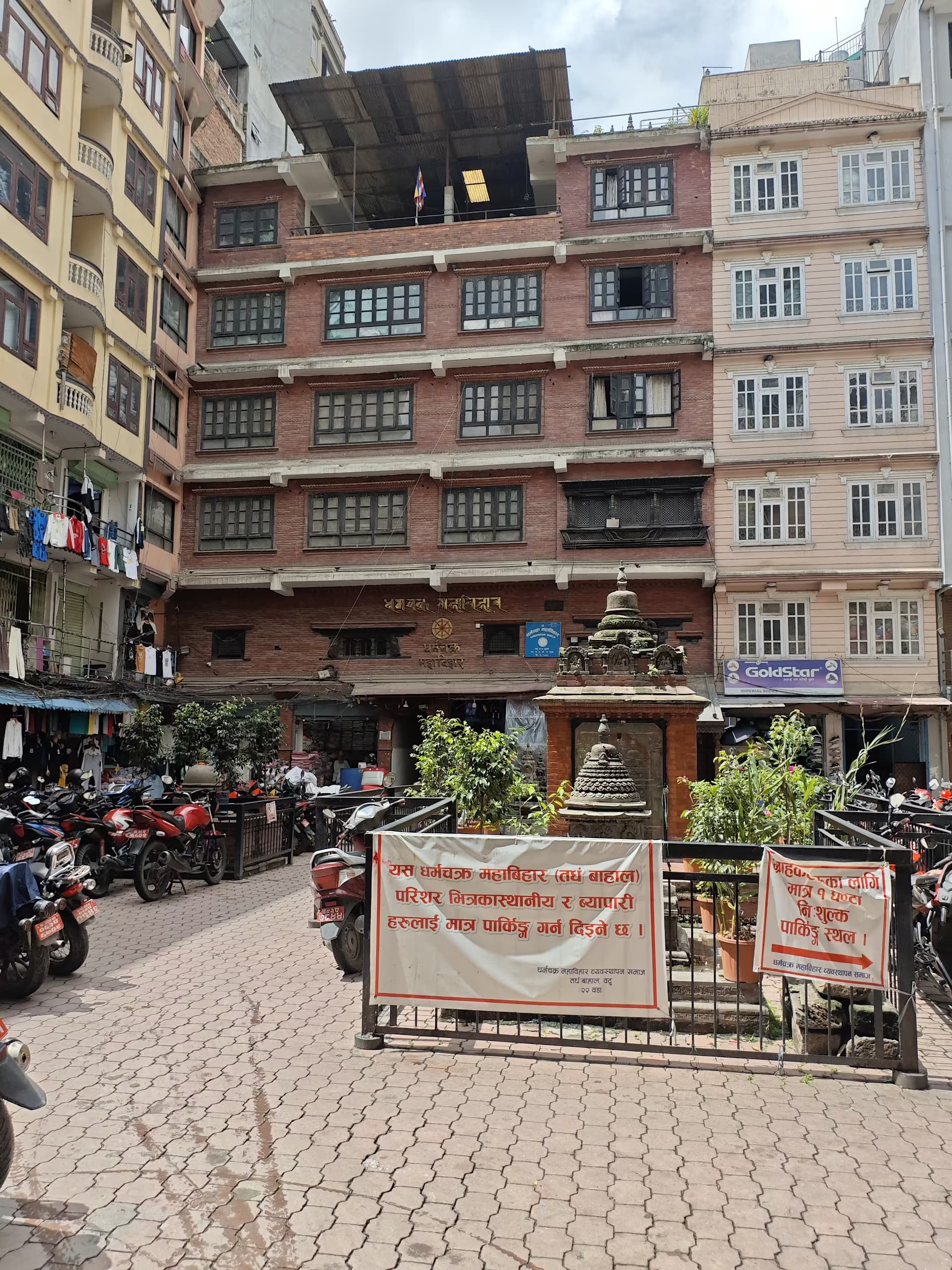
धर्मचक्र महाविहार
A Newar Buddhist monastery courtyard (bahal) in old Kathmandu near New Road, known in Newari as Tanga Bahal. Its name recalls the Dharmachakra, the Wheel of Dharma set in motion by the Buddha's first teaching.
Near New Road, Old Kathmandu
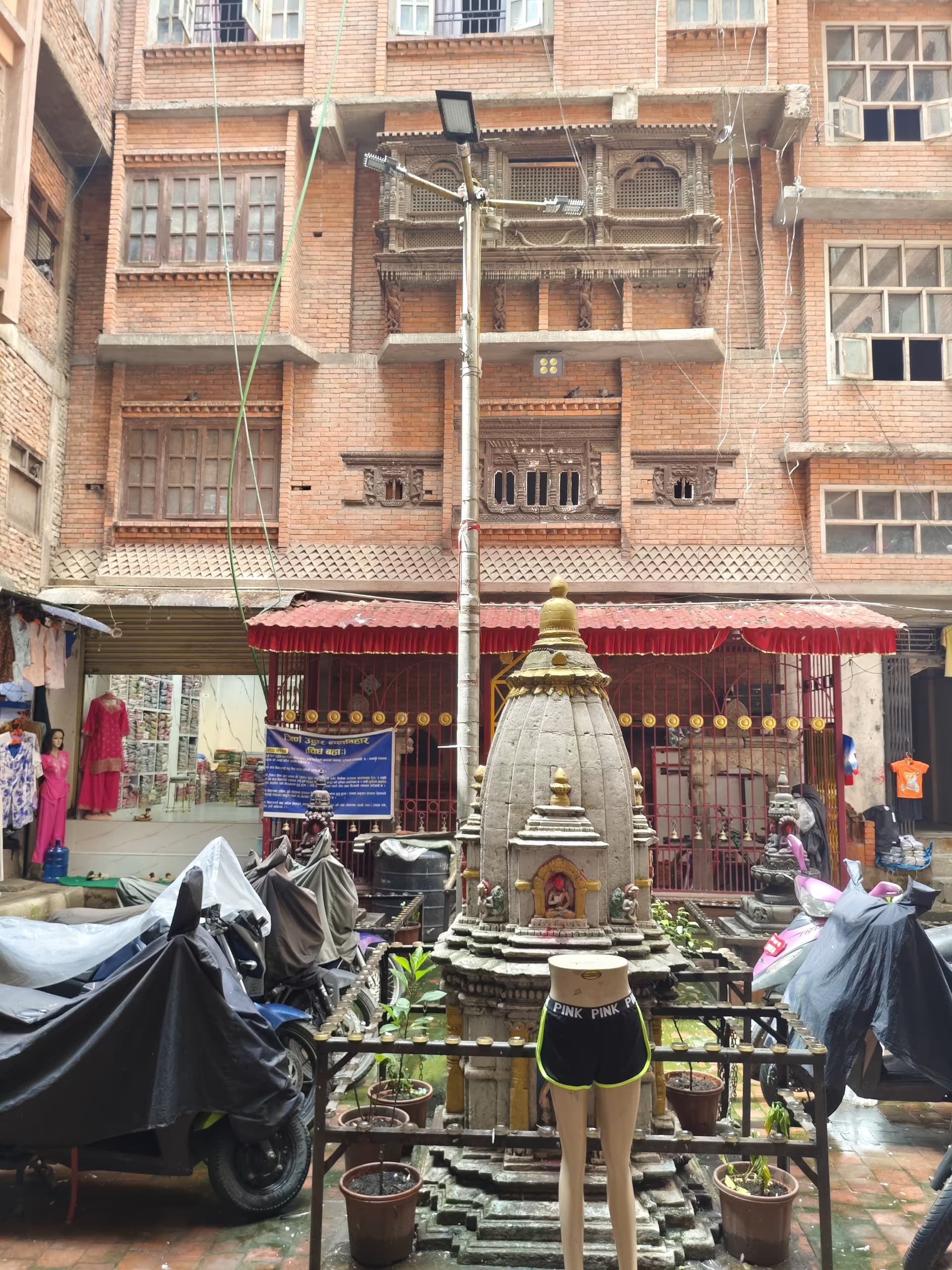
जीर्णोद्धार महाविहार
A Newar Buddhist courtyard monastery near New Road, known in Newari as Chidhya Bahal and said to date to the Licchavi era. Its kwapah-dyah is the Achhyom (Akshobhya) Buddha, and it also shelters a hidden Mahadev.
Near New Road, Old Kathmandu
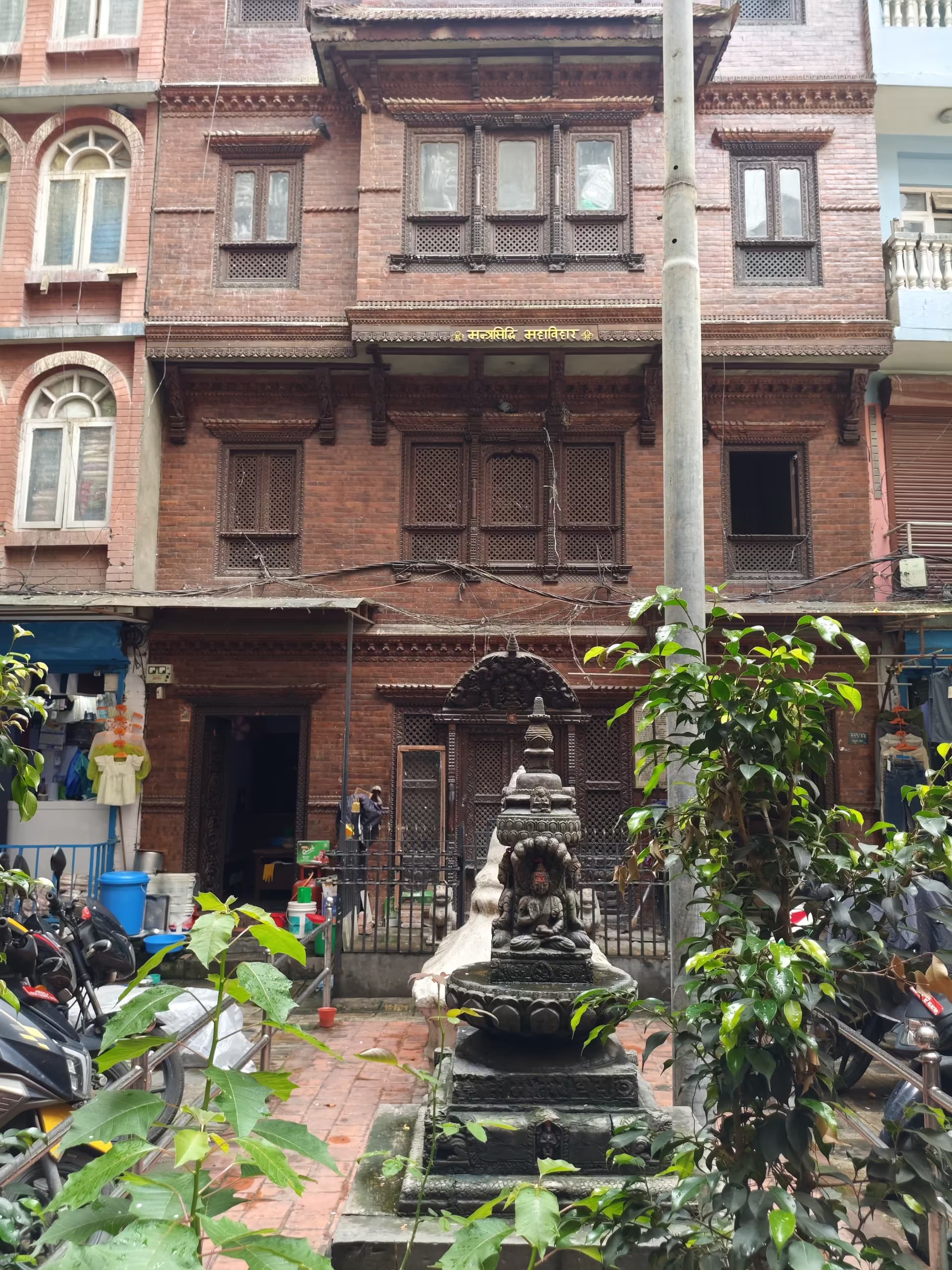
सबल बहाल
One of Kathmandu's eighteen Acharya Guthi bahals, Mantrasiddhi Mahavihar is a Newar Buddhist courtyard monastery near Indra Chowk, a short walk from New Road.
Near Indra Chowk / Nhaikantalla, Dathu Puin, Old Kathmandu (near New Road)
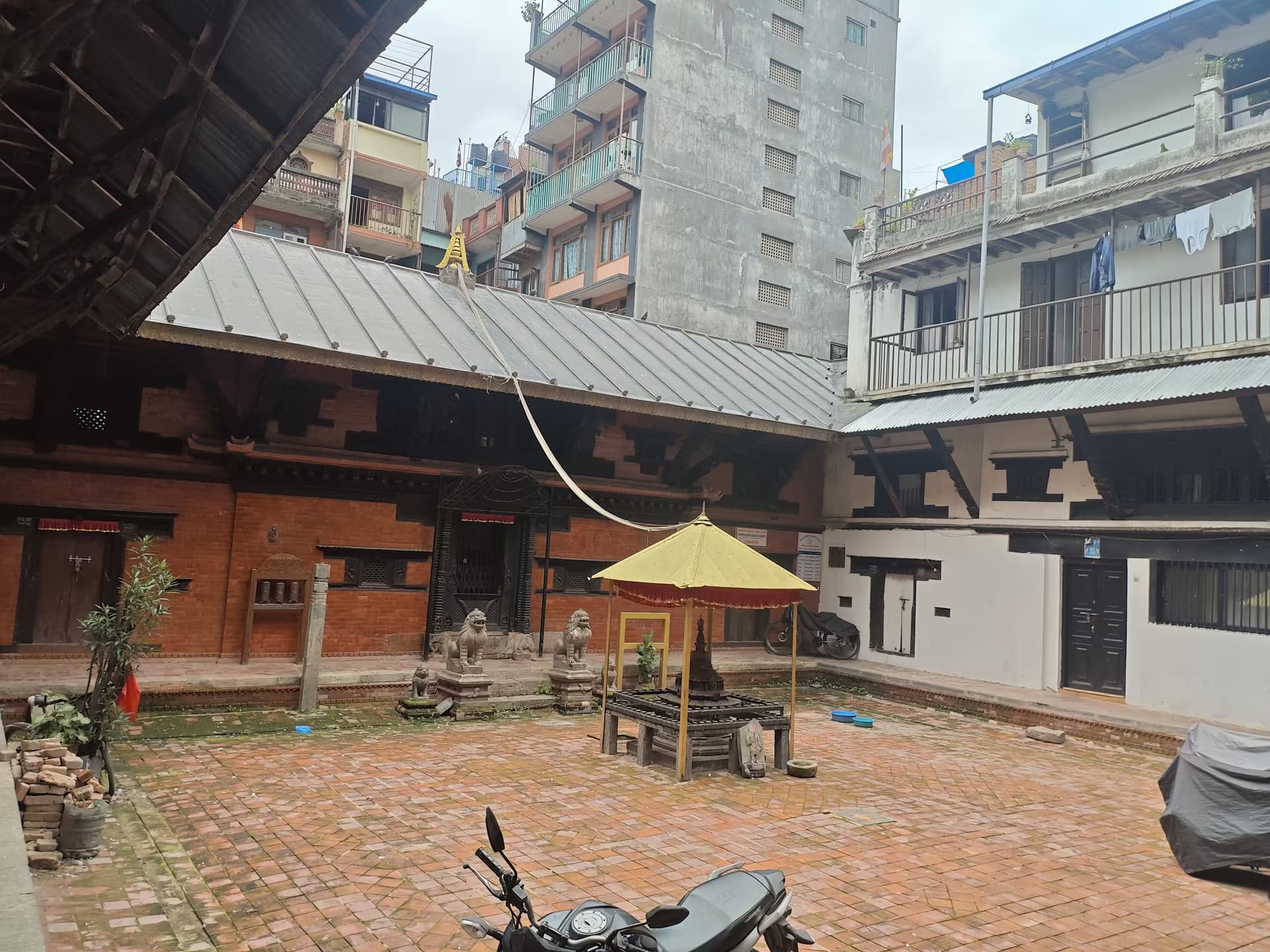
करुणापुर महाविहार
A Newar Buddhist courtyard monastery known locally as Musya Baha, in the Jyatha quarter of central Kathmandu, a short walk from Thamel.
Jyatha, Ward 25, central Kathmandu (near Thamel)
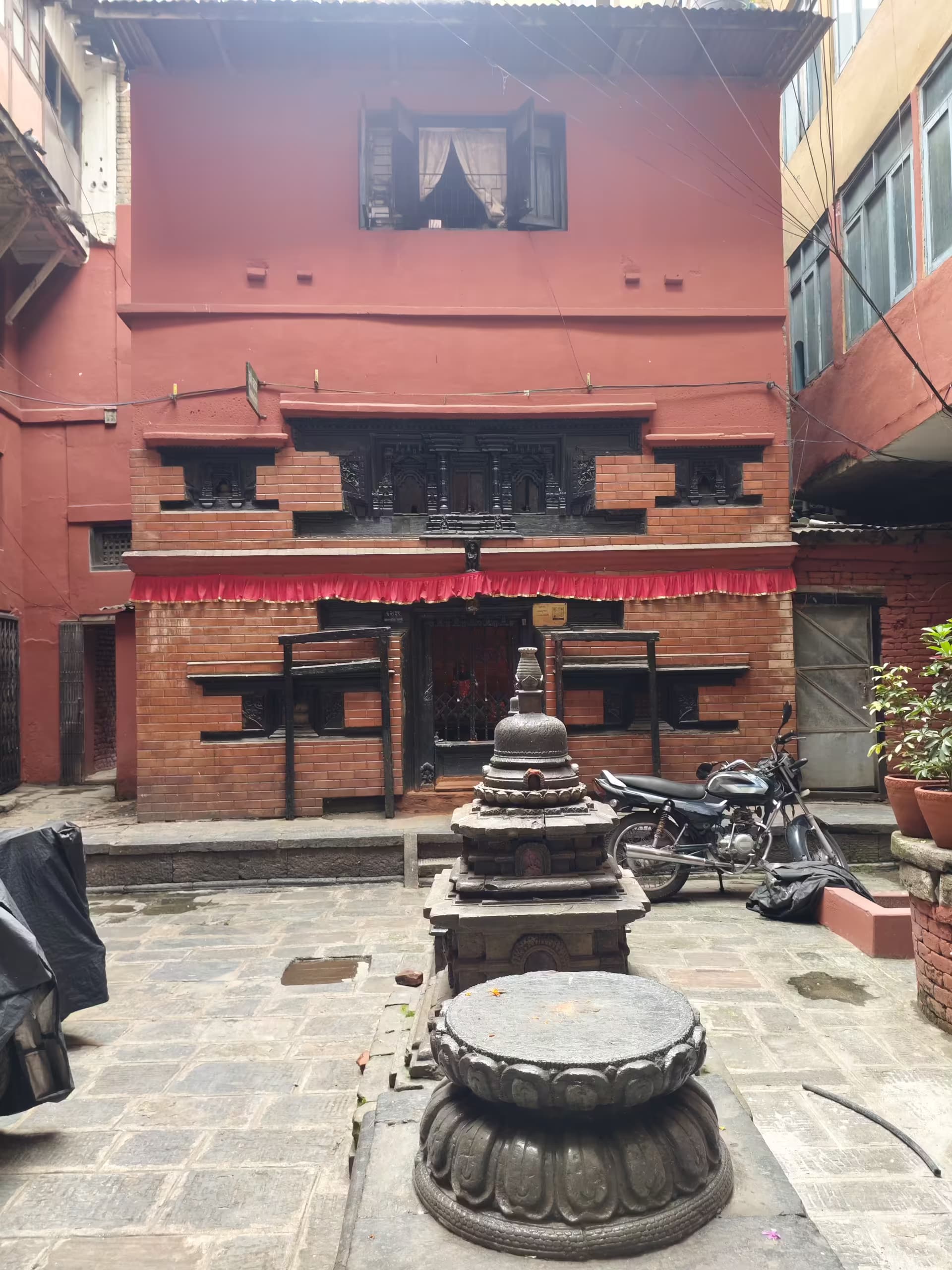
न्हुछे बहाः
A Newar Buddhist courtyard monastery in the Sighal (Shree Gha) area of central Kathmandu, a short walk from Thamel and close to Dharmakirti Bahal and the Kathesimbhu Stupa.
Sighal (Shree Gha), central Kathmandu (near Dharmakirti Bahal, close to Thamel)
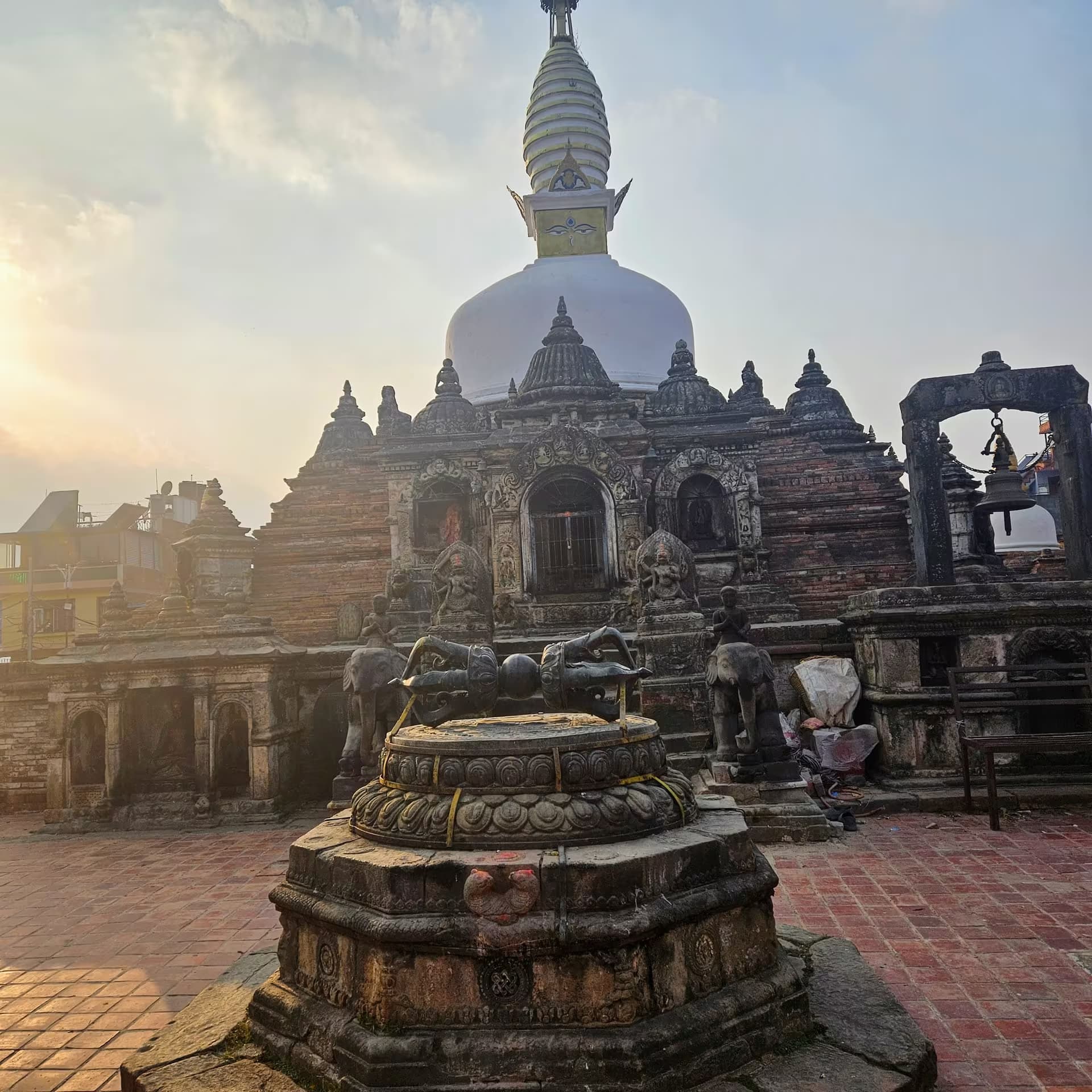
जगत्पाल महाविहार
A stunning hilltop Buddhist stupa and monastery in Kirtipur attributed to Emperor Ashoka, formally established as Jagat Pal Mahavihar in 1515 CE — one of the most archaeologically important Buddhist monuments in the Kathmandu Valley.
Kirtipur
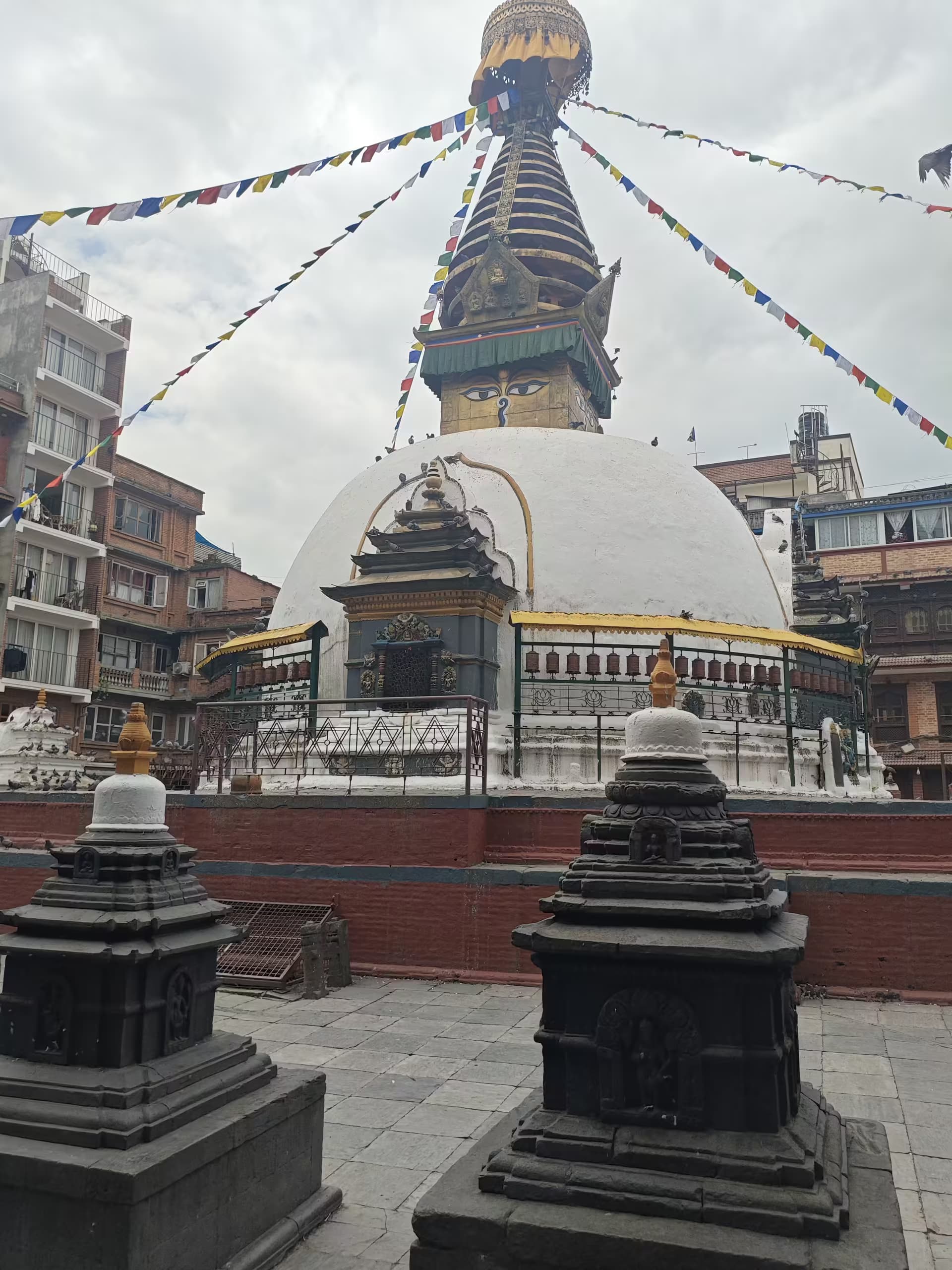
धर्मकीर्ति बहाल
A Newar Buddhist courtyard just south of Thamel, built around the 17th-century Kathesimbhu Stupa — a miniature replica of Swayambhu — and today home to the Dharmakirti Theravada nunnery.
Sighal (Shree Gha) / Naghal, south of Thamel, central Kathmandu
Patan's bahals and mahavihars preserve some of the Valley's finest stone and metal sculpture, alongside an active Newar Buddhist sangha.
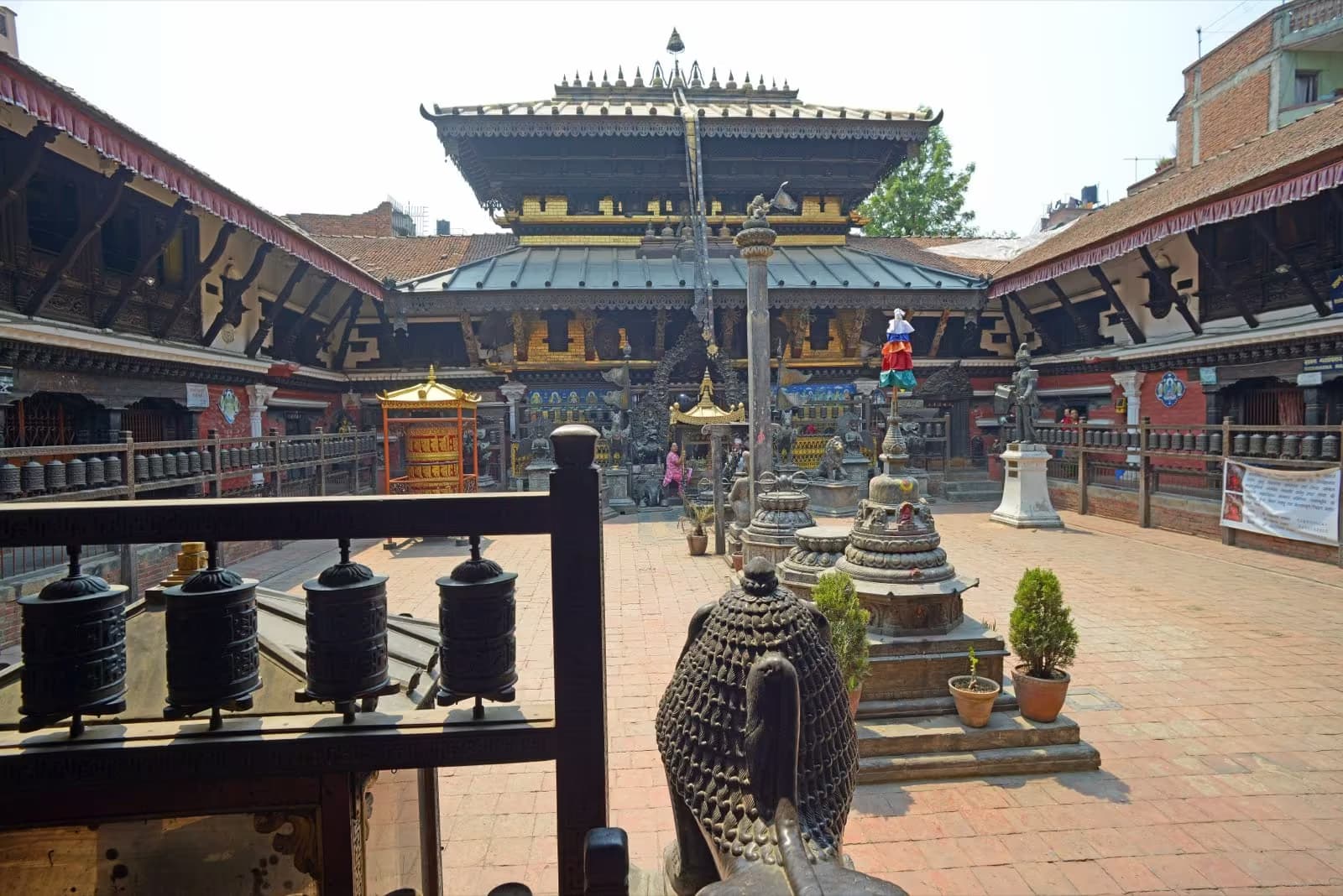
रुद्रवर्ण महाविहार
An ancient 6th-century Newar Buddhist monastery in Patan with three interconnected courtyards, renowned for its exquisite stone and metal sculptures.
Okubahal, Patan
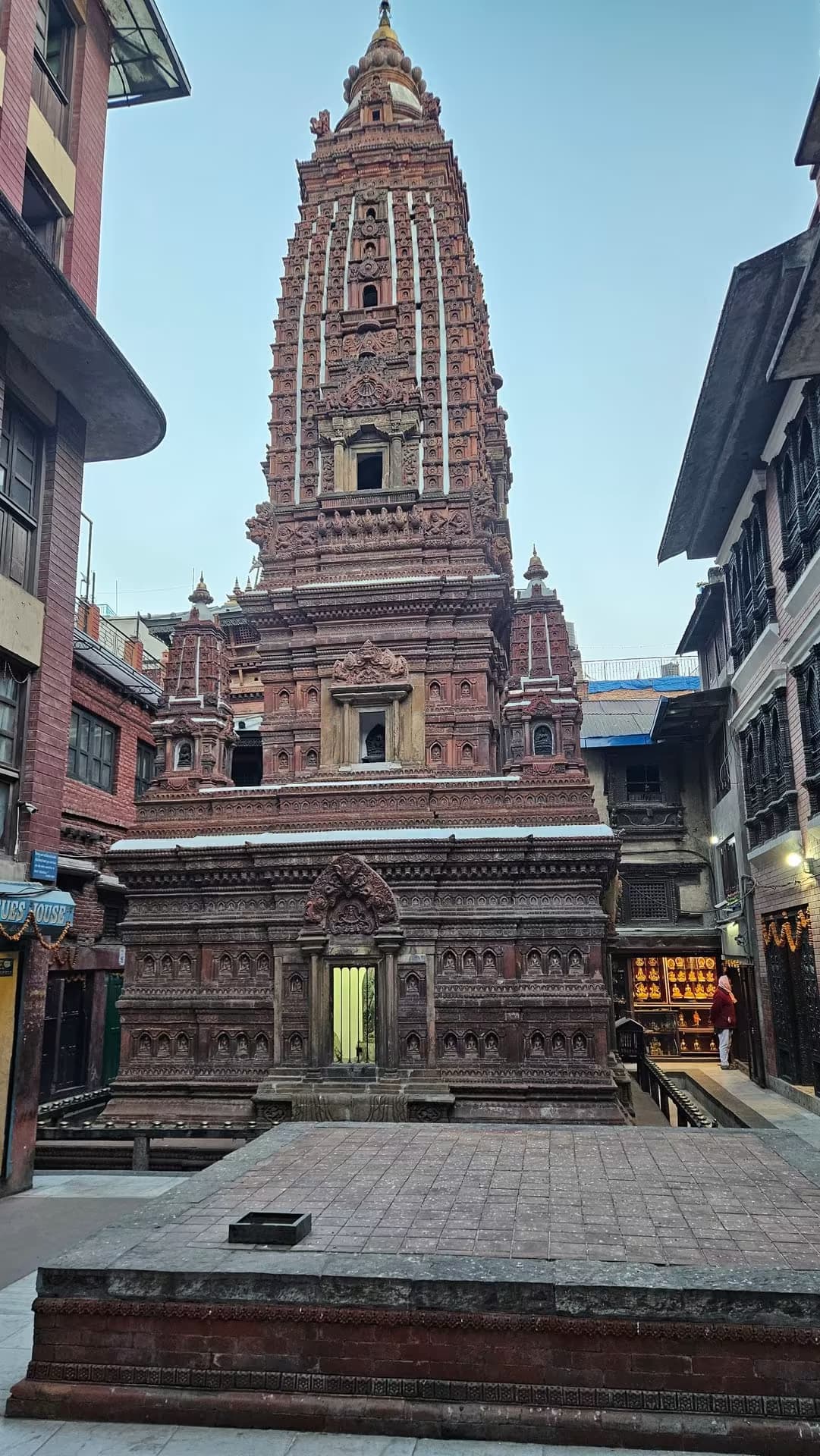
महाबुद्ध मन्दिर
A unique shikhara-style tower entirely covered in terracotta tiles, each bearing a hand-carved image of Buddha, modeled after the Mahabodhi Temple in Bodh Gaya.
Mahabouddha Tole, Patan
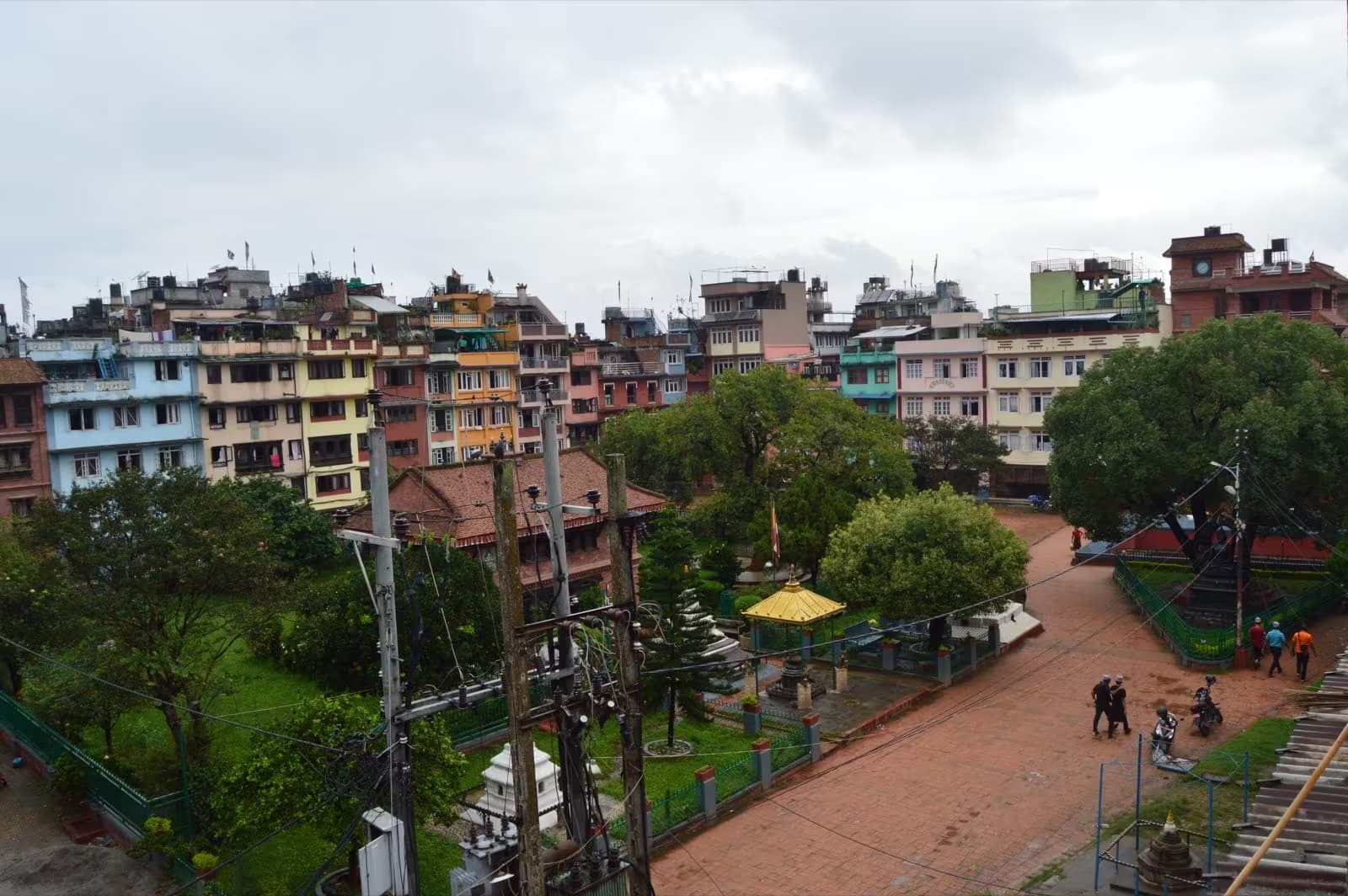
नागबहाल
One of Patan's oldest Buddhist courtyards and the gathering site for the Samyak Mahadan festival, where all Dipankara Buddha images from across Patan are assembled.
Nagbahal, south of Patan Durbar Square
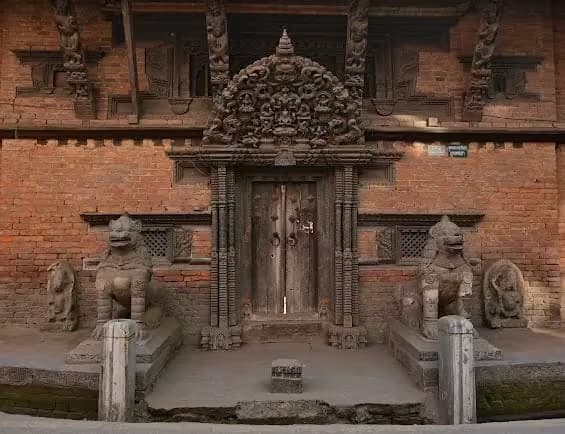
मयूरवर्ण महाविहार
One of the 18 principal mahavihars of Patan, the 'Peacock-colored Monastery' is a well-preserved example of the traditional bahal pilgrimage circuit.
Central Patan, near Pilache Bahal
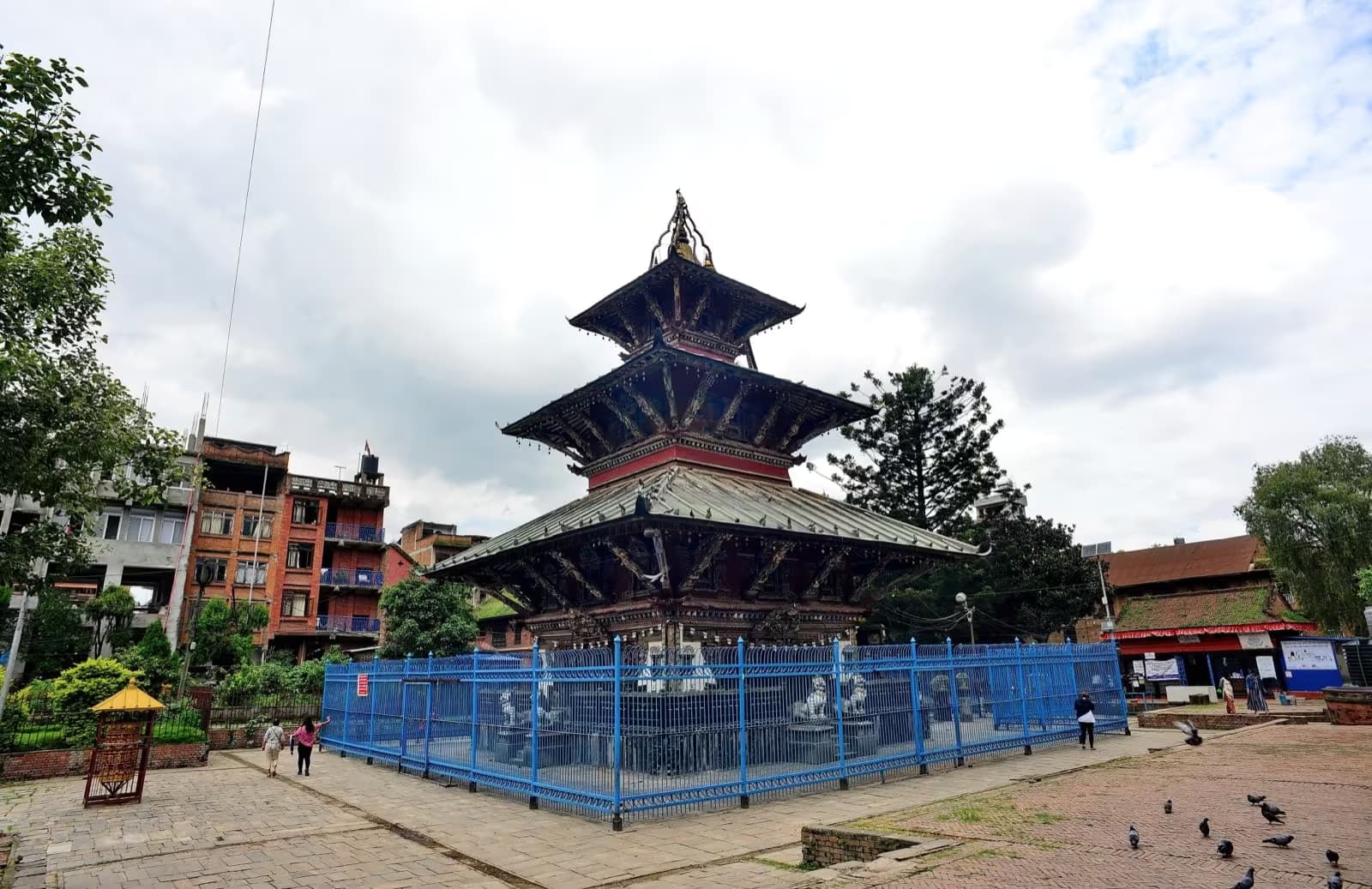
ज्येष्ठवर्ण महाविहार
One of Patan's oldest and most principal vihars, located opposite the Rato Machhindranath Temple's monastery near Mangal Bazaar.
Tangal Tole, Mangal Bazaar area, Patan
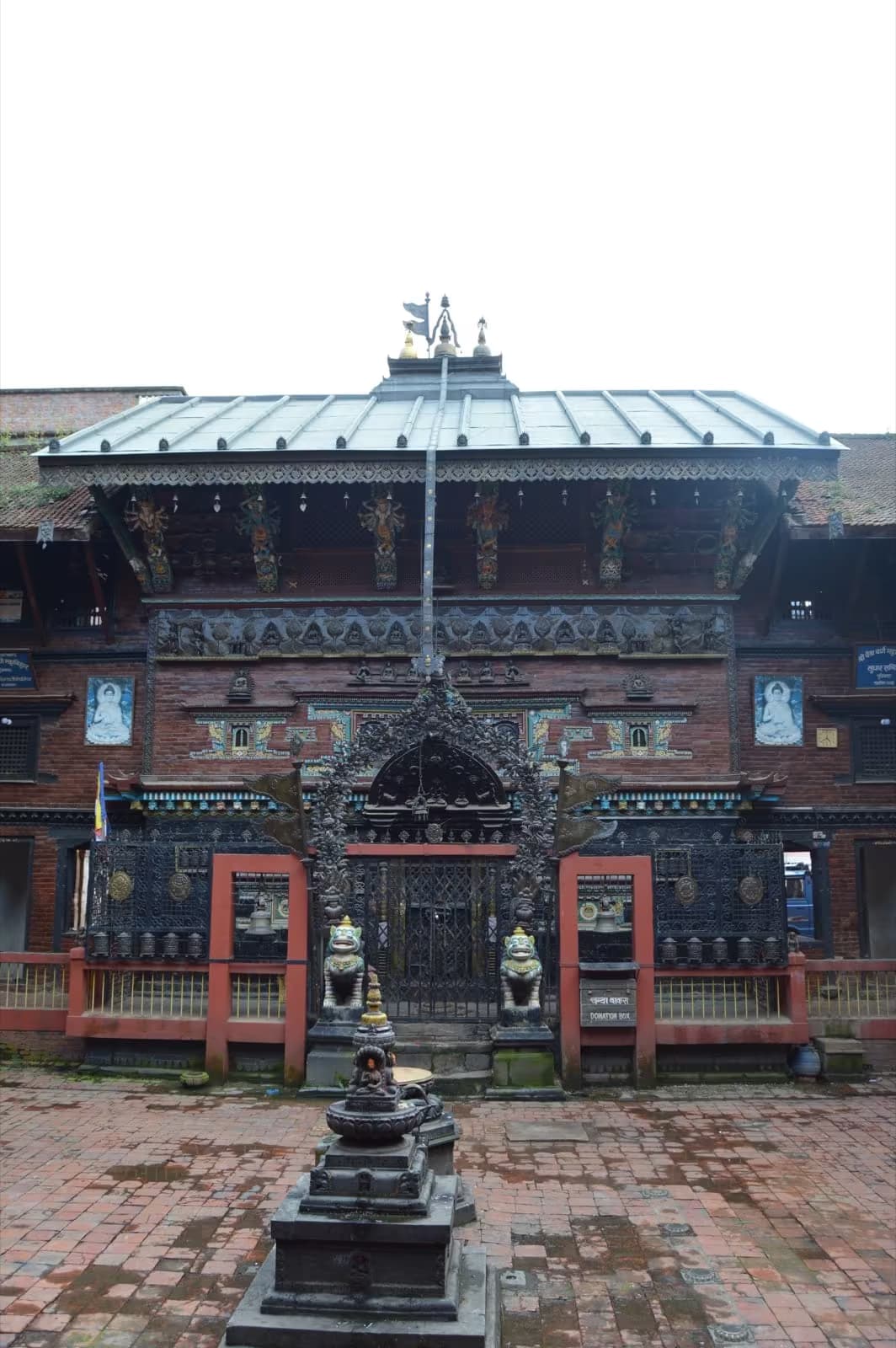
वैश्रवर्ण महाविहार
One of the 18 principal mahavihars of Patan, named after Vaishravana (Kubera), the Buddhist guardian king of the north and deity of wealth.
Sundhara, central Patan
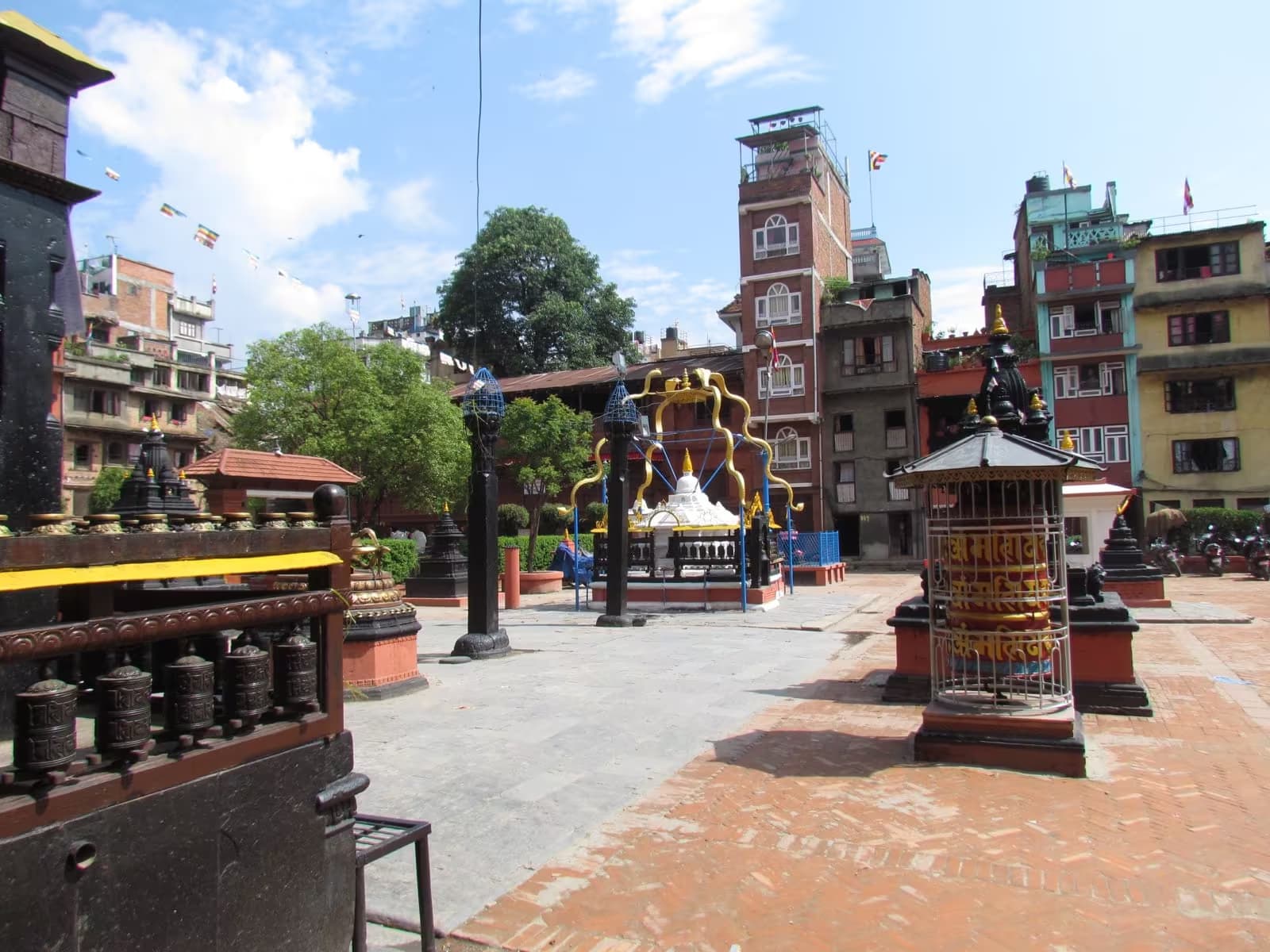
यशोधर महाविहार
An ancient monastery named after Yashodhara, wife of the Buddha, historically notable as founded by a converted Brahmin reflecting the Valley's fluid religious boundaries.
Gabahal, Patan
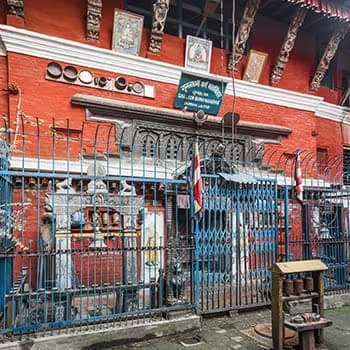
गुणलक्ष्मी महाविहार
One of the traditional 18 bahals of Patan, Dhum Bahal (Gunalakshmi Mahavihar) is a historic Newar Buddhist monastery courtyard in the old city of Lalitpur.
Patan Old City
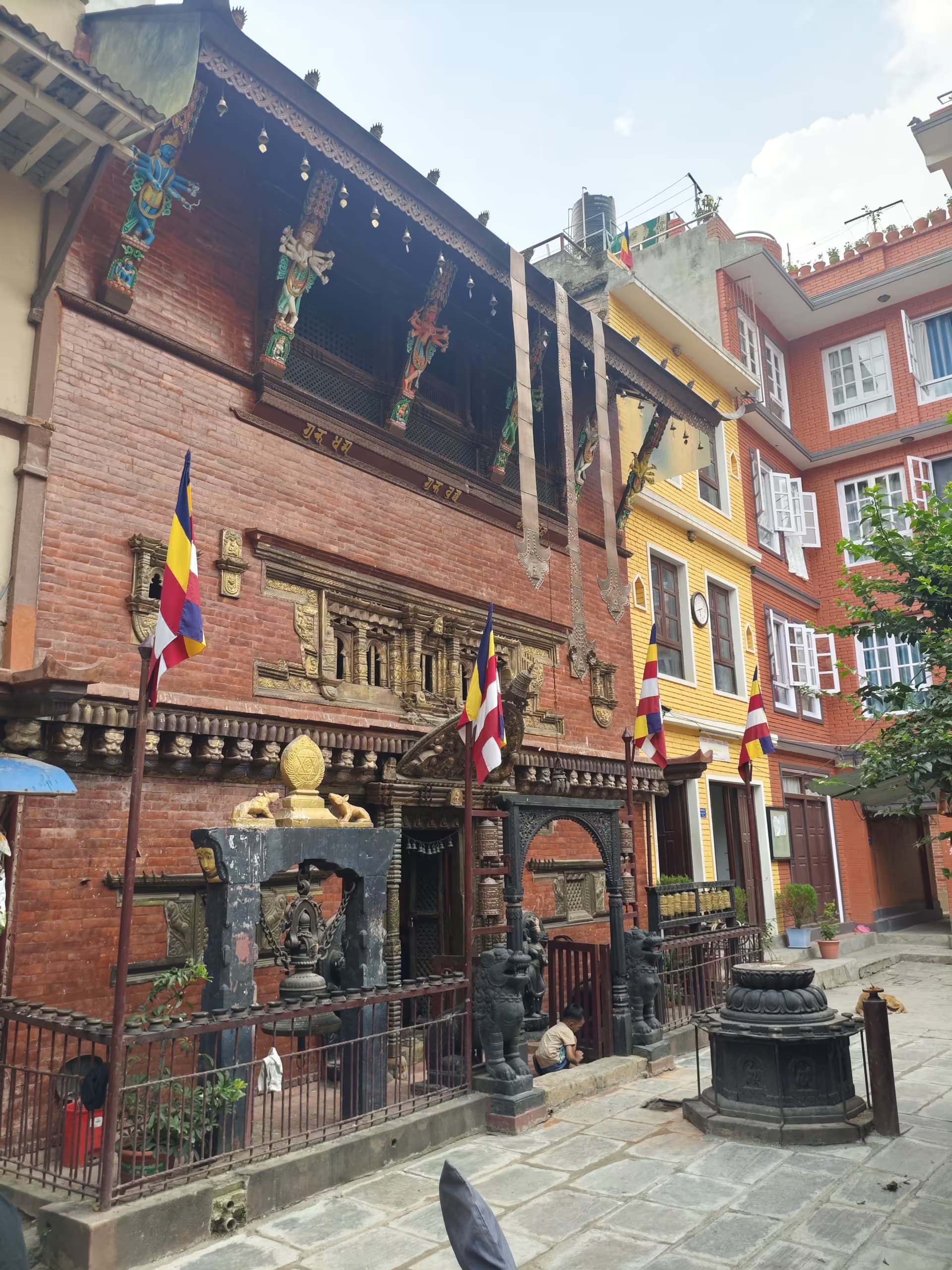
बज्रकीर्ति महाविहार
Bajra Kirti Mahavihar (Wan Bahal) is one of the 18 principal bahals of Patan, with an inscription dating to 1441 CE confirming its medieval origins.
Patan Old City
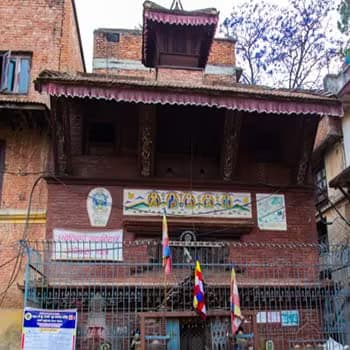
ज्योतिवर्ण महाविहार
Jyoti Varna Mahavihar (Jyo Bahal) is one of the 18 principal Newar Buddhist monastery courtyards of Patan, whose name evokes 'radiance' or 'light'.
Patan Old City
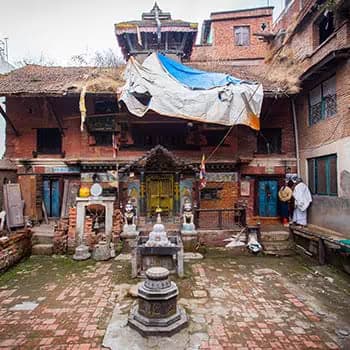
बलधर गुप्त महाविहार
Baladhara Gupta Mahavihar (Yachu Bahal) is one of the 18 traditional bahals of Patan, a quiet Buddhist monastery courtyard in the old city.
Patan Old City
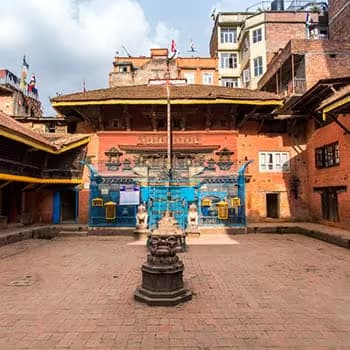
जयमनोहर महाविहार
Jayamanohara Mahavihar (Su Bahal) is one of Patan's 18 principal bahals — the 'Monastery of Victorious Delight', a tranquil Buddhist courtyard.
Patan Old City
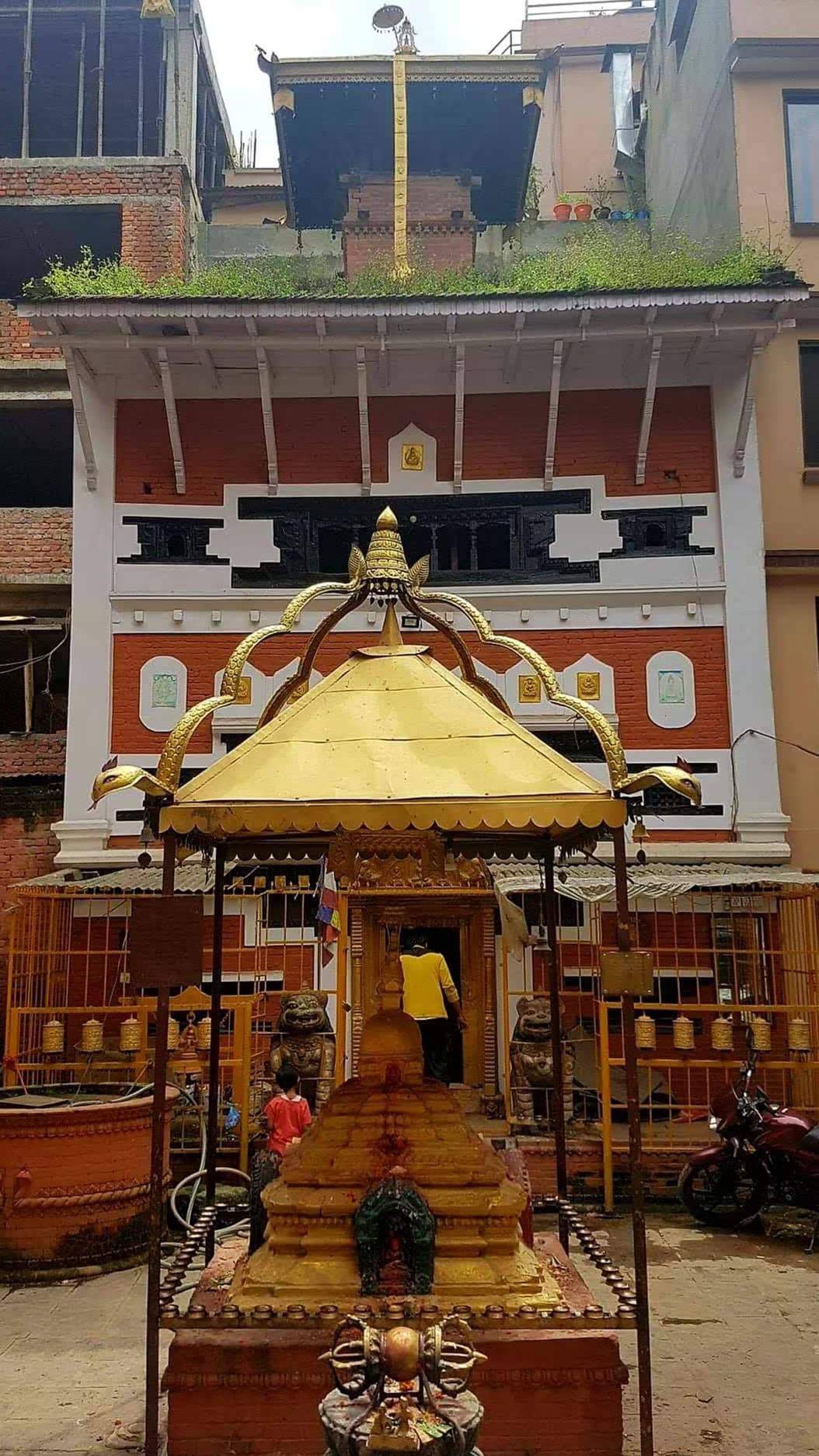
चक्रवर्ण महाविहार
Chakravarna Mahavihar (Cuka Bahal) is one of Patan's 18 principal bahals, believed to have been founded by the Licchavi king Manadeva I in the 5th century.
Patan Old City
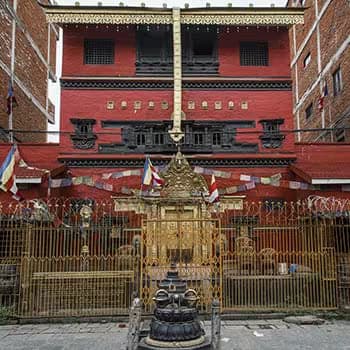
धर्मकीर्ति महाविहार
Dharma Kirti Mahavihar (Ta Bahal) is one of Patan's 18 principal bahals — the 'Monastery of Dharma's Glory', preserving Newar Buddhist traditions.
Patan Old City
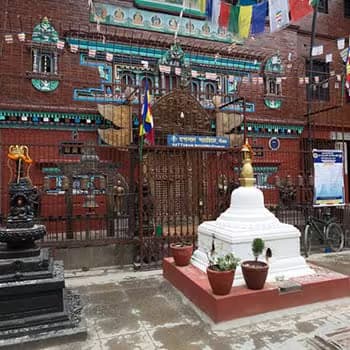
दत्तनाम महाविहार
Dattanama Mahavihar (Dau Bahal) is one of the 18 traditional bahals of Patan, a Buddhist monastery courtyard preserving centuries of Newar heritage.
Patan Old City
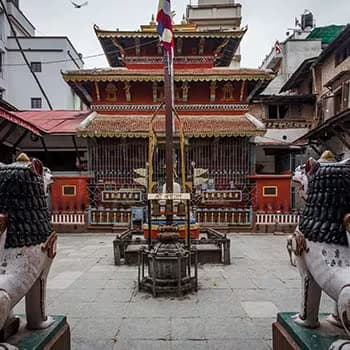
श्री वच्छ महाविहार
Sri Vaccha Mahavihar (Si Bahal) is one of Patan's 18 principal bahals, housing a Pancharaksa manuscript dated to 1389 CE among its historical treasures.
Patan Old City
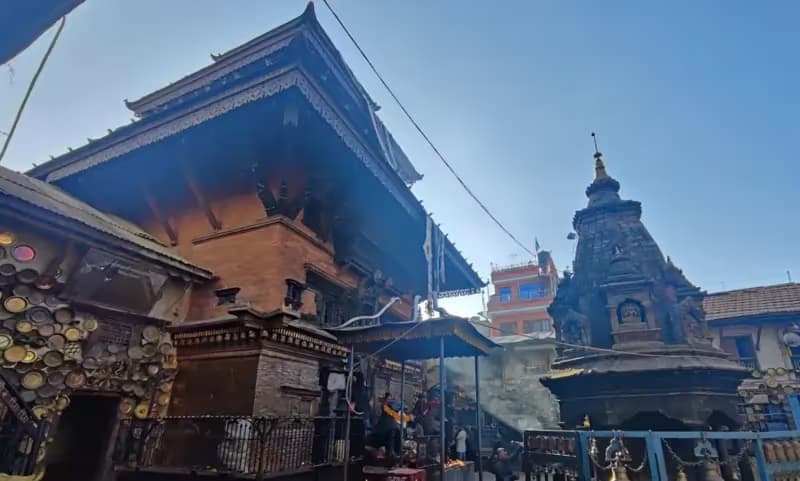
कच्छपाल गिरि महाविहार
Kacchapal Giri Mahavihar (Co Bahal) is one of the 18 traditional bahals of Patan — the 'Tortoise Mountain Monastery', completing the sacred network of Newar Buddhist courtyards.
Patan Old City
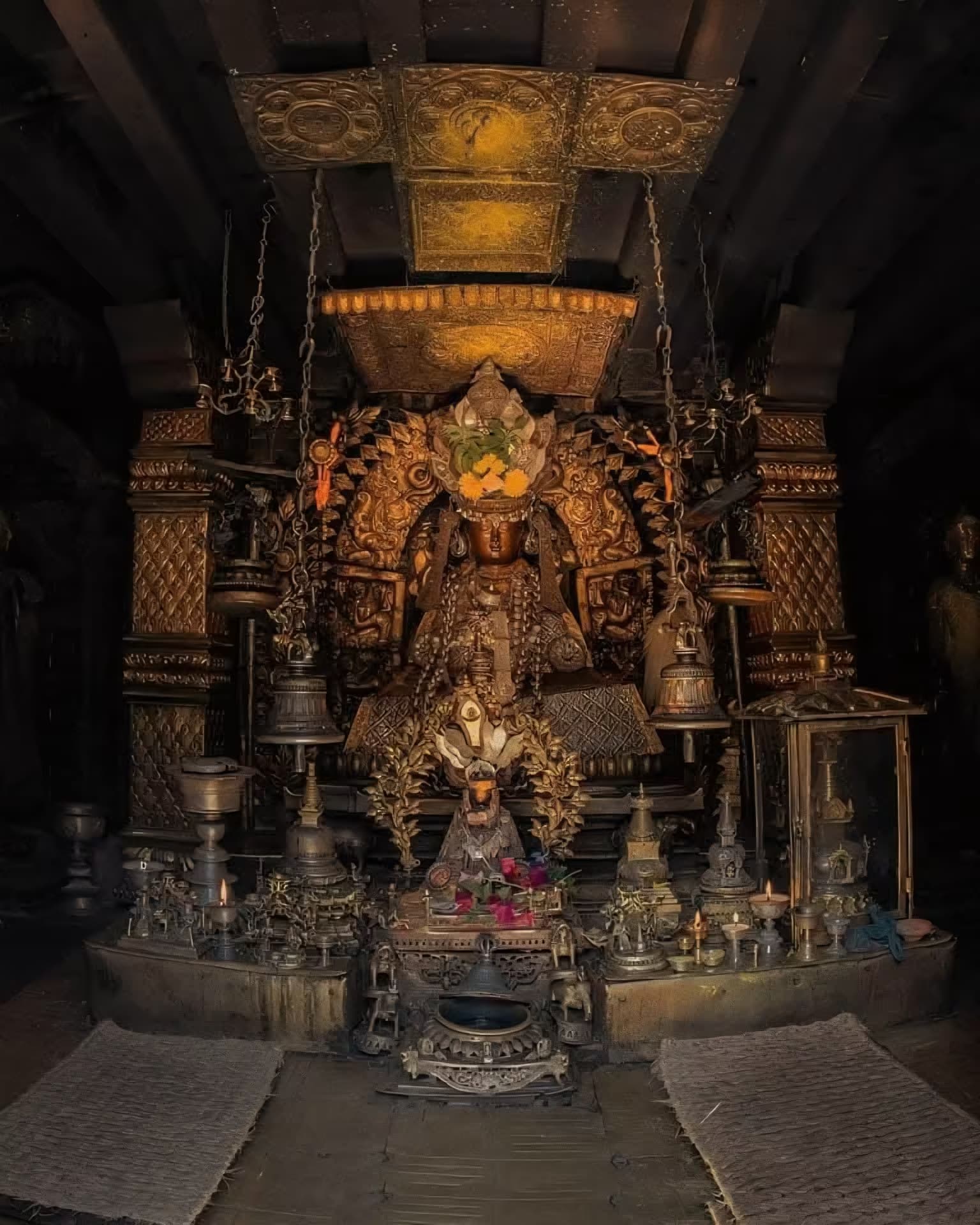
हिरण्यवर्ण महाविहार
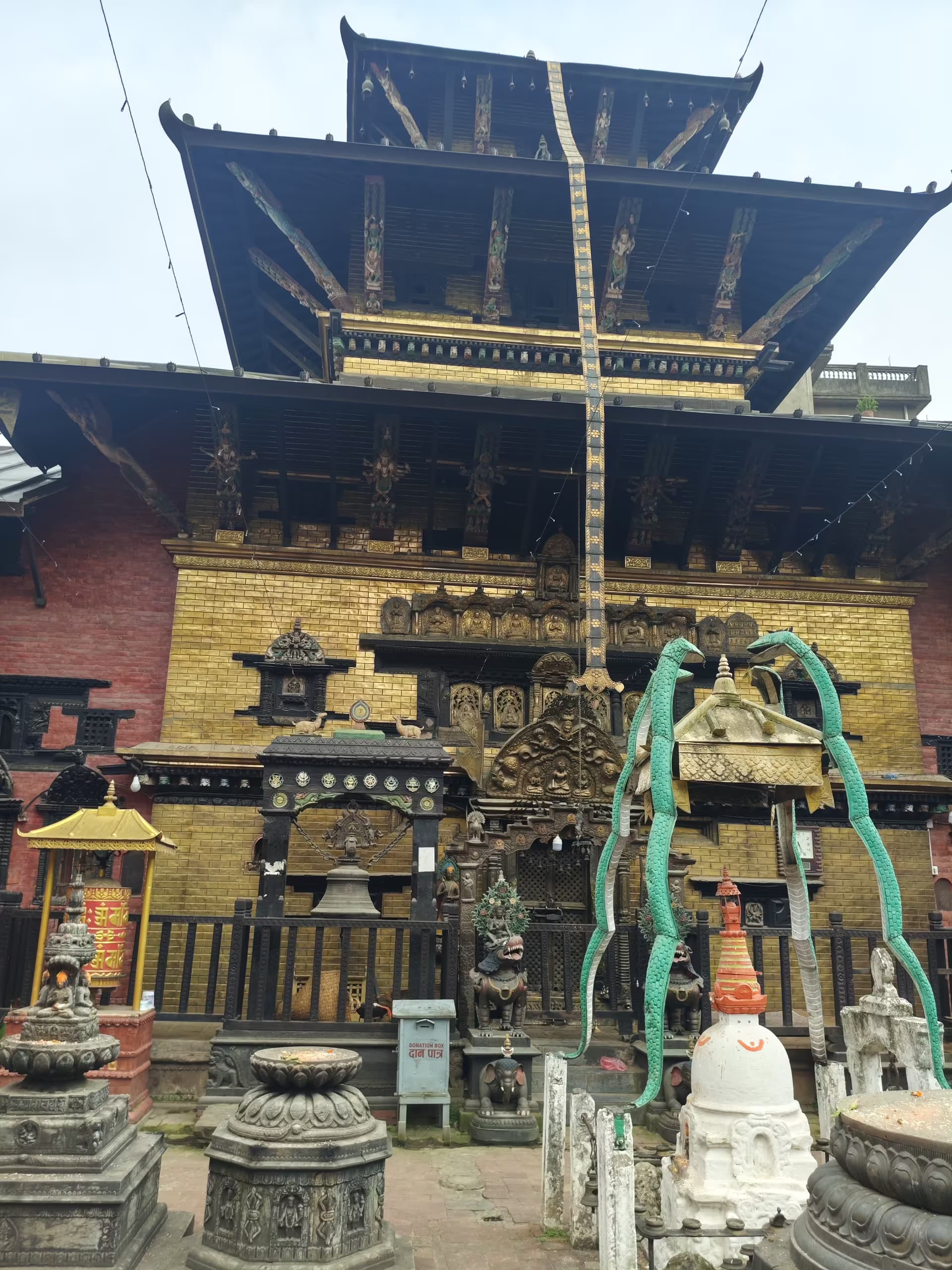
Patan's celebrated Golden Temple — a 12th-century Newar Buddhist bahal sheathed in gilded copper, with a rotating boy priest and an 800-year-old Prajnaparamita manuscript.
Patan Durbar Square area
रत्नाकर महाविहार
Ratnakar Mahavihar (Ha Bahal) is one of Patan's most significant bahals — the official residence of the living Kumari goddess of Patan, with exclusively Vajracharya membership.
Mangal Bazaar, Patan
Bhaktapur's bahals are fewer but well-preserved, woven into the medieval brick city around its temple squares.
चतुर्वर्ण महाविहार
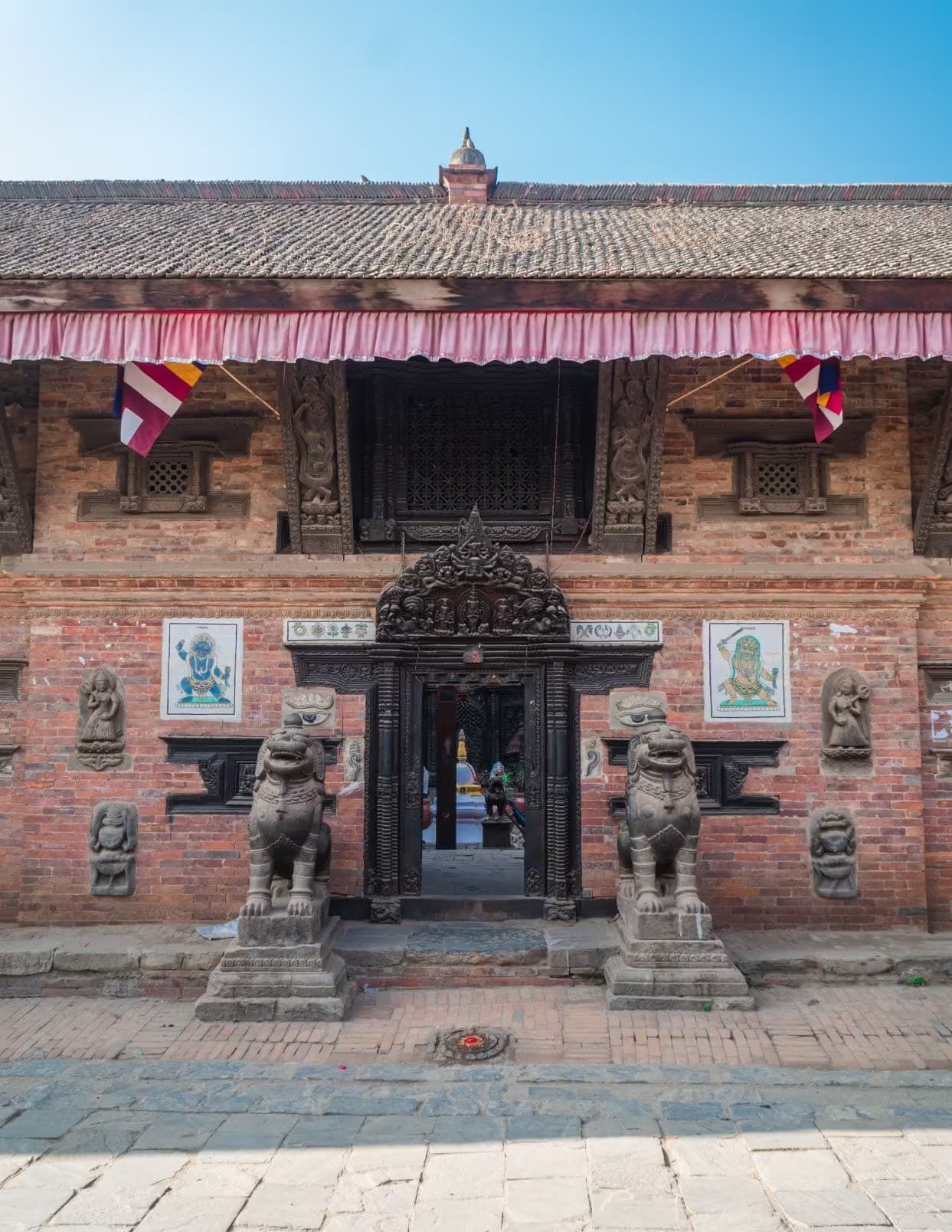
Bhaktapur's most visited mahavihar near Durbar Square, built in 1492 with a fascinating mix of Buddhist and Hindu guardian figures.
Near Bhaktapur Durbar Square
दीपंकर महाविहार
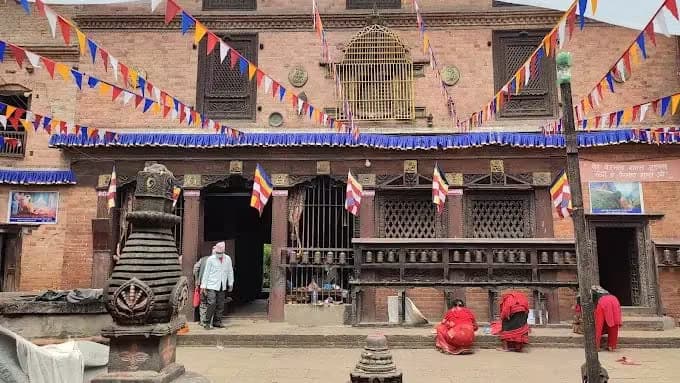
A hidden gem deep in Bhaktapur's alleys, housing the city's principal Dipankara Buddha alongside Hindu deities in a beautifully syncretic setting.
Between Kwathandou and Bekhal, inner Bhaktapur
जयकृति महाविहार
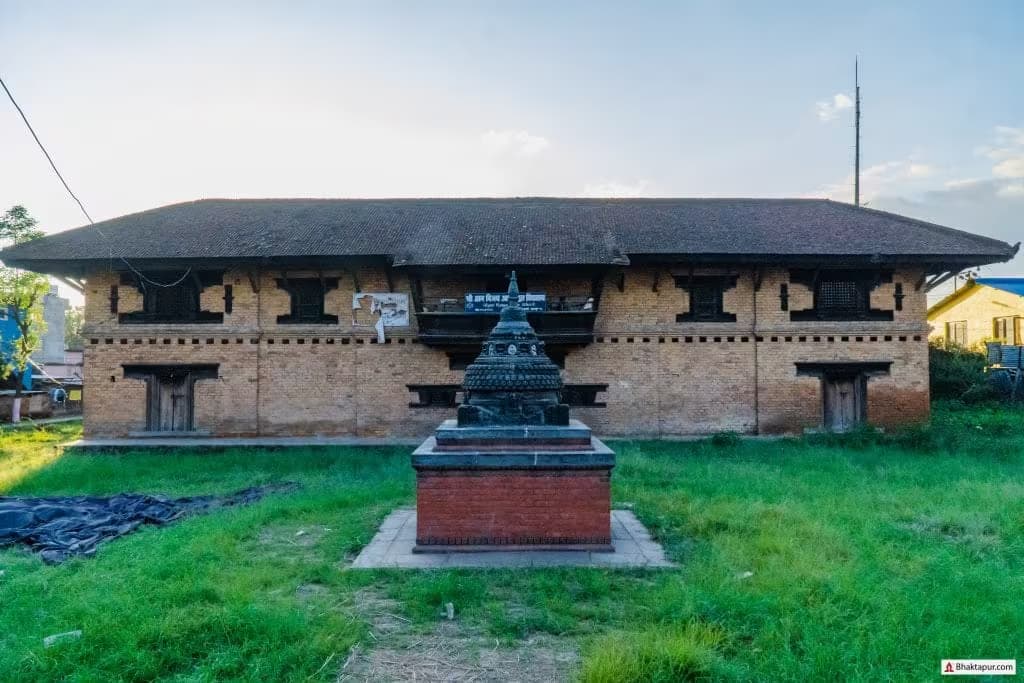
A Licchavi-era monastery in Bhaktapur's Itachhen quarter, host of the major Samyak Dan festival and home to ancient chaityas and a Panchabuddha gate.
Itachhen, west of Na:Pukhu
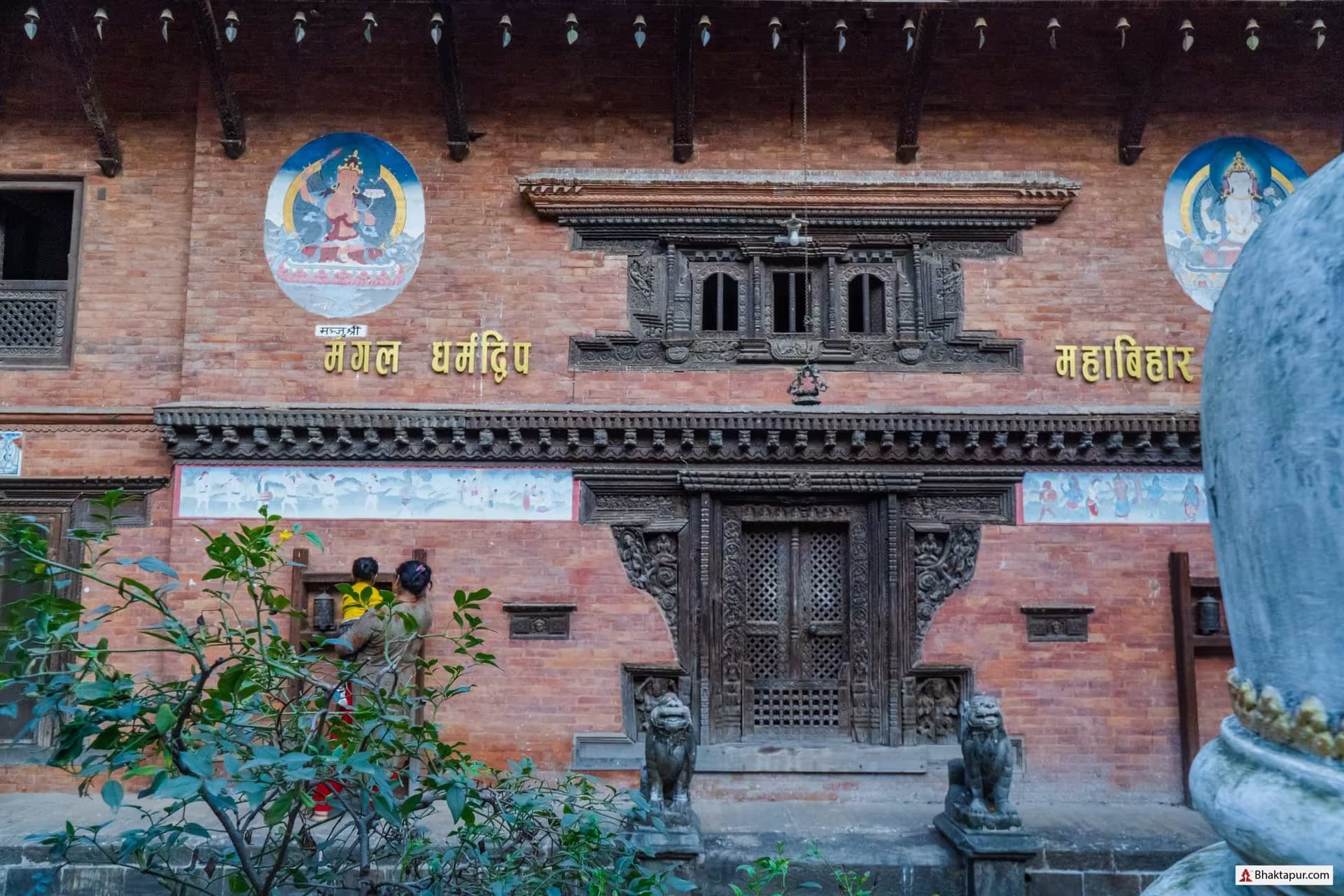
मंगल धर्मद्वीप महाविहार
A 13th-century monastery in Bhaktapur's Golmadhi Tole featuring rare wall paintings of various Buddhas and a Dipankar Buddha dressed in distinctive blue garments.
Golmadhi Tole
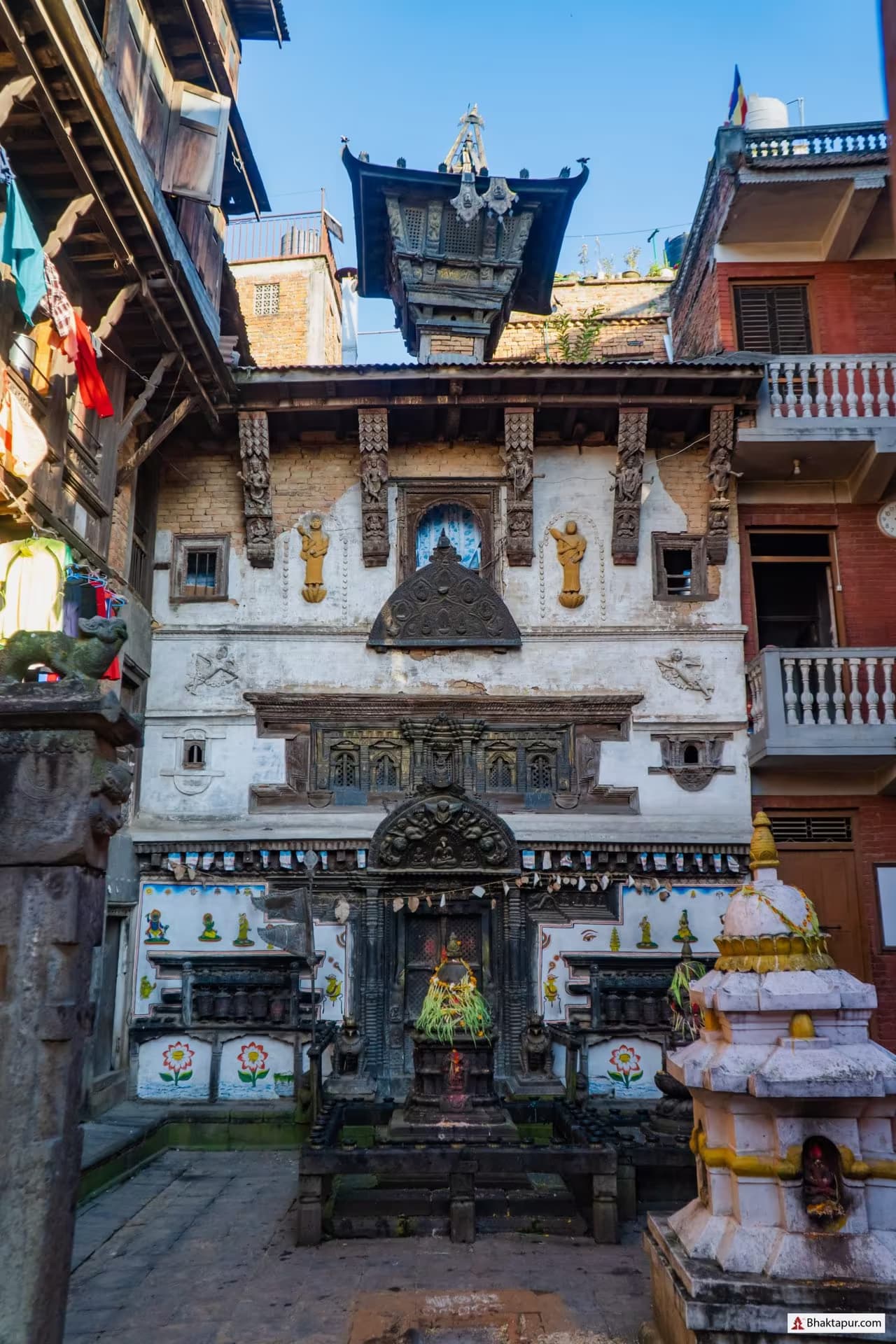
इन्द्रवर्ण महाविहार
One of the five major mahavihars of Bhaktapur, located at Inacho Chowk and housing a Dipankar Buddha — an important node in the city's Buddhist ceremonial network.
Inacho Chowk, inner Bhaktapur
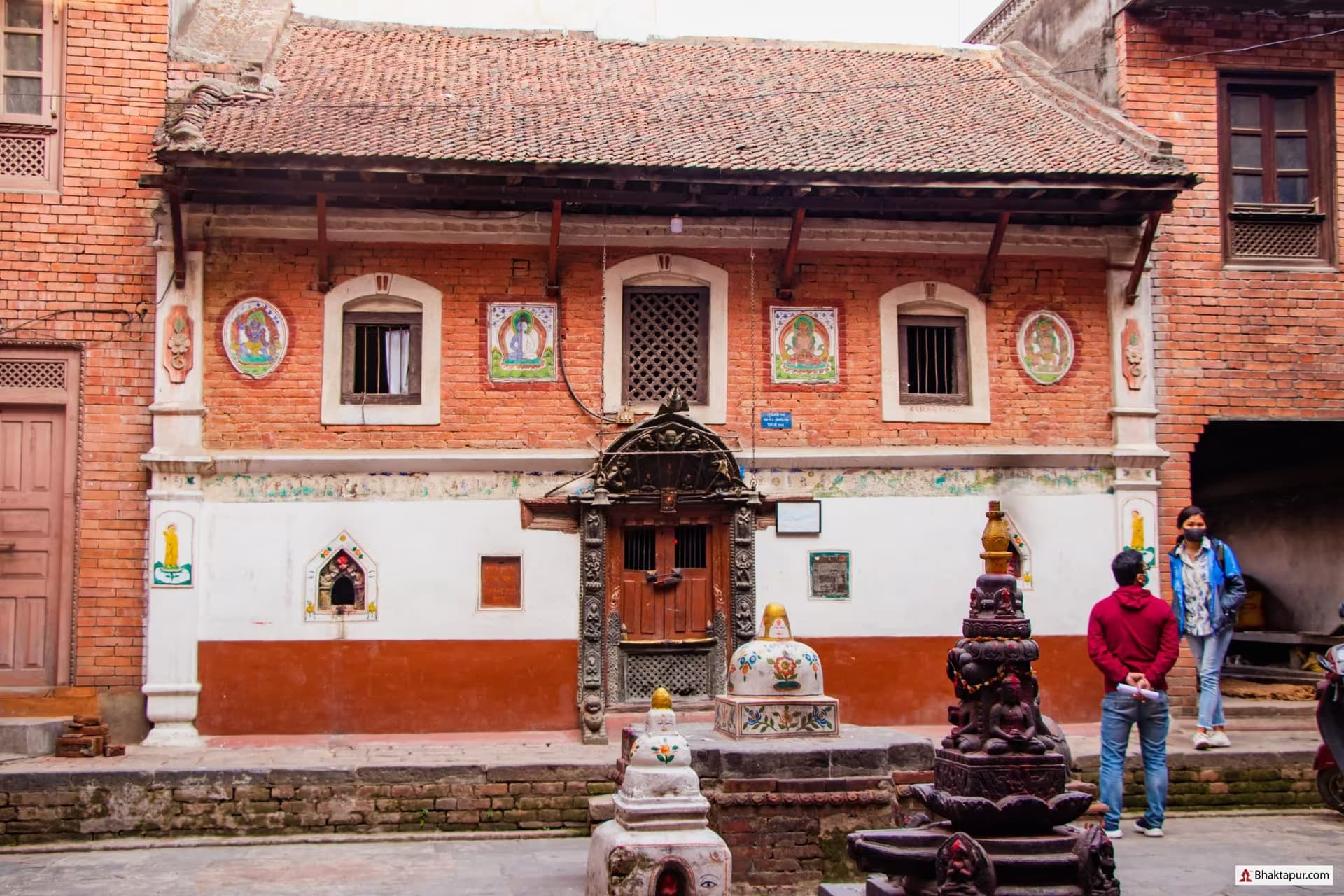
टोम बहाल
The oldest bahal in Bhaktapur and starting point of the Samyak Mahadan and Panchara rituals — a living center of Newar Buddhist ceremonial life in the city.
Suryamadhi Tole, Taulachhen
Beyond individual sites, bahals shape the Valley’s religious, artistic, and social fabric.
Bahals keep Newar Buddhism living in the Valley. They preserve ritual practice and devotional art, organize the old city through courtyards and lanes, and bind families and neighborhoods through shared maintenance and worship.
Bahals preserve forms of Vajrayana Buddhist practice, ritual calendars, sangha identity, and devotional life that remain active in the Kathmandu Valley today.
Bahals organize the old neighborhoods through courtyards, lanes, gates, shrines, and named toles. They help visitors read the old city beyond Durbar Squares and major stupas.
Many bahals preserve metal sculpture, wooden toranas, stone chaityas, inscriptions, and sacred texts. Devotional art remains in active use rather than behind glass.
Bahals bind families, residents, donors, priests, musicians, devotees, and neighborhood groups through shared maintenance, festivals, offerings, repairs, and daily worship.
Most bahals share a recognizable shape: a low threshold into a paved courtyard, a main shrine anchoring the space, small chaityas and votive images around it, and residences on the upper floors. The details vary by city and lineage, but the rhythm carries across the Valley.
A low gateway from street life into a quieter courtyard. Stepping through it is the first act of entering a bahal — public city outside, sangha space inside.
The shared open chowk where ritual, residence, and neighborhood life meet. Festivals, daily worship, gossip, and quiet sitting all happen in the same paved square.
The devotional focus: a main shrine often anchoring the courtyard, plus chaityas, Dipankara images, guardians, and votive sculpture set around it.
Residences ring the upper floors of many bahals. Around them, hitis, stonework, Ranjana inscriptions, wood toranas, and metal craftwork show a courtyard kept by a living neighborhood.
Bahals are residential and religious spaces, not open-air museums. A handful of small habits keep them comfortable for residents, priests, and the next visitor walking in.
Bahals are one of six distinct sacred architectural styles found in Nepal. Explore pagodas, stupas, shikharas, and more.
Sacred Architecture Guide