Bahal · Buddhist
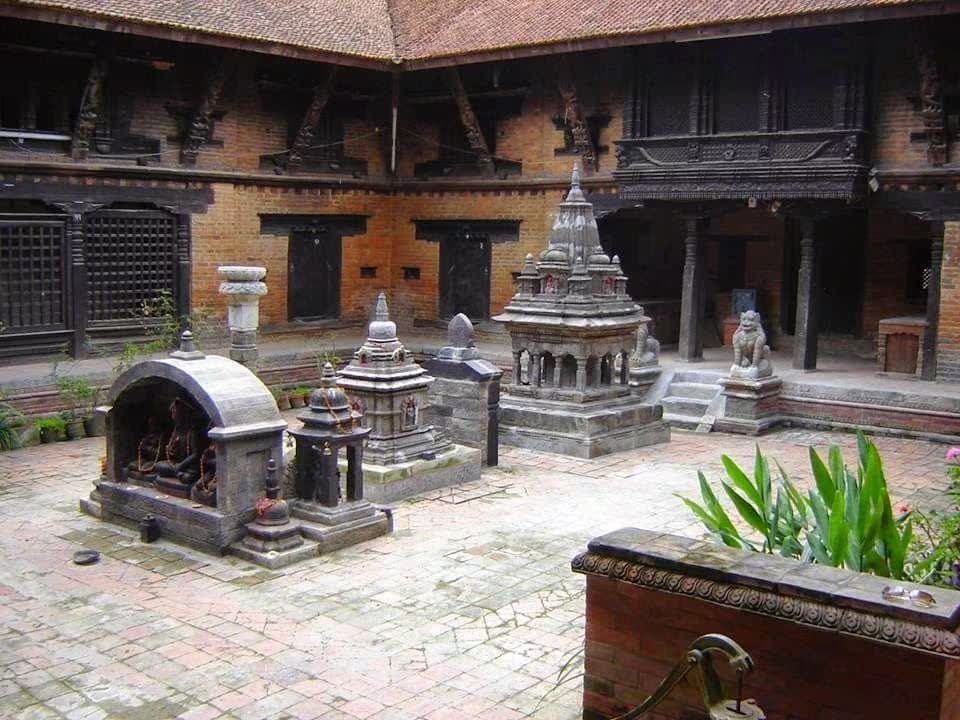
Chusya Bahal (Gunakar Mahavihar)
चुस्या बहाल
Shakyamuni Buddha·Founded 1662 CE (NS 783)·Kathmandu
A well-preserved 1662 monastery built by a Nepal-Tibet trader, one of the finest surviving examples of traditional Newar Buddhist monastic architecture in Kathmandu.
Dedicated to
Shakyamuni Buddha
Period
Founded 1662 CE (NS 783)
Hours
Open courtyard (accessible during daytime)
Admission
Free
Neighborhood
Jyatha, near Kantipath
Chusya Bahal, formally Gunakar Mahavihar, was founded in 1662 CE (Nepal Sambat 783) during the reign of Pratap Malla by Gunajyoti Bajracharya, a trader who made regular journeys to Lhasa. The wealth generated from Nepal-Tibet trade funded many of the Valley's finest religious buildings, and Chusya Bahal is a prime example.
The name 'Chusya' means 'sun-dried grain' in Newari, hinting at the agricultural character of the neighborhood before it became part of Kathmandu's dense urban core. The monastery is among the oldest and best-preserved Buddhist monastery buildings in Nepal, with an extensive renovation completed in 1996 that carefully maintained its traditional character.
Located in a lane west of Kantipath near Jyatha, Chusya Bahal sits at the boundary between the tourist district and the old city. The building's architectural details — carved wooden windows, brick courtyard walls, and traditional shrine — offer a textbook example of the Newar vihara form that visitors can study at close range.
The monastery has been the subject of conservation disputes over land ownership, reflecting the broader challenges of preserving Kathmandu's endangered heritage in the face of rapid urbanization.
Folio III
Nearby Sacred Sites
Places within a short walk that help turn this stop into a small sacred cluster.
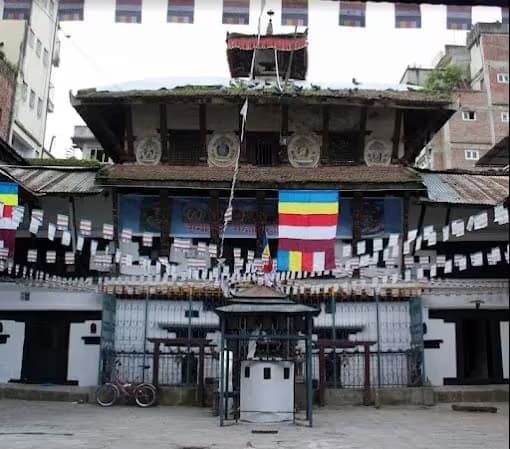
Kwa Bahal (Maitripur Mahavihar)
The 'mother bahal' of Kathmandu's 18 principal monasteries, home to Kwapa Dya — the presiding deity of the entire mahavihar network — and one of the Valley's oldest scholastic centers for Vajrayana Buddhism.
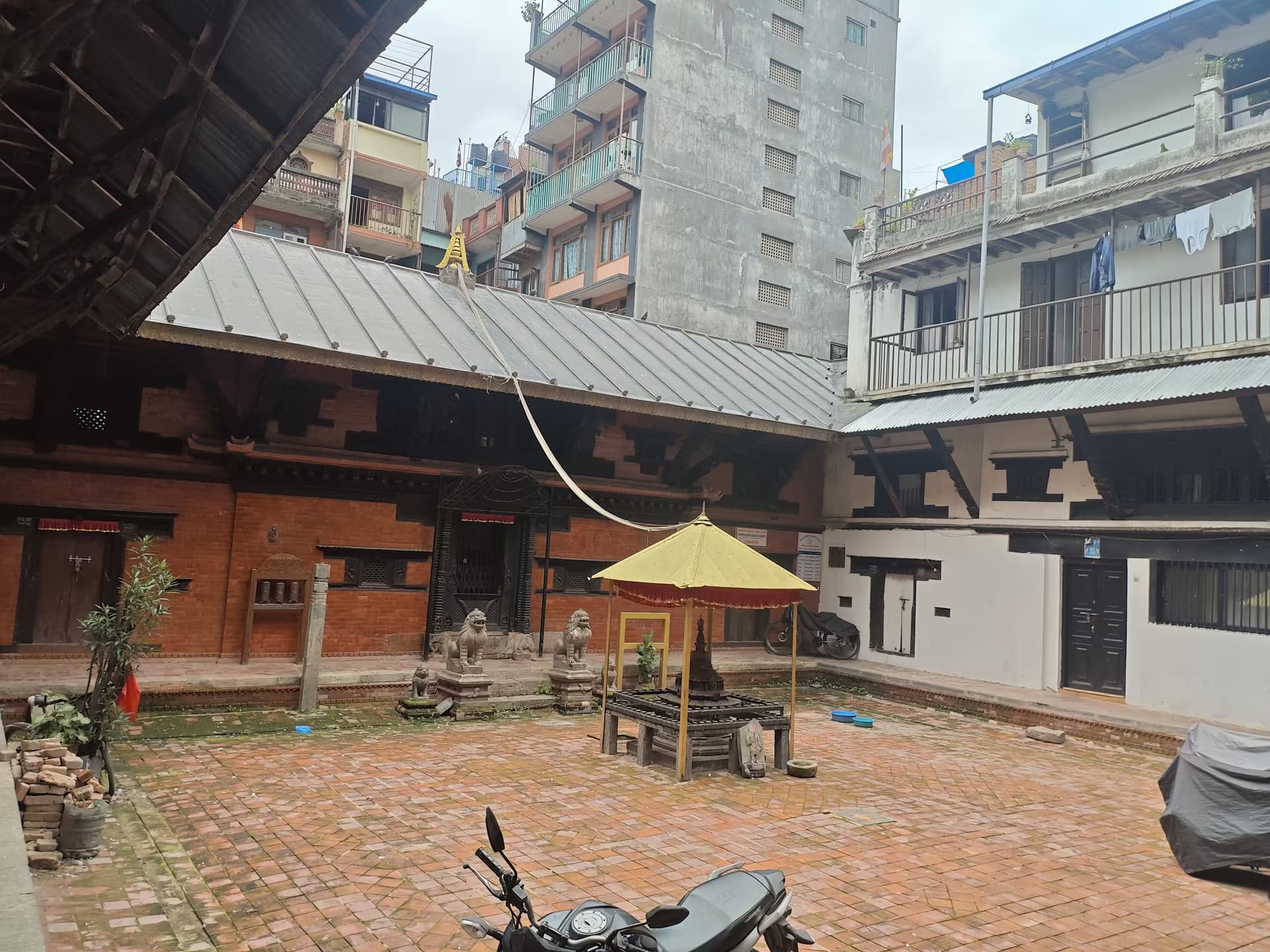
Karunapur Mahavihar (Musya Baha)
A Newar Buddhist courtyard monastery known locally as Musya Baha, in the Jyatha quarter of central Kathmandu, a short walk from Thamel.
Takse Bahal (Suratshree Mahavihar)
A foundational monastery of the Kathmandu Acharya Guthi system — home to teacher Surat Bajra Bajracharya, from whom many Bhaktapur bahals trace their Buddhist lineage.
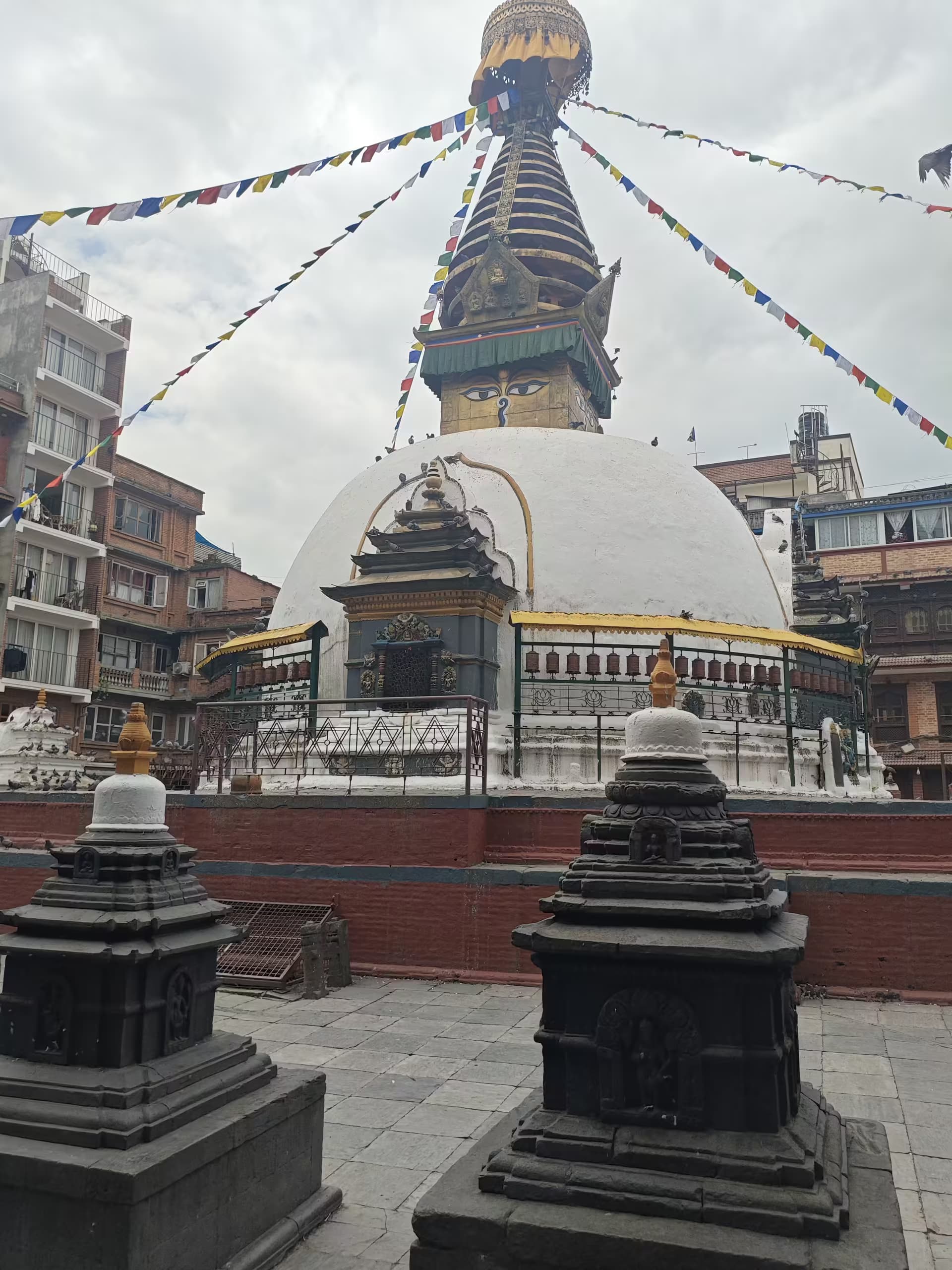
Dharmakirti Bahal (Sighal Bahal / Kathesimbhu)
A Newar Buddhist courtyard just south of Thamel, built around the 17th-century Kathesimbhu Stupa — a miniature replica of Swayambhu — and today home to the Dharmakirti Theravada nunnery.
Jana Bahal (Seto Machhindranath Temple)
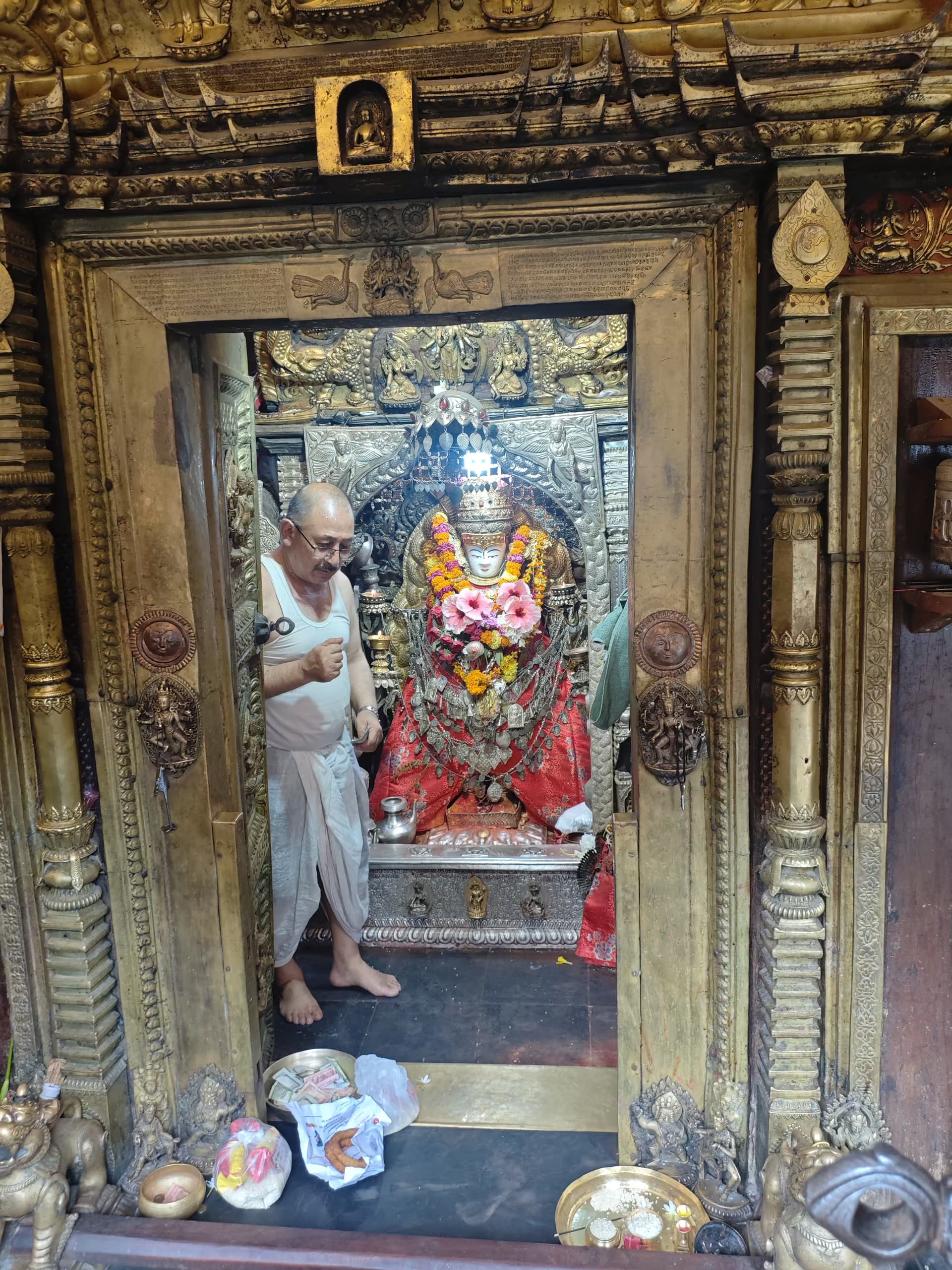
A 10th-century 'living bahal' housing the White Machhindranath, worshipped as Avalokiteshvara by Buddhists and Machhindranath by Hindus — the finest example of Valley syncretism.
Coda
Continue the Pilgrimage
Planning this visit? Local operators publishing trips here can arrange it.
Help us get it right
Know Chusya Bahal (Gunakar Mahavihar) better than we do?
We write from research and reporting, and the ground changes faster than we can keep up. If something here is out of date, or you have been and would tell it differently, we would rather hear it.