Bahal · Buddhist
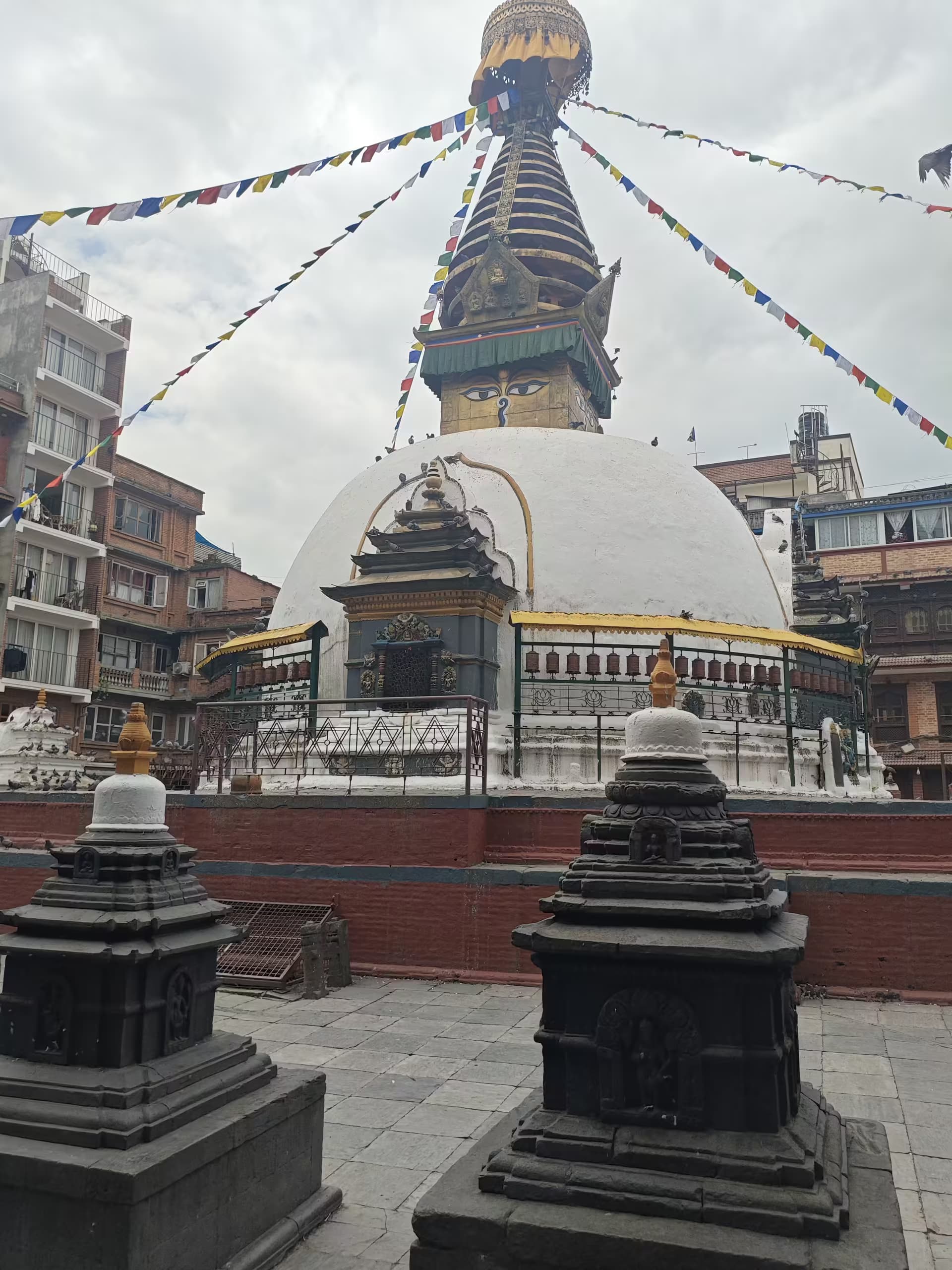
Dharmakirti Bahal (Sighal Bahal / Kathesimbhu)
धर्मकीर्ति बहाल
Shakyamuni Buddha / Kathesimbhu Stupa (replica of Swayambhu)·Kathesimbhu Stupa 17th century; Dharmakirti Vihara established in the modern Theravada revival·Kathmandu
A Newar Buddhist courtyard just south of Thamel, built around the 17th-century Kathesimbhu Stupa — a miniature replica of Swayambhu — and today home to the Dharmakirti Theravada nunnery.
Dedicated to
Shakyamuni Buddha / Kathesimbhu Stupa (replica of Swayambhu)
Period
Kathesimbhu Stupa 17th century; Dharmakirti Vihara established in the modern Theravada revival
Hours
Open courtyard (accessible during daytime)
Admission
Free
Neighborhood
Sighal (Shree Gha) / Naghal, south of Thamel, central Kathmandu
Dharmakirti Bahal sits in the Sighal (Shree Gha, श्री घः) quarter at Naghal, a few minutes' walk south of Thamel and north of Chhetrapati, in the dense old-city lanes of central Kathmandu. Its courtyard is best known for the Kathesimbhu Stupa at its centre — a smaller replica of the great Swayambhu stupa on the hill to the west. By tradition it was built so that the elderly and infirm who could not climb the long stone steps to Swayambhu could still earn the same merit by circumambulating here in the heart of the city; pilgrims often pair a visit to Kathesimbhu with the full Swayambhu darshan.
The stupa is ringed by votive chaityas, shrines to Tara and other deities, and the residential and monastic buildings of the surrounding bahal. In the modern era the courtyard also became a centre of Nepal's Theravada Buddhist revival: the Dharmakirti Vihara, a nunnery long associated with the pioneering Bhikkhuni Dhammawati (Dhammawati Guruma), is based here and remains an active teaching and meditation centre.
This is a short entry; further detail on the stupa's founding inscriptions, the surrounding bahal's guthi stewardship, and the vihara's history will be added as it is confirmed.
Folio III
Nearby Sacred Sites
Places within a short walk that help turn this stop into a small sacred cluster.
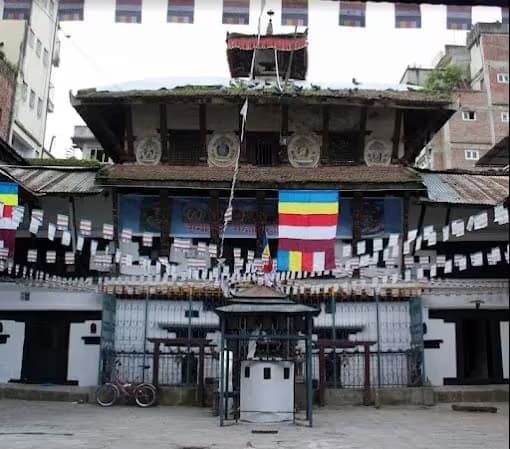
Kwa Bahal (Maitripur Mahavihar)
The 'mother bahal' of Kathmandu's 18 principal monasteries, home to Kwapa Dya — the presiding deity of the entire mahavihar network — and one of the Valley's oldest scholastic centers for Vajrayana Buddhism.
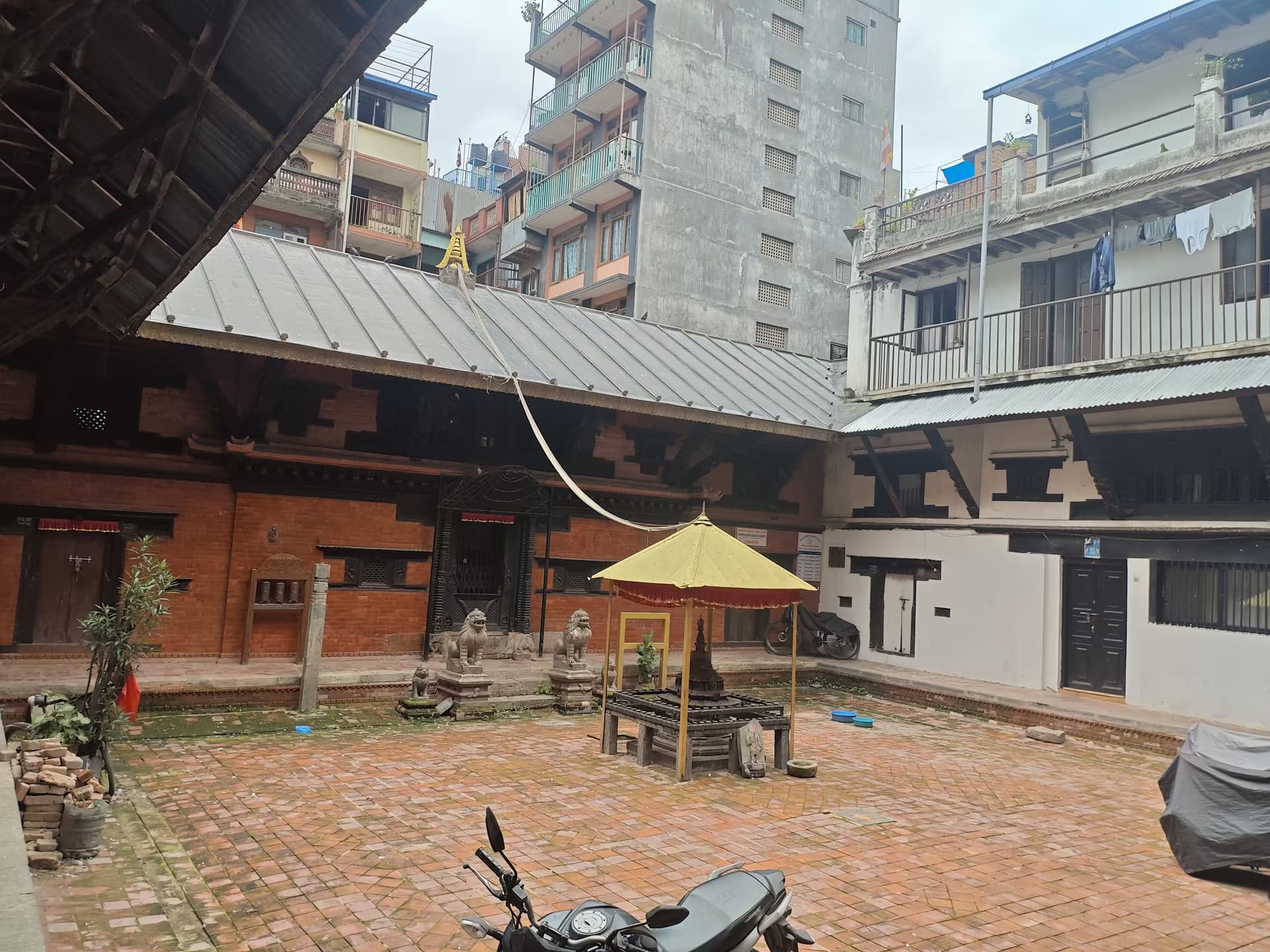
Karunapur Mahavihar (Musya Baha)
A Newar Buddhist courtyard monastery known locally as Musya Baha, in the Jyatha quarter of central Kathmandu, a short walk from Thamel.
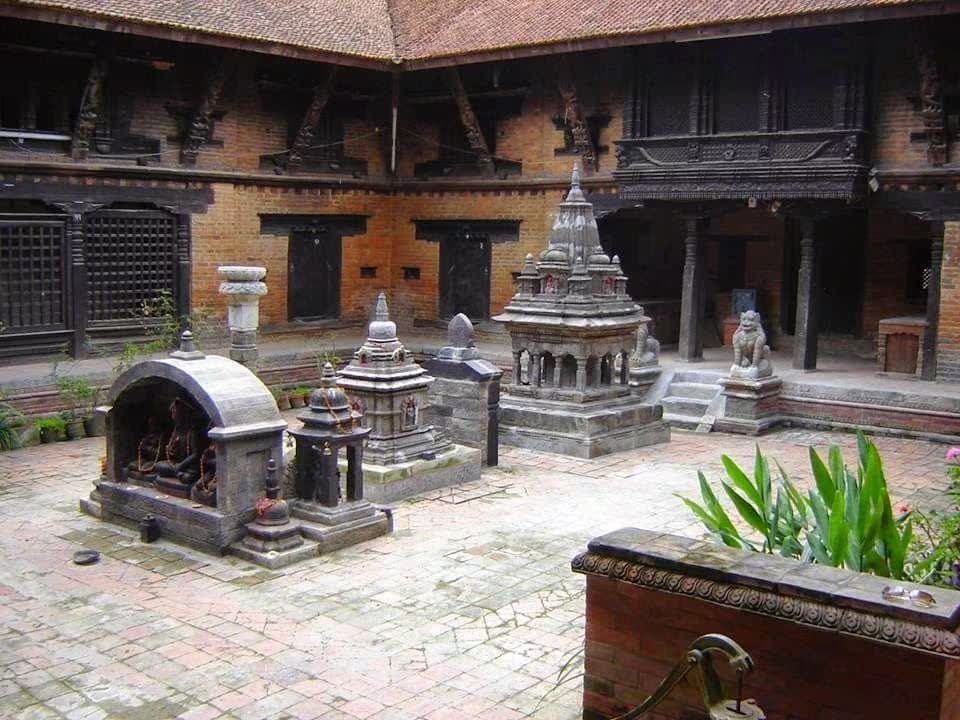
Chusya Bahal (Gunakar Mahavihar)
A well-preserved 1662 monastery built by a Nepal-Tibet trader, one of the finest surviving examples of traditional Newar Buddhist monastic architecture in Kathmandu.
Bhagwan Bahal (Vikramashila Mahavihar)
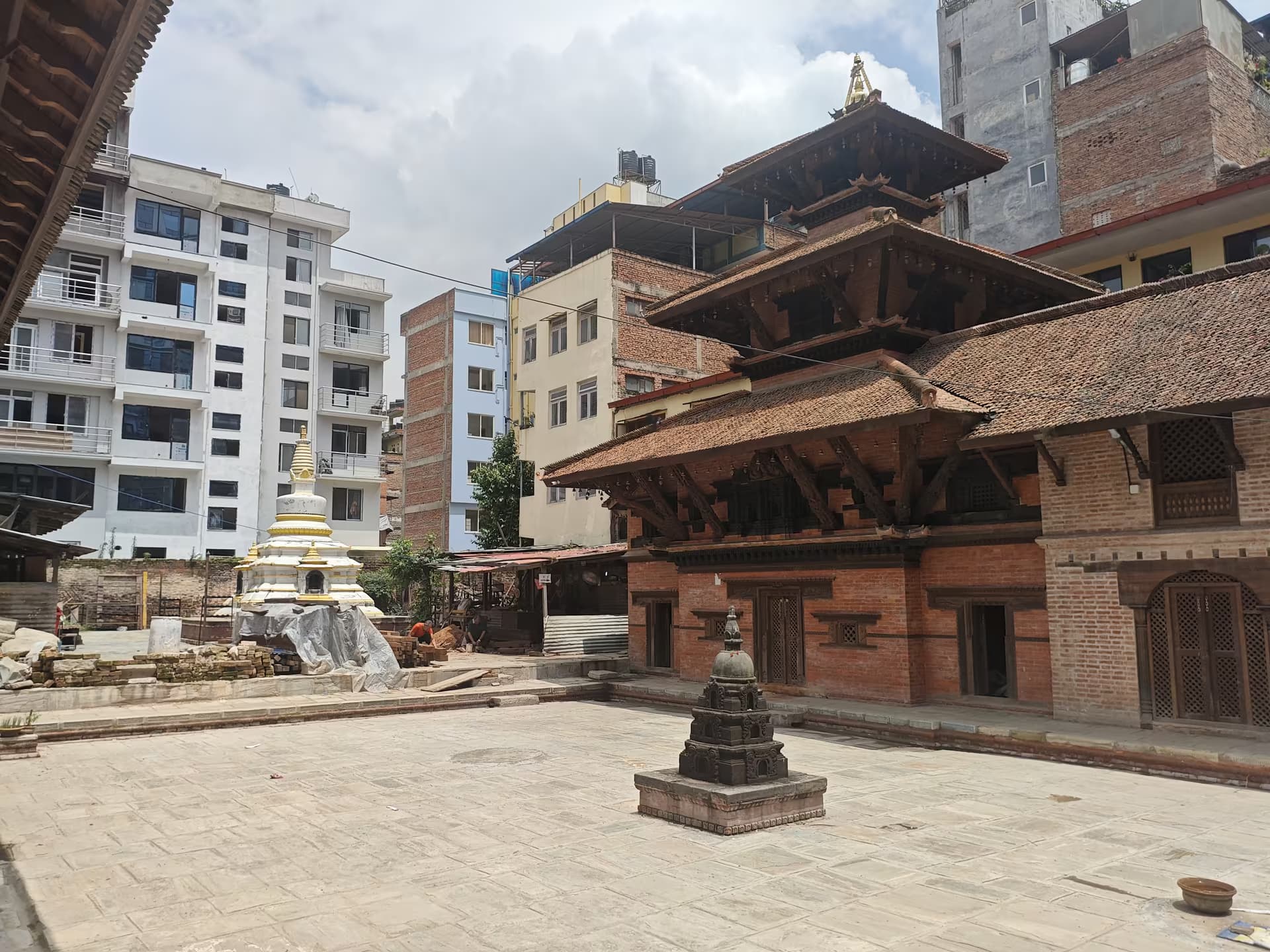
Claimed to be the oldest monastery in the Kathmandu Valley, rebuilt by the great Indian master Atisha in 1041 CE and home to a 7-foot gold statue and a priceless Prajnaparamita manuscript.
Itum Bahal (Keshchandra Mahavihar)
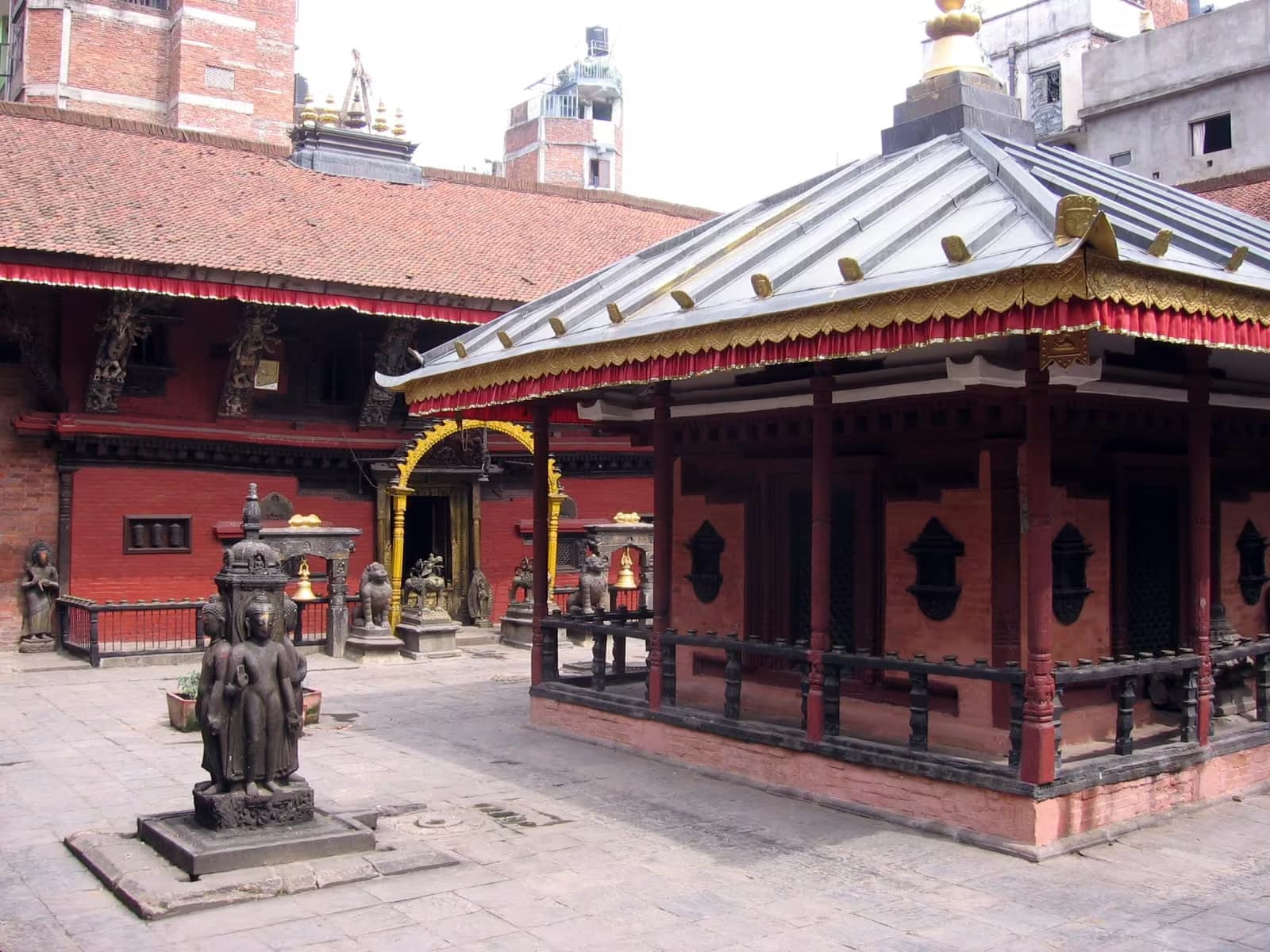
Kathmandu's largest Buddhist monastery complex with hidden courtyards, brass plaques depicting the Gurumapa legend, and a golden window relic.
Coda
Continue the Pilgrimage
Planning this visit? Local operators publishing trips here can arrange it.
Help us get it right
Know Dharmakirti Bahal (Sighal Bahal / Kathesimbhu) better than we do?
We write from research and reporting, and the ground changes faster than we can keep up. If something here is out of date, or you have been and would tell it differently, we would rather hear it.