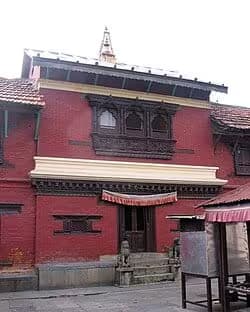
Bahal · Buddhist
Kindo Bahal
किन्दो बहाल
Shakyamuni Buddha·Founded 1687 CE (NS 807)·Kathmandu
A monastery at the foot of Swayambhunath hill that became the cradle of Nepal's Theravada Buddhist revival in the early 20th century, when monks defied government bans to teach.
Dedicated to
Shakyamuni Buddha
Period
Founded 1687 CE (NS 807)
Hours
6:00 AM – 6:00 PM
Admission
Free
Neighborhood
Southern foot of Swayambhunath hill
Kindo Bahal, located at the southern foot of Swayambhunath hill, holds a unique place in Nepal's modern religious history. Founded in 1687 CE (Nepal Sambat 807), the monastery became the unlikely epicenter of the Theravada Buddhist revival movement that transformed Nepali Buddhism in the 20th century.
In the 1920s-1940s, when Nepal's Rana rulers actively suppressed religious reform movements, Kindo Bahal became a hub for pioneering Theravada monks including Dhammalok Mahasthavir, Pragyananda Mahasthavir, Kumar Kashyap Mahasthavir, and the nun Dharmachari Guruma. In 1926, five monks were exiled from Nepal for their preaching activities, and in 1944 the prime minister ordered monks to stop teaching — yet the movement persisted and ultimately succeeded.
This history of peaceful resistance gives Kindo Bahal a significance that transcends its modest physical presence. While most Valley bahals preserve the ancient Vajrayana Newar tradition, Kindo Bahal represents the moment when Nepali Buddhism began engaging with the broader Theravada world.
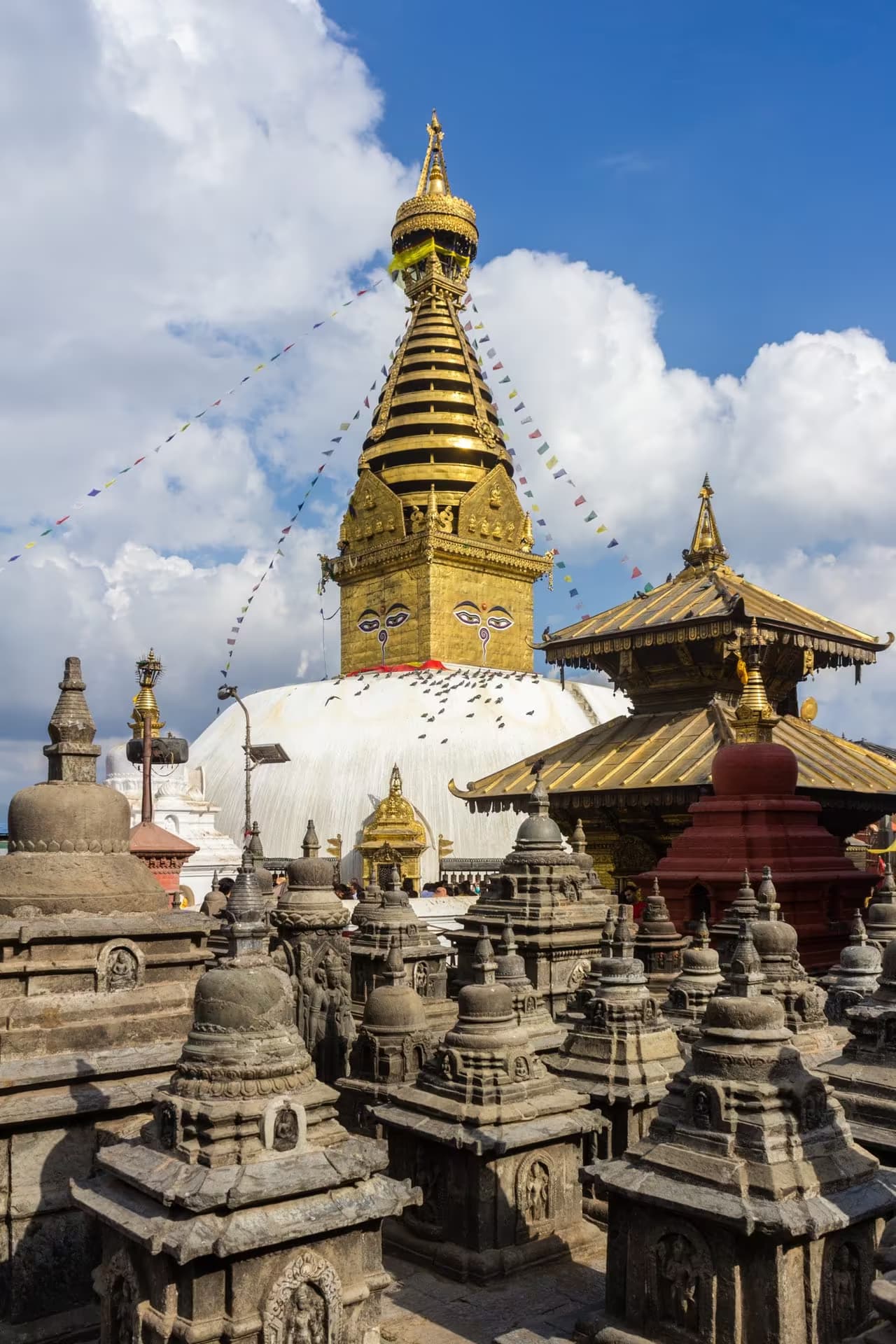
The monastery's location near Swayambhunath provides a natural pairing for visitors — after climbing the stupa hill, a short walk downhill leads to this historically important site where a quiet revolution in Nepali Buddhism began.
Folio III
Nearby Sacred Sites
Places within a short walk that help turn this stop into a small sacred cluster.
Coda
Continue the Pilgrimage
Planning this visit? Local operators publishing trips here can arrange it.
Help us get it right
Know Kindo Bahal better than we do?
We write from research and reporting, and the ground changes faster than we can keep up. If something here is out of date, or you have been and would tell it differently, we would rather hear it.