Bahal · Buddhist
Chilancho Bahal (Jagat Pal Mahavihar)
जगत्पाल महाविहार❊चिलान्चो बहाः (क्यापु बहाः)
Shakyamuni Buddha / Vairochana / Padmapani Lokeshwara / Tara Devi·Attributed to Ashoka (3rd century BCE); monastery established 1515 CE by Jagatpal Varma·Kathmandu
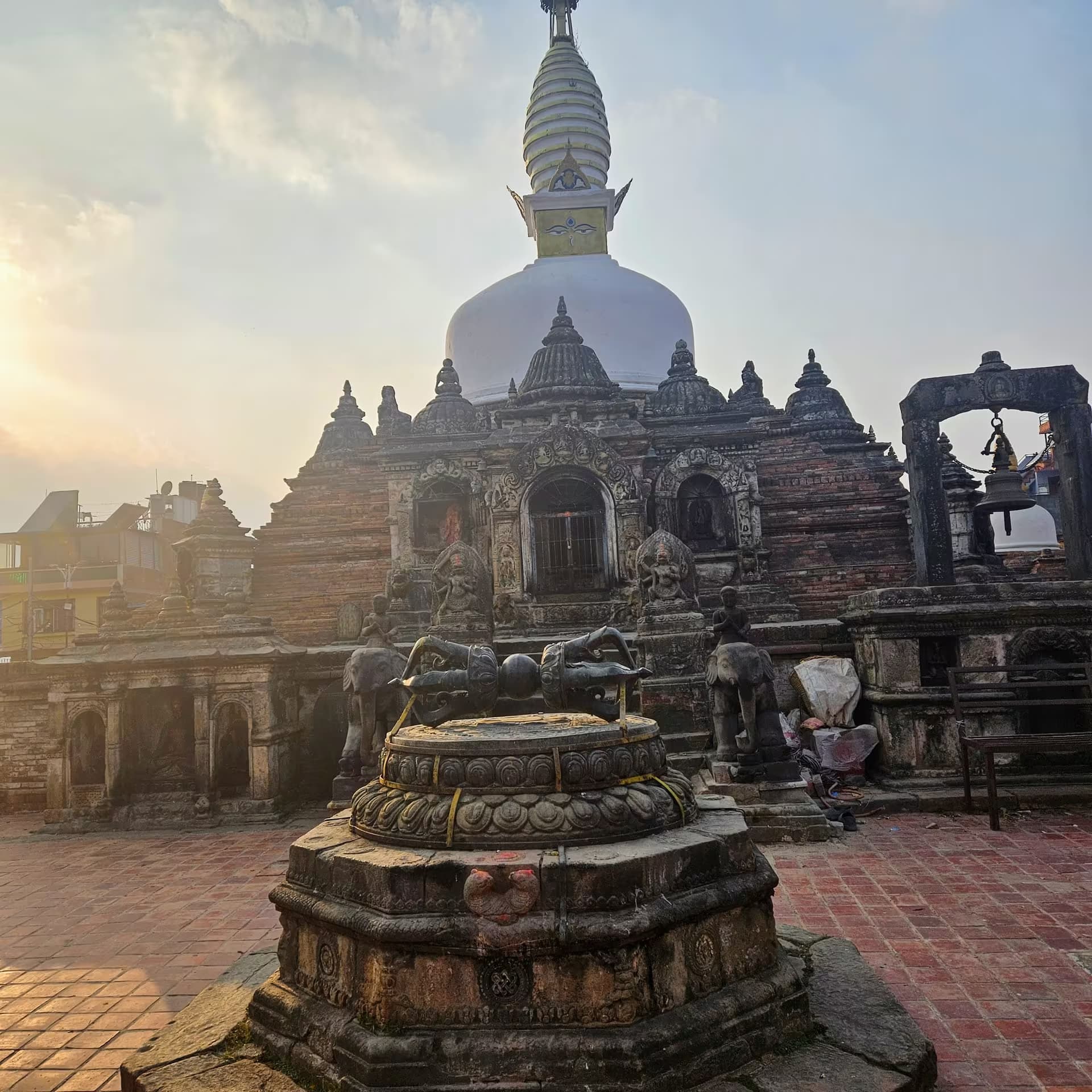
A stunning hilltop Buddhist stupa and monastery in Kirtipur attributed to Emperor Ashoka, formally established as Jagat Pal Mahavihar in 1515 CE — one of the most archaeologically important Buddhist monuments in the Kathmandu Valley.
Dedicated to
Shakyamuni Buddha / Vairochana / Padmapani Lokeshwara / Tara Devi
Period
Attributed to Ashoka (3rd century BCE); monastery established 1515 CE by Jagatpal Varma
Hours
Dawn to dusk
Admission
Free
Neighborhood
Kirtipur
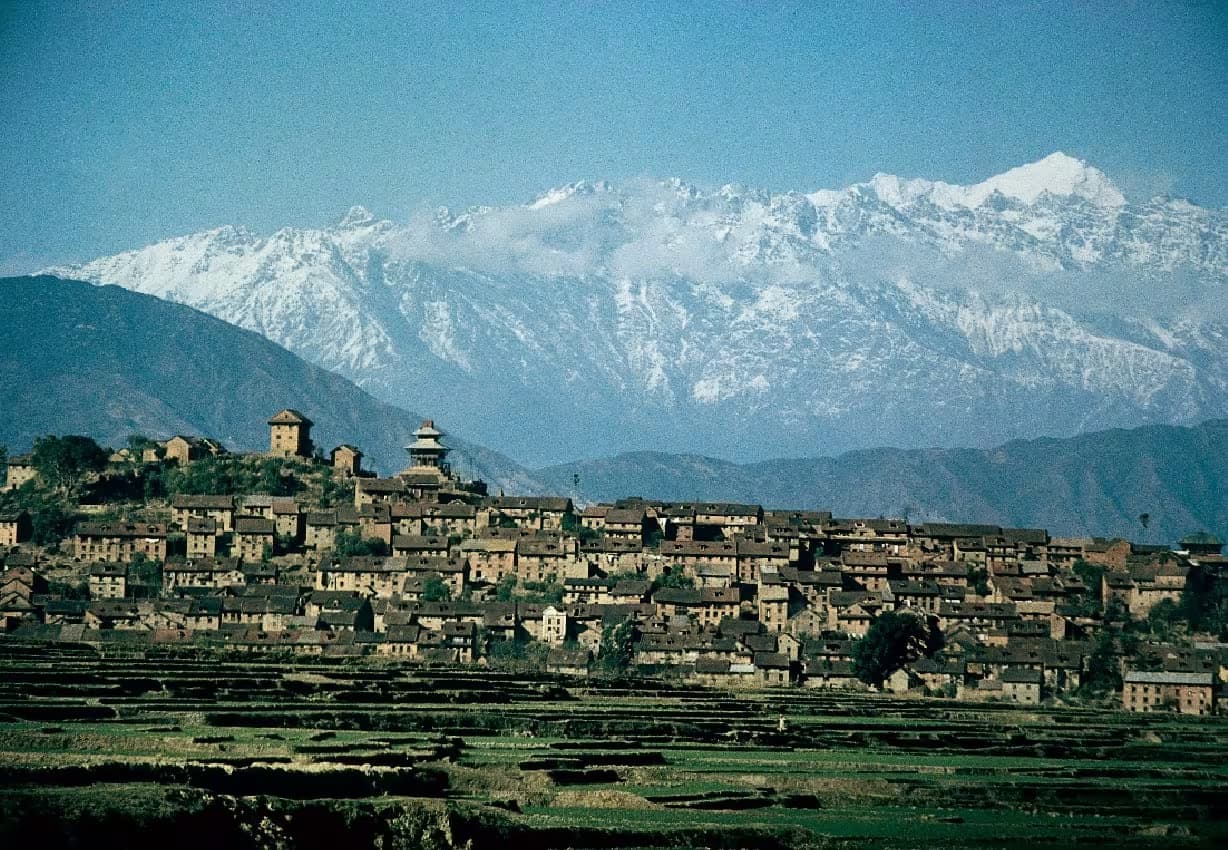
Chilancho Bahal, formally Jagat Pal Mahavihar, is a magnificent Buddhist stupa and monastery complex perched on the eastern hilltop of Kirtipur, about 10 km from central Kathmandu. In the Newar language, 'Chilan' means immortal and 'Cho' means hill — the 'Immortal God on the Hill'. Residents of Patan and Kathmandu know it as Kyapu Baha.
The stupa itself is attributed to Emperor Ashoka of the Mauryan Empire (3rd century BCE), referenced in Daniel Wright's historical chronicle of Nepal, though this legendary origin remains unverified. The complex was formally established as a Vajrayana Buddhist monastery in 1515 CE by Jagatpal Varma, a powerful figure during King Ratna Malla's reign who had previously resided at Pim Bahal in Patan.
The main chaitya rises approximately 9-10 meters on a quadrangular base, with smaller chaityas at all four corners — each sharing the same architectural style but in miniature. The white-plastered dome and gilded pinnacle are visible across Kirtipur. Foreign scholar H. Ambrose Oldfield praised it in his 'Sketches From Nepal' as 'one of the most perfect and valuable monuments of Buddhism in the whole valley.'
The sacred inner chamber (Agan-Chhen) houses a Buddha statue maintained by Vajracharya tantric priests. Surrounding deities include Vairochana, Achyovya, Padmapani Lokeshwara, four representations of Tara Devi, Ratna Sambhava, Amitabha, and Amogha Siddhi. Stone sculptures of Khadga Vir and Vajra Vir flank the entrance, and a historic bell dated to Nepal Era 876 hangs in the complex.
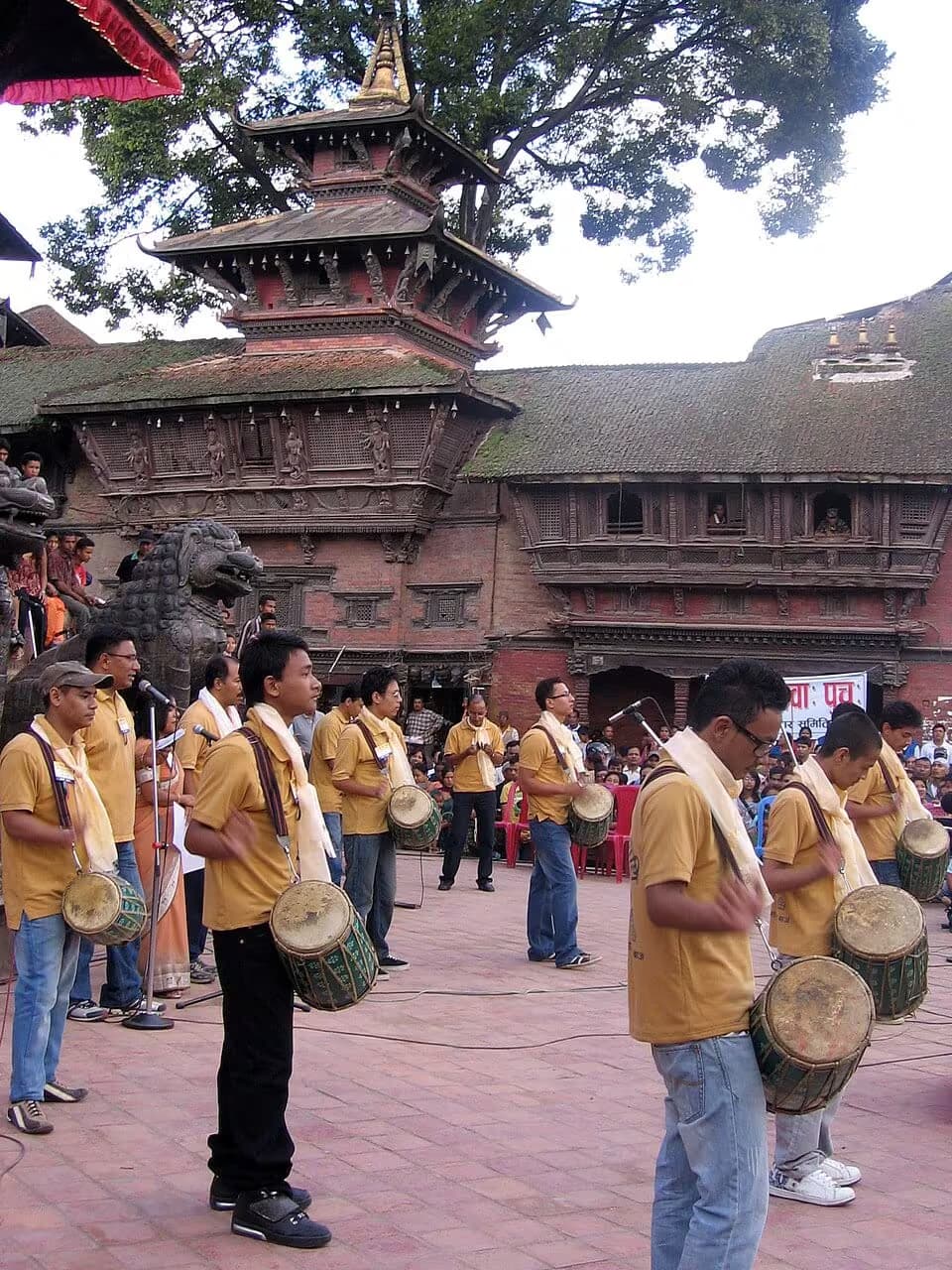
An annual festival is celebrated on Ashwin Purnima (the full moon in September-October). The site is sacred to both Buddhists and Hindus, reflecting the syncretic religious tradition of the Kathmandu Valley.
Coda
Continue the Pilgrimage
Part of
Kirtipur
Planning this visit? Local operators publishing trips here can arrange it.
Elsewhere in this region
Help us get it right
Know Chilancho Bahal (Jagat Pal Mahavihar) better than we do?
We write from research and reporting, and the ground changes faster than we can keep up. If something here is out of date, or you have been and would tell it differently, we would rather hear it.