Gunla
गुंला
Also known as: Gunla Dharma, Gunlaa, Gunla Bajan, Gunla Punhi, Bahi Dyah Boyegu, Panchadan
The holy month of Newar Buddhism, when devotees make daily dawn processions to stupas and bahals, filling the valley with the sound of traditional gunla bajan music.
Location
Kathmandu Valley (Newar Buddhist communities)
Month (Local)
Shrawan/Bhadra
Month (AD)
August/September
Highlights
Daily dawn processions with traditional gunla bajan music. Pilgrimages to Swayambhunath, Boudhanath, and valley bahals. Bahi dyah boyegu, when bahals open their Dipankara images and paubha paintings to public view. Panchadan, the giving of the five grains. Ancient Newar music ensembles filling the streets at dawn.
Tips for Visitors
Wake before dawn and head to a Newar neighborhood like Asan or Patan to encounter the processions. Monday processions to Swayambhunath are the largest. The music is best experienced in the narrow lanes where it reverberates beautifully. If you can only come for a few days, come around Gunla's full moon — that is when the bahals put their images and paubha paintings out on display, and when the courtyards are worth walking between in daylight. Gunla coincides with monsoon — bring rain gear. Respectfully observe or follow the processions at a distance, and ask before photographing inside a bahal.
Gunla is the holiest month in the Newar Buddhist calendar — a 30-day period of intensified devotion, daily pilgrimages, and continuous traditional music that transforms the Kathmandu Valley into a living Buddhist soundscape. Falling in Shrawan-Bhadra (August-September), Gunla is often compared to the Buddhist Lent of Southeast Asia, though its expression is uniquely Nepali.
Every morning before dawn during Gunla, groups of Newar Buddhists form processions through the old city streets, visiting stupas, bahals (monastery courtyards), and viharas. The processions are accompanied by gunla bajan — an ensemble built around the dhaa, the big double-headed drum that carries the music, joined by the smaller naykhin, the mwahali and the basuri flute holding the tune, small taa and broad bhusya cymbals, and the long payentah trumpet. Many groups now add trumpets and clarinets to the melody line. The music is haunting and ancient, echoing through the narrow medieval lanes as the first light of dawn breaks over the valley.
The main pilgrimage circuit includes Swayambhunath, Boudhanath, and the countless bahals scattered through Kathmandu, Patan and Kirtipur. On Mondays, the processions to Swayambhunath are particularly grand, with hundreds of devotees climbing the hill together. Throughout the month, scripture recitation, special rituals and community feasts are held at bahals across the valley.
The month's most visible day-time event is bahi dyah boyegu, the showing of the gods, which begins about three days before Gunla's full moon and runs on for several days. Bahals and old families bring out what they own — images of Dipankara Buddha, paubha scroll paintings, ritual bronzes — and range them behind the lattice screens of the courtyard porches. For most of these collections it is the only time in the year they are seen at all, and anyone can walk in and look. Near the end of the month comes Panchadan, the giving of the five grains: households set out their Dipankara, and monks and priests come to receive paddy, rice, wheat, peas and soybean and to bless the image. Kathmandu keeps it on the thirteenth of the waning moon; Patan keeps it on its own day.
Two other festivals fall inside Gunla and are worth planning around: Gai Jatra, and the day after it Patan's Matya, a long single-day procession of lights and offerings around every Buddhist shrine in the city.
Gunla offers visitors a unique opportunity to experience living Newar Buddhism — not as a museum piece but as a vibrant, musical, community-driven practice. Waking early and following a gunla bajan procession through the misty lanes of old Patan or Kathmandu is one of the most atmospheric experiences the valley offers.
Related
Connected places and entries worth pairing
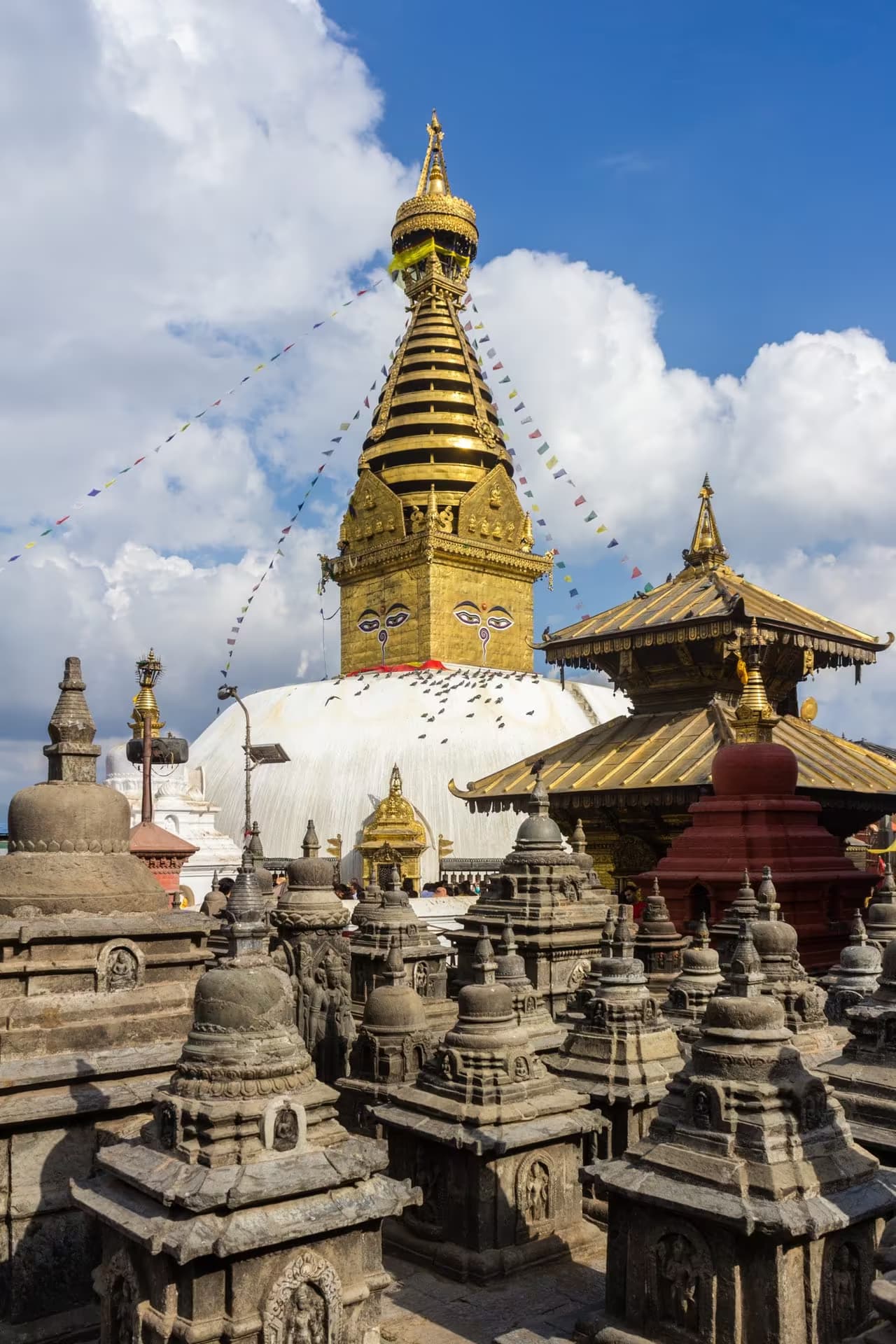
Swayambhunath
The great pilgrimage of the month; Monday processions up the hill are the largest
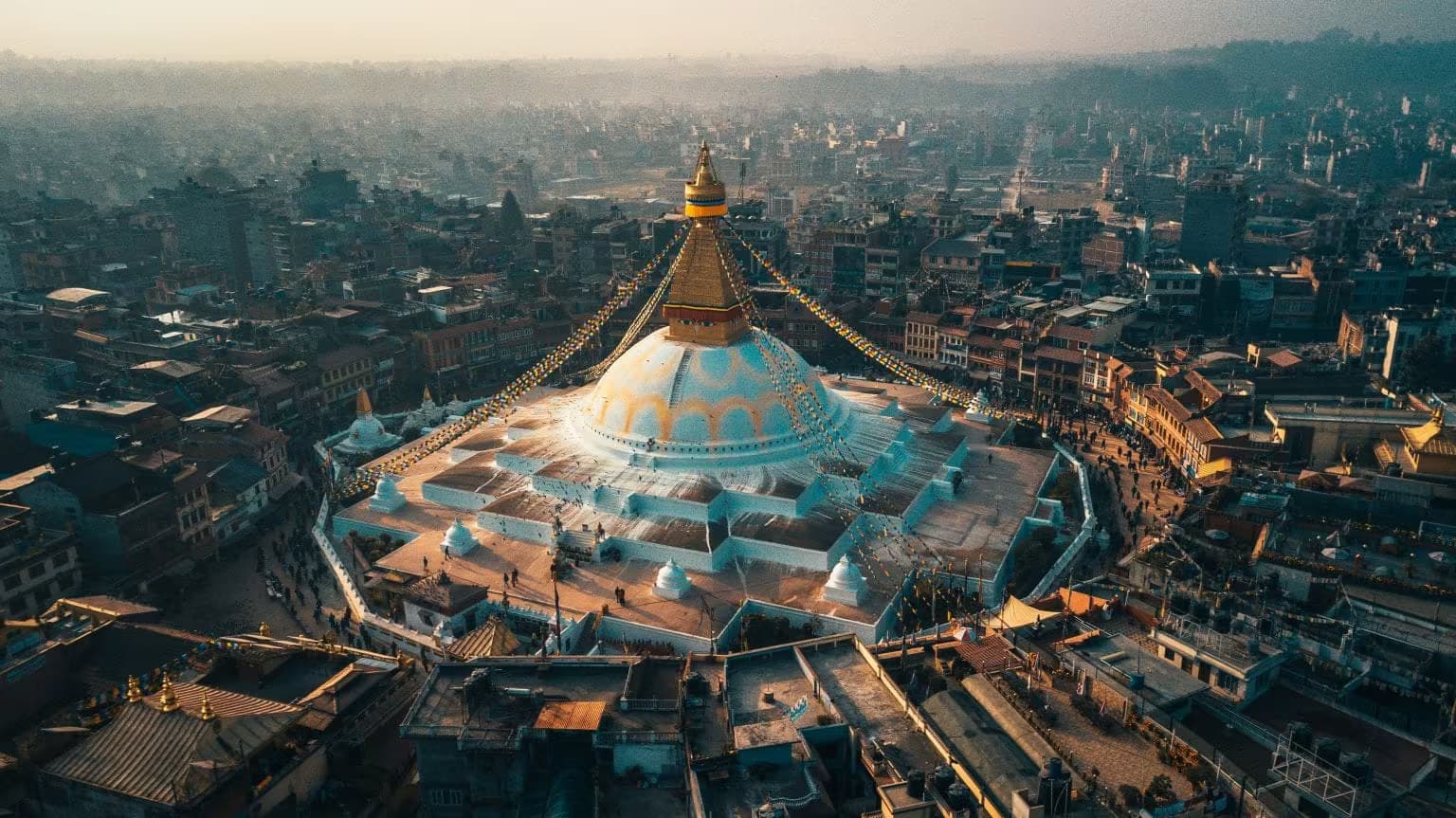
Boudhanath Stupa
On the Gunla pilgrimage circuit
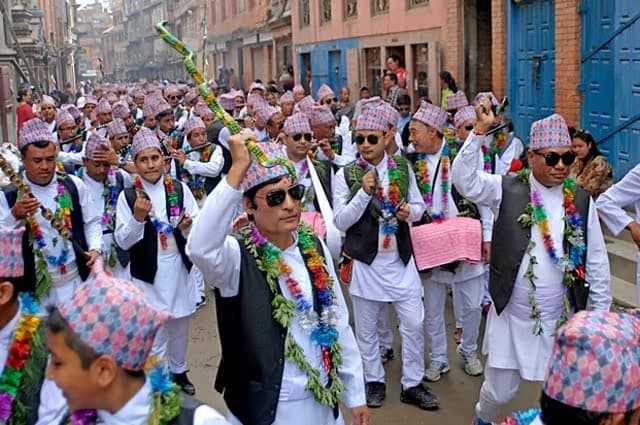
Matya
Patan's day-long circuit of every Buddhist shrine, held inside the month of Gunla
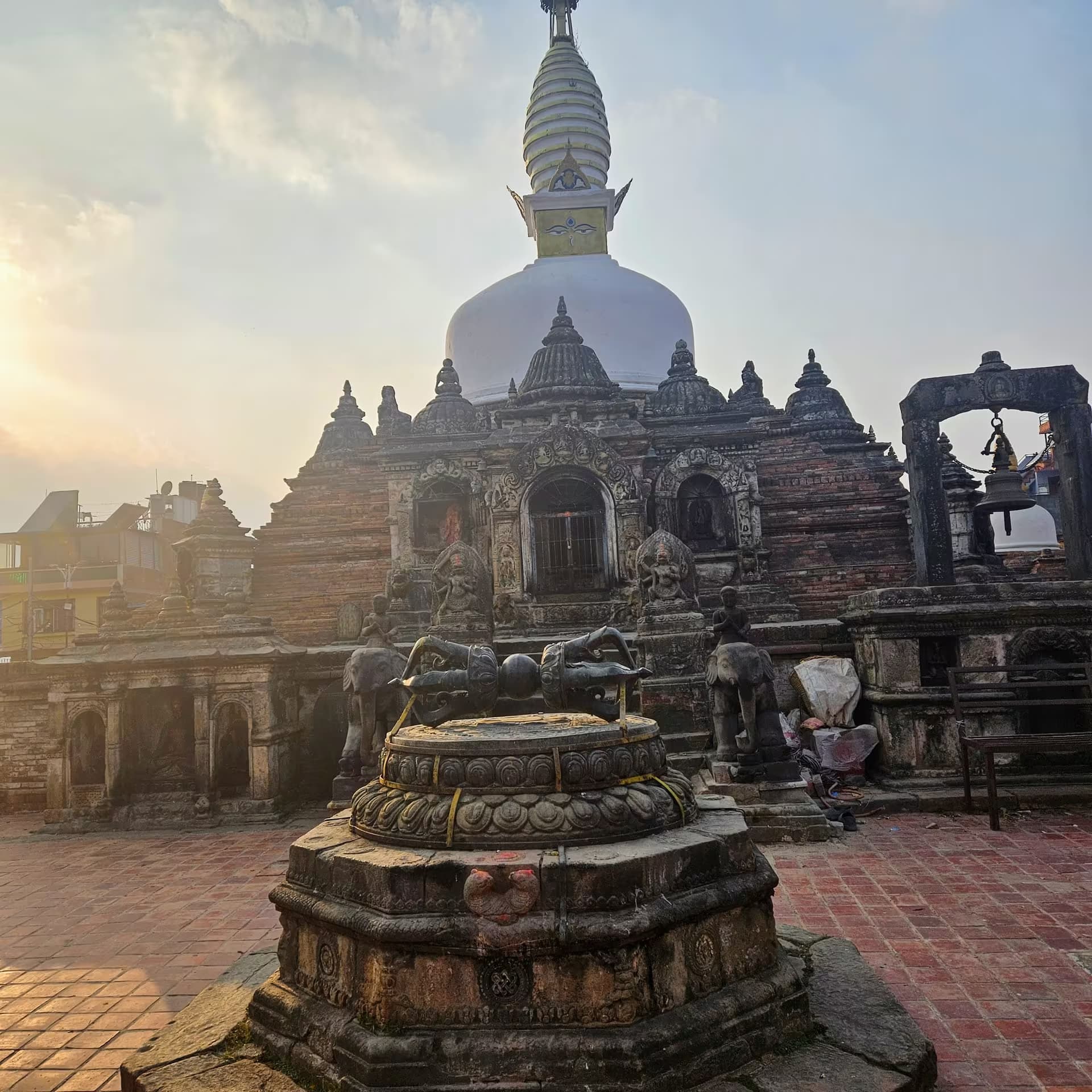
Chilancho Bahal (Jagat Pal Mahavihar)
One of the valley's bahals kept alive through the Gunla month
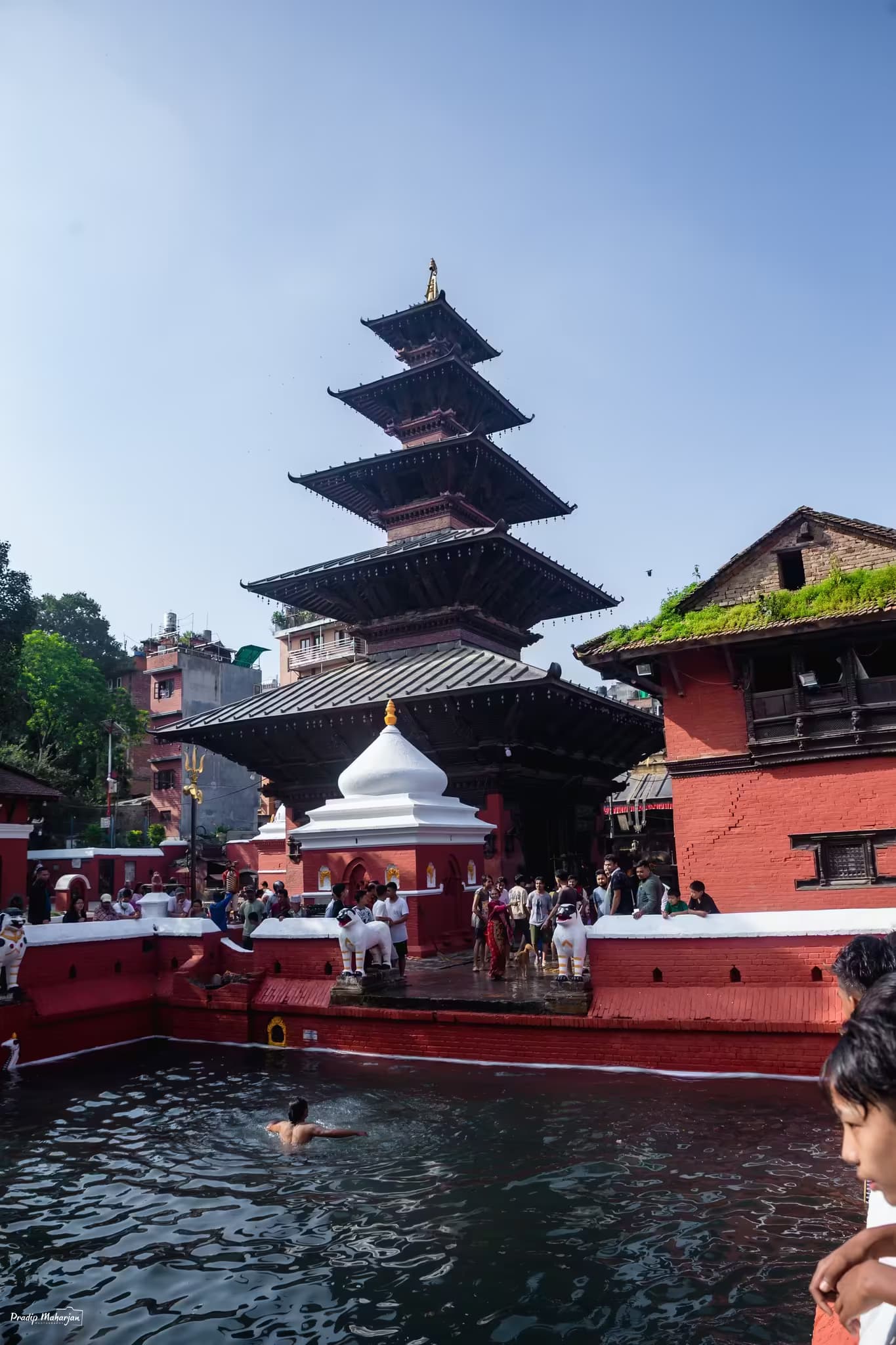
Janai Purnima
Gunhu Punhi, the full moon of Gunla, and the days the bahals put their images on display
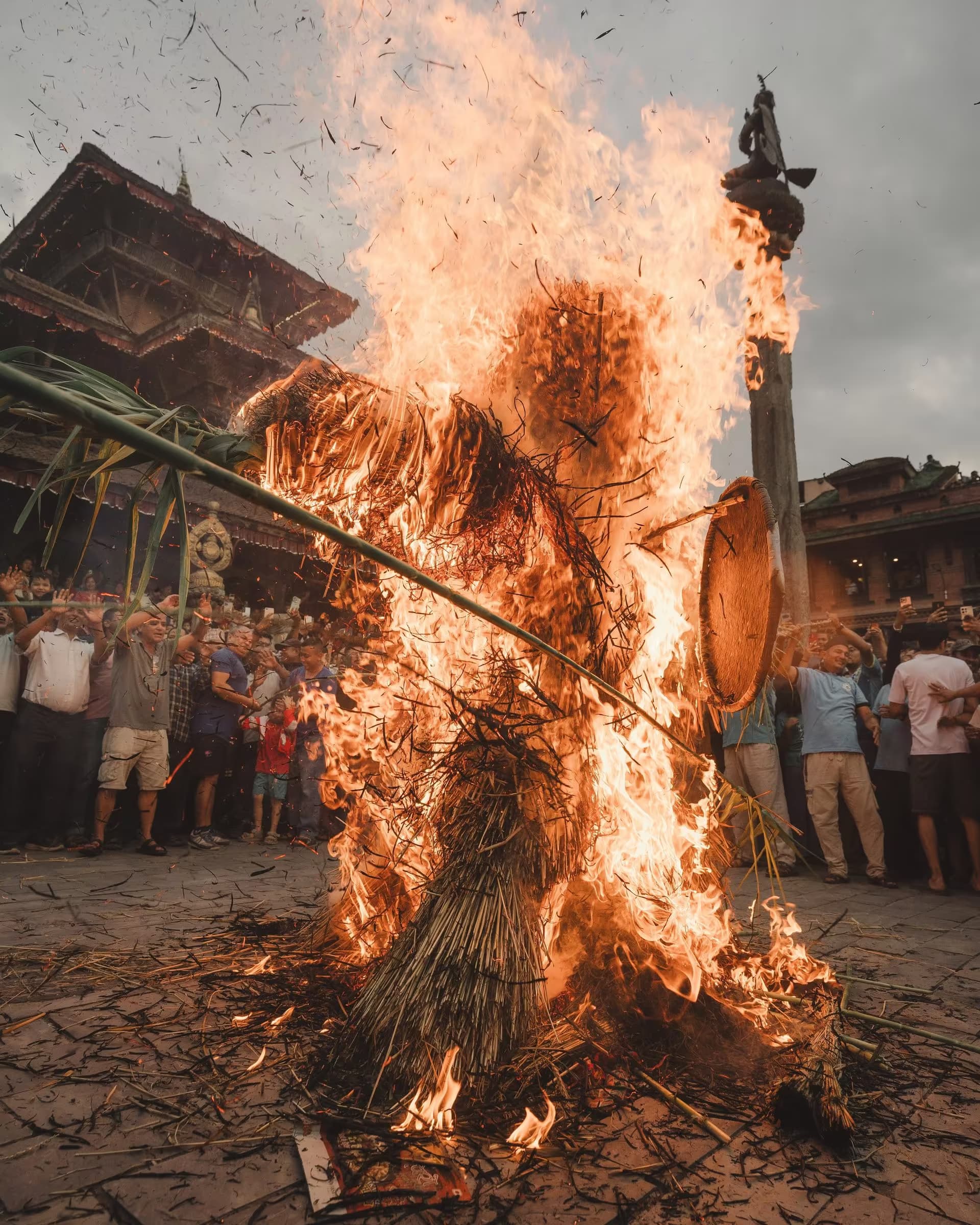
Gathamuga: Charhe
Gunla opens two days after Gathamuga: Charhe clears the valley of the old year
Elsewhere in this region
Help us get it right
Know Gunla better than we do?
We write from research and reporting, and the ground changes faster than we can keep up. If something here is out of date, or you have been and would tell it differently, we would rather hear it.