Gathamuga: Charhe
गथांमुगः चह्रे
Also known as: Gathemangal, Gathe Mangal, Gathamangal, Gathamuga Charhe, Gathamuga Chahre, Gathamug Chahre, Gathamuga, Gatha Muga Chare, Ghantakarna, Ghantakarna Chaturdashi, Ghanta Karna
The Newar night of demon-burning that opens the festival season — effigies of the bell-eared demon Ghantakarna raised at the crossroads of every Newar tole, in the Kathmandu Valley and the hill bazaars beyond it, then dragged out and set alight. Known in Khas Nepali as Gathemangal.
Location
Kathmandu Valley and Newar settlements across Nepal
Duration
1 days
Month (Local)
Shrawan
Month (AD)
July/August
Highlights
Straw-and-bamboo effigies of Ghantakarna raised at every neighbourhood crossroads, faces made from painted winnowing trays. Children roping off lanes to collect coins for the demon's funeral. Iron rings and three-legged nails sold and fitted against the night's spirits. The effigy dragged out of the tole after dark and burned at the riverside.
Tips for Visitors
Bhaktapur is the place to be — its toles compete on the height and menace of their effigies, and the old city is compact enough to see several in an evening. Walk the lanes in the late afternoon while the effigies are still standing and guarded, then follow one to the river after dark. Expect to be stopped by a rope and asked for a few rupees; paying is the custom, not a scam. It falls in the wettest part of the monsoon, so carry rain gear, and note the burning happens at night in narrow unlit lanes — go with someone who knows the route. If you are away from the Valley on the day, ask in any hill town with an old Newar bazaar — Banepa, Panauti, Bandipur, Tansen, Dolakha, Chainpur — because the effigies go up there too, to smaller crowds and often at closer quarters.
Gathamuga: Charhe — Gathemangal in Khas Nepali, Ghantakarna Chaturdashi in Sanskrit — falls on the fourteenth day of the dark fortnight of Shrawan (July or August) and is the strangest and most theatrical night in the Newar year. It is a demon's funeral, staged simultaneously in every tole of the Kathmandu Valley, and it marks the boundary between the ordinary year and the long festival season that follows.
The demon is Ghantakarna, "bell-ears" — a giant who hung bells from his ears so he would never have to hear the name of Vishnu, and who terrorised the valley by extorting its villages, carrying off children and cattle. The story of his death is told in several versions, but the frog is in most of them: a frog lured him into a marsh, and the villagers, finding him stuck, beat him to death, dragged the body to the river and burned it. Every year the valley repeats the killing.
The preparation is domestic and unglamorous. In the days before, households turn out their rooms and courtyards and sweep out a year of accumulated rubbish and dark corners, on the understanding that filth is where malevolence lodges. That rubbish, bundled with reeds, nettle and sweet flag, becomes the demon: a tall effigy of straw and bamboo with a nanglo — the flat winnowing tray every Newar kitchen owns — painted as a face, and bells for ears. It is raised on a tripod at the crossroads of the tole, and boys guard it all day, stringing a rope across the lane to stop passers-by and demand coins "for the demon's funeral". Small clay or cloth dolls are pinned to it, taking away with them whatever a household wants gone.
Inside the houses, the defences go up. Three-legged wrought-iron nails are hammered above the doorway; people buy and wear an iron ring, which is meant to be kept on until the following year. Both are protections against the spirits believed to be loose on this one night, and both are among the very few Newar rituals still bought and performed by people who would not call themselves religious.
After dark the effigy comes down. In many toles a man of the Pode community — traditionally the valley's sweepers, and so the ones who carry away what nobody else will touch — plays the demon or drags the figure out of the neighbourhood, running ahead of it while the tole shouts after him. The effigy is hauled to the nearest river or the edge of the settlement and burned, and the evil of the year is understood to go with it. Bhaktapur builds the tallest and most competitive effigies, tole against tole; Thimi, Bode, Tokha and Kirtipur all keep the night vividly, and it is observed everywhere from Bhaktapur Durbar Square to the courtyards behind Patan Durbar Square and the old farming towns of Khokana, Bungamati and Sankhu.
It is not a Valley festival so much as a Newar one, and it goes where Newars went. The trading families who settled the hill bazaars along the old routes to Tibet and India took Charhe with them, so the effigy goes up at the crossroads of Banepa, Panauti and Dhulikhel in Kavre, in Bandipur above the Marsyangdi, in Tansen in Palpa, below the temple at Dolakha, and out east in Chainpur, Bhojpur and Dharan — anywhere a Newar quarter took root. The scale changes with the size of the community rather than the distance from Kathmandu: a bazaar town with a few Newar toles raises a few effigies, and the ritual is the same one.
The timing is the point. Charhe falls at the height of the monsoon, at the end of the rice-planting labour that Sithi Nakha prepared the water for, and two days before the Buddhist holy month of Gunla begins. Clear the house, burn the demon, and the season of Gai Jatra, Janai Purnima and Indra Jatra can start.
Related
Connected places and entries worth pairing
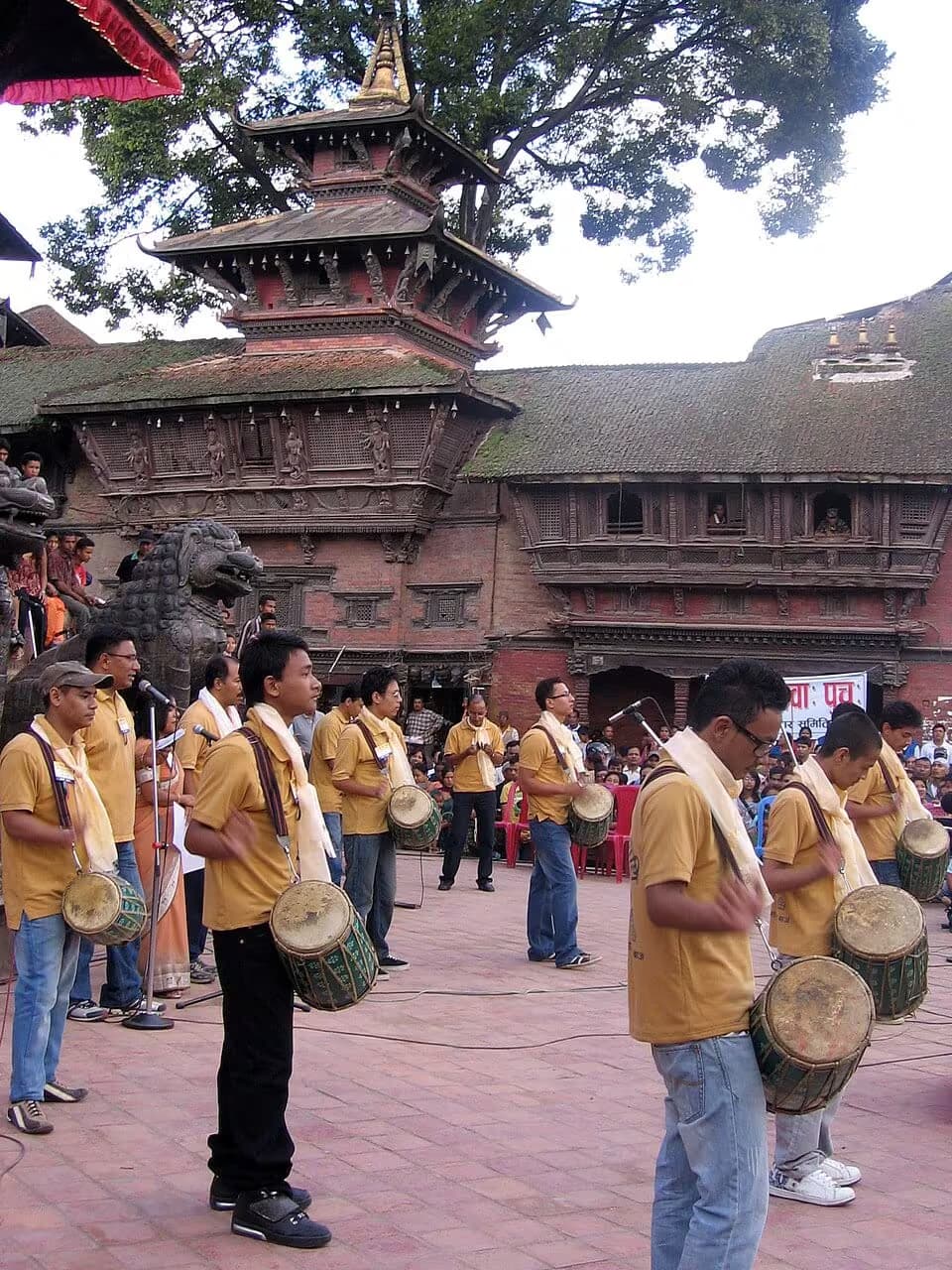
Gunla
Gunla, the Newar Buddhist holy month, begins two days after the demon is burned
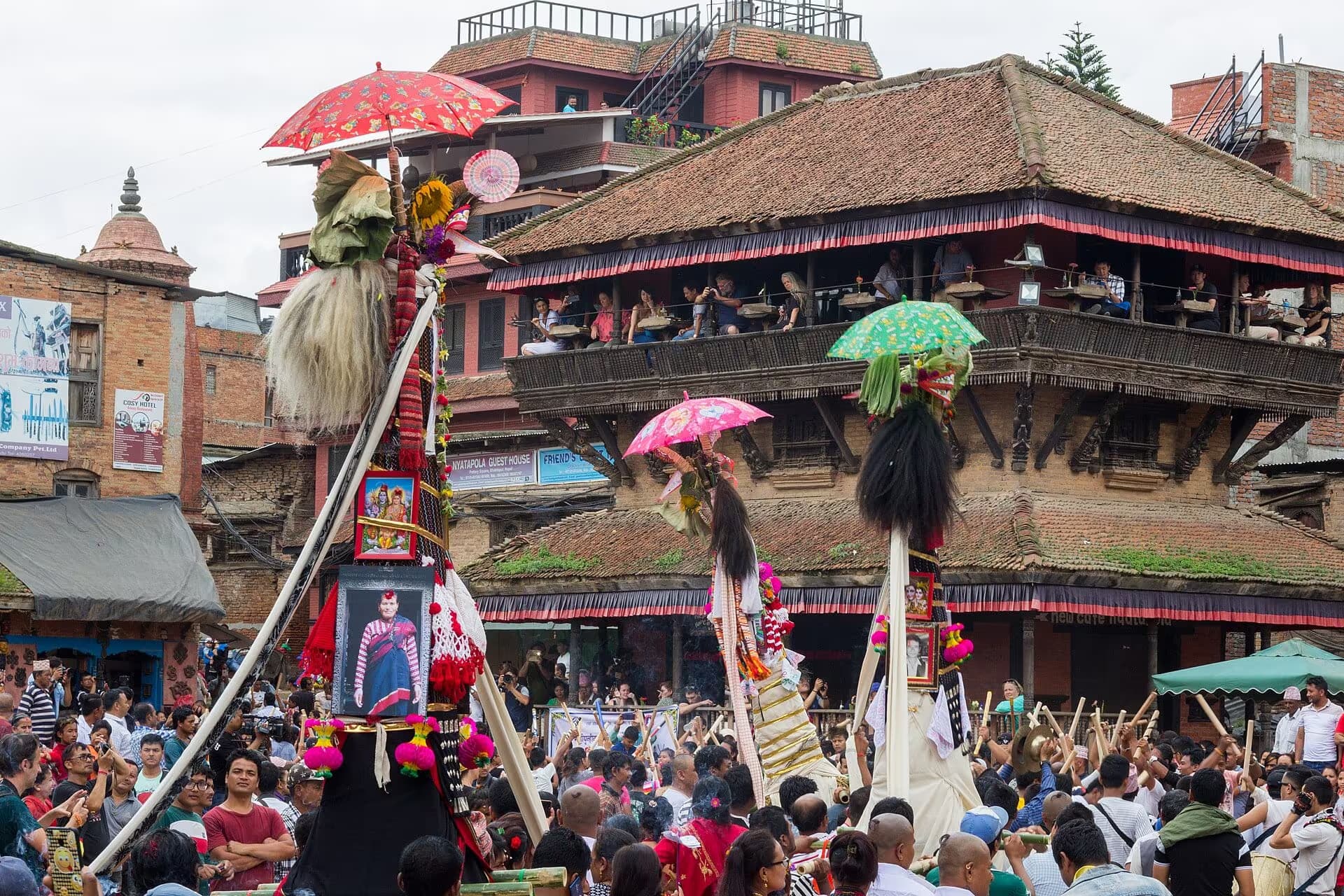
Gai Jatra
Charhe opens the festival season that runs on through Sa Paru

Sithi Nakha
The valley's other Newar cleaning festival — water sources in Jestha, houses in Shrawan

Bhaktapur Durbar Square
Bhaktapur's toles build the tallest and most competitive effigies
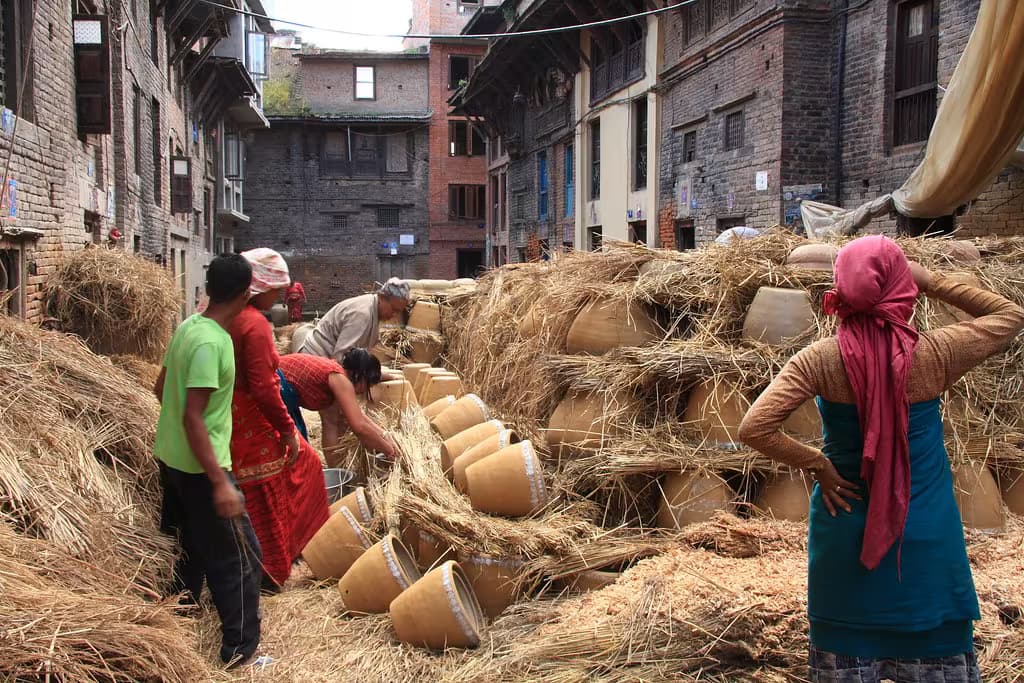
Thimi
Thimi and neighbouring Bode keep the night vividly
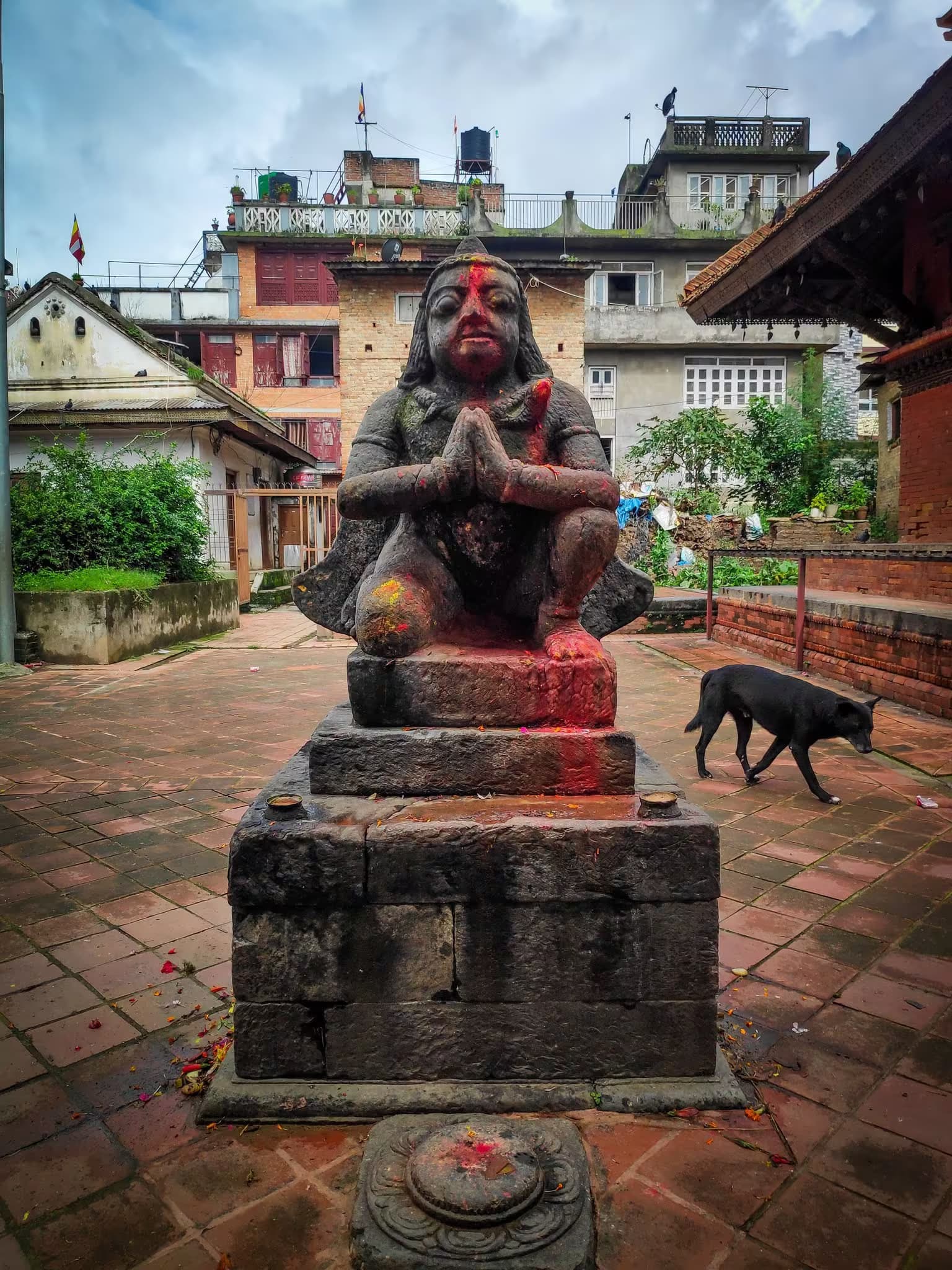
Banepa
A Newar bazaar town on the old Tibet road — the effigies go up here too
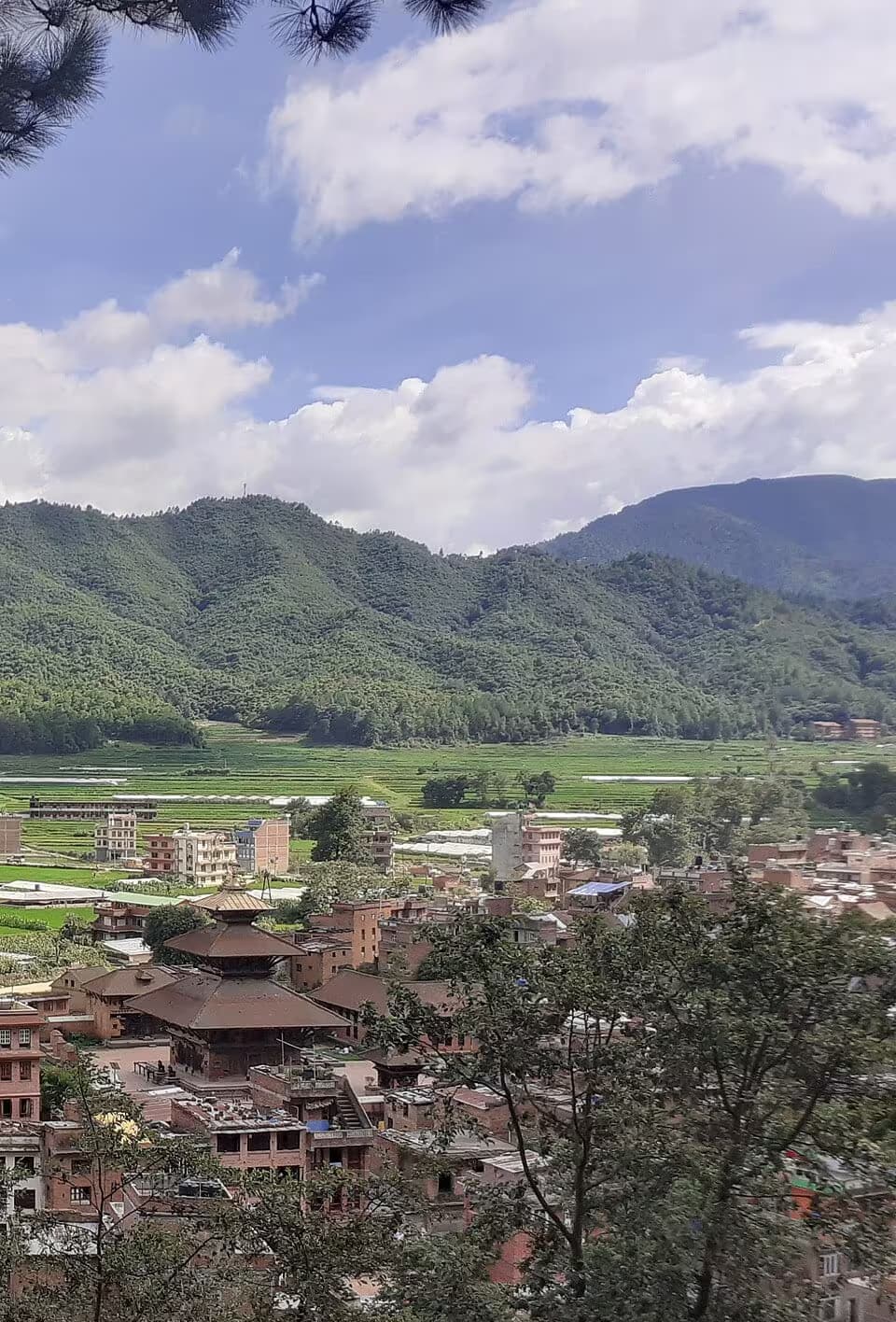
Panauti
Observed in Panauti's toles, on a smaller scale than the Valley's
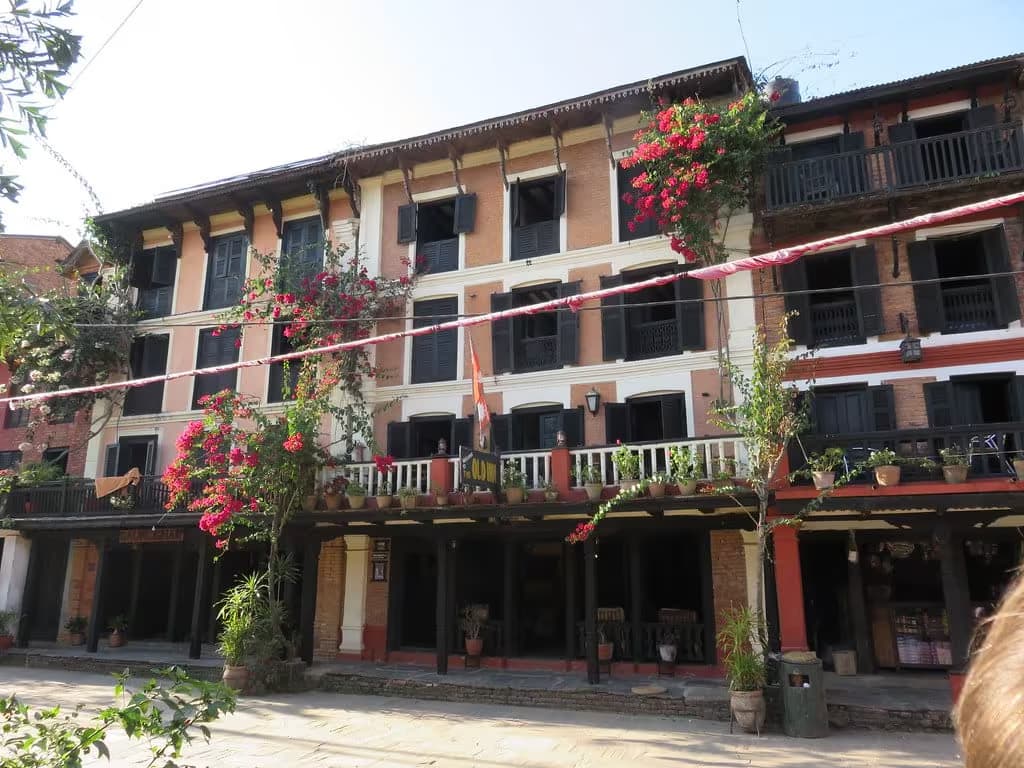
Bandipur
A Newar trading settlement far west of the Valley that kept the festival
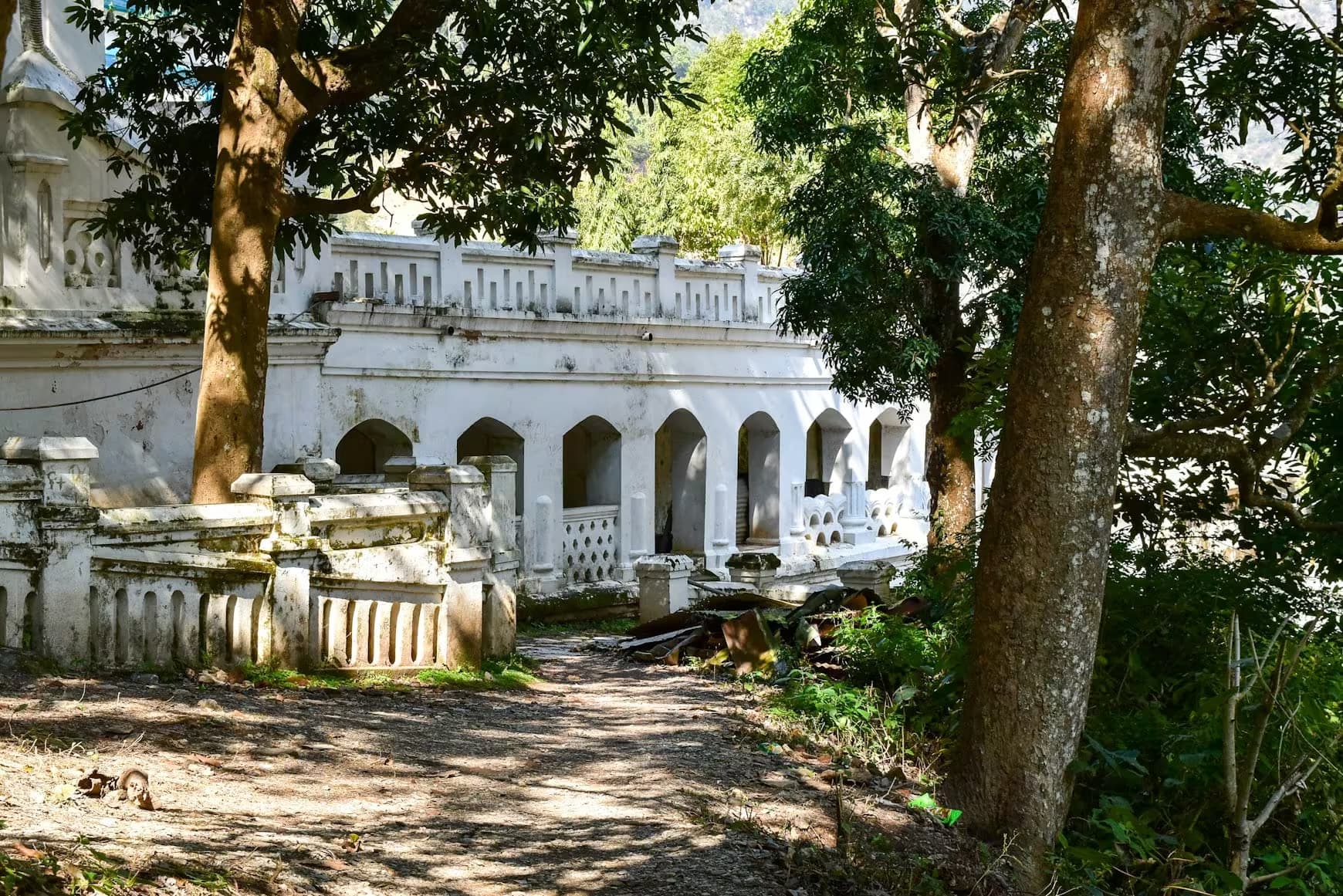
Tansen (Palpa)
Palpa's Newar bazaar raises its own effigies on the same night
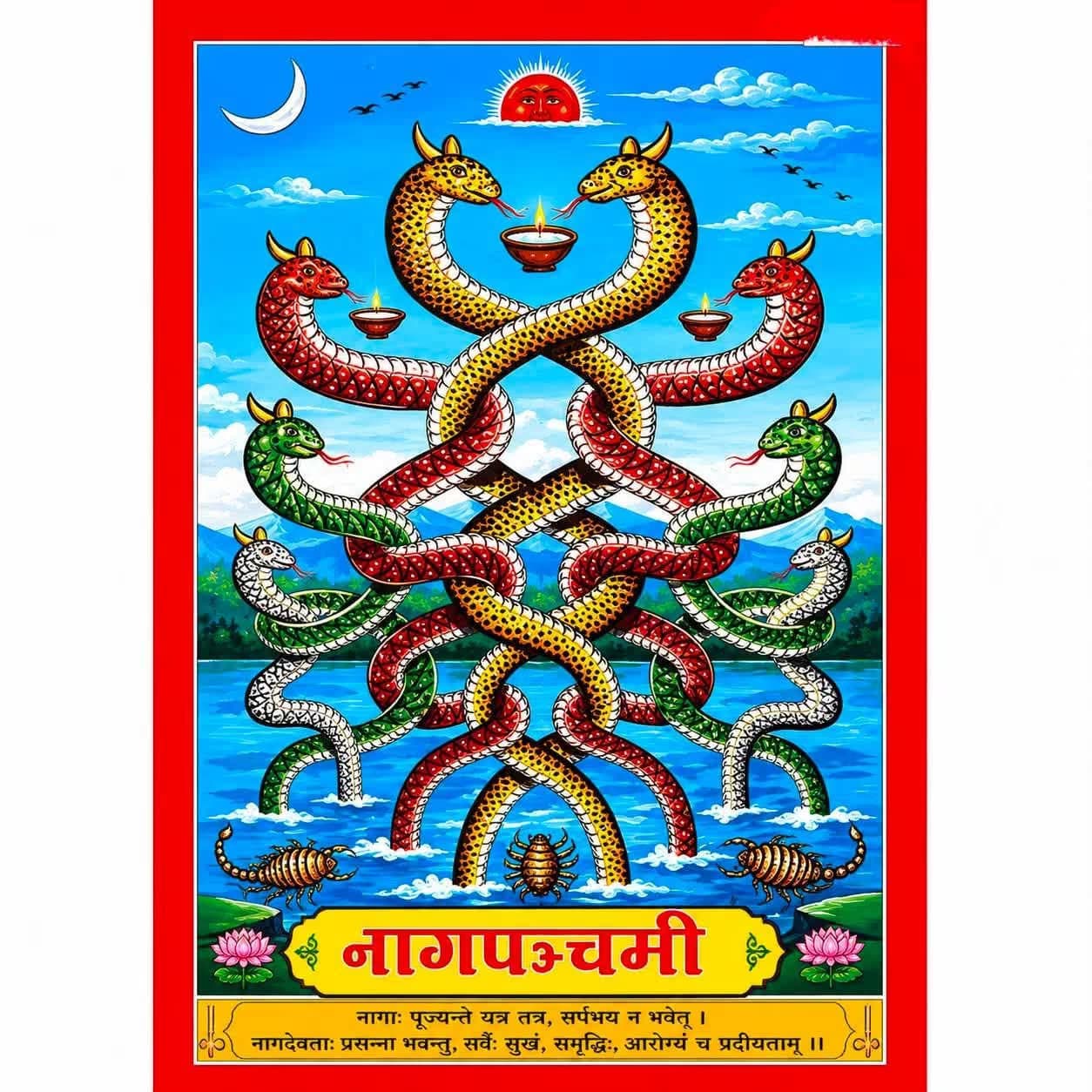
Nag Panchami
Nag Panchami follows about a week later in the monsoon run of Newar and Hindu observances
Elsewhere in this region
Help us get it right
Know Gathamuga: Charhe better than we do?
We write from research and reporting, and the ground changes faster than we can keep up. If something here is out of date, or you have been and would tell it differently, we would rather hear it.