While the effigy stands at the crossroads, the houses put up their own protection, and it is made of iron.
A three-legged iron nail is hammered above the doorway of the house. People buy and wear an iron ring, which is meant to stay on the finger until the following year's Gathamuga: Charhe — so the rings you see on hands in the Kathmandu Valley at any time of year were mostly put on during one of these nights. Both are against the spirits believed to be abroad on this one night.
Stalls selling the rings appear around temples and in the market squares in the days beforehand, and they are cheap.
This is the most quietly interesting part of the festival, because it is among the very few Newar rituals still bought and performed by people who would not describe themselves as religious. The effigy is a community event and has an audience; the ring is a private hedge. A great many people who would shrug at the demon still put one on.
Related
Connected places and entries worth pairing
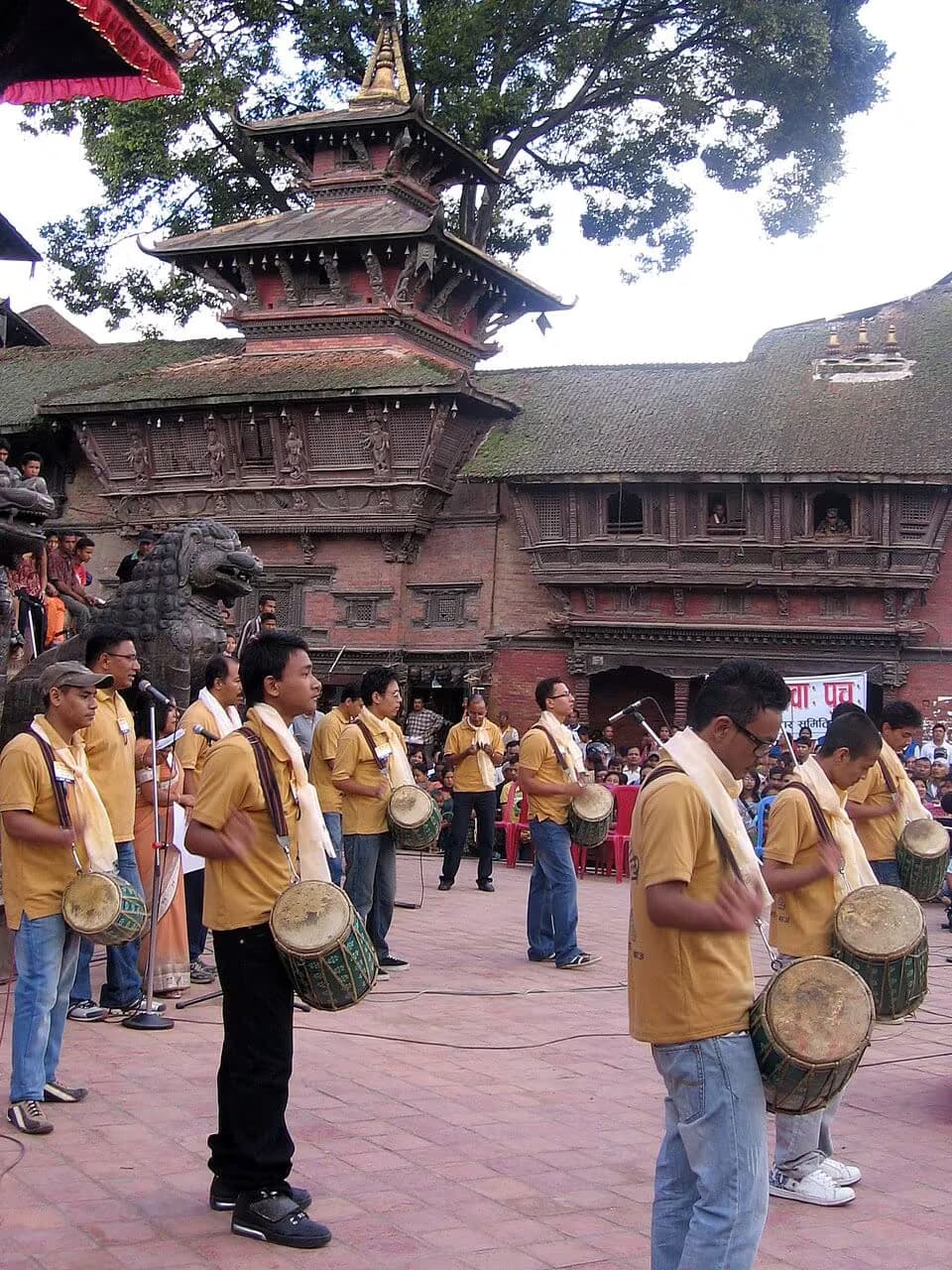
Gunla
Gunla, the Newar Buddhist holy month, begins two days after the demon is burned
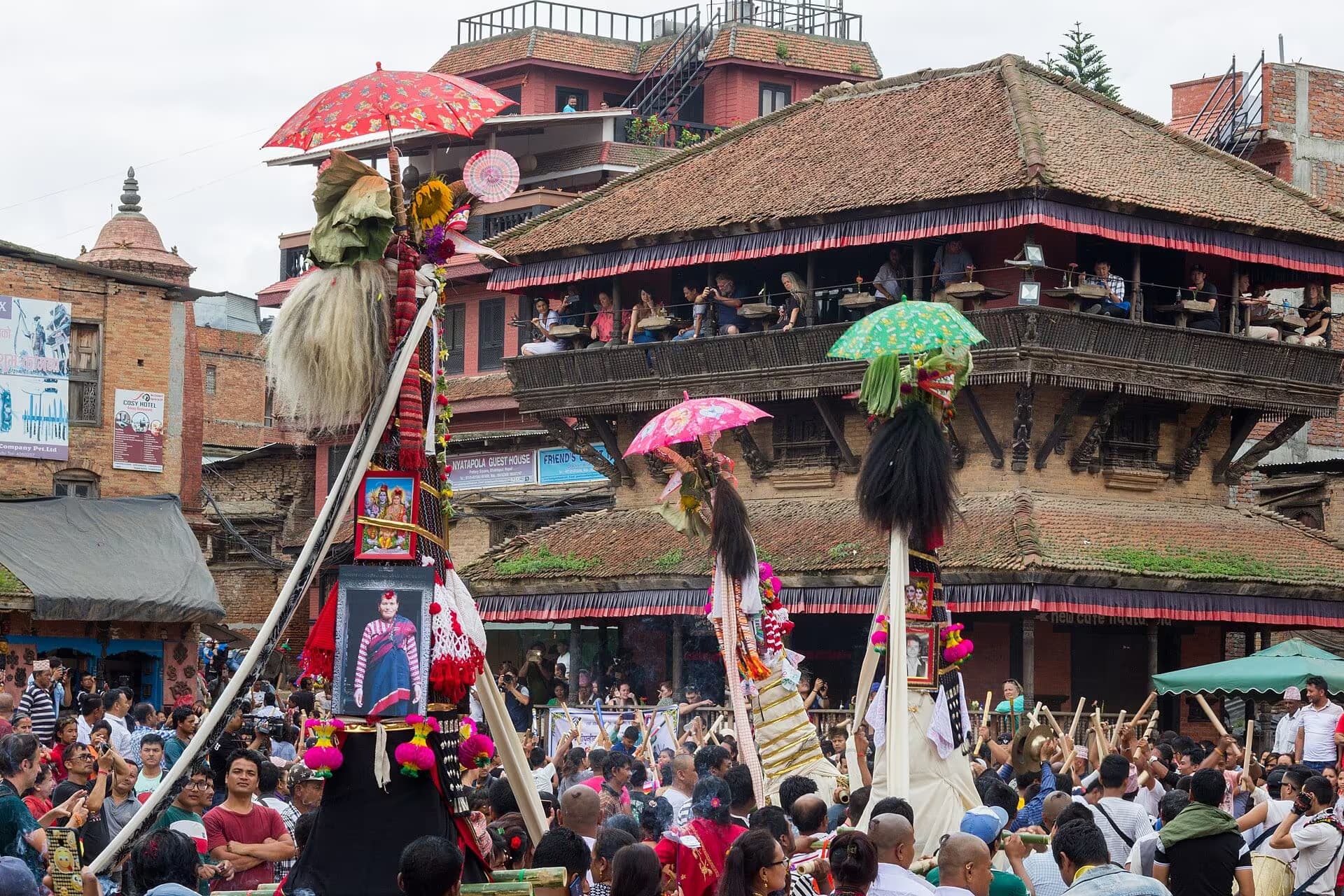
Gai Jatra
Charhe opens the festival season that runs on through Sa Paru

Sithi Nakha
The valley's other Newar cleaning festival — water sources in Jestha, houses in Shrawan

Bhaktapur Durbar Square
Bhaktapur's toles build the tallest and most competitive effigies
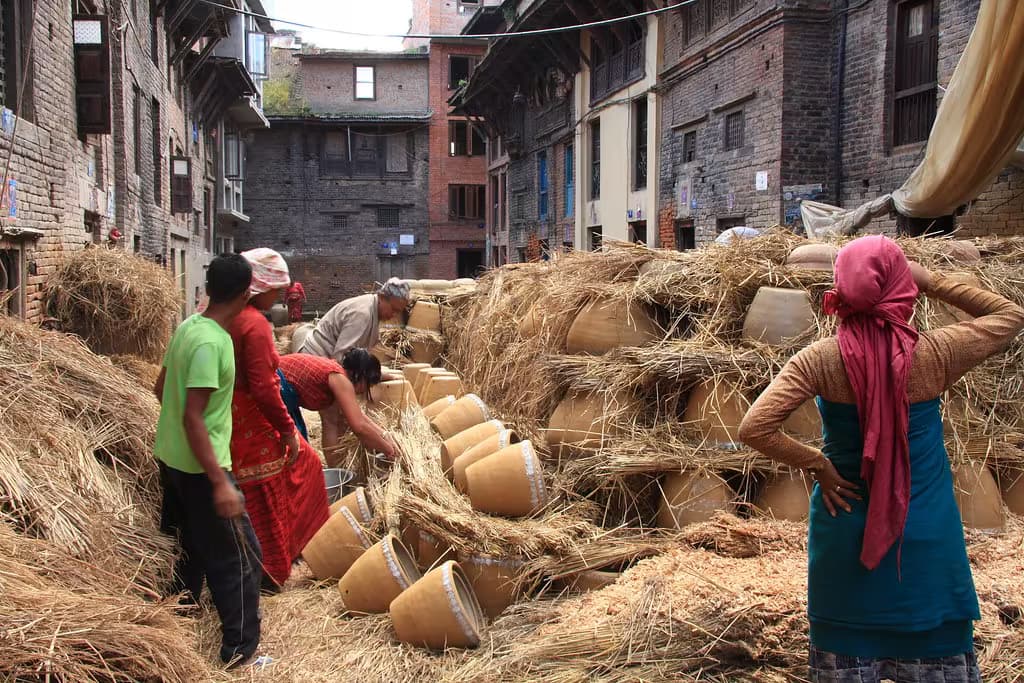
Thimi
Thimi and neighbouring Bode keep the night vividly
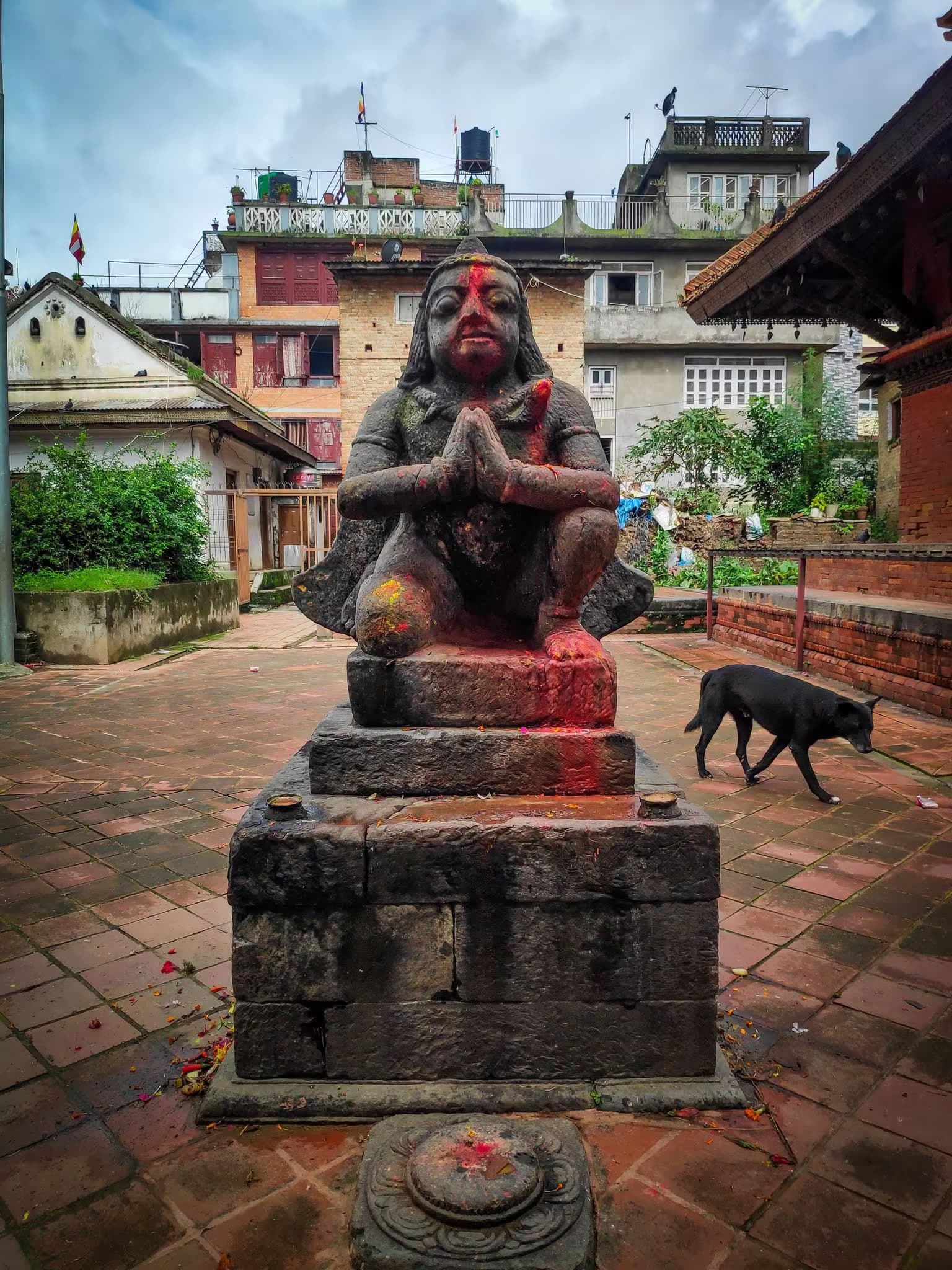
Banepa
A Newar bazaar town on the old Tibet road — the effigies go up here too
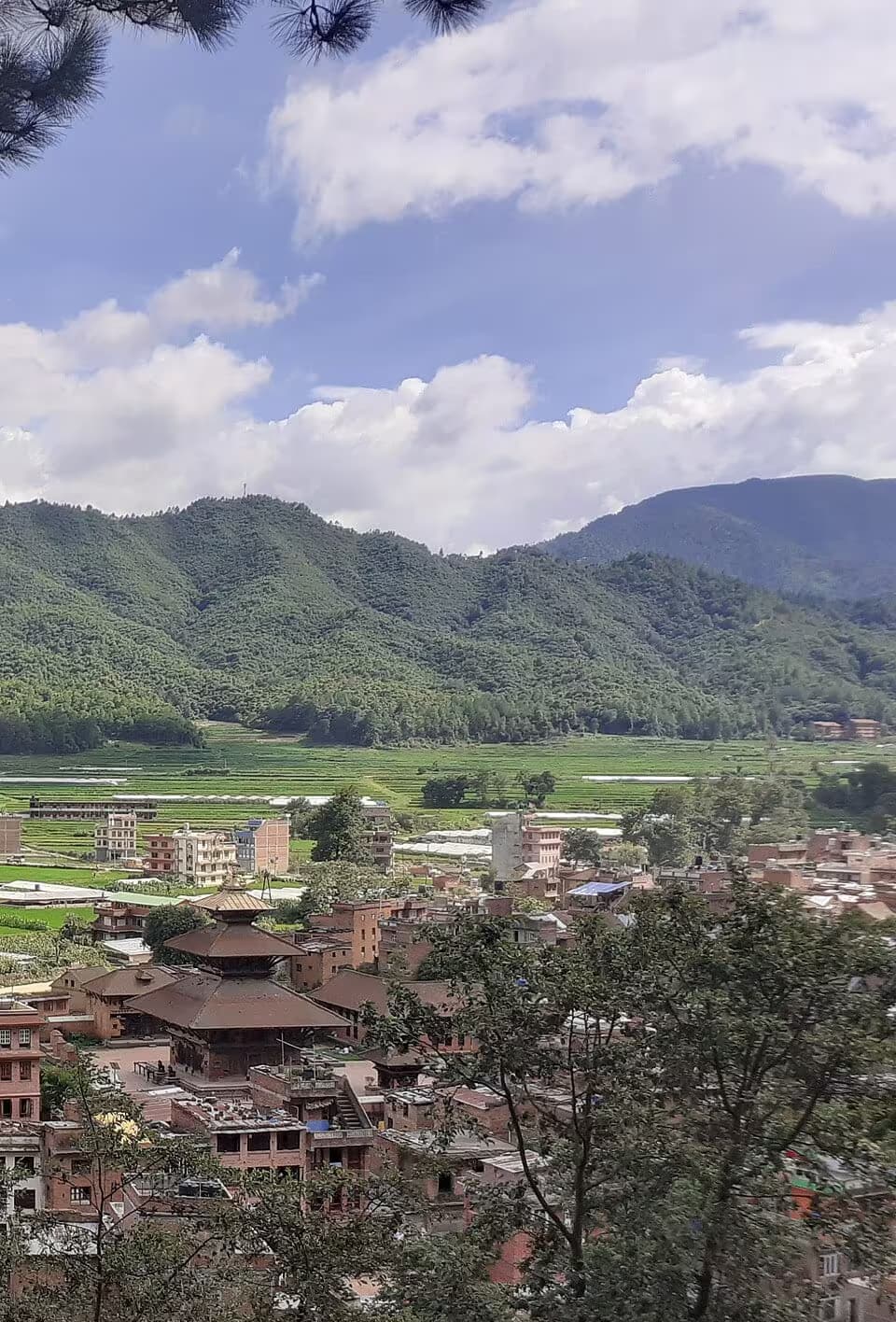
Panauti
Observed in Panauti's toles, on a smaller scale than the Valley's
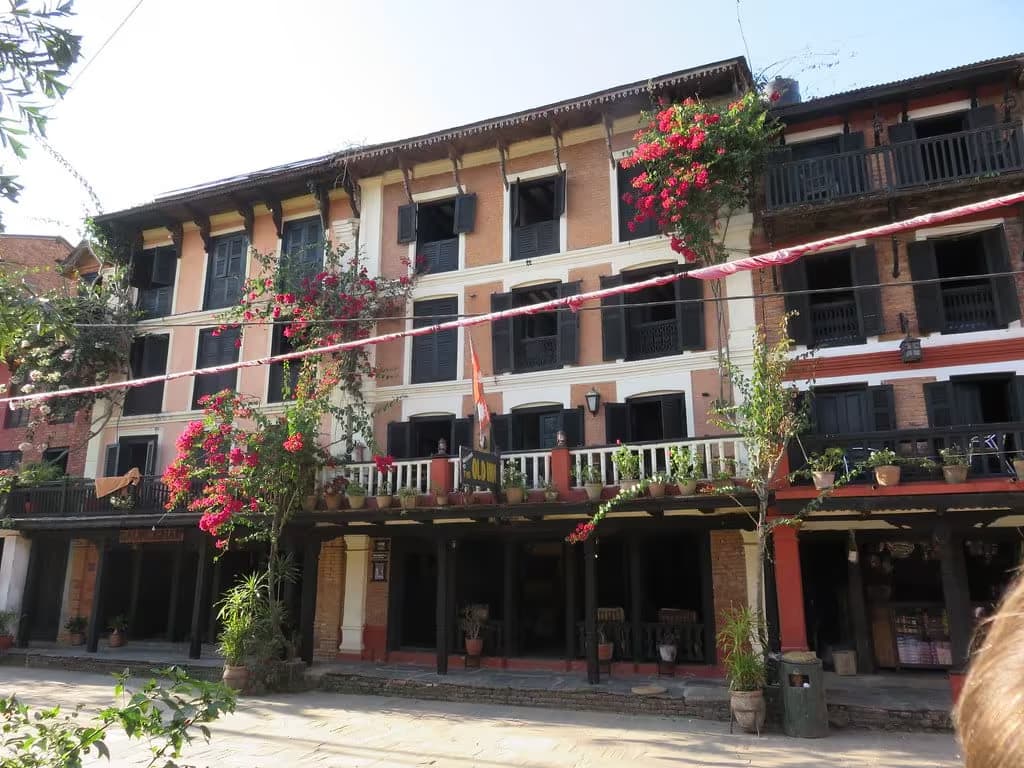
Bandipur
A Newar trading settlement far west of the Valley that kept the festival
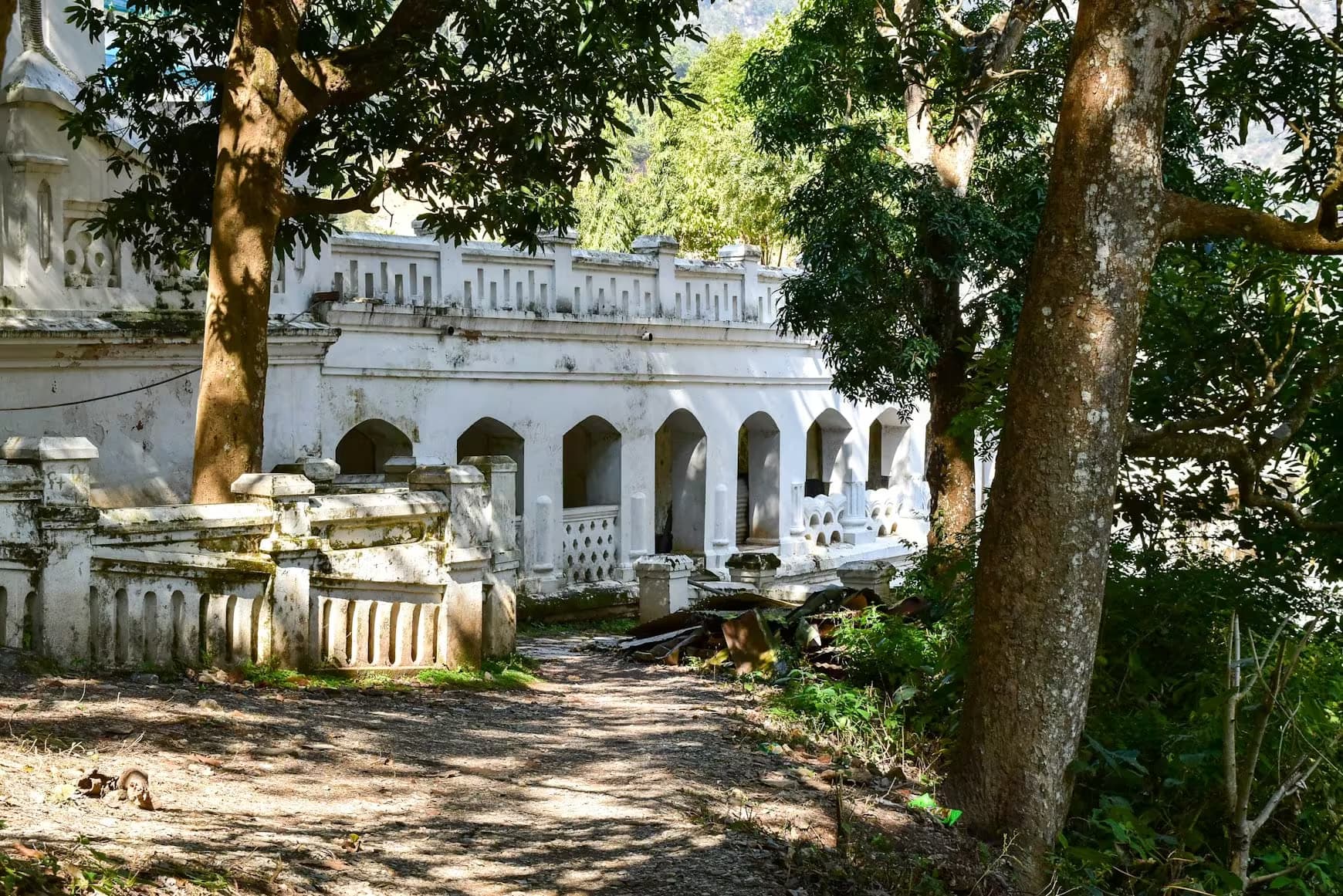
Tansen (Palpa)
Palpa's Newar bazaar raises its own effigies on the same night
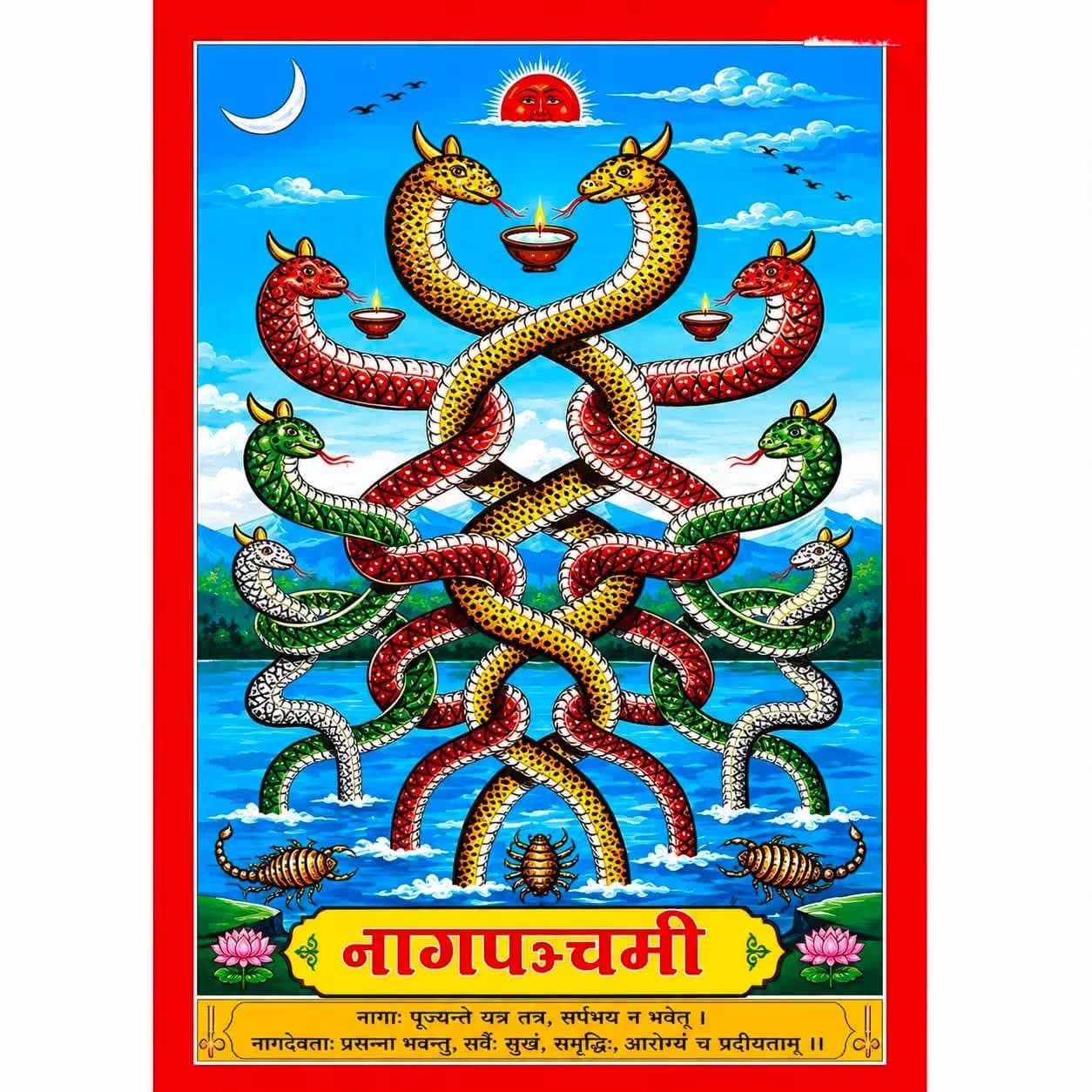
Nag Panchami
Nag Panchami follows about a week later in the monsoon run of Newar and Hindu observances
Characters
Rituals & Ceremonies
Part of Gathamuga: Charhe