Janai Purnima
जनै पूर्णिमा
Also known as: Gunhu Punhi, Kwati Punhi, Shrawan Purnima, Raksha Bandhan, Rishi Tarpani, Rakhi
The full moon of Shrawan, when men who wear the janai renew it, everyone else is tied a protective doro on the wrist, and Newar households eat kwati — centred on the sacred Kumbheshwar lake in Patan.
Location
Kumbheshwar Temple, Patan; Pashupatinath; valley-wide
Duration
1 days
Month (Local)
Shrawan
Month (AD)
July/August
Highlights
Renewal of the janai sacred thread, across the many communities that keep the rite. Ritual bathing at Kumbheshwar lake (proxy for Gosainkunda). Sadhus gathering at Kumbheshwar temple. Doro and rakhi thread-tying across the valley, for everyone. Kwati, the nine-bean soup cooked only on this day. Convergence of Hindu and Newar Buddhist observance during Gunla month.
Tips for Visitors
Kumbheshwar temple in Patan is the focal point — arrive by 7–8 AM to see the bathing rituals at their most intense. The sacred lake is small but the surrounding temple complex is architecturally extraordinary. Pashupatinath ghats are also active. Vendors sell rakhi threads everywhere; buying one is a normal part of the day.
Janai Purnima (also called Shrawan Purnima or Raksha Bandhan) falls on the full moon of Shrawan — one of the most important ritual days in the Nepali Hindu and Newar Buddhist calendar.
The janai is the sacred thread a man receives at his initiation, and this is the day it is renewed — the old thread cut away and a new one put on after bathing, fasting and recitation. It is worn across a great many of Nepal's communities rather than by any one of them: Khas Bahun and Chhetri, Newar families who keep the rite in Kathmandu, Patan and Bhaktapur, and Maithili, Bhojpuri and Awadhi households throughout the Tarai, each with its own priestly tradition and its own form of the ceremony. Alongside it, priests and family members tie a protective thread — the raksha bandhan or doro — around the wrist of anyone who comes for one, thread-wearer or not, which is what makes the day a genuinely shared one. The doro is traditionally kept on until Tihar months later, then tied to the tail of a cow.
The festival's most spectacular expression is at Kumbheshwar temple in Patan, where a sacred lake is believed to be connected underground to the holy lake at Gosainkunda. Pilgrims who cannot make the high-altitude journey to Gosainkunda can bathe at Kumbheshwar and receive equivalent merit. The temple complex fills with thousands of devotees bathing, receiving thread blessings, and making offerings. Sadhus (Hindu holy men) gather here in numbers seen at few other valley festivals.
Newars know the day as Gunhu Punhi, or Kwati Punhi after the food, and it falls inside the holy month of Gunla, which gives it extra weight again. Every household eats kwati, a thick soup of nine sprouted beans cooked only on this day, and in the farming settlements a plate of it is carried out to the paddy fields and left for the frogs in thanks for the rain. Both traditions converge on the valley's sacred sites at once. The Bal Kumari and other neighborhood shrines also hold special ceremonies.
At Pashupatinath, large bathing rituals take place at the ghats on the Bagmati. Across the country, sisters tie rakhi threads on their brothers' wrists as part of the sibling-bond dimension of the festival.
Related
Connected places and entries worth pairing
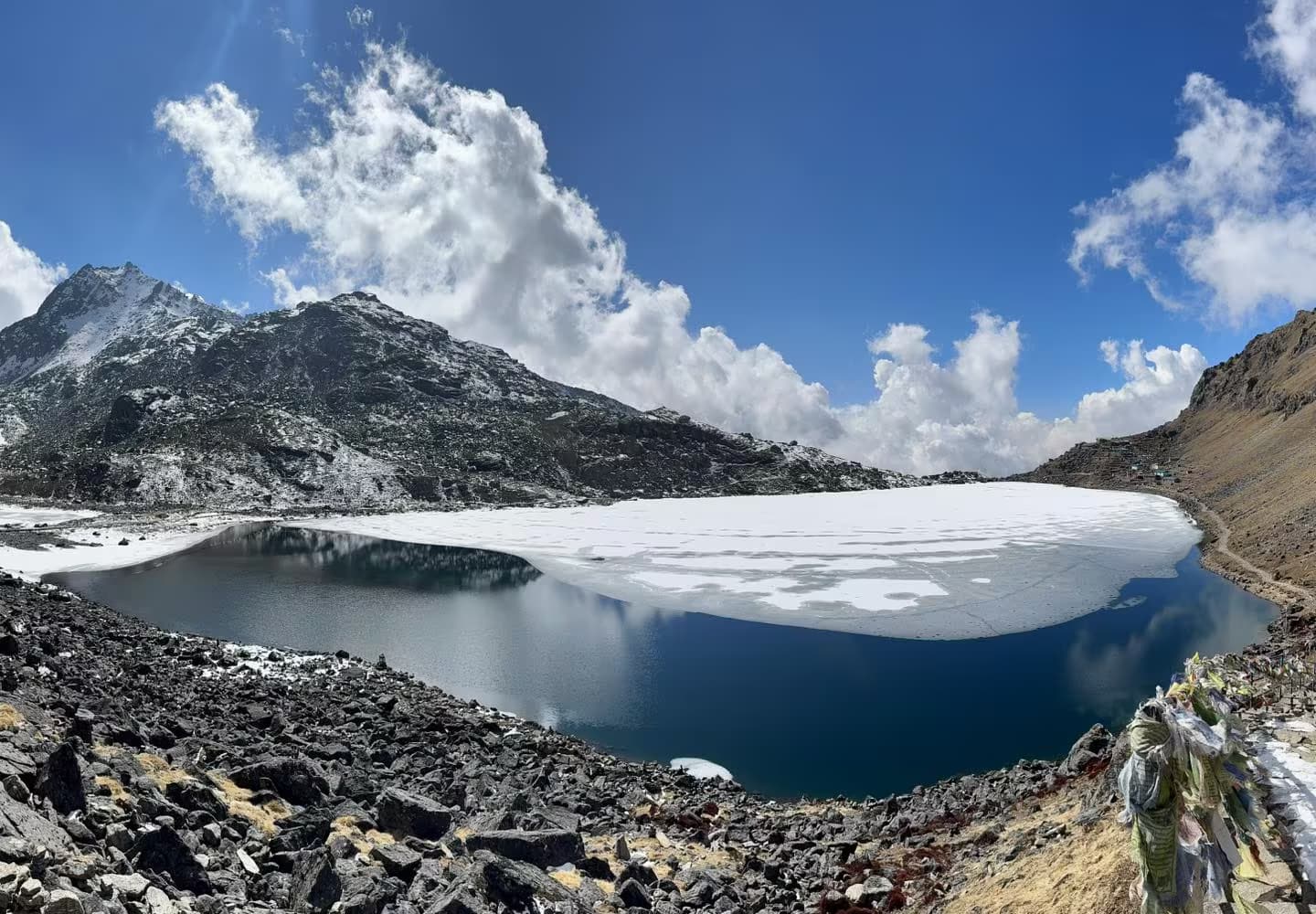
Gosaikunda
Gosaikunda is the major high-altitude lake pilgrimage for Janai Purnima
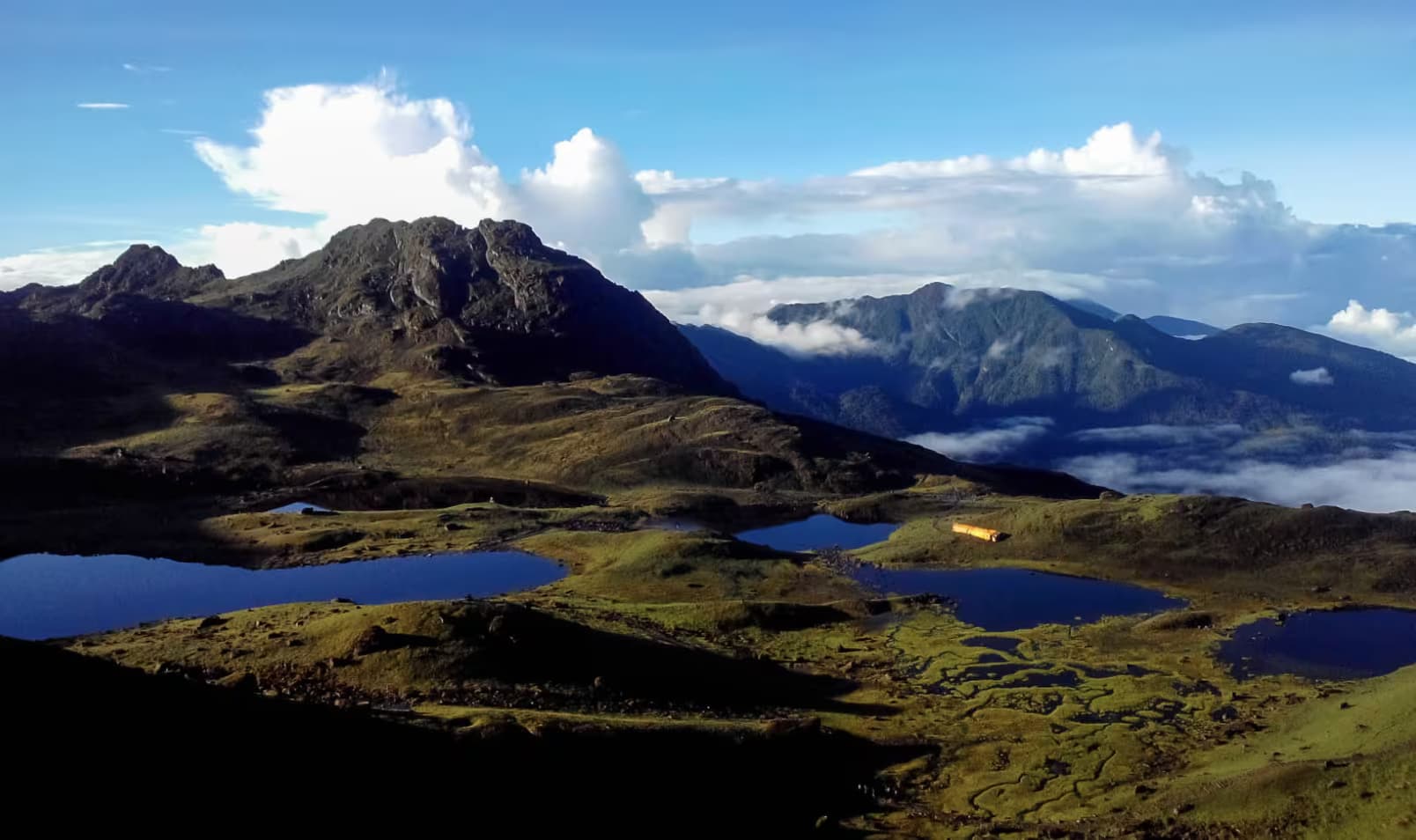
Panch Pokhari
Panch Pokhari also draws Janai Purnima pilgrims
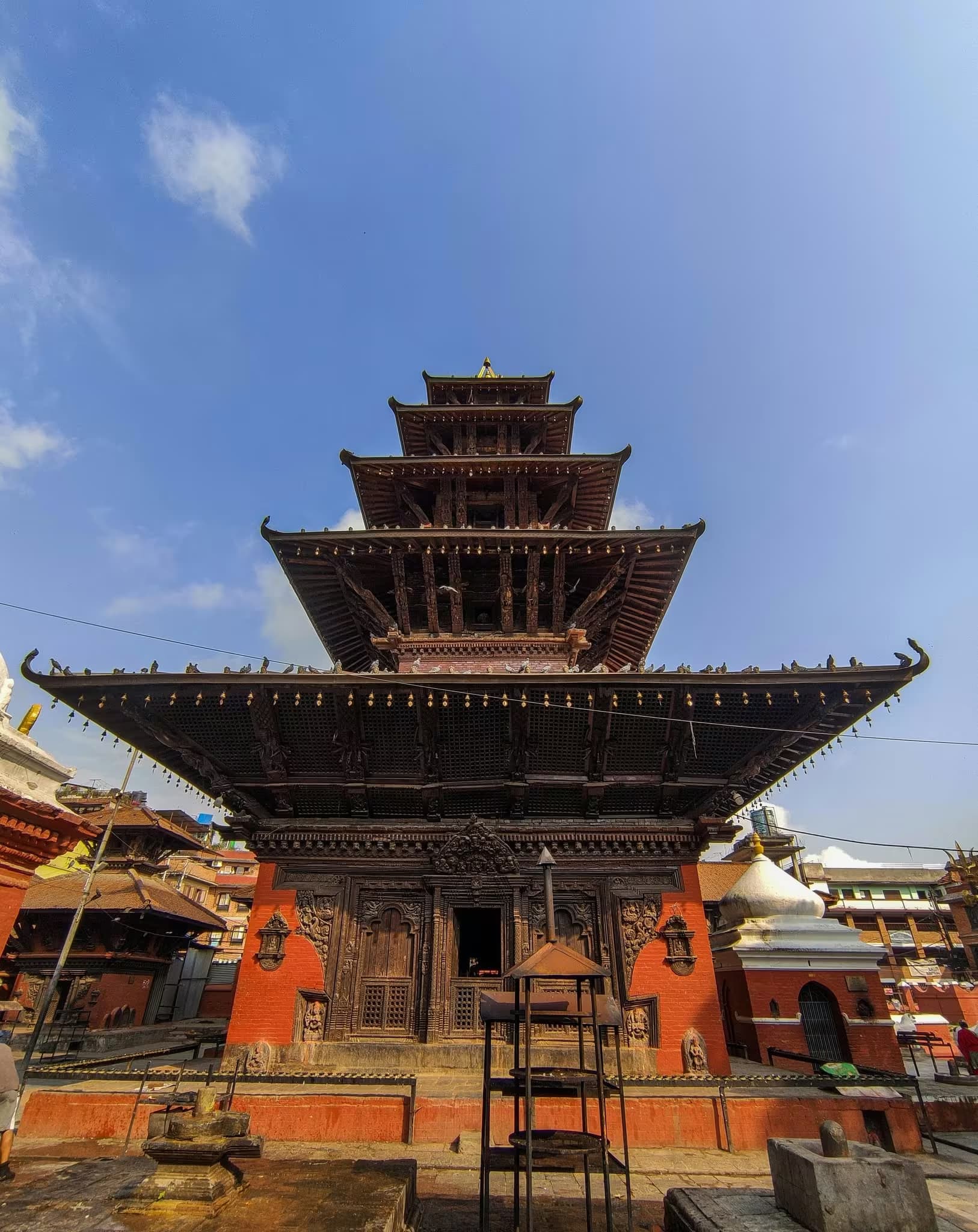
Kumbheshwar Temple
The tank at Kumbheshwar is the focal point of the day in Patan
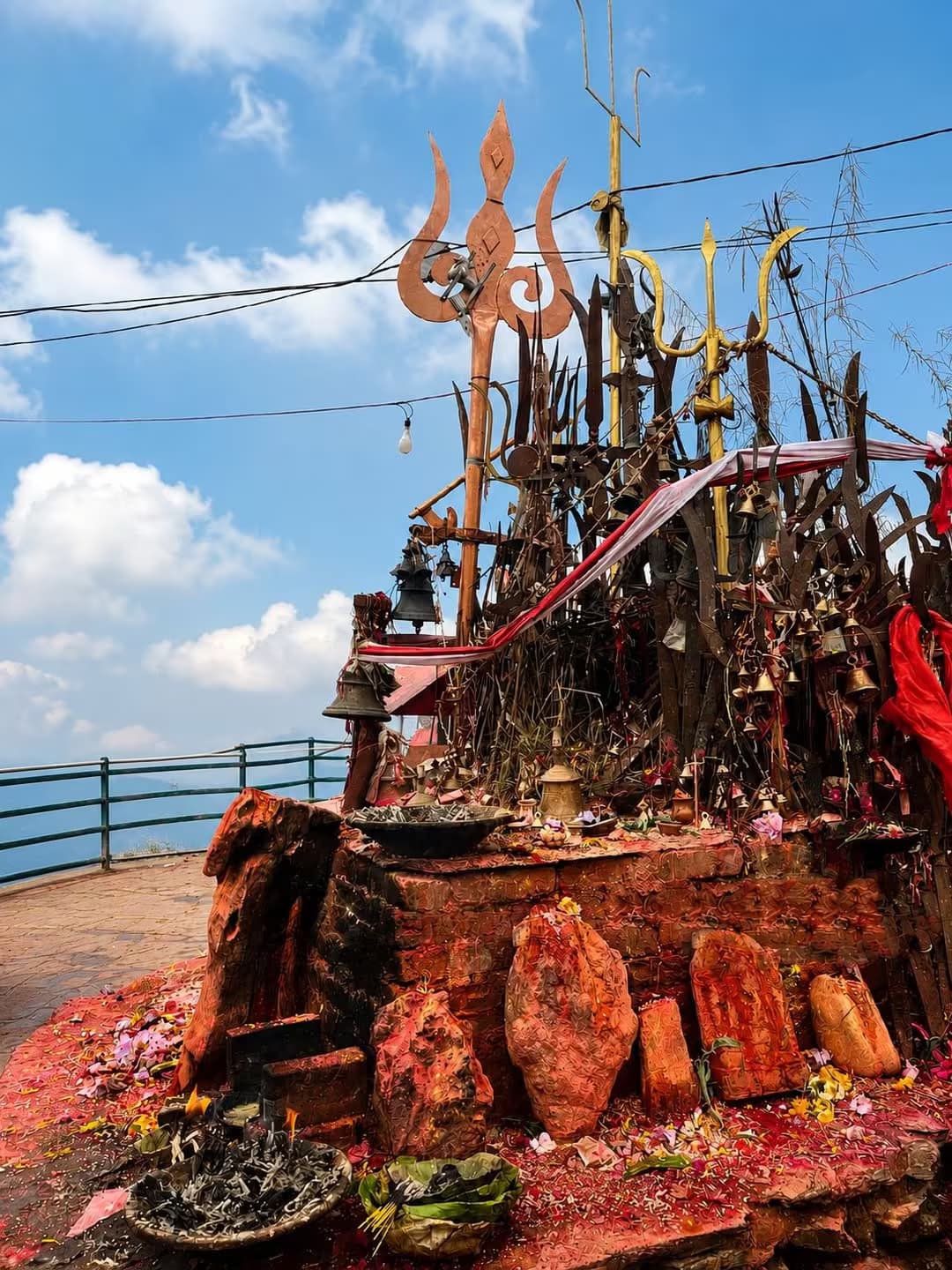
Kalinchowk Bhagwati
The Dolakha summit shrine and kunda where the full moon draws its own bathing pilgrimage
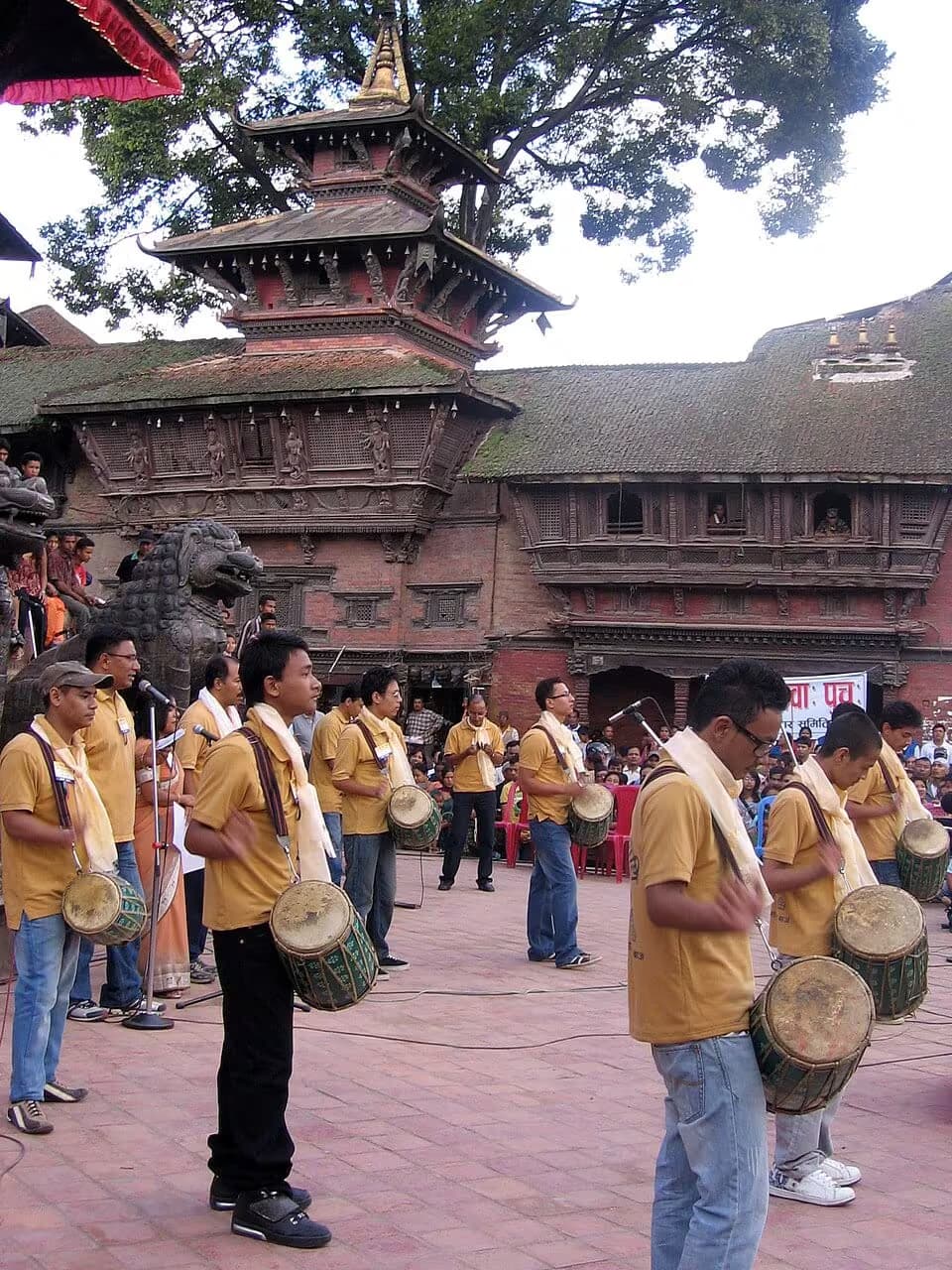
Gunla
The day is the full moon of the Newar Buddhist holy month
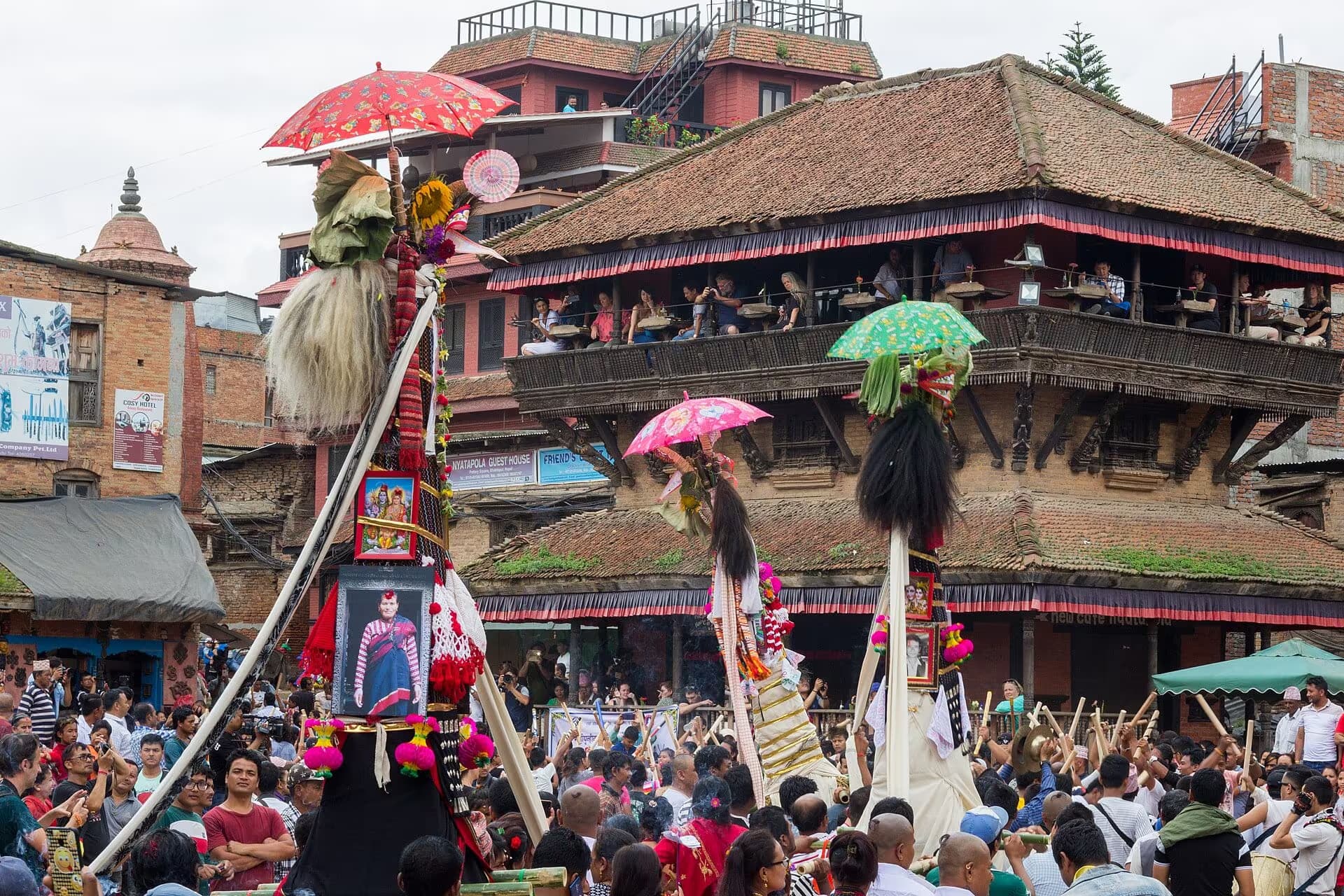
Gai Jatra
Sa Paru follows the next day
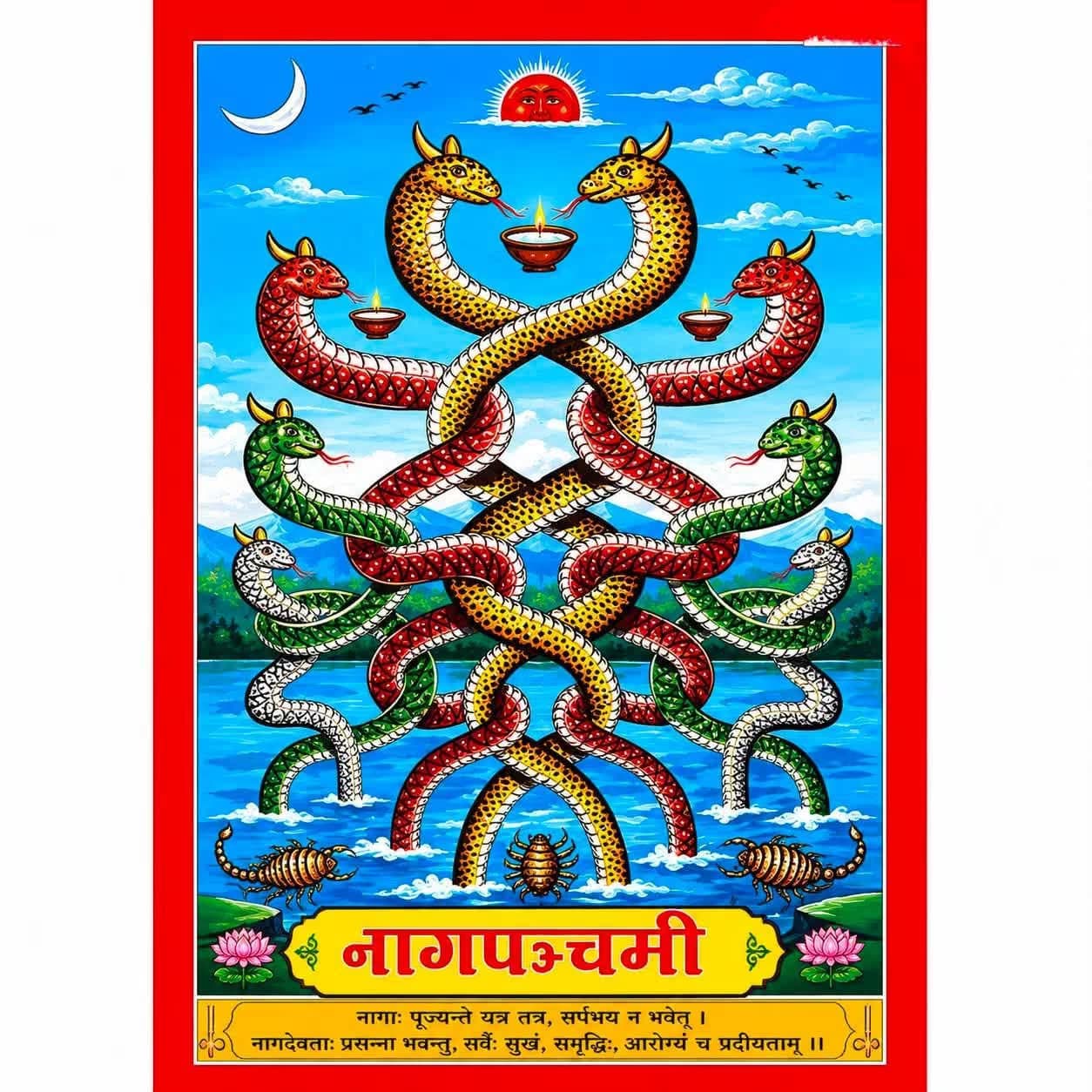
Nag Panchami
Serpent worship ten days earlier, in the same Shrawan cluster
Guides that feature this place
Elsewhere in this region
Help us get it right
Know Janai Purnima better than we do?
We write from research and reporting, and the ground changes faster than we can keep up. If something here is out of date, or you have been and would tell it differently, we would rather hear it.