Bahals of Kathmandu
23 ancient Buddhist monastery courtyards in Kathmandu
Kathmandu has the densest concentration of bahals in the valley, hidden behind bazaar lanes around Asan, Kel Tole, Itum Bahal and the old royal core.
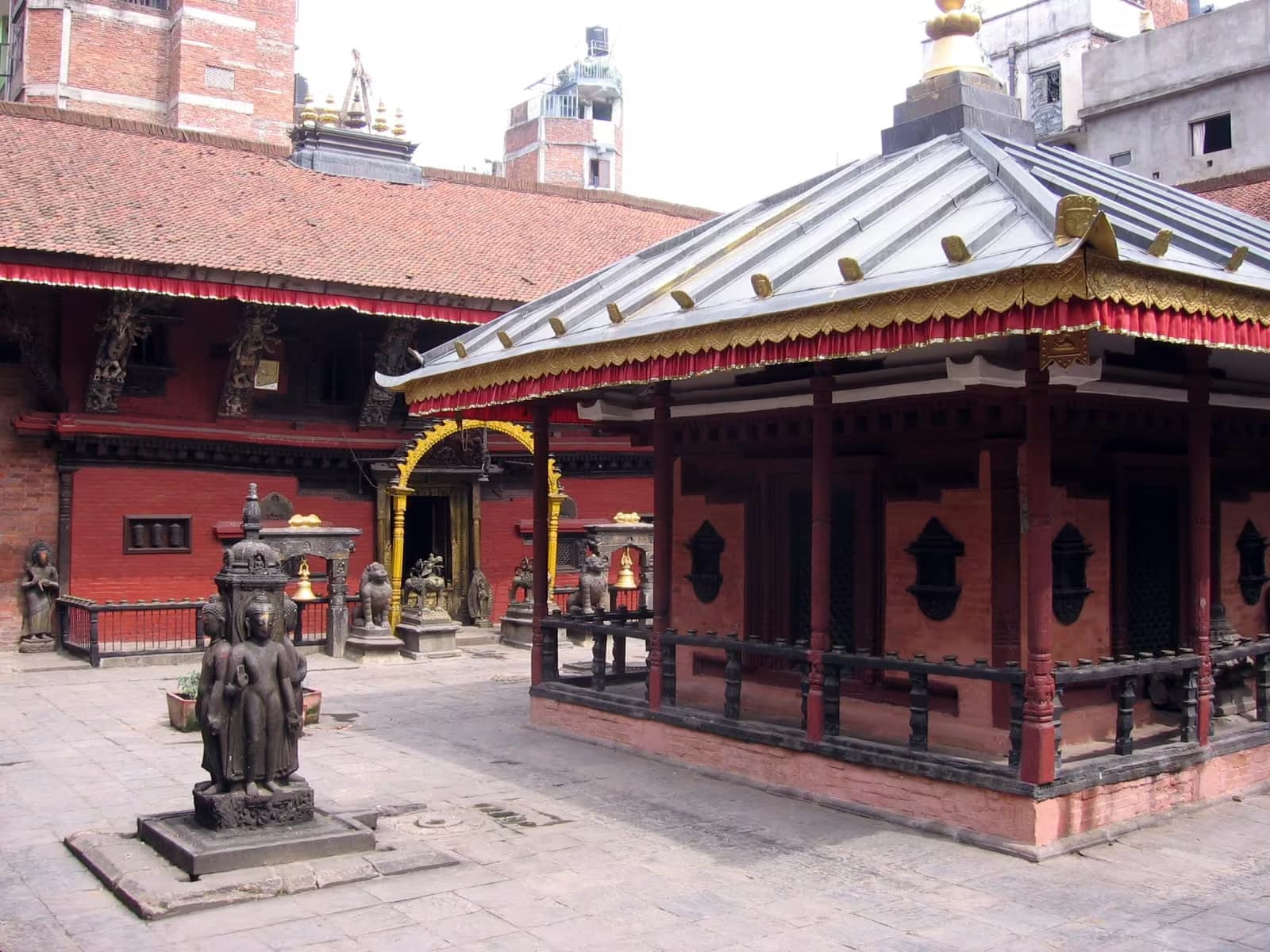
Itum Bahal (Keshchandra Mahavihar)
इटुम बहाल
Kathmandu's largest Buddhist monastery complex with hidden courtyards, brass plaques depicting the Gurumapa legend, and a golden window relic.
Between Thamel and Durbar Square, Old Kathmandu
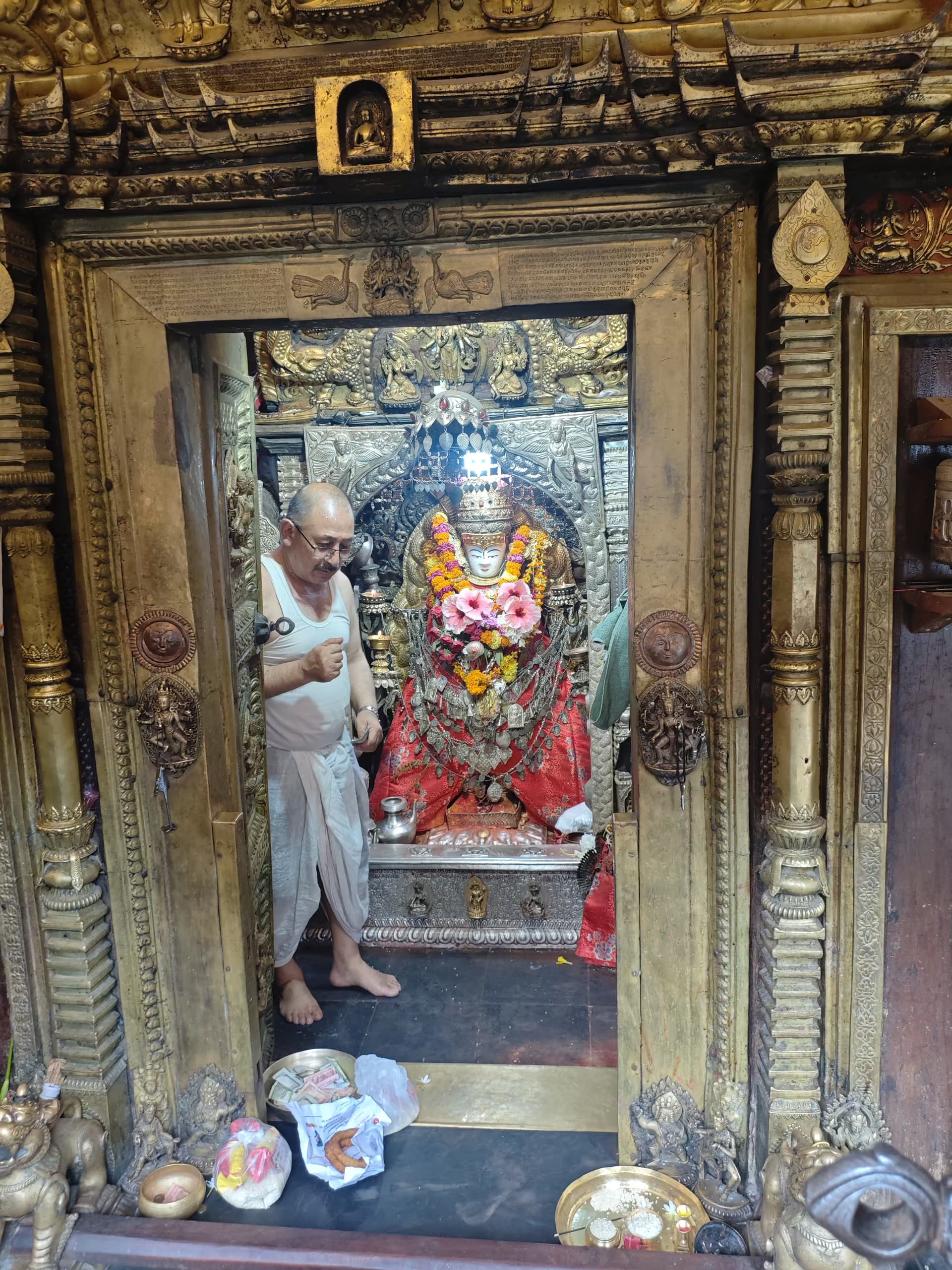
Jana Bahal (Seto Machhindranath Temple)
जनबहाल
A 10th-century 'living bahal' housing the White Machhindranath, worshipped as Avalokiteshvara by Buddhists and Machhindranath by Hindus — the finest example of Valley syncretism.
Keltole, between Asan and Indra Chowk
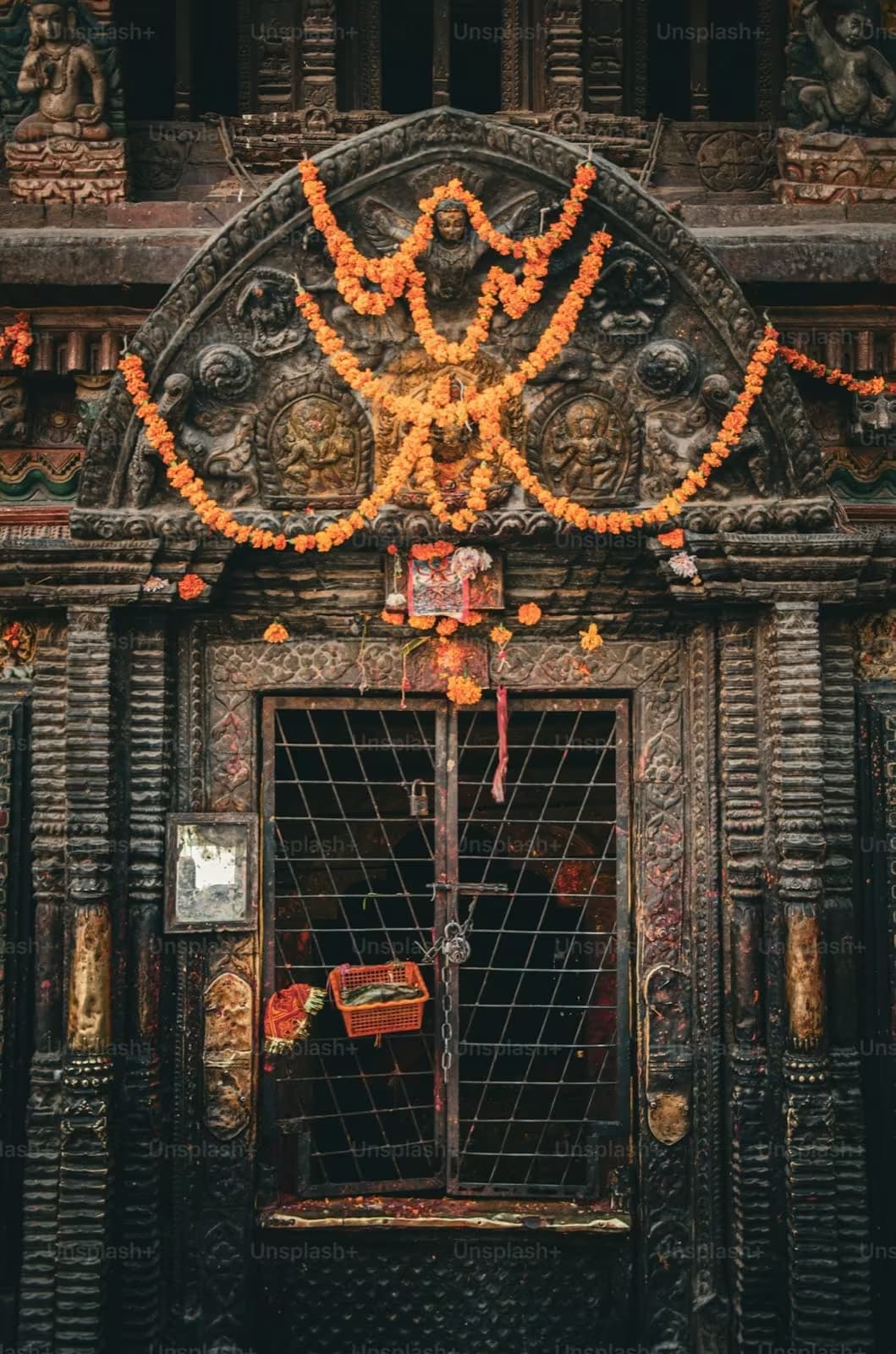
Musum Bahal (Manisingha Mahavihar)
मुसुम बहाल
A unique 'double bahal' in old Kathmandu with inner and outer courtyards, each counted as separate mahavihars, and an active center of Vajrayana Buddhist learning.
Kwane Puin, downtown Old Kathmandu
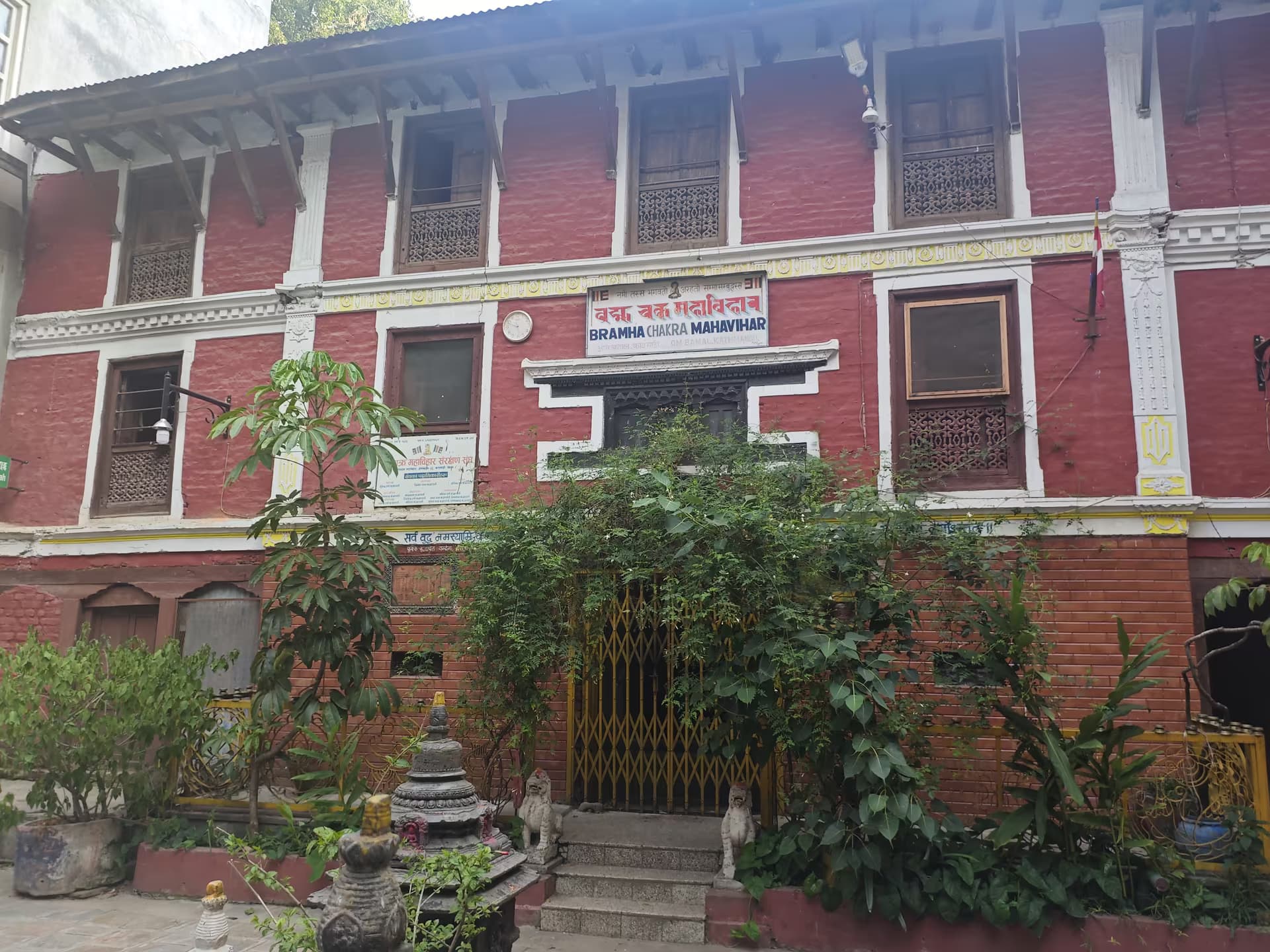
Om Bahal (Brahmachakra Mahavihar)
ओम बहाल
One of the 18 principal mahavihars of Kathmandu, the 'Wheel of Creation Monastery' lends its name to the surrounding neighborhood.
Om Bahal, Kwane Puin, Old Kathmandu
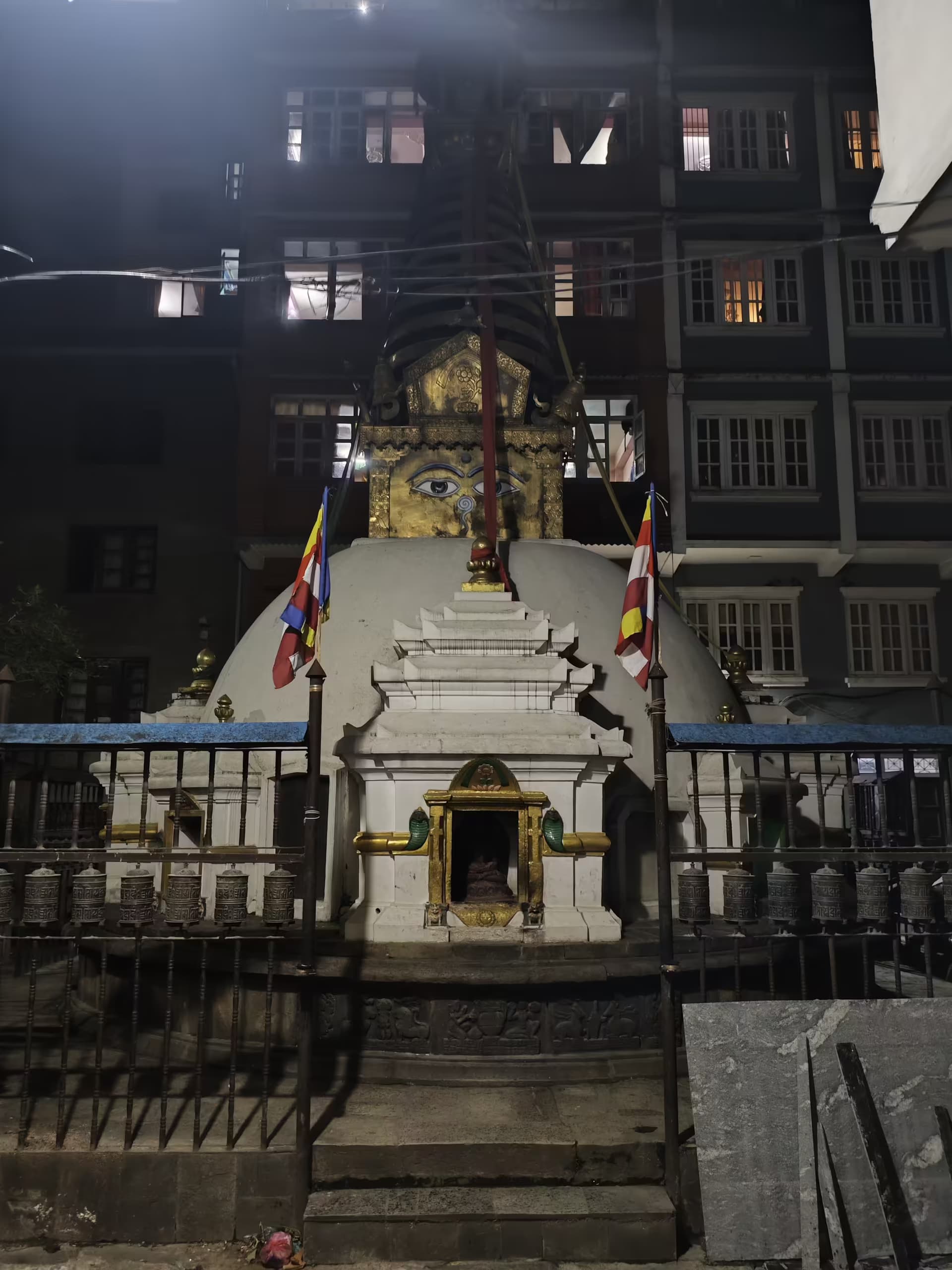
Tukan Bahal
तुकं बहाल
An old Newar Buddhist courtyard monastery at Hyumat Tole in inner Kathmandu, built by tradition as a 14th-century replica of the Swayambhu stupa.
Hyumat Tole near Jaisideval, inner Kathmandu
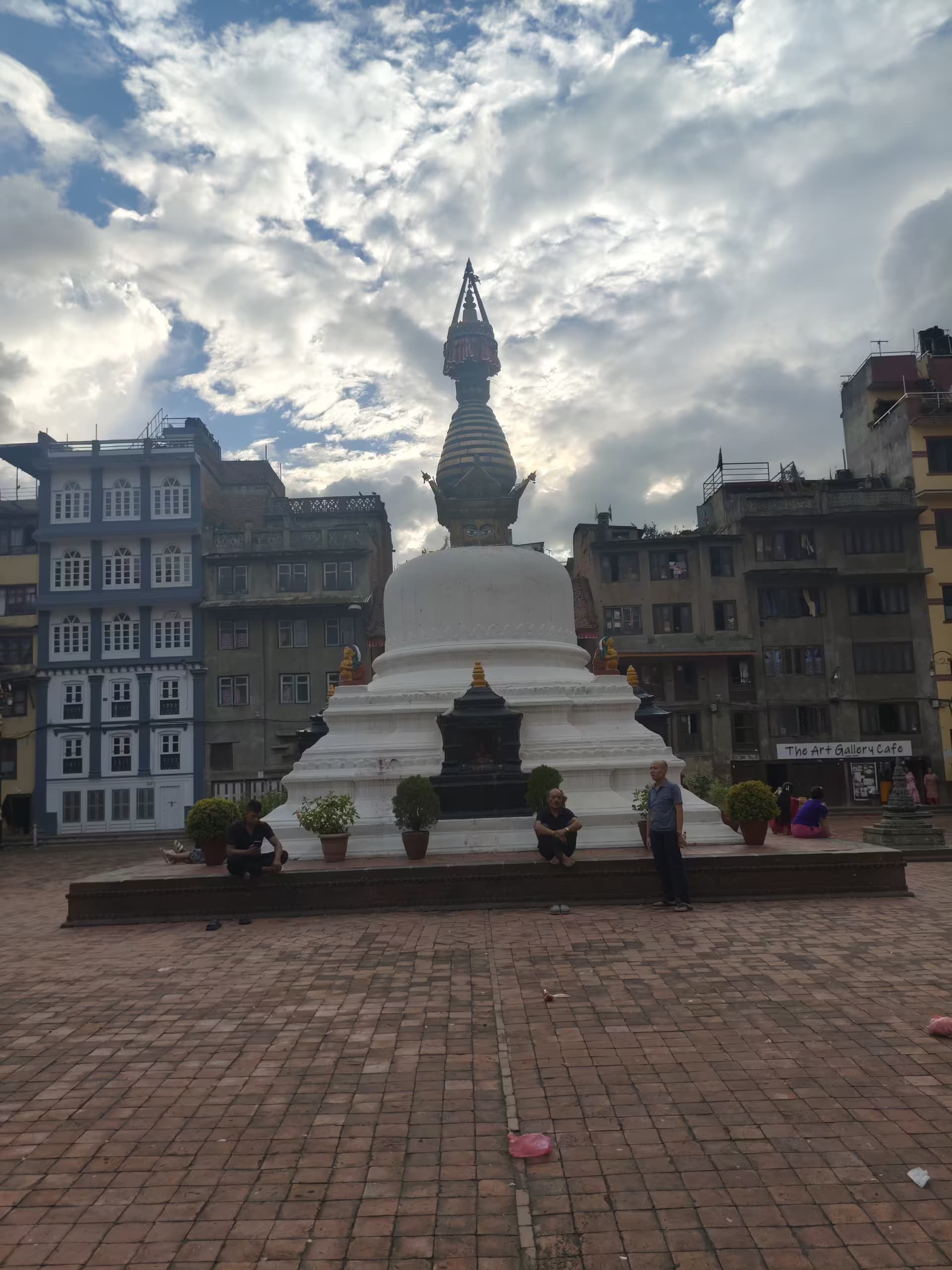
Yetakha Bahal (Bhaskarakirti Mahavihar)
यतखा बहाल
Home to the oldest known wooden torana in the Kathmandu Valley (radiocarbon-dated 900-1030 CE) and stunning yaksha struts — a vast monastery courtyard hiding in plain sight near Durbar Square.
Near Hanumandhoka Durbar Square, accessible via lane from Maju Dewal toward Naradevi
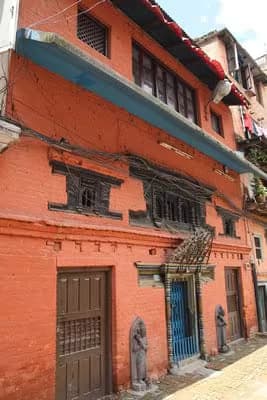
Te Bahal (Rajakirti Mahavihar)
टे बहाल
Kathmandu's largest open monastery courtyard, a Licchavi-era complex housing Buddhist shrines alongside Ganesh, Bhairav, and Matrika — a living museum of Valley syncretism.
Near New Road, Dathu Puin, Old Kathmandu
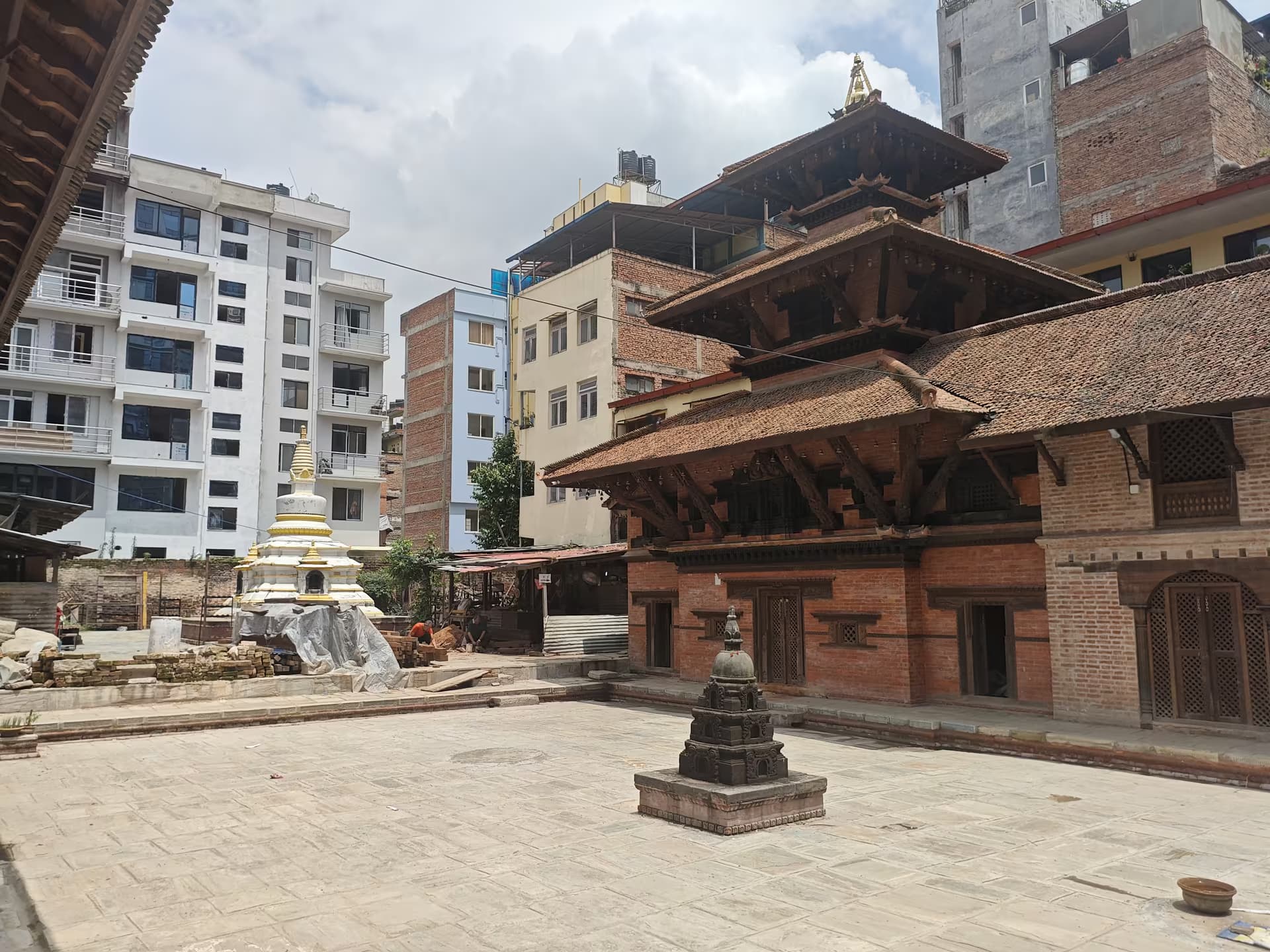
Bhagwan Bahal (Vikramashila Mahavihar)
भगवान बहाल
Claimed to be the oldest monastery in the Kathmandu Valley, rebuilt by the great Indian master Atisha in 1041 CE and home to a 7-foot gold statue and a priceless Prajnaparamita manuscript.
Thamel, central Kathmandu
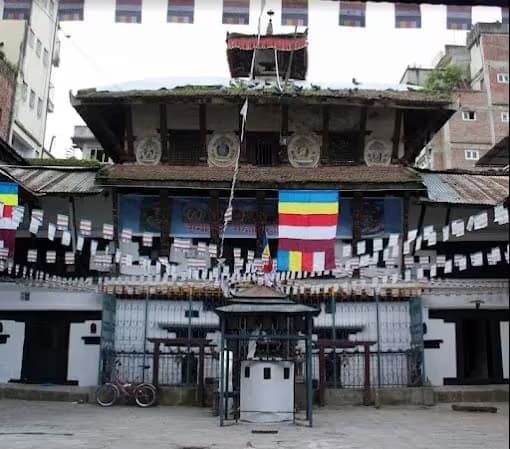
Kwa Bahal (Maitripur Mahavihar)
क्व बहाल
The 'mother bahal' of Kathmandu's 18 principal monasteries, home to Kwapa Dya — the presiding deity of the entire mahavihar network — and one of the Valley's oldest scholastic centers for Vajrayana Buddhism.
Kwathando, Thane Puin, Old Kathmandu
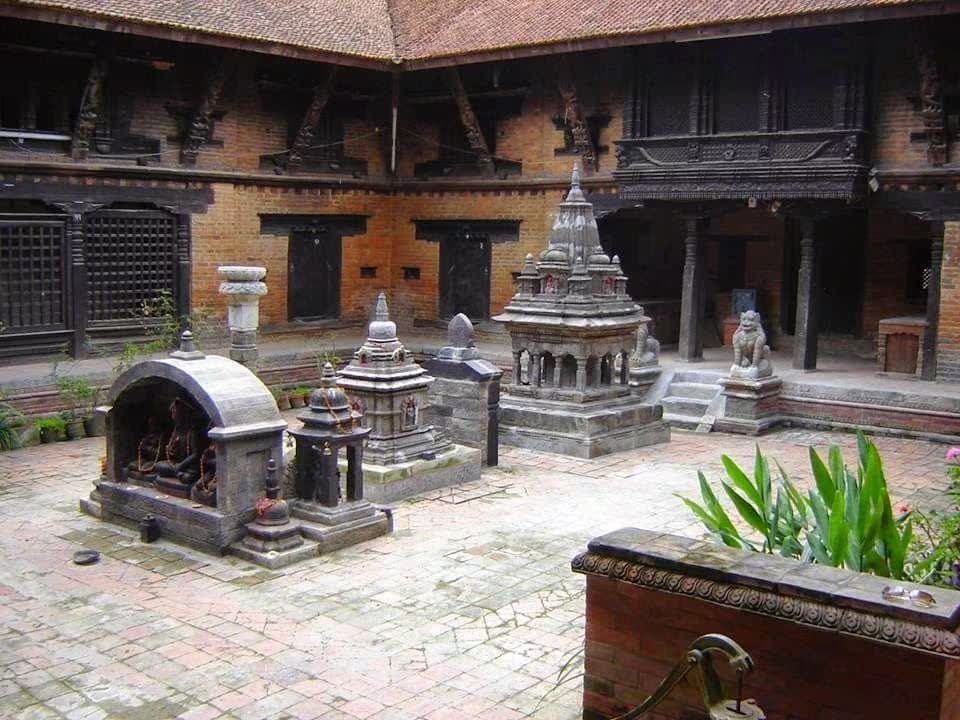
Chusya Bahal (Gunakar Mahavihar)
चुस्या बहाल
A well-preserved 1662 monastery built by a Nepal-Tibet trader, one of the finest surviving examples of traditional Newar Buddhist monastic architecture in Kathmandu.
Jyatha, near Kantipath
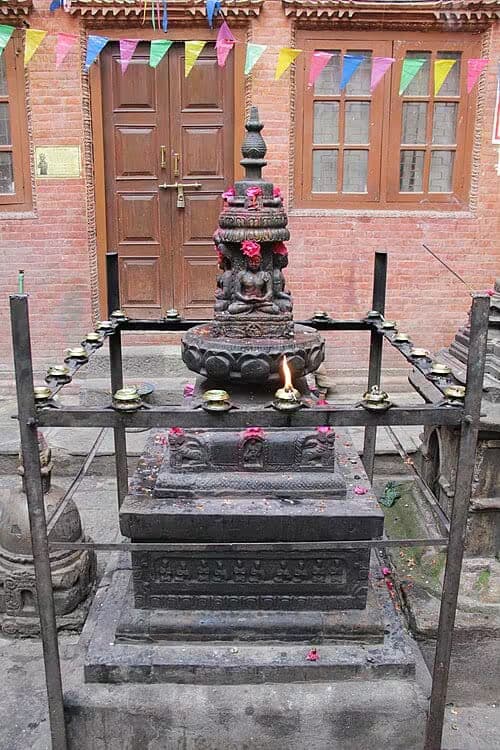
Sikhamu Bahal (Shreekhanda Tarumula Mahavihar)
सिखमु बहाल
The only bahal in Kathmandu's Durbar Square quarter, associated with the legendary teacher Lila Bajra Bajracharya — one of four masters who shaped Valley Buddhism.
Maru Tole, near Basantapur / Durbar Square
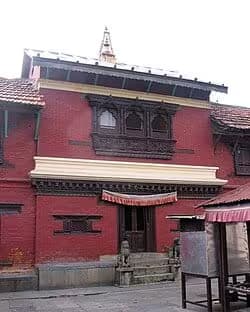
Kindo Bahal
किन्दो बहाल
A monastery at the foot of Swayambhunath hill that became the cradle of Nepal's Theravada Buddhist revival in the early 20th century, when monks defied government bans to teach.
Southern foot of Swayambhunath hill
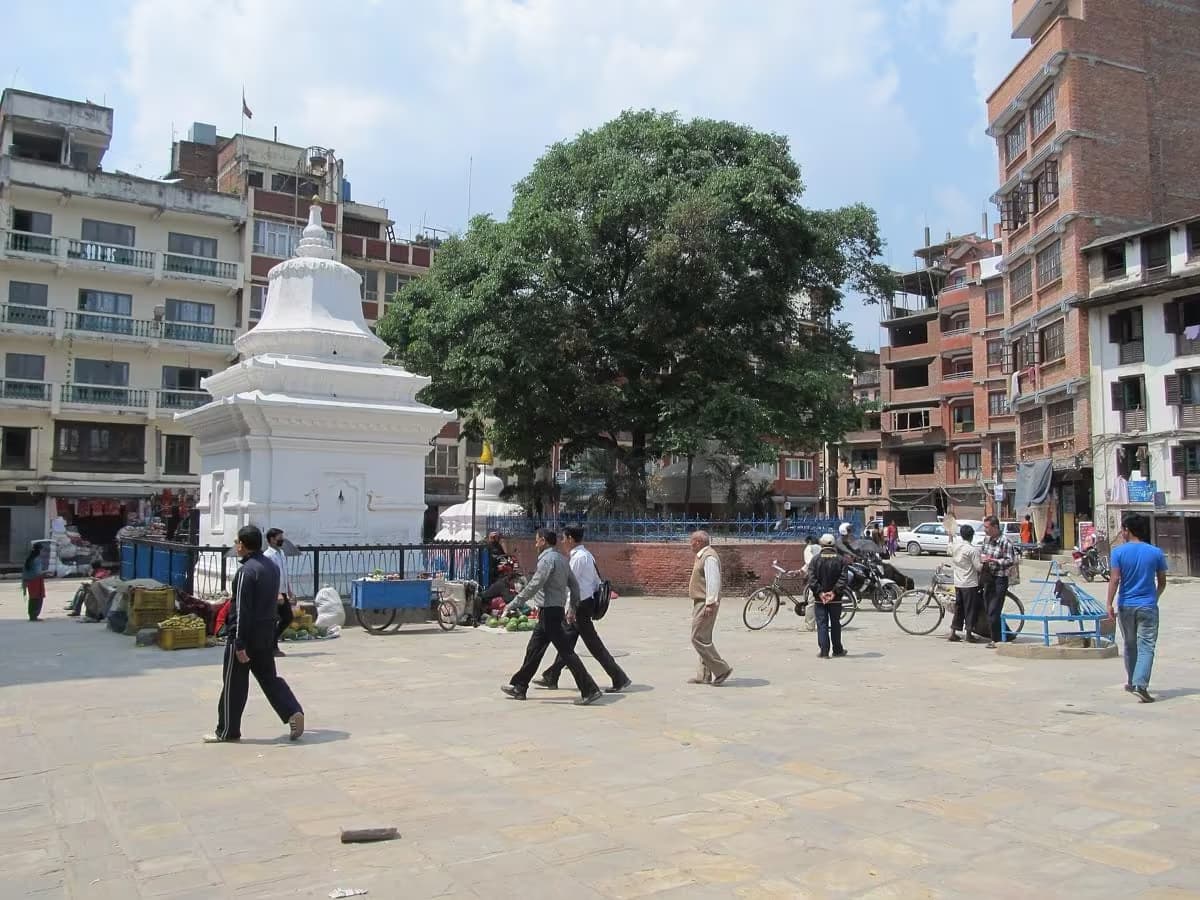
Lagan Bahal (Kirtipunya Mahavihar)
लगन बहाल
One of the 18 principal mahavihars of Kathmandu in the historic Lagan Tole quarter, notable for its ancient Ranjana script stone inscriptions.
Lagan Tole, Kwane Puin, Old Kathmandu
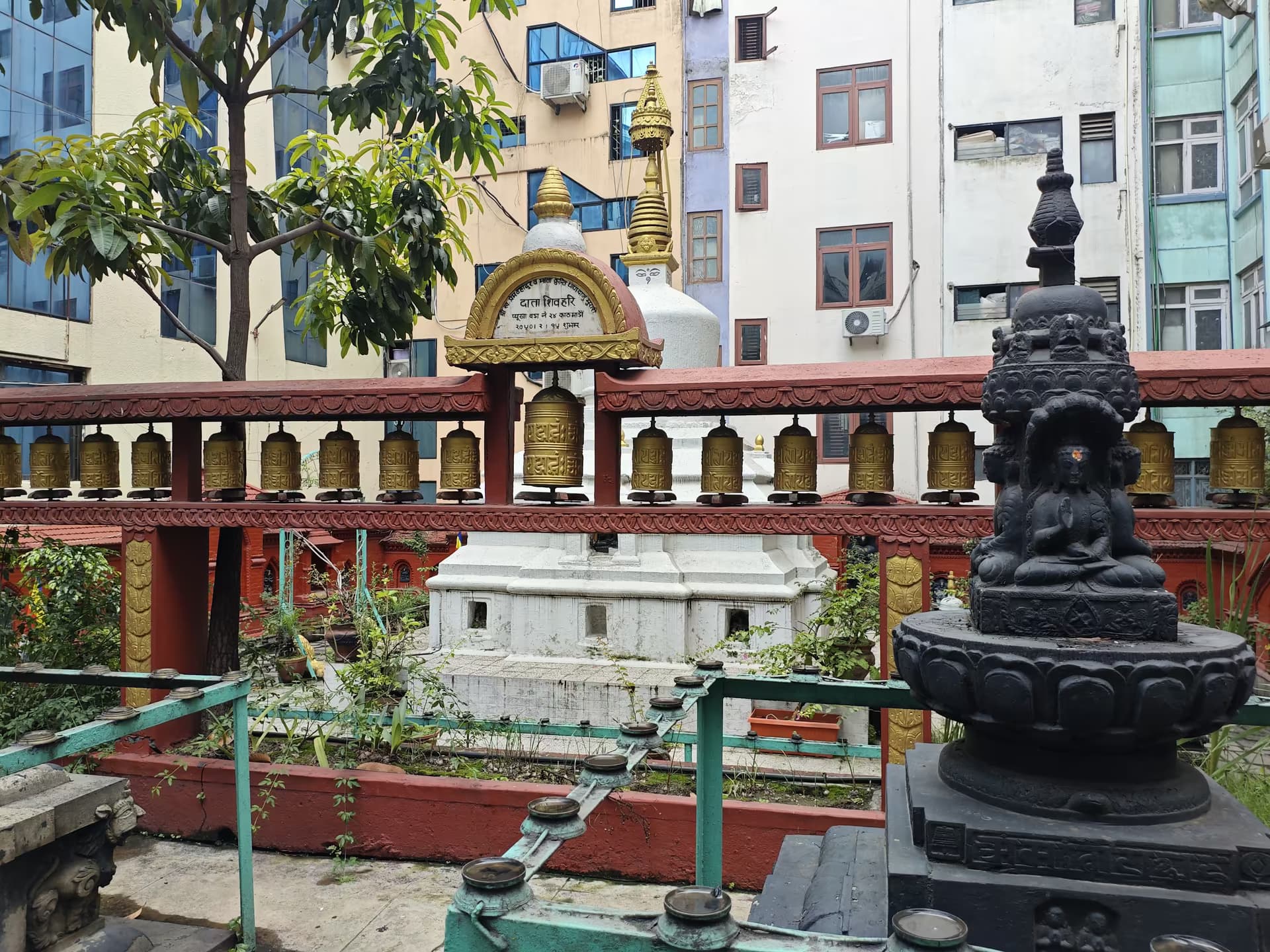
Pyukha Bahal (Dharma Dhatu Mahavihar)
प्यूखा बहाल
A quiet branch monastery in Pyukha Tole off New Road — formally Shree Dharma Dhatu Mahavihar, also called Ashok Chaitya Vihar — built around a large central chaitya crowned with Swayambhu-style Buddha eyes. A Nepal Sambat 667 (c. 1547 CE) inscription records its founding.
Pyukha Tole, near New Road, Old Kathmandu
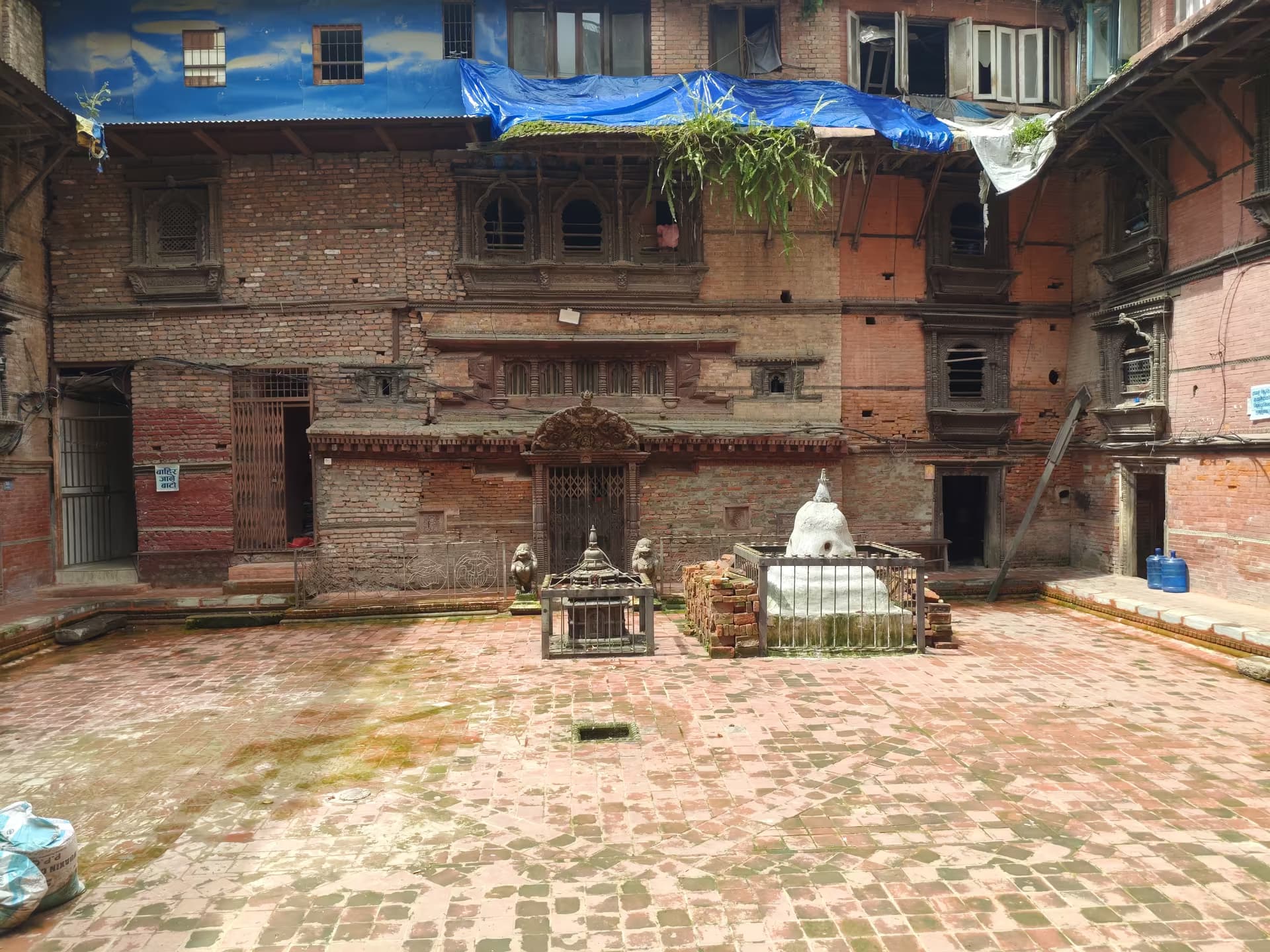
Mu Bahal (Mulashree Mahavihar)
मू बहाल
Reckoned the most artistic of Kantipur's 18 great bahals, Mulashree Mahavihar in Watu Tole enshrines Akshobhya Buddha and once held its own line of Kumaris — held to be the valley's strictest — whose seat is still worshipped in the courtyard.
Watu Tole, Ward 22, Old Kathmandu (near New Road)
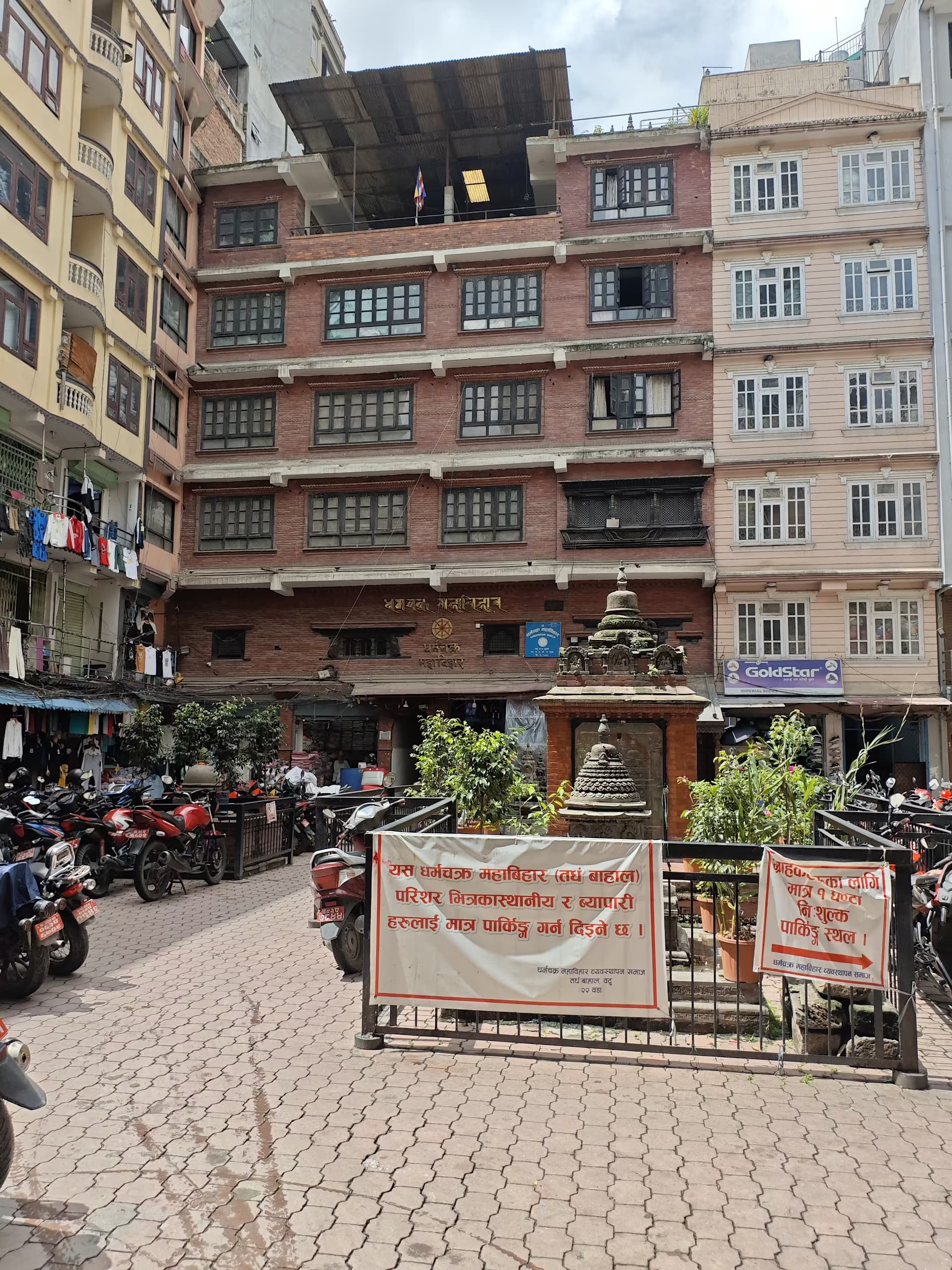
Dharmachakra Mahavihar (Tanga Bahal)
धर्मचक्र महाविहार
A Newar Buddhist monastery courtyard (bahal) in old Kathmandu near New Road, known in Newari as Tanga Bahal. Its name recalls the Dharmachakra, the Wheel of Dharma set in motion by the Buddha's first teaching.
Near New Road, Old Kathmandu
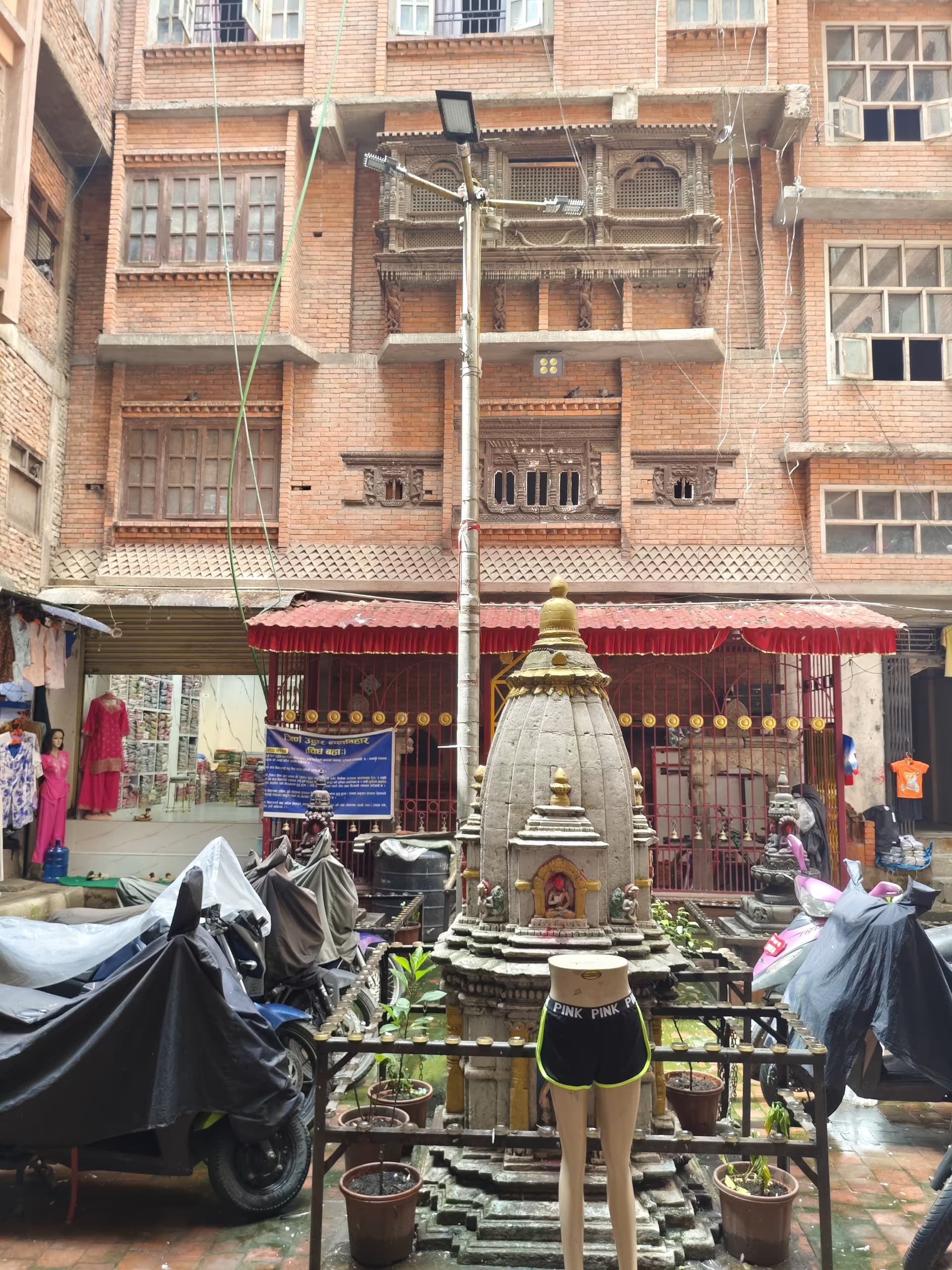
Jirna Uddhar Mahavihar (Chidhya Bahal)
जीर्णोद्धार महाविहार
A Newar Buddhist courtyard monastery near New Road, known in Newari as Chidhya Bahal and said to date to the Licchavi era. Its kwapah-dyah is the Achhyom (Akshobhya) Buddha, and it also shelters a hidden Mahadev.
Near New Road, Old Kathmandu
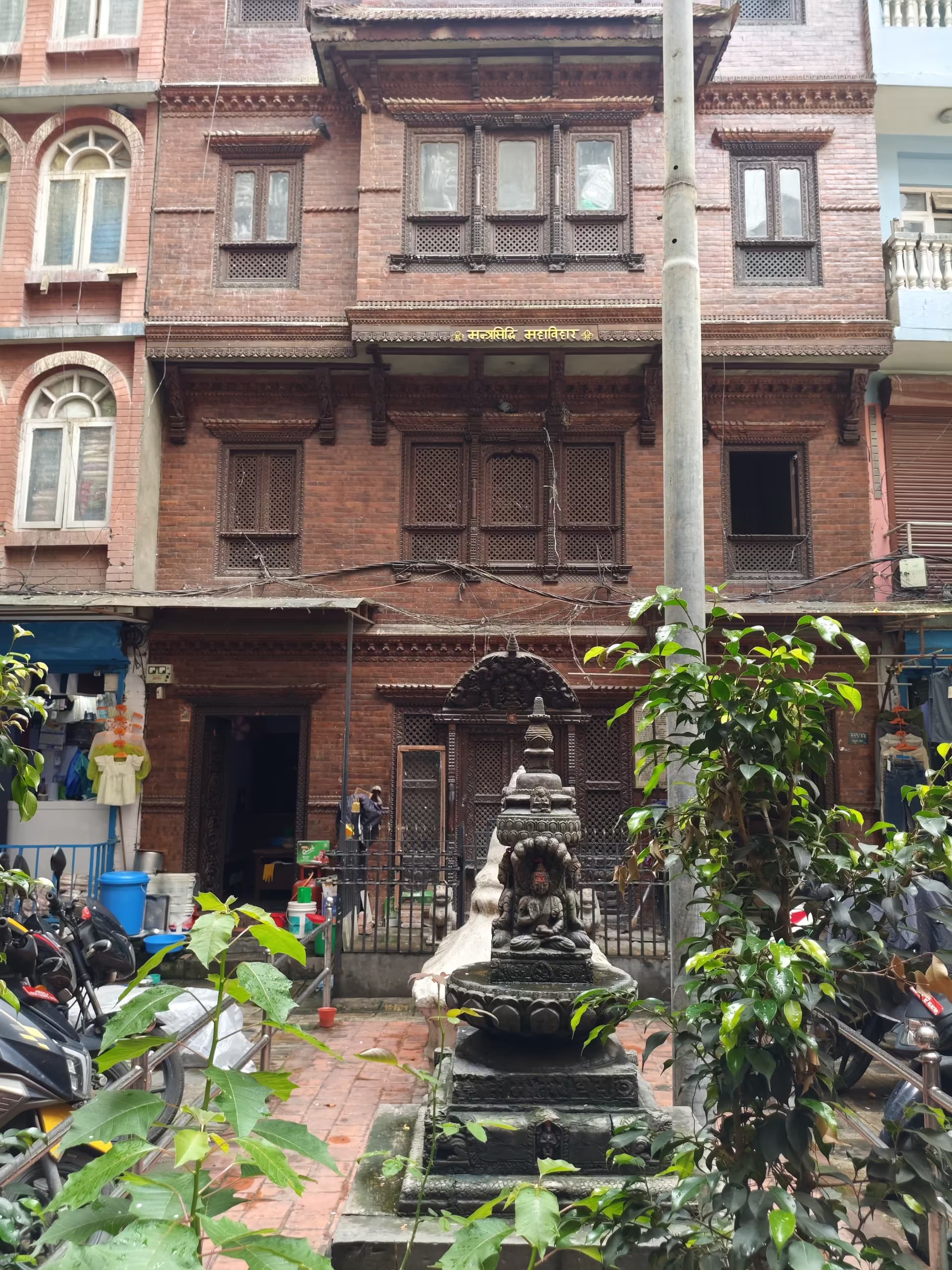
Sabal Bahal (Mantrasiddhi Mahavihar)
सबल बहाल
One of Kathmandu's eighteen Acharya Guthi bahals, Mantrasiddhi Mahavihar is a Newar Buddhist courtyard monastery near Indra Chowk, a short walk from New Road.
Near Indra Chowk / Nhaikantalla, Dathu Puin, Old Kathmandu (near New Road)
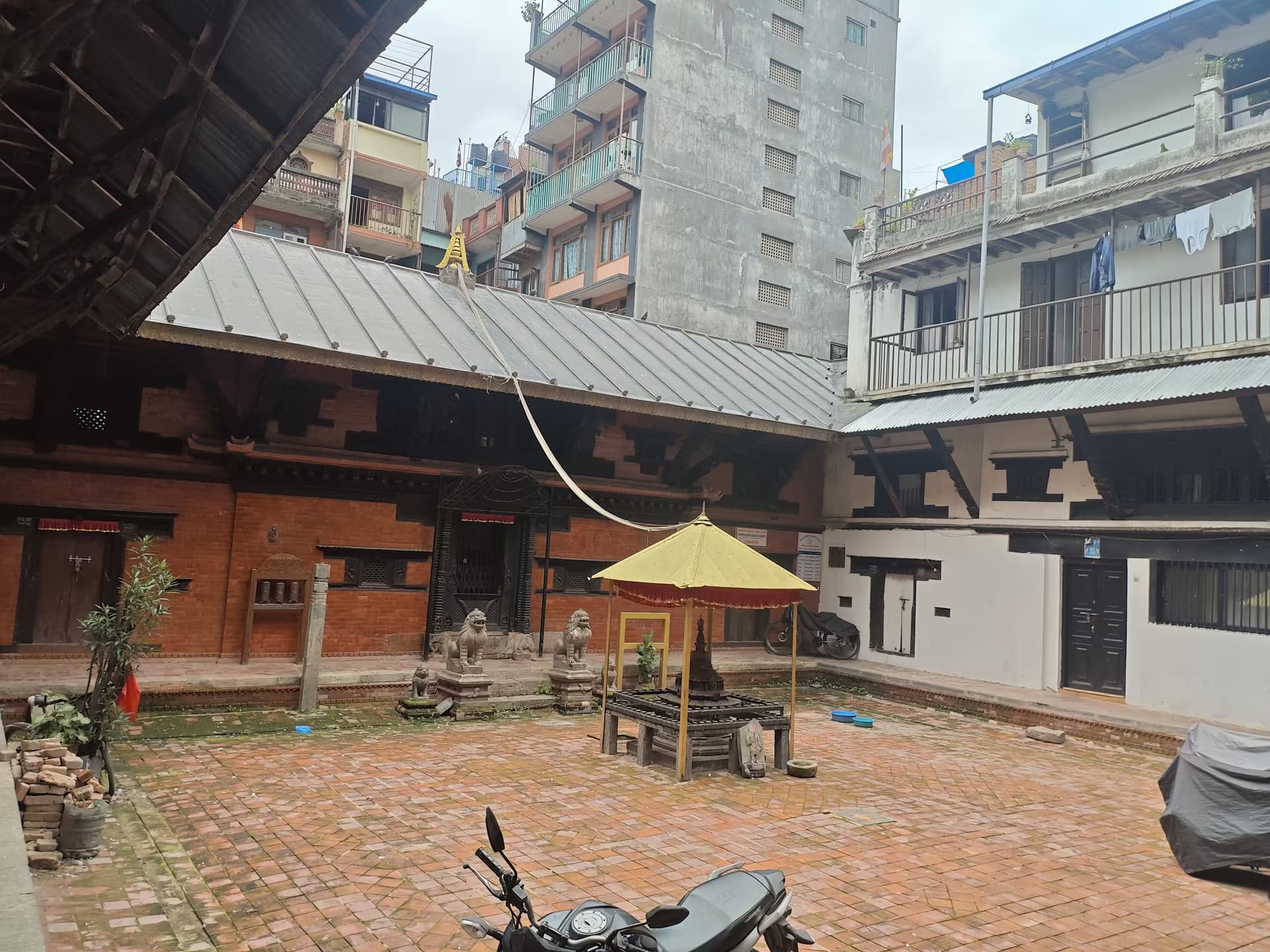
Karunapur Mahavihar (Musya Baha)
करुणापुर महाविहार
A Newar Buddhist courtyard monastery known locally as Musya Baha, in the Jyatha quarter of central Kathmandu, a short walk from Thamel.
Jyatha, Ward 25, central Kathmandu (near Thamel)
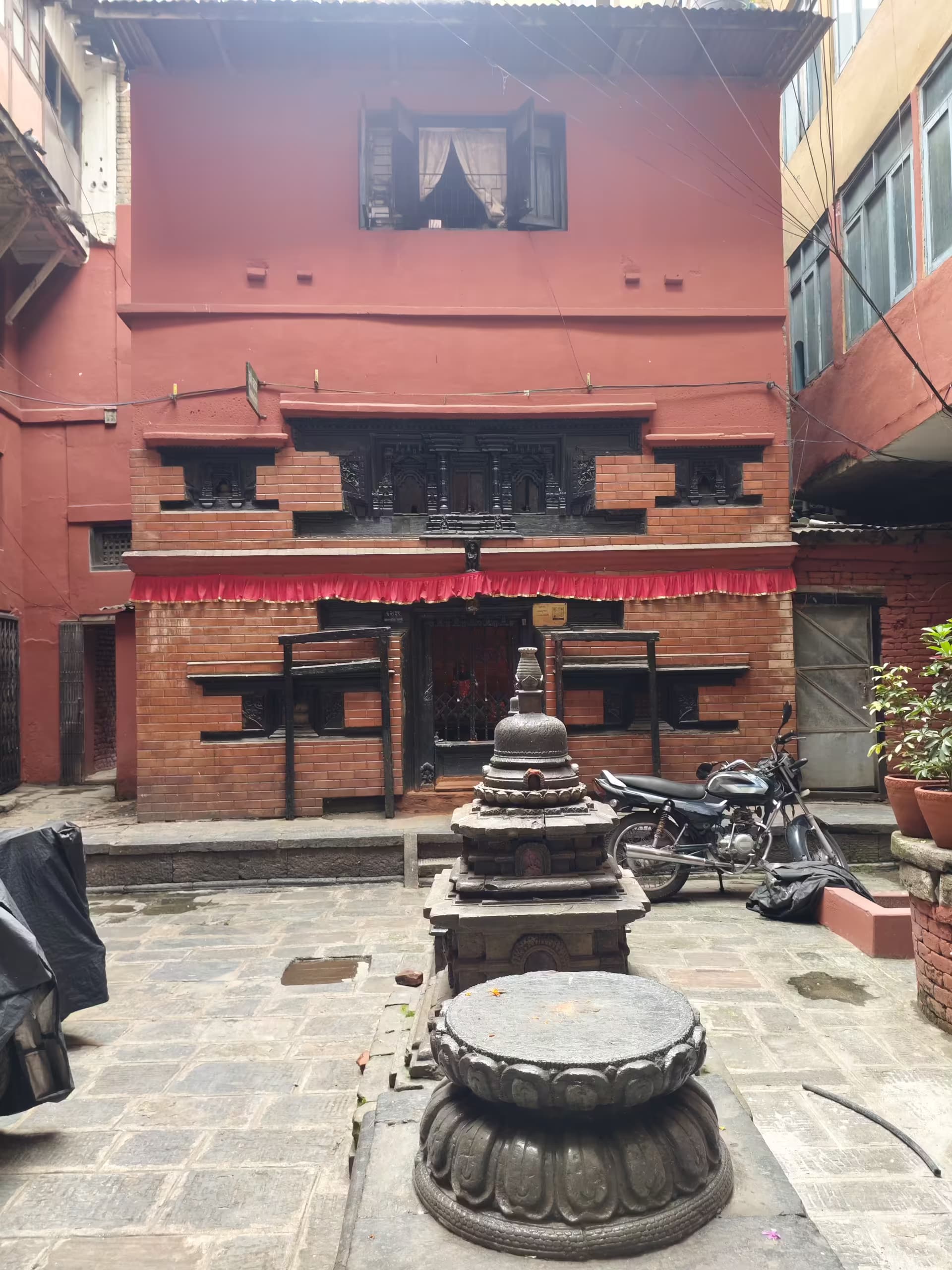
Nhuche Baha (Bajradhatu Mahavihar)
न्हुछे बहाः
A Newar Buddhist courtyard monastery in the Sighal (Shree Gha) area of central Kathmandu, a short walk from Thamel and close to Dharmakirti Bahal and the Kathesimbhu Stupa.
Sighal (Shree Gha), central Kathmandu (near Dharmakirti Bahal, close to Thamel)
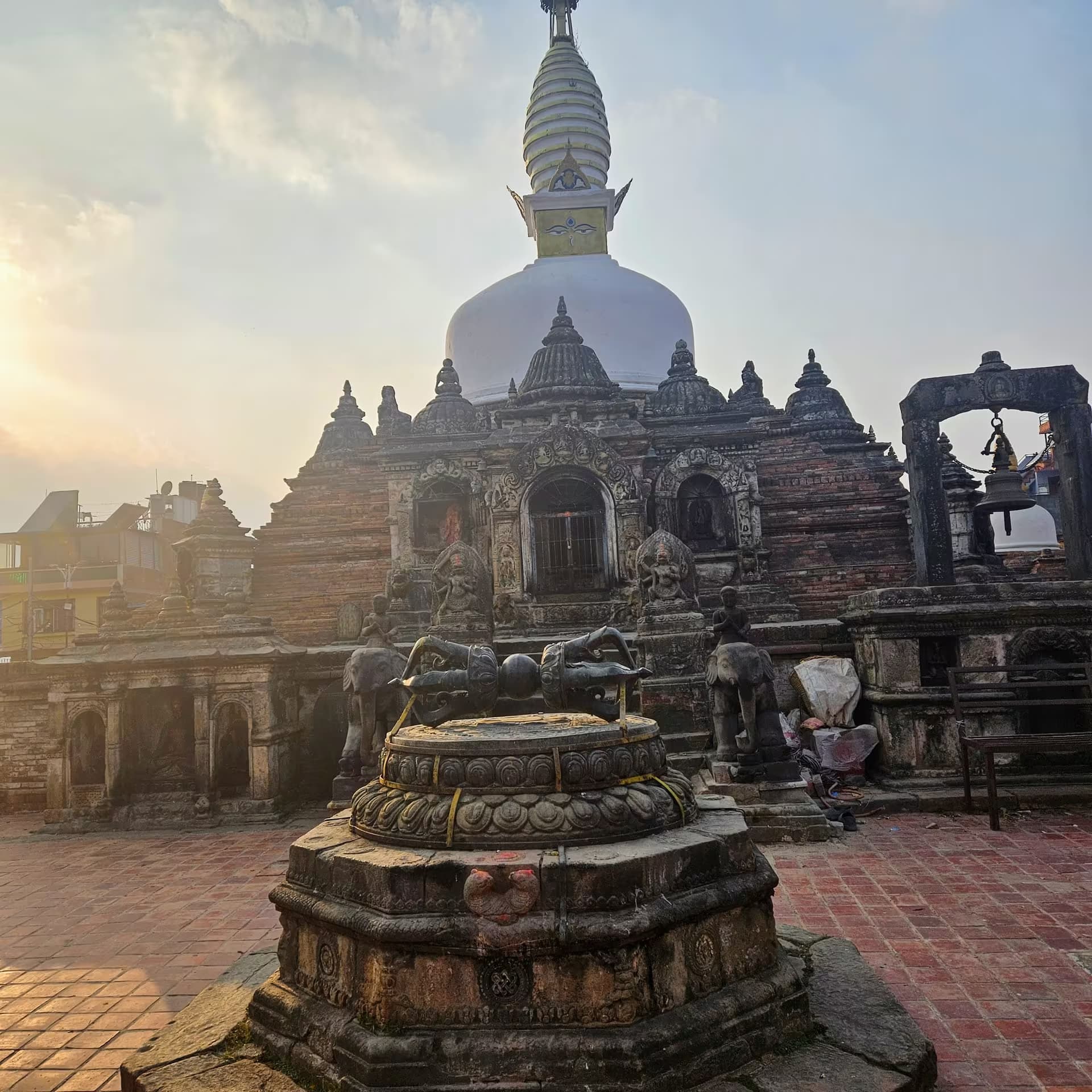
Chilancho Bahal (Jagat Pal Mahavihar)
जगत्पाल महाविहार
A stunning hilltop Buddhist stupa and monastery in Kirtipur attributed to Emperor Ashoka, formally established as Jagat Pal Mahavihar in 1515 CE — one of the most archaeologically important Buddhist monuments in the Kathmandu Valley.
Kirtipur
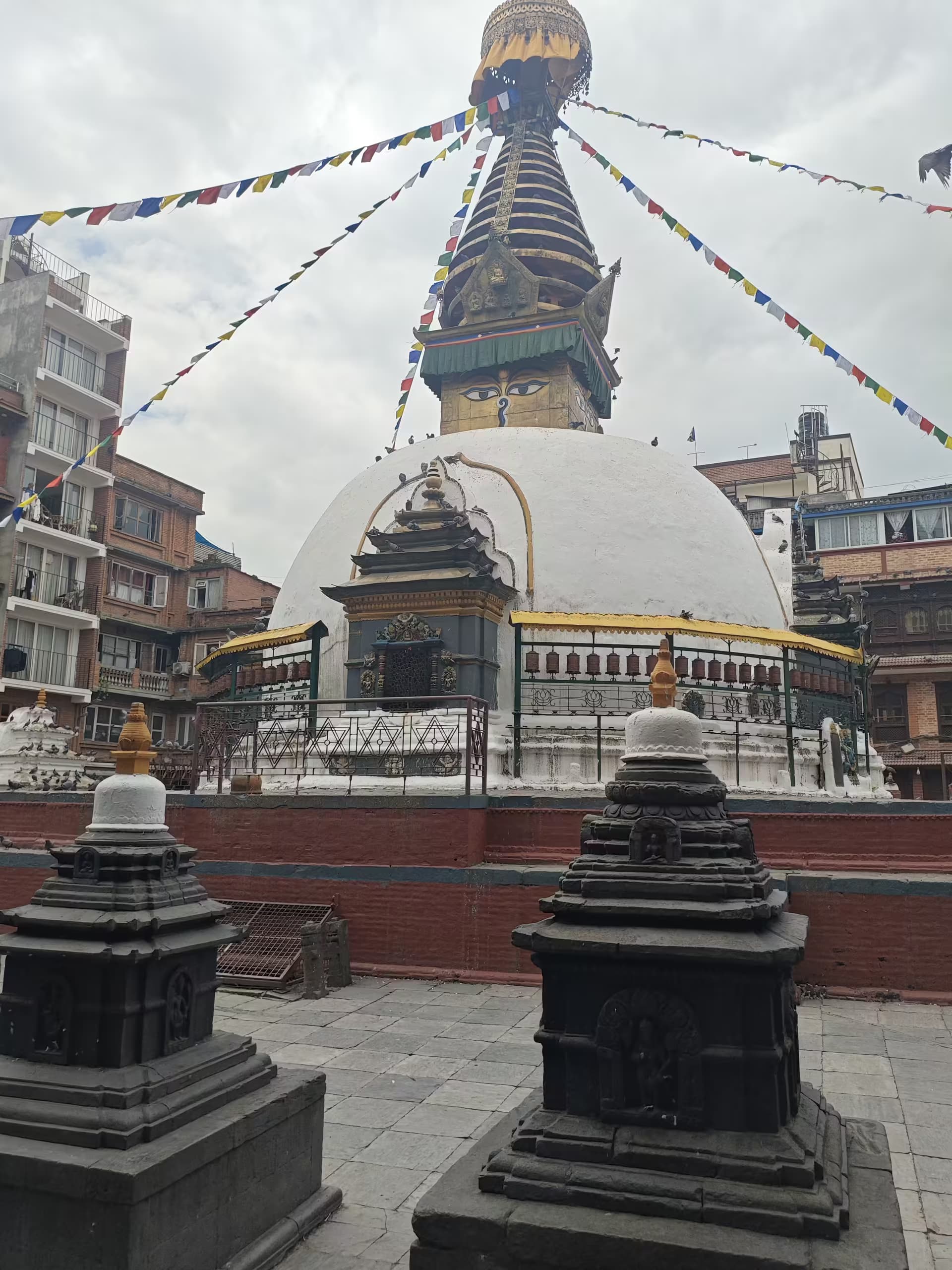
Dharmakirti Bahal (Sighal Bahal / Kathesimbhu)
धर्मकीर्ति बहाल
A Newar Buddhist courtyard just south of Thamel, built around the 17th-century Kathesimbhu Stupa — a miniature replica of Swayambhu — and today home to the Dharmakirti Theravada nunnery.
Sighal (Shree Gha) / Naghal, south of Thamel, central Kathmandu