The sound of the month
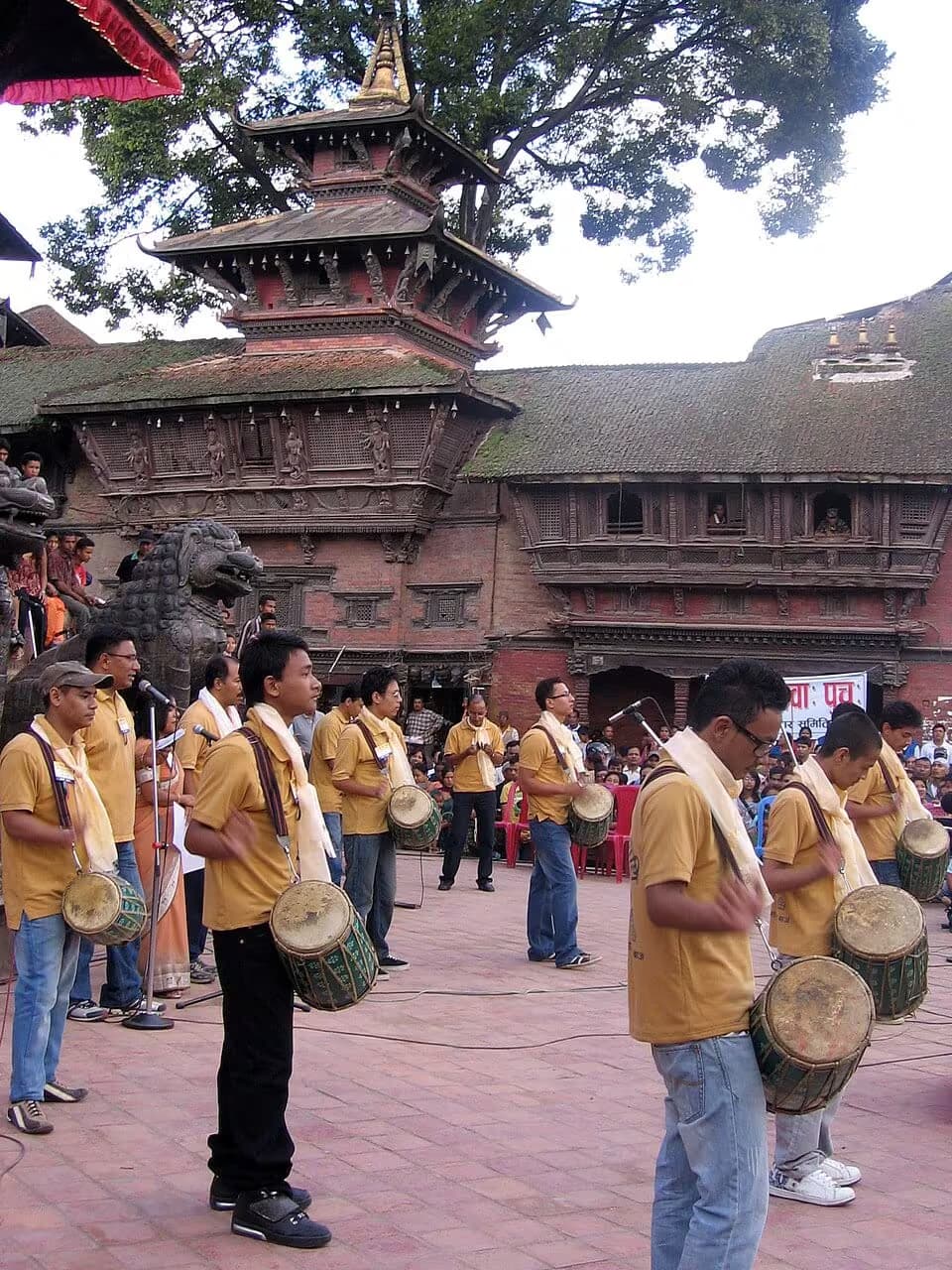
Gunla is a month of music as much as a month of pilgrimage, and Matya is its loudest day. The ensemble is built on the dhaa, the big double-headed drum that carries the rhythm, joined by the smaller naykhin, the mwahali reed and the basuri flute on the melody, the small taa and broad bhusya cymbals keeping time, and the long straight payentah trumpets punctuating it. Many groups now add a trumpet or clarinet to the melody line.
Why it sounds the way it does
Gunla bajan was not written for a hall. It was written for lanes two arms wide, with four storeys of brick on either side, and it sounds wrong anywhere else. On Matya the whole circuit is inside that geometry — the music arrives before the procession does, bouncing off the walls of a lane you cannot yet see down, and stays audible for a long time after it has gone past. Several groups walk the route at intervals, so the sound is essentially continuous across the city for the whole day.
Standing still in one lane and letting the day come past you is a better way to hear it than walking with a single group.
Related Places & Sites
Related
Connected places and entries worth pairing
Gunla
Matya falls within Gunla, the Newar Buddhist holy month
Gai Jatra
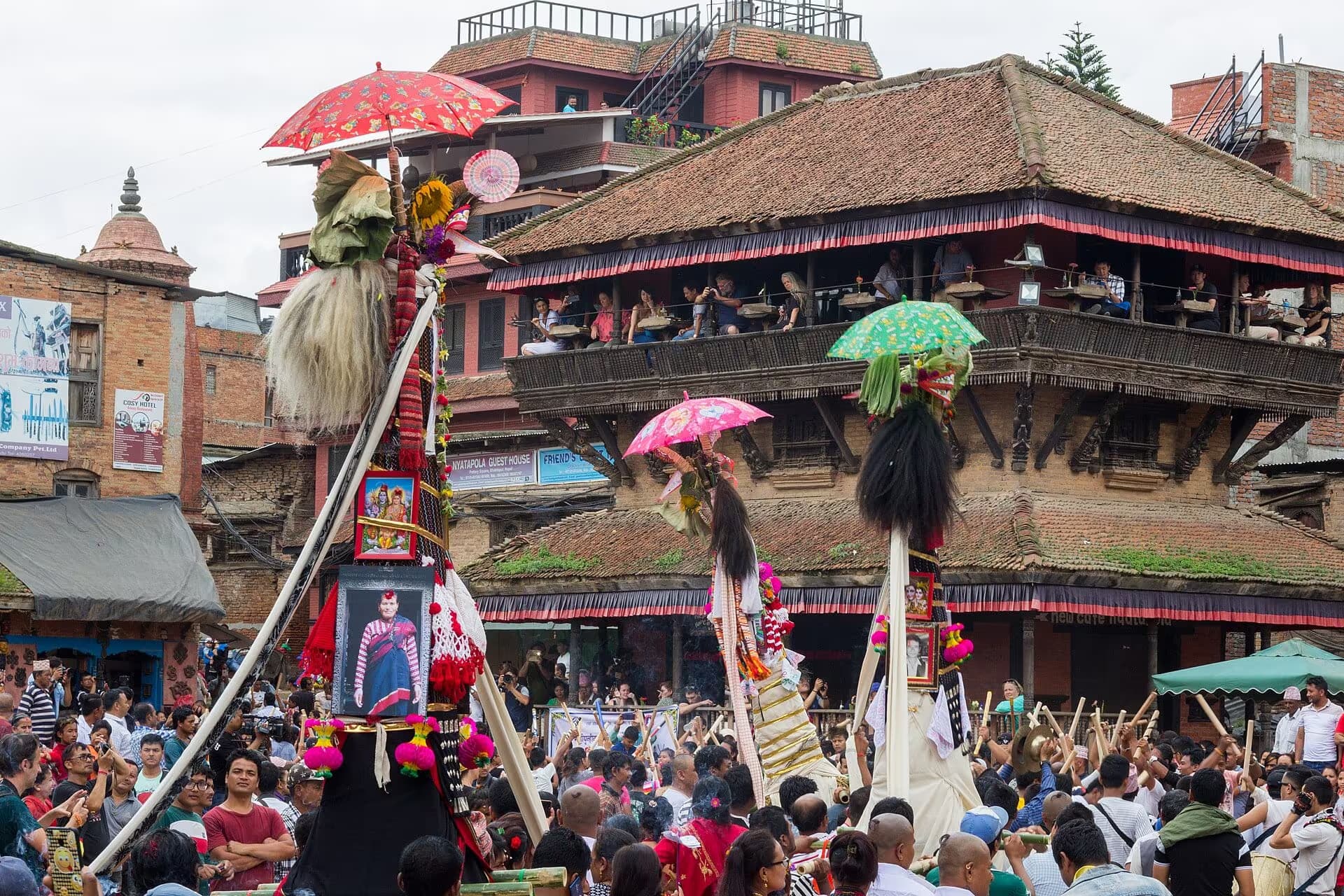
Matya is held the day after Gai Jatra

Patan Durbar Square
Mangal Bazaar, the lanes around the square, is one of the ten toles that host Matya in rotation — and the circuit passes through it whoever is hosting
Rudravarna Mahavihar (Okubahal)
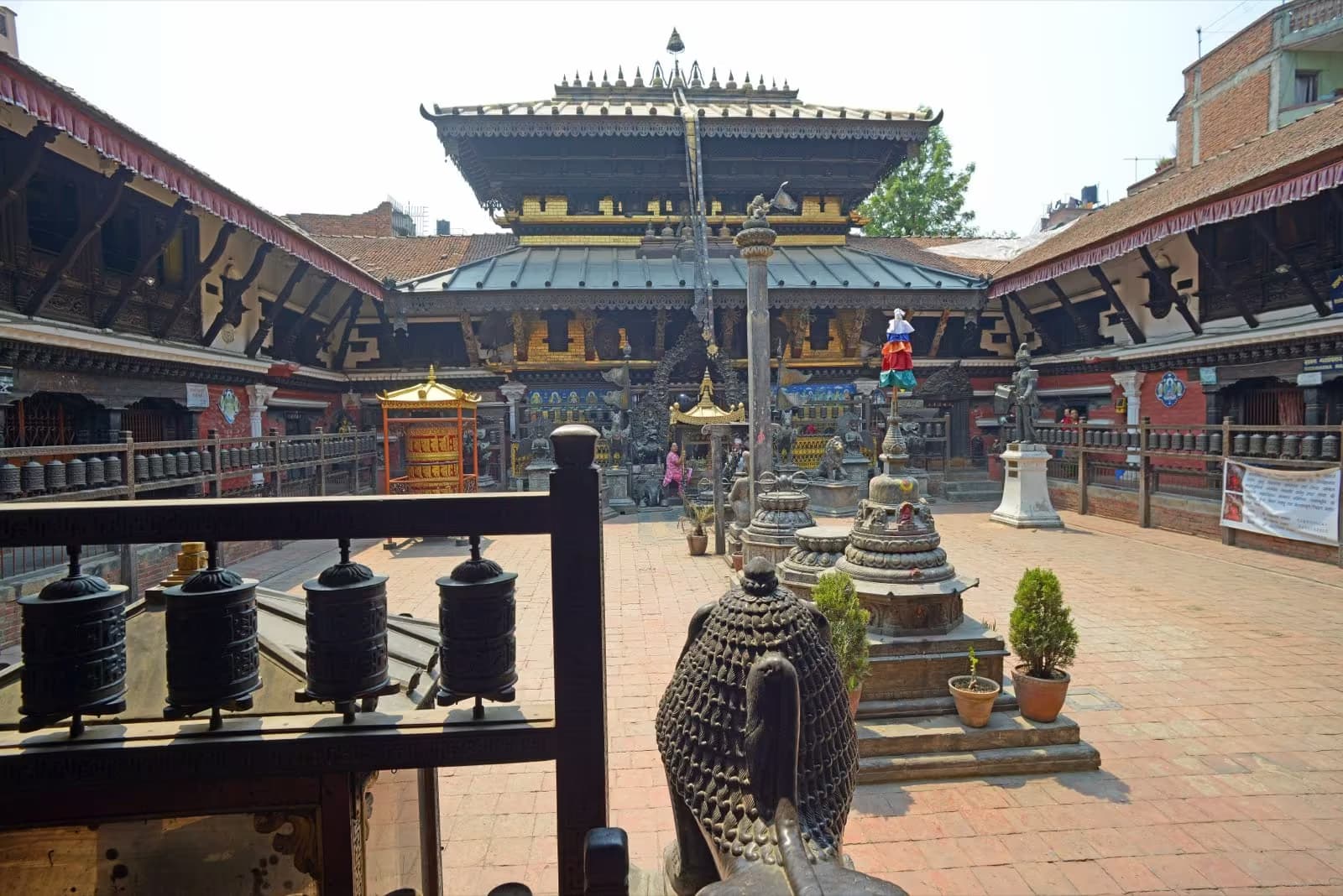
Okubahal — one of the ten host toles, and among the oldest courtyards on the circuit
Hiranya Varna Mahavihar (Golden Temple)
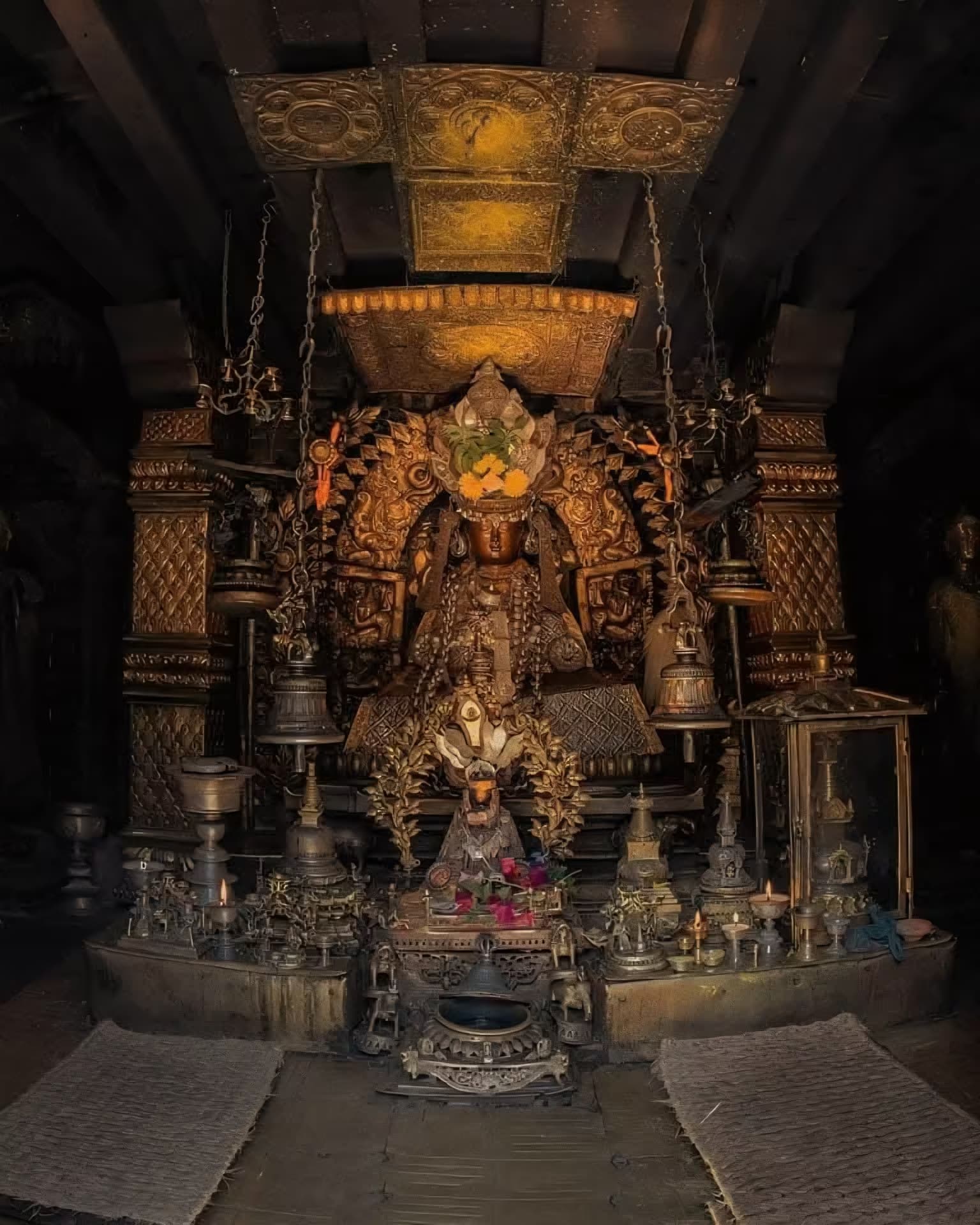
The Golden Temple courtyard, one of the major bahals every walker passes
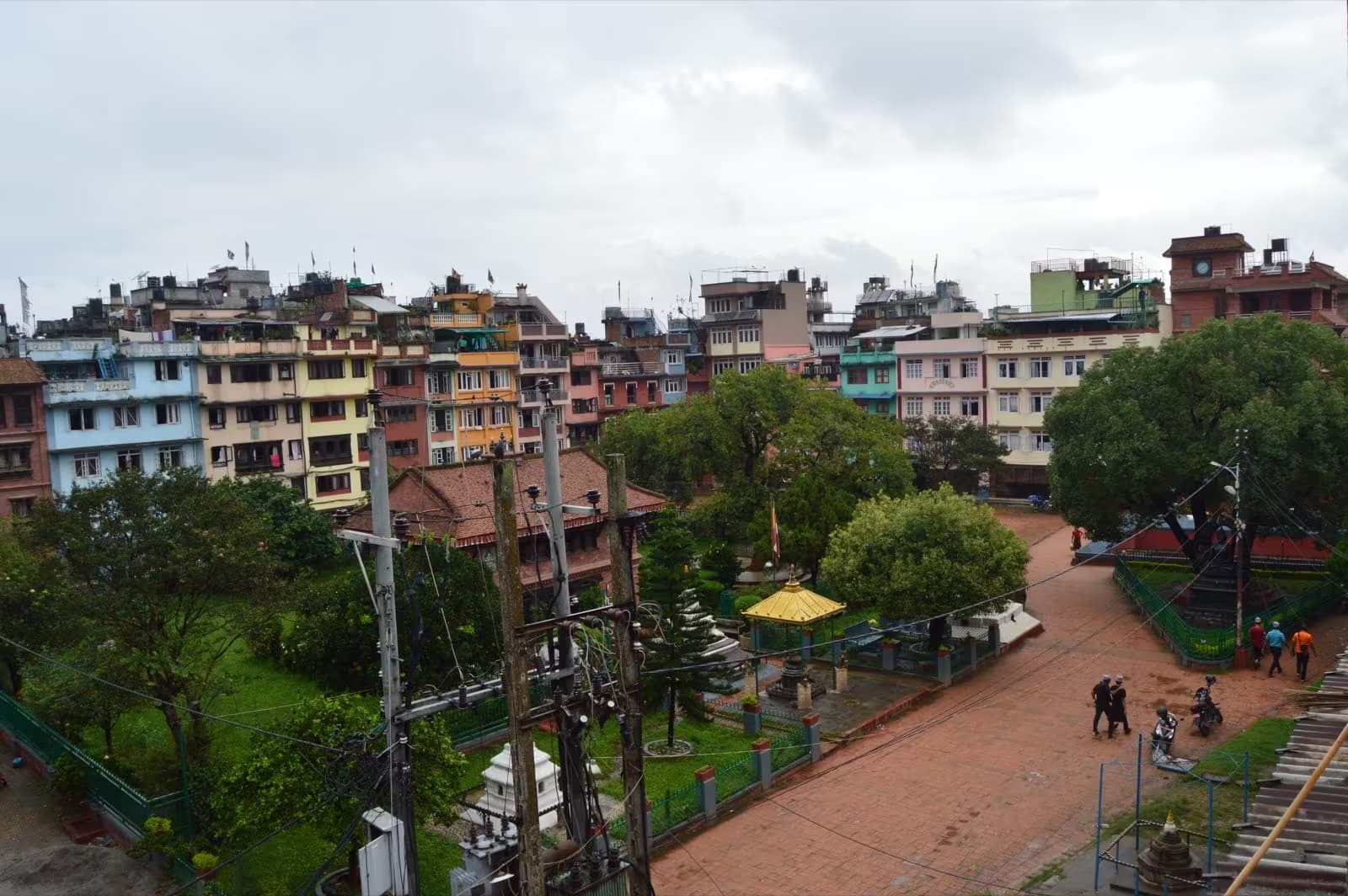
Nag Bahal (Nagbahal)
Nag Bahal, one of the great open courtyards on the route
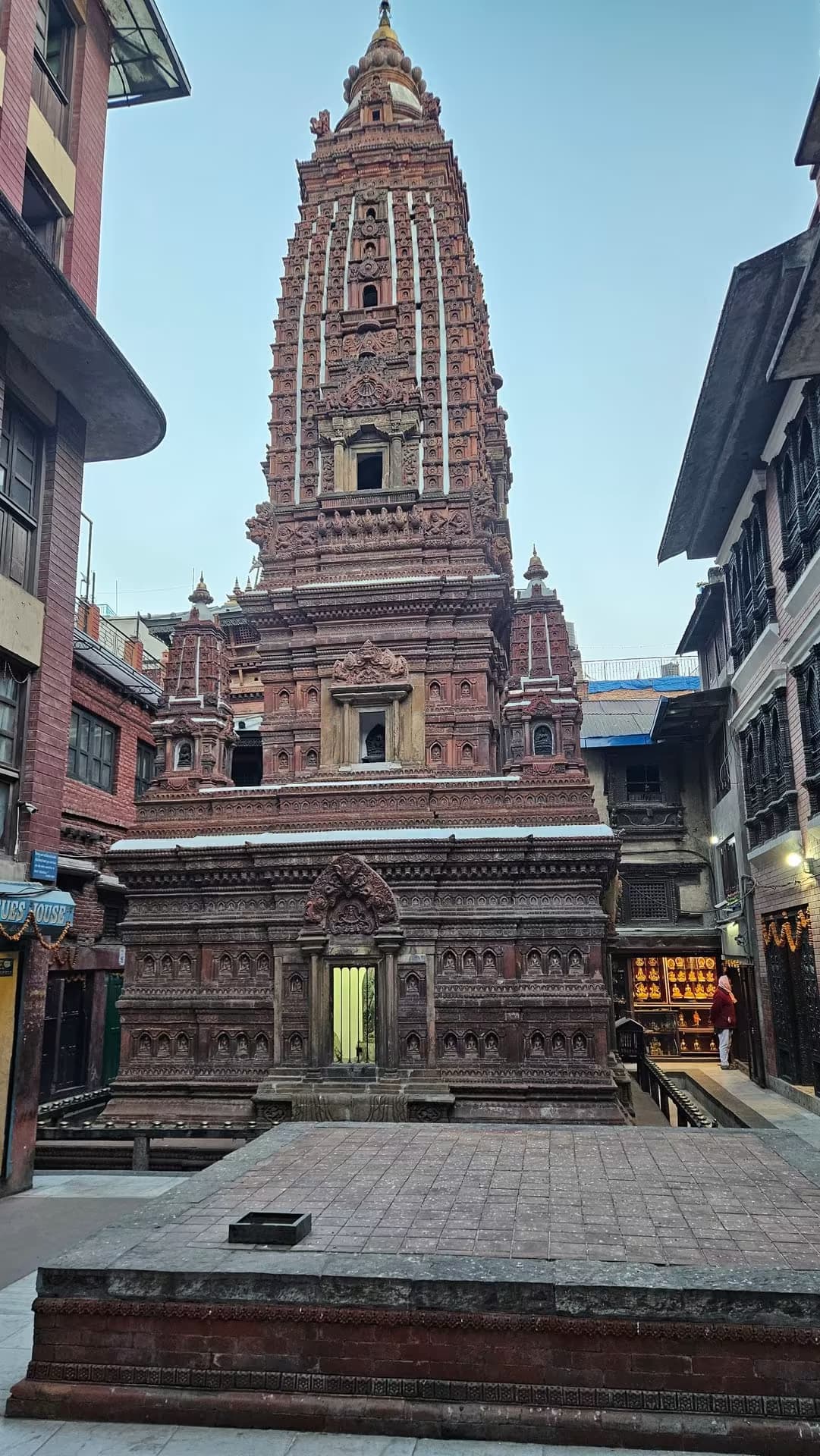
Mahabouddha Temple (Temple of a Thousand Buddhas)
The thousand-Buddha tower, a landmark stop on the circuit
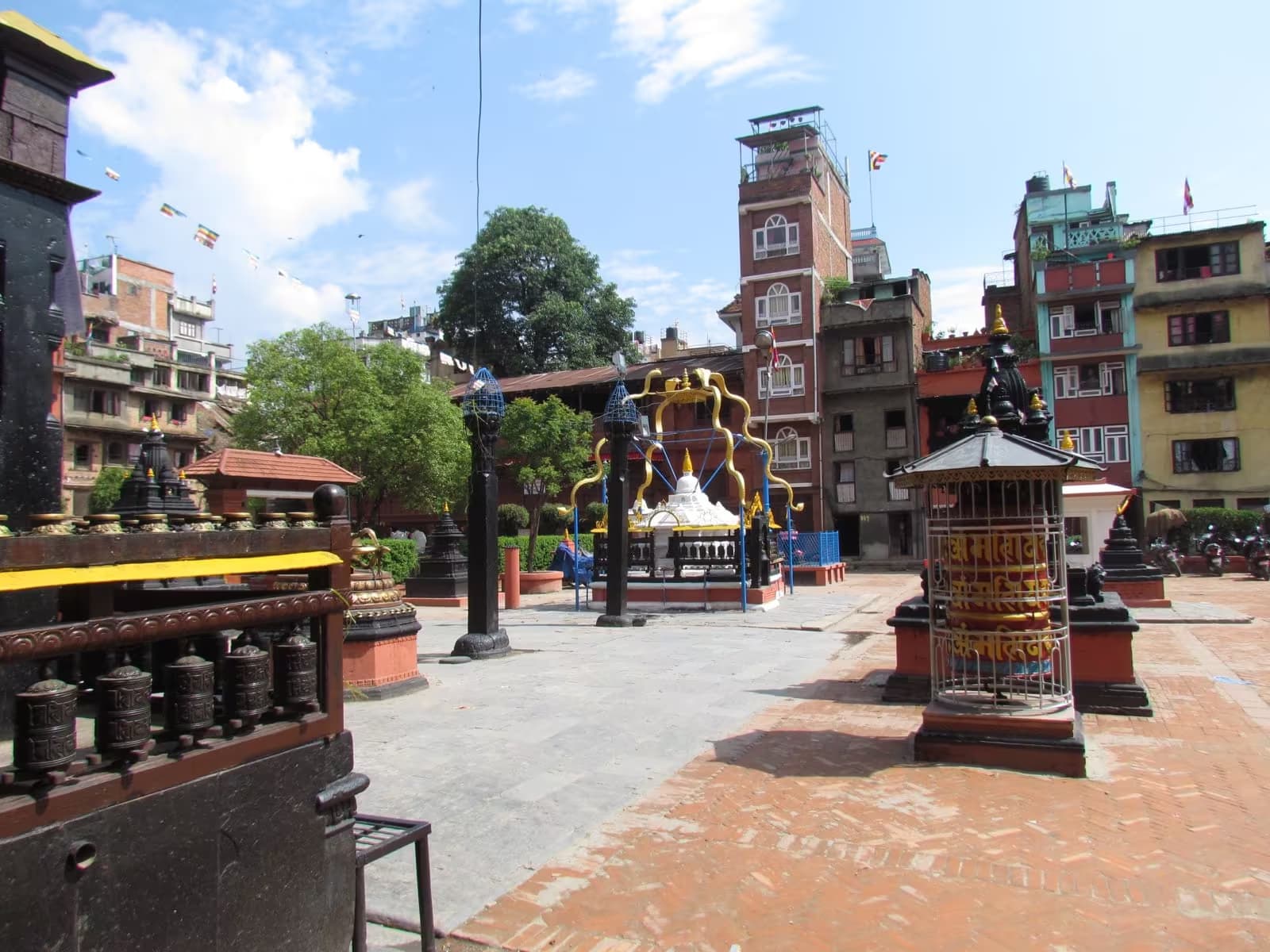
Bu Bahal (Yashodhar Mahavihar)
Bubahal — one of the ten toles that take turns organising Matya
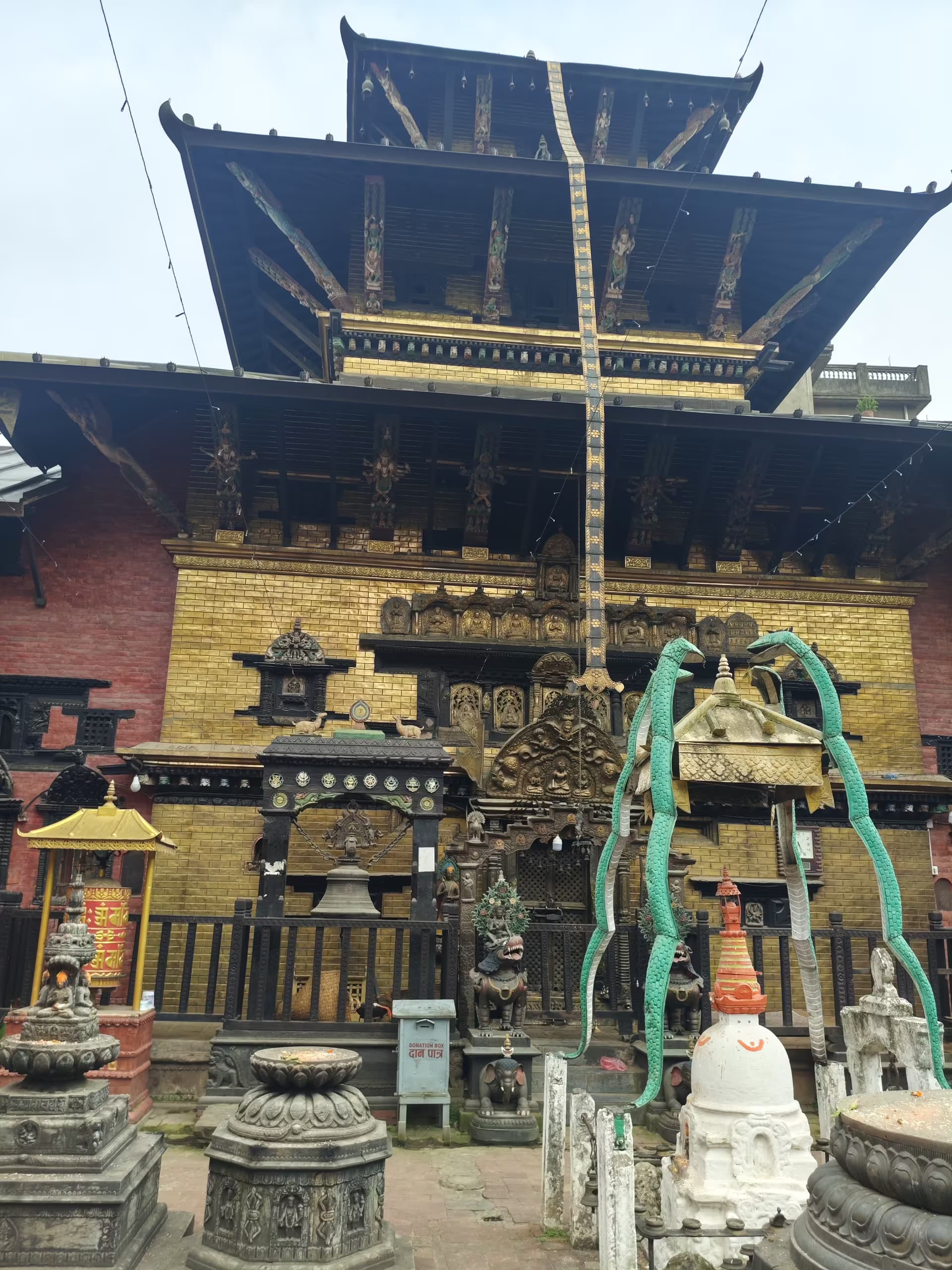
Ha Bahal (Ratnakar Mahavihar)
Ha Bahal, residence of Patan's Kumari, on the circuit
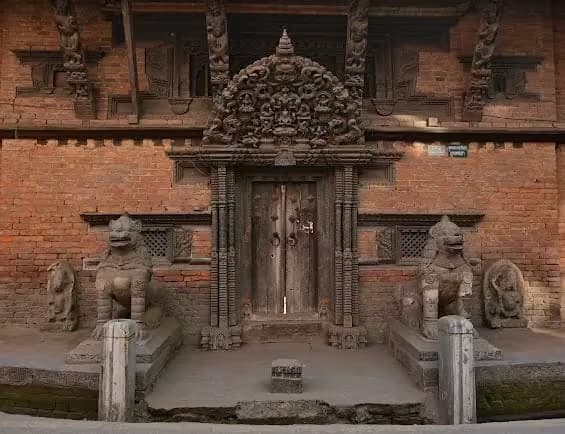
Bhinche Bahal (Mayurvarna Mahavihar)
One of Patan's principal bahals on the Matya route
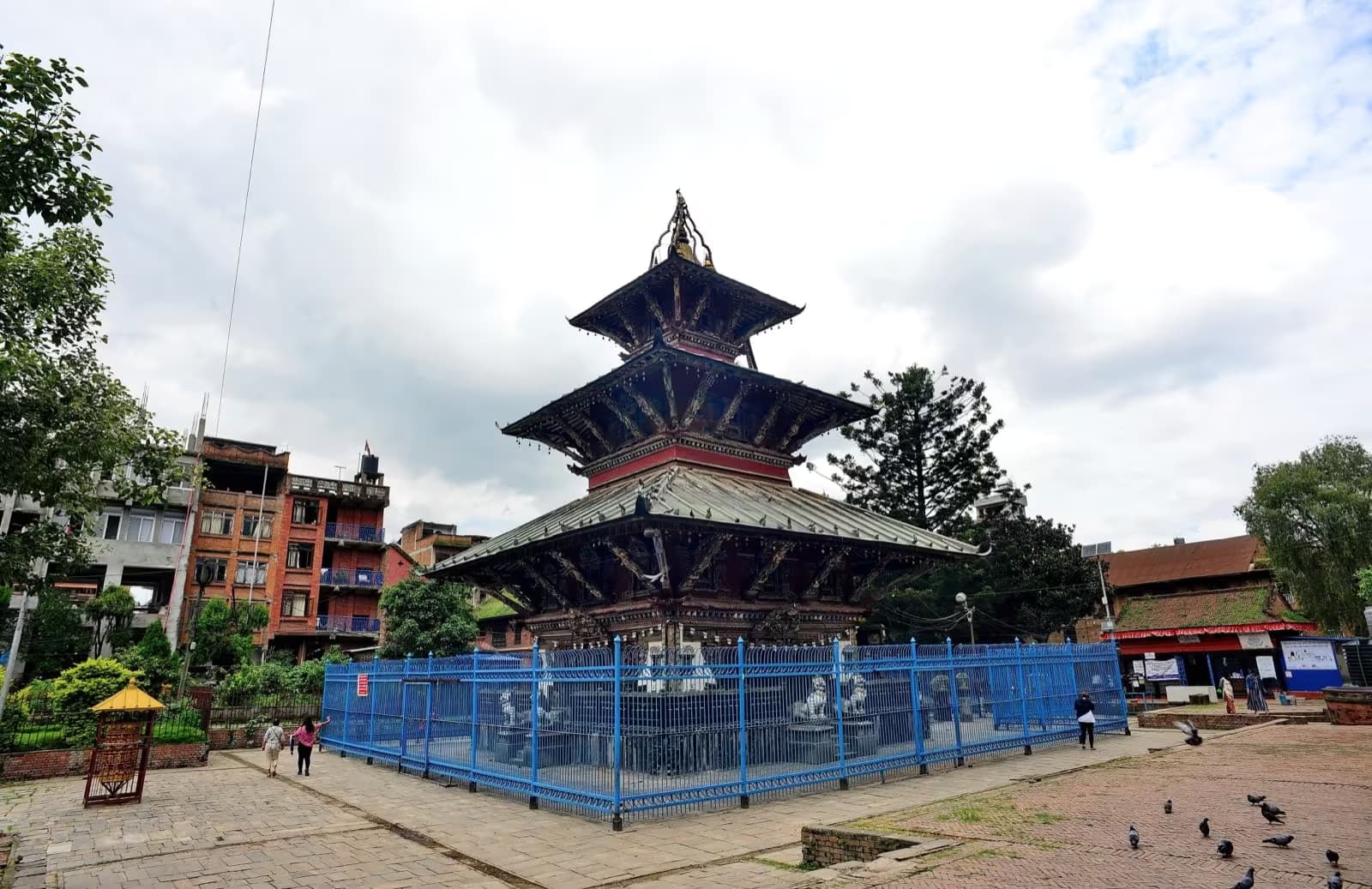
Tanga Bahal (Jestha Varna Mahavihar)
One of Patan's principal bahals on the Matya route
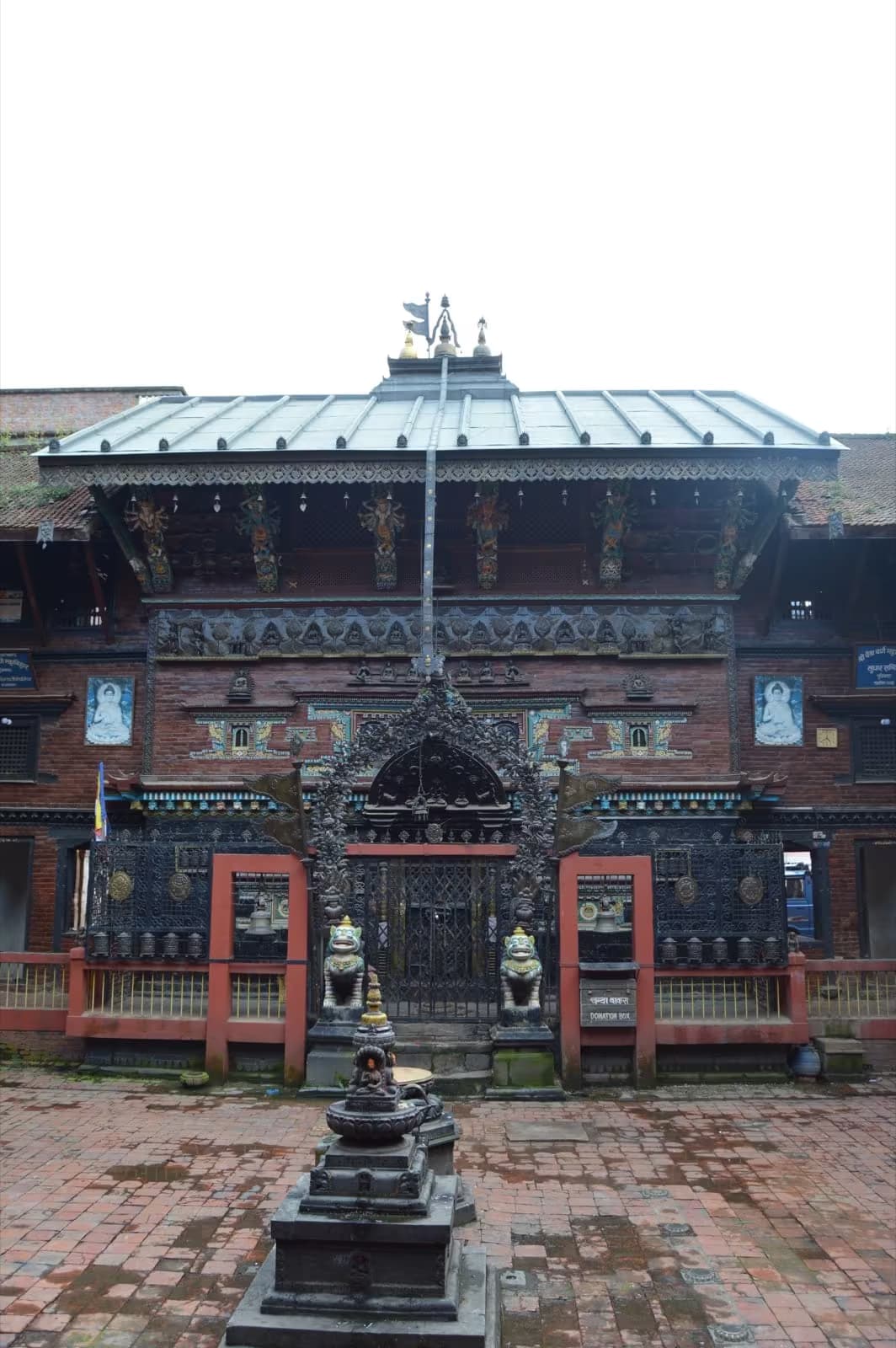
Guji Bahal (Vaishravarna Mahavihar)
One of Patan's principal bahals on the Matya route
Dhum Bahal (Gunalakshmi Mahavihar)
One of Patan's principal bahals on the Matya route
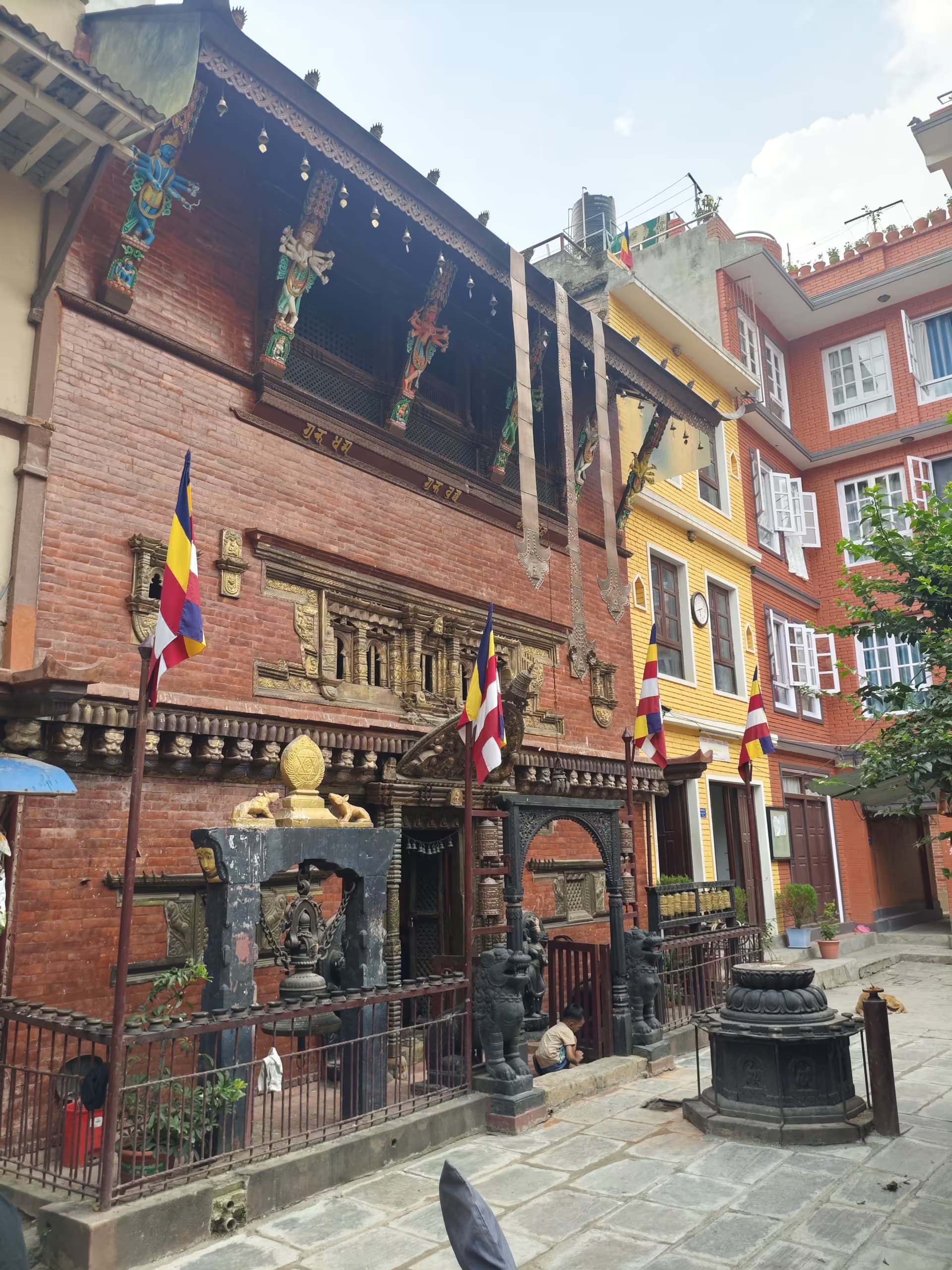
Wan Bahal (Bajra Kirti Mahavihar)
One of Patan's principal bahals on the Matya route
Jyo Bahal (Jyoti Varna Mahavihar)
One of Patan's principal bahals on the Matya route
Yachu Bahal (Baladhara Gupta Mahavihar)
One of Patan's principal bahals on the Matya route
Su Bahal (Jayamanohara Mahavihar)
One of Patan's principal bahals on the Matya route
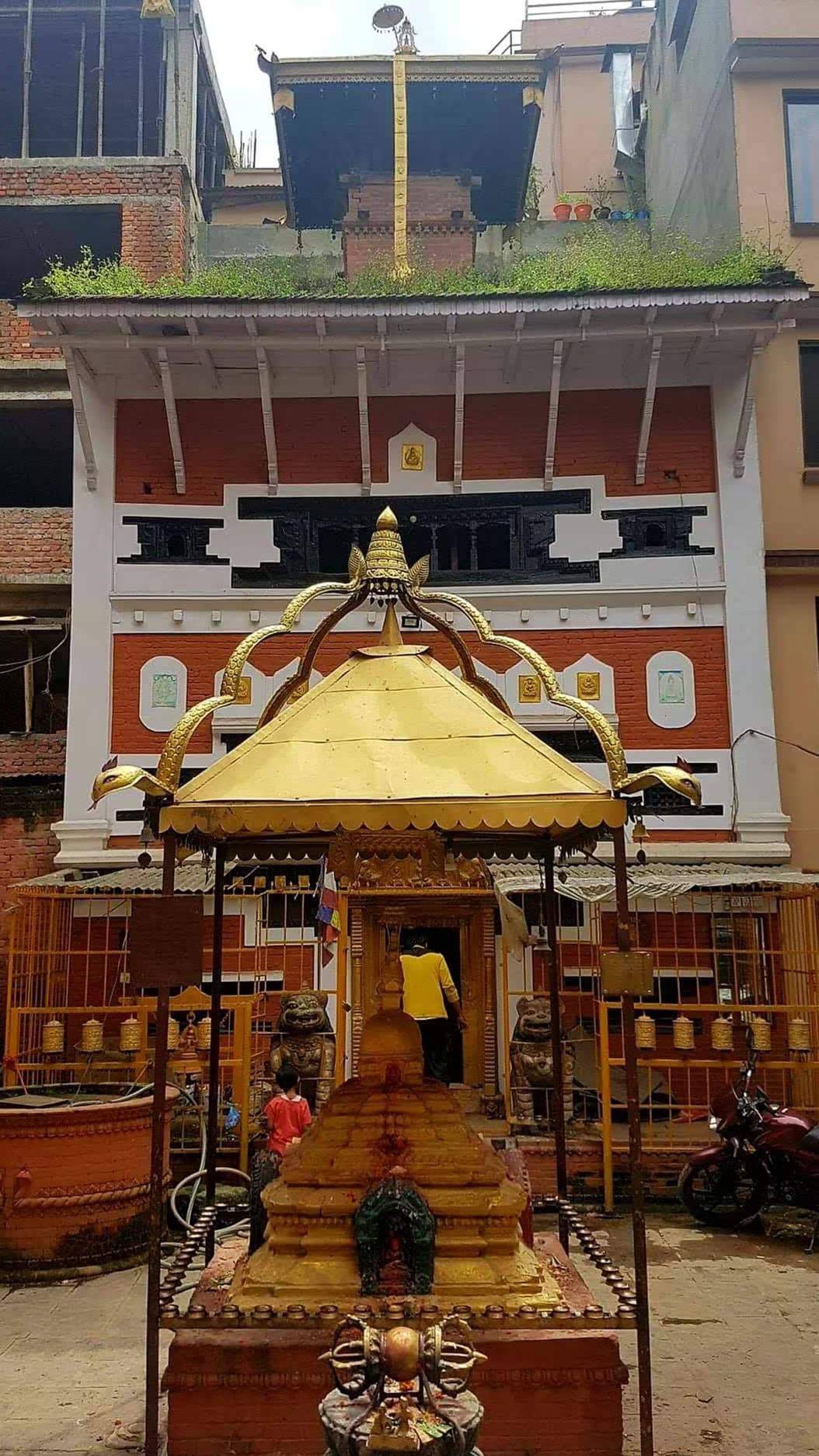
Cuka Bahal (Chakravarna Mahavihar)
One of Patan's principal bahals on the Matya route
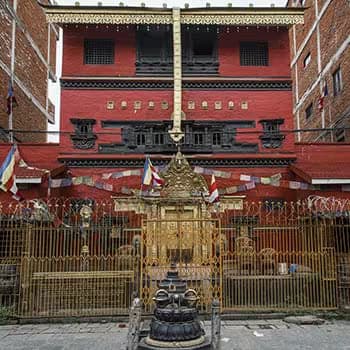
Ta Bahal (Dharma Kirti Mahavihar)
One of Patan's principal bahals on the Matya route
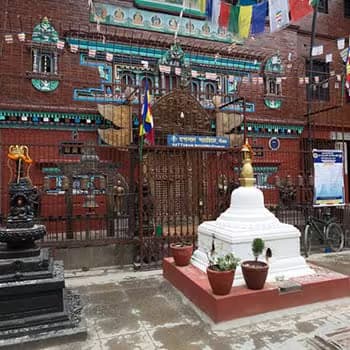
Dau Bahal (Dattanama Mahavihar)
One of Patan's principal bahals on the Matya route
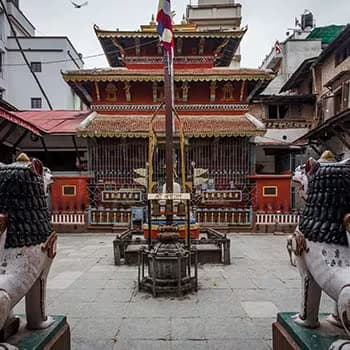
Si Bahal (Sri Vaccha Mahavihar)
One of Patan's principal bahals on the Matya route
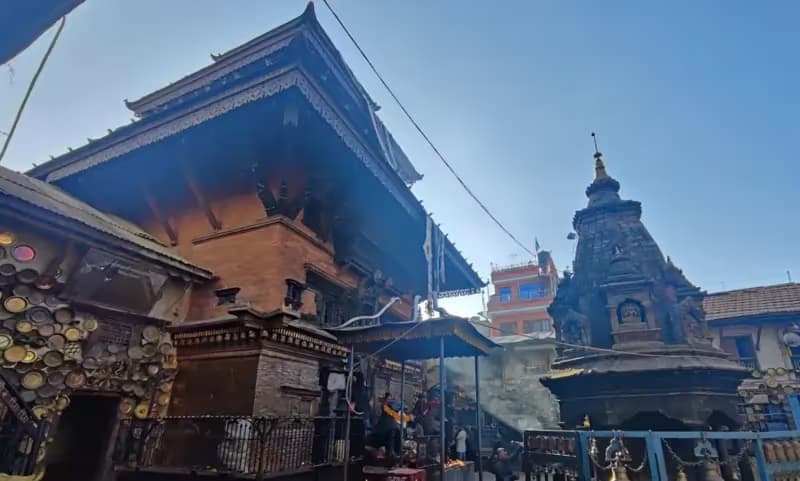
Co Bahal (Kacchapal Giri Mahavihar)
One of Patan's principal bahals on the Matya route
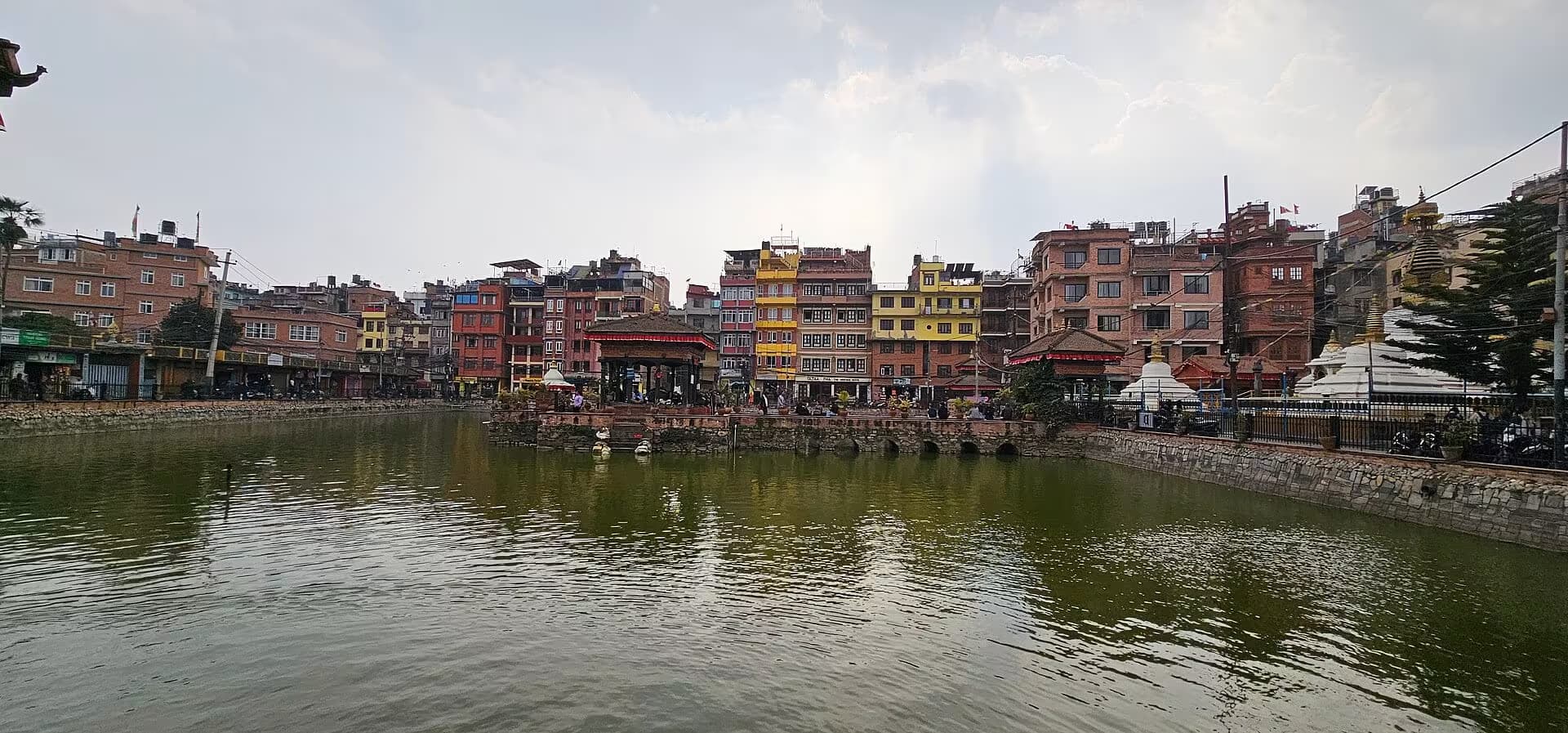
Pim Bahal Pokhari
The Pim Bahal chaitya and its pond, a stop on the western arc of the circuit
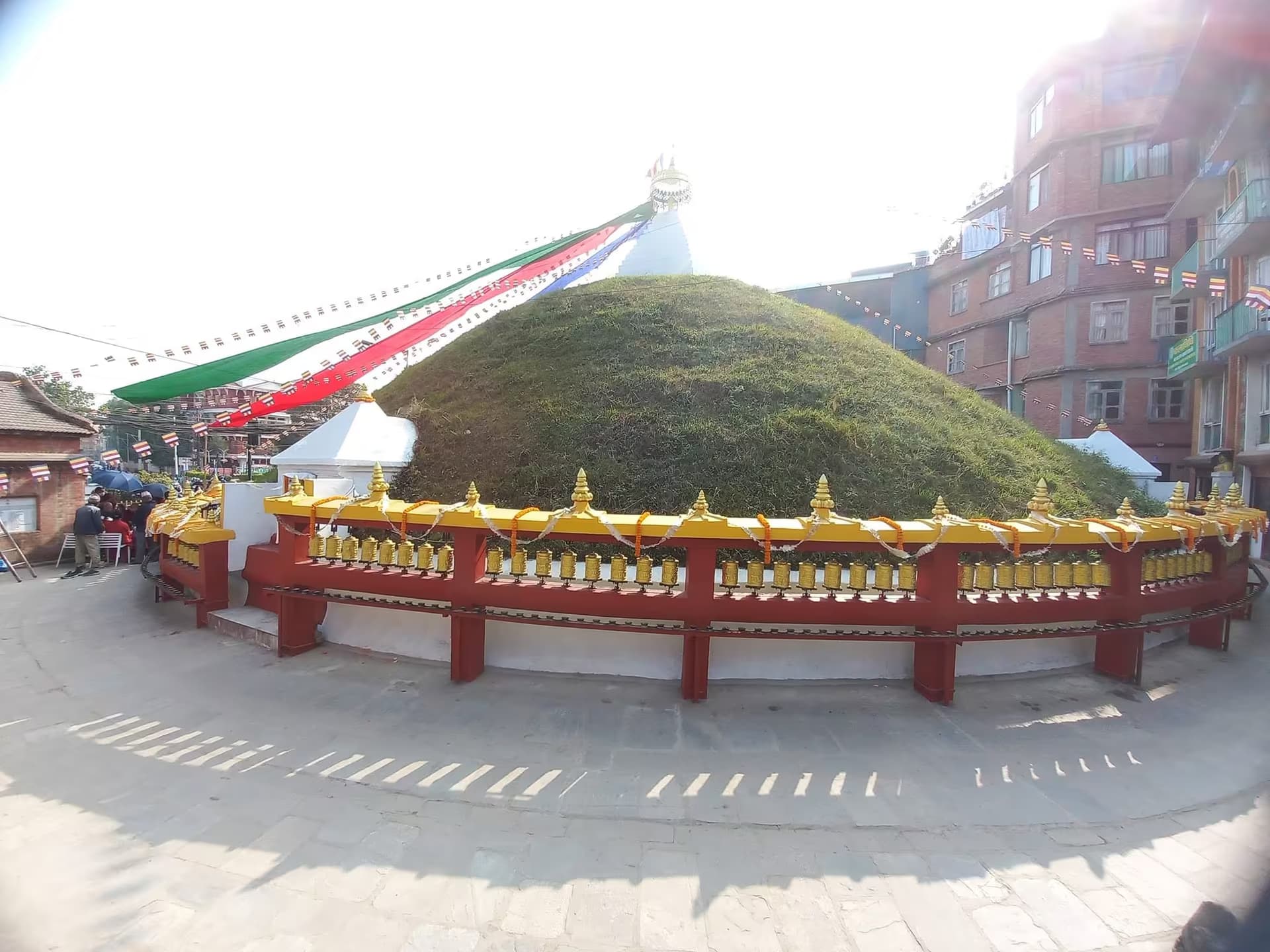
Pulchowk Ashoka Stupa (Pulchowk Thur)
The western thur, one of the four Ashoka stupas the circuit is anchored on
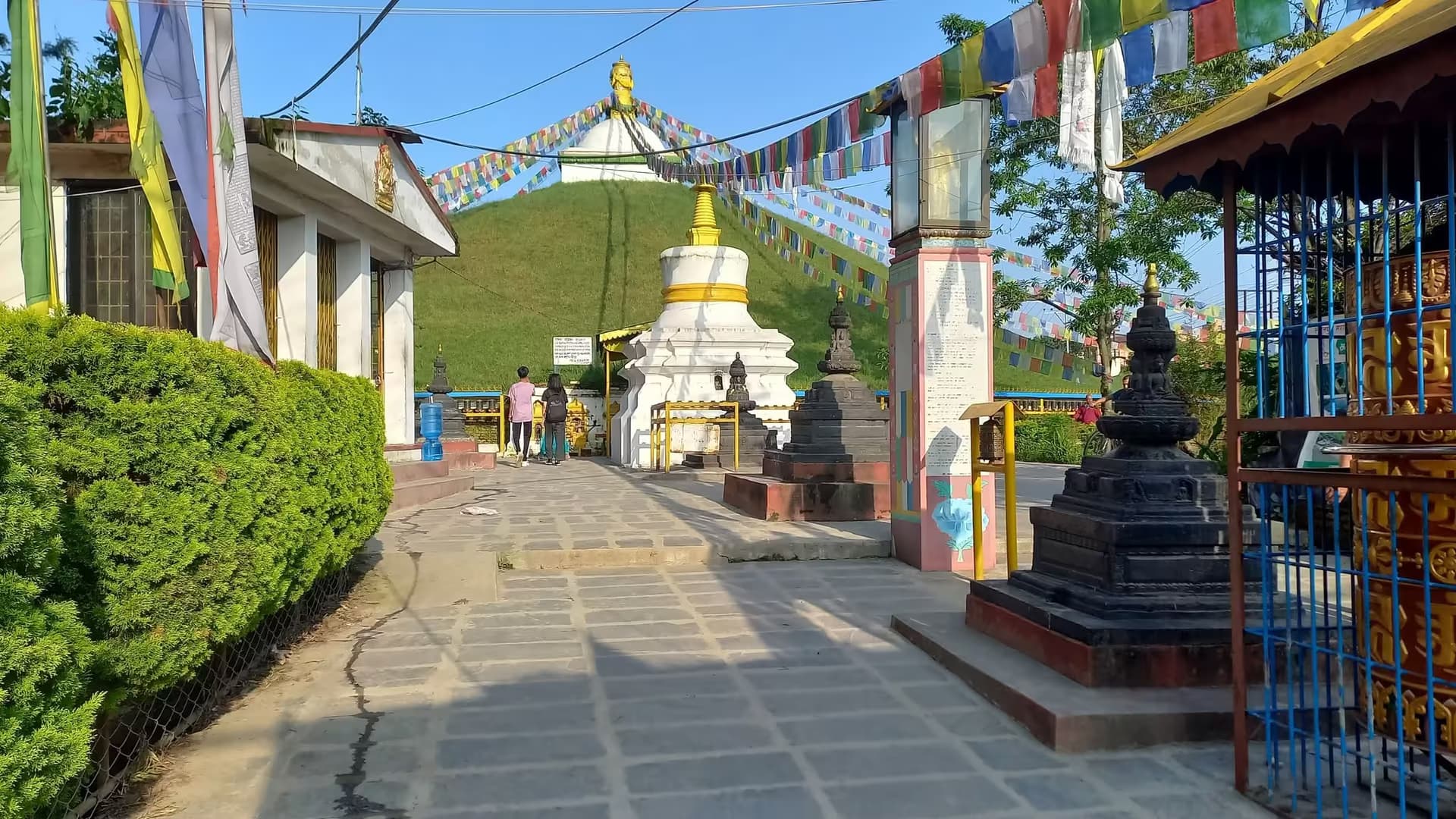
Lagan Thur (Lagankhel Ashoka Stupa)
The southern thur, at the Lagankhel crossroads
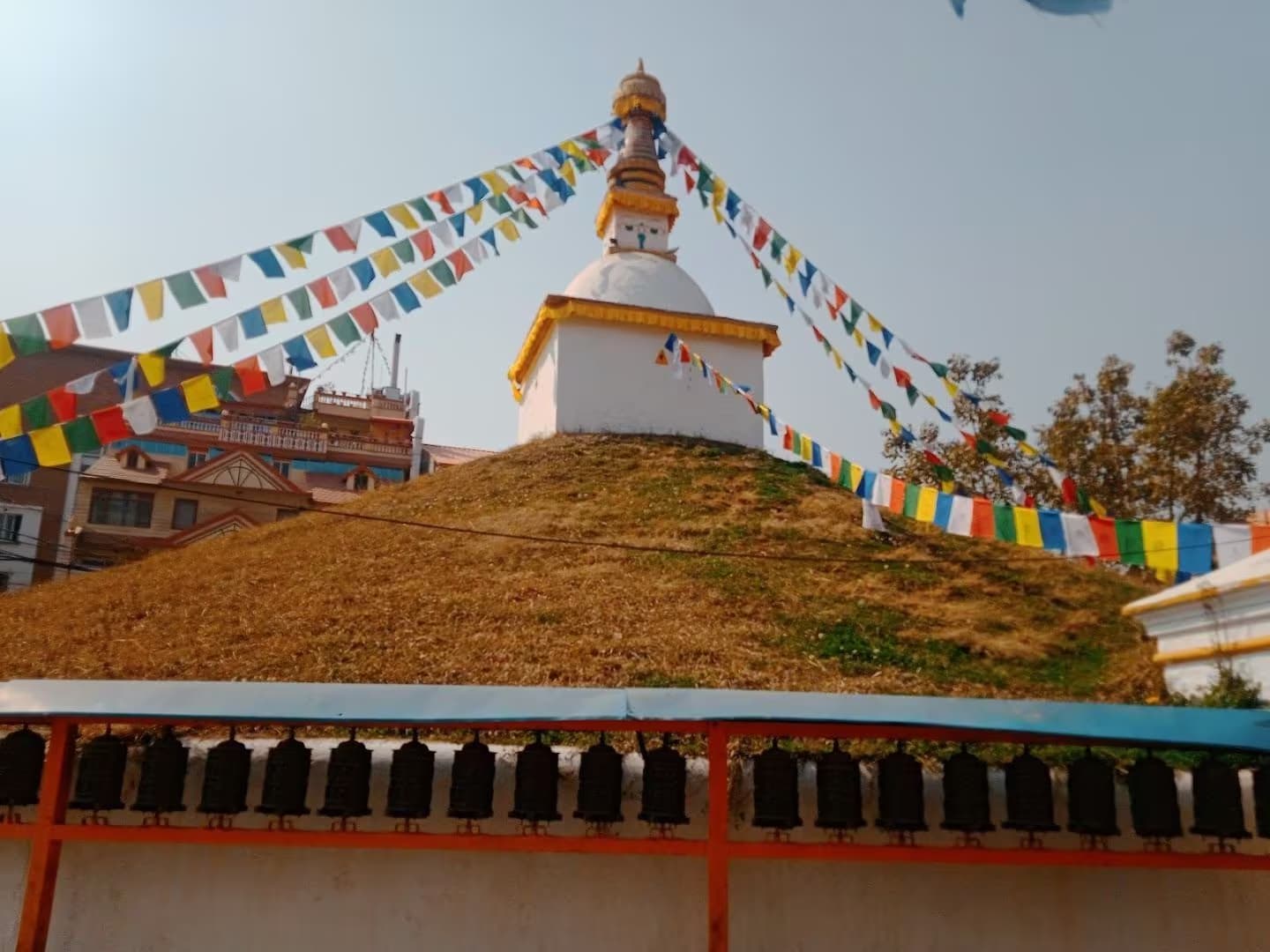
Teta Thur (Eastern Ashoka Stupa)
The eastern thur, the farthest point of the circuit
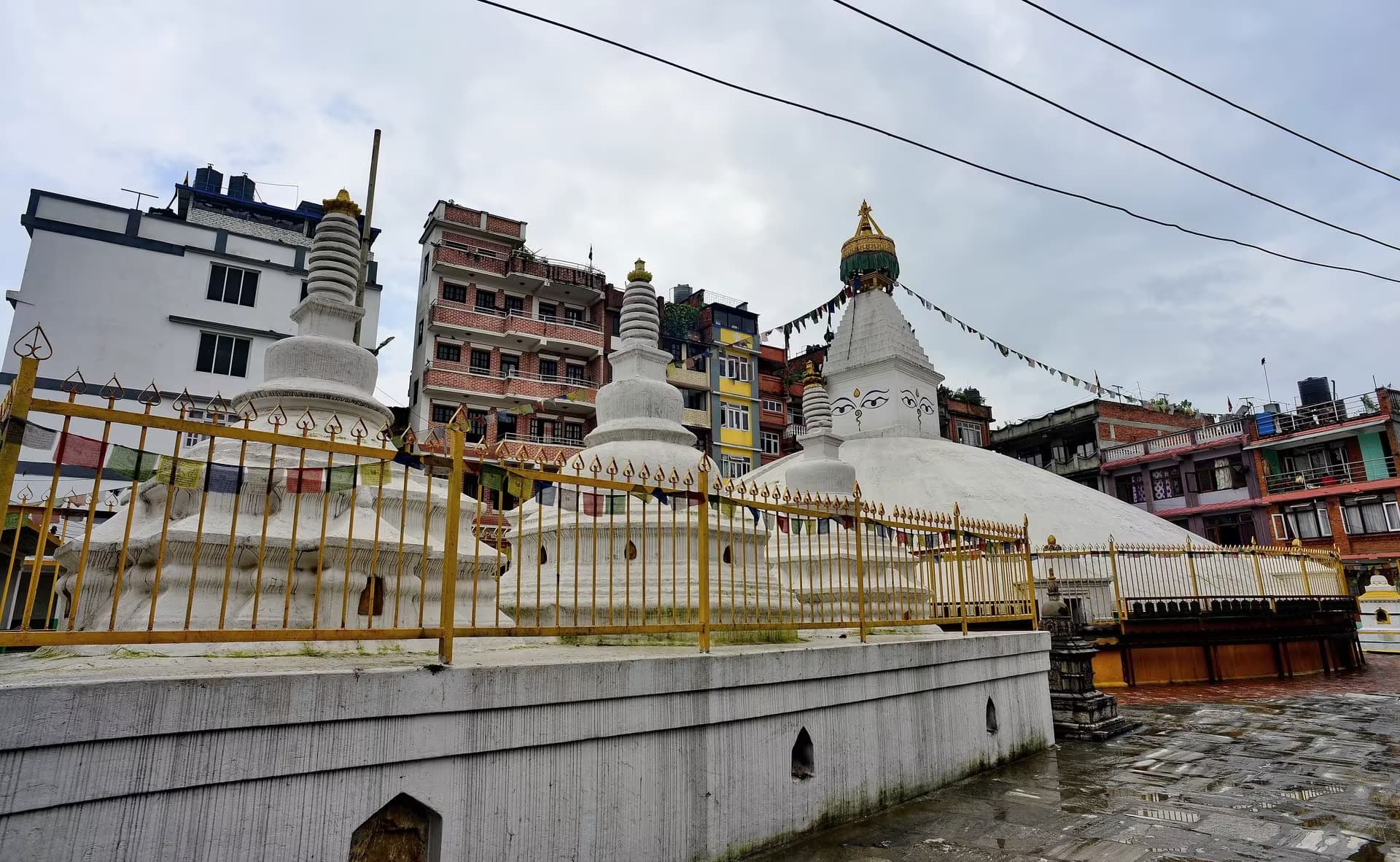
Ibahi Thur (Northern Ashoka Stupa)
The northern thur, in the dense lanes above Kumbheshwar
Deities & Presences
Characters
Rituals & Ceremonies
Part of Matya