Stupa · Buddhist
Ibahi Thur (Northern Ashoka Stupa)
इबही थुर
Buddhist stupa; Dhyani Buddha shrines at the cardinal points·Attributed by tradition to Ashoka, 3rd century BCE; the mound itself is undated·Lalitpur
The northern of Patan's four Ashoka stupas, in the lanes above Kumbheshwar — the one embedded most deeply in the old Newar city.
Dedicated to
Buddhist stupa; Dhyani Buddha shrines at the cardinal points
Period
Attributed by tradition to Ashoka, 3rd century BCE; the mound itself is undated
Hours
Open at all times
Admission
Free
Neighborhood
Ibahi, north Patan
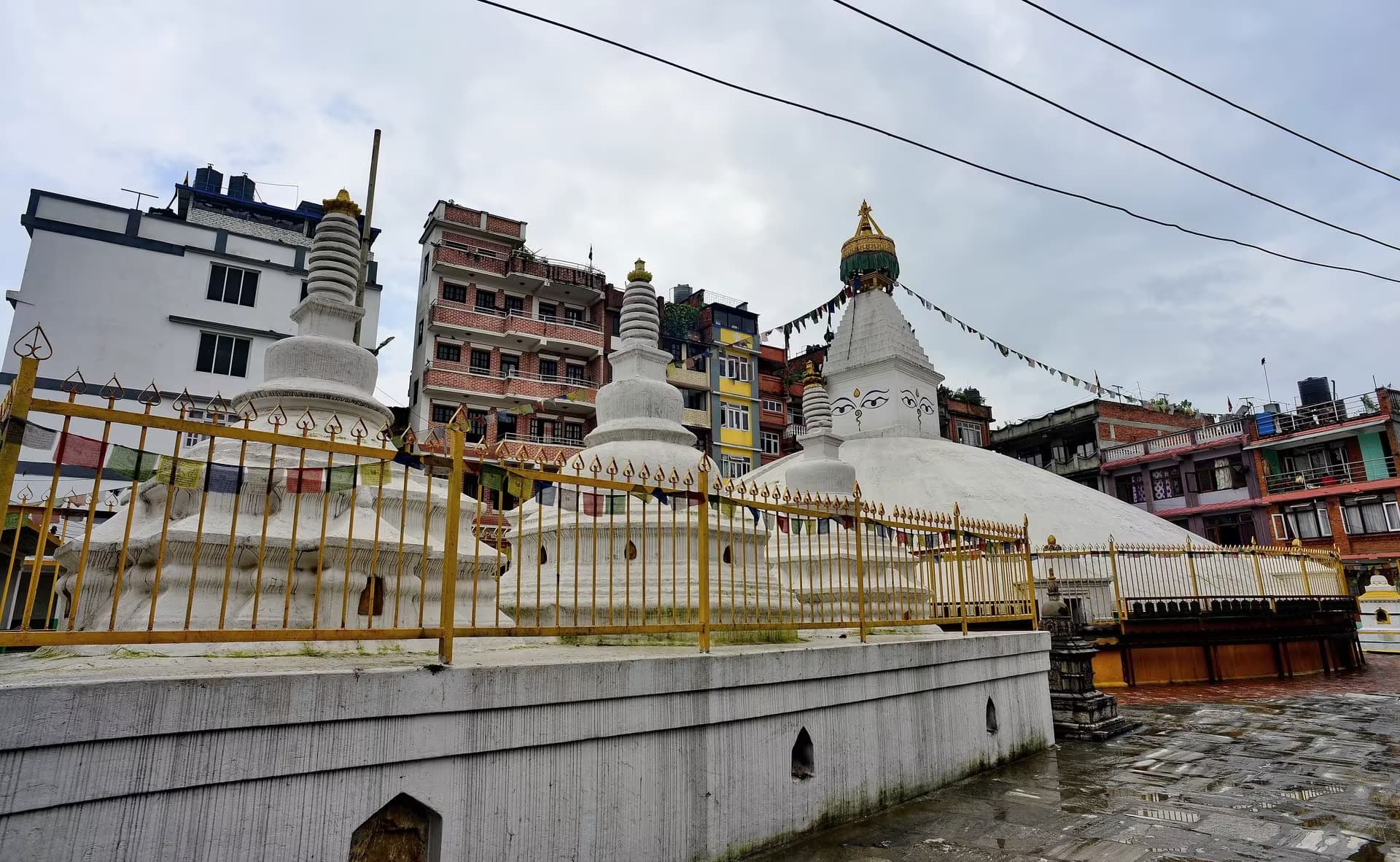
Ibahi Thur closes the square, and it is the odd one of the four. Where Pulchowk, Lagan and Teta are bare earth mounds under grass, Ibahi has been plastered and whitewashed into a proper dome — painted Buddha eyes on the harmika, a gilded finial, a walled enclosure with subsidiary white chaityas around it. It is the northern marker of old Patan's limits, standing in the dense Newar lanes north of the palace, a short walk above Kumbheshwar. Local tradition attributes the four to the emperor Ashoka; none has been excavated to a date, and the claim is the city's own rather than the archaeologists'.
Inside the old city, not outside it
Where Teta stands in modern suburb and Lagankhel in a bus junction, Ibahi is still surrounded by the fabric it was built to bound — brick houses, bahal doorways, water spouts, courtyards opening off the lane. It is the easiest of the four to walk to, and the only one that announces itself: a white dome above the rooftops at the end of a lane, rather than a green hill you have to be told is a monument.
On the Matya circuit
Matya anchors on the four thur and fills in every Buddhist shrine between them. The northern arc through these lanes is the densest part of the route — the shrines are only metres apart here — and it is the stretch a visitor joining the procession for an hour will find most rewarding.
Visiting
Ten minutes north of Patan Durbar Square, best on foot. Free and open. Combine with Kumbheshwar, the Golden Temple and Nag Bahal for a single northern loop; the remaining thur are Pulchowk, Lagan and Teta.
Folio III
Nearby Sacred Sites
Places within a short walk that help turn this stop into a small sacred cluster.
Kumbheshwar Temple
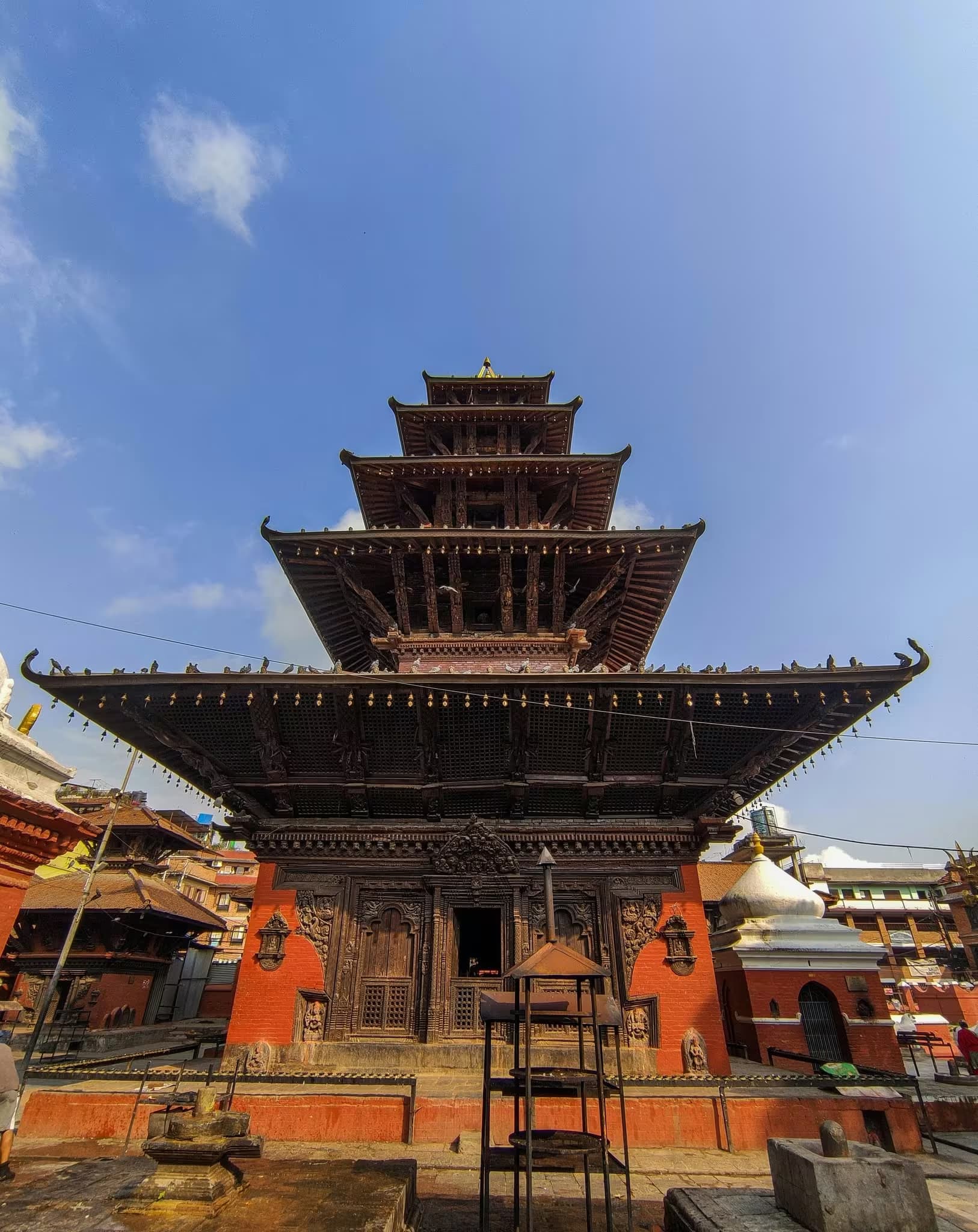
Patan's five-tiered Shiva temple — one of only two five-storey pagodas in the Kathmandu Valley — built around a spring-fed tank believed to run underground from Gosainkunda, and the focal point of Janai Purnima.
Baglamukhi Temple
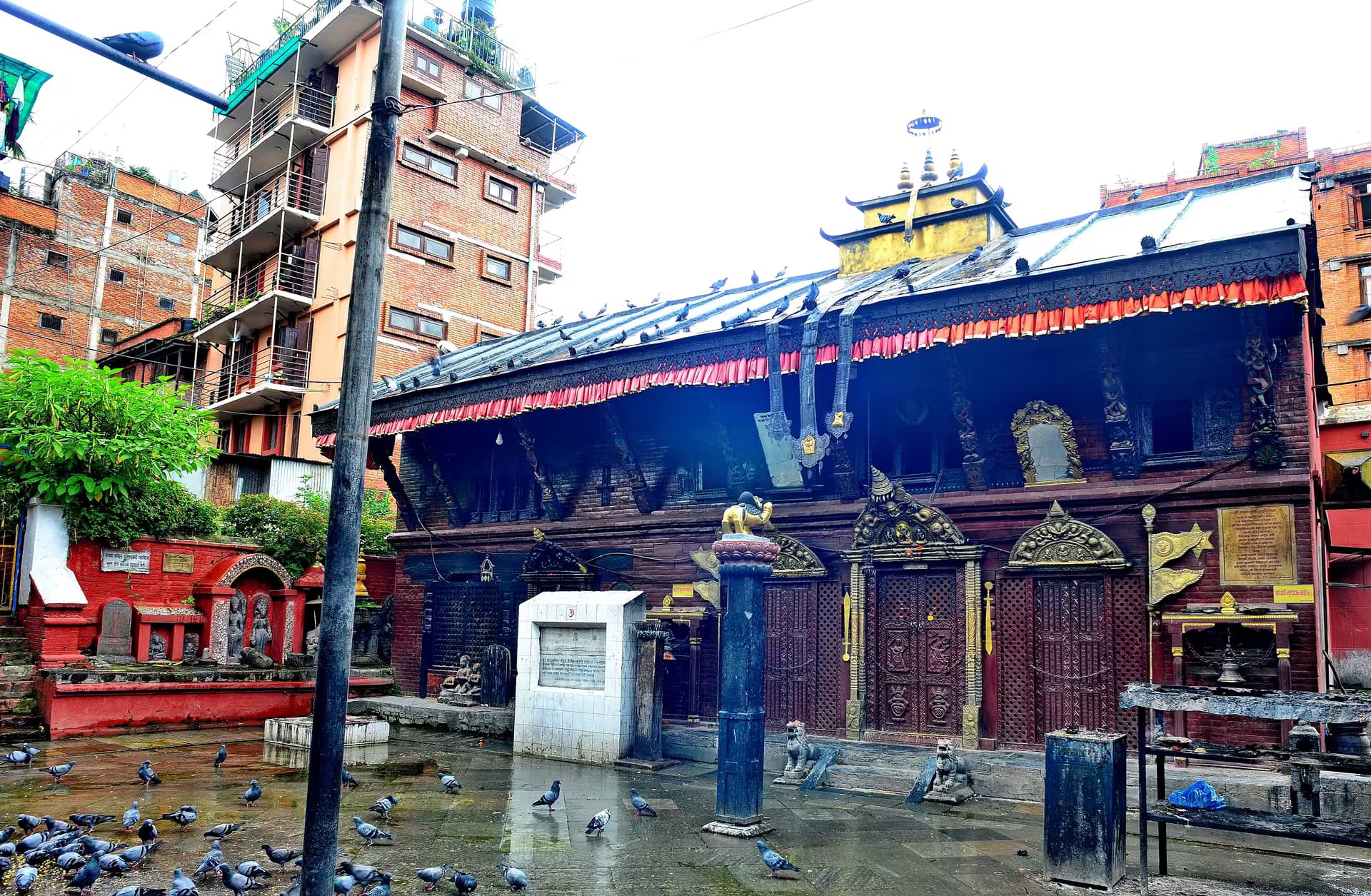
A revered tantric goddess temple in Patan dedicated to Baglamukhi, the Mahavidya of stambhana, known for Thursday puja, dispute-resolution prayers, and its sacred Kumbheshwar-side complex.
Dhum Bahal (Gunalakshmi Mahavihar)
One of the traditional 18 bahals of Patan, Dhum Bahal (Gunalakshmi Mahavihar) is a historic Newar Buddhist monastery courtyard in the old city of Lalitpur.
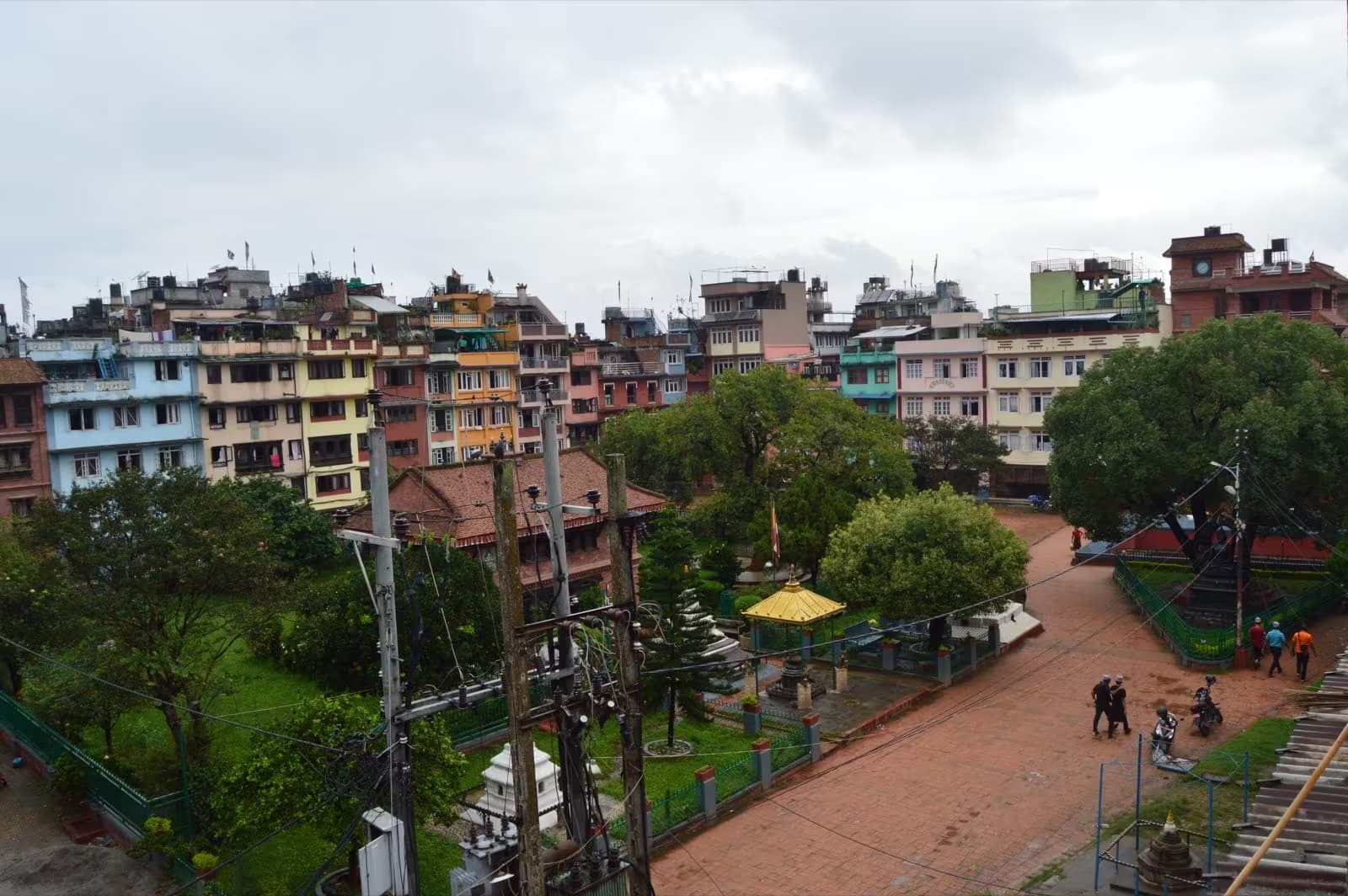
Nag Bahal (Nagbahal)
One of Patan's oldest Buddhist courtyards and the gathering site for the Samyak Mahadan festival, where all Dipankara Buddha images from across Patan are assembled.
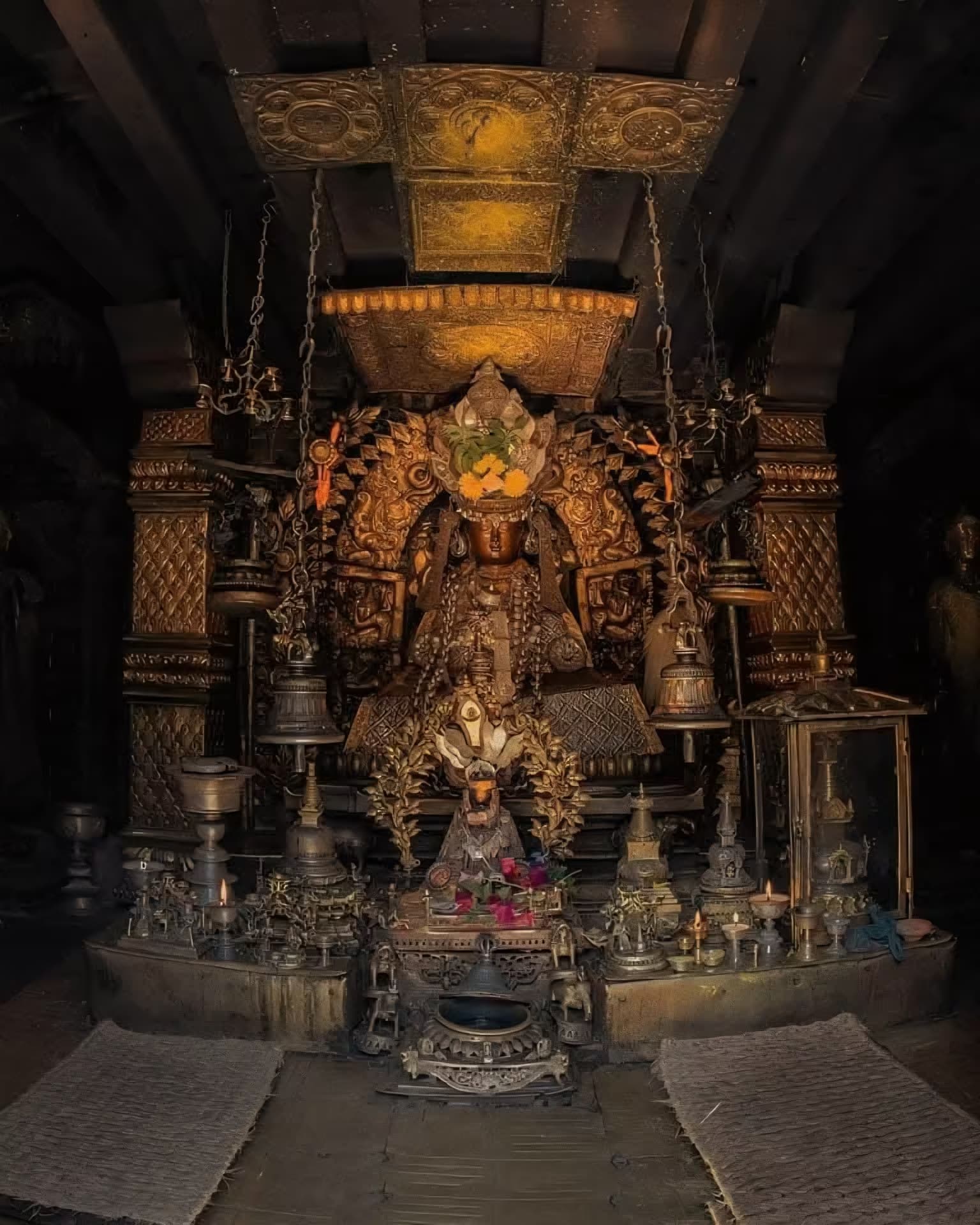
Hiranya Varna Mahavihar (Golden Temple)
Patan's celebrated Golden Temple — a 12th-century Newar Buddhist bahal sheathed in gilded copper, with a rotating boy priest and an 800-year-old Prajnaparamita manuscript.
Coda
Continue the Pilgrimage
Planning this visit? Local operators publishing trips here can arrange it.
Elsewhere in this region
Help us get it right
Know Ibahi Thur (Northern Ashoka Stupa) better than we do?
We write from research and reporting, and the ground changes faster than we can keep up. If something here is out of date, or you have been and would tell it differently, we would rather hear it.