Temple · Hindu
Baglamukhi Temple
बंगलामुखी मन्दिर
Goddess Baglamukhi·Historic Patan shrine; exact foundation date uncertain·Lalitpur
A revered tantric goddess temple in Patan dedicated to Baglamukhi, the Mahavidya of stambhana, known for Thursday puja, dispute-resolution prayers, and its sacred Kumbheshwar-side complex.
Dedicated to
Goddess Baglamukhi
Period
Historic Patan shrine; exact foundation date uncertain
Hours
Open daily; Thursday sees the heaviest devotional traffic and puja activity
Admission
Free
Neighborhood
Bangalamukhi, south of Kumbheshwar, Patan
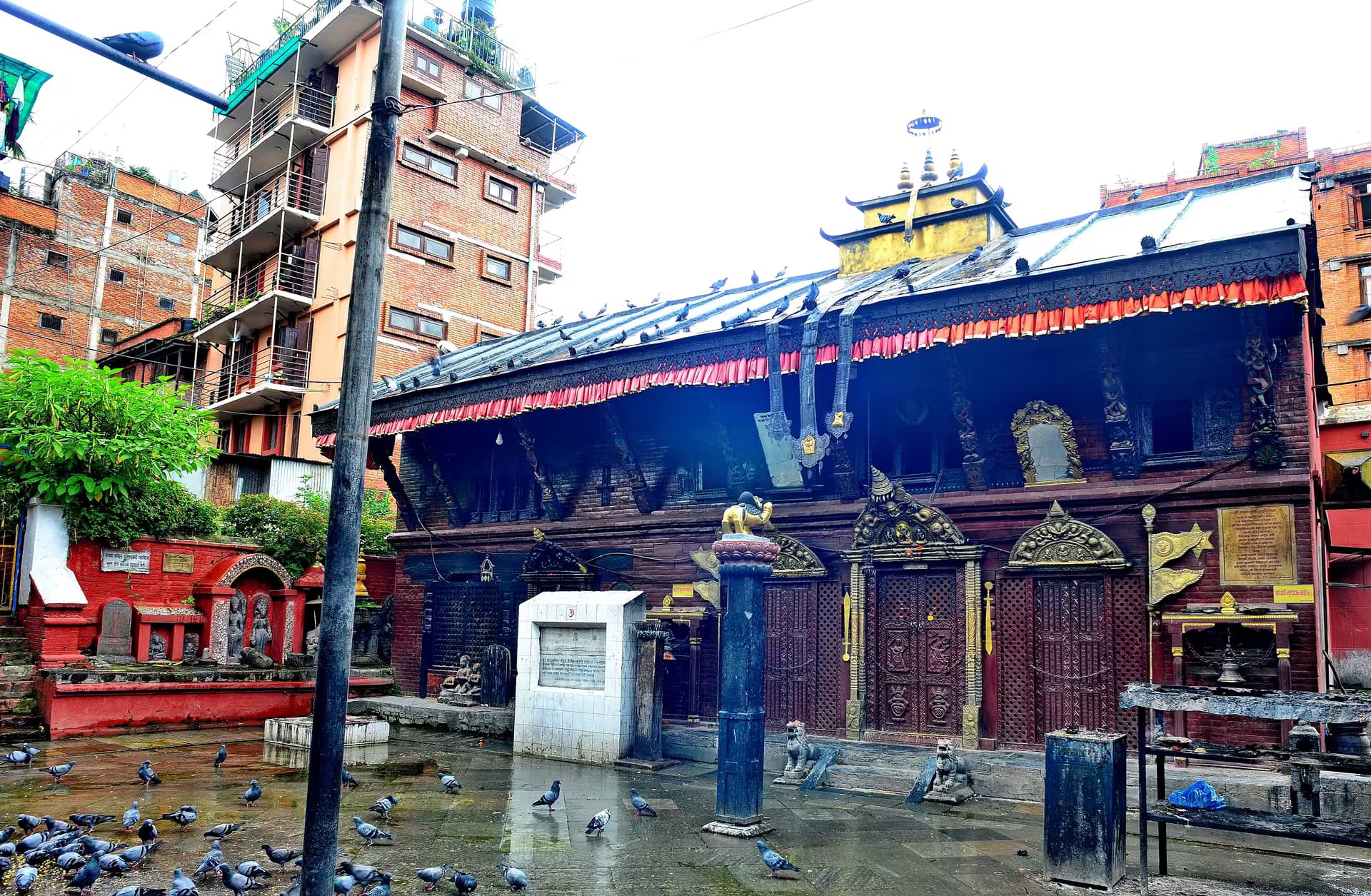
Baglamukhi Temple in Patan is not just another neighborhood Devi shrine. Its distinct pull comes from the goddess herself: Baglamukhi, one of the ten Mahavidyas of the tantric Shakta tradition, associated with stambhana - the power to still, restrain, or paralyse harmful speech and hostile force. Devotees commonly approach Baglamukhi Mata when they are facing legal cases, public disputes, enemies, accusations, or situations where speech itself has become dangerous.
Who is Baglamukhi Mata?
Baglamukhi is usually understood as a fierce protective form of the goddess, often linked with the silencing of false speech and the immobilising of aggression. In popular devotion this becomes a very practical theology: worshippers ask her to stop slander, calm conflict, defeat opponents, and protect the devotee from unseen harm. That is why searches for Baglamukhi puja and Baglamukhi mantra tend to cluster around court cases, family disputes, business conflicts, and protection rites.
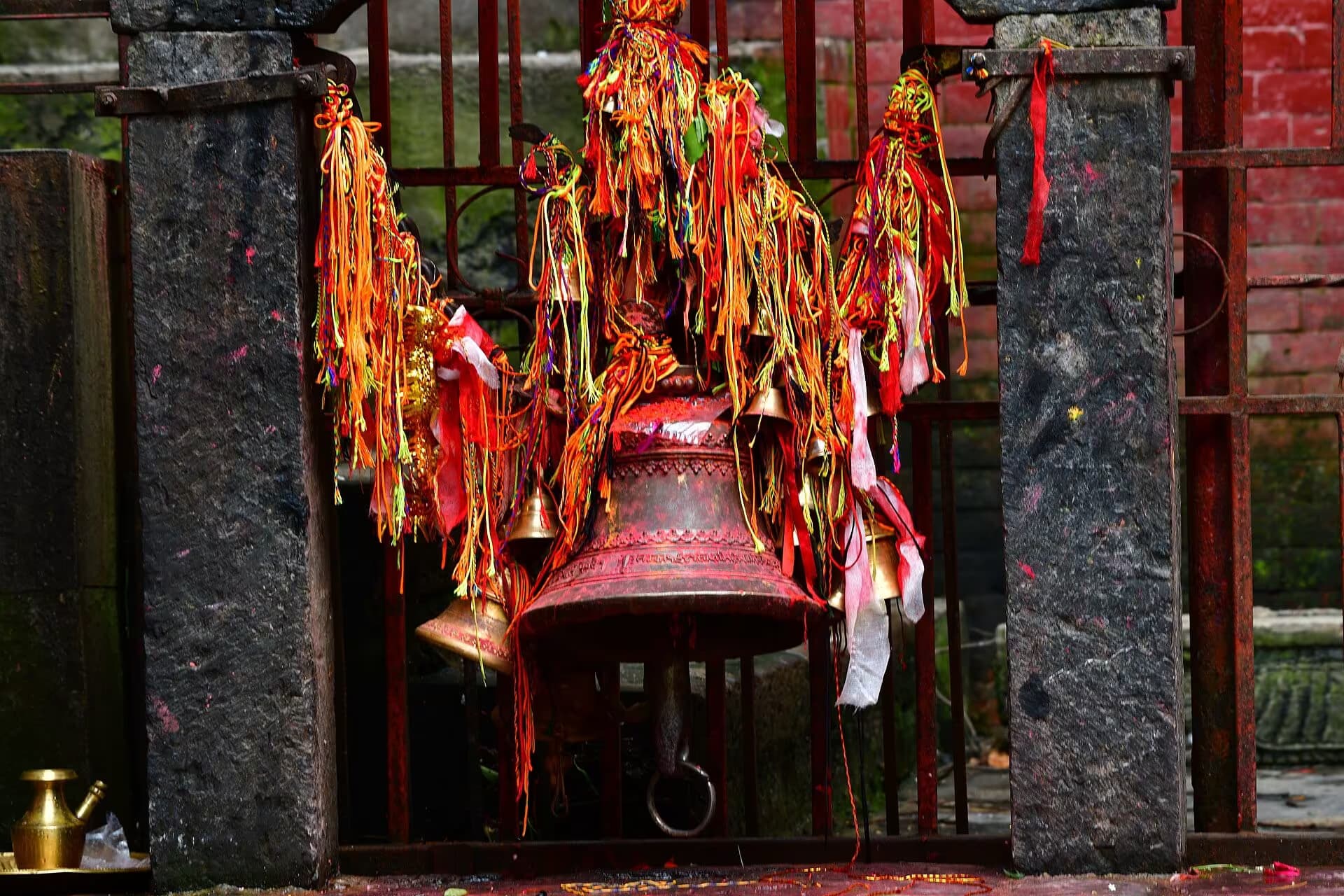
This does not make the Patan temple a spectacle. It is an active local worship place where ritual seriousness matters more than tourist display. The power of the site is in its ordinary rhythm: devotees carrying flowers and offerings, priests conducting puja, and a dense neighborhood sacred geography that connects goddess worship to the older fabric of Patan.
Thursday worship and puja
Thursday is the temple's major worship day. The courtyard becomes noticeably busier, with devotees arriving for darshan, offerings, and Baglamukhi puja. For visitors, Thursday is the best day to understand the living importance of the shrine, but it is also the day to be most careful with space, photography, and movement around worshippers.
The mantra context is important but should be approached respectfully. Baglamukhi mantras are part of tantric practice, traditionally taken seriously under ritual guidance rather than treated as casual travel trivia. On the page, the important point is not to reproduce private rites, but to understand why the goddess is sought: the stilling of hostile speech, protection from conflict, and the restoration of control when a situation feels adversarial.
The sacred complex near Kumbheshwar
The temple lies in Lalitpur south of the Kumbheshwar area, within Patan's extended sacred core rather than inside the main Durbar Square circuit. The surrounding complex includes subsidiary shrines and old water structures, giving it the layered feel typical of historic Patan neighborhoods. Nearby Kumbheshwar is one of the city's most important Shiva complexes, so Baglamukhi sits inside a dense ritual landscape rather than as a freestanding monument.
That setting is part of the reason the temple belongs on a deeper Patan walk. A visitor can begin at Patan Durbar Square, continue north through older lanes and courtyards, and then visit Baglamukhi as a living goddess shrine away from the UNESCO-fronted route. It pairs naturally with other Patan sacred sites such as Krishna Mandir, Vishwanath Temple, and the Buddhist metalwork courtyards around the Golden Temple.
Getting there and nearby sites
From Patan Durbar Square, Baglamukhi Temple is a short local walk north of the palace-square area toward Kumbheshwar. The route is best done slowly: narrow lanes, neighborhood shrines, water spouts, and courtyards are part of the experience. Taxis can get close, but the final approach is more legible on foot.
For a wider Kathmandu Valley tantric circuit, compare Baglamukhi with Guhyeshwari Temple near Pashupatinath, Vajrayogini Temple above Sankhu, Dakshinkali Temple south of Kathmandu, and the broader Hindu temples collection. Baglamukhi is smaller and more local than those headline shrines, but its focus on stambhana, speech, disputes, and protection gives it one of the clearest devotional identities in Patan.
Folio III
Nearby Sacred Sites
Places within a short walk that help turn this stop into a small sacred cluster.
Kumbheshwar Temple
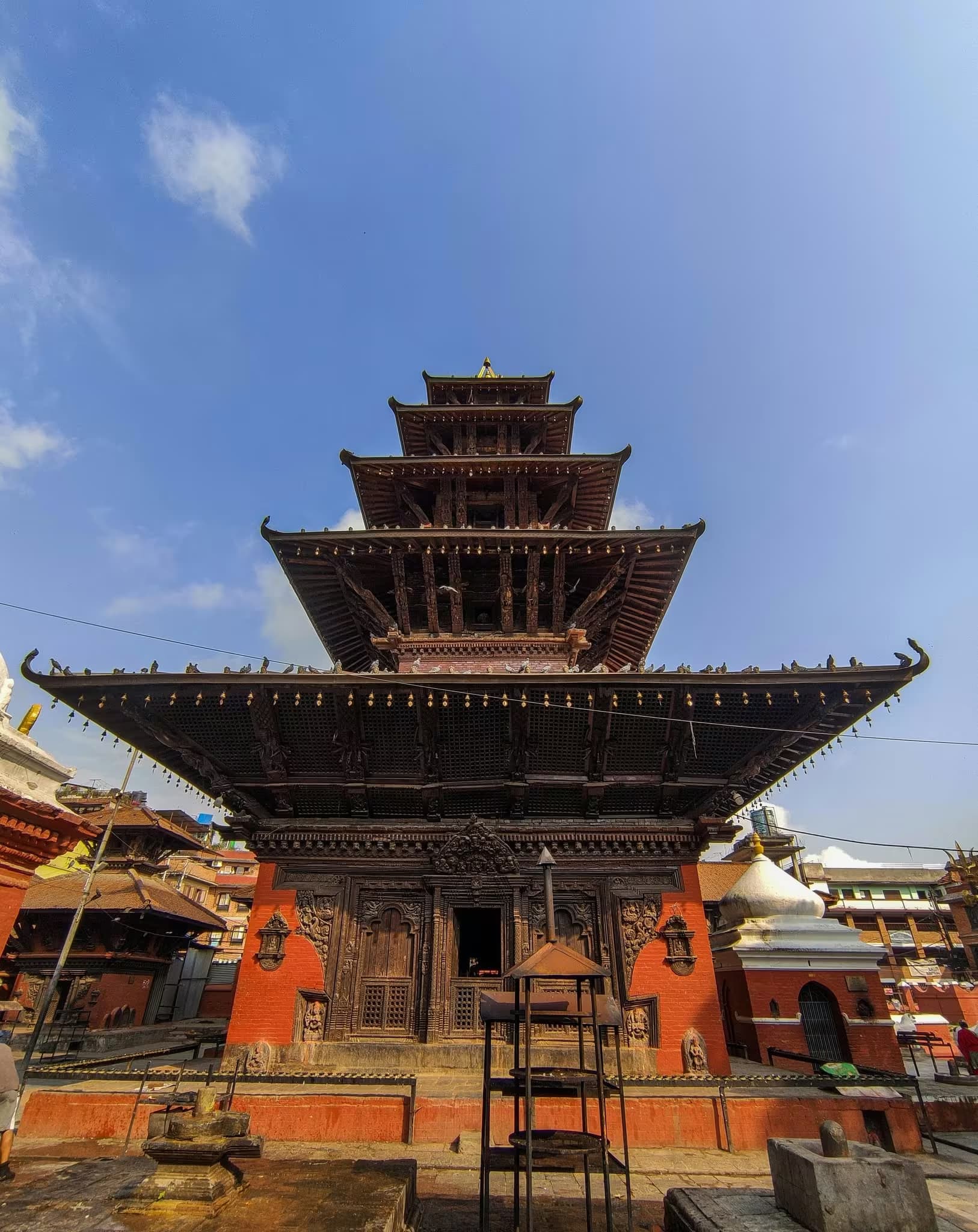
Patan's five-tiered Shiva temple — one of only two five-storey pagodas in the Kathmandu Valley — built around a spring-fed tank believed to run underground from Gosainkunda, and the focal point of Janai Purnima.
Dhum Bahal (Gunalakshmi Mahavihar)
One of the traditional 18 bahals of Patan, Dhum Bahal (Gunalakshmi Mahavihar) is a historic Newar Buddhist monastery courtyard in the old city of Lalitpur.
Nag Bahal (Nagbahal)
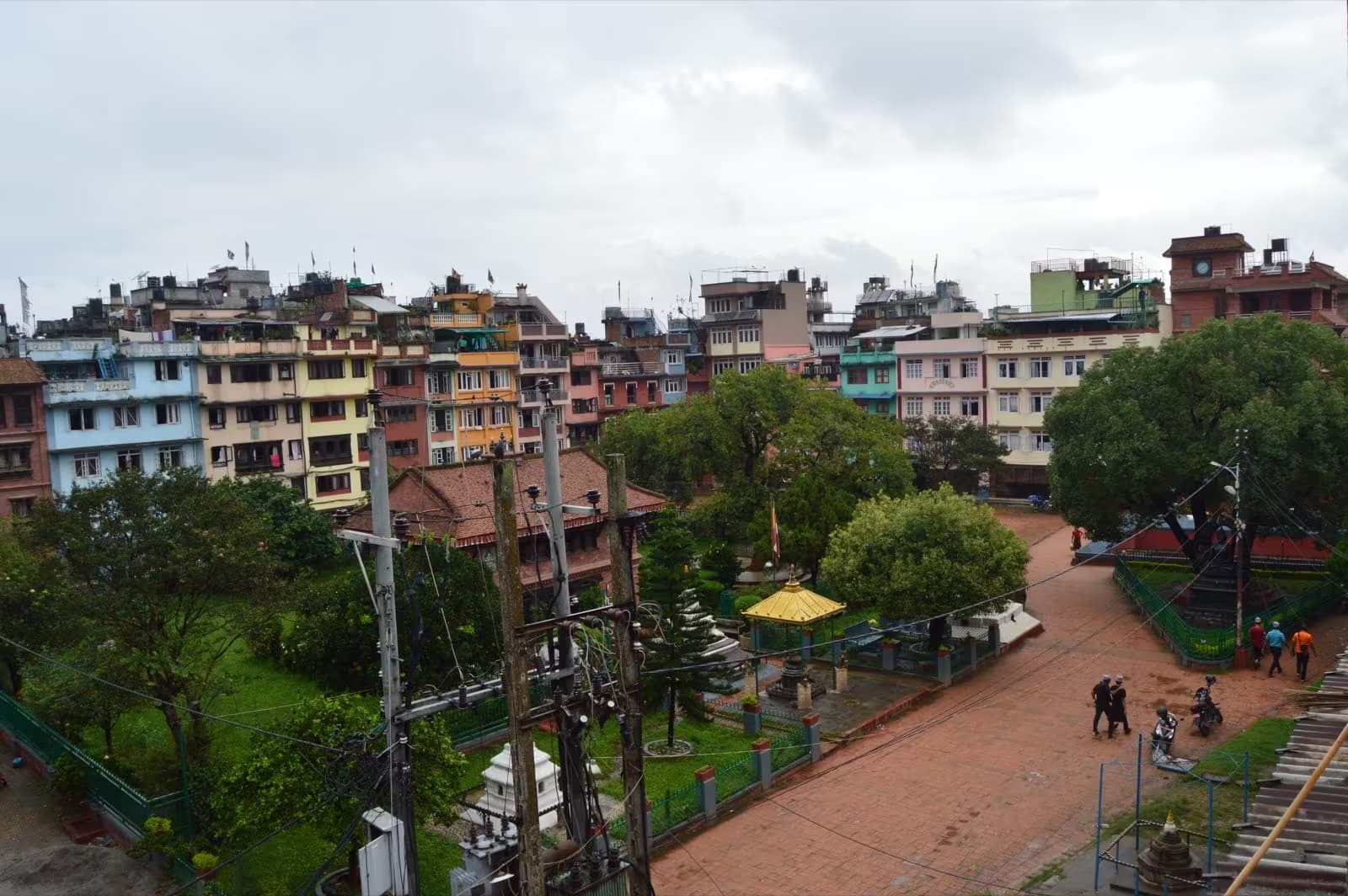
One of Patan's oldest Buddhist courtyards and the gathering site for the Samyak Mahadan festival, where all Dipankara Buddha images from across Patan are assembled.
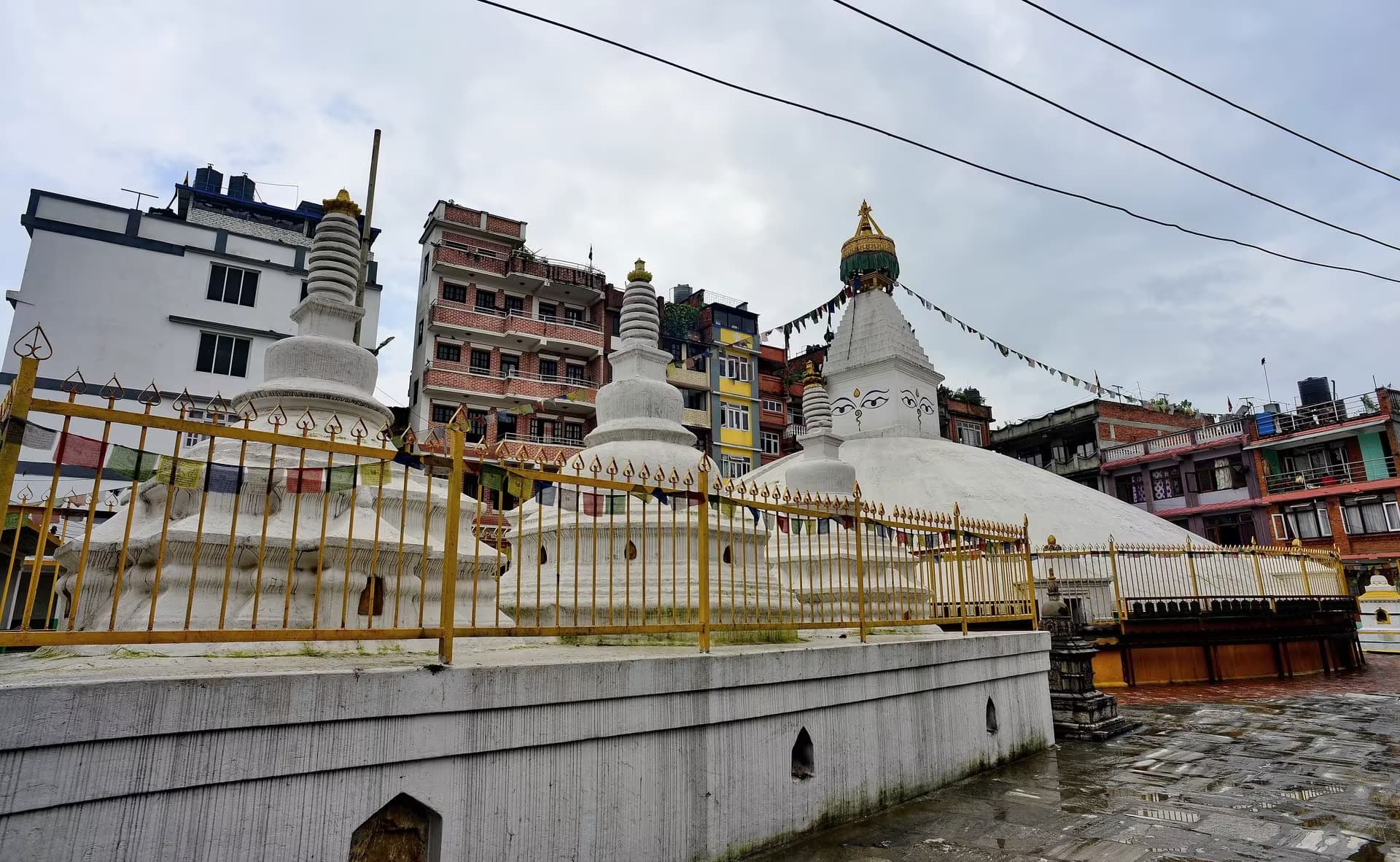
Ibahi Thur (Northern Ashoka Stupa)
The northern of Patan's four Ashoka stupas, in the lanes above Kumbheshwar — the one embedded most deeply in the old Newar city.
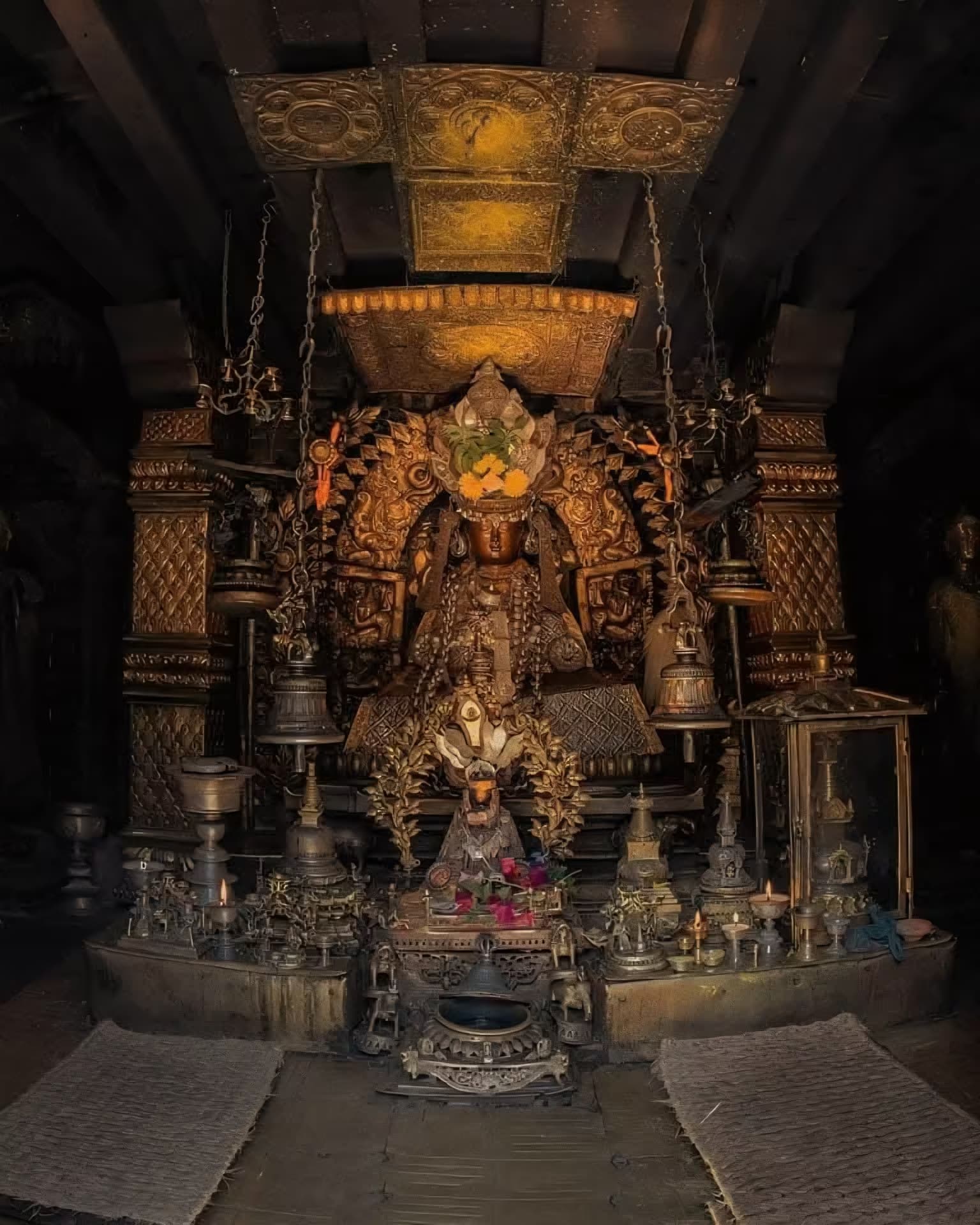
Hiranya Varna Mahavihar (Golden Temple)
Patan's celebrated Golden Temple — a 12th-century Newar Buddhist bahal sheathed in gilded copper, with a rotating boy priest and an 800-year-old Prajnaparamita manuscript.
Coda
Continue the Pilgrimage
Related
Connected places and entries worth pairing
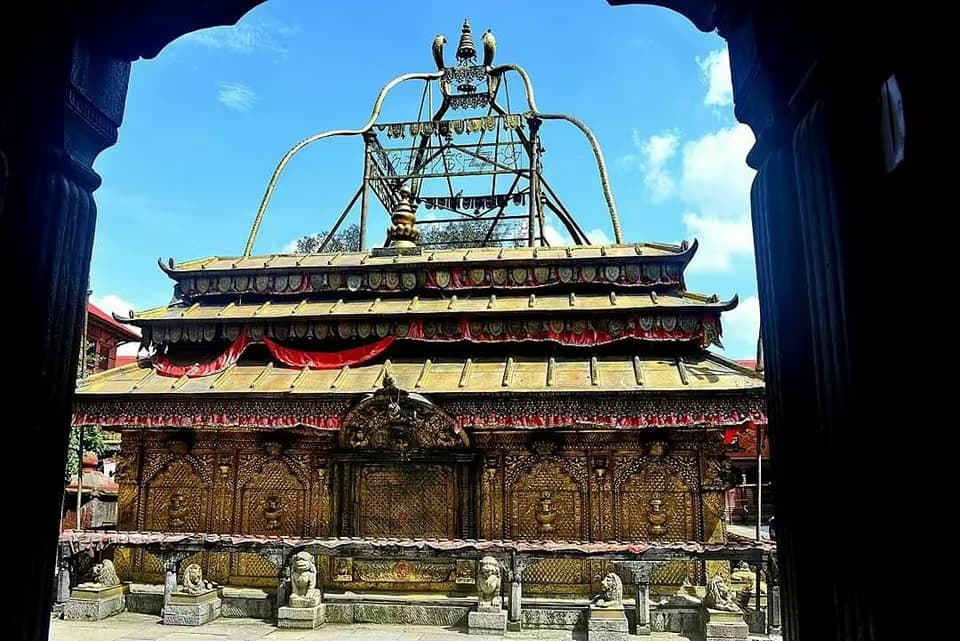
Guhyeshwari Temple
Both are major Kathmandu Valley goddess shrines with tantric associations
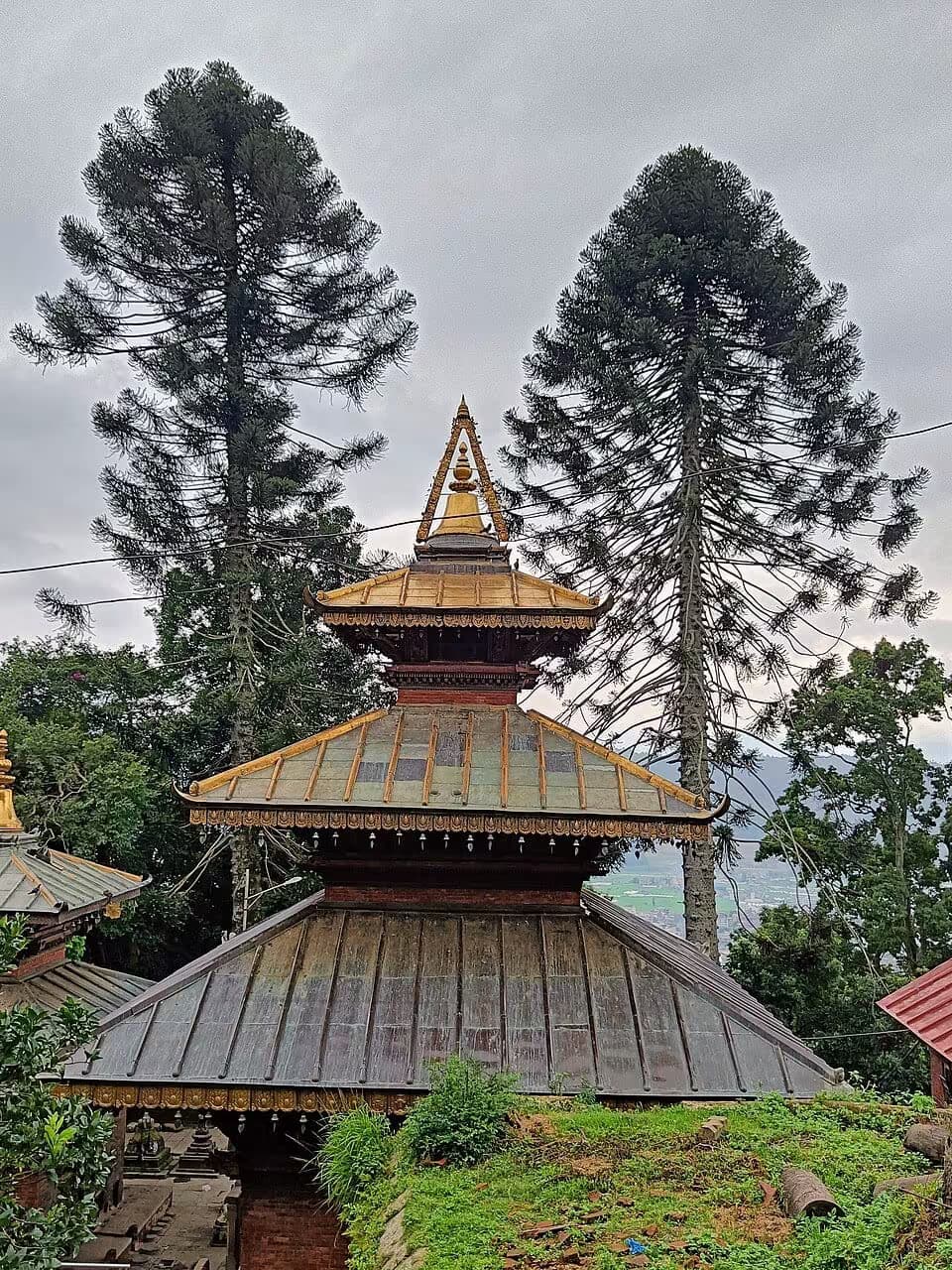
Vajrayogini Temple
Another important tantric goddess site in the valley, above Sankhu
Dakshinkali Temple
Valley Shakti shrine with a stronger public sacrifice tradition, useful for comparison
Planning this visit? Local operators publishing trips here can arrange it.
Elsewhere in this region

Help us get it right
Know Baglamukhi Temple better than we do?
We write from research and reporting, and the ground changes faster than we can keep up. If something here is out of date, or you have been and would tell it differently, we would rather hear it.