Temple · Syncretic
Vajrayogini Temple
वज्रयोगिनी मन्दिर❊वज्रयोगिनी द्यः
Vajrayogini / Ugratara·Ancient shrine; main pagoda associated with King Pratap Malla, 1655 CE; rebuilt multiple times·Kathmandu
An important tantric goddess temple above the ancient Newar town of Sankhu, one of the four principal Vajrayogini shrines in the Kathmandu Valley and a revered Shakti peetha.
Dedicated to
Vajrayogini / Ugratara
Period
Ancient shrine; main pagoda associated with King Pratap Malla, 1655 CE; rebuilt multiple times
Hours
Open dawn to dusk
Admission
Free
Neighborhood
Sankhu
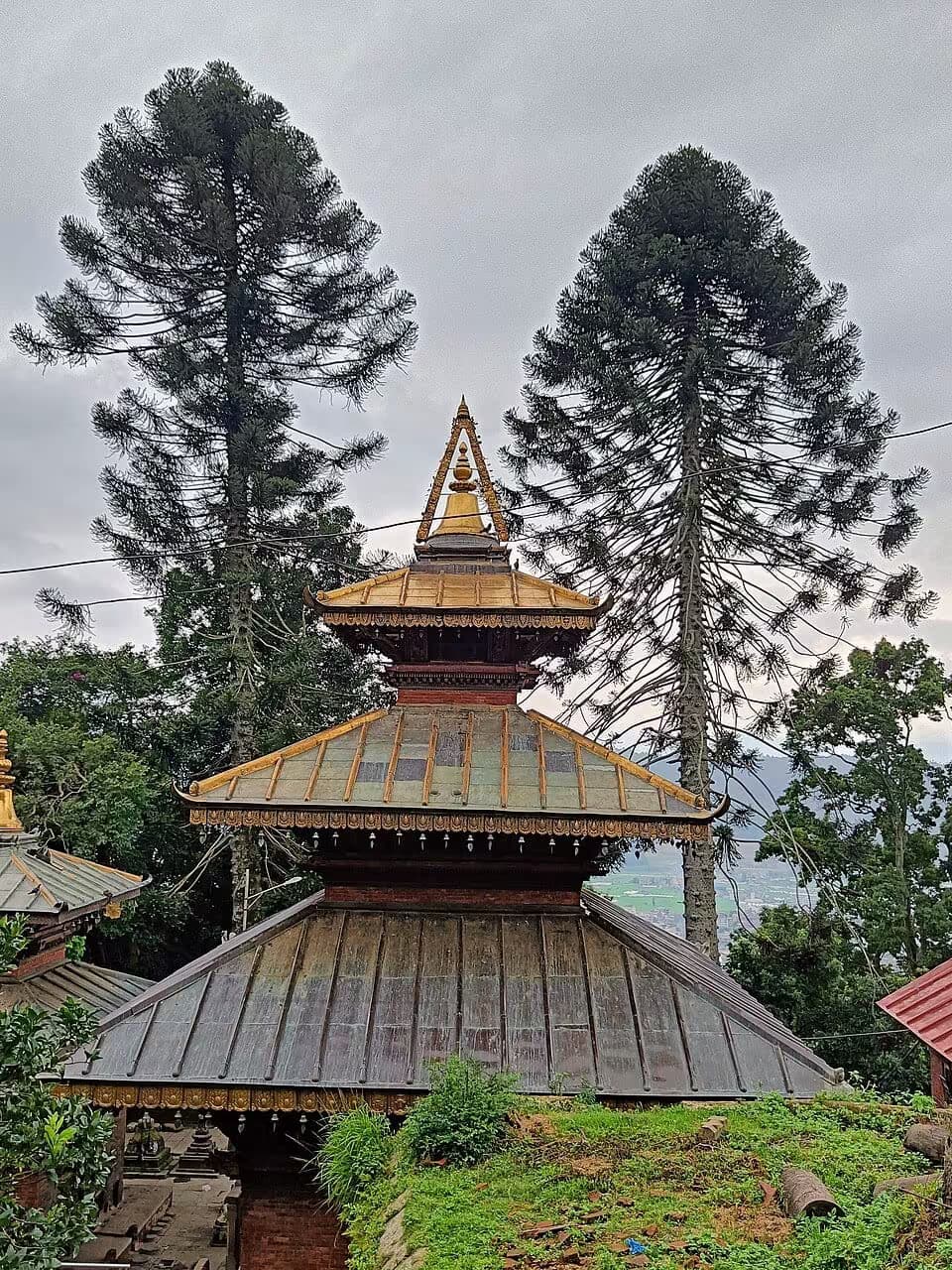
Vajrayogini Temple perches on a forested hillside above Sankhu, one of the oldest Newar trading towns in the Kathmandu Valley. Dedicated to the tantric goddess Vajrayogini — known locally as Ugratara — the shrine is among the four most important Vajrayogini pilgrimage sites in the valley and is venerated as a Shakti peetha, a seat of feminine divine energy.
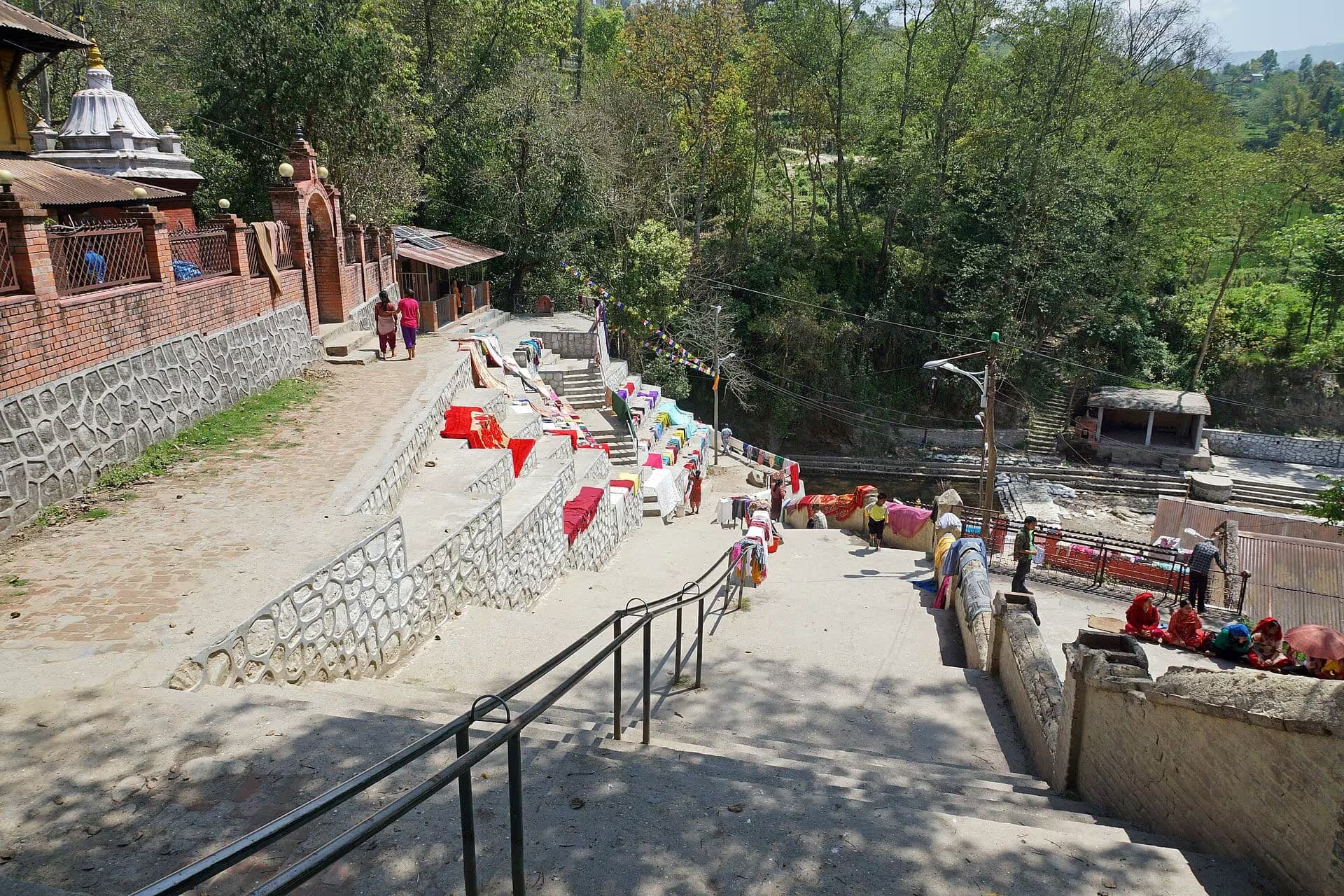
The approach is part of the experience: a long stone stairway climbs through a canopy of sal forest, passing small chaityas, rest platforms, and ancient stone carvings worn smooth by centuries of devotees' hands. The temple compound at the top contains the main three-roofed pagoda shrine, subsidiary shrines, and a courtyard with elaborate metalwork toranas. The gilded image of Vajrayogini inside is fierce and resplendent, adorned with tantric iconography.
The site is much older than its present structures, but the main pagoda is strongly associated with the Malla period. Several traditions and guide sources credit King Pratap Malla with building or rebuilding the Sankhu Vajrayogini pagoda in 1655 CE, making the temple an important Pratap Malla node alongside Rani Pokhari and his Swayambhu works. Phrase the attribution carefully: the sacred site predates him, while the 17th-century temple fabric is associated with his reign.
Vajrayogini holds a unique position in the valley's religious landscape, embodying the syncretic interweaving of Hindu and Vajrayana Buddhist tantric traditions. Hindu devotees worship her as Ugratara, a fierce manifestation of the goddess, while Buddhist practitioners revere her as a key meditational deity. Annual festivals draw both communities together in shared celebration.
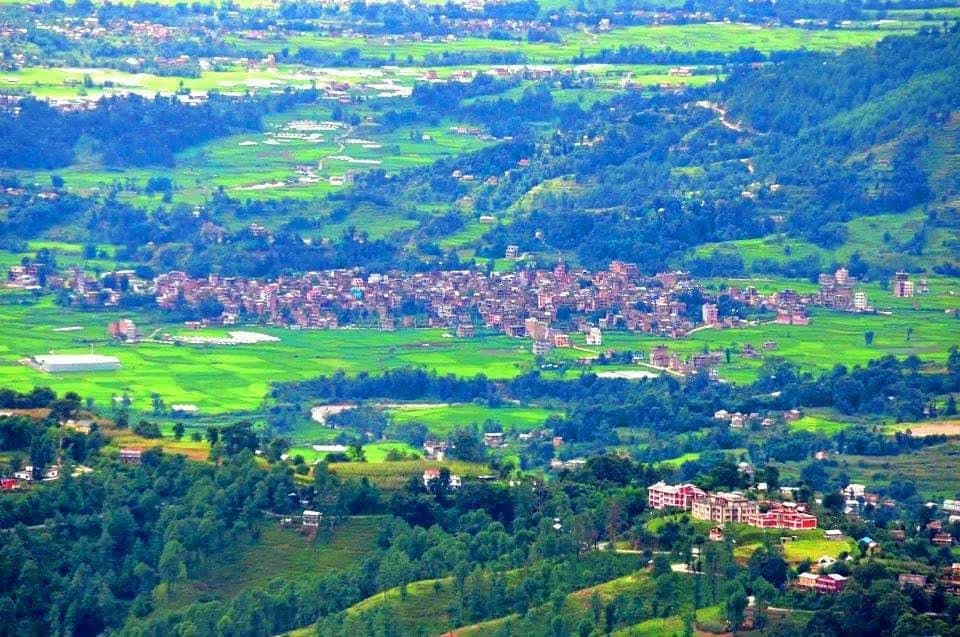
Visitors will find the hilltop setting rewards the climb with sweeping views over Sankhu's orange-brick townscape and the terraced farmland beyond. The site receives far fewer tourists than the valley's headline temples, making it an ideal detour for those seeking a quieter, more contemplative encounter with Nepal's living tantric heritage.
- Built by Pratap MallaPagoda c. 1655
The hilltop Vajrayogini pagoda above Sankhu is associated with his reign, though the sacred site itself is far older.
Access & Mobility
The classic Sankhu approach climbs a stone stair and forest path that can be slippery in wet weather. Vehicle access can reduce the walk, but final shrine movement still involves uneven surfaces.
- On foot
Classic pilgrim walk from Sankhu up to the temple. Trail: vajrayogini-sankhu
- Vehicle
Local road access may reduce the climb depending on road condition; verify locally.
Folio III
Nearby Sacred Sites
Places within a short walk that help turn this stop into a small sacred cluster.
Coda
Continue the Pilgrimage
Part of
Sankhu
Planning this visit? Local operators publishing trips here can arrange it.
Elsewhere in this region
Help us get it right
Know Vajrayogini Temple better than we do?
We write from research and reporting, and the ground changes faster than we can keep up. If something here is out of date, or you have been and would tell it differently, we would rather hear it.