The route is a rule, not a suggestion
Matya's route is prescribed by tradition and it is total. The walker is meant to pass every Buddhist shrine in Patan — not the important ones, not a representative selection, all of them. The traditional reckoning is around 1,400 shrines: bahal courtyards, roadside stupas, carved stone chaityas set into wall niches, and the private votive shrines that sit in family courtyards behind doors that are shut the other 364 days of the year. The smaller counts you will see quoted — a hundred or so, sometimes 130 — are the major stupas and bahal courtyards, which is a different and much shorter list.
The four Ashoka stupas
The circuit hangs on four grassed mounds that mark the old limits of the city: Pulchowk, Lagankhel, Teta and Ibahi. Local tradition attributes them to the emperor Ashoka, and whatever their actual date they are the oldest religious structures in Lalitpur and the reason Patan's Buddhist geography has the shape it does. Walking Matya is, at the largest scale, walking the square they describe — and everything inside it.
What it costs
Many walkers go barefoot and fasting, from first light until the last shrine. There is no shortcut and no vehicle stage. In August, in monsoon, on stone. That is the point: the merit is in the distance, and the distance is the offering.
Joining a section
A visitor almost never walks the whole thing and does not need to. The procession is continuous, so you can pick it up in any lane of the old city and follow it for as long as you like — the character of the day is the same at hour two and hour ten, and only the light changes. What you get from an hour of it that you cannot get any other way is the interior of Patan: courtyards standing open, images uncovered, lanes you would never have a reason to turn down.
Related Places & Sites

destination
Patan Durbar SquareMangal Bazaar, the lanes around the square, is one of the ten host toles — and the circuit runs through it whoever has the year
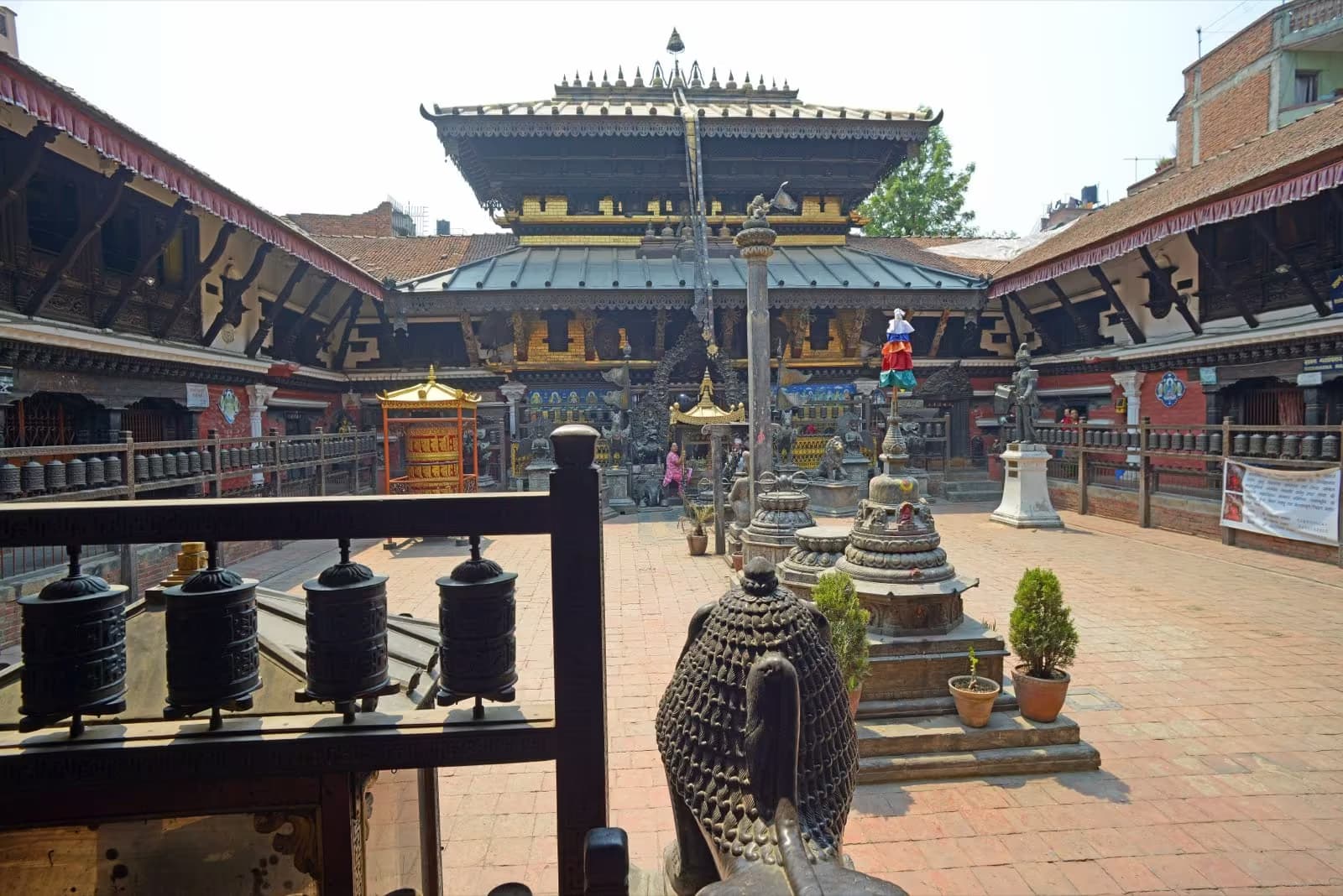
sacred site
Rudravarna Mahavihar (Okubahal)Okubahal — a host tole and one of the oldest courtyards on the route
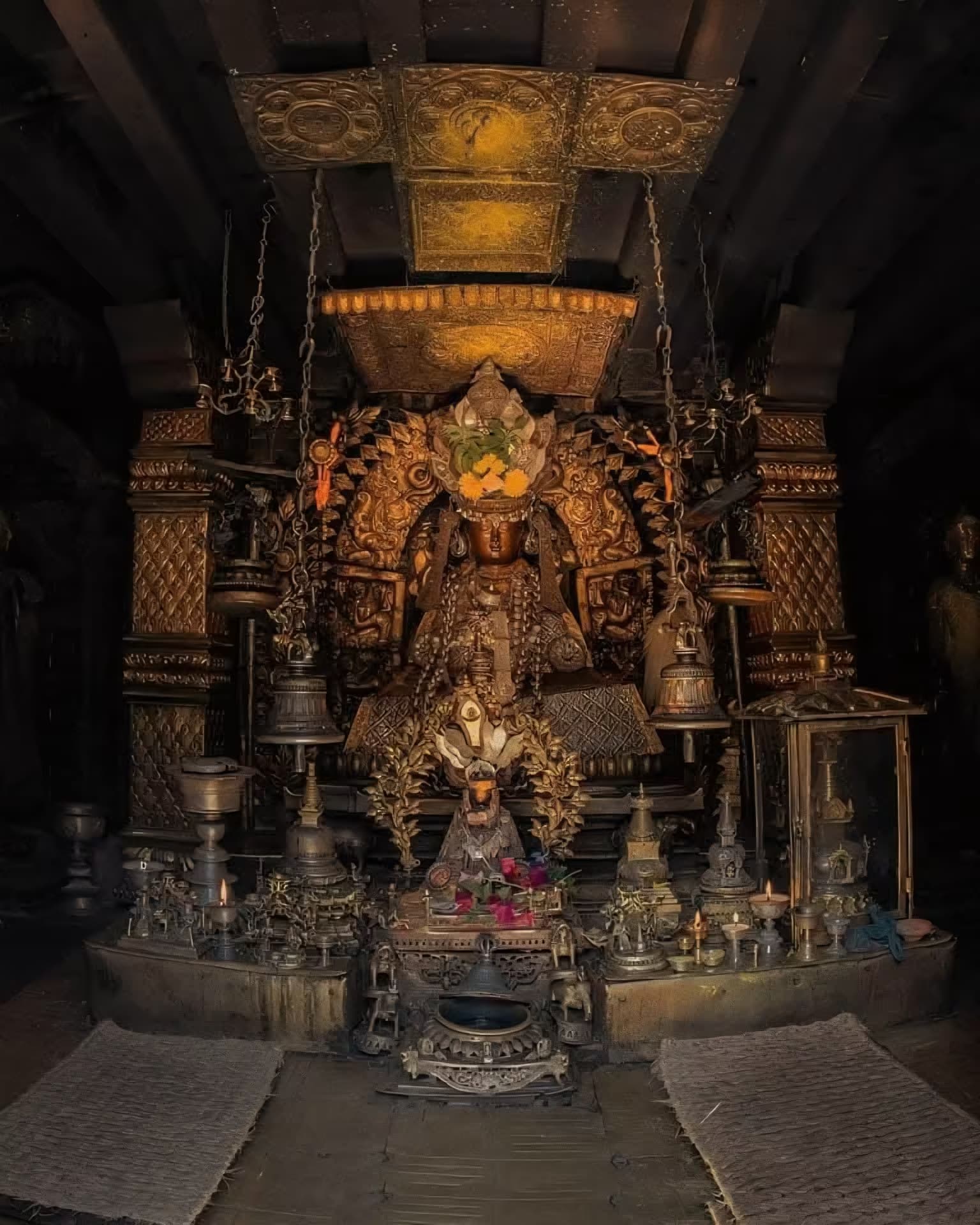
sacred site
Hiranya Varna Mahavihar (Golden Temple)Hiranya Varna Mahavihar, the most visited of the bahal courtyards the procession passes
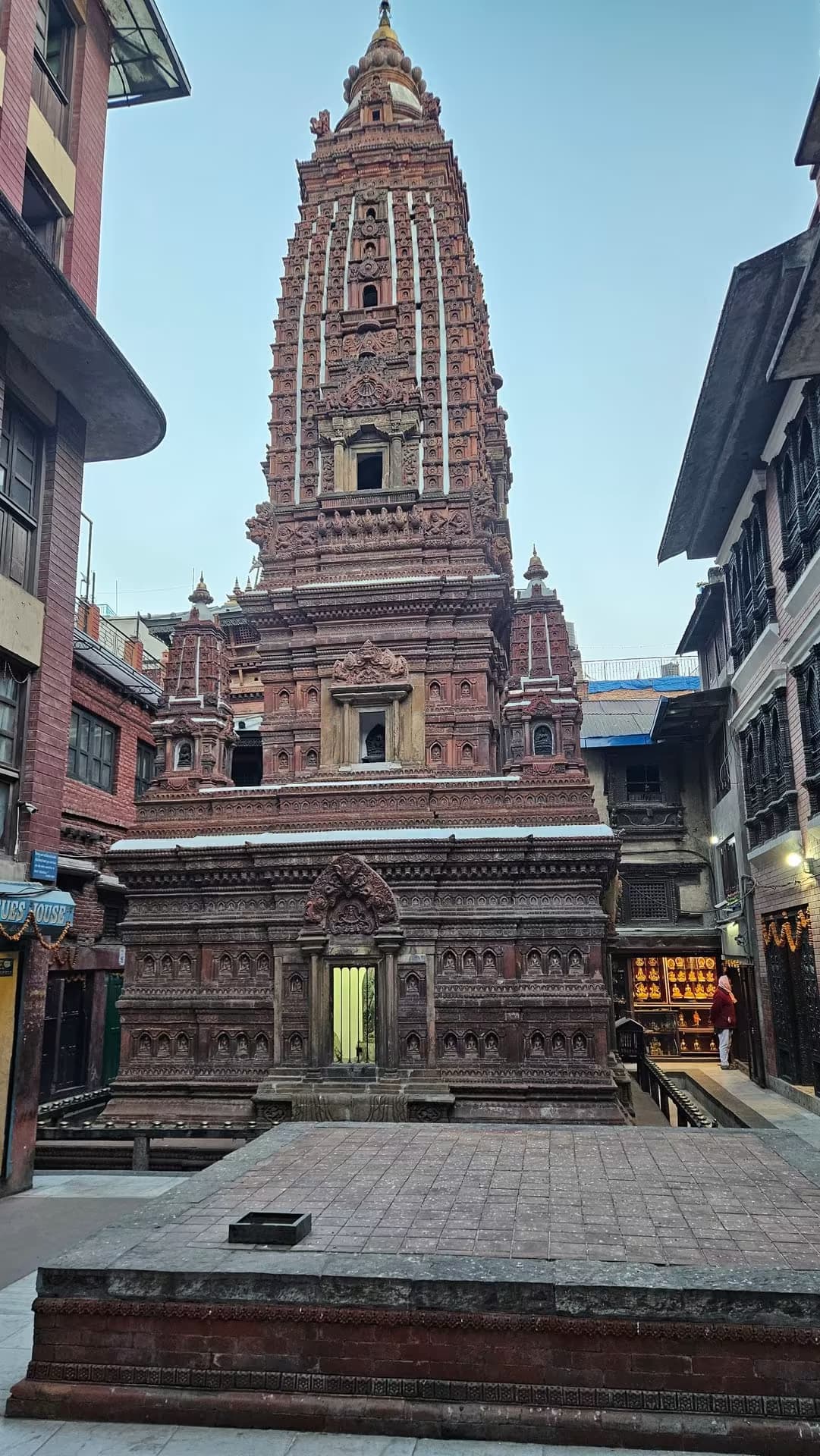
sacred site
Mahabouddha Temple (Temple of a Thousand Buddhas)The thousand-Buddha terracotta tower, a landmark stop on the eastern arc
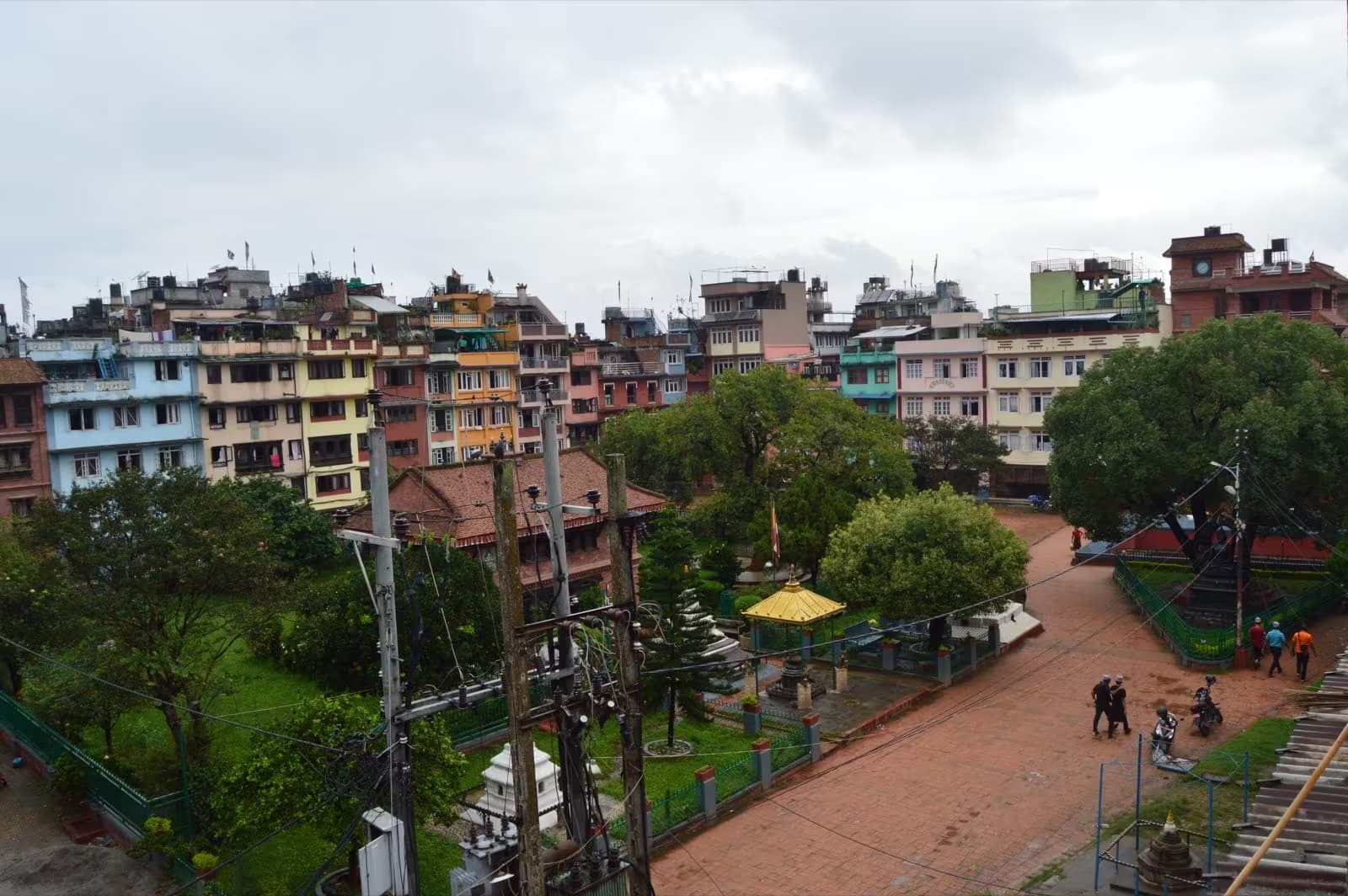
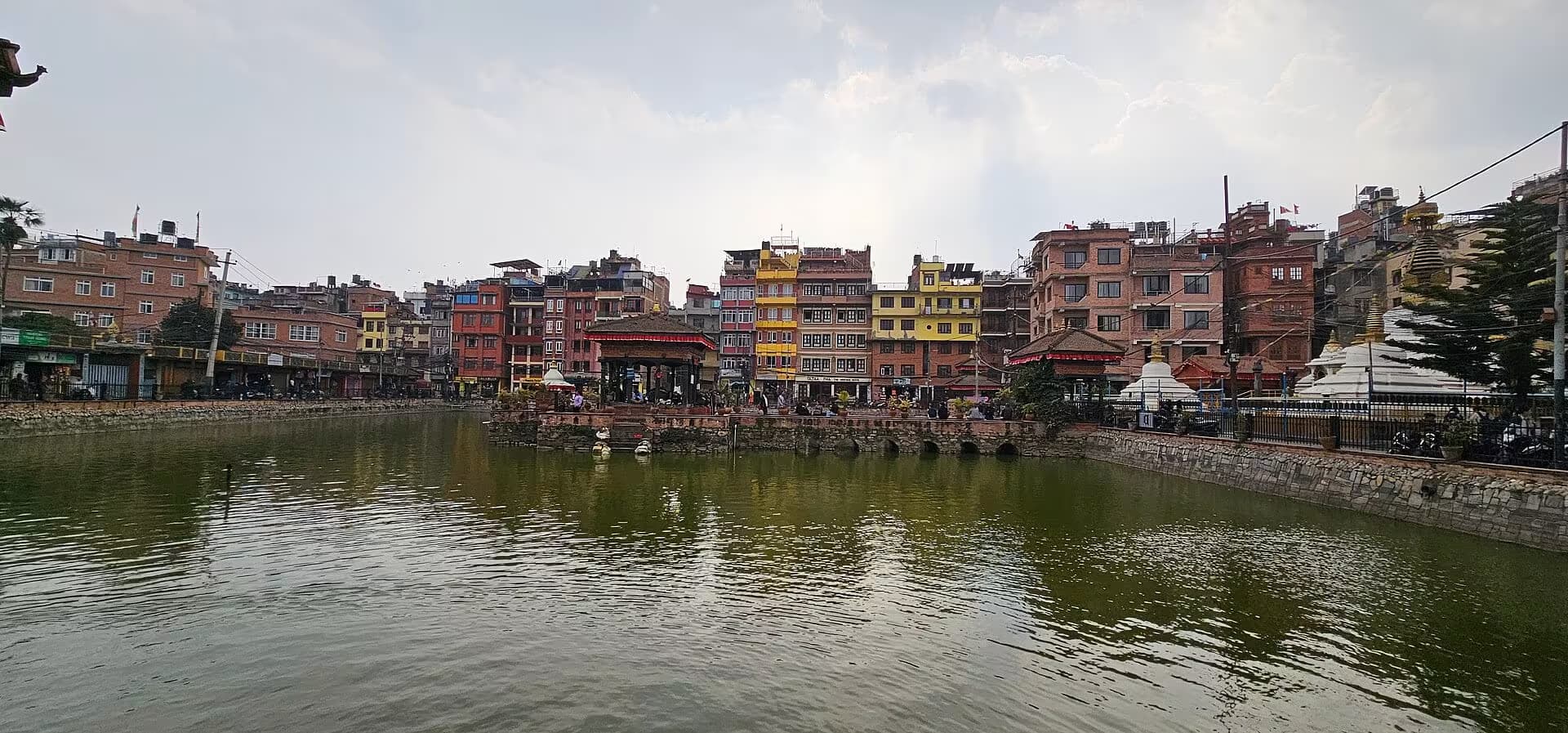
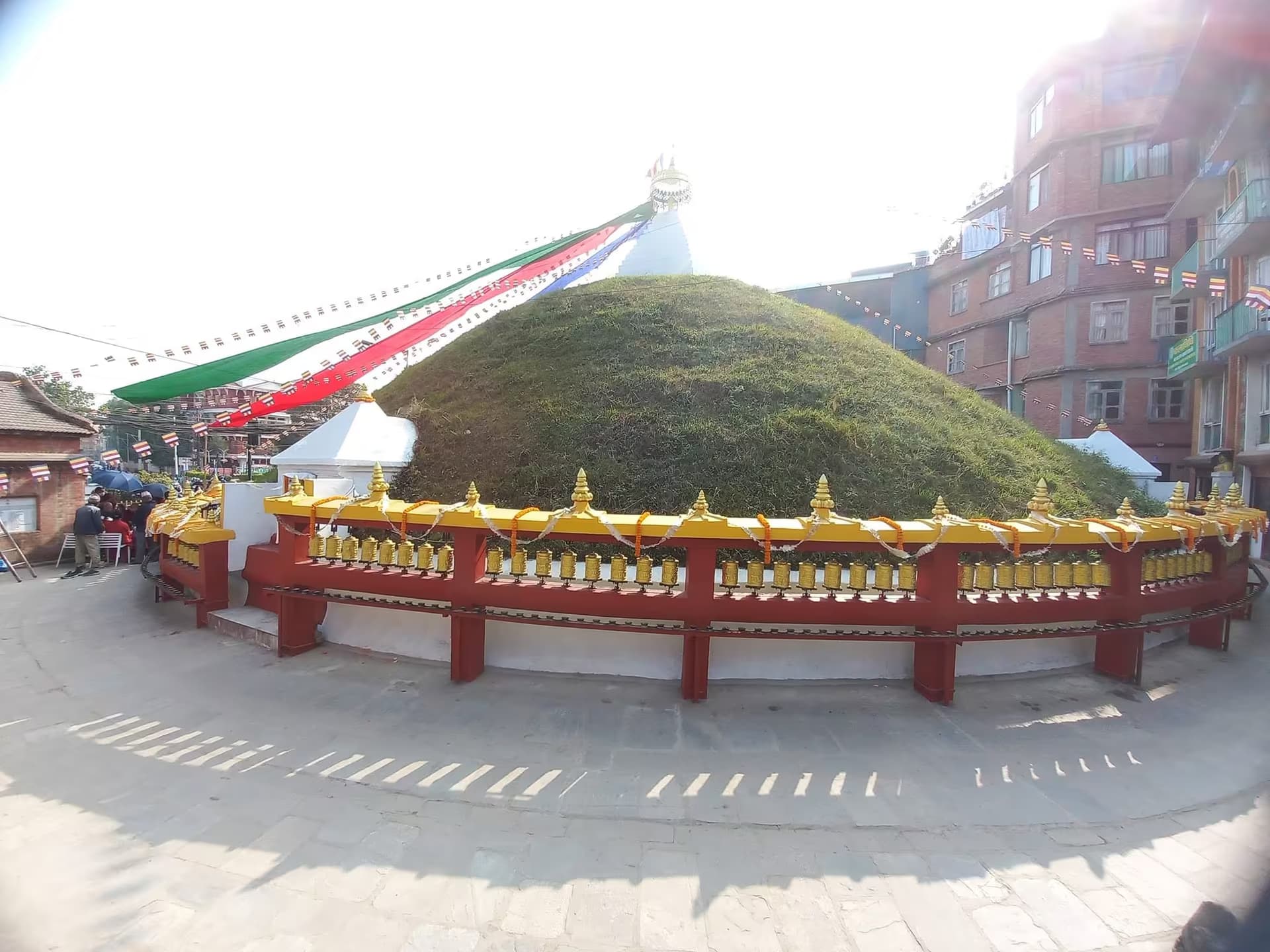
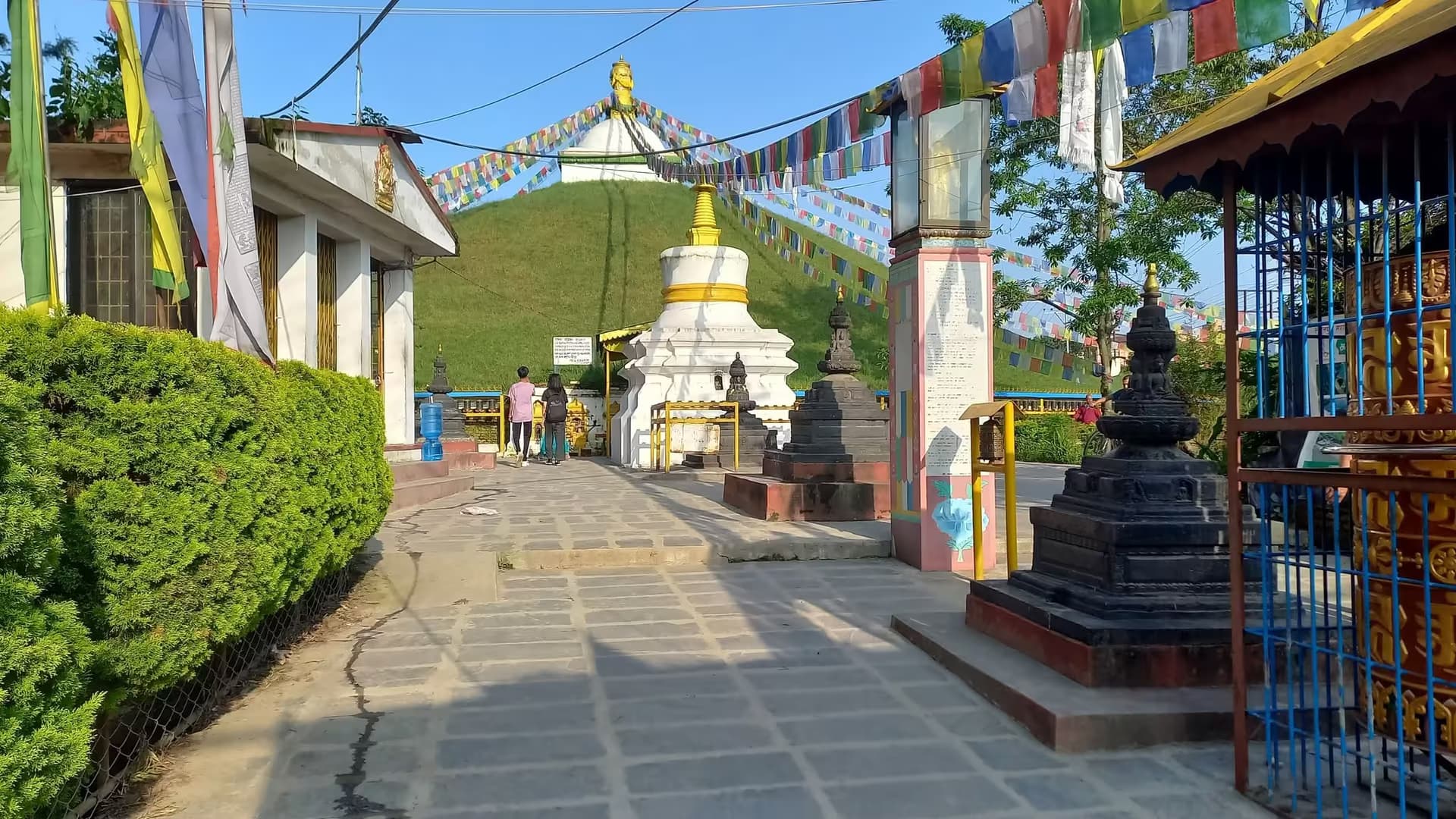
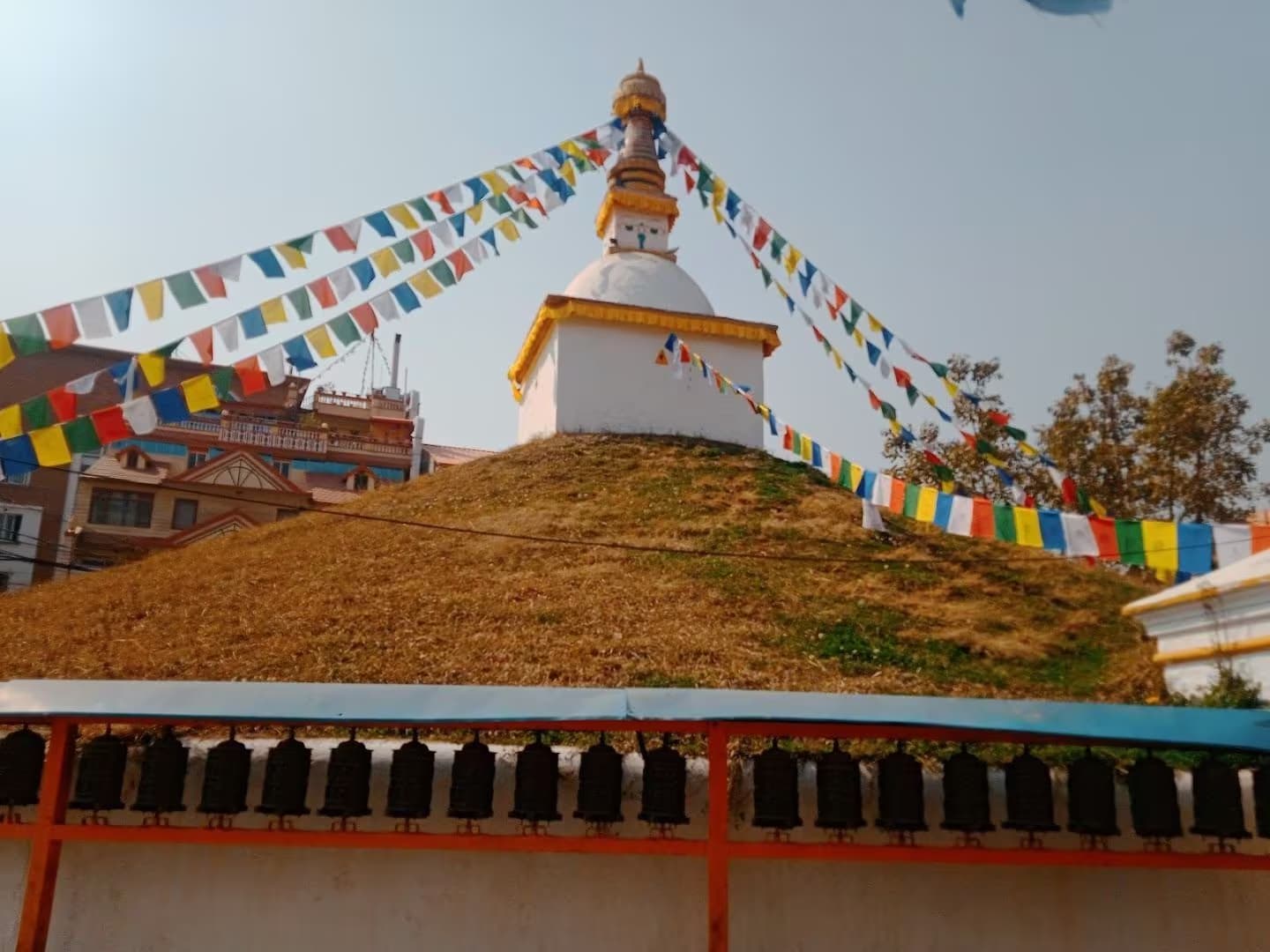
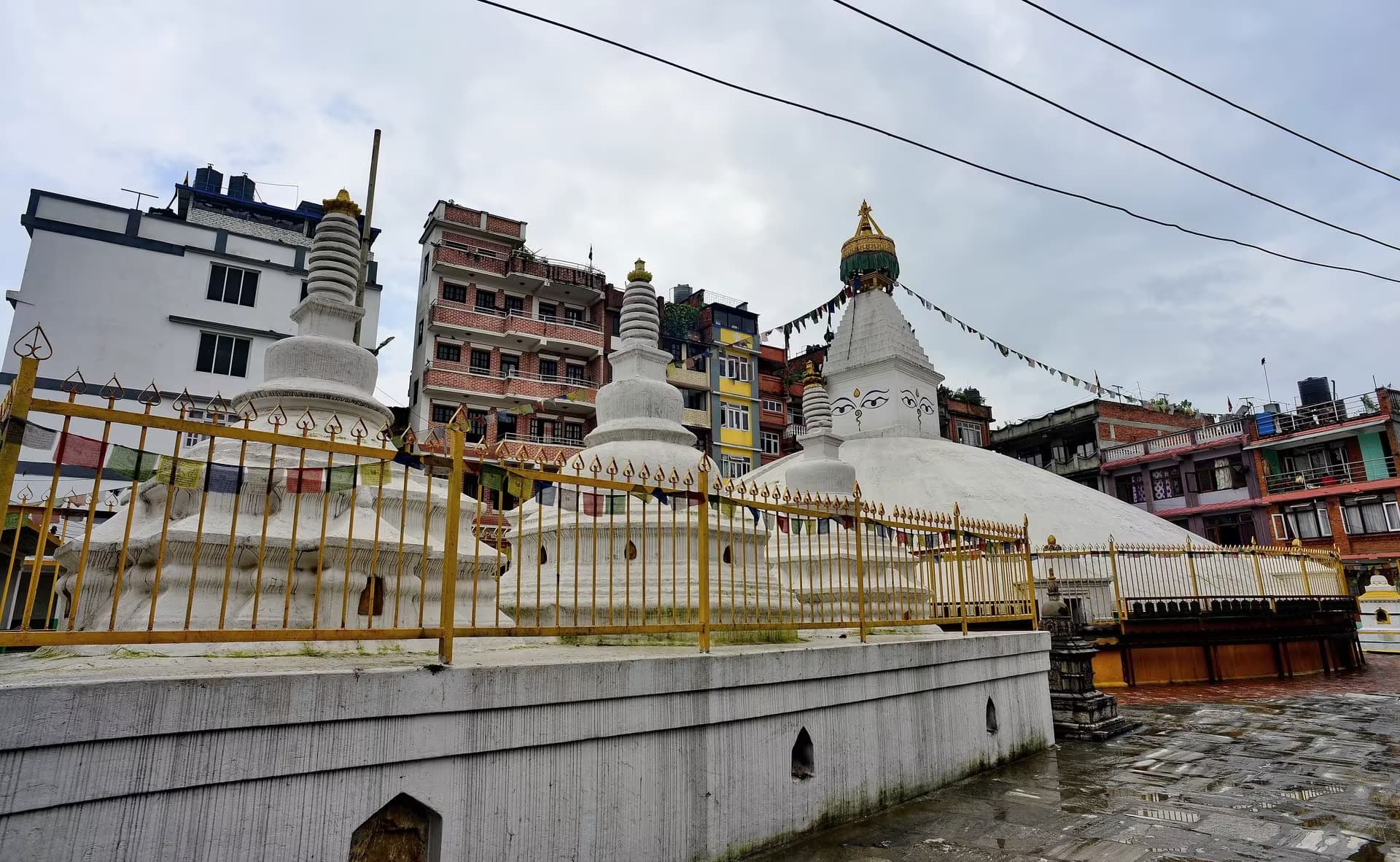
The ten host toles and the four thur
Matya rotates between ten localities of Patan, and its circuit is anchored on the four Ashoka stupas that mark the old edges of the city. The numbers follow the traditional order of the host toles; the stupas follow.
- 1Managabazar (Mangal Bazaar)
- 2Chakrabahil
- 3Ikhachen
- 4Bubahal
- 5Haugal
- 6Ukubahal (Okubahal)
- 7Ikhalakhu
- 8Kobahallocation not mapped
- 9Saugal
- 10Nakabahil
- 11Pulchowk Thur
- 12Lagan Thur
- 13Teta Thur
- 14Ibahi Thur
Markers are locations, not a route. Matya's actual line through the city is set each year by the host tole and runs through lanes no map here traces — nothing is drawn between these points because nothing here is surveyed. Tole positions come from OpenStreetMap; where a tole has no mapped feature of its own the marker sits on the lane or courtyard that carries its name.
Related
Connected places and entries worth pairing
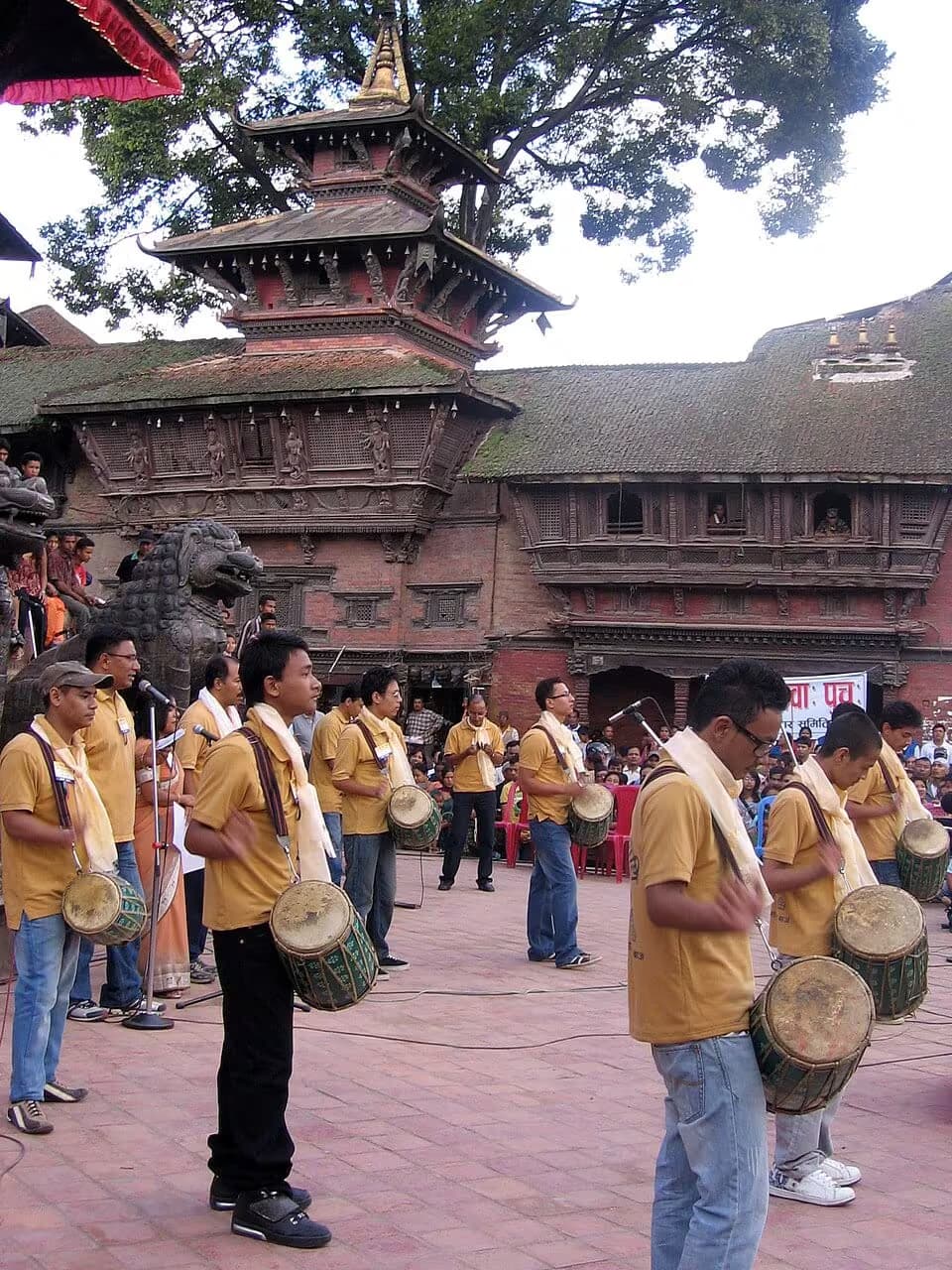
Gunla
Matya falls within Gunla, the Newar Buddhist holy month
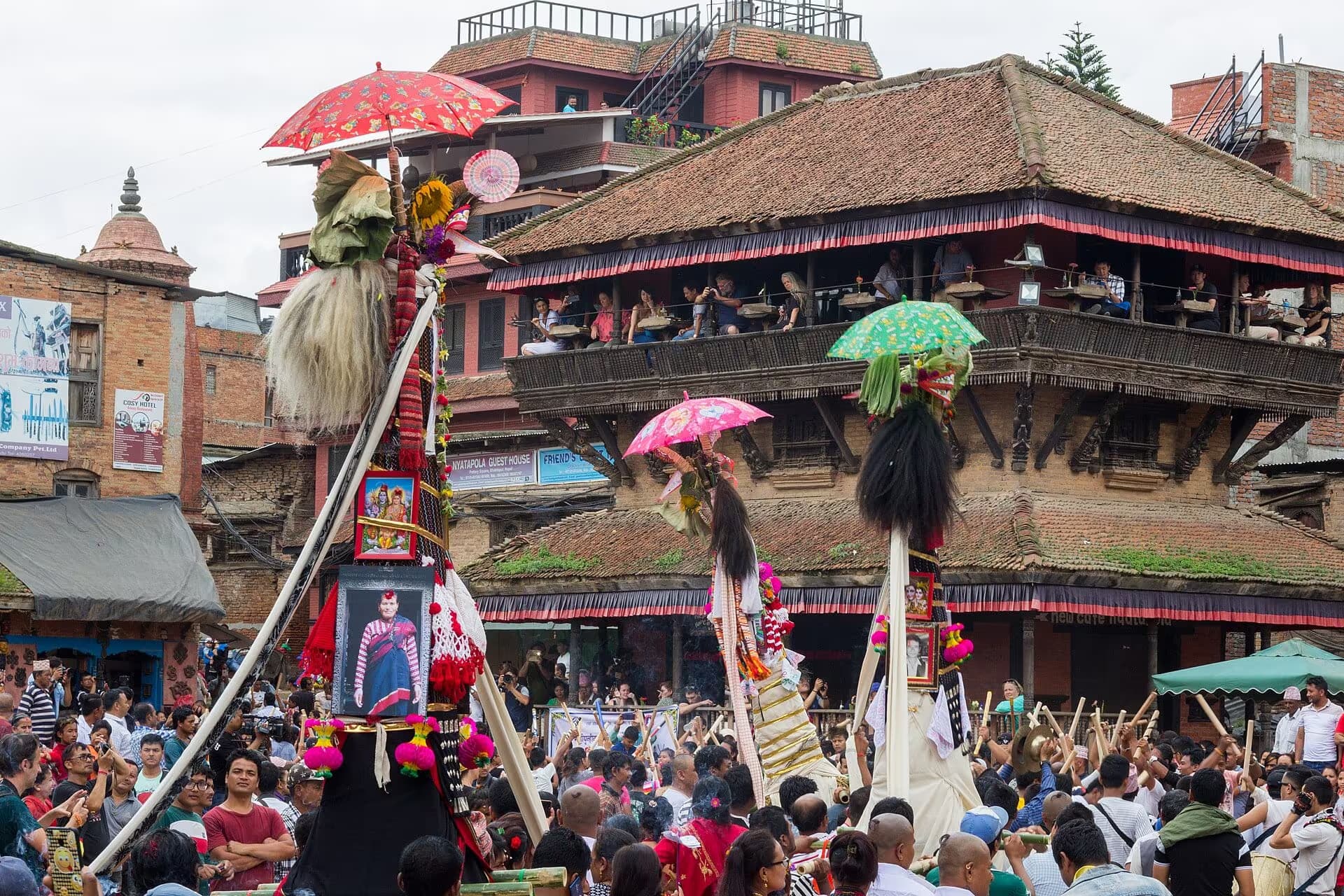
Gai Jatra
Matya is held the day after Gai Jatra
Patan Durbar Square
Mangal Bazaar, the lanes around the square, is one of the ten toles that host Matya in rotation — and the circuit passes through it whoever is hosting
Rudravarna Mahavihar (Okubahal)
Okubahal — one of the ten host toles, and among the oldest courtyards on the circuit
Hiranya Varna Mahavihar (Golden Temple)
The Golden Temple courtyard, one of the major bahals every walker passes
Nag Bahal (Nagbahal)
Nag Bahal, one of the great open courtyards on the route
Mahabouddha Temple (Temple of a Thousand Buddhas)
The thousand-Buddha tower, a landmark stop on the circuit
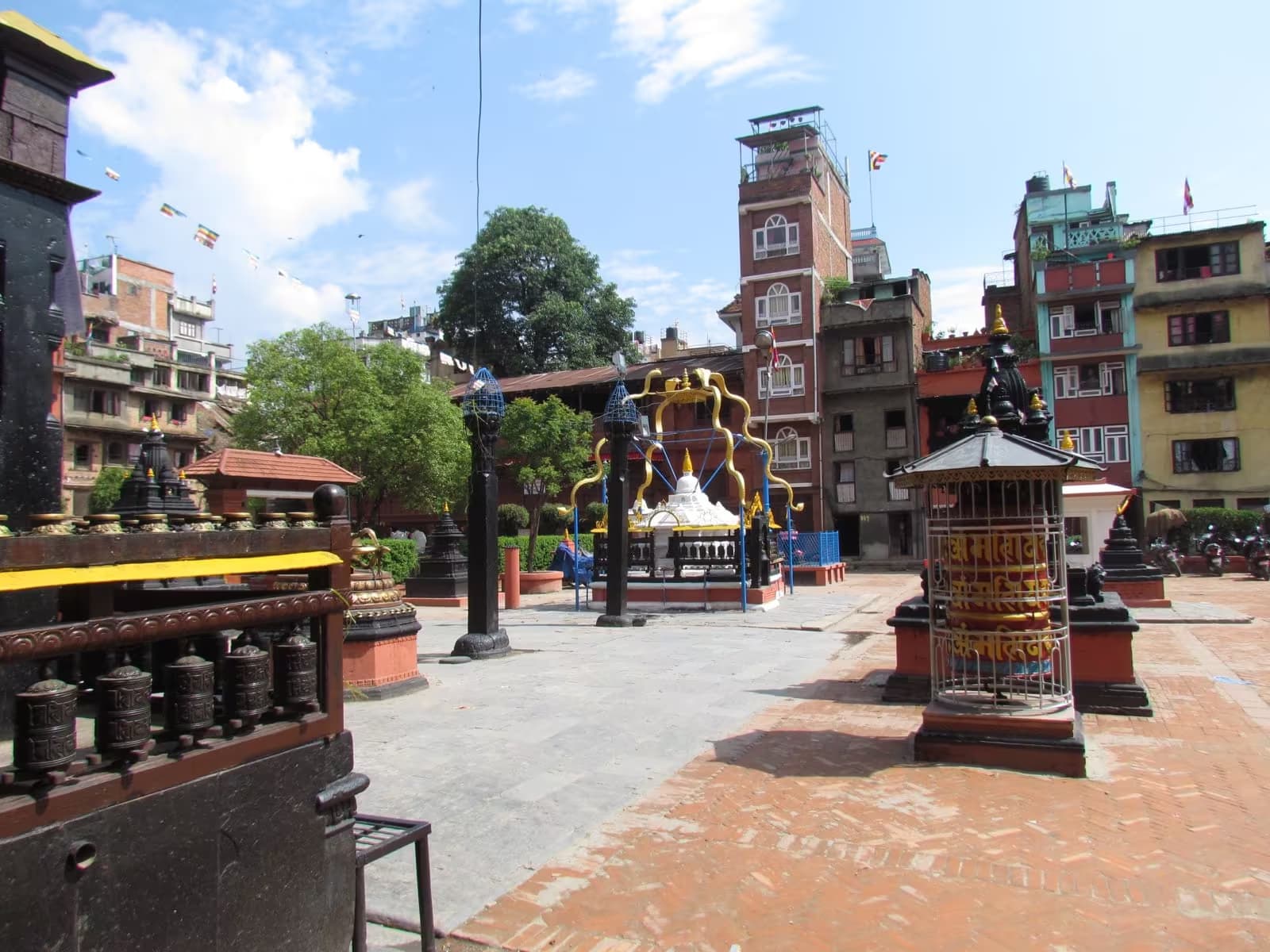
Bu Bahal (Yashodhar Mahavihar)
Bubahal — one of the ten toles that take turns organising Matya
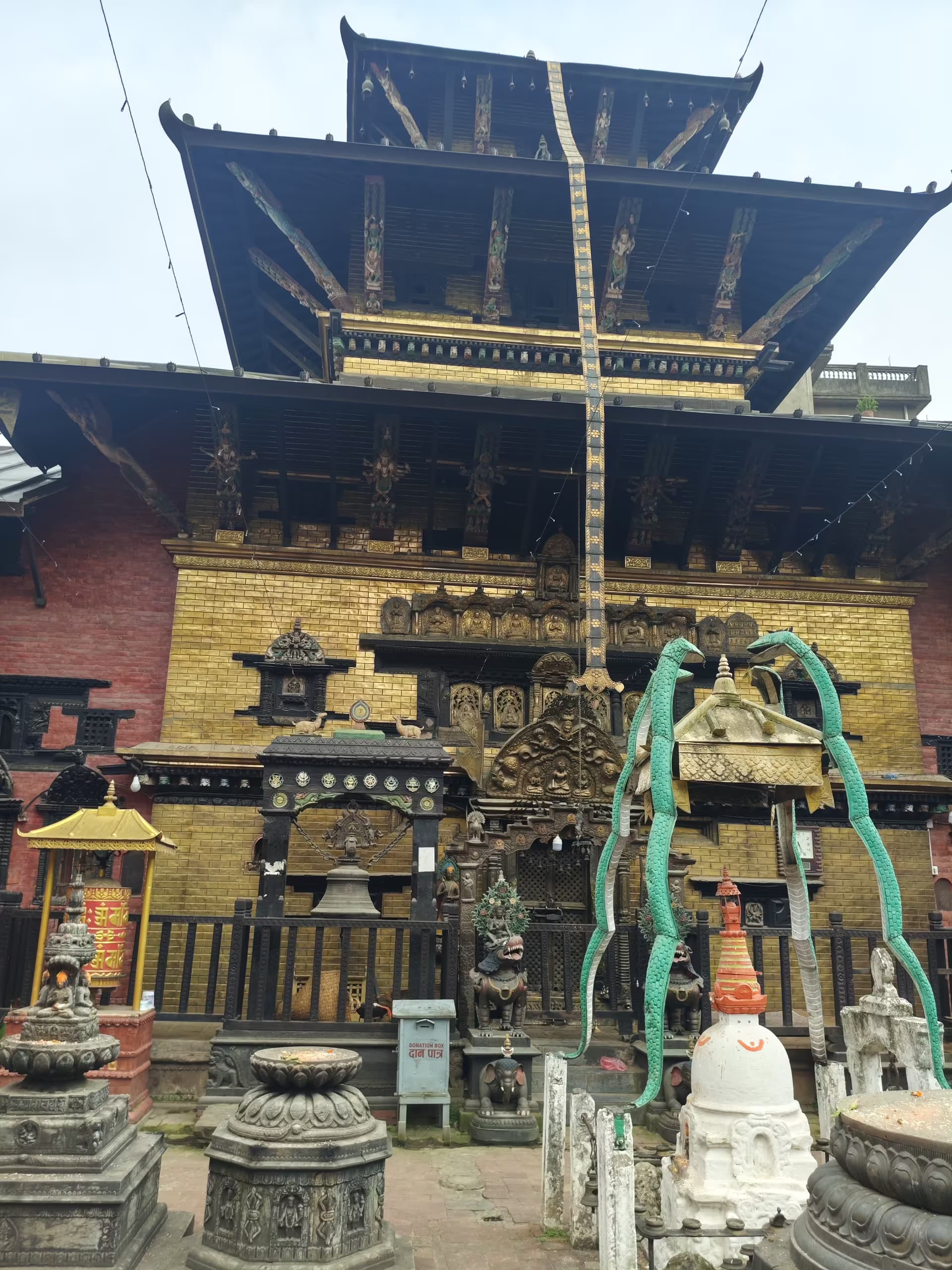
Ha Bahal (Ratnakar Mahavihar)
Ha Bahal, residence of Patan's Kumari, on the circuit
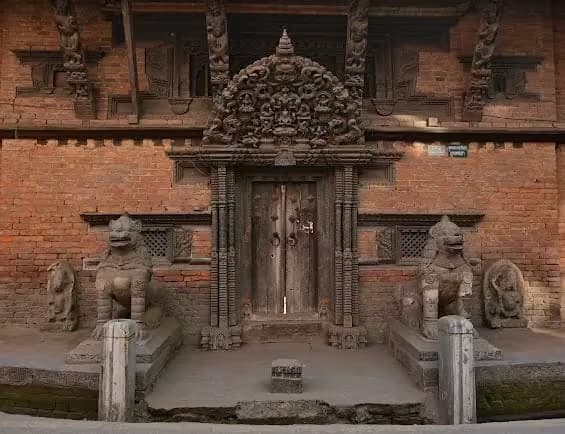
Bhinche Bahal (Mayurvarna Mahavihar)
One of Patan's principal bahals on the Matya route
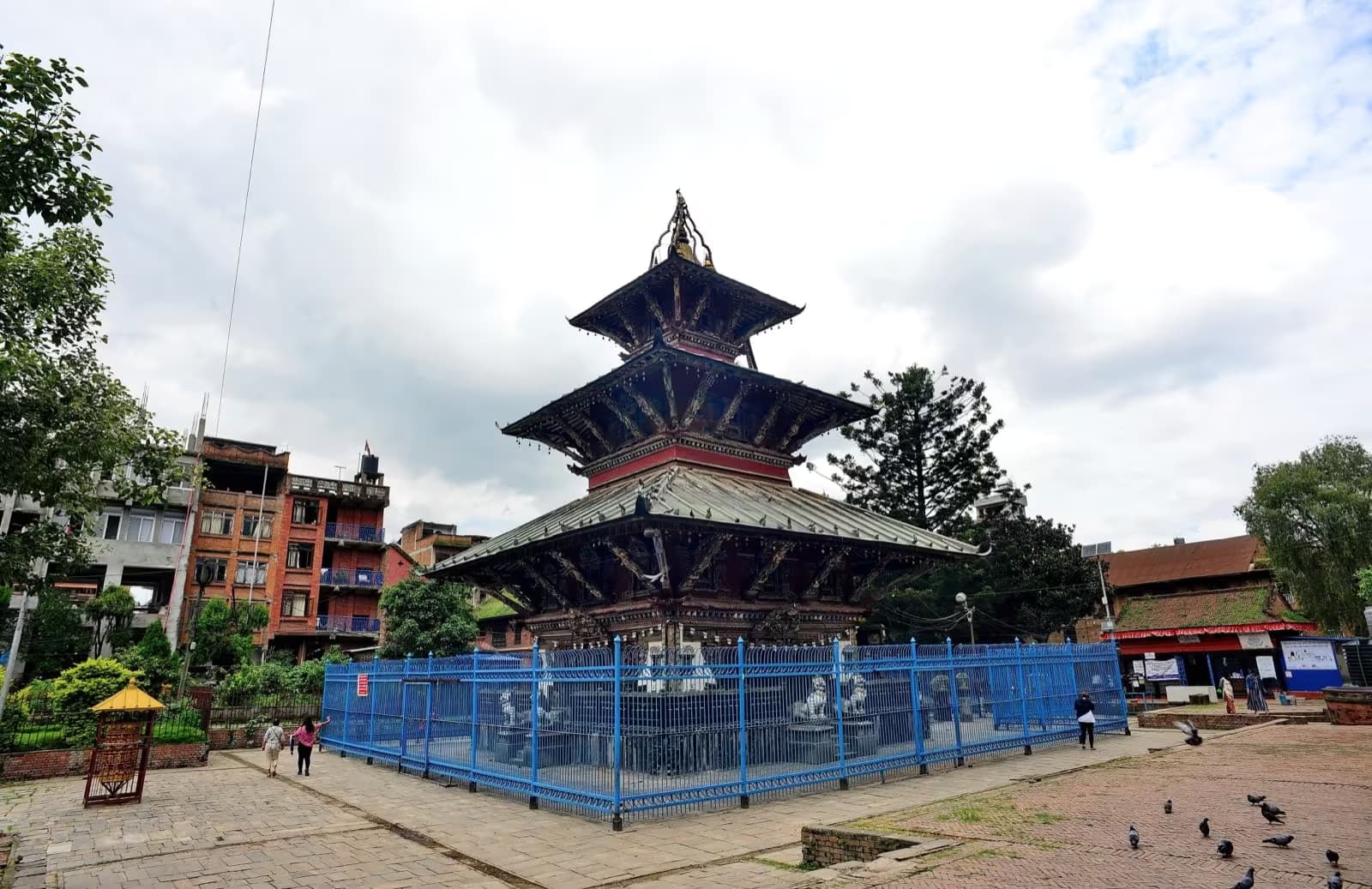
Tanga Bahal (Jestha Varna Mahavihar)
One of Patan's principal bahals on the Matya route
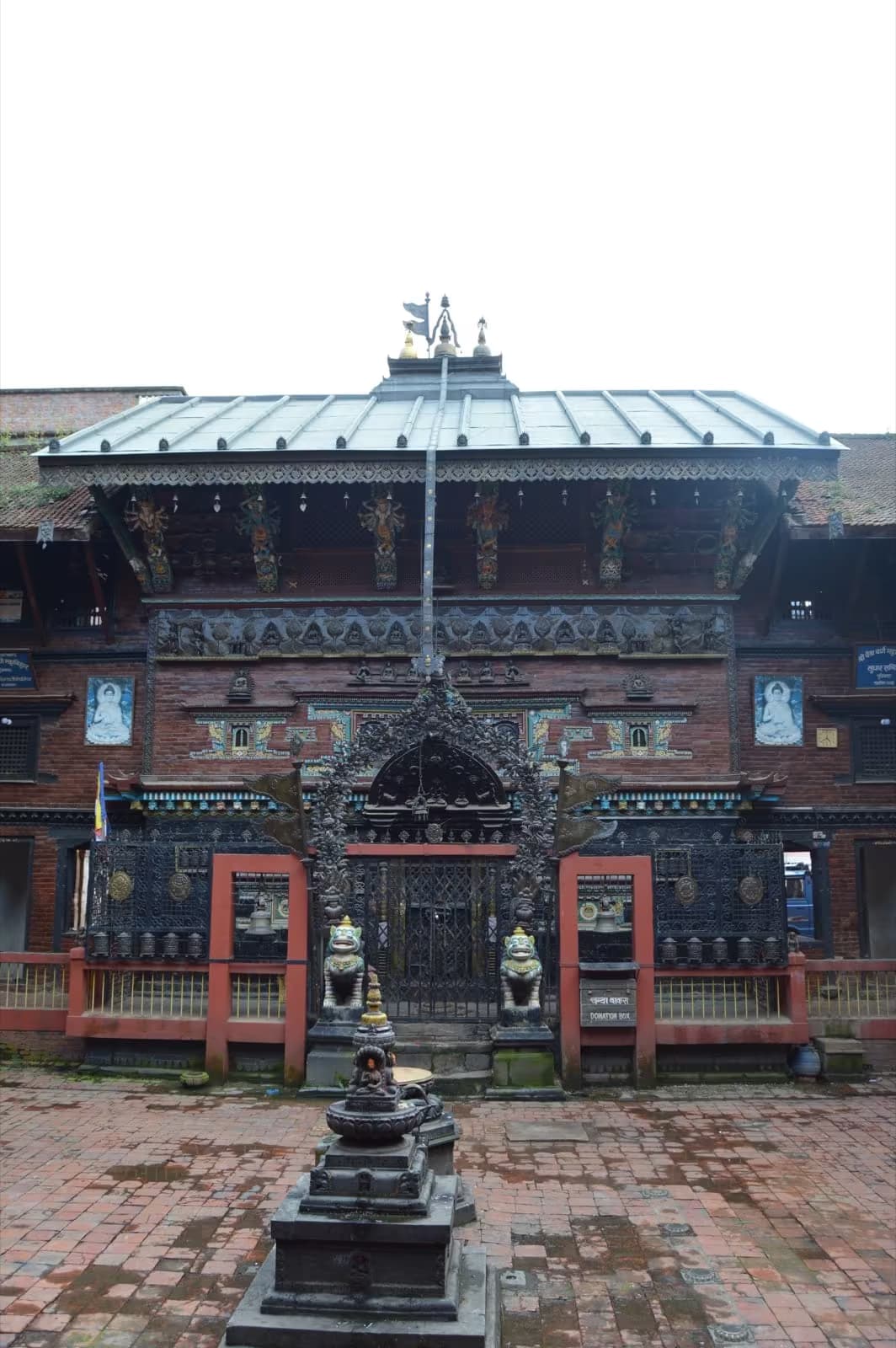
Guji Bahal (Vaishravarna Mahavihar)
One of Patan's principal bahals on the Matya route
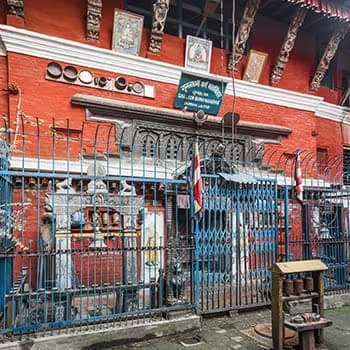
Dhum Bahal (Gunalakshmi Mahavihar)
One of Patan's principal bahals on the Matya route
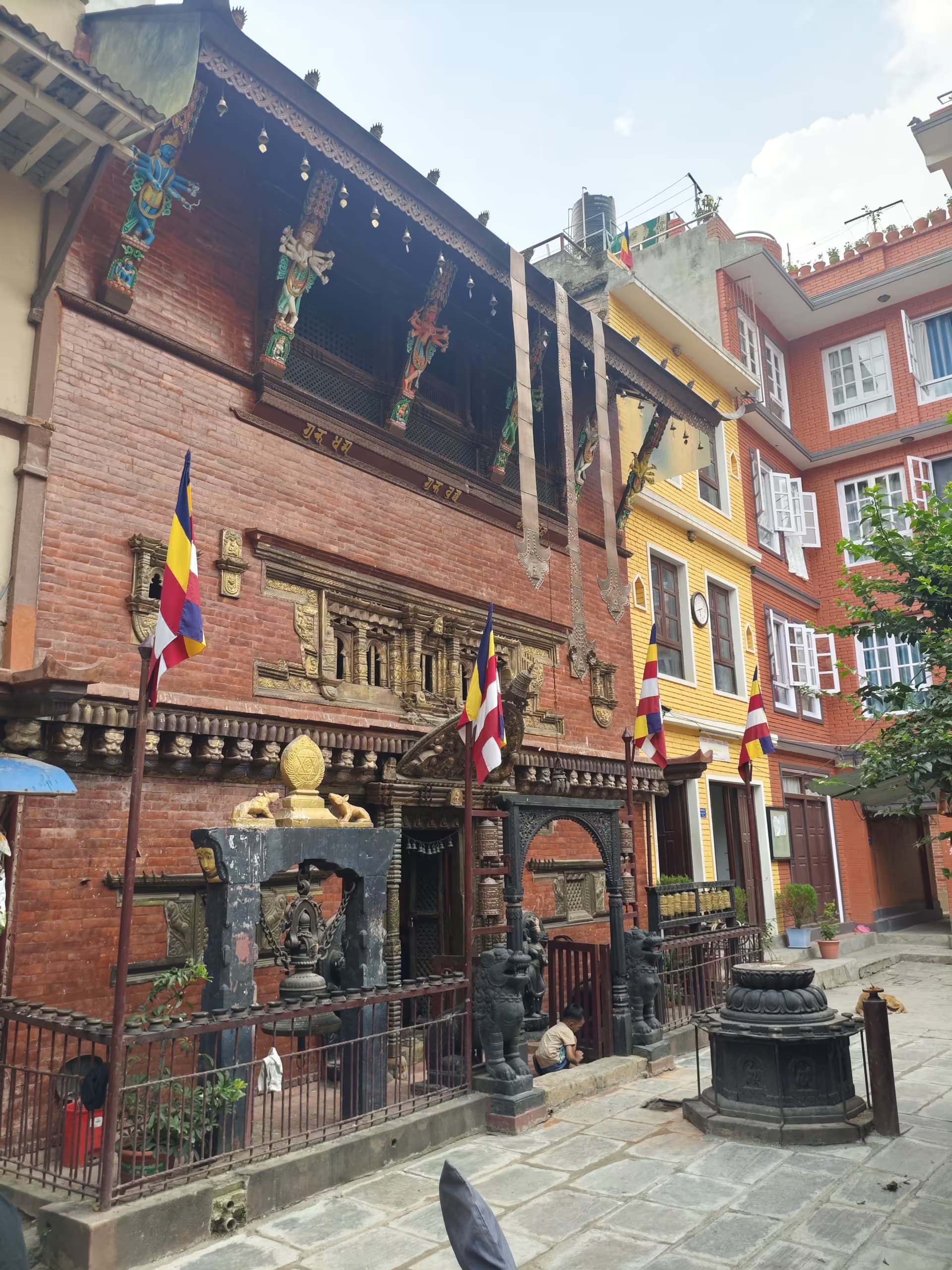
Wan Bahal (Bajra Kirti Mahavihar)
One of Patan's principal bahals on the Matya route
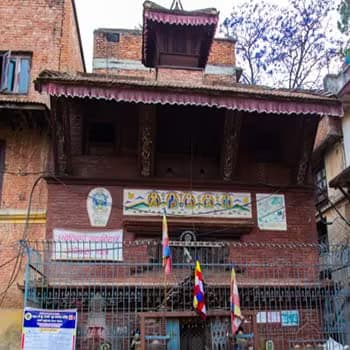
Jyo Bahal (Jyoti Varna Mahavihar)
One of Patan's principal bahals on the Matya route
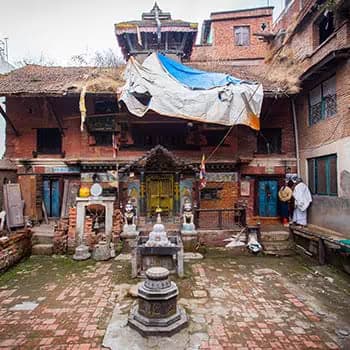
Yachu Bahal (Baladhara Gupta Mahavihar)
One of Patan's principal bahals on the Matya route
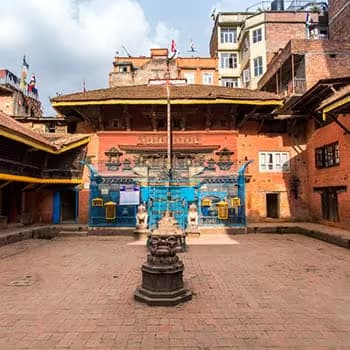
Su Bahal (Jayamanohara Mahavihar)
One of Patan's principal bahals on the Matya route
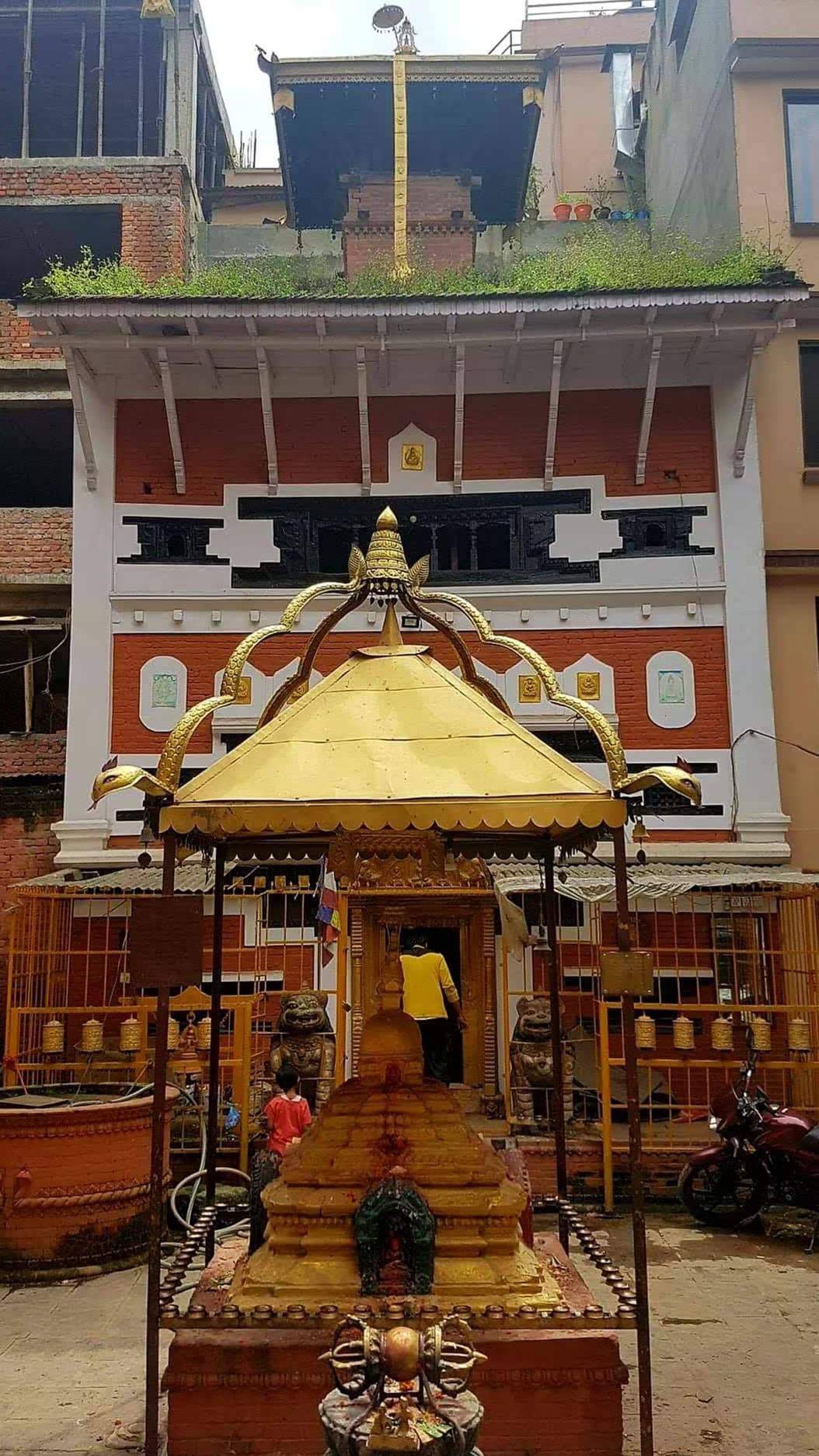
Cuka Bahal (Chakravarna Mahavihar)
One of Patan's principal bahals on the Matya route
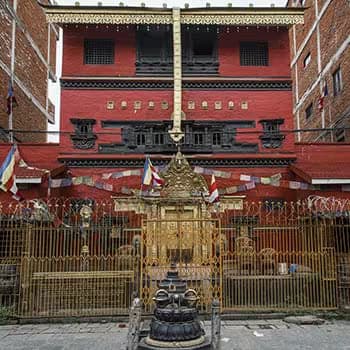
Ta Bahal (Dharma Kirti Mahavihar)
One of Patan's principal bahals on the Matya route
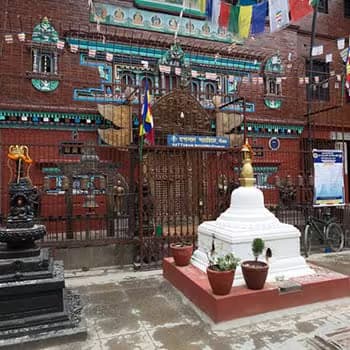
Dau Bahal (Dattanama Mahavihar)
One of Patan's principal bahals on the Matya route
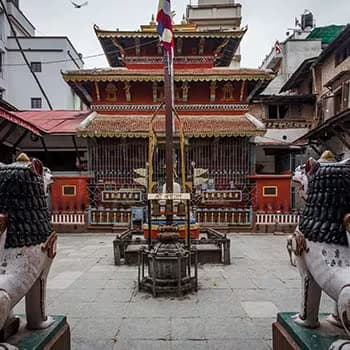
Si Bahal (Sri Vaccha Mahavihar)
One of Patan's principal bahals on the Matya route
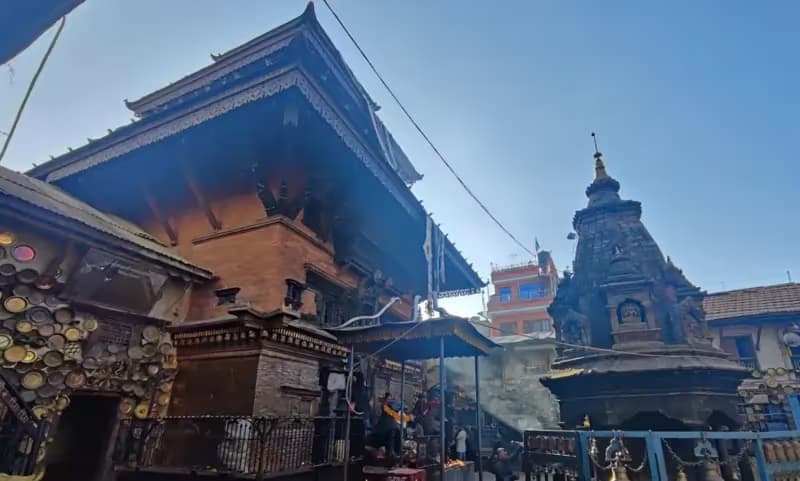
Co Bahal (Kacchapal Giri Mahavihar)
One of Patan's principal bahals on the Matya route
Pim Bahal Pokhari
The Pim Bahal chaitya and its pond, a stop on the western arc of the circuit
Pulchowk Ashoka Stupa (Pulchowk Thur)
The western thur, one of the four Ashoka stupas the circuit is anchored on
Lagan Thur (Lagankhel Ashoka Stupa)
The southern thur, at the Lagankhel crossroads
Teta Thur (Eastern Ashoka Stupa)
The eastern thur, the farthest point of the circuit
Ibahi Thur (Northern Ashoka Stupa)
The northern thur, in the dense lanes above Kumbheshwar
Deities & Presences
Characters
Rituals & Ceremonies
Part of Matya