Preparing a route nobody could hold in their head
A circuit of 1,400 shrines is not something a crowd can improvise on the day. It has to be laid out first, and the laying-out is its own observance.
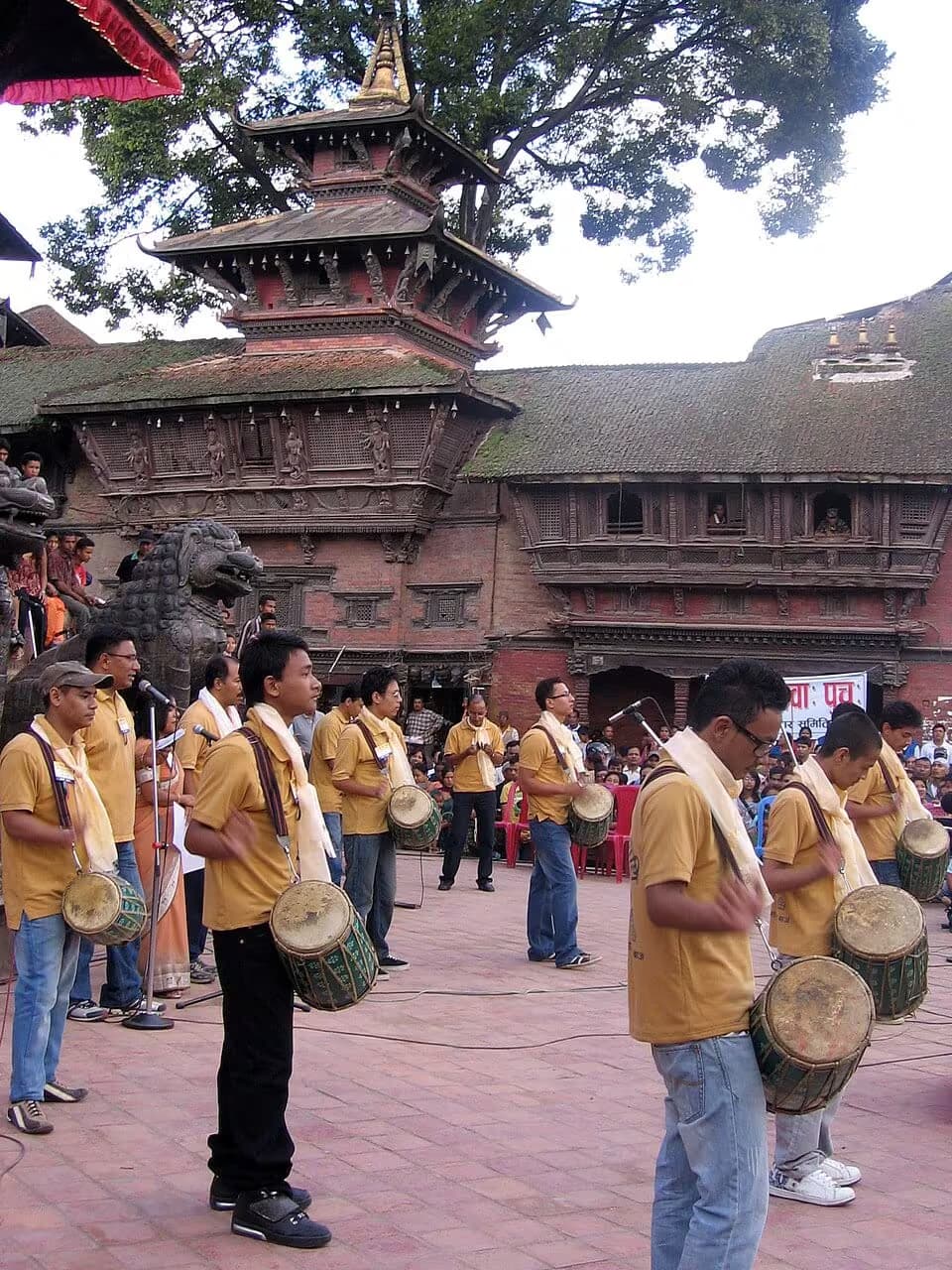
From the first day of Gunla, a party from the host locality — often a hundred people or more — assembles after midnight with the nava baja, the nine-instrument Newar ensemble, and walks a section of the coming route in the dark. At each shrine and each courtyard they leave a mark: vermilion, husked rice, a coin. They do not attempt the whole route in one night; they go out for several nights running until it is finished.
This preparation is called Bogiwonegu, and it is one of the least-witnessed things in the Newar year, because it happens at two in the morning in lanes with nobody in them. If you are staying in Patan during Gunla, you may well hear a drum ensemble pass under your window in the dark and never learn what it was.
Why it matters on the day
By dawn on Matya the route physically exists — a line of red-marked shrines running through the city that thousands of walkers can follow without a guide, a map or an announcement. The marks are the infrastructure of the festival, and they are made by hand, at night, in advance, every year.
Related
Connected places and entries worth pairing
Gunla
Matya falls within Gunla, the Newar Buddhist holy month
Gai Jatra
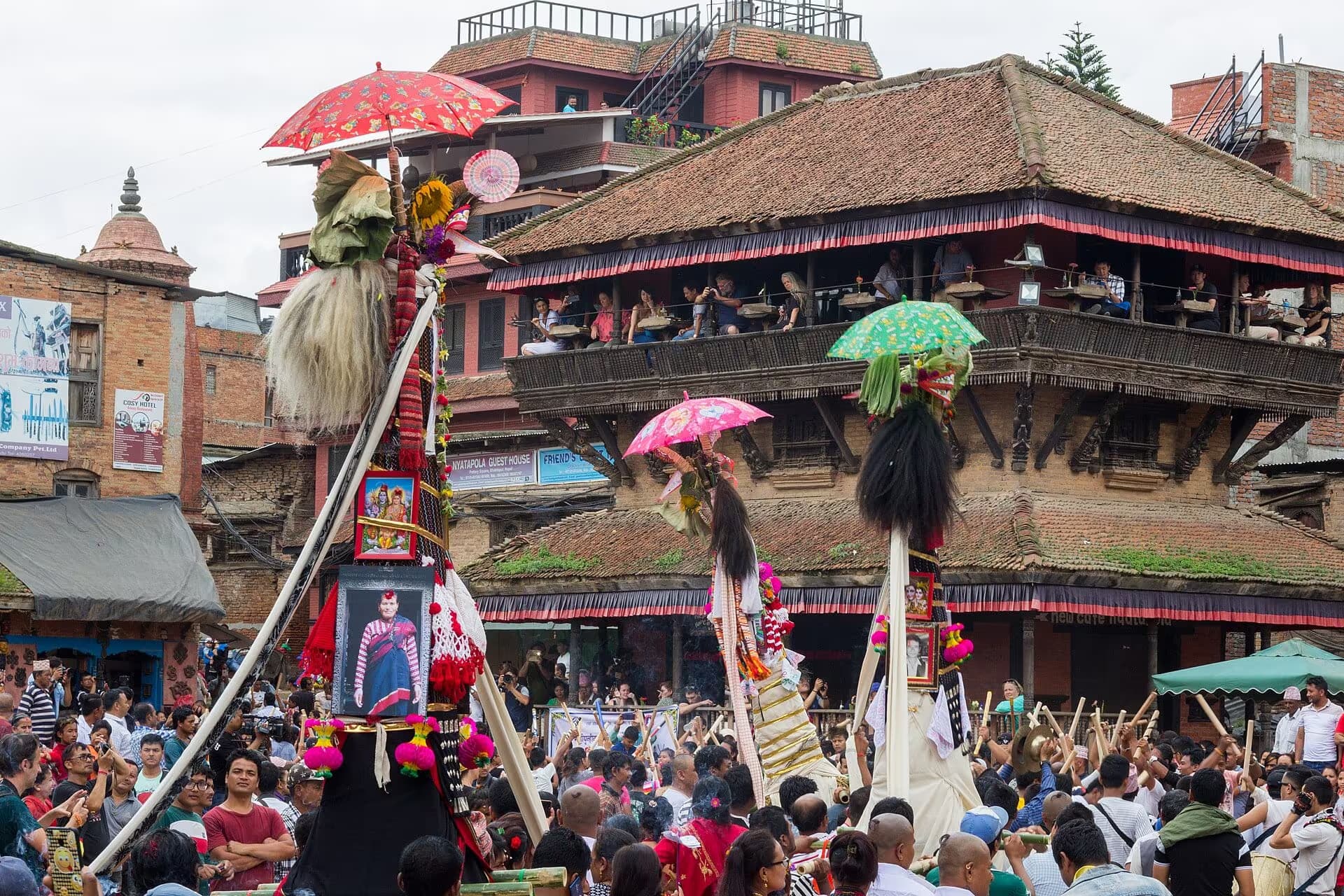
Matya is held the day after Gai Jatra

Patan Durbar Square
Mangal Bazaar, the lanes around the square, is one of the ten toles that host Matya in rotation — and the circuit passes through it whoever is hosting
Rudravarna Mahavihar (Okubahal)
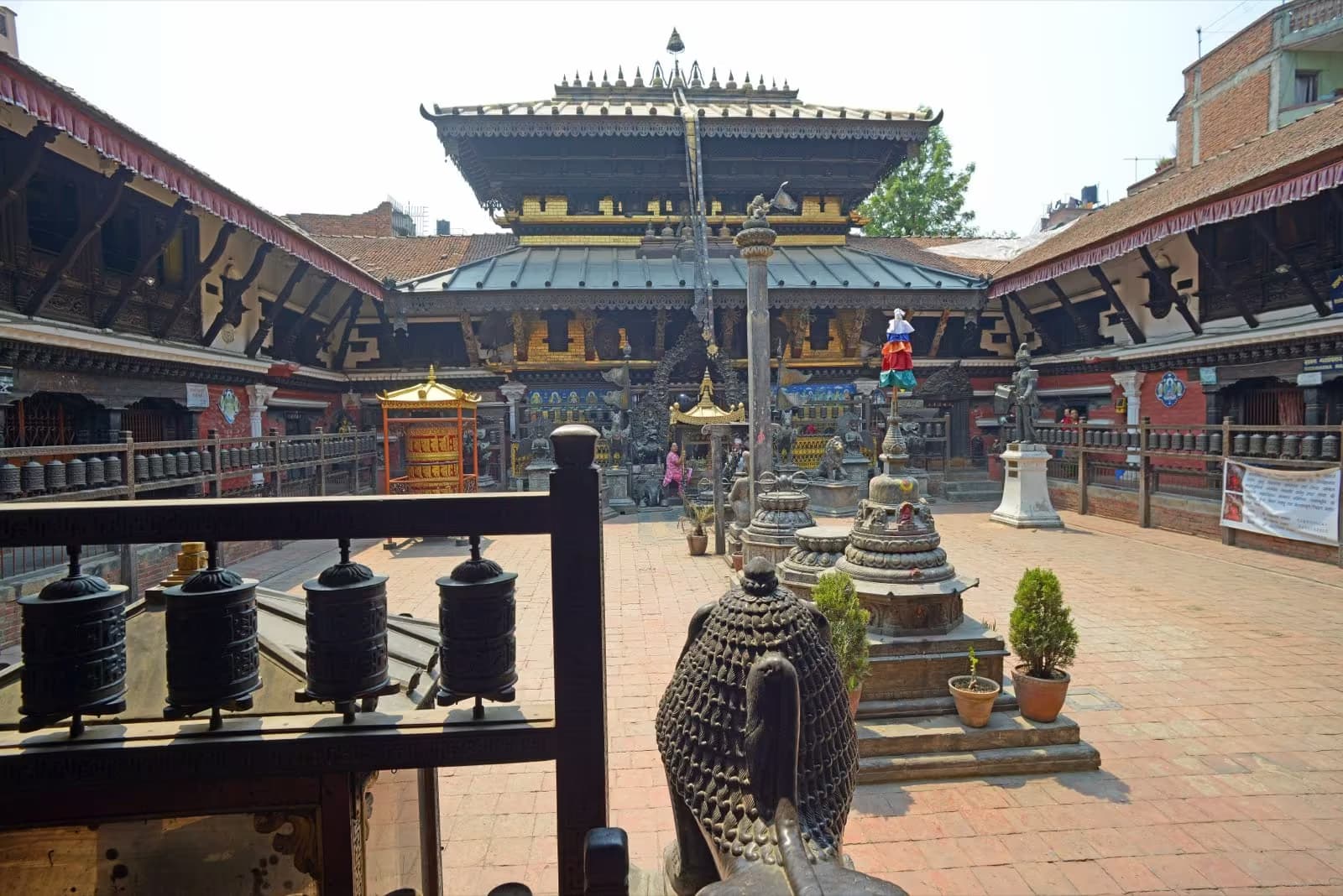
Okubahal — one of the ten host toles, and among the oldest courtyards on the circuit
Hiranya Varna Mahavihar (Golden Temple)
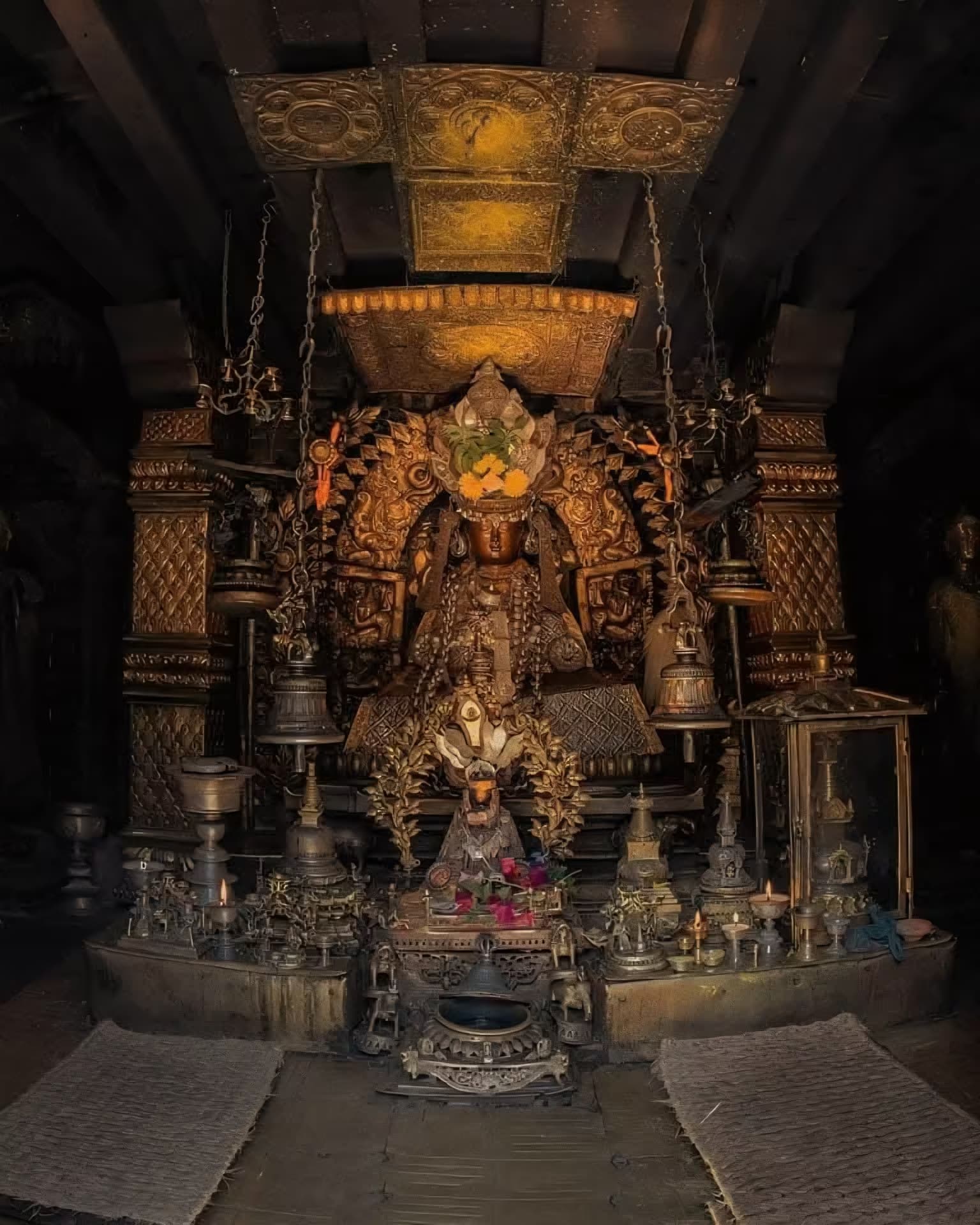
The Golden Temple courtyard, one of the major bahals every walker passes
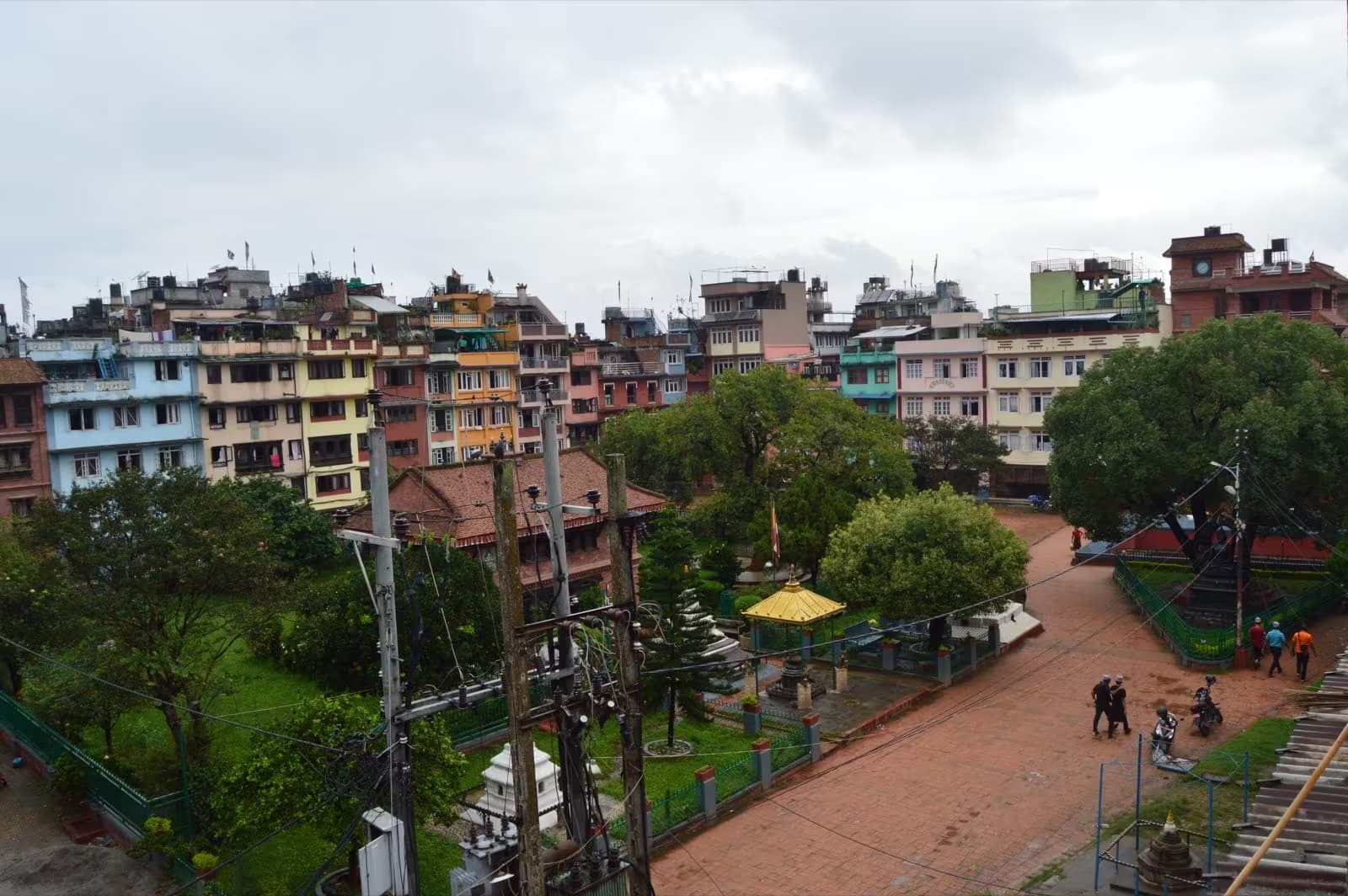
Nag Bahal (Nagbahal)
Nag Bahal, one of the great open courtyards on the route
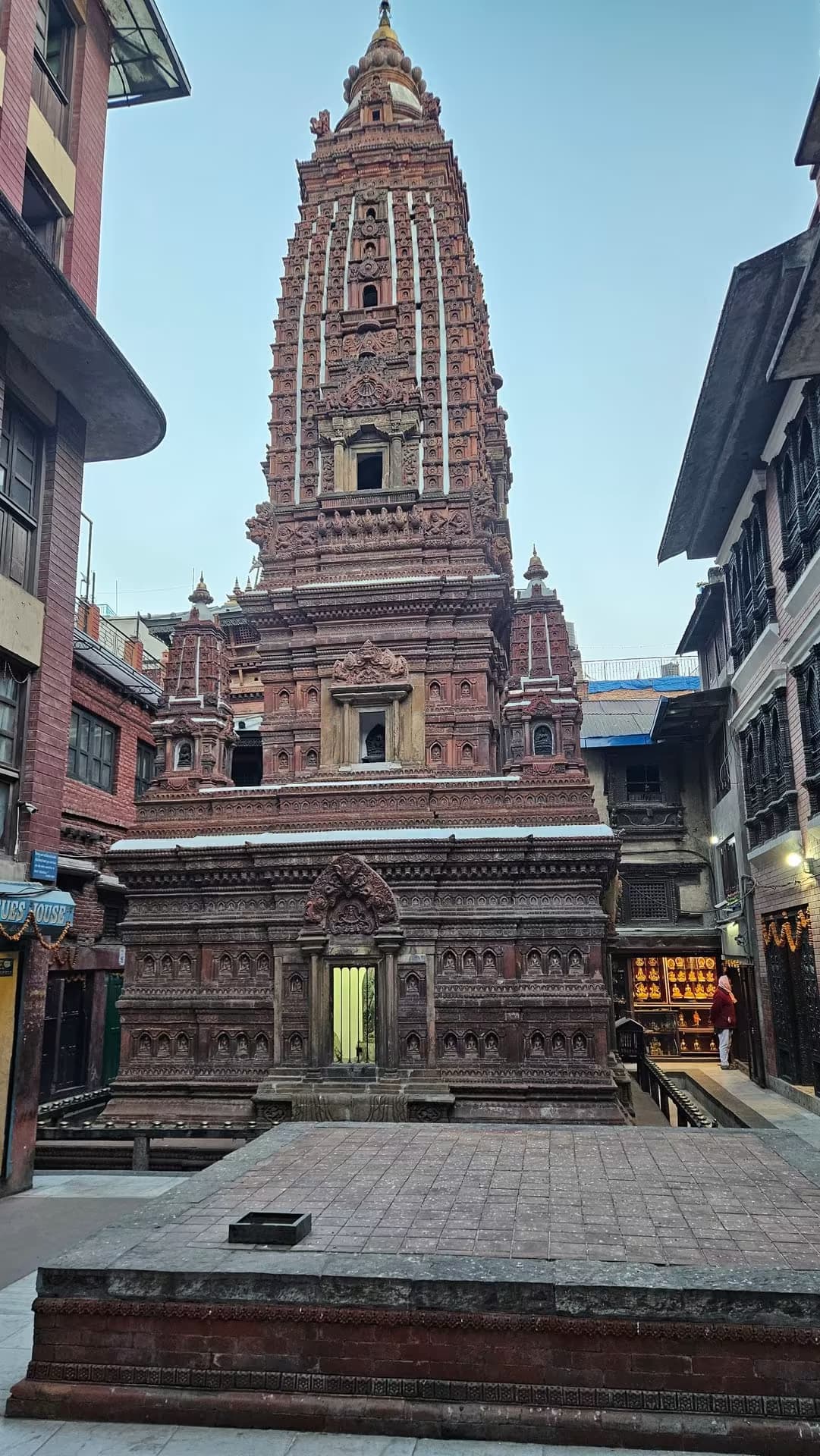
Mahabouddha Temple (Temple of a Thousand Buddhas)
The thousand-Buddha tower, a landmark stop on the circuit
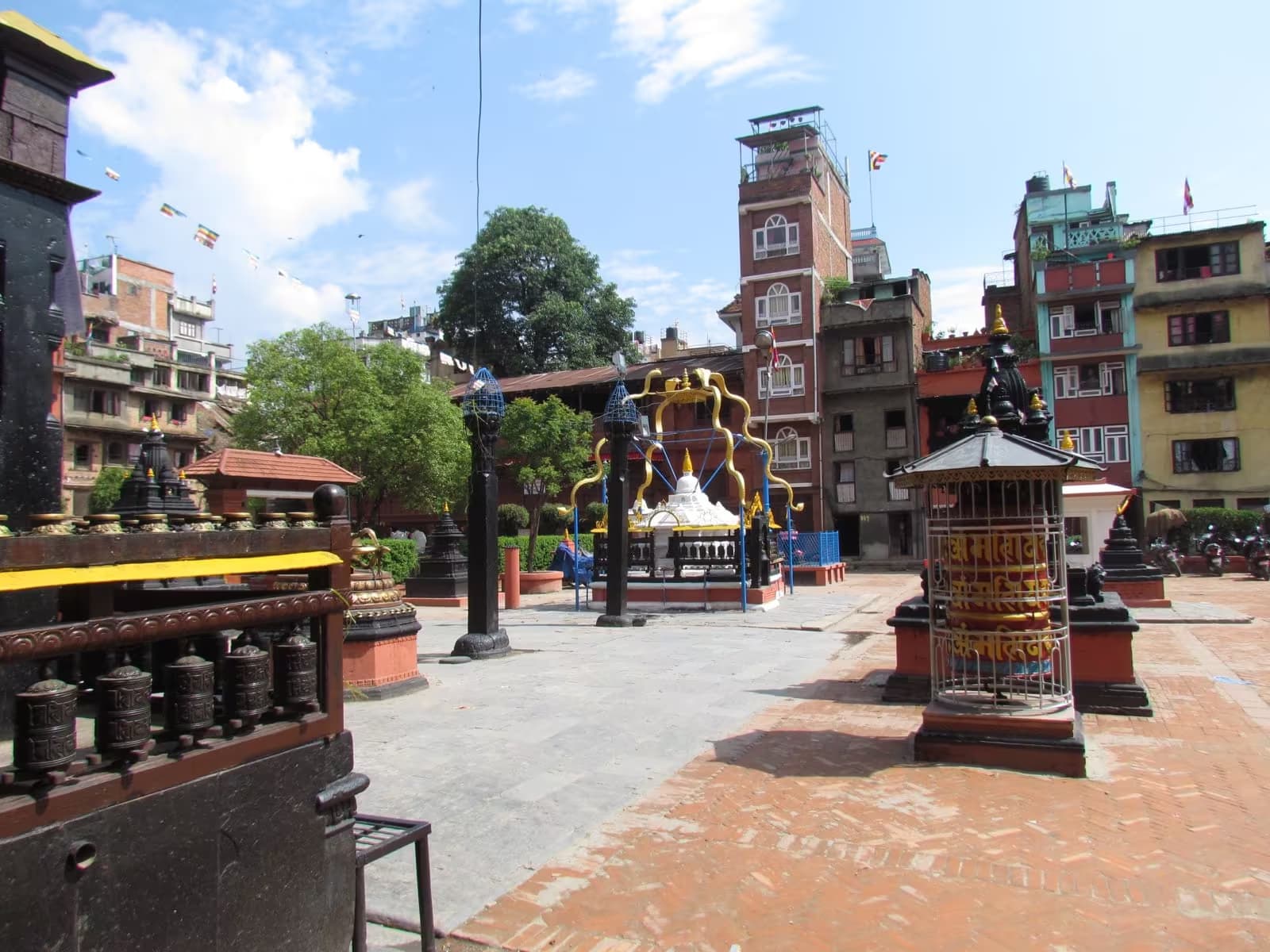
Bu Bahal (Yashodhar Mahavihar)
Bubahal — one of the ten toles that take turns organising Matya
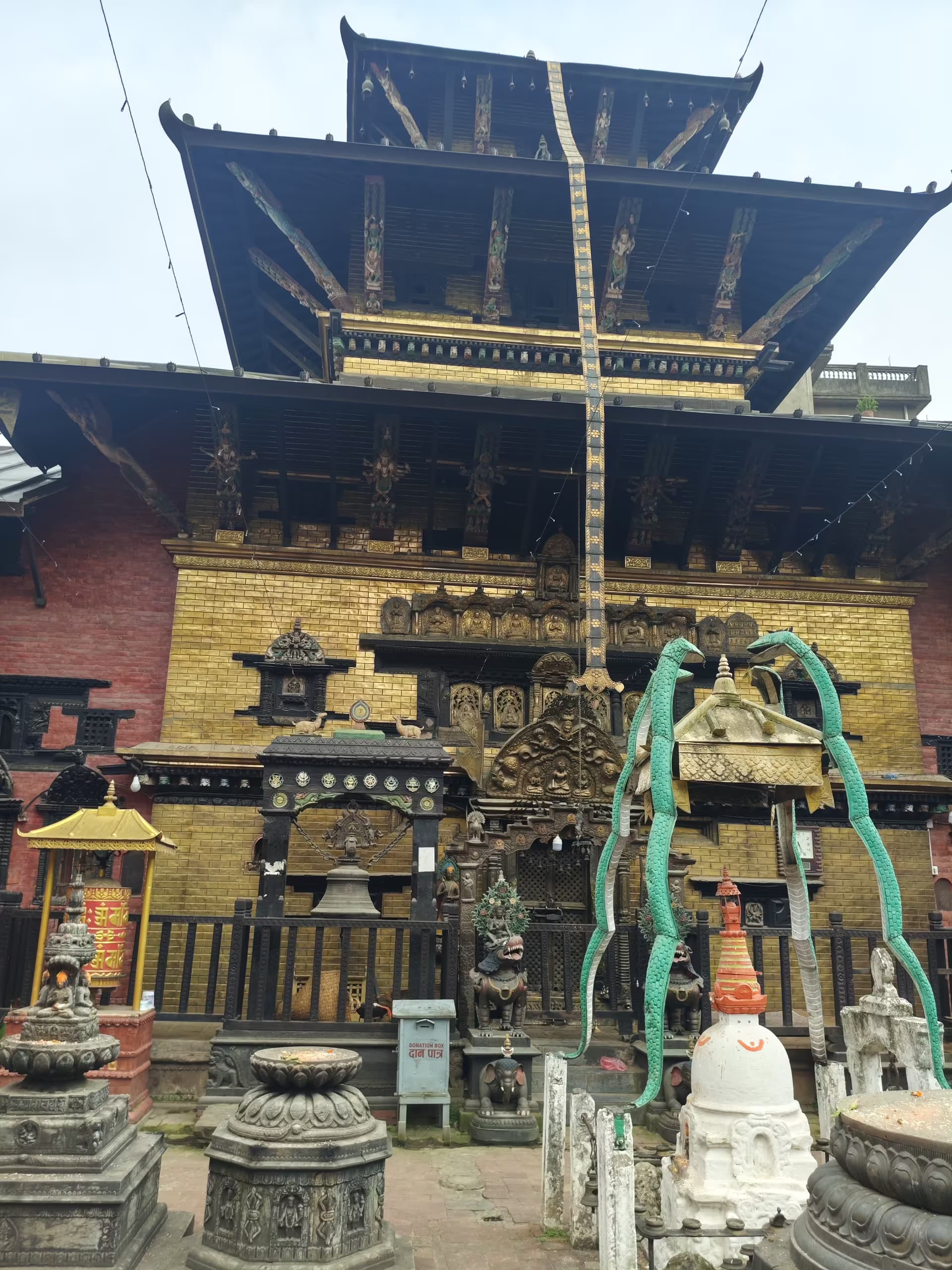
Ha Bahal (Ratnakar Mahavihar)
Ha Bahal, residence of Patan's Kumari, on the circuit
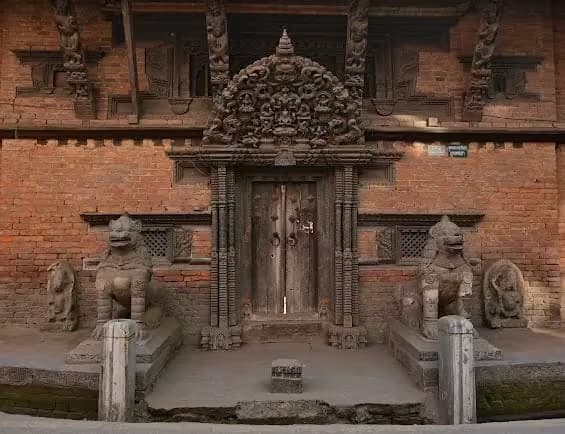
Bhinche Bahal (Mayurvarna Mahavihar)
One of Patan's principal bahals on the Matya route
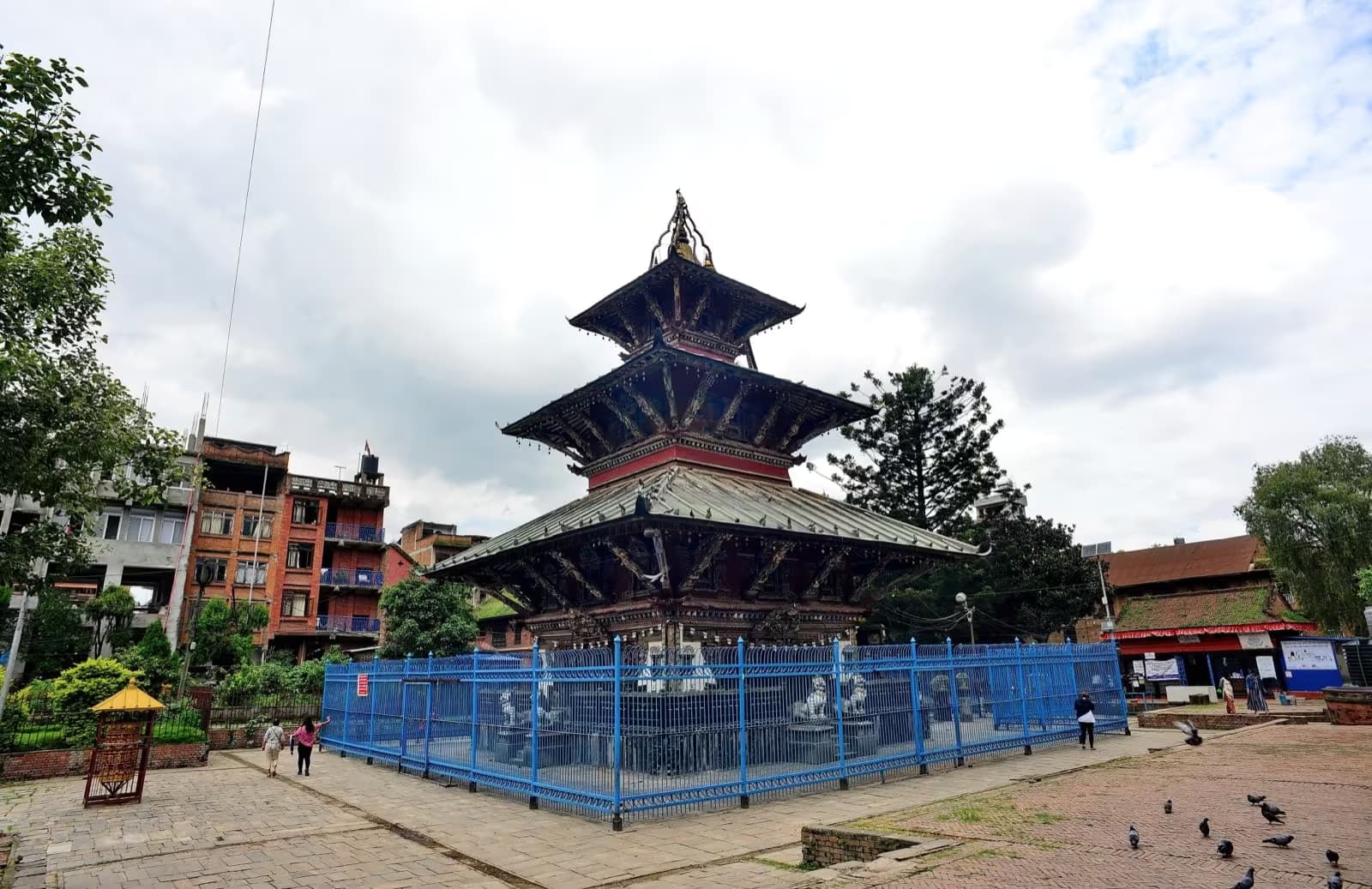
Tanga Bahal (Jestha Varna Mahavihar)
One of Patan's principal bahals on the Matya route
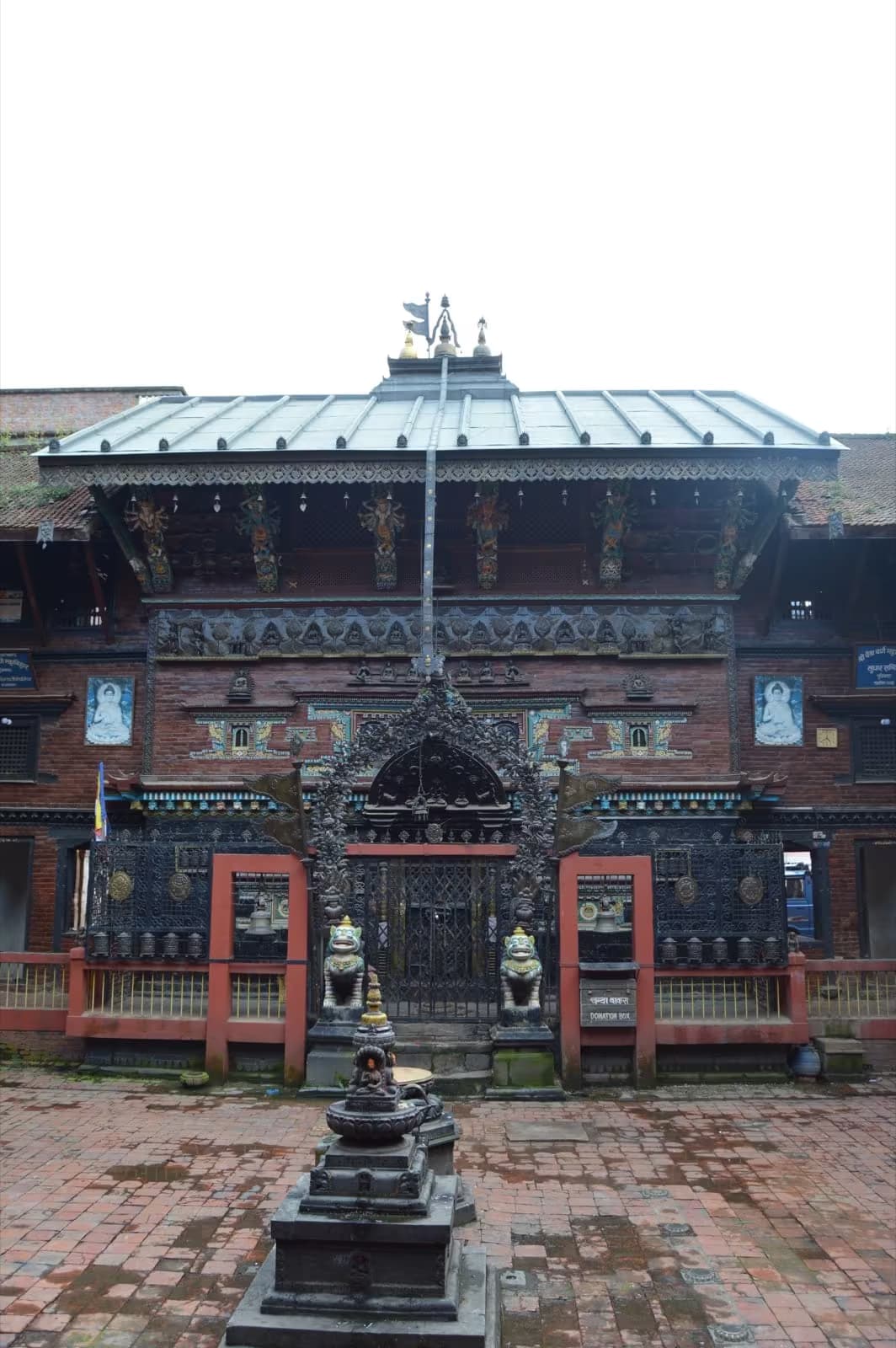
Guji Bahal (Vaishravarna Mahavihar)
One of Patan's principal bahals on the Matya route
Dhum Bahal (Gunalakshmi Mahavihar)
One of Patan's principal bahals on the Matya route
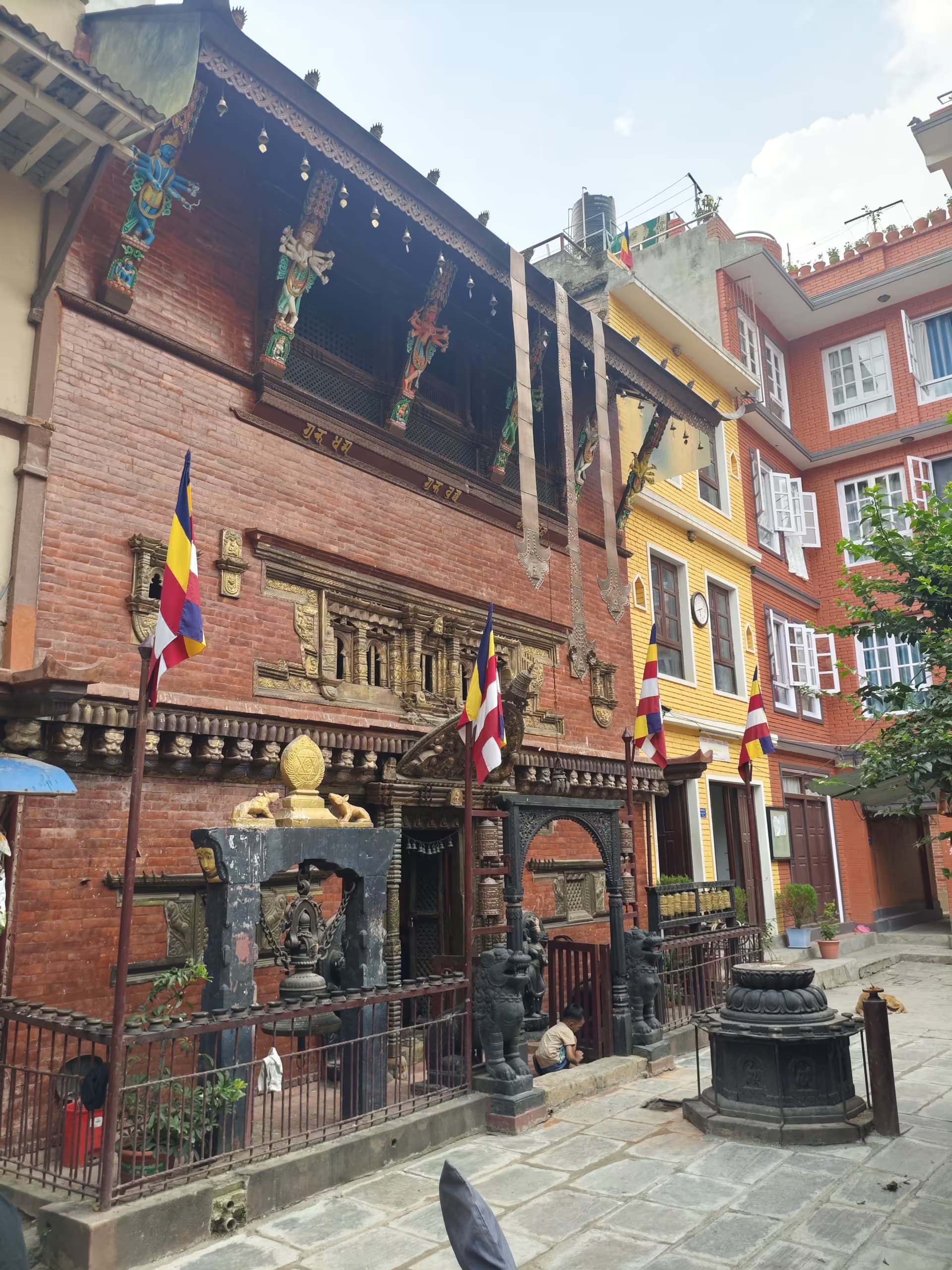
Wan Bahal (Bajra Kirti Mahavihar)
One of Patan's principal bahals on the Matya route
Jyo Bahal (Jyoti Varna Mahavihar)
One of Patan's principal bahals on the Matya route
Yachu Bahal (Baladhara Gupta Mahavihar)
One of Patan's principal bahals on the Matya route
Su Bahal (Jayamanohara Mahavihar)
One of Patan's principal bahals on the Matya route
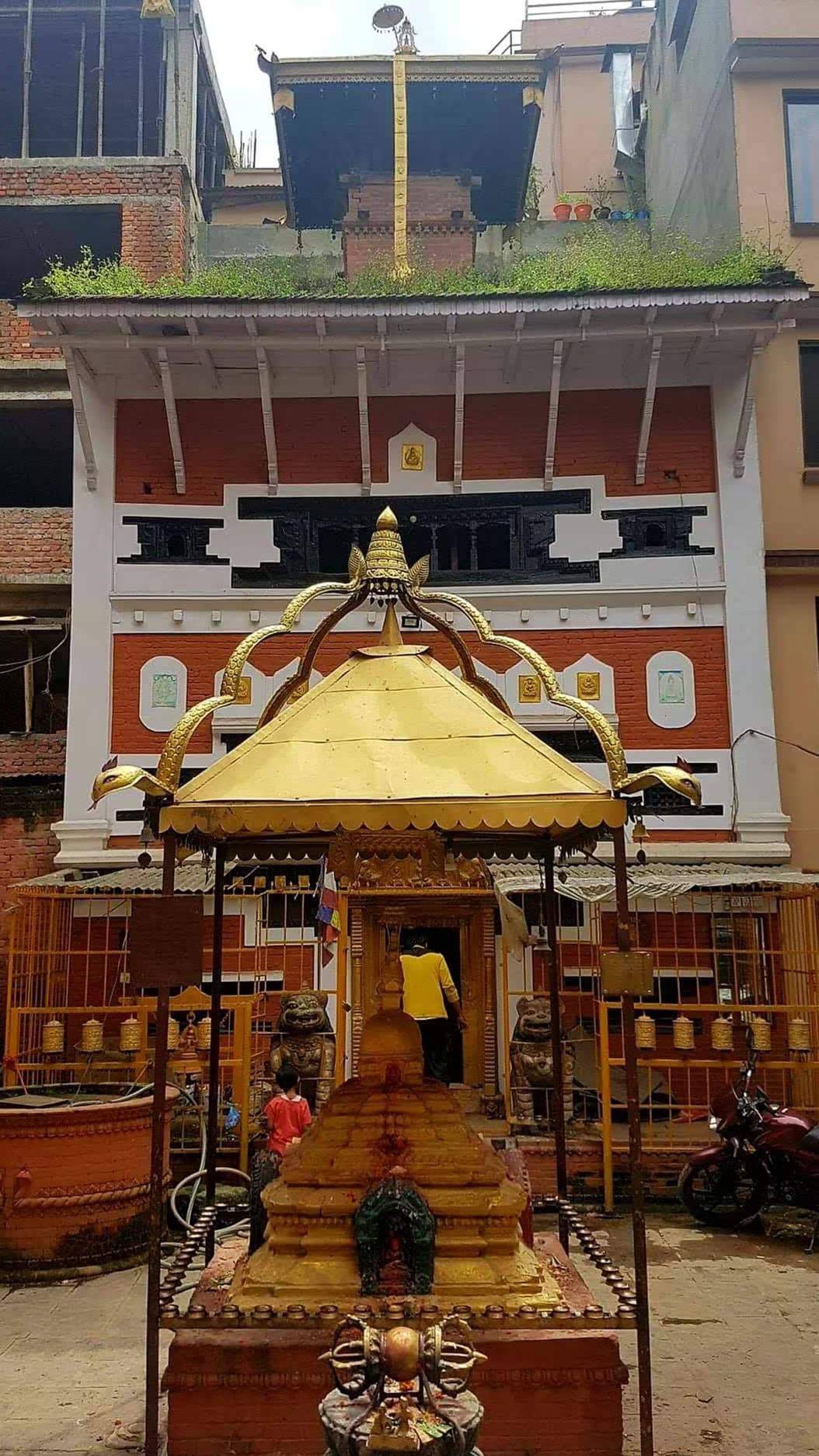
Cuka Bahal (Chakravarna Mahavihar)
One of Patan's principal bahals on the Matya route
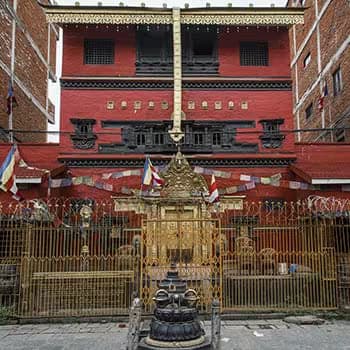
Ta Bahal (Dharma Kirti Mahavihar)
One of Patan's principal bahals on the Matya route
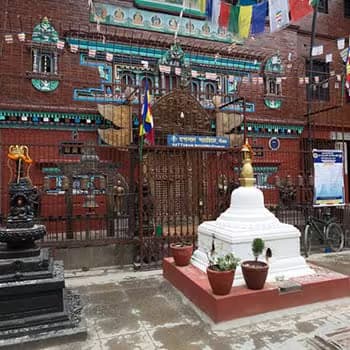
Dau Bahal (Dattanama Mahavihar)
One of Patan's principal bahals on the Matya route
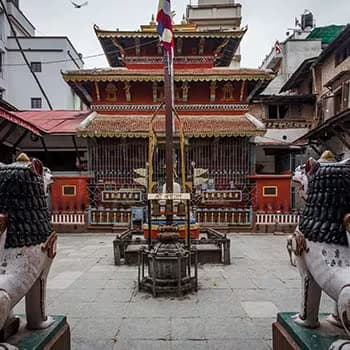
Si Bahal (Sri Vaccha Mahavihar)
One of Patan's principal bahals on the Matya route
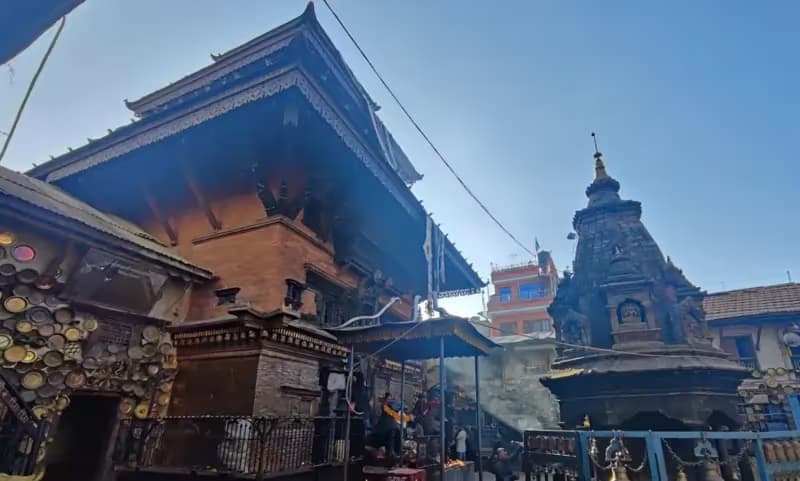
Co Bahal (Kacchapal Giri Mahavihar)
One of Patan's principal bahals on the Matya route
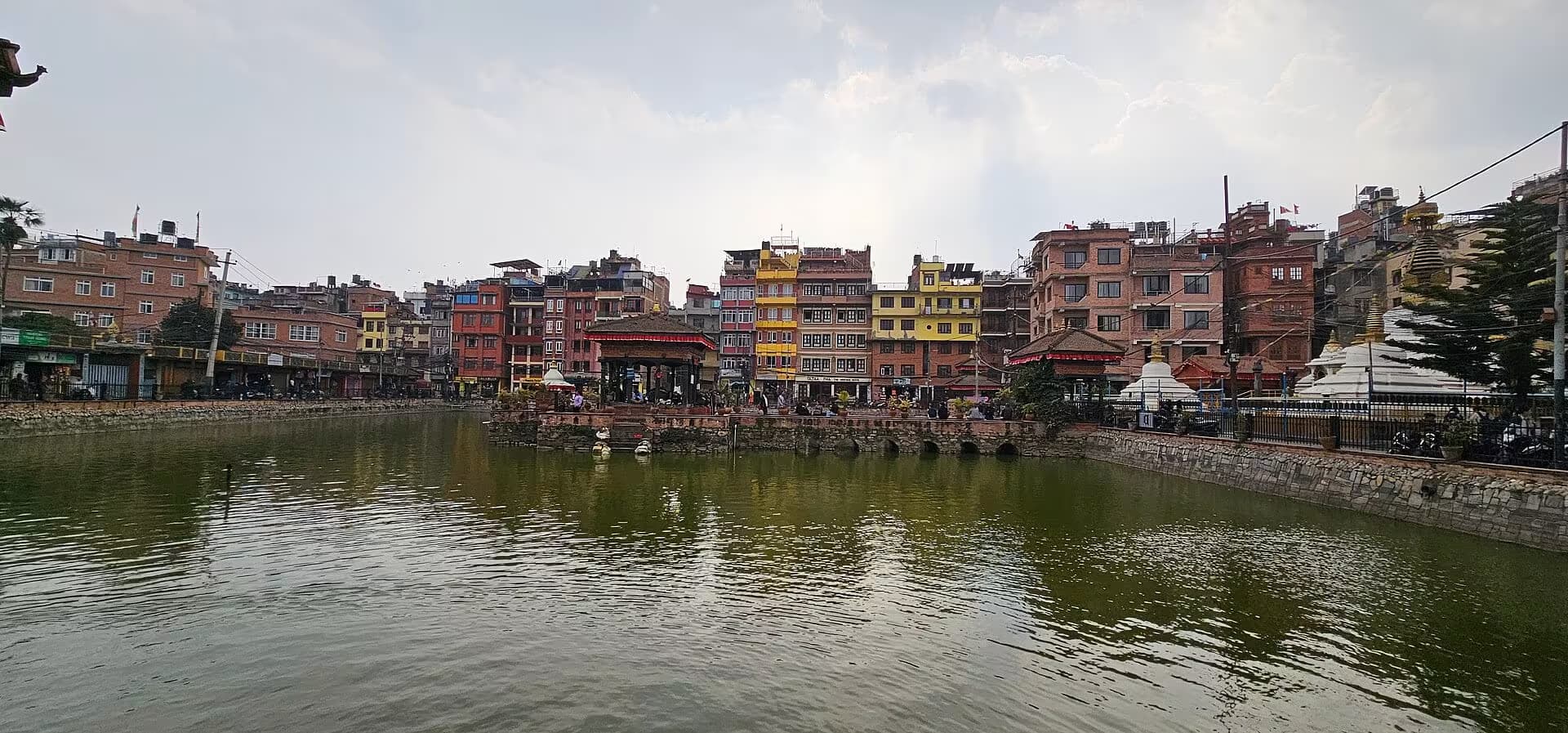
Pim Bahal Pokhari
The Pim Bahal chaitya and its pond, a stop on the western arc of the circuit
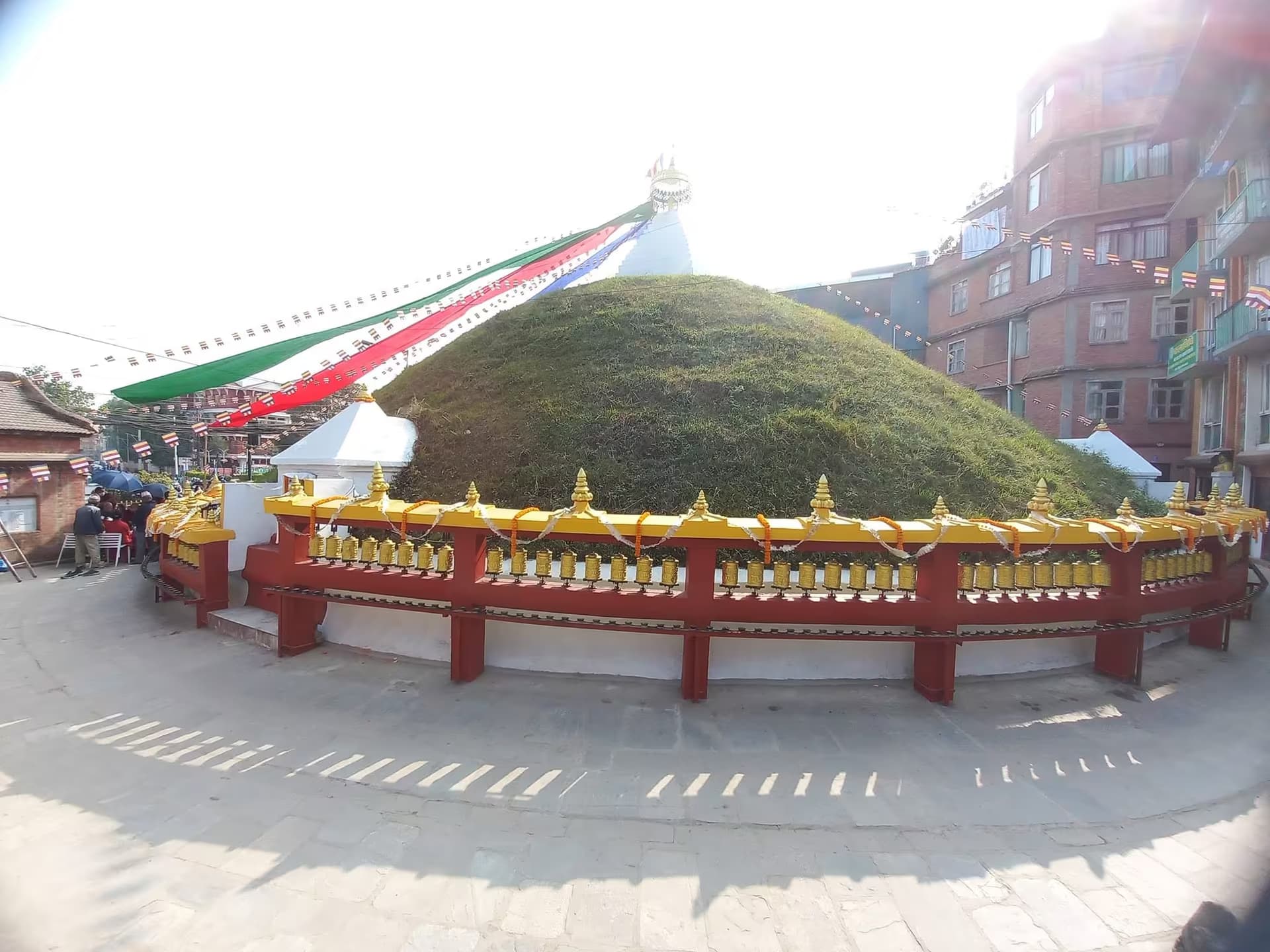
Pulchowk Ashoka Stupa (Pulchowk Thur)
The western thur, one of the four Ashoka stupas the circuit is anchored on
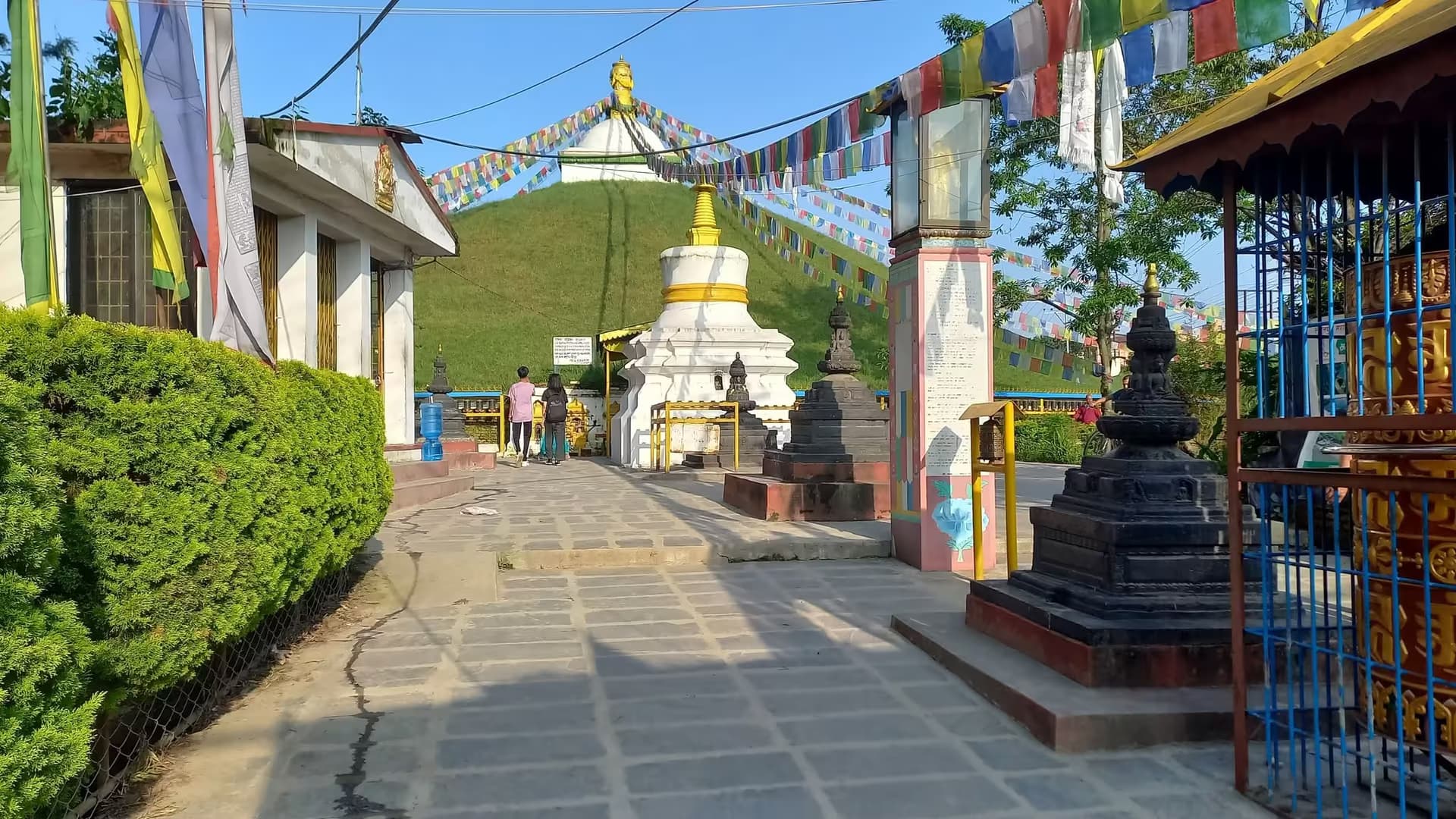
Lagan Thur (Lagankhel Ashoka Stupa)
The southern thur, at the Lagankhel crossroads
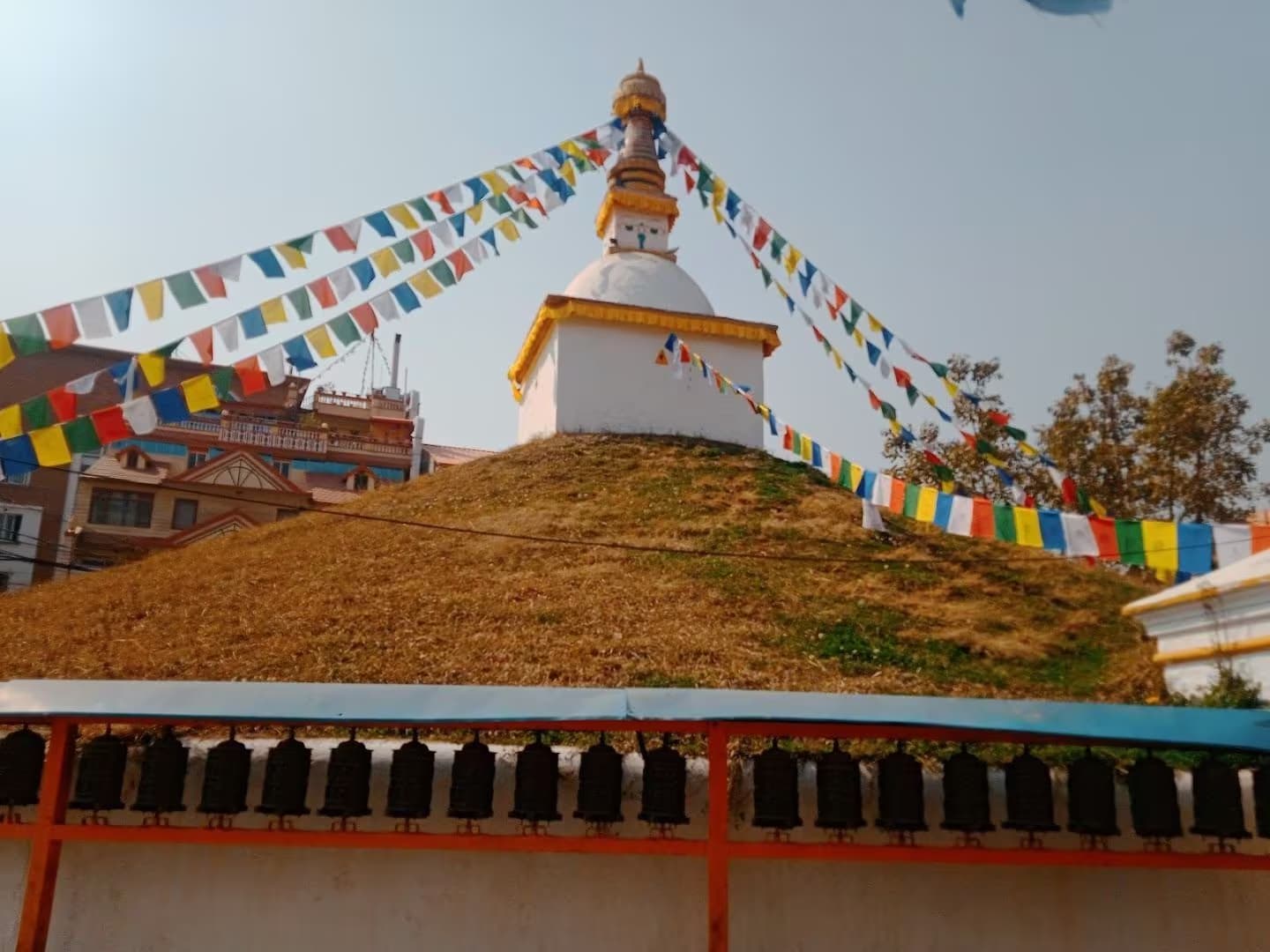
Teta Thur (Eastern Ashoka Stupa)
The eastern thur, the farthest point of the circuit
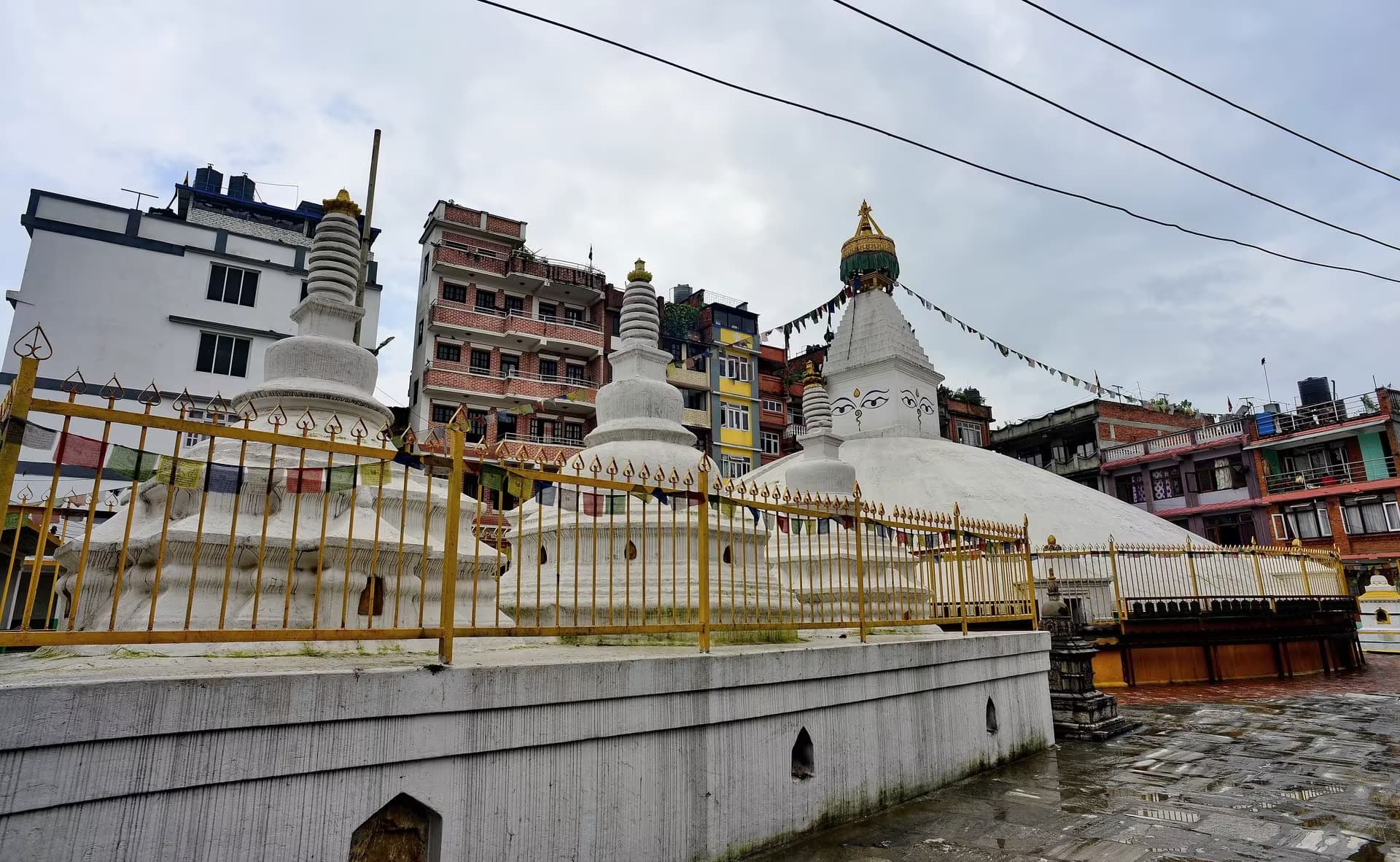
Ibahi Thur (Northern Ashoka Stupa)
The northern thur, in the dense lanes above Kumbheshwar
Deities & Presences
Characters
Rituals & Ceremonies
Part of Matya