Clowns in a funeral procession
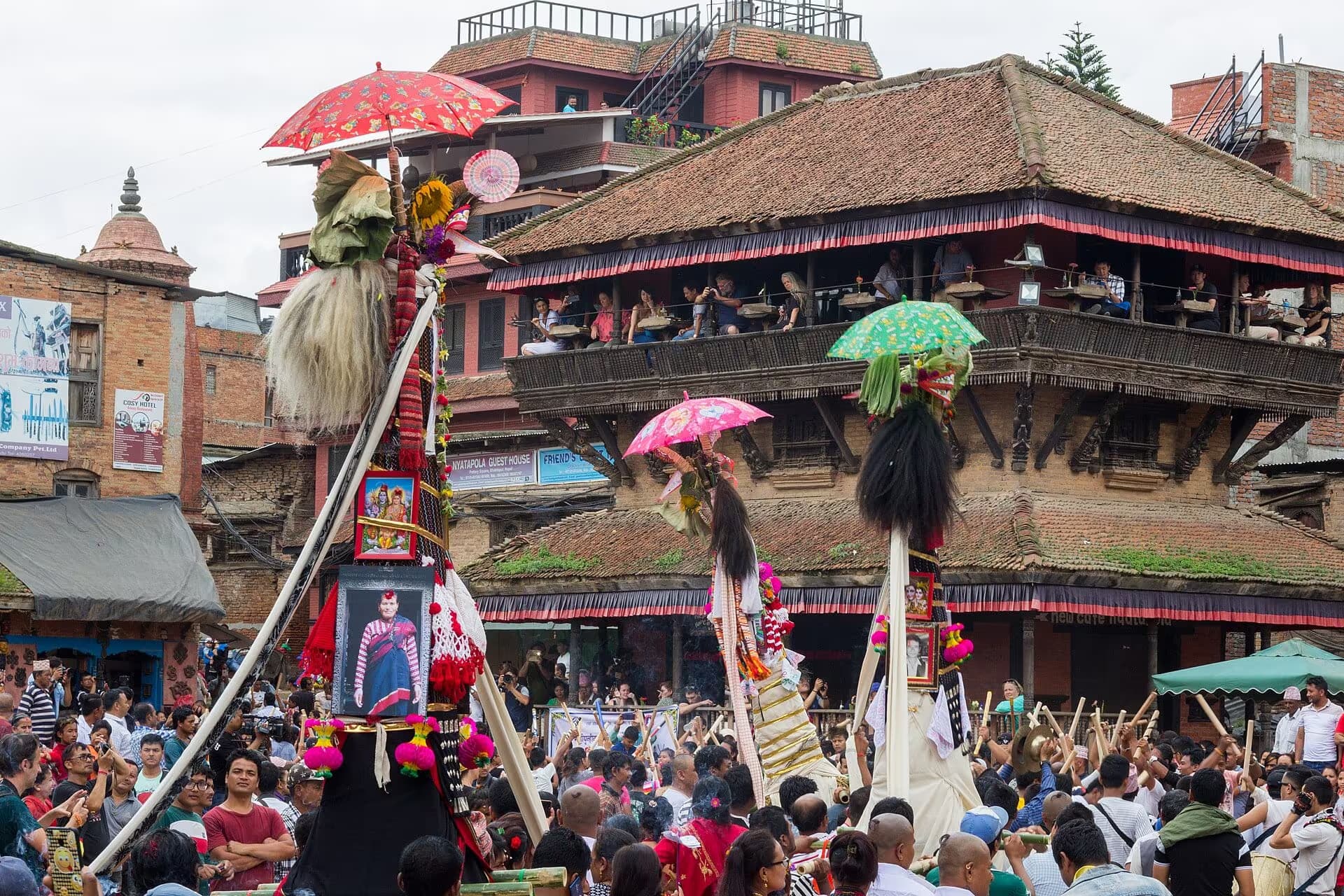
Most of the people walking Matya are walking for somebody who died in the past year. And in among them, all day, are figures in ridiculous costumes doing bits — mugging, mocking, playing to whoever will look.
This is not a lapse of taste. It is the same instinct that governs Gai Jatra the day before, where a morning of grief turns into an afternoon of satire: grief is real, it must be walked and it must be seen, but a life spent inside it is not a life. The clowns are the mechanism for coming out the other side, and they are placed in the line on purpose.
What a visitor should understand
If you are photographing the day, this is the thing most likely to be misread. A picture of a comic character next to a woman in mourning white is not an irony the festival failed to notice — it is the festival's argument, made in one frame. The Newar valley has two festivals in a row that say the same thing in different registers, and Matya is the quieter of the two.
Related Places & Sites
Related
Connected places and entries worth pairing
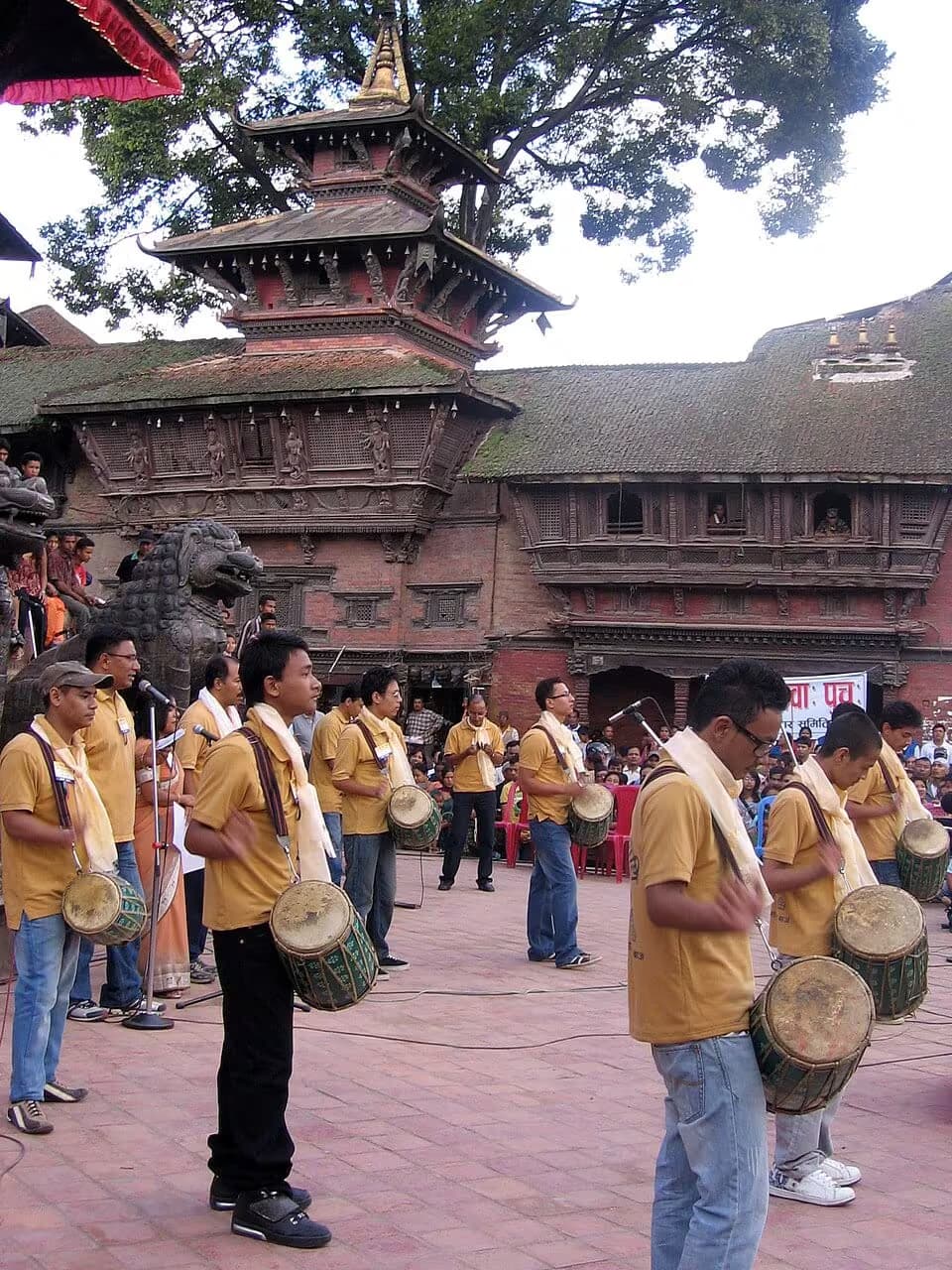
Gunla
Matya falls within Gunla, the Newar Buddhist holy month
Gai Jatra
Matya is held the day after Gai Jatra

Patan Durbar Square
Mangal Bazaar, the lanes around the square, is one of the ten toles that host Matya in rotation — and the circuit passes through it whoever is hosting
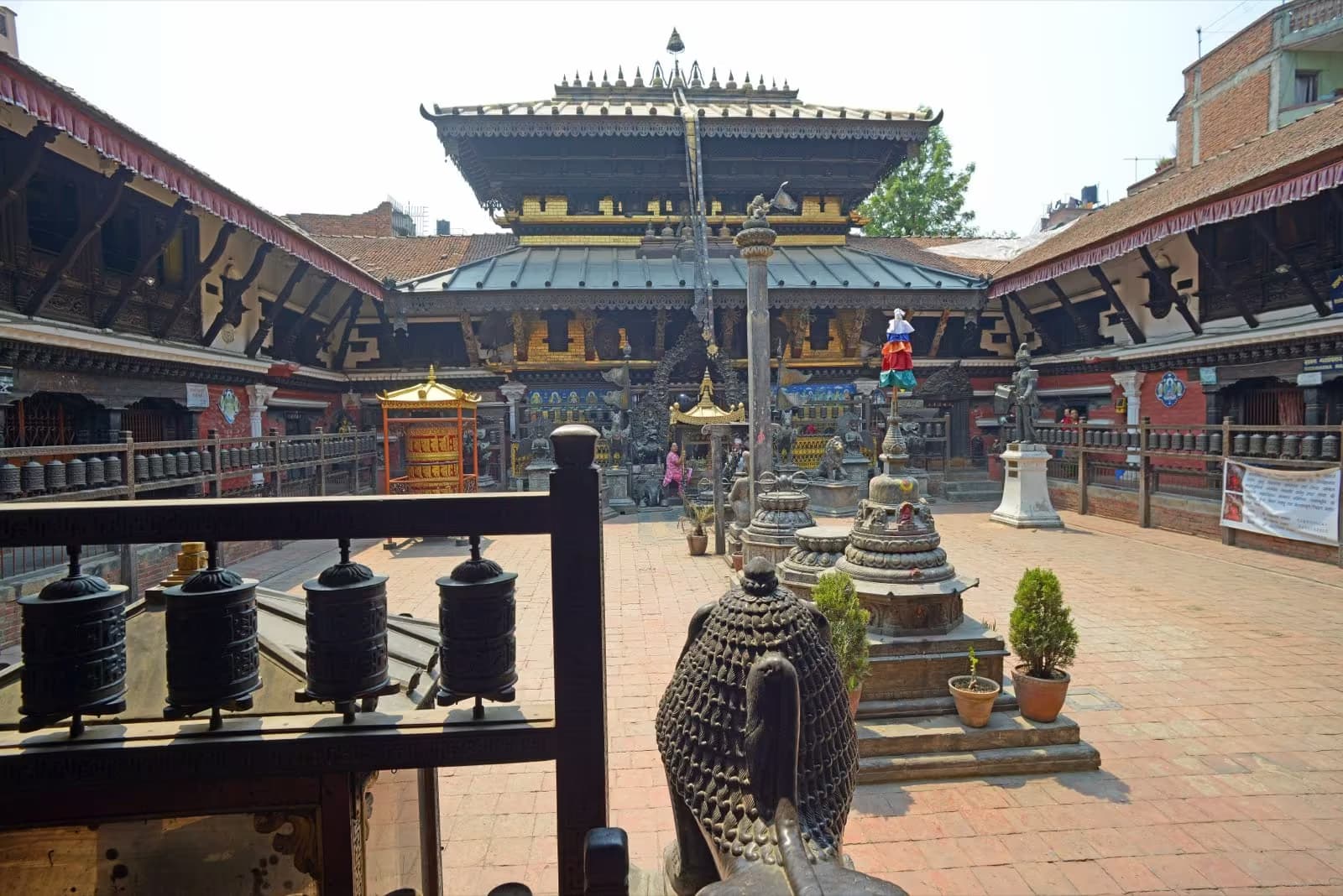
Rudravarna Mahavihar (Okubahal)
Okubahal — one of the ten host toles, and among the oldest courtyards on the circuit
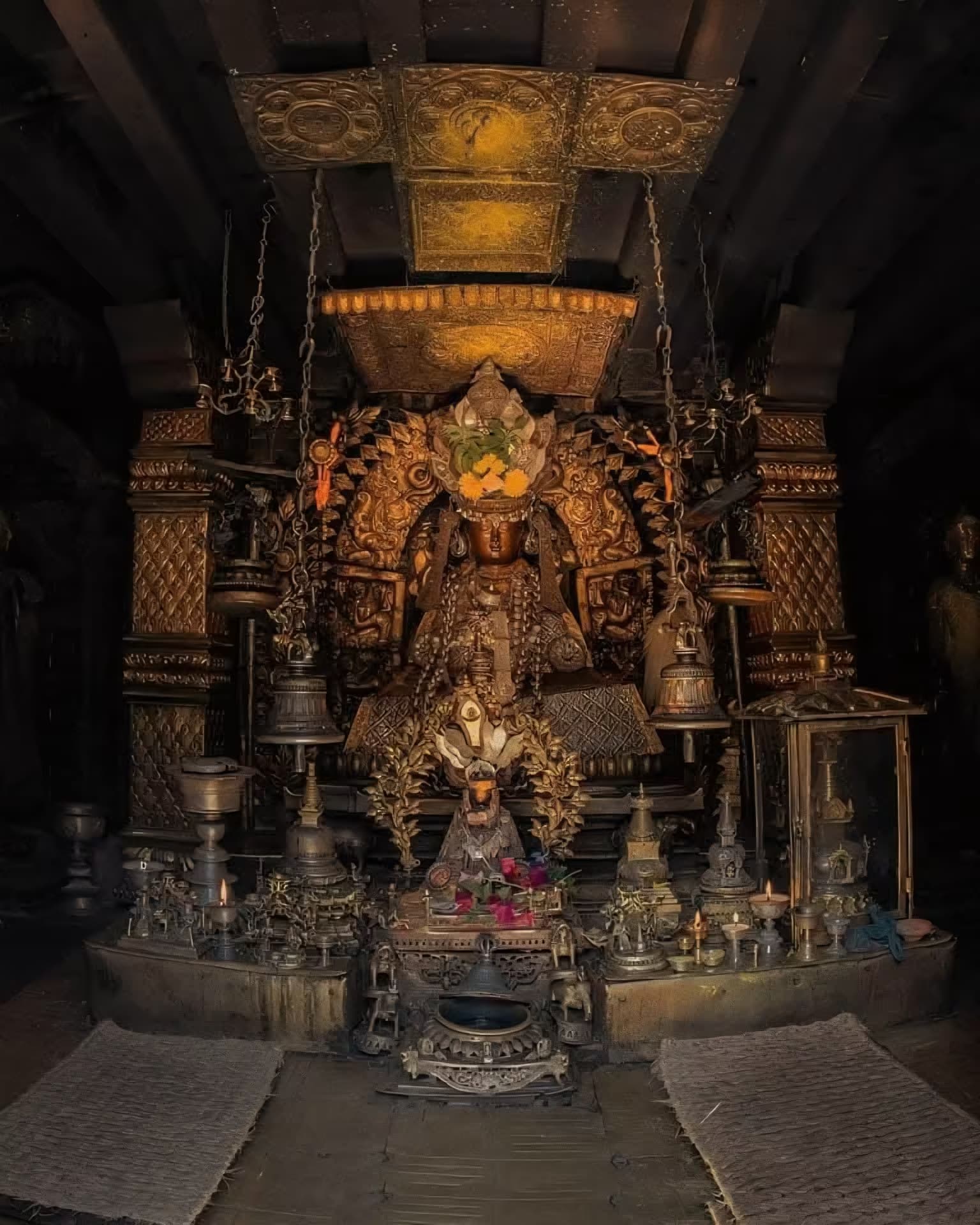
Hiranya Varna Mahavihar (Golden Temple)
The Golden Temple courtyard, one of the major bahals every walker passes
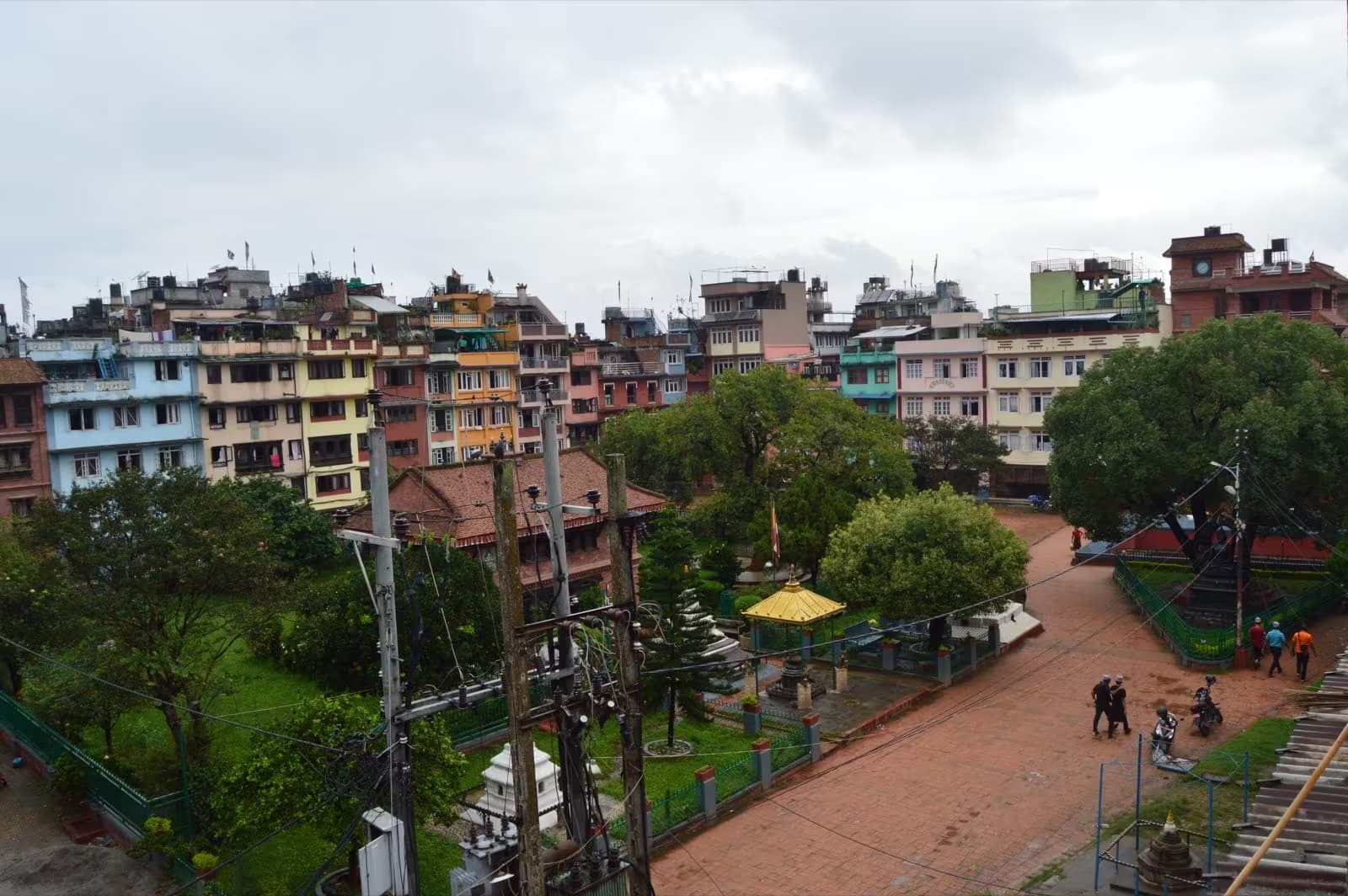
Nag Bahal (Nagbahal)
Nag Bahal, one of the great open courtyards on the route
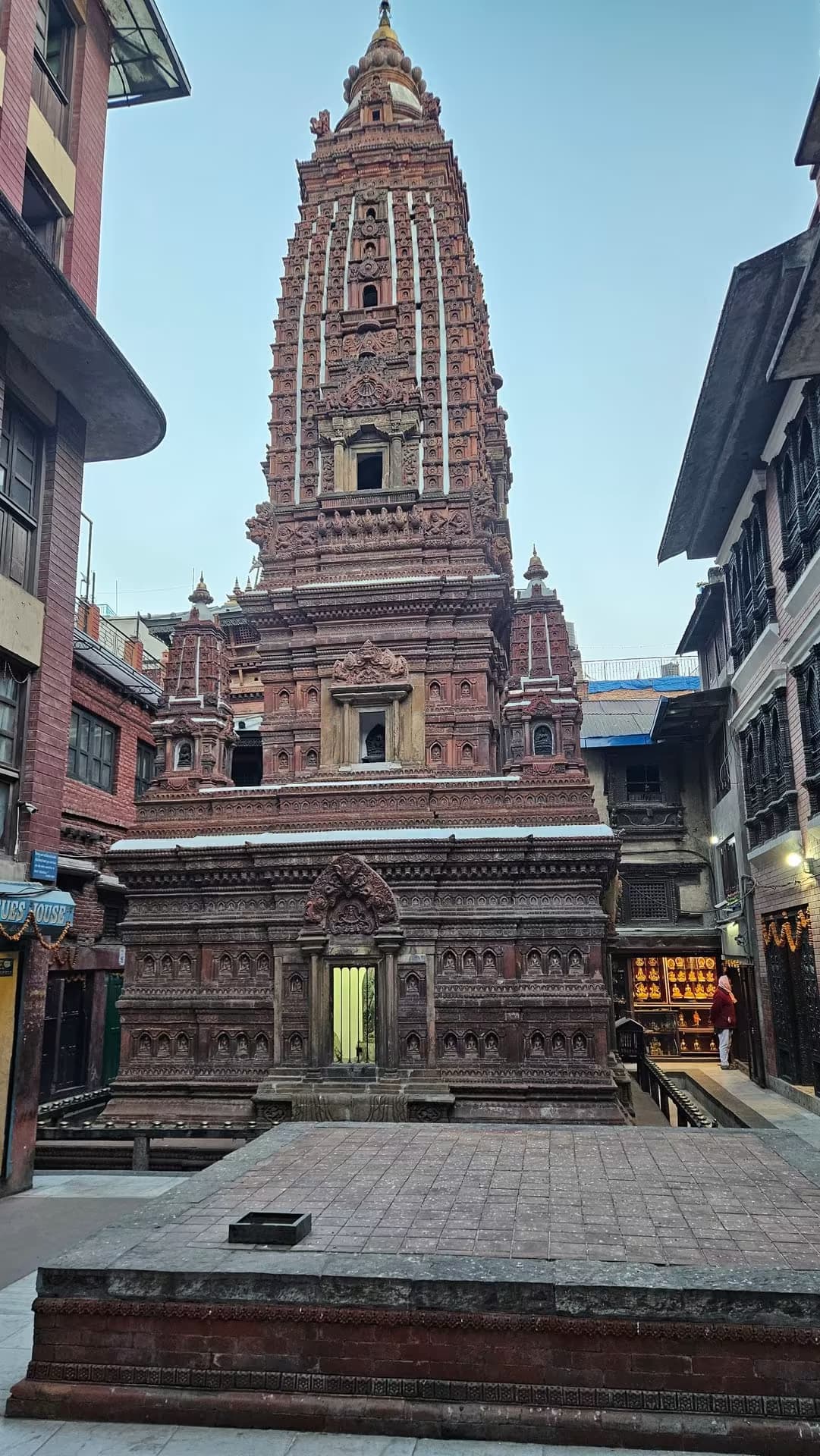
Mahabouddha Temple (Temple of a Thousand Buddhas)
The thousand-Buddha tower, a landmark stop on the circuit
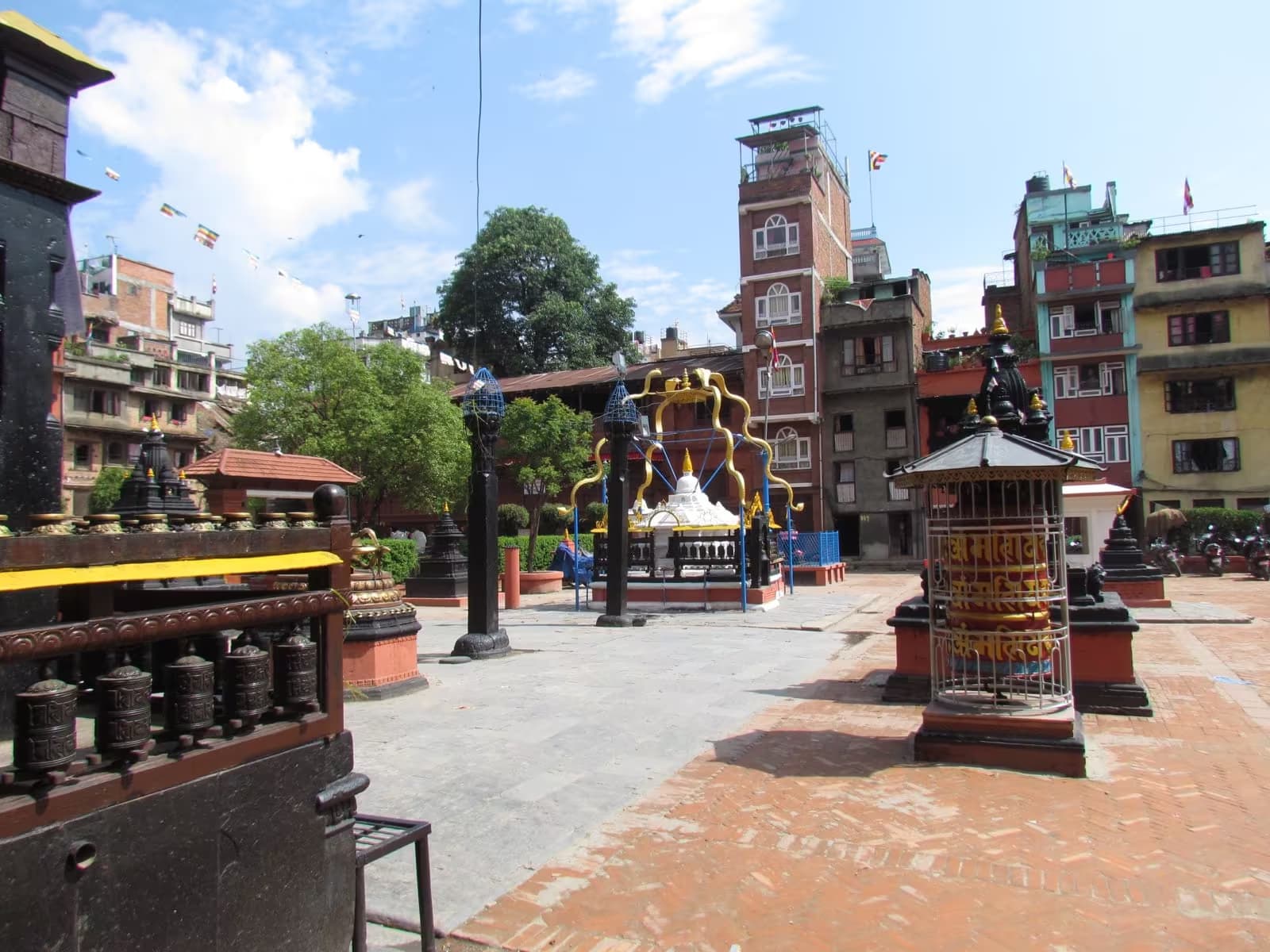
Bu Bahal (Yashodhar Mahavihar)
Bubahal — one of the ten toles that take turns organising Matya
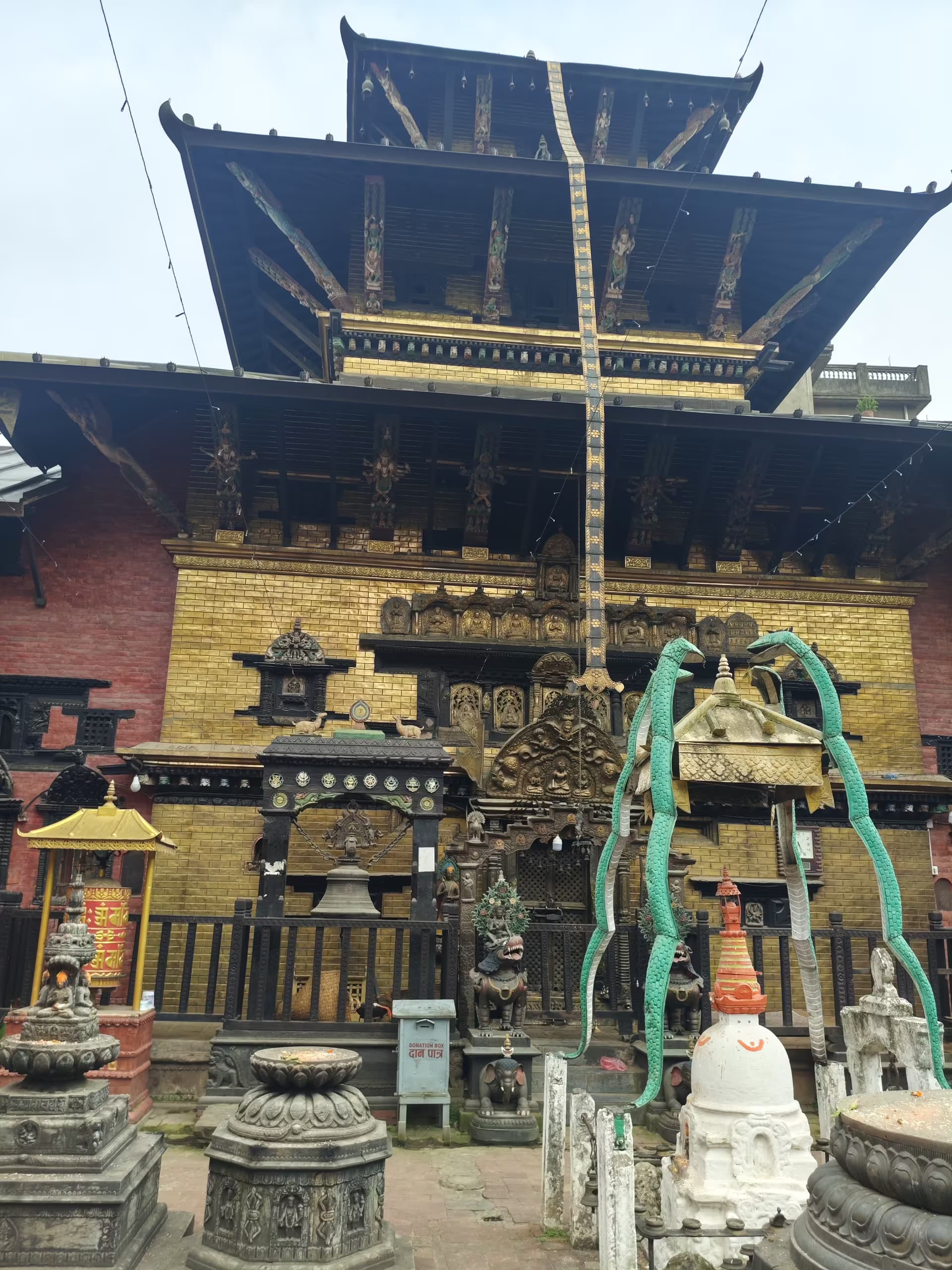
Ha Bahal (Ratnakar Mahavihar)
Ha Bahal, residence of Patan's Kumari, on the circuit
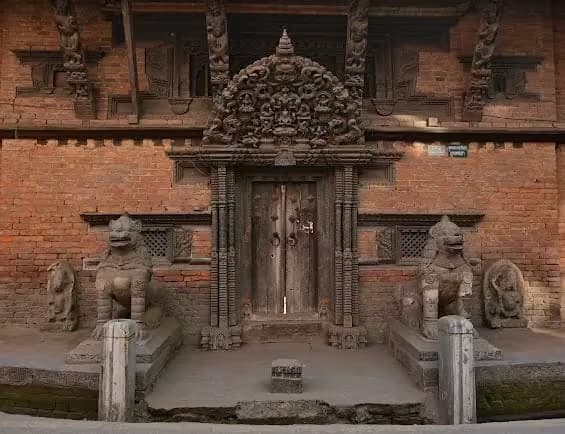
Bhinche Bahal (Mayurvarna Mahavihar)
One of Patan's principal bahals on the Matya route
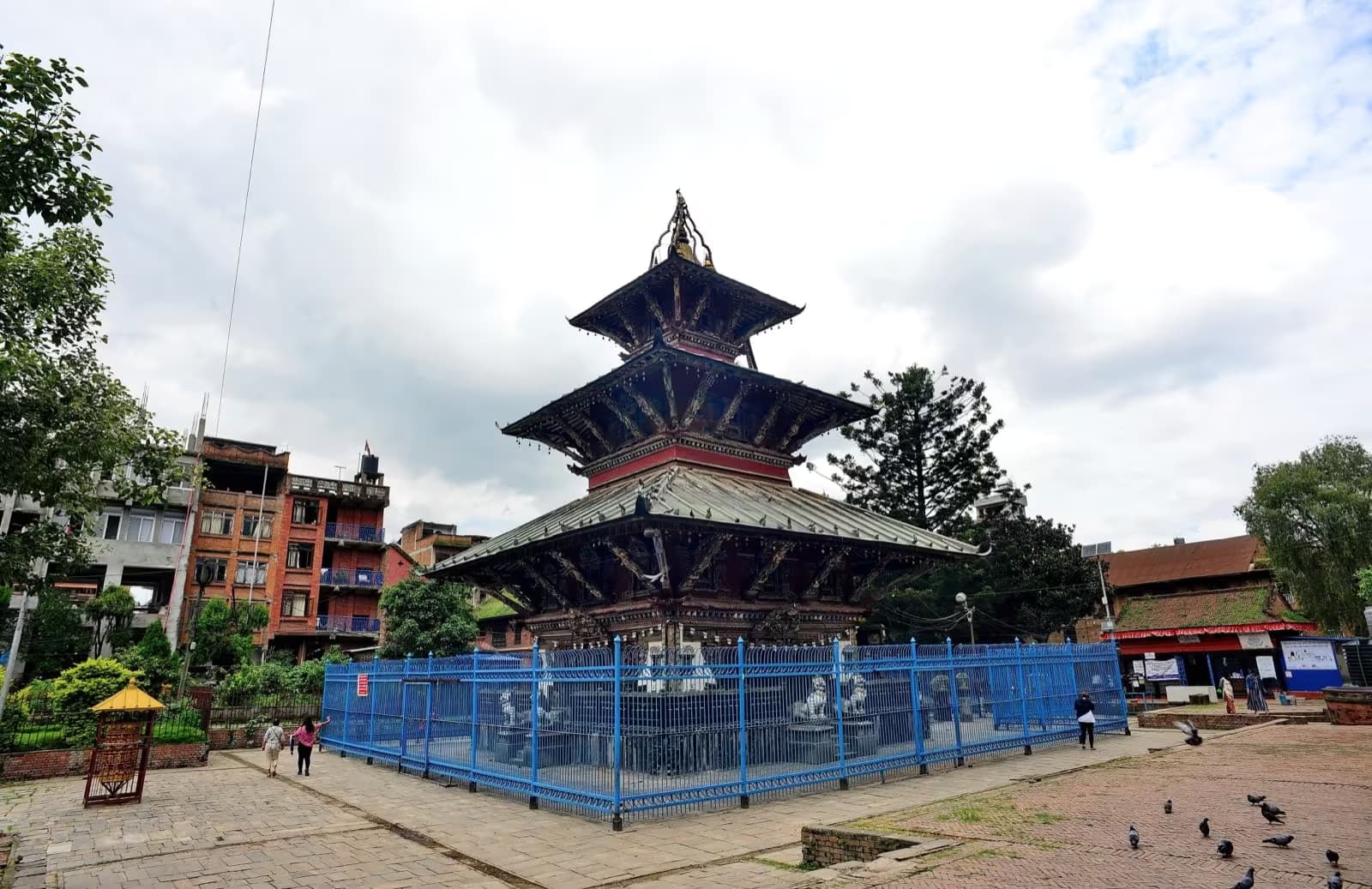
Tanga Bahal (Jestha Varna Mahavihar)
One of Patan's principal bahals on the Matya route
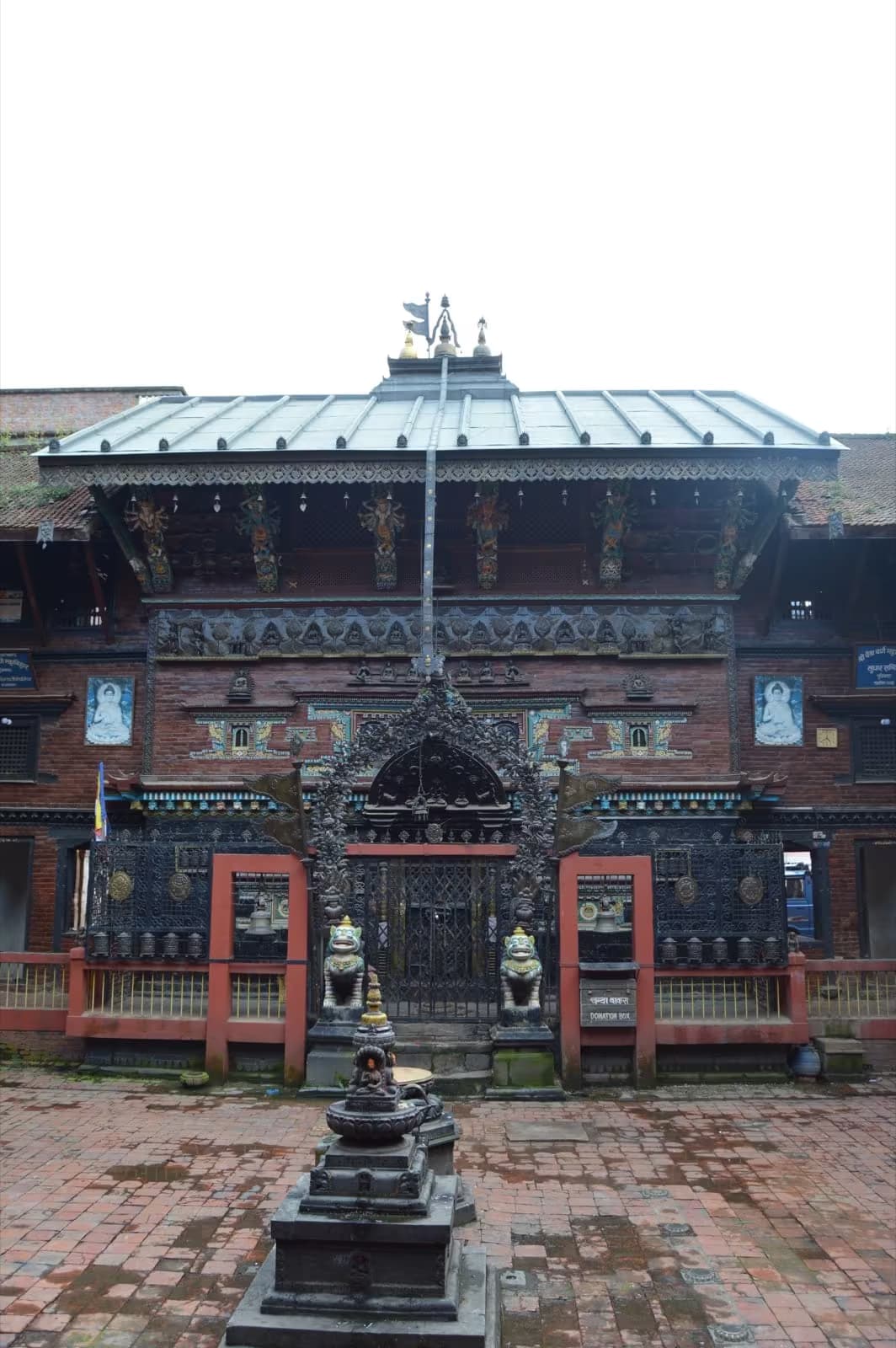
Guji Bahal (Vaishravarna Mahavihar)
One of Patan's principal bahals on the Matya route
Dhum Bahal (Gunalakshmi Mahavihar)
One of Patan's principal bahals on the Matya route
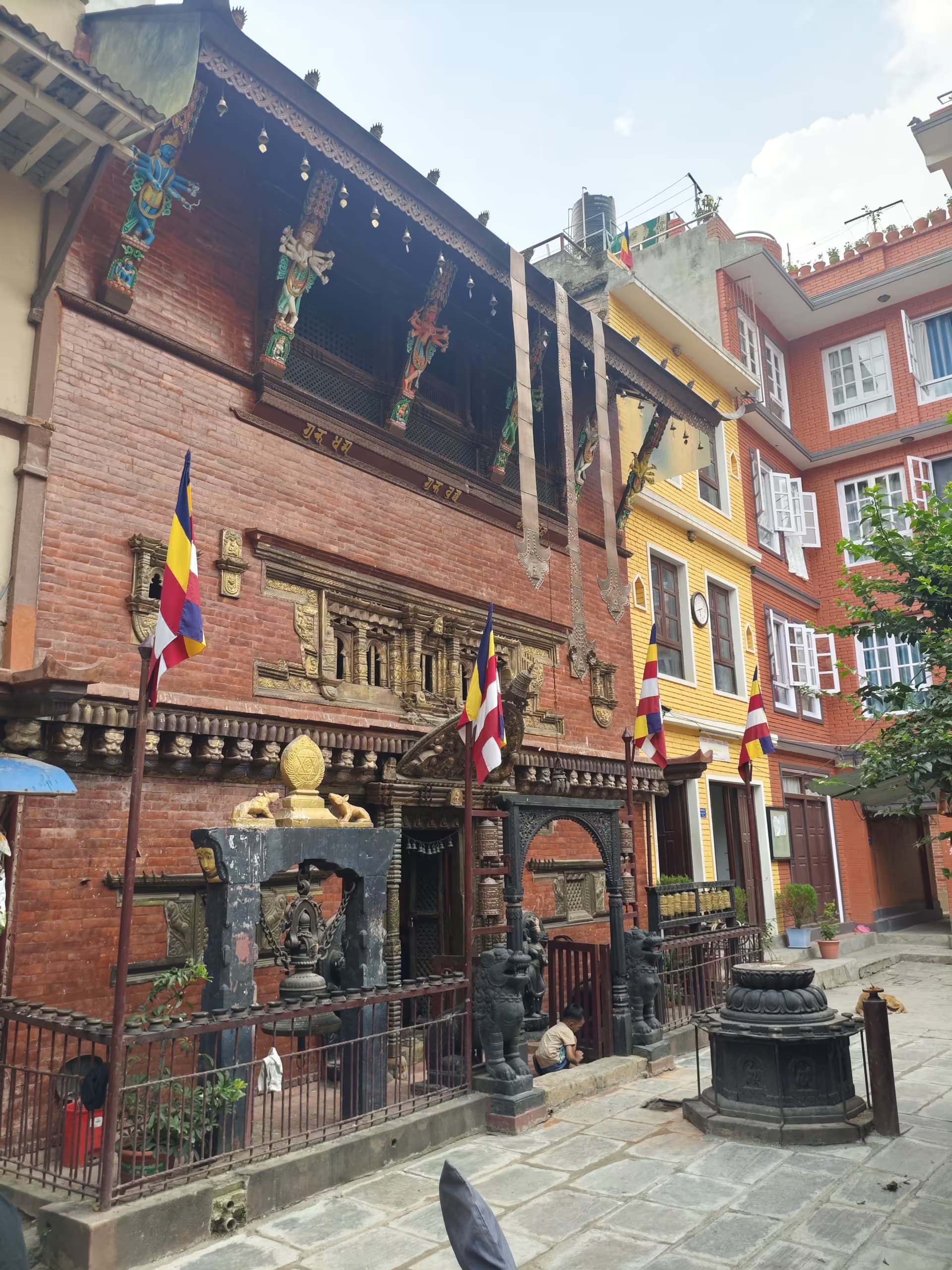
Wan Bahal (Bajra Kirti Mahavihar)
One of Patan's principal bahals on the Matya route
Jyo Bahal (Jyoti Varna Mahavihar)
One of Patan's principal bahals on the Matya route
Yachu Bahal (Baladhara Gupta Mahavihar)
One of Patan's principal bahals on the Matya route
Su Bahal (Jayamanohara Mahavihar)
One of Patan's principal bahals on the Matya route
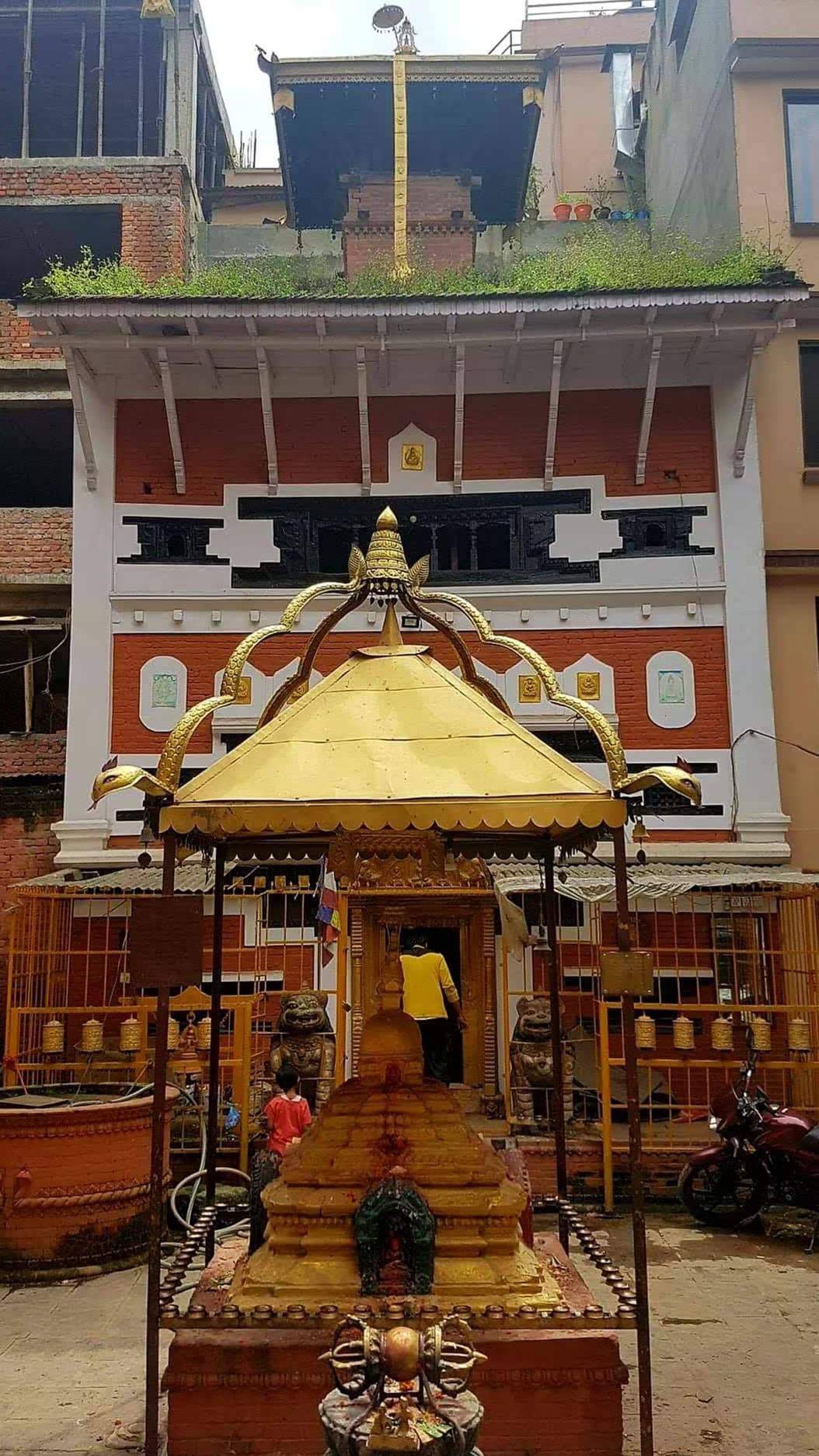
Cuka Bahal (Chakravarna Mahavihar)
One of Patan's principal bahals on the Matya route
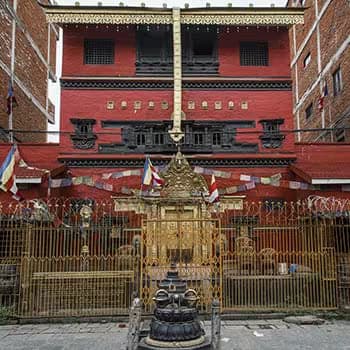
Ta Bahal (Dharma Kirti Mahavihar)
One of Patan's principal bahals on the Matya route
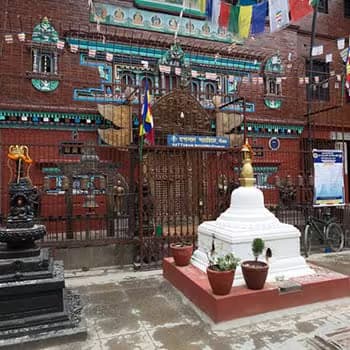
Dau Bahal (Dattanama Mahavihar)
One of Patan's principal bahals on the Matya route
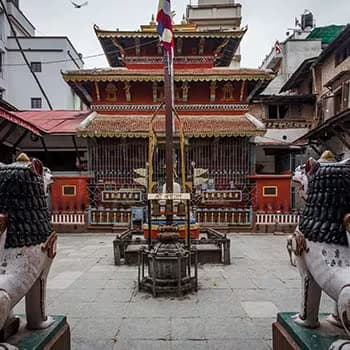
Si Bahal (Sri Vaccha Mahavihar)
One of Patan's principal bahals on the Matya route
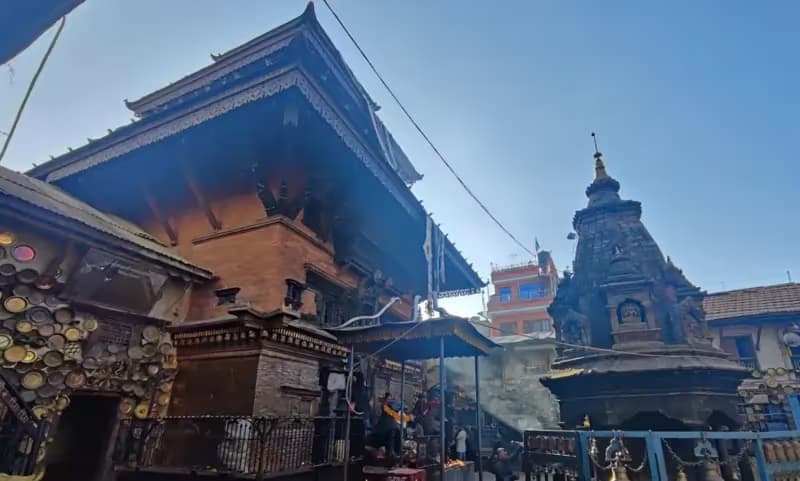
Co Bahal (Kacchapal Giri Mahavihar)
One of Patan's principal bahals on the Matya route
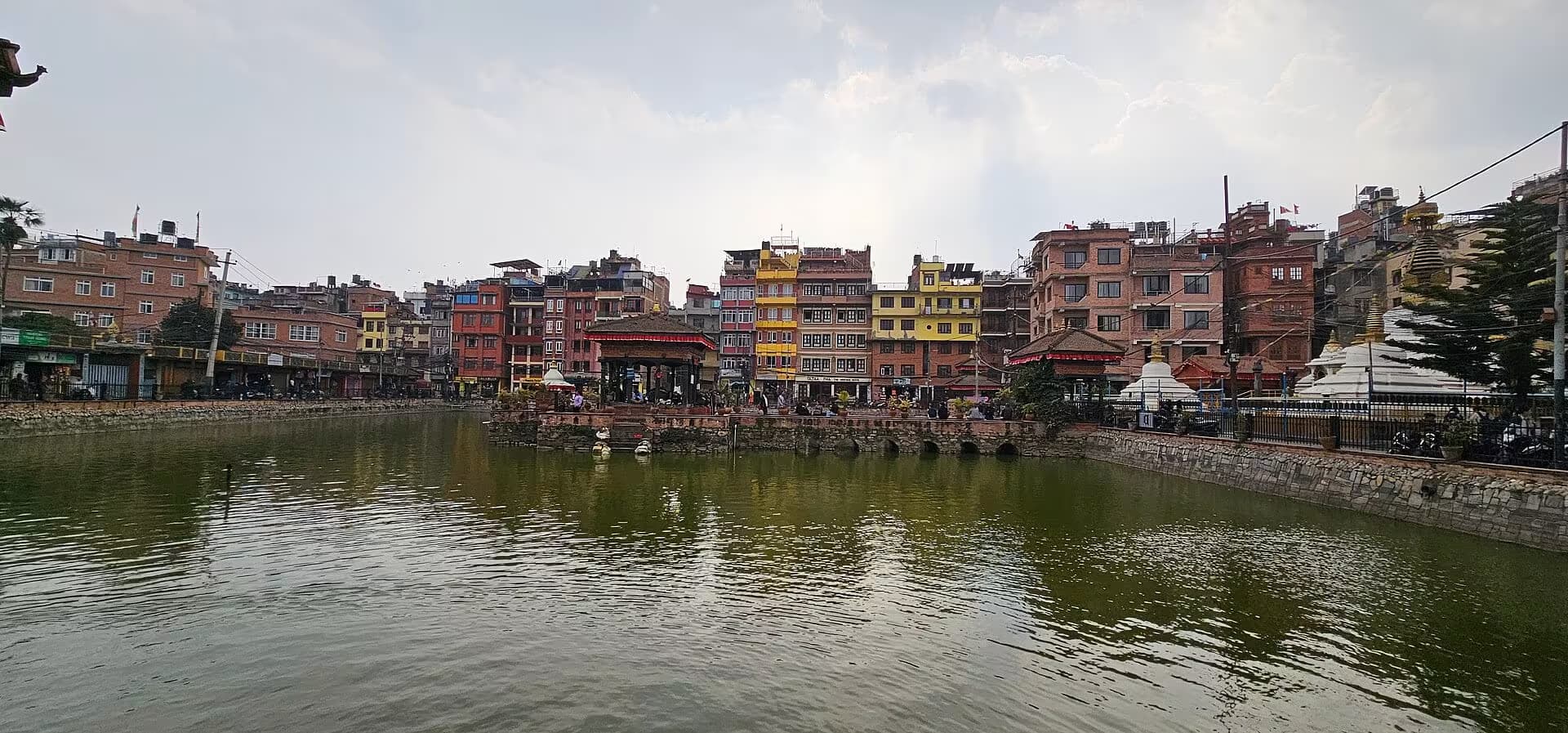
Pim Bahal Pokhari
The Pim Bahal chaitya and its pond, a stop on the western arc of the circuit
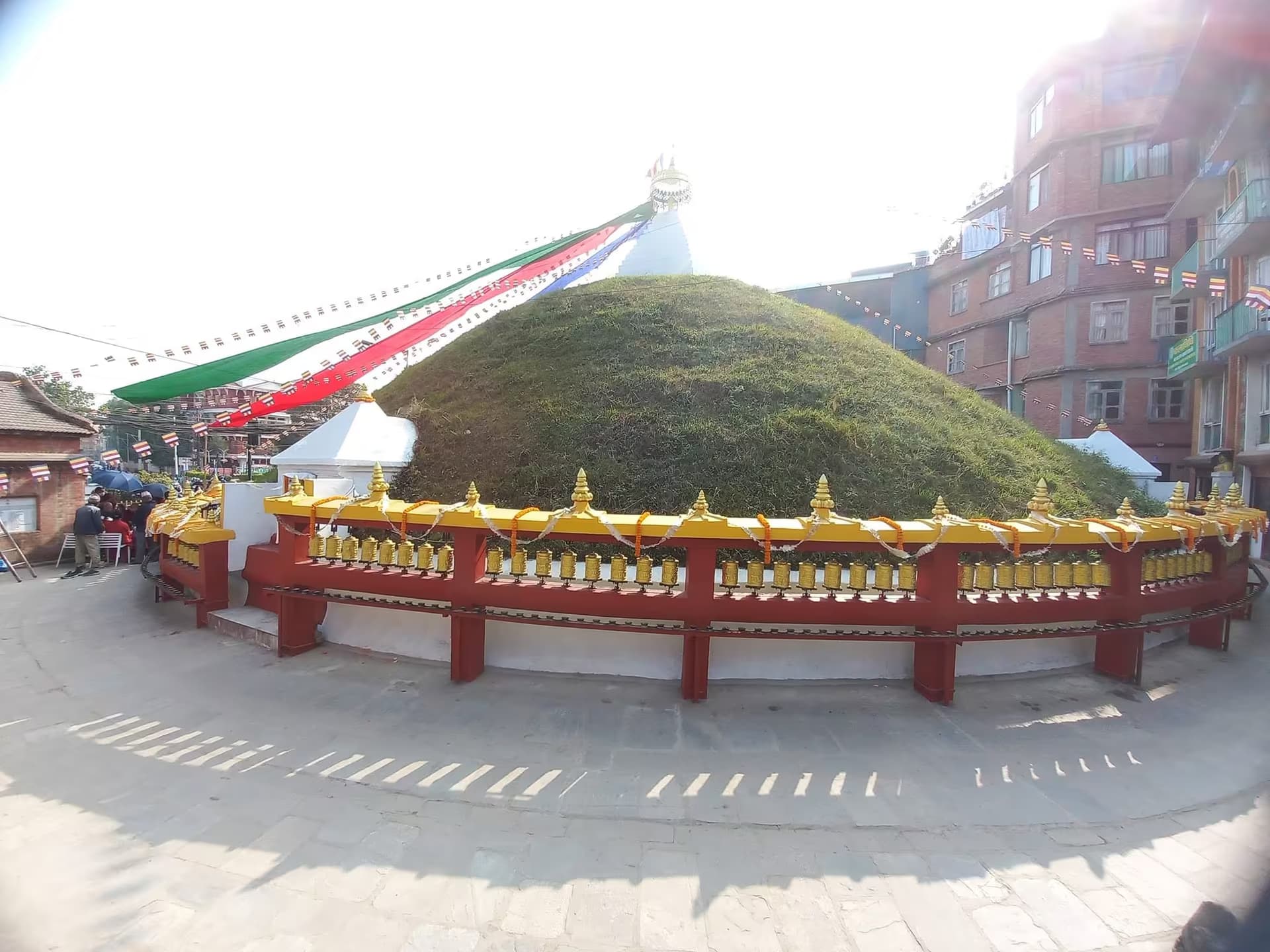
Pulchowk Ashoka Stupa (Pulchowk Thur)
The western thur, one of the four Ashoka stupas the circuit is anchored on
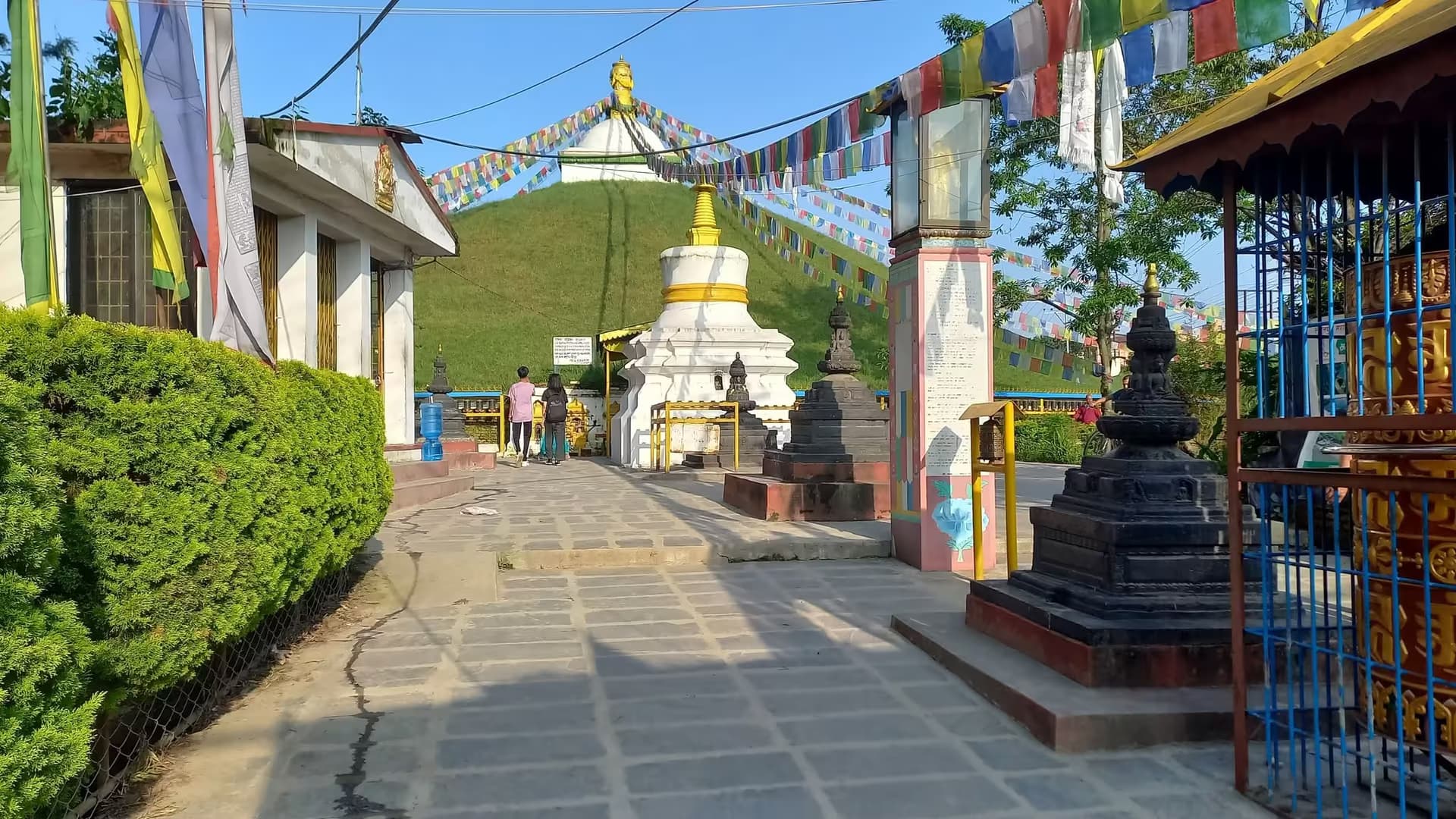
Lagan Thur (Lagankhel Ashoka Stupa)
The southern thur, at the Lagankhel crossroads
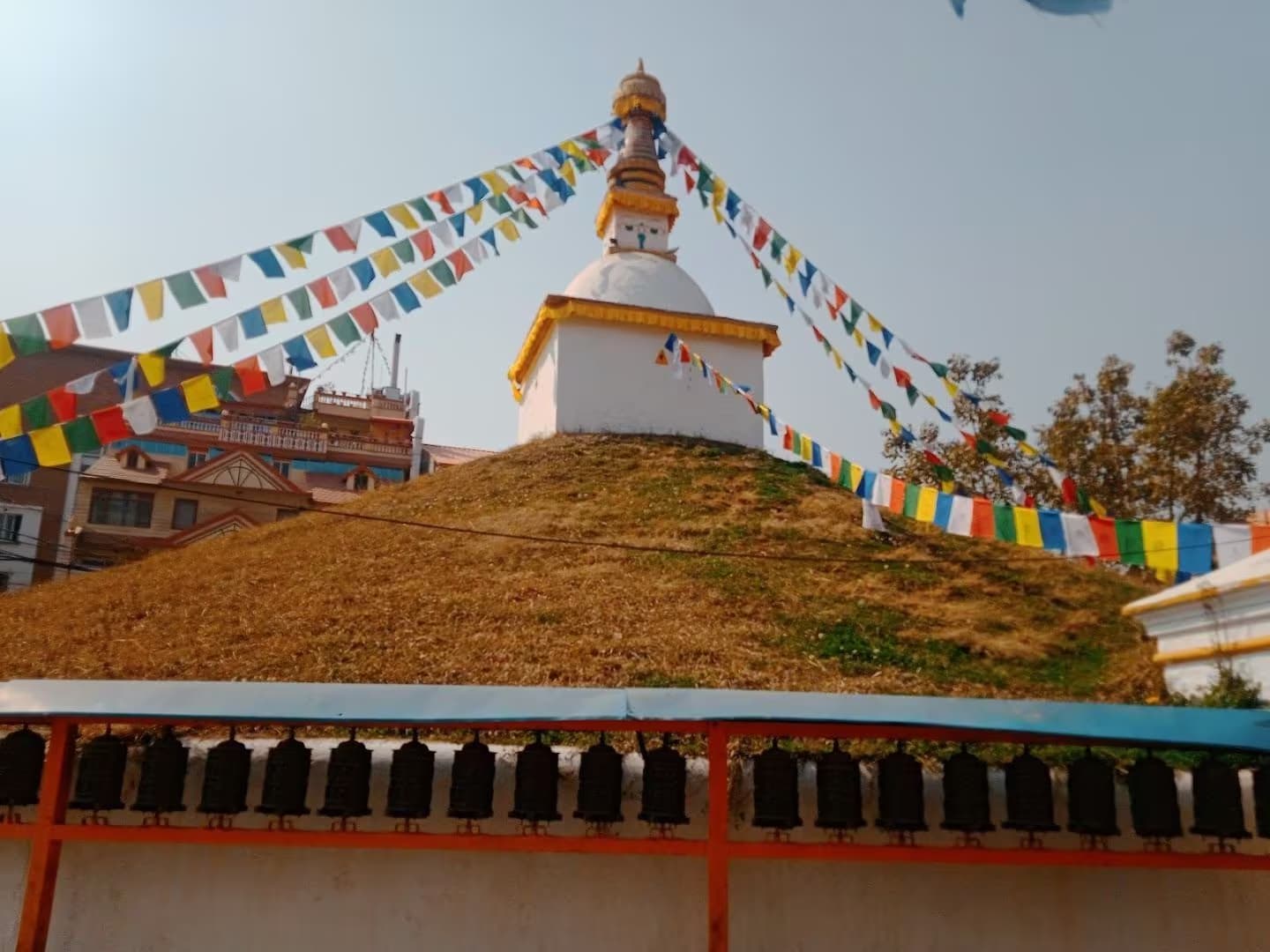
Teta Thur (Eastern Ashoka Stupa)
The eastern thur, the farthest point of the circuit
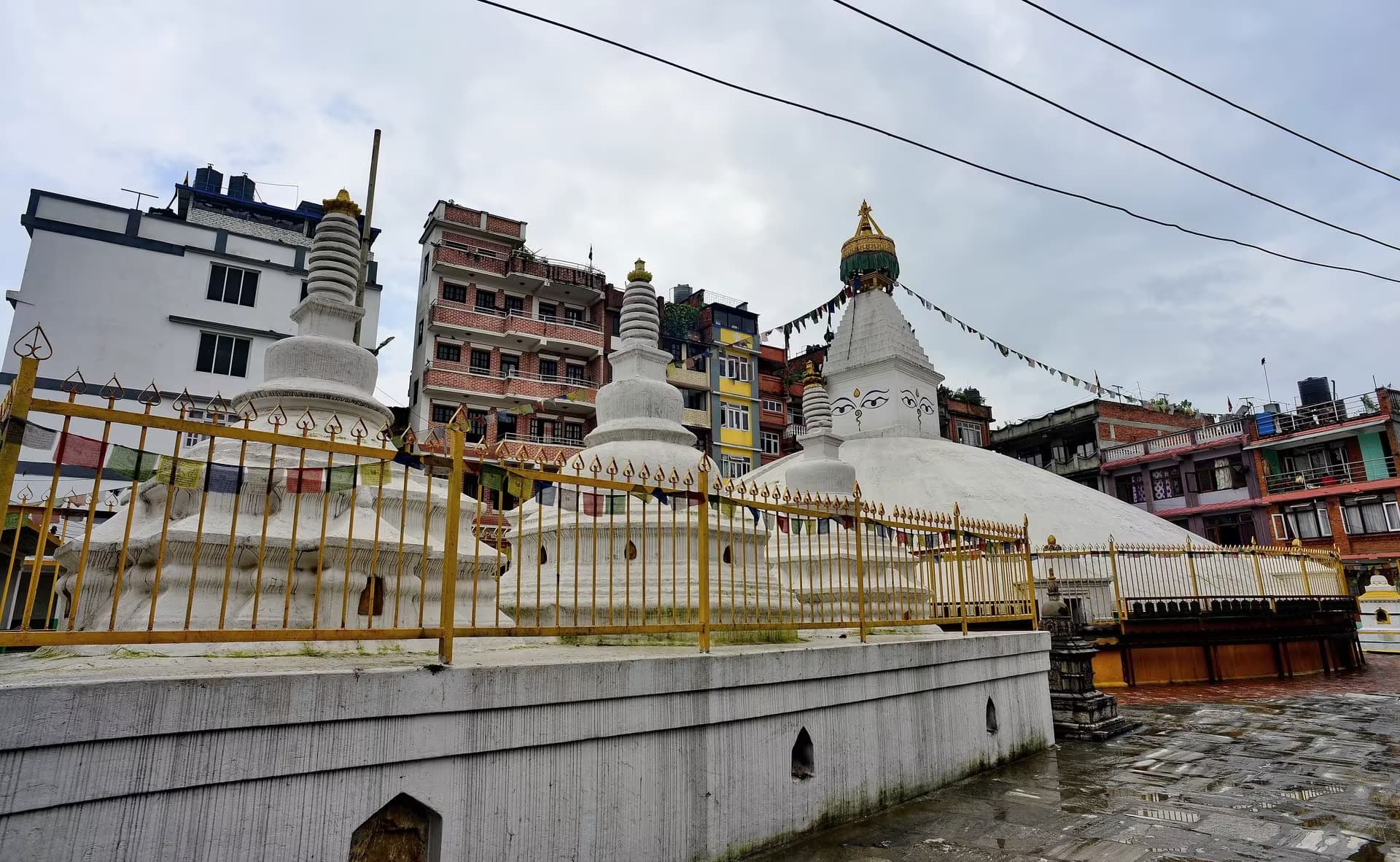
Ibahi Thur (Northern Ashoka Stupa)
The northern thur, in the dense lanes above Kumbheshwar
Deities & Presences
Part of Matya