The Hindu gods, in a Buddhist procession
The organising committee invites volunteers to dress as the gods — Brahma, Vishnu, Maheshvara, Indra, Varuna, Yama, Nagaraja and others — and walk in the line. What they are enacting is the Buddha's arrival, after his enlightenment, at the grove of Lumbini, and the gods' reception of him there. A Newar processional song describes the scene: Brahma sweeps the ground before him, Saraswati spreads a carpet, Kubera scatters wealth, Vayu fans him, Agni burns incense, Varuna makes water flow, Mahadeva beats a drum, Narayana blows a conch, Yama clears the way with his staff and Indra holds an umbrella over him.
The offerings are the gods in shorthand
The correspondence is carried literally in what the walkers hold. Each object in the line is one of the deities, compressed into a thing you can hold in your hand:
- a broom — Brahma, sweeping the ground
- a conch — Narayana / Vishnu
- a drum — Mahadeva
- a parasol — Indra, king of the gods
- a staff with a snake — Yama, king of the hells
- flowing water — Varuna, the naga king
- incense in a pot — Agni, god of fire
- a flag or banner — Vayu, god of wind
- coins or five jewels — Kubera, god of wealth
- a carpet — Saraswati, goddess of wisdom
- a yak-tail whisk — the Buddhist monks fanning the Buddha
- milk-rice — Sujata, who fed Siddhartha before his enlightenment
- an alms bowl — Anathapindaka, the merchant who built the Jetavana monastery
- fruit — the monkey of the Kimsuka forest
- a five-coloured thread lamp — the five delusions burning away
- sugarcane juice — the nectar of the gods
- printed dharanis and mantras — praise of the teaching itself
Why it is not a contradiction
A Buddhist festival led by the Hindu pantheon reads as a muddle only from outside. Newar Buddhism did not survive the last thousand years by drawing a hard boundary; it survived by absorbing. Scholars argue about whether that was theological confidence or a defensive strategy — a text with Mahadeva's name in it was a text less likely to be destroyed — but the effect is the same, and Matya is where you can watch it happen in the street. The gods are not competing with the Buddha here. They are in the audience.
Related
Connected places and entries worth pairing
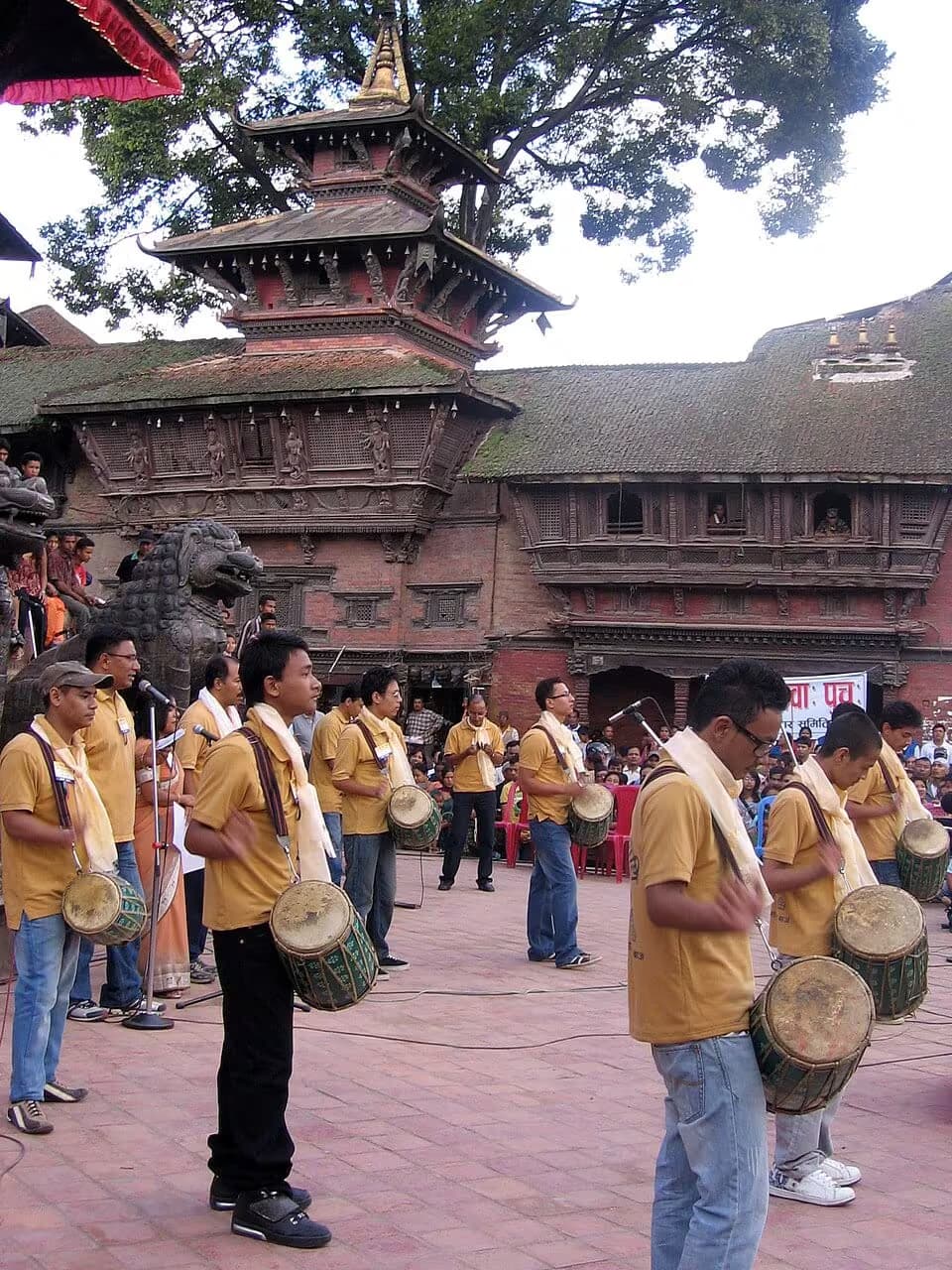
Gunla
Matya falls within Gunla, the Newar Buddhist holy month
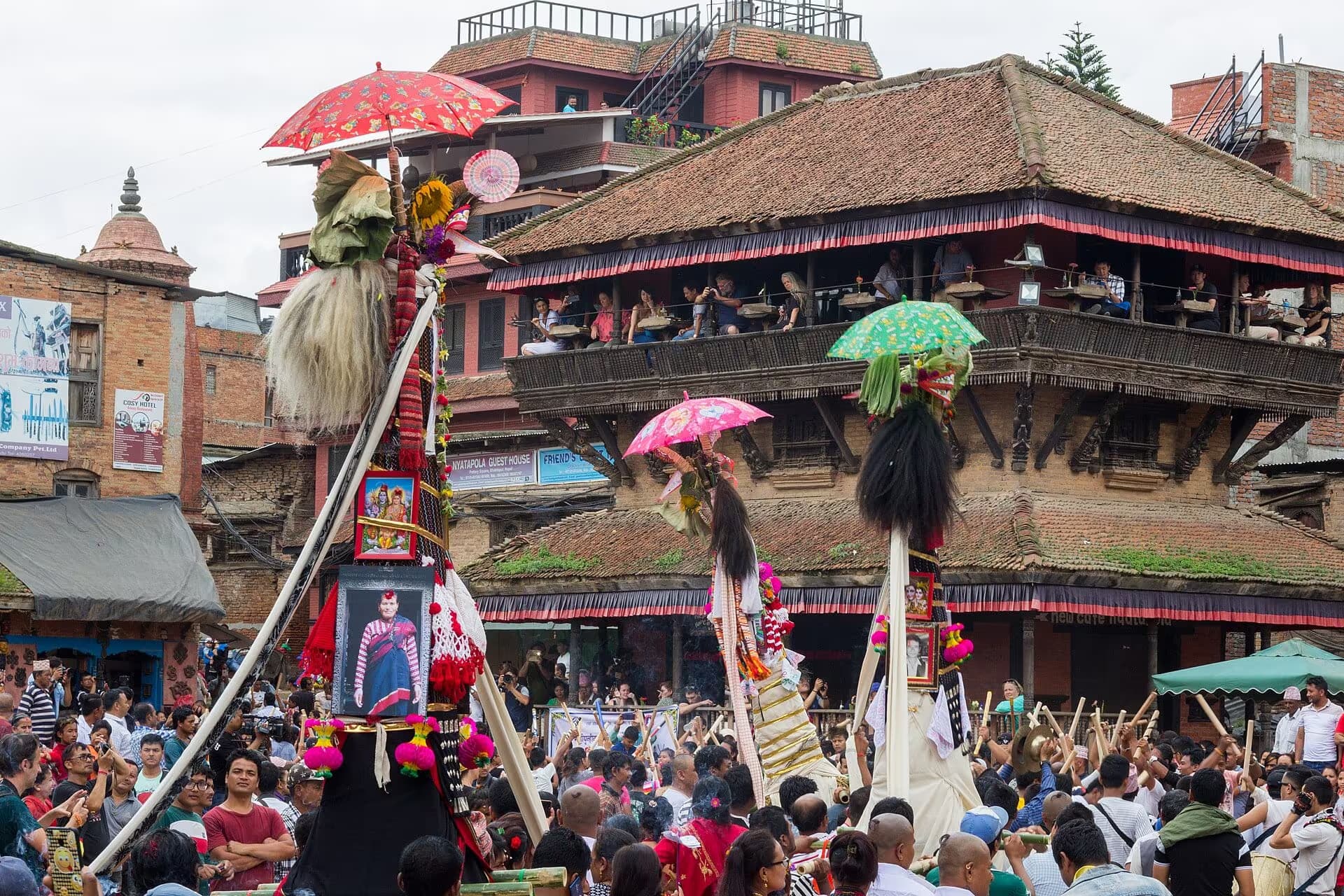
Gai Jatra
Matya is held the day after Gai Jatra

Patan Durbar Square
Mangal Bazaar, the lanes around the square, is one of the ten toles that host Matya in rotation — and the circuit passes through it whoever is hosting
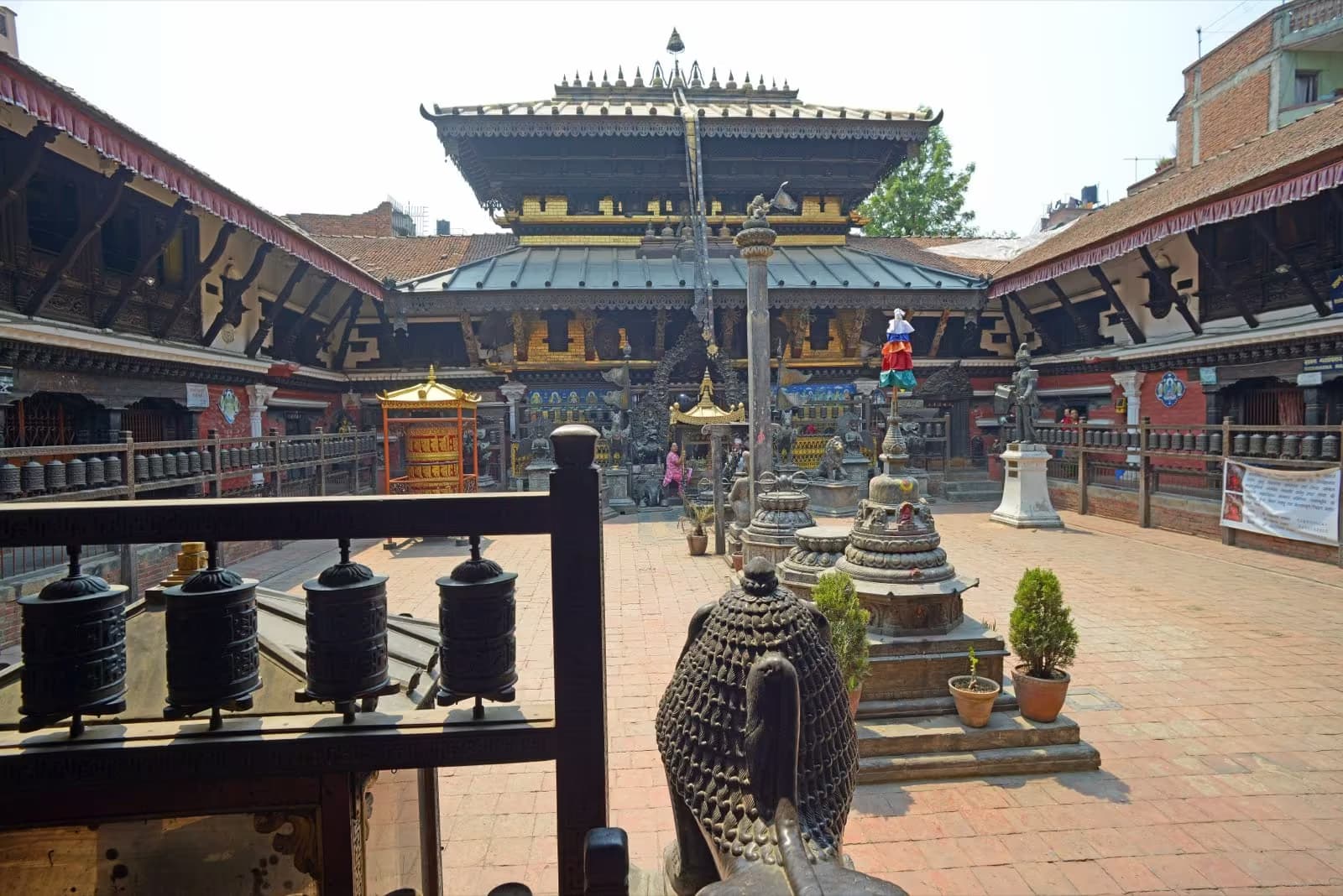
Rudravarna Mahavihar (Okubahal)
Okubahal — one of the ten host toles, and among the oldest courtyards on the circuit
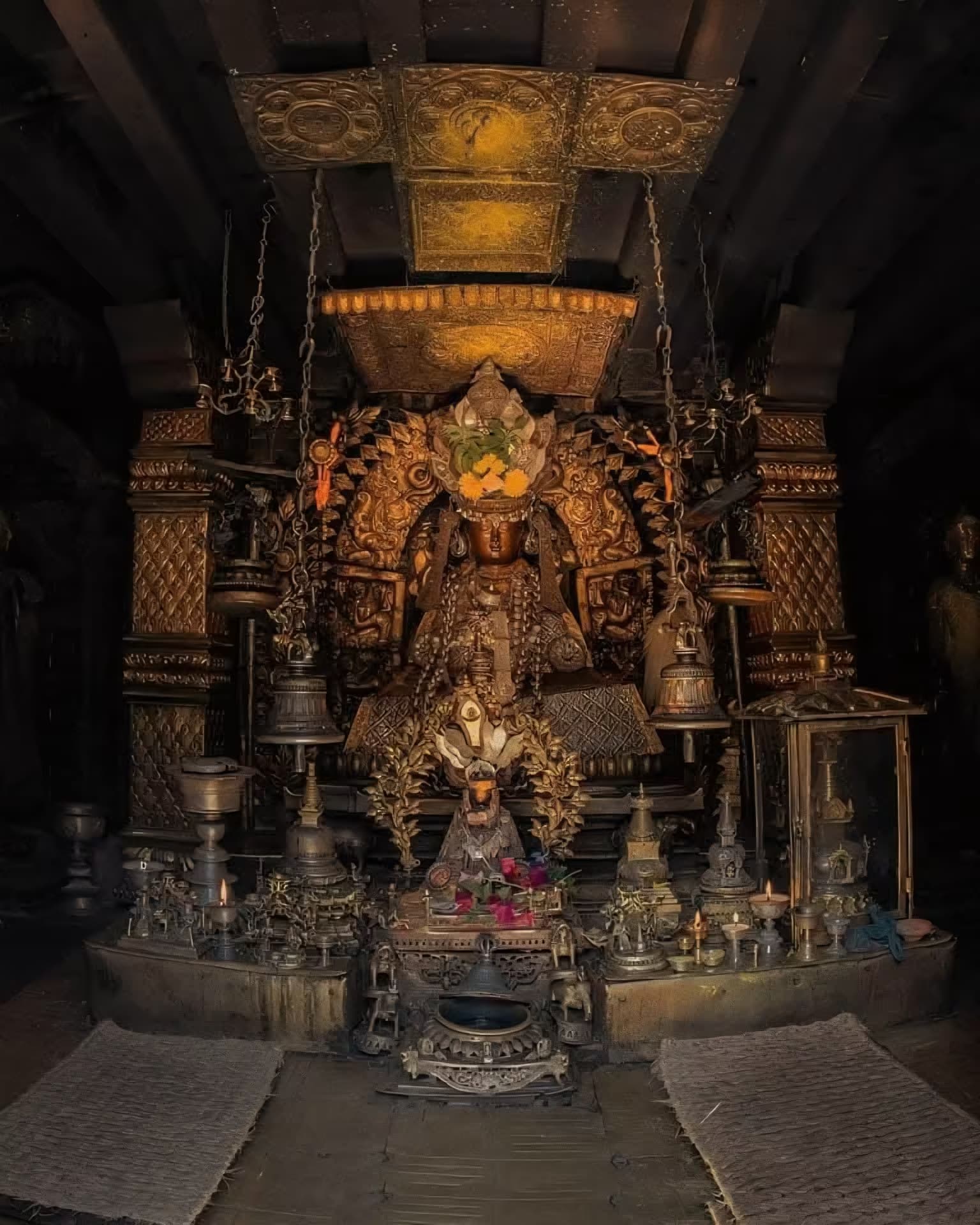
Hiranya Varna Mahavihar (Golden Temple)
The Golden Temple courtyard, one of the major bahals every walker passes
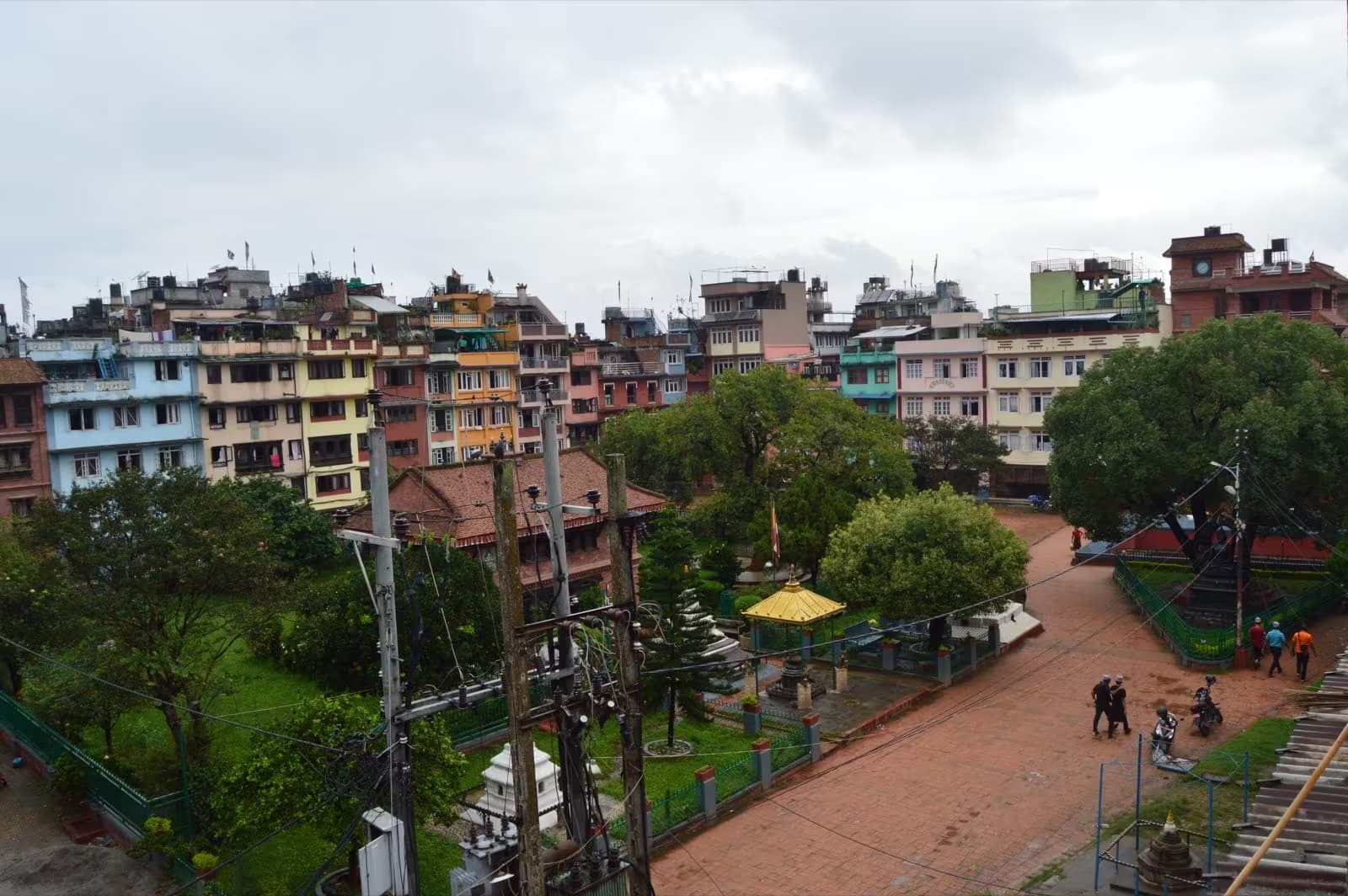
Nag Bahal (Nagbahal)
Nag Bahal, one of the great open courtyards on the route
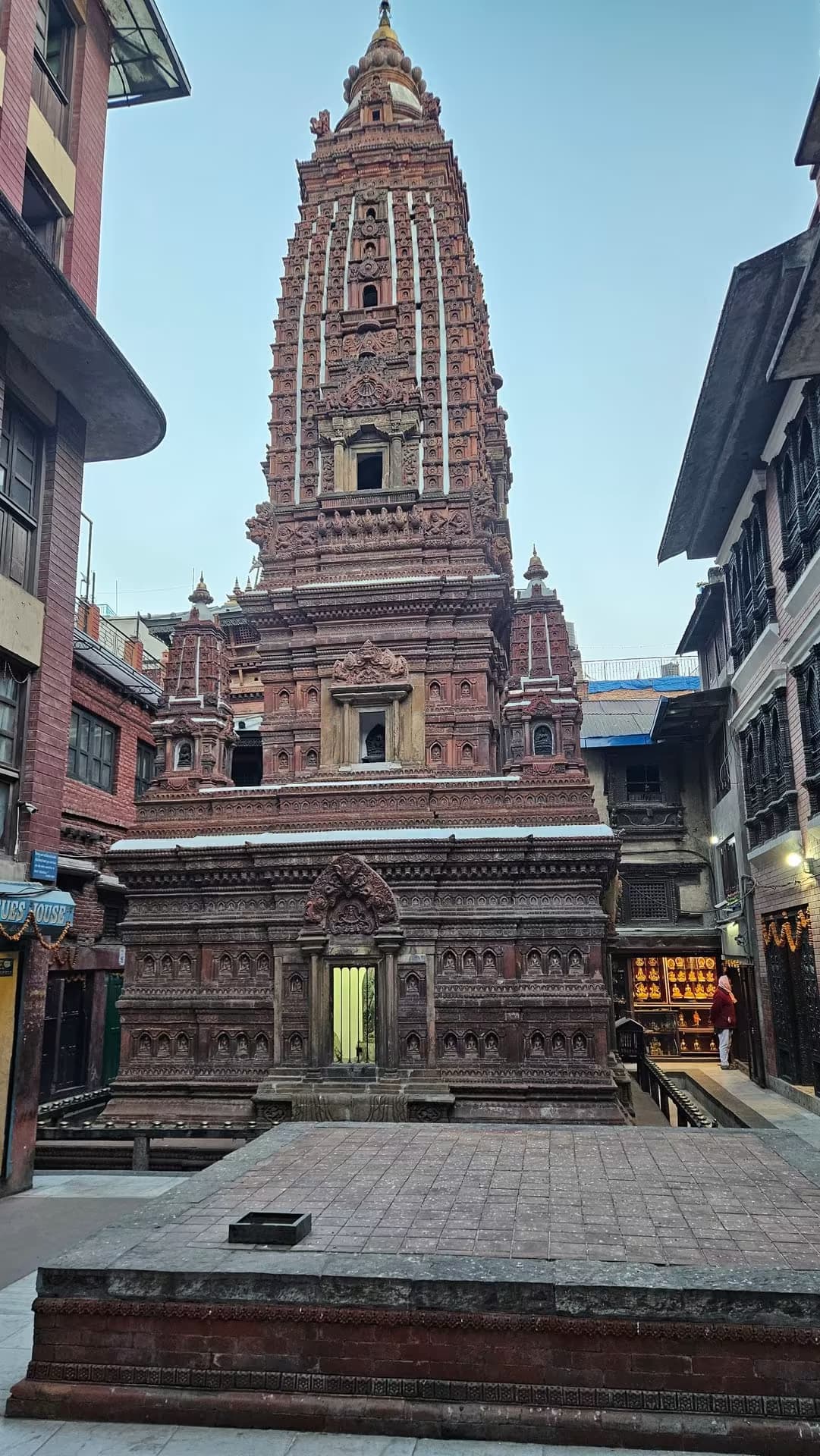
Mahabouddha Temple (Temple of a Thousand Buddhas)
The thousand-Buddha tower, a landmark stop on the circuit
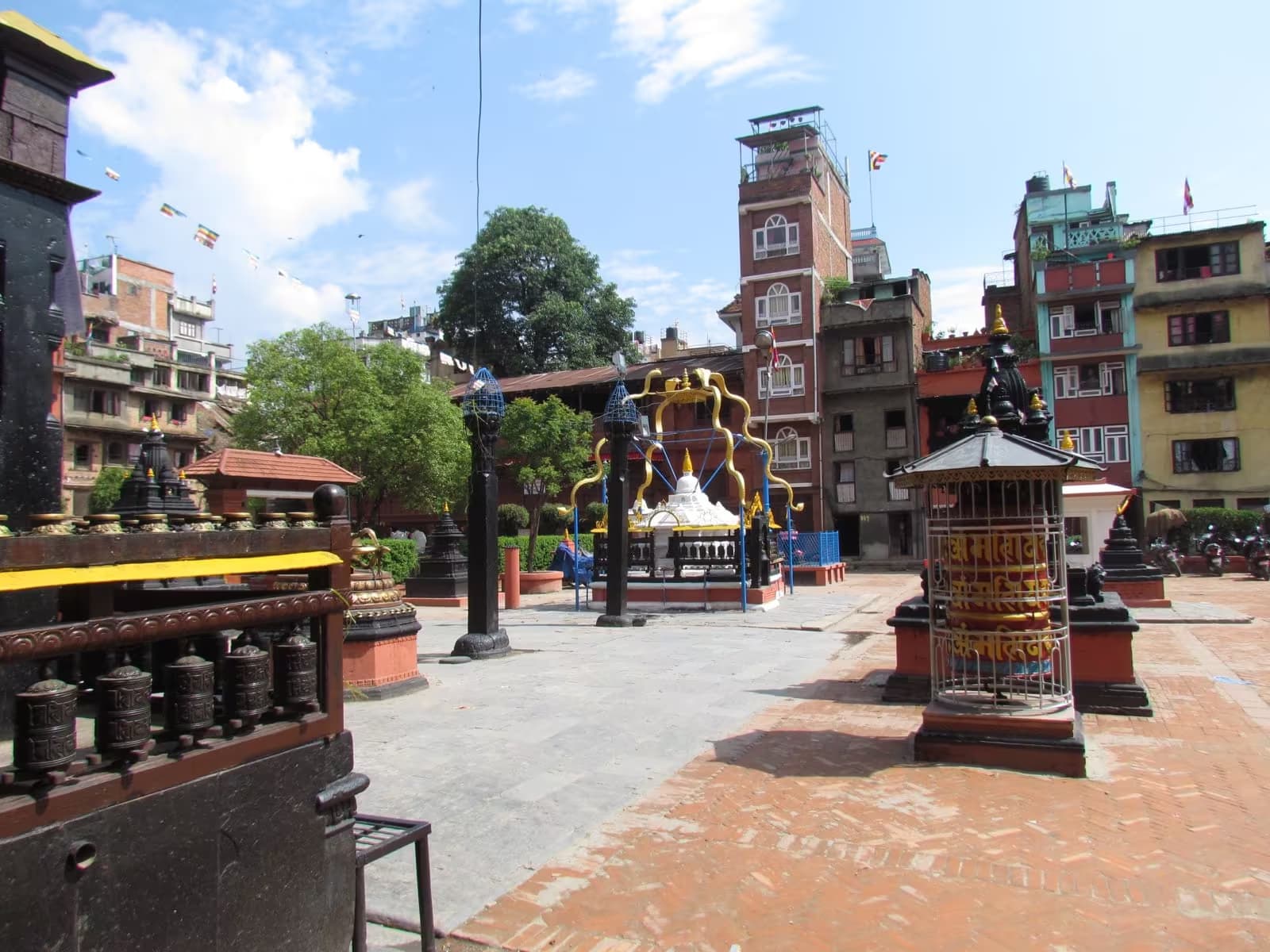
Bu Bahal (Yashodhar Mahavihar)
Bubahal — one of the ten toles that take turns organising Matya
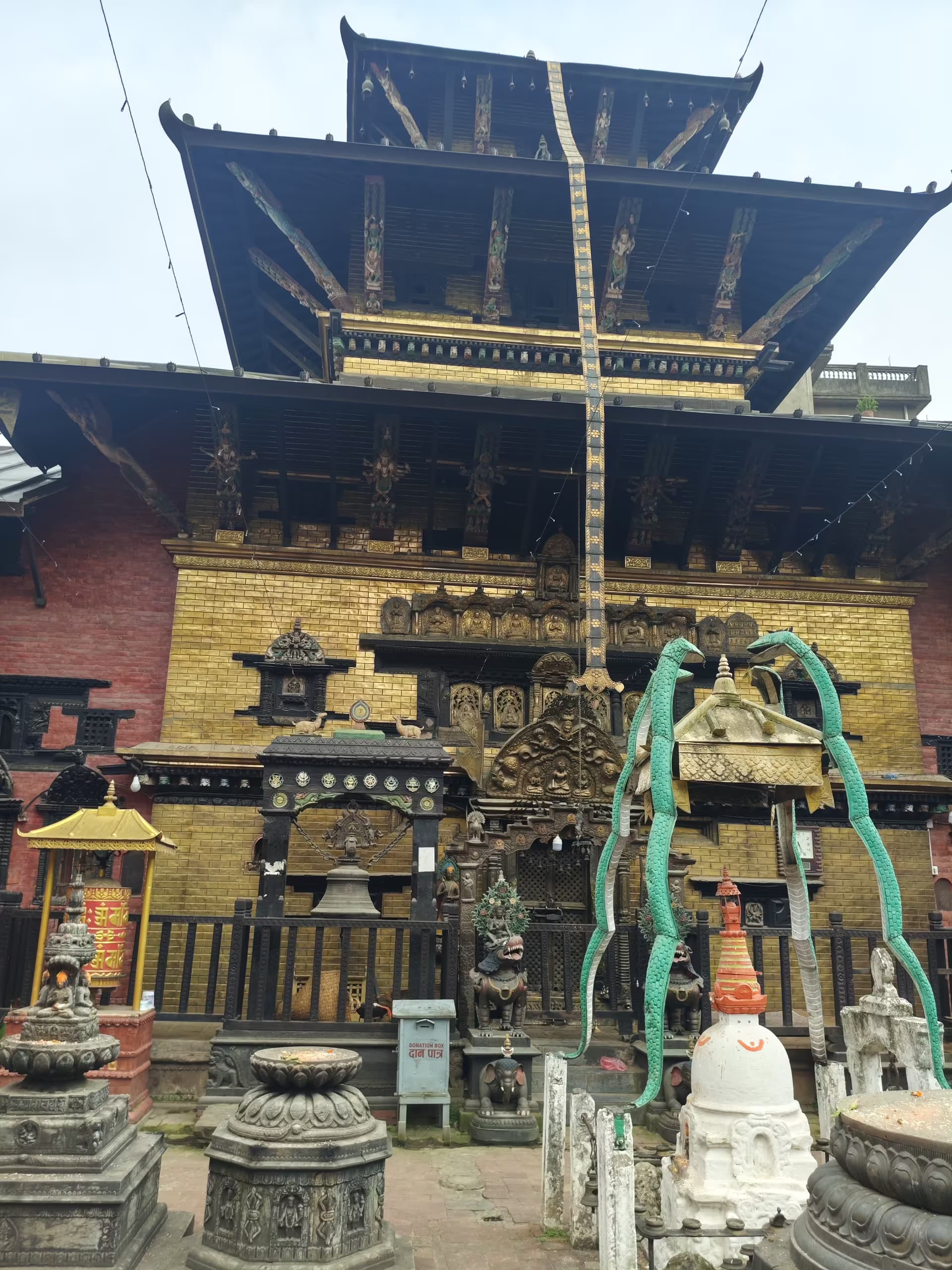
Ha Bahal (Ratnakar Mahavihar)
Ha Bahal, residence of Patan's Kumari, on the circuit
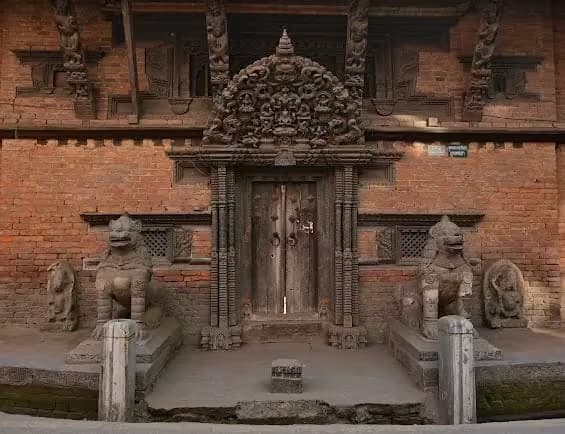
Bhinche Bahal (Mayurvarna Mahavihar)
One of Patan's principal bahals on the Matya route
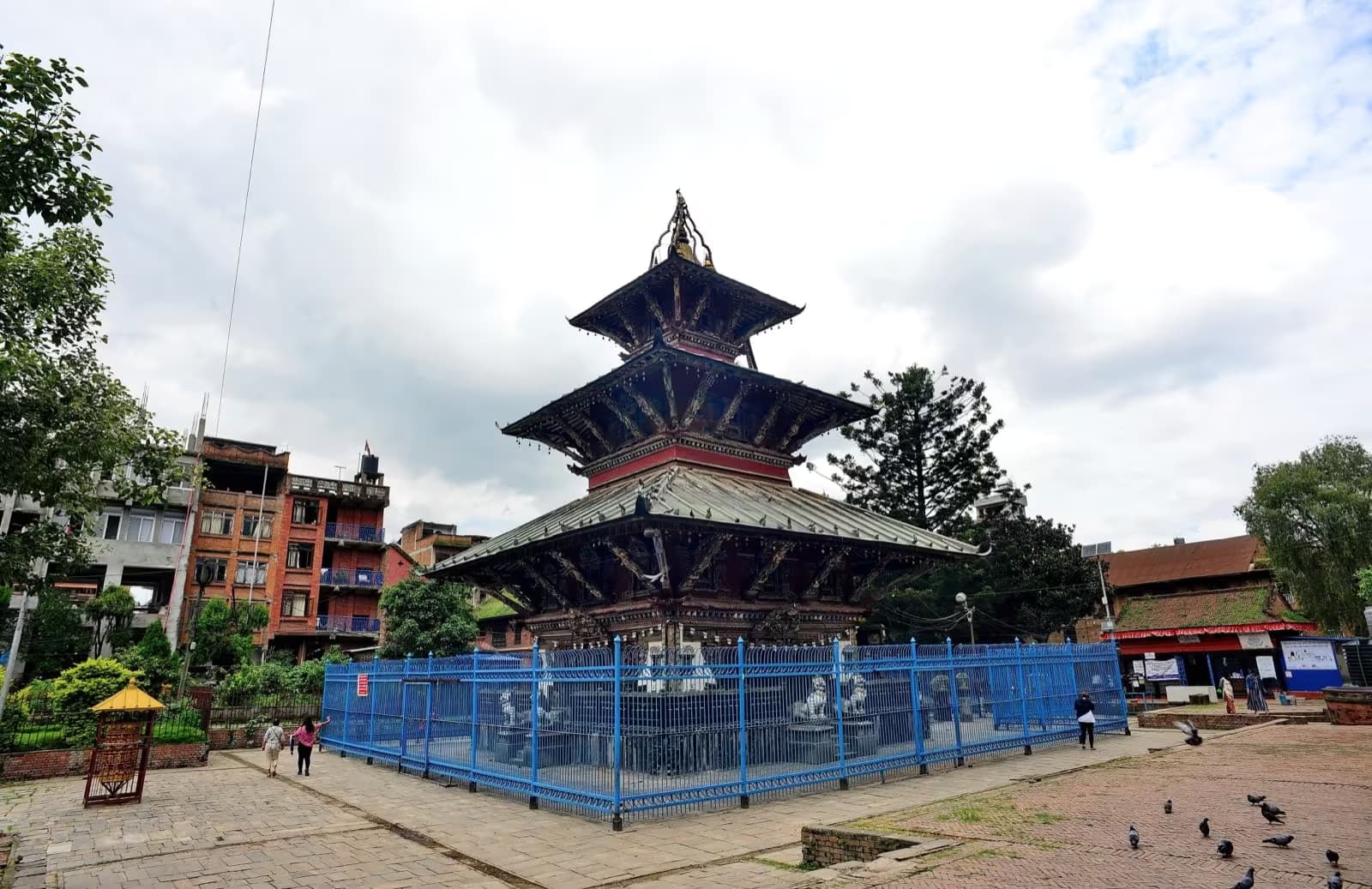
Tanga Bahal (Jestha Varna Mahavihar)
One of Patan's principal bahals on the Matya route
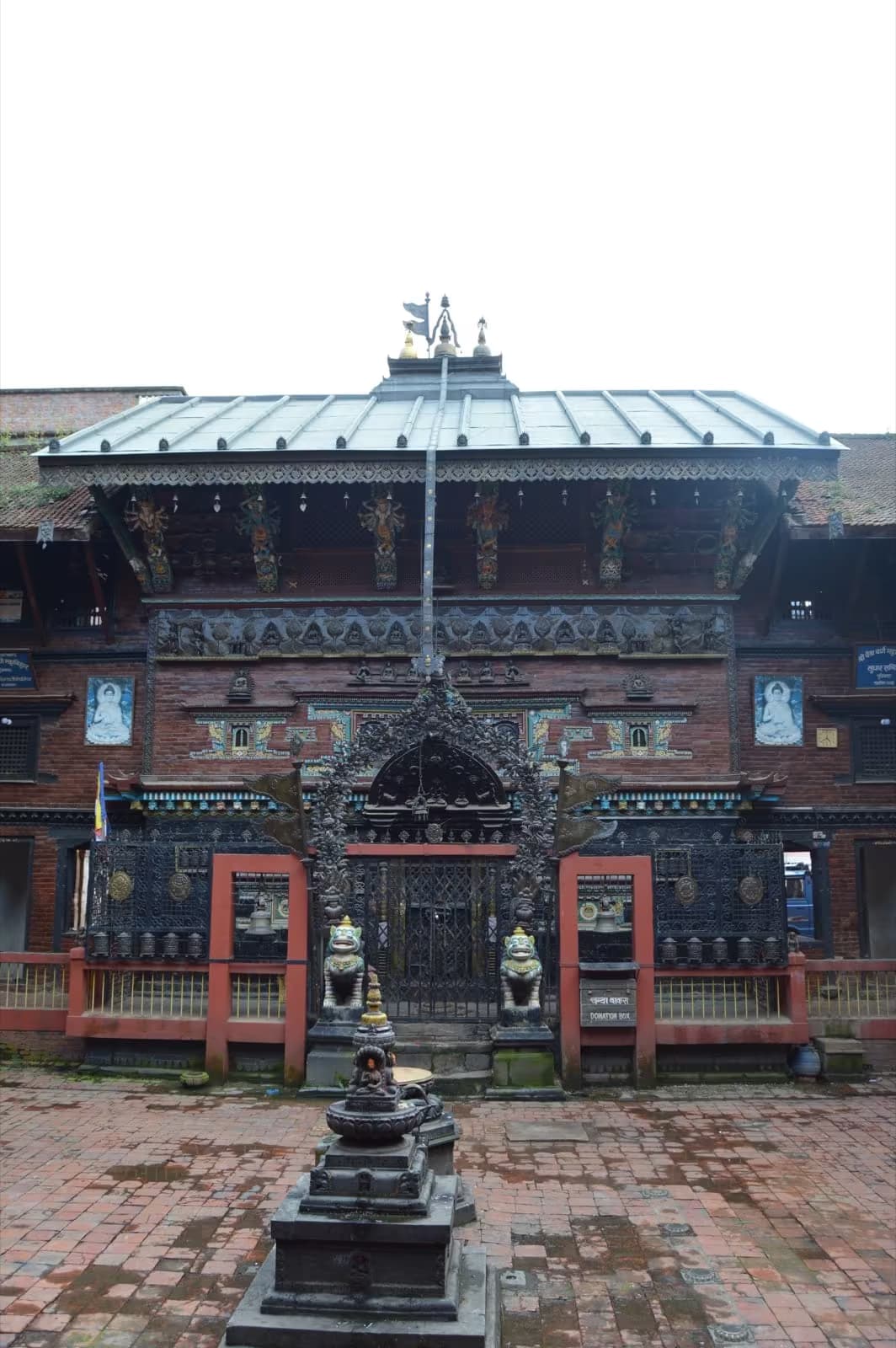
Guji Bahal (Vaishravarna Mahavihar)
One of Patan's principal bahals on the Matya route
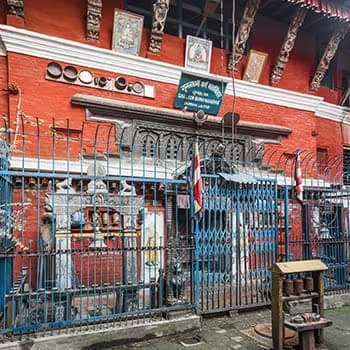
Dhum Bahal (Gunalakshmi Mahavihar)
One of Patan's principal bahals on the Matya route
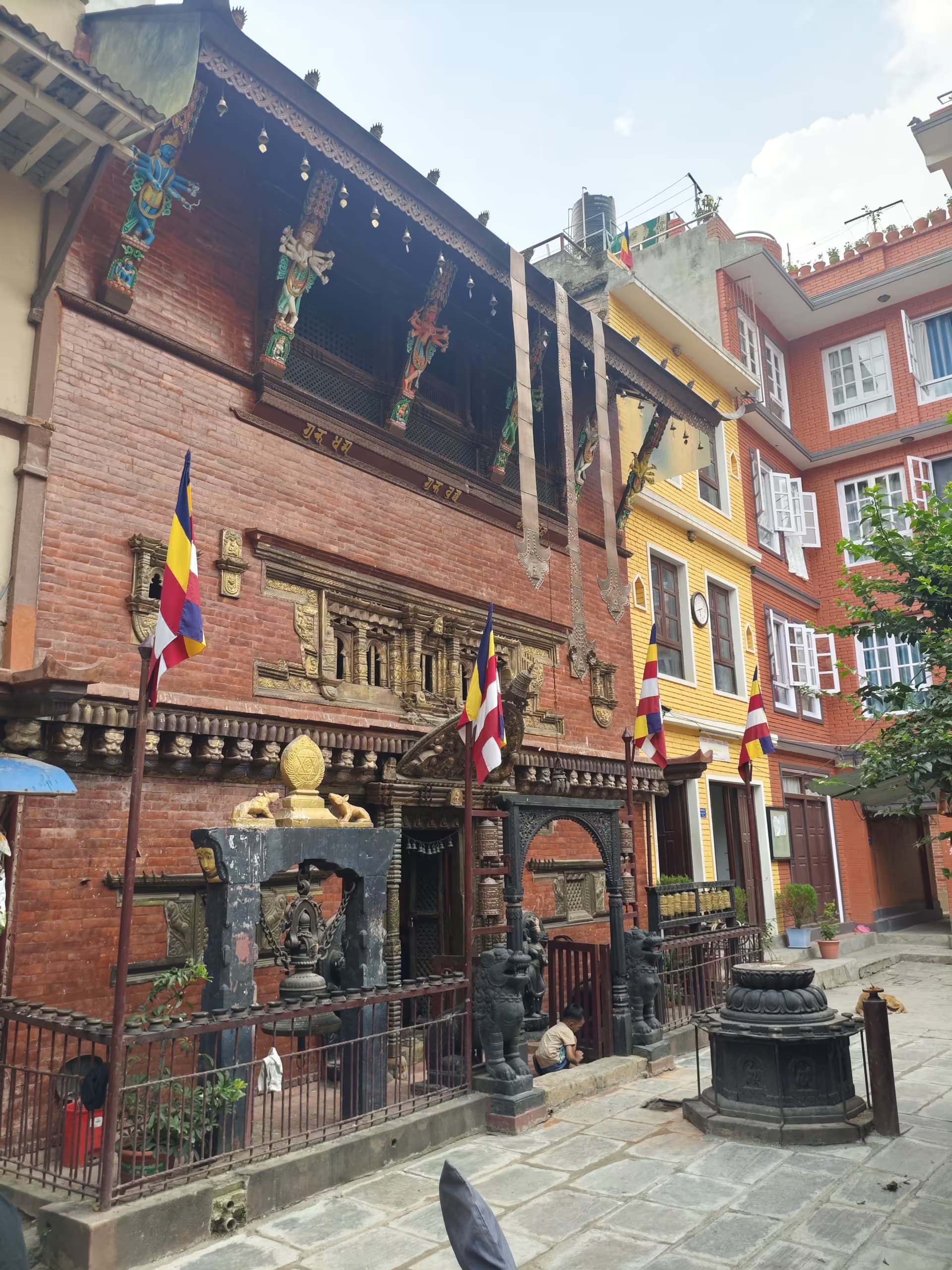
Wan Bahal (Bajra Kirti Mahavihar)
One of Patan's principal bahals on the Matya route
Jyo Bahal (Jyoti Varna Mahavihar)
One of Patan's principal bahals on the Matya route
Yachu Bahal (Baladhara Gupta Mahavihar)
One of Patan's principal bahals on the Matya route
Su Bahal (Jayamanohara Mahavihar)
One of Patan's principal bahals on the Matya route
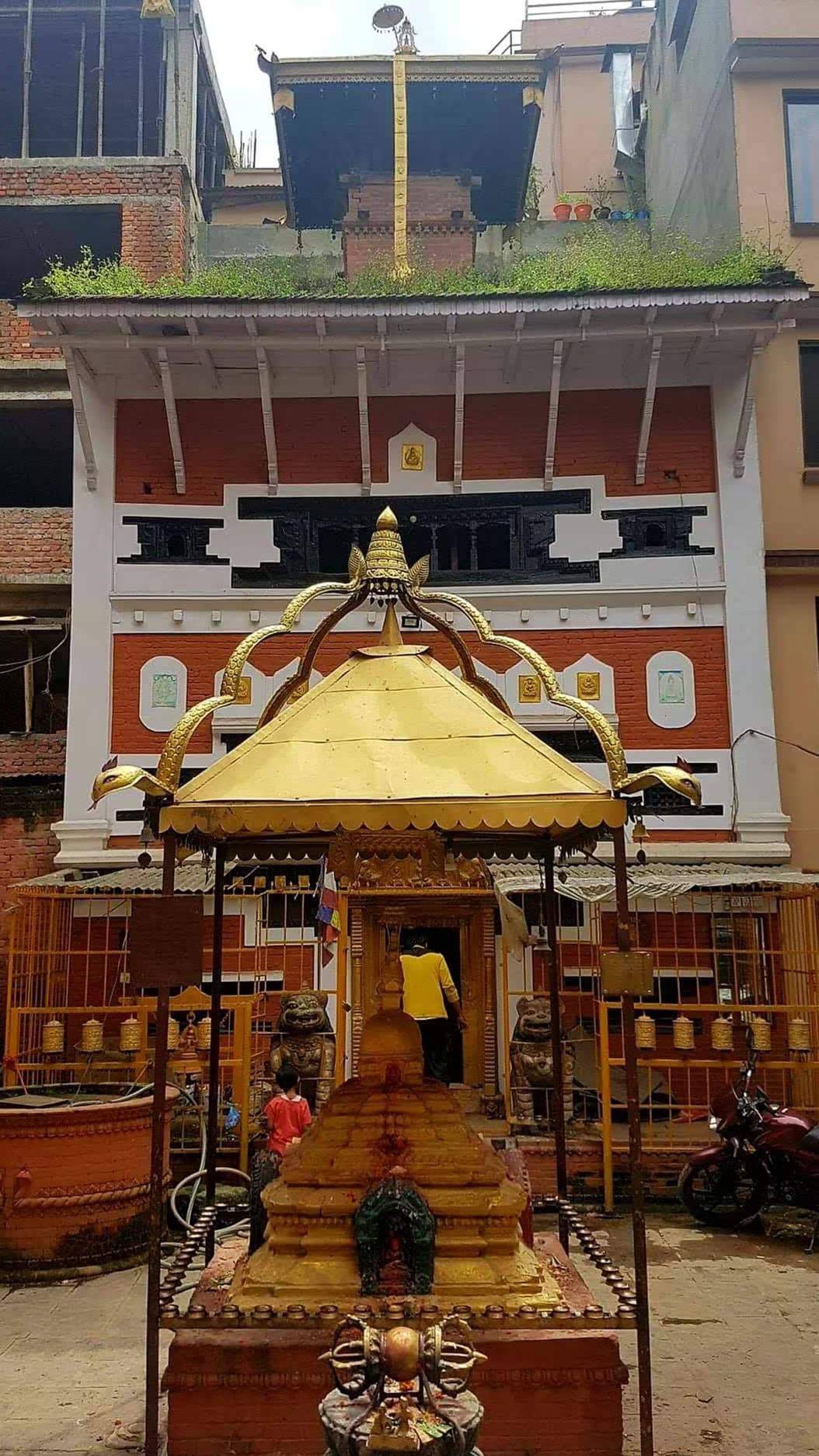
Cuka Bahal (Chakravarna Mahavihar)
One of Patan's principal bahals on the Matya route
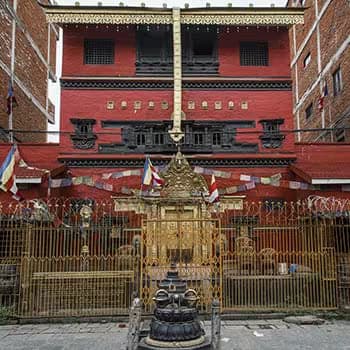
Ta Bahal (Dharma Kirti Mahavihar)
One of Patan's principal bahals on the Matya route
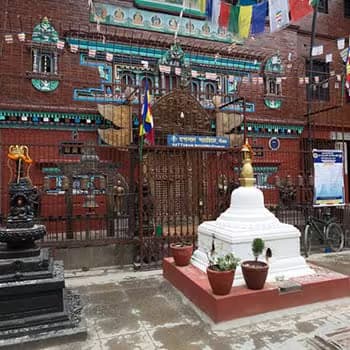
Dau Bahal (Dattanama Mahavihar)
One of Patan's principal bahals on the Matya route
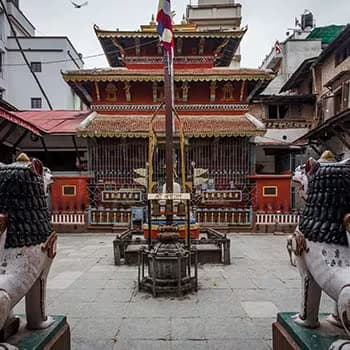
Si Bahal (Sri Vaccha Mahavihar)
One of Patan's principal bahals on the Matya route
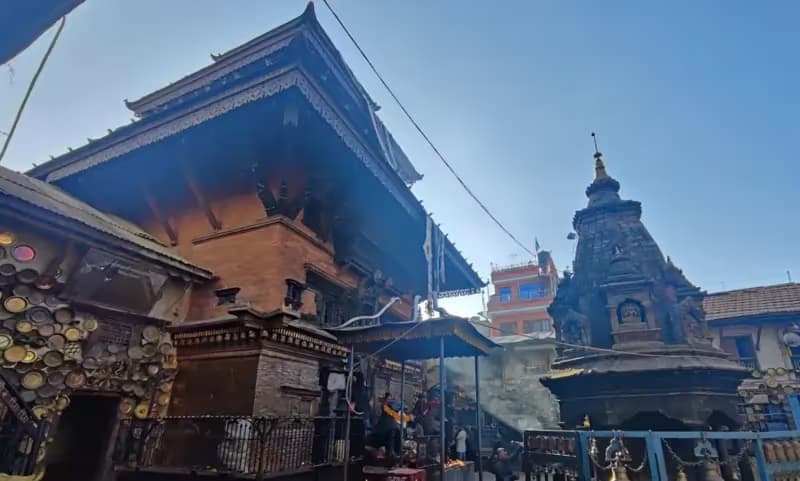
Co Bahal (Kacchapal Giri Mahavihar)
One of Patan's principal bahals on the Matya route
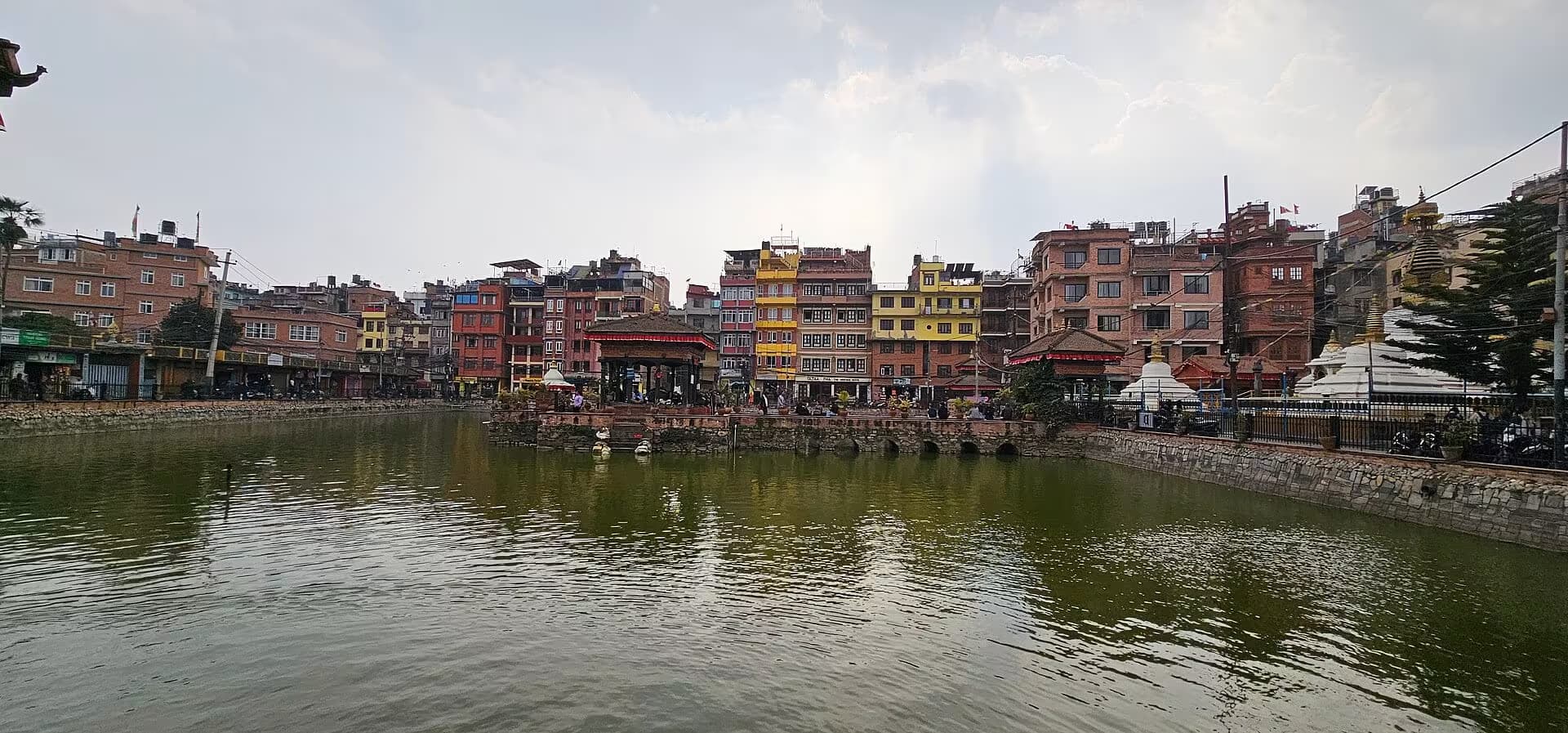
Pim Bahal Pokhari
The Pim Bahal chaitya and its pond, a stop on the western arc of the circuit
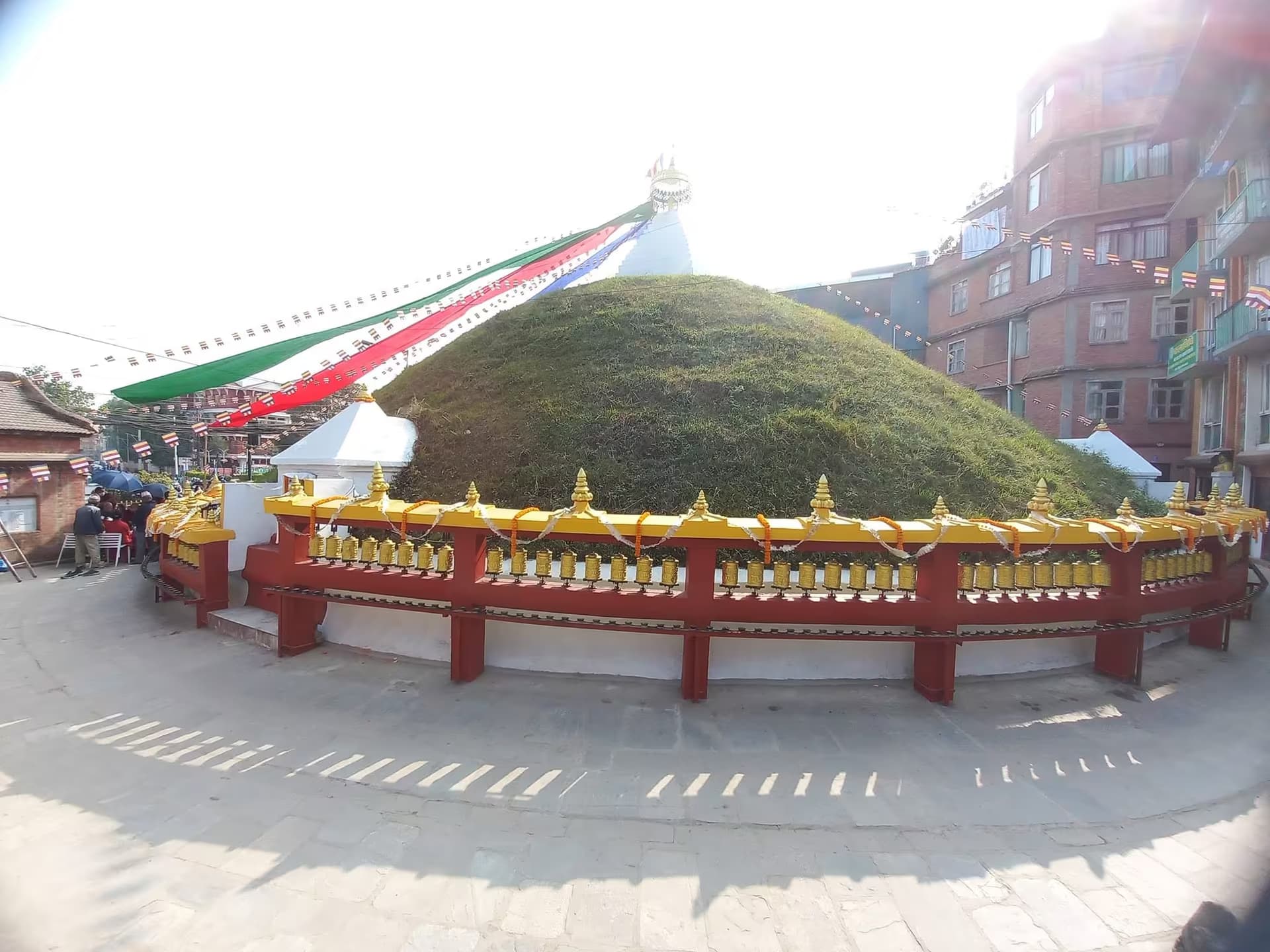
Pulchowk Ashoka Stupa (Pulchowk Thur)
The western thur, one of the four Ashoka stupas the circuit is anchored on
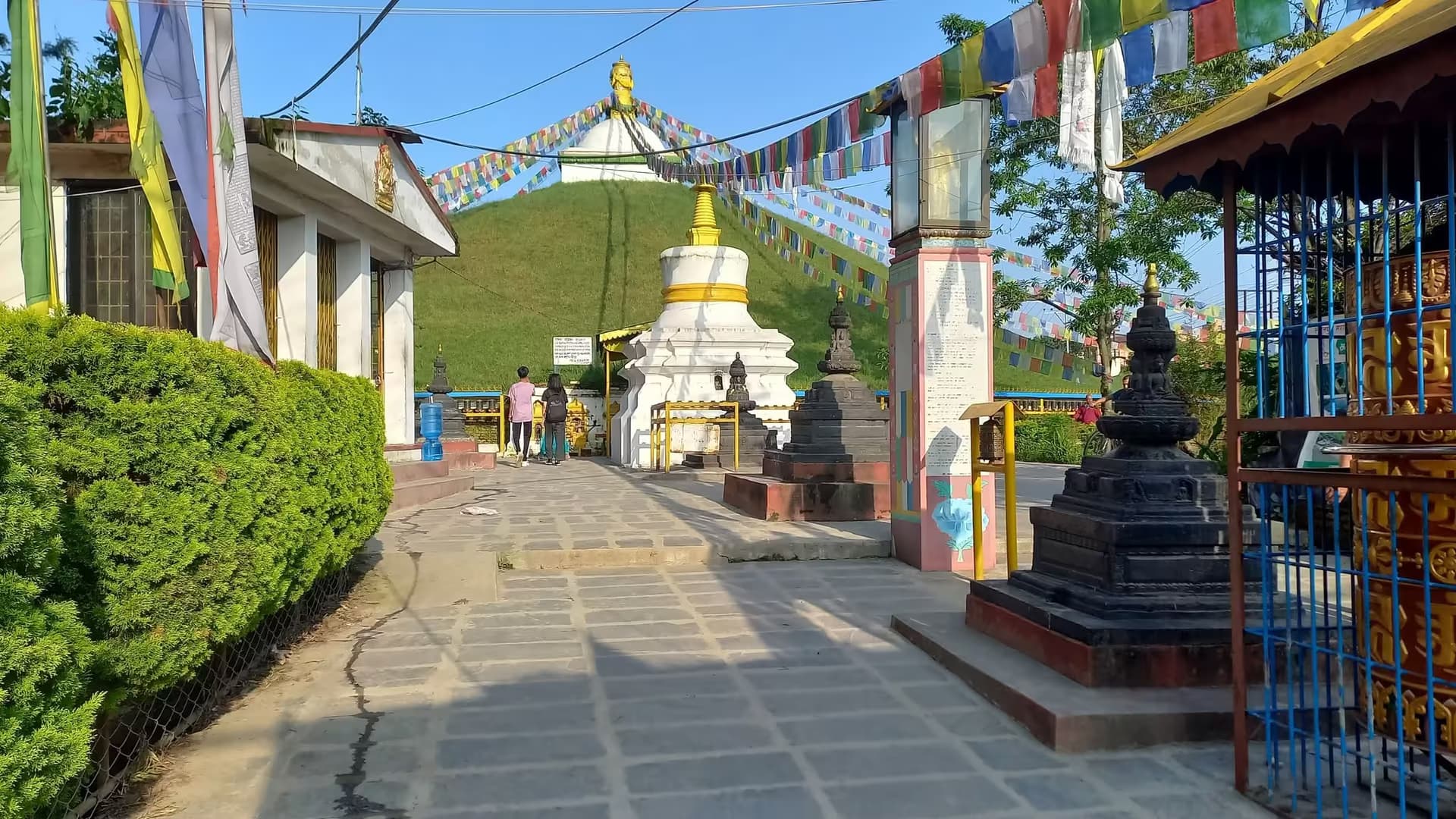
Lagan Thur (Lagankhel Ashoka Stupa)
The southern thur, at the Lagankhel crossroads
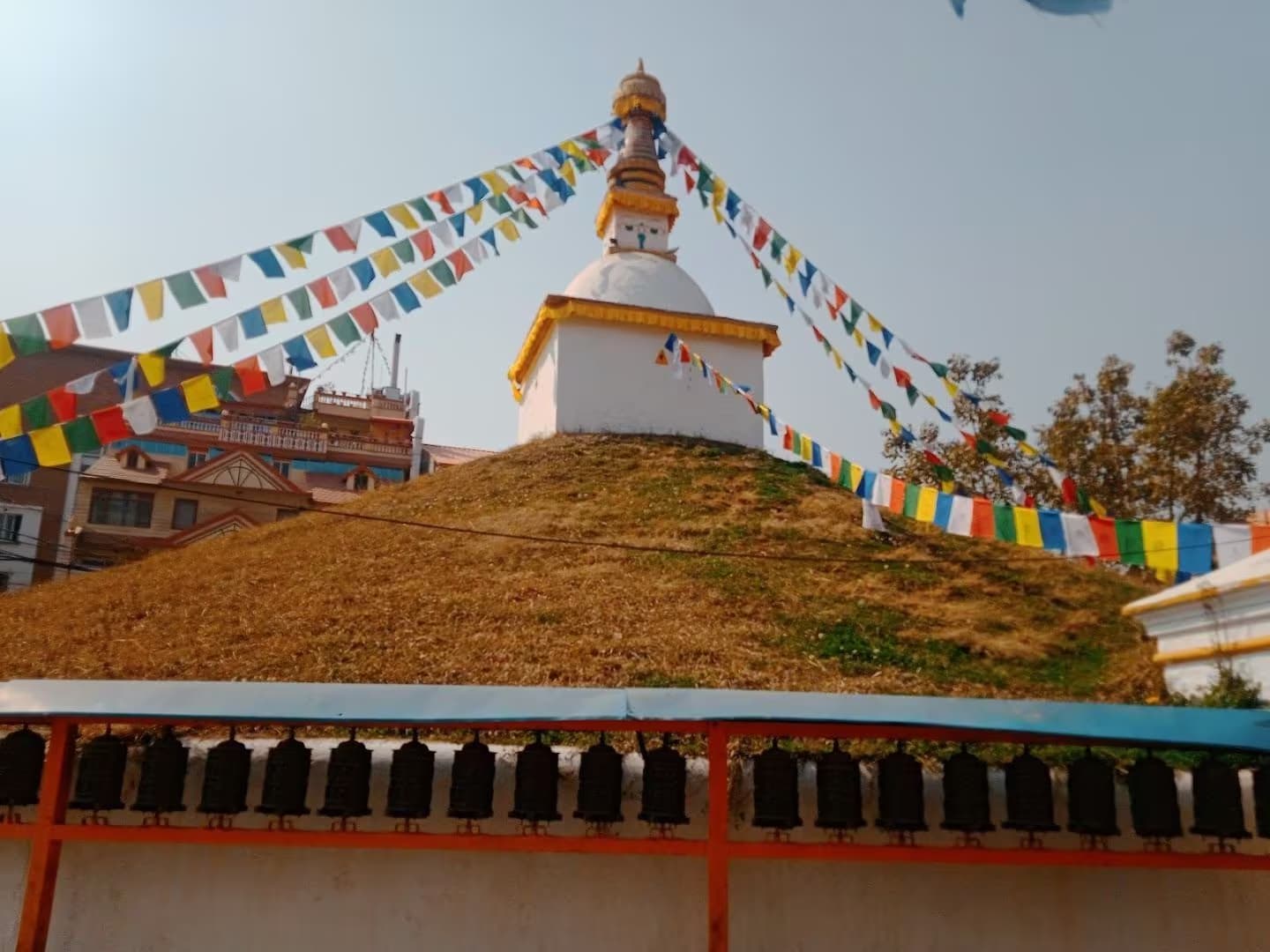
Teta Thur (Eastern Ashoka Stupa)
The eastern thur, the farthest point of the circuit
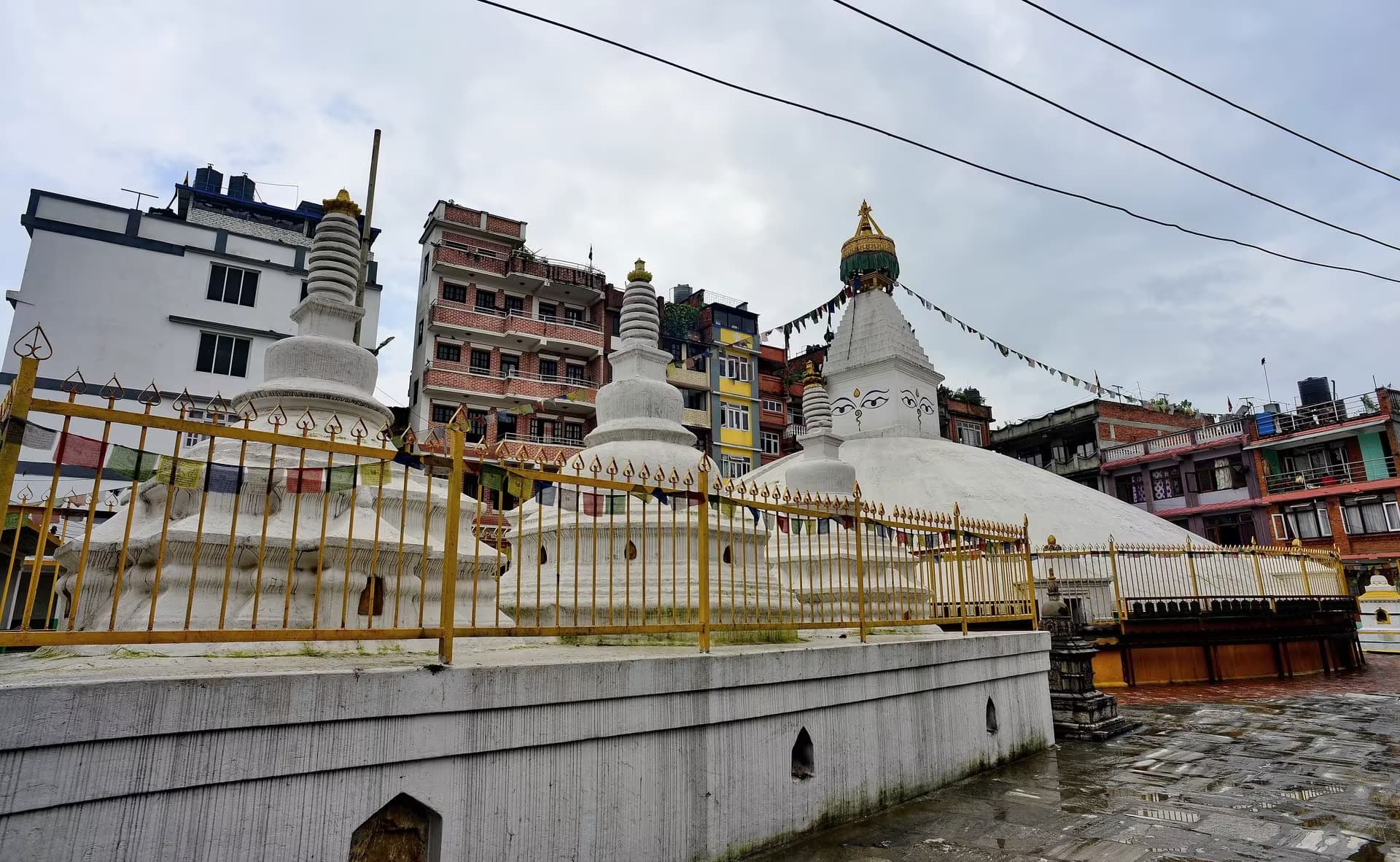
Ibahi Thur (Northern Ashoka Stupa)
The northern thur, in the dense lanes above Kumbheshwar
Part of Matya