Matya
मत्यां
Also known as: Mataya, Mataya Festival, Matya Jatra, Mataya Jatra, Mata Ya, Matayaa, Bogiwonegu, Festival of Lights Patan
Patan's day-long Buddhist pilgrimage on foot — the day after Gai Jatra, thousands of walkers carry lamps and offerings past every Buddhist shrine in the city, from dawn until well after dark.
Location
Patan (Lalitpur)
Duration
1 days
Month (Local)
Shrawan
Month (AD)
August
Plan around MatyaMatya in Patan — 2 DaysShow planHide plan
Matya in Patan — 2 Days
Matya is one day and it starts before dawn, so the plan is really a day and a half: walk the four Ashoka thur and the bahal courtyards in daylight the afternoon before, then join the circuit itself the next morning knowing where it is going.
2 days · 17 stops
Copying makes it yours — change any day, then share the link with whoever you're going with.
Highlights
One day, on foot, past roughly 1,400 shrines — the longest urban pilgrimage circuit in the valley. The four Ashoka stupas — Pulchowk, Lagankhel, Teta and Ibahi — as the anchors of the route. A river of butter lamps through medieval lanes from dusk into the night. Bahal courtyards open that are locked the rest of the year. The Lumbini pageant — Brahma, Indra, Yama and Varuna in costume, paying homage to the Buddha. Comic characters walking among the mourners. Gunla bajan drums in every lane. Bogiwonegu, the midnight route-marking that begins on the first day of Gunla.
Tips for Visitors
Get the date right — it is the day after Gai Jatra, and one day only. The start point moves: ten toles host it in rotation, so ask locally which neighbourhood has the year rather than assuming Patan Durbar Square. You do not need to walk the full circuit; join a section anywhere in the old city. Early morning for mist and the first lamps, after dark for the flames. Wear shoes you can walk all day in and carry water — walkers themselves are often barefoot and fasting, so don't expect food stalls along the route. It falls in monsoon; bring rain gear. Many walkers are mourning a family death within the year — photograph the procession, not people's faces, and ask first. Stay in Patan the night before if you can, so you can be out before dawn.
The ten host toles and the four thur
Matya rotates between ten localities of Patan, and its circuit is anchored on the four Ashoka stupas that mark the old edges of the city. The numbers follow the traditional order of the host toles; the stupas follow.
- 1Managabazar (Mangal Bazaar)
- 2Chakrabahil
- 3Ikhachen
- 4Bubahal
- 5Haugal
- 6Ukubahal (Okubahal)
- 7Ikhalakhu
- 8Kobahallocation not mapped
- 9Saugal
- 10Nakabahil
- 11Pulchowk Thur
- 12Lagan Thur
- 13Teta Thur
- 14Ibahi Thur
Markers are locations, not a route. Matya's actual line through the city is set each year by the host tole and runs through lanes no map here traces — nothing is drawn between these points because nothing here is surveyed. Tole positions come from OpenStreetMap; where a tole has no mapped feature of its own the marker sits on the lane or courtyard that carries its name.
Matya is the longest walk in the Newar religious year, and one of the strangest and most moving days in the Kathmandu Valley. On a single day in August, thousands of people set out from one Patan neighbourhood at dawn and walk — many of them barefoot, most of them fasting — a prescribed circuit that touches every Buddhist shrine in the city, returning to where they started long after dark.
The name is read two ways, and both are current. Mata is light and ya is a festival or a sacred journey, so Matya is the festival of lights — the reading you will hear most often. The other takes Matya as "not conquered", the Maras defeated: the demon armies of desire and fear that assailed Siddhartha under the Bodhi tree and, beaten, came back the next day to pay him homage. Newar Buddhists keep that second day as this one.
When it falls
Matya is the day after Gai Jatra — the second day of Gunla in the Newar calendar, inside Gunla, the Buddhist holy month. In the Nepali calendar that is the waning fortnight following Shrawan's full moon, which in practice puts it in the second half of August or the very start of September. It is one day and no more, but it is a very long one: the procession leaves at first light and the last walkers are still going after nightfall. Check the dates panel above for the exact day this year — it moves with the lunar calendar and it is easy to miss by 24 hours.
Why people walk
Two reasons run in parallel, and most walkers hold both. The first is the Buddha's victory over Mara — the offerings made along the route replay the homage the defeated Maras and the gods paid him.
The second is closer to home. When someone in a Patan family dies, the family walks Matya for them the following year: the circuit is made on the departed person's behalf, and the merit (punya) of passing every shrine in the city is transferred to them. That is why so many of the walkers are in mourning, and why the day carries the same double register as Gai Jatra the day before — grief and public celebration in the same street, at the same hour.
The circuit
The route is fixed by tradition and it is exhaustive. Walkers pass the four Ashoka stupas that mark the old corners of the city — Pulchowk, Lagankhel, Teta and Ibahi — and between them thread every bahal courtyard, every roadside chaitya and every private votive shrine on the way. The number usually given is around 1,400 shrines; the smaller counts you will see quoted, a hundred or so, are the major stupas and bahal courtyards rather than every carved stone.
At each one the walker leaves something: rice grains, flowers, vermilion, a coin, a lit wick, a stick of incense, a paper printed with a dharani. Multiply that by 1,400 stops and thousands of walkers and the city ends the day carpeted in rice and flowers, with lamps burning in courtyards that are locked and silent for the other 364.
Along the way the procession opens parts of Patan that a visitor would never otherwise reach — the courtyards behind the Golden Temple and Rudravarna Mahavihar, the quiet bahals at Nag Bahal and Bu Bahal, the tiled tower of Mahabouddha, and dozens of lanes with no name on any map. Following Matya for three hours teaches you more about the density of Buddhist Patan than a week of walking it yourself.
Who organises it — the ten toles
Ten localities of the old city take the festival in turn, one per year, and the host tole pays for the musicians, the instruments and the running of the day. They are Mangal Bazaar (the lanes around Patan Durbar Square), Chakrabahil, Ikhachen, Bubahal, Haugal, Okubahal, Ikhalakhu, Kobahal, Saugal and Nakabahil. The procession forms up in whichever of the ten has the year, which is why the starting point moves — ask locally rather than assuming it begins at the Durbar Square.
Chronicle tradition — Wright's History of Nepal — credits King Gunakamadeva with instituting Matya together with the Sringabheri Jatra, and with assigning the duty to these ten toles. Gunakamadeva is a semi-legendary figure to whom a great deal of the valley's festival calendar is attributed, so read that as the tradition's own account of its age rather than as a date. What is firmer is that the festival was running in recognisable form through the Malla centuries, when walking the chaityas for merit was ordinary practice.
Bogiwonegu — marking the route at midnight
The route does not organise itself. From the first day of Gunla, a party of a hundred or so from the host tole goes out after midnight with the nava baja ensemble and walks the coming route in sections — never the whole thing in one night — marking each shrine and courtyard as they pass with vermilion, husked rice and a coin. It takes several nights. This preparatory walk is called Bogiwonegu, and if you are staying in Patan during Gunla you may well hear it go past your window in the dark without knowing what it is.
The gods, and the clowns
Two things distinguish Matya from every other procession in the valley.
The first is a costumed pageant of Buddha's arrival at Lumbini after his enlightenment. Volunteers dress as Brahma, Vishnu, Maheshvara, Indra, Varuna, Yama, Nagaraja and others, and the offerings carried in the line are themselves the gods in shorthand: a broom for Brahma sweeping the ground, a conch for Narayana, a drum for Mahadeva, a parasol for Indra, a staff with a snake for Yama, water for Varuna, incense for Agni, a banner for Vayu, coins for Kubera, a carpet for Saraswati, a yak-tail whisk for the monks, milk-rice for Sujata who fed Siddhartha before his enlightenment, an alms bowl for the merchant Anathapindaka, fruit for the monkey of the Kimsuka forest, a five-coloured thread lamp for the five delusions burning away. That a Buddhist procession should be led by the Hindu pantheon paying homage is not a contradiction here — it is the whole point, and it is the clearest single illustration of how Newar Buddhism absorbed rather than opposed its neighbours.
The second is the comic characters. Scattered through a line of mourners are figures in absurd get-ups doing their best to make the bereaved laugh. The logic is the same one that turns Gai Jatra into a satire festival by lunchtime: grief is real and must be walked, but a life spent inside it is not a life. The clowns are there to get people out the other side.
Behind all of it, all day, is gunla bajan — the dhaa drum, the cymbals, the long payentah horns — the music of the holy month, echoing off walls a metre apart.
Walking it
You do not have to do the whole thing, and almost no visitor does. Pick up the procession anywhere in the old city and walk a section; the atmosphere is the same at hour two and hour ten, only the light changes. Early morning gives you the mist and the first lamps; dusk gives you the flames. If you have been trekking, or are about to, this is a genuinely good day of walking in its own right — a full day on foot through the alleys of Patan, which is not a route anyone hands you otherwise.
Deities & Presences
Characters
Related
Connected places and entries worth pairing
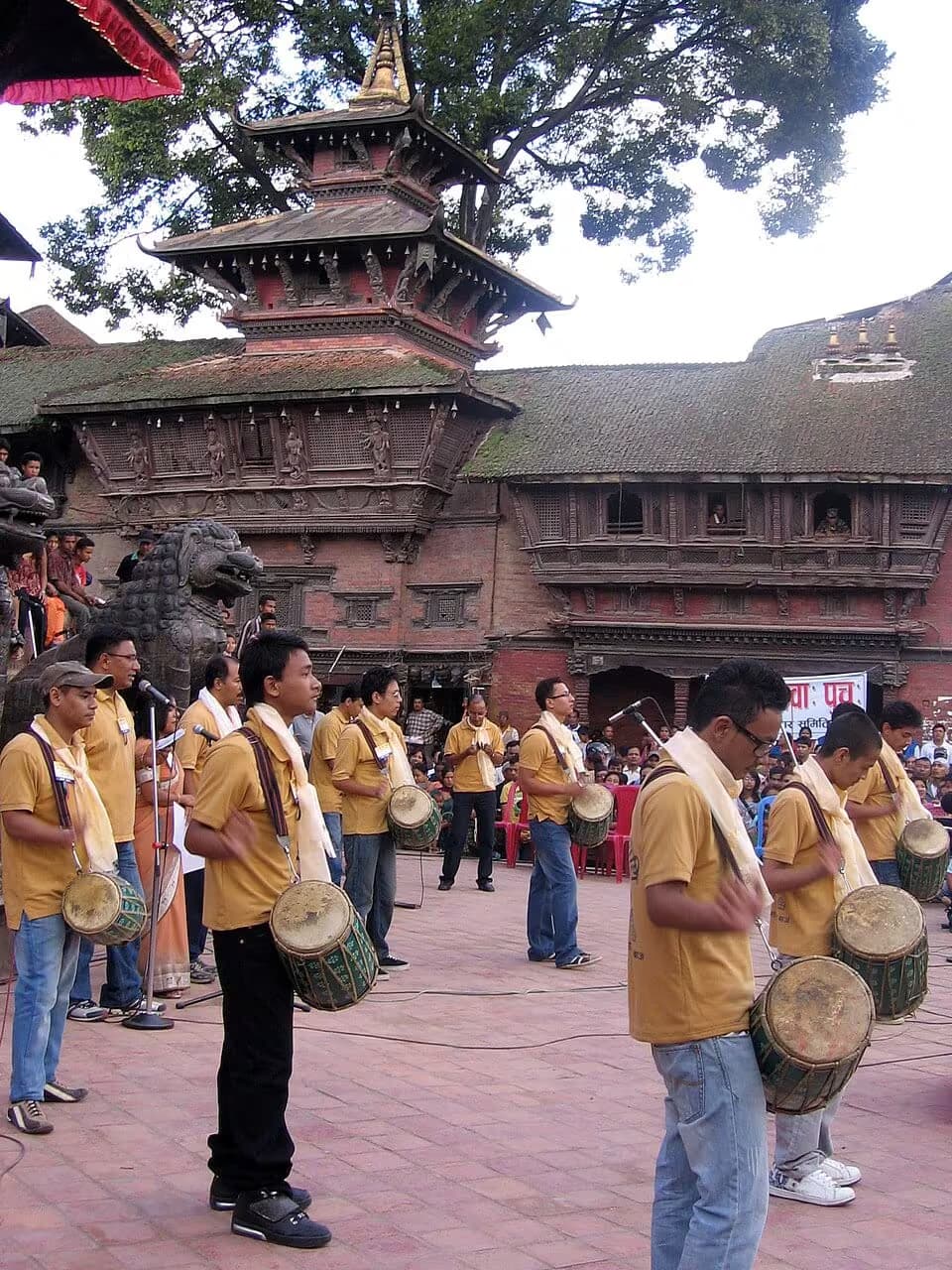
Gunla
Matya falls within Gunla, the Newar Buddhist holy month
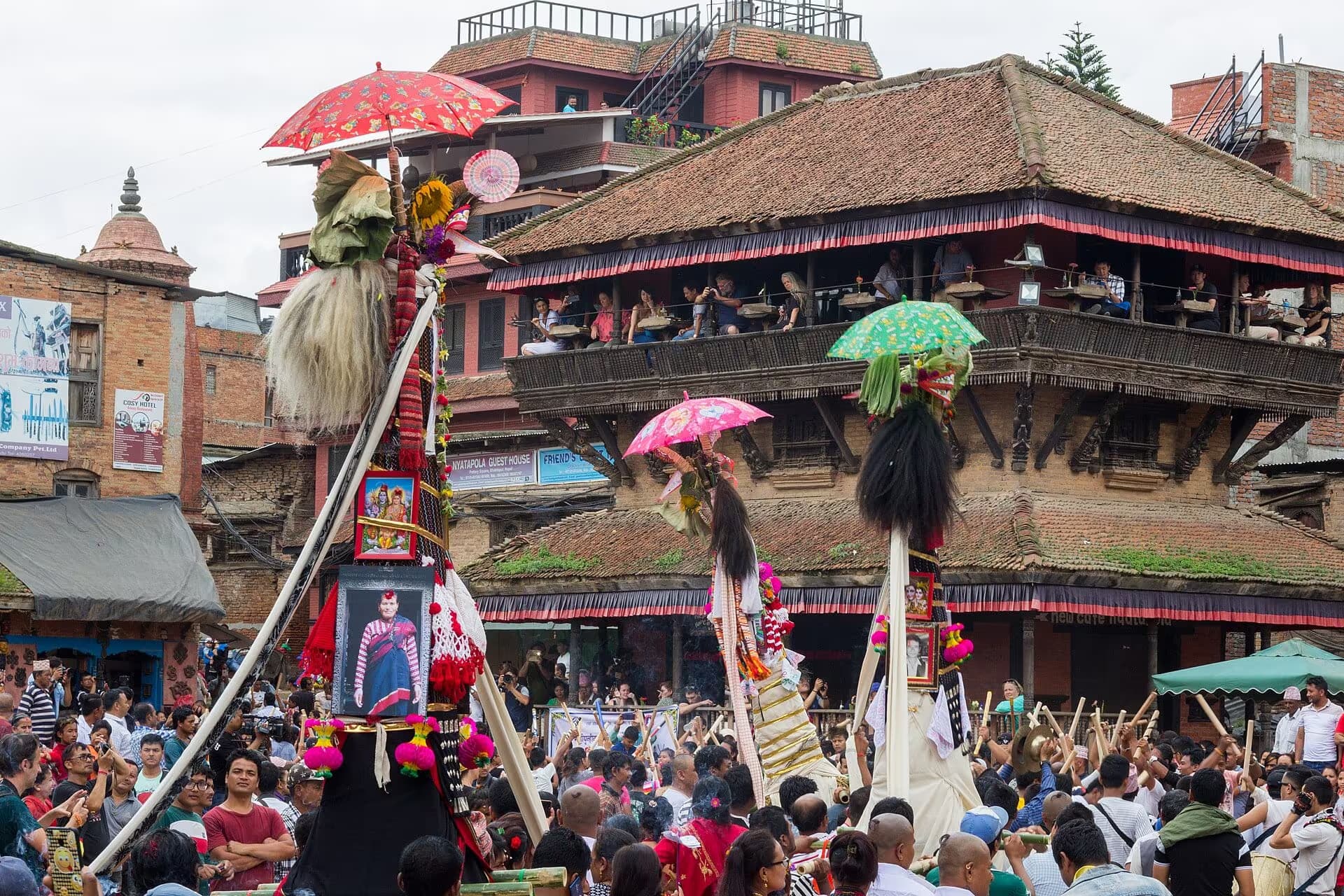
Gai Jatra
Matya is held the day after Gai Jatra

Patan Durbar Square
Mangal Bazaar, the lanes around the square, is one of the ten toles that host Matya in rotation — and the circuit passes through it whoever is hosting
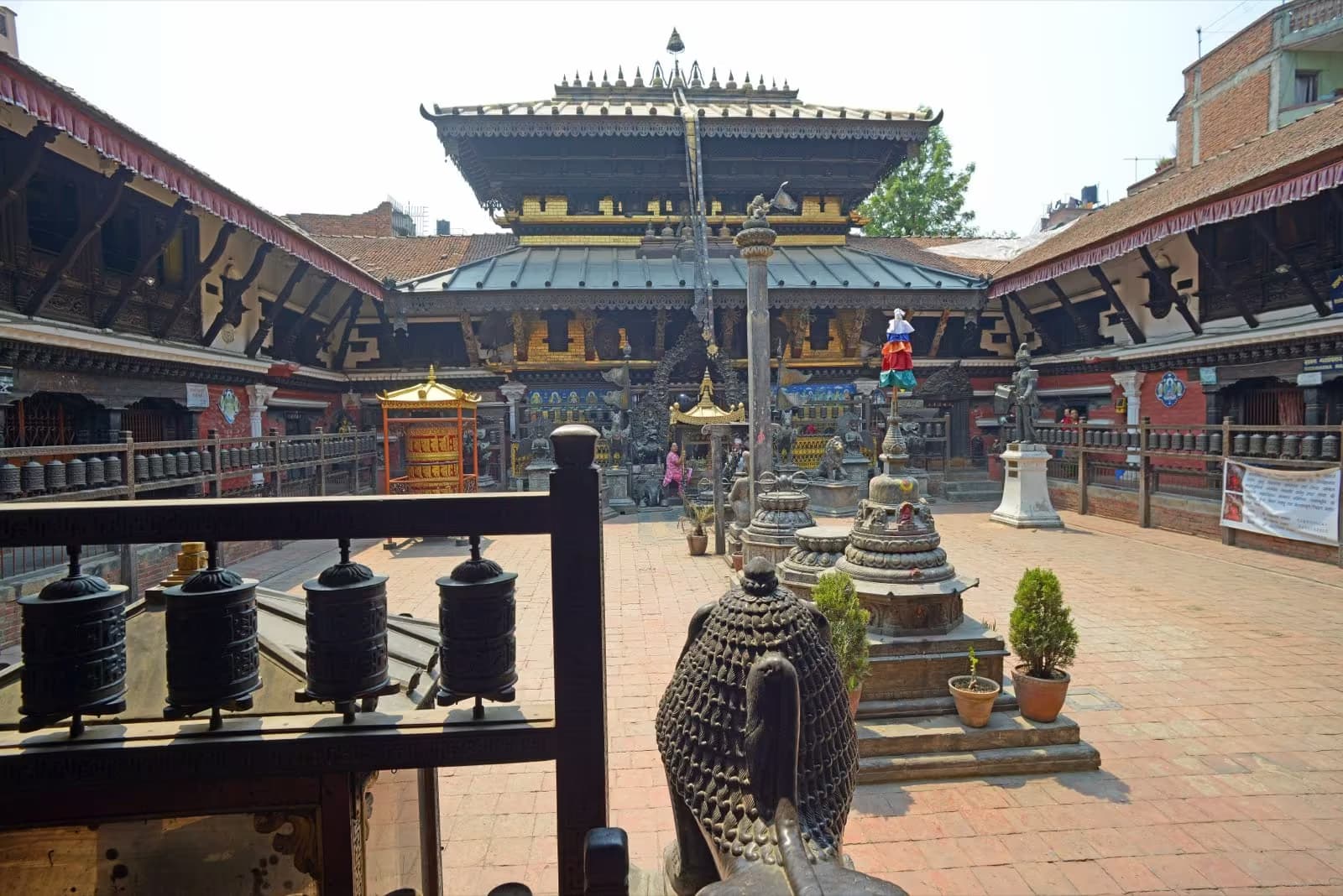
Rudravarna Mahavihar (Okubahal)
Okubahal — one of the ten host toles, and among the oldest courtyards on the circuit
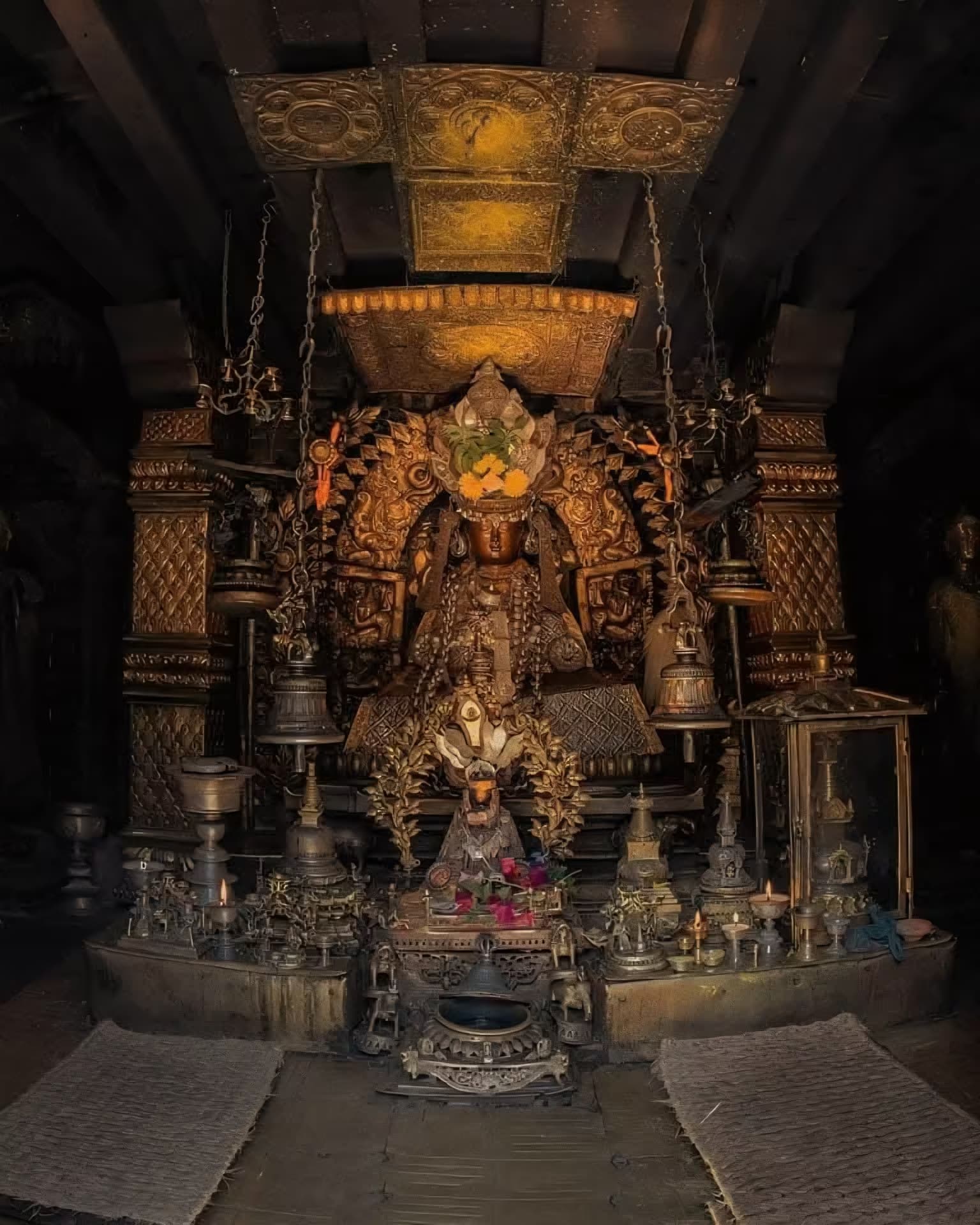
Hiranya Varna Mahavihar (Golden Temple)
The Golden Temple courtyard, one of the major bahals every walker passes
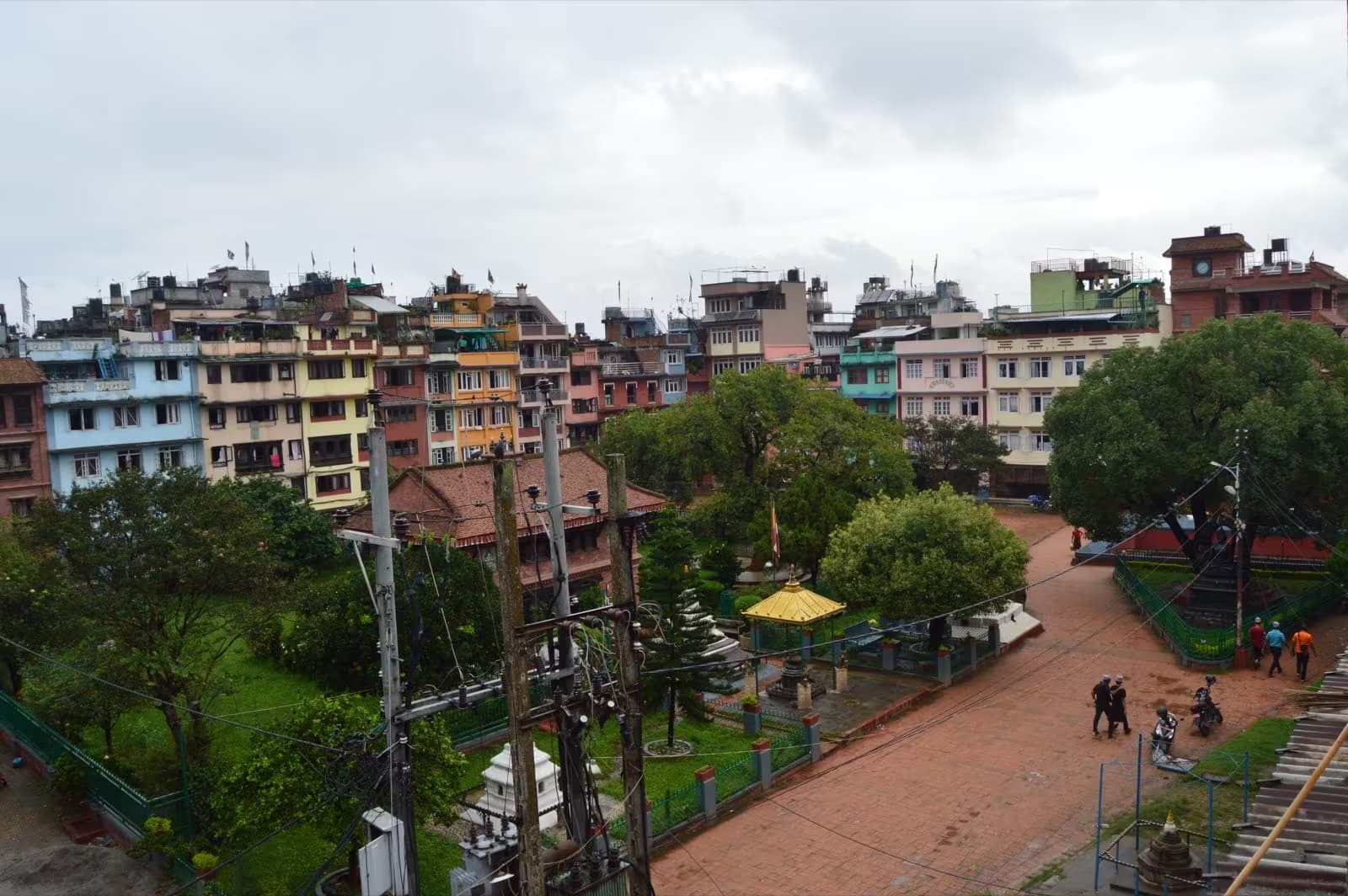
Nag Bahal (Nagbahal)
Nag Bahal, one of the great open courtyards on the route
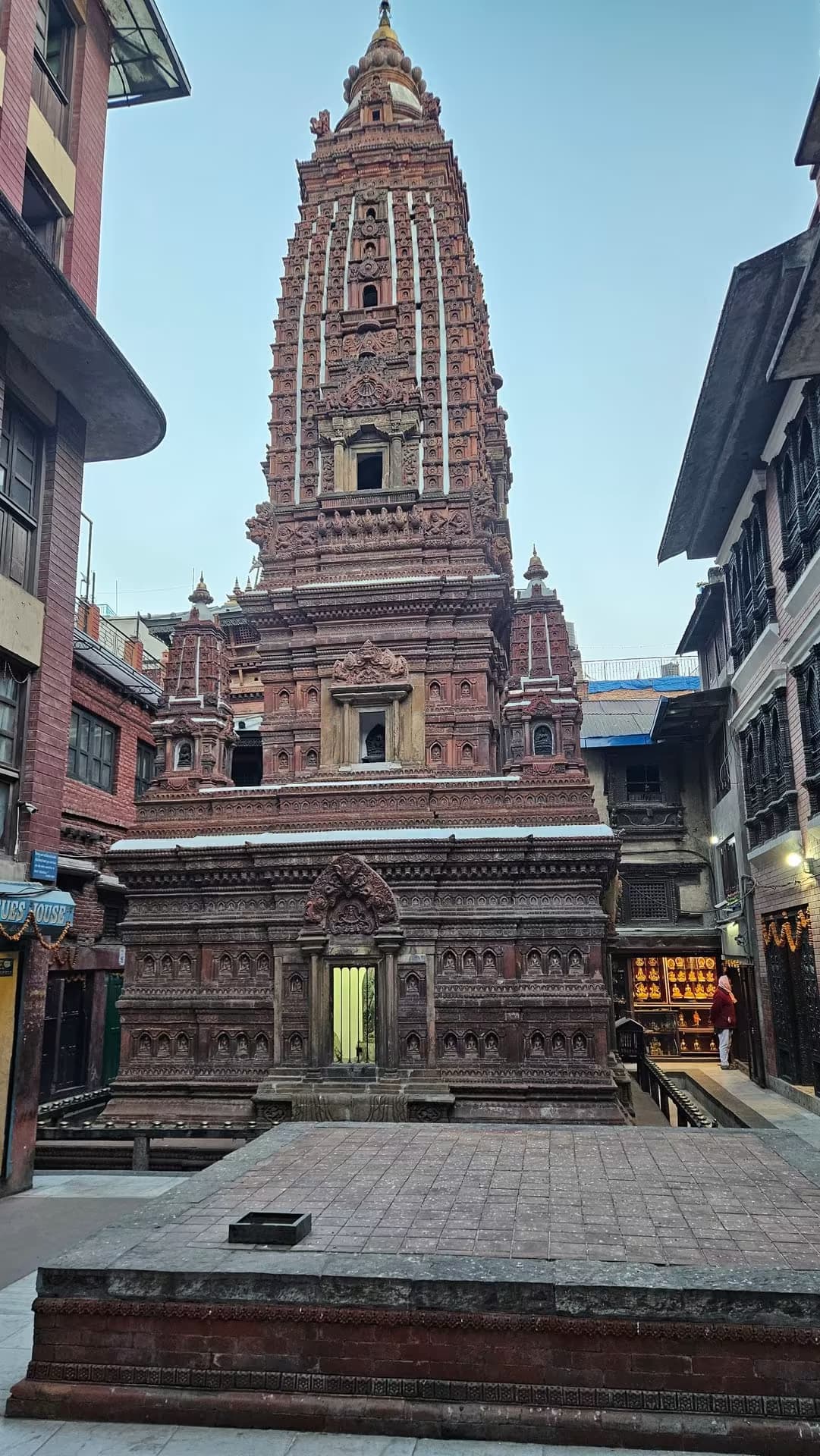
Mahabouddha Temple (Temple of a Thousand Buddhas)
The thousand-Buddha tower, a landmark stop on the circuit
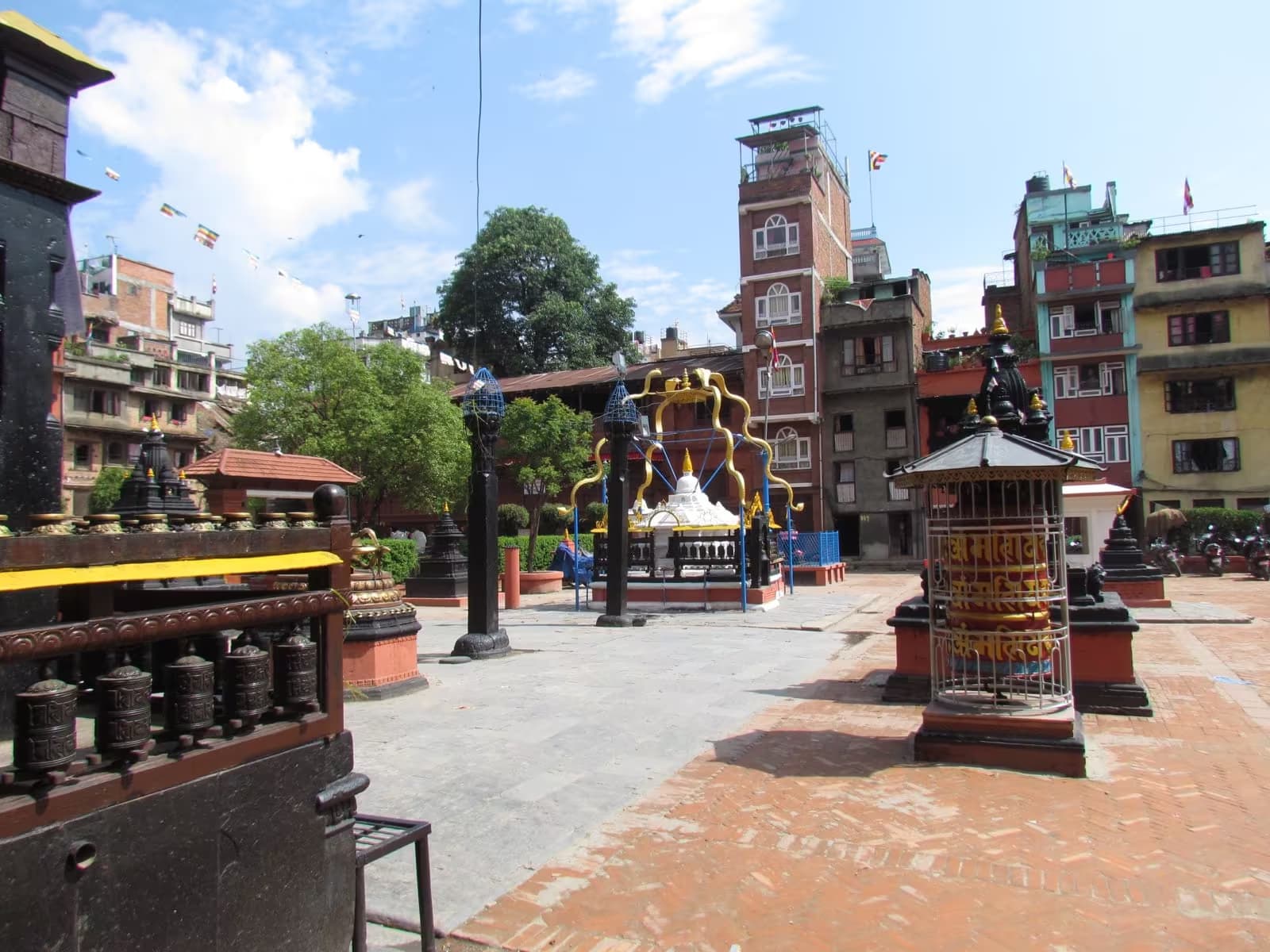
Bu Bahal (Yashodhar Mahavihar)
Bubahal — one of the ten toles that take turns organising Matya
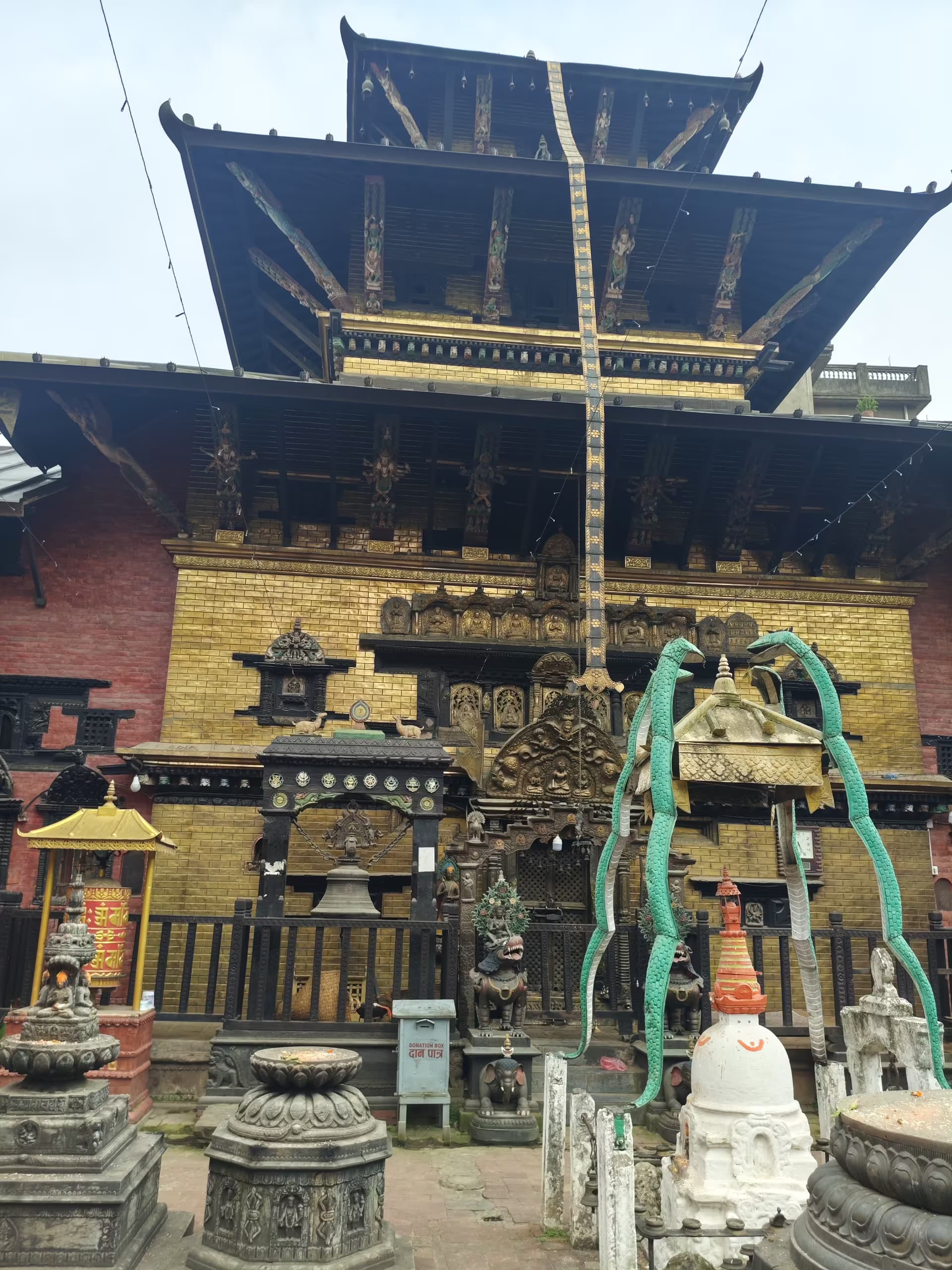
Ha Bahal (Ratnakar Mahavihar)
Ha Bahal, residence of Patan's Kumari, on the circuit
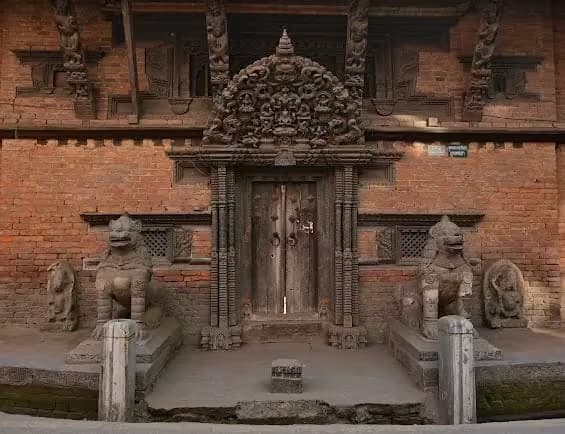
Bhinche Bahal (Mayurvarna Mahavihar)
One of Patan's principal bahals on the Matya route
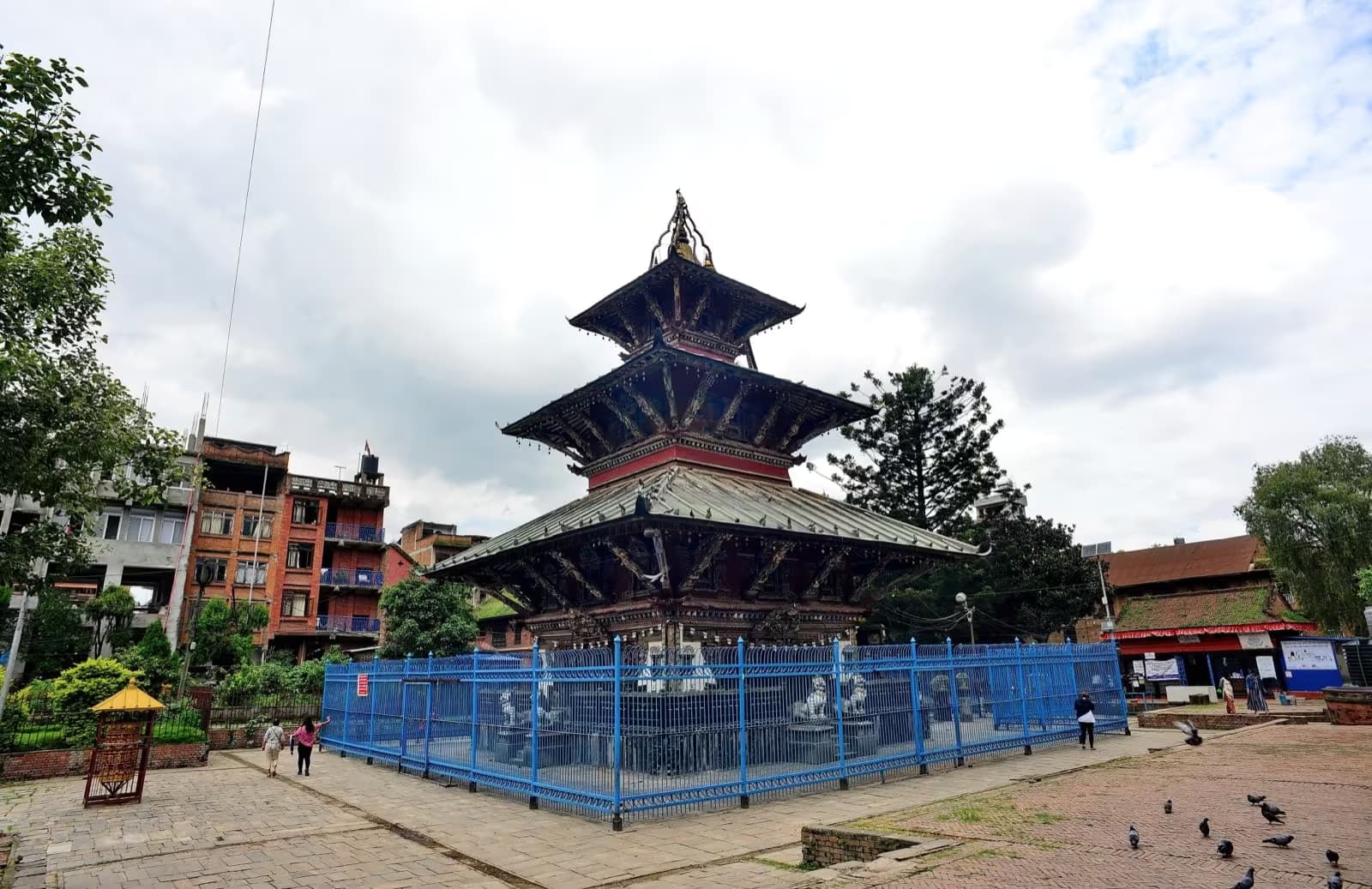
Tanga Bahal (Jestha Varna Mahavihar)
One of Patan's principal bahals on the Matya route
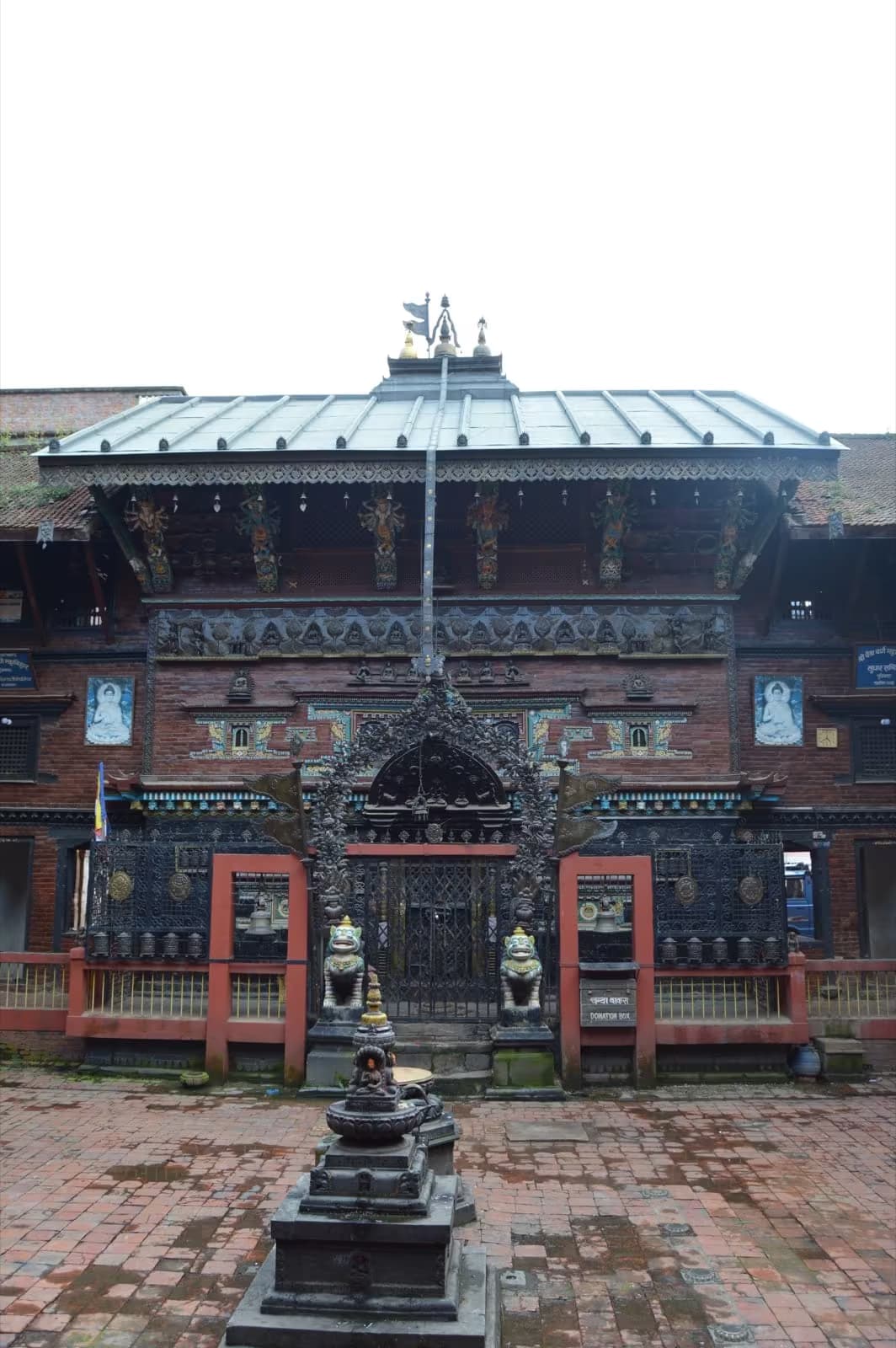
Guji Bahal (Vaishravarna Mahavihar)
One of Patan's principal bahals on the Matya route
Dhum Bahal (Gunalakshmi Mahavihar)
One of Patan's principal bahals on the Matya route
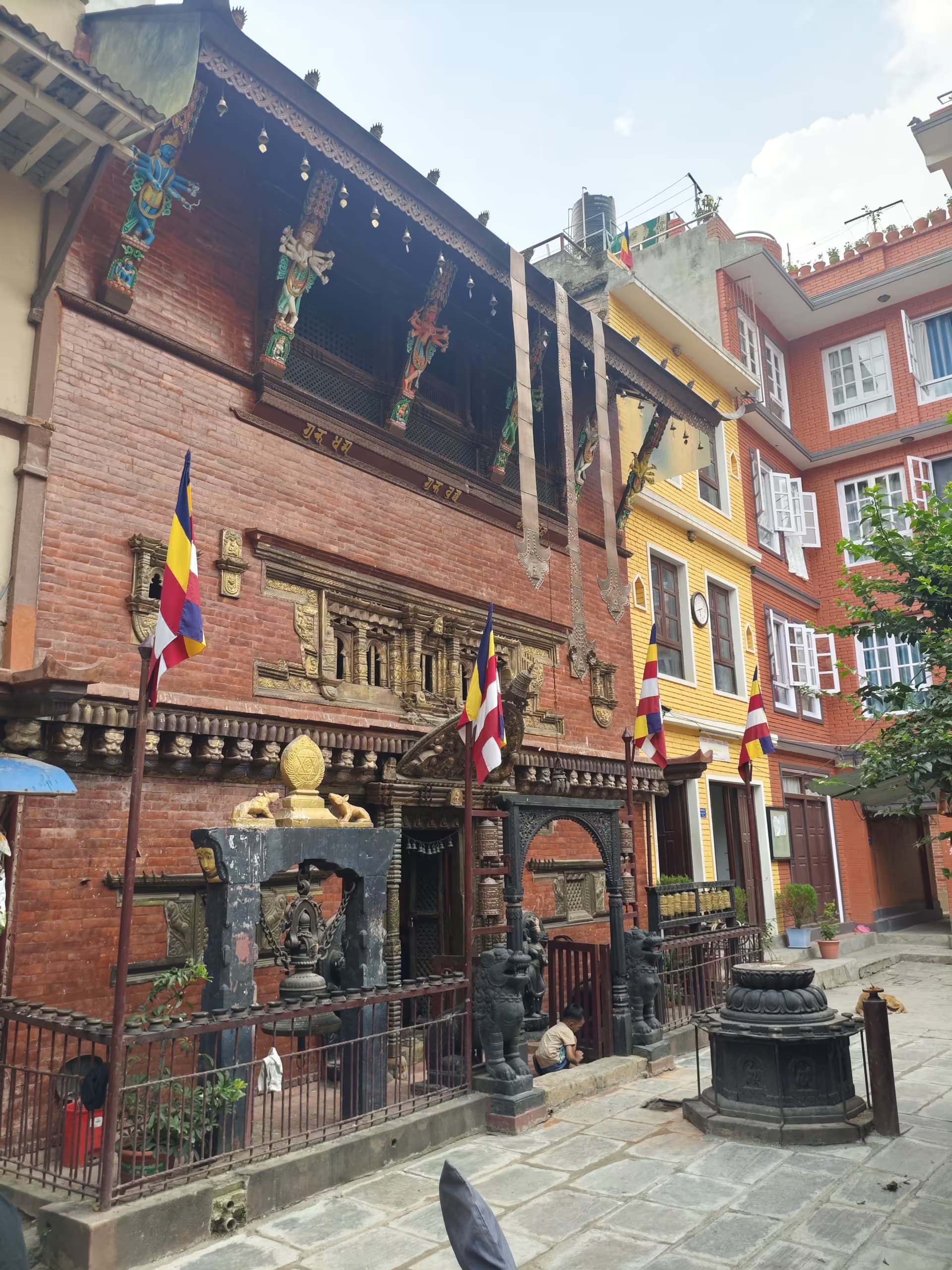
Wan Bahal (Bajra Kirti Mahavihar)
One of Patan's principal bahals on the Matya route
Jyo Bahal (Jyoti Varna Mahavihar)
One of Patan's principal bahals on the Matya route
Yachu Bahal (Baladhara Gupta Mahavihar)
One of Patan's principal bahals on the Matya route
Su Bahal (Jayamanohara Mahavihar)
One of Patan's principal bahals on the Matya route
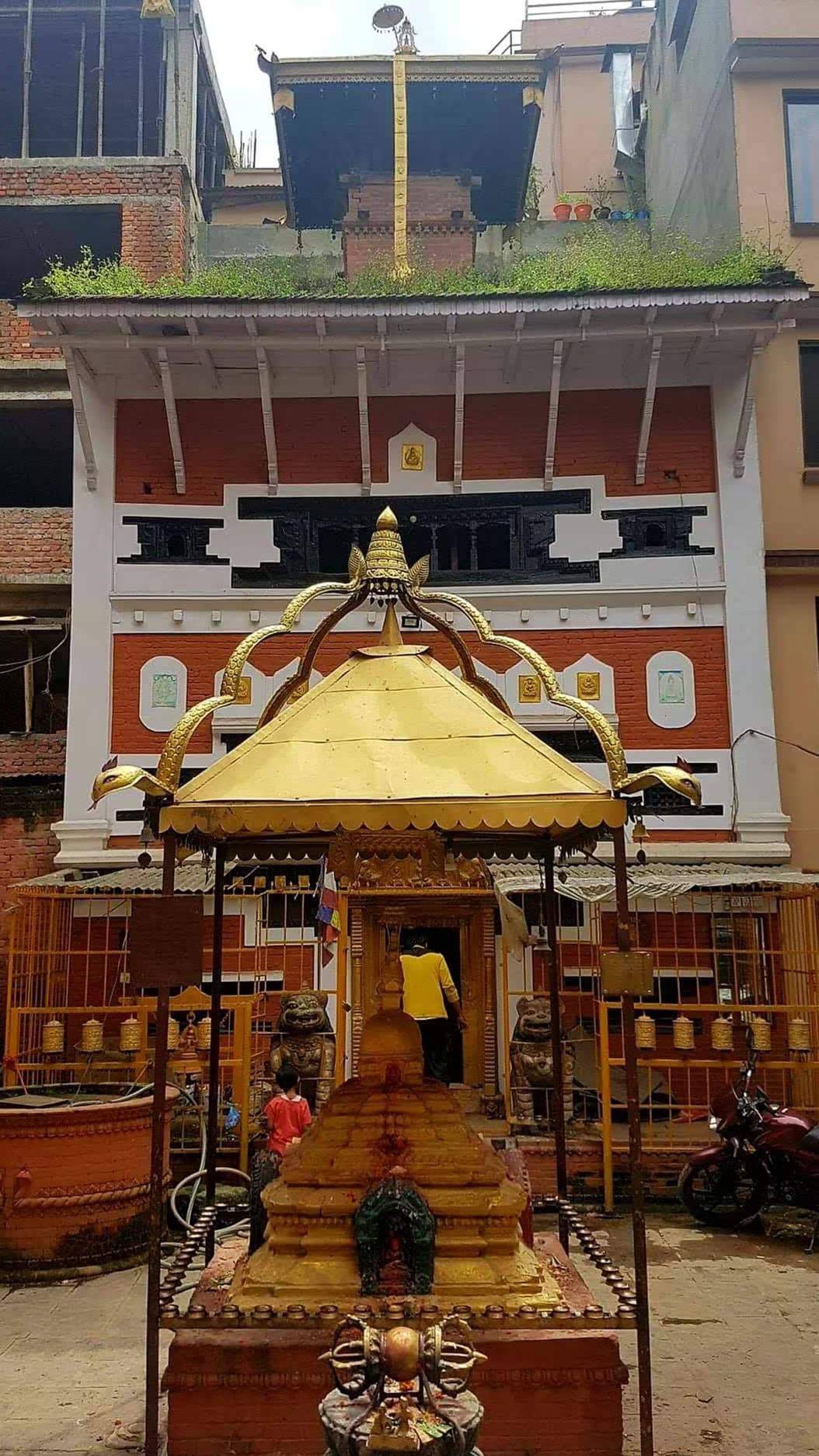
Cuka Bahal (Chakravarna Mahavihar)
One of Patan's principal bahals on the Matya route
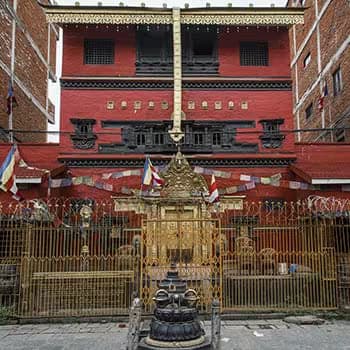
Ta Bahal (Dharma Kirti Mahavihar)
One of Patan's principal bahals on the Matya route
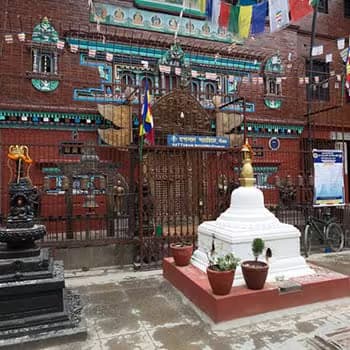
Dau Bahal (Dattanama Mahavihar)
One of Patan's principal bahals on the Matya route
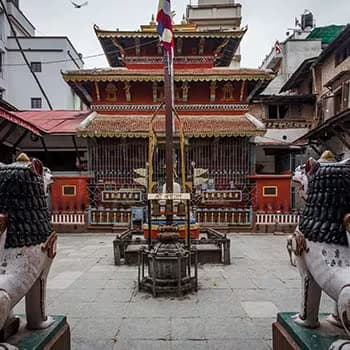
Si Bahal (Sri Vaccha Mahavihar)
One of Patan's principal bahals on the Matya route
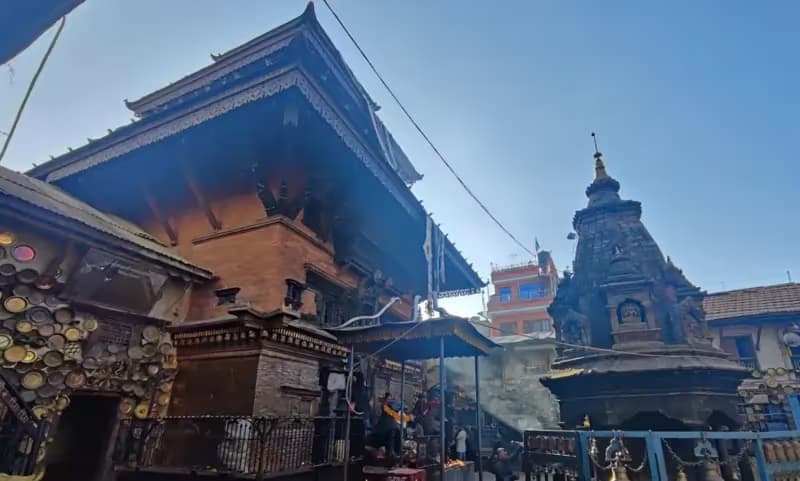
Co Bahal (Kacchapal Giri Mahavihar)
One of Patan's principal bahals on the Matya route
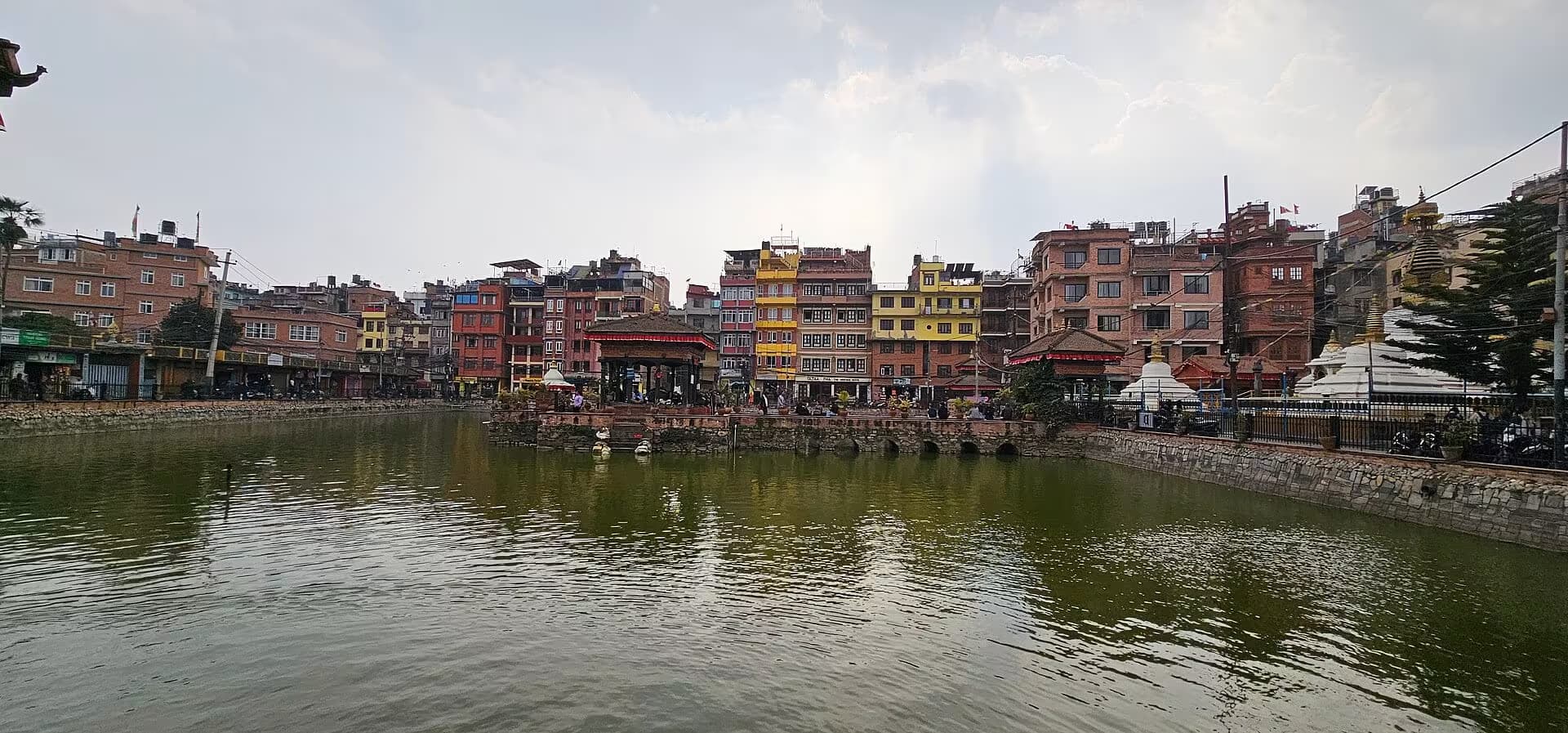
Pim Bahal Pokhari
The Pim Bahal chaitya and its pond, a stop on the western arc of the circuit
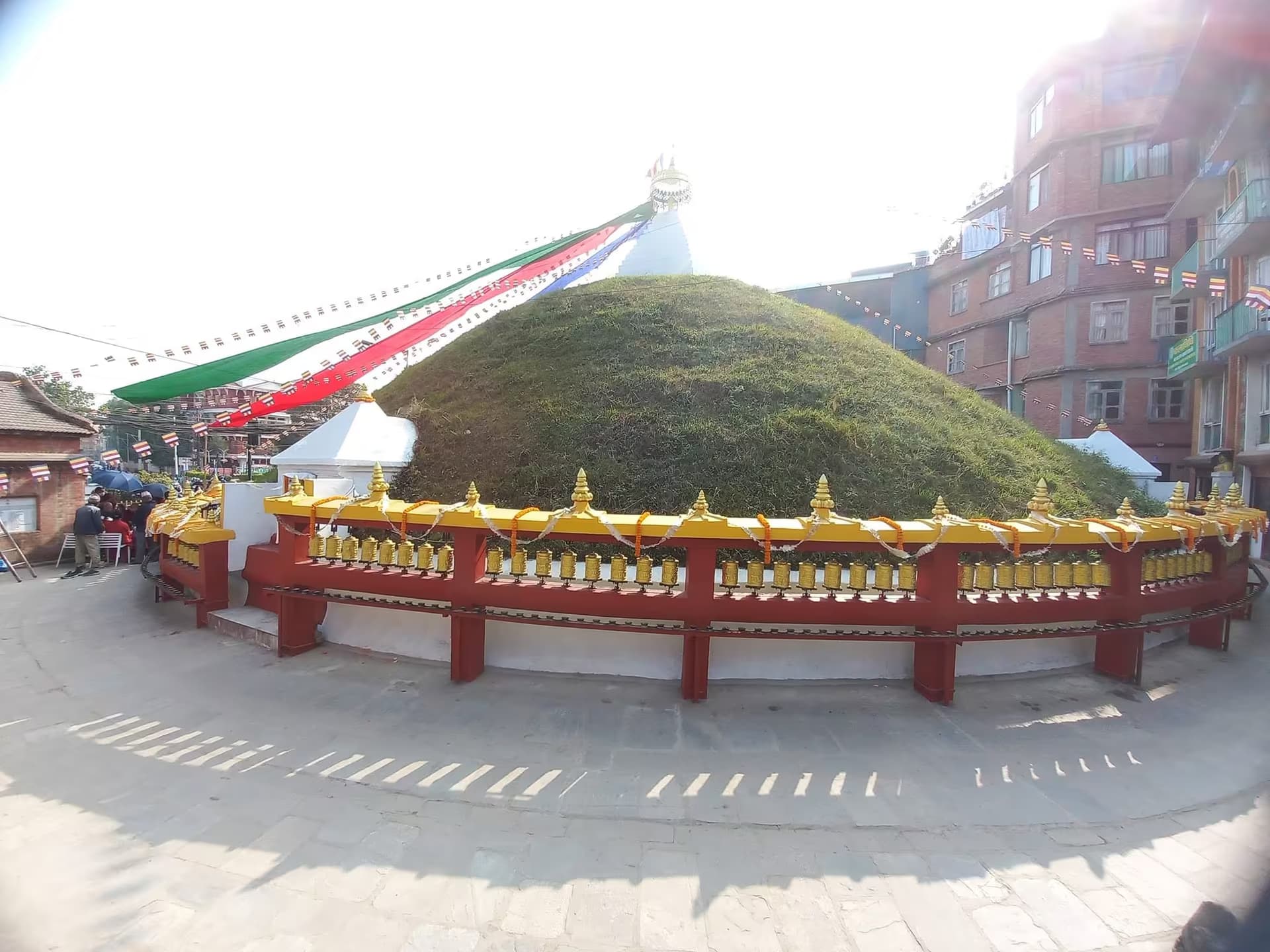
Pulchowk Ashoka Stupa (Pulchowk Thur)
The western thur, one of the four Ashoka stupas the circuit is anchored on
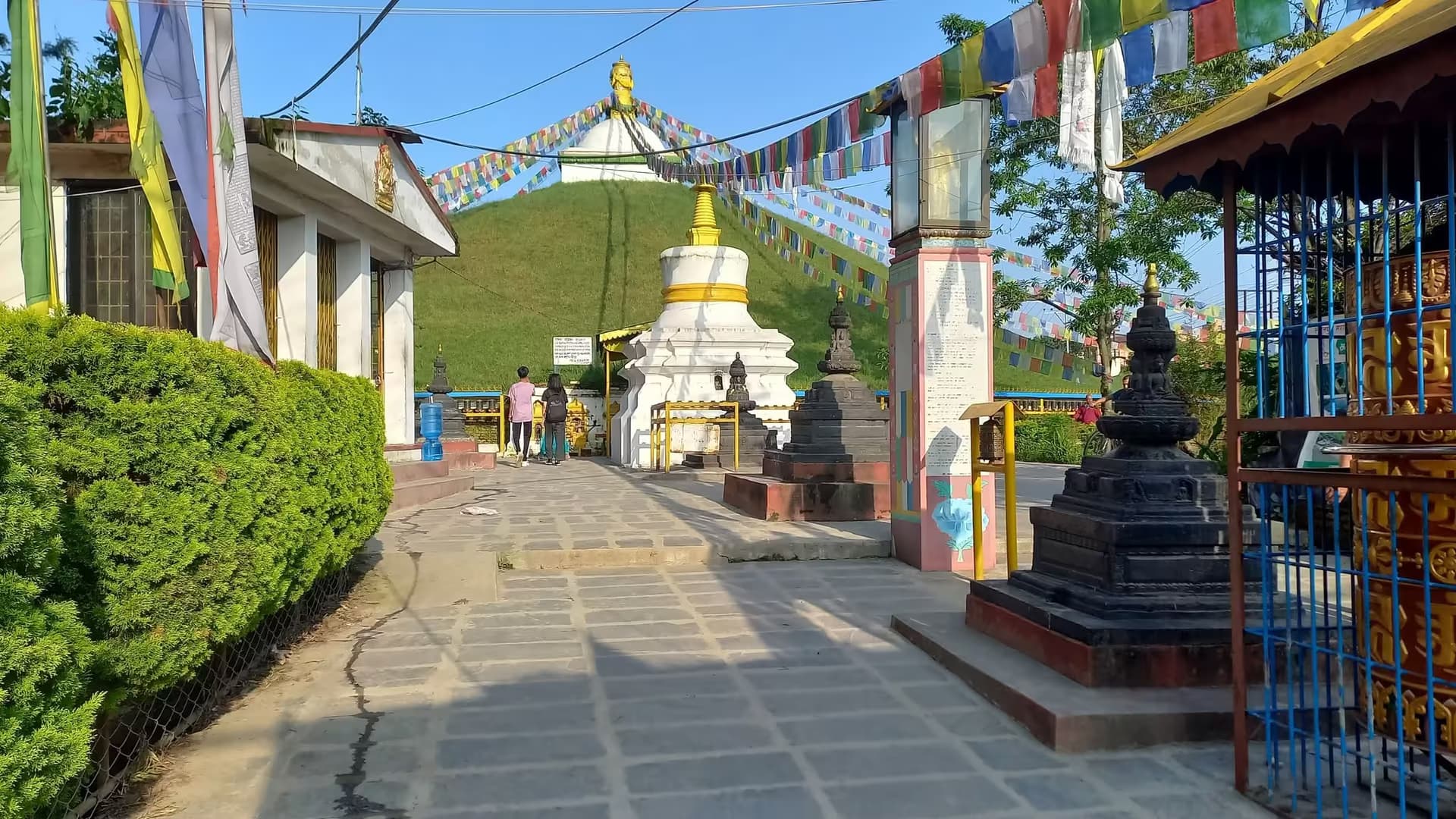
Lagan Thur (Lagankhel Ashoka Stupa)
The southern thur, at the Lagankhel crossroads
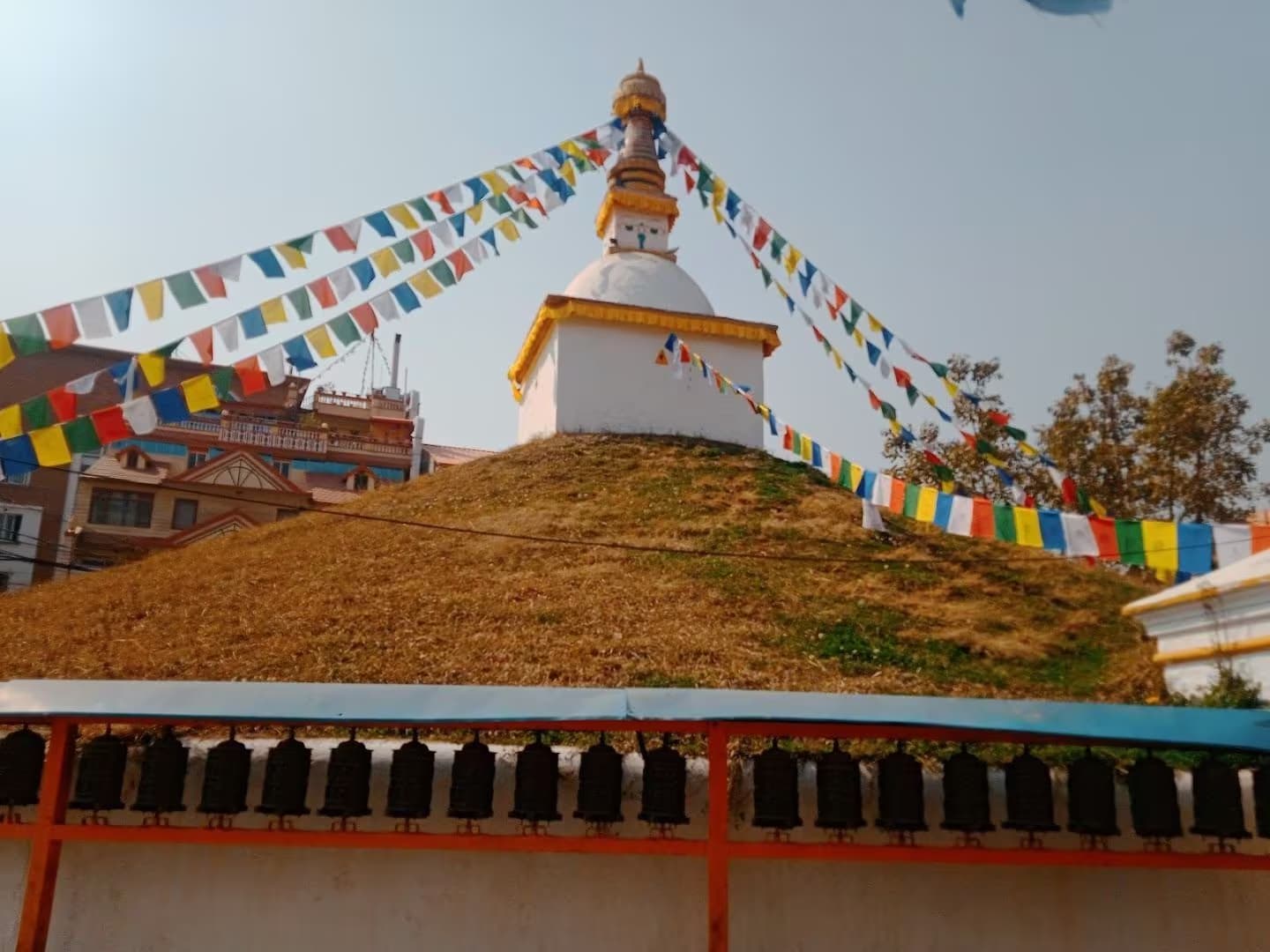
Teta Thur (Eastern Ashoka Stupa)
The eastern thur, the farthest point of the circuit
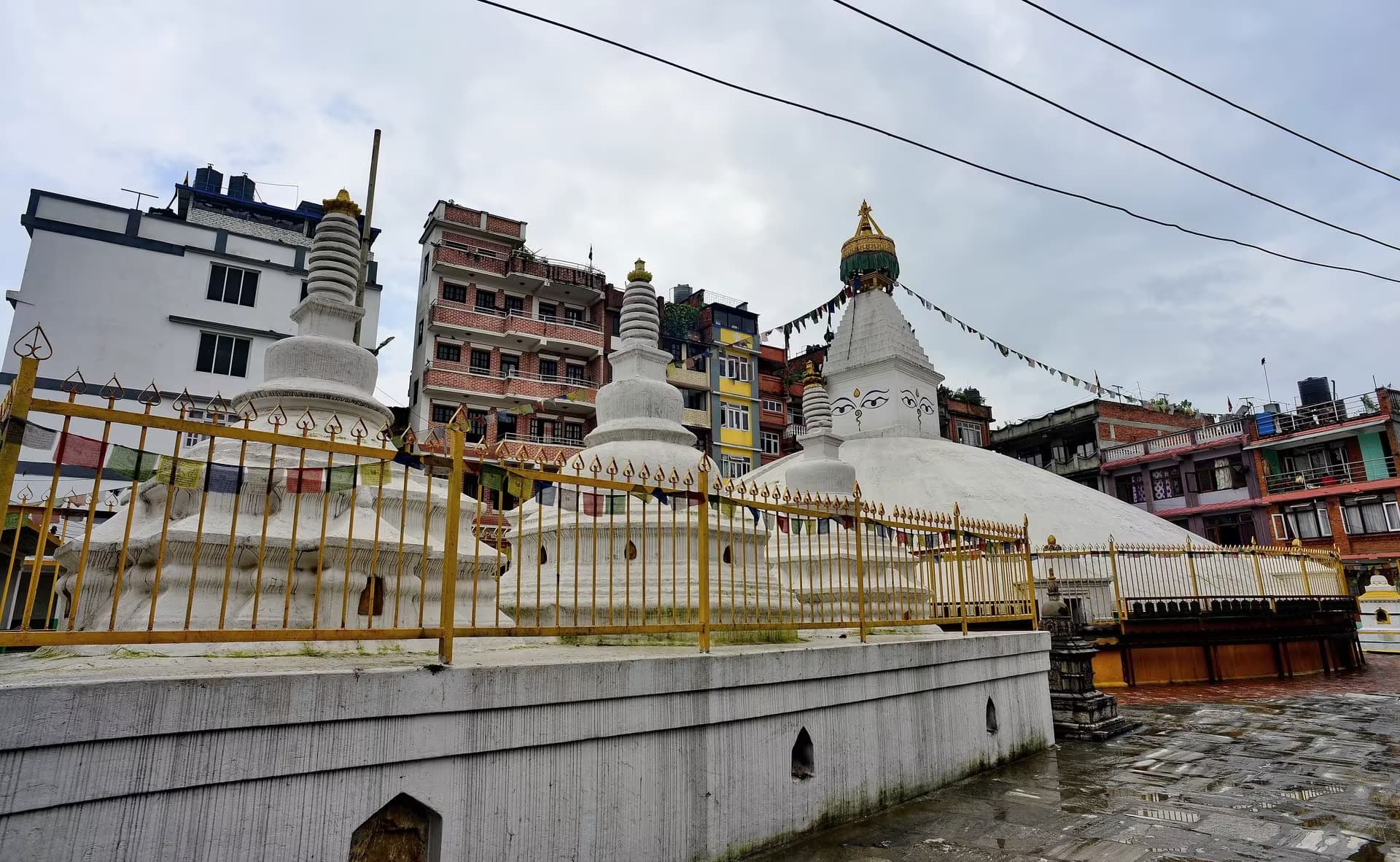
Ibahi Thur (Northern Ashoka Stupa)
The northern thur, in the dense lanes above Kumbheshwar
Elsewhere in this region
- Sacred Site
Dau Bahal (Dattanama Mahavihar)
- Sacred Site
Guji Bahal (Vaishravarna Mahavihar)
- Sacred Site
Tanga Bahal (Jestha Varna Mahavihar)
- Sacred Site
Ta Bahal (Dharma Kirti Mahavihar)
- Sacred Site
Lagan Thur (Lagankhel Ashoka Stupa)
- Sacred Site
Rudravarna Mahavihar (Okubahal)
- Destination
Pim Bahal Pokhari
- Sacred Site
Cuka Bahal (Chakravarna Mahavihar)
- Sacred Site
Dhum Bahal (Gunalakshmi Mahavihar)
- Sacred Site
Wan Bahal (Bajra Kirti Mahavihar)
- Sacred Site
Teta Thur (Eastern Ashoka Stupa)
- Sacred Site
Jyo Bahal (Jyoti Varna Mahavihar)
- Sacred Site
Ibahi Thur (Northern Ashoka Stupa)
- Destination
Patan Durbar Square
- Festival
Gai Jatra
- Sacred Site
Hiranya Varna Mahavihar (Golden Temple)
- Sacred Site
Nag Bahal (Nagbahal)
- Sacred Site
Mahabouddha Temple (Temple of a Thousand Buddhas)
- Sacred Site
Su Bahal (Jayamanohara Mahavihar)
- Sacred Site
Yachu Bahal (Baladhara Gupta Mahavihar)
- Sacred Site
Si Bahal (Sri Vaccha Mahavihar)
- Sacred Site
Bu Bahal (Yashodhar Mahavihar)
- Sacred Site
Co Bahal (Kacchapal Giri Mahavihar)
- Sacred Site
Ha Bahal (Ratnakar Mahavihar)
- Sacred Site
Bhinche Bahal (Mayurvarna Mahavihar)
- Festival
Gunla
- Sacred Site
Pulchowk Ashoka Stupa (Pulchowk Thur)
Help us get it right
Know Matya better than we do?
We write from research and reporting, and the ground changes faster than we can keep up. If something here is out of date, or you have been and would tell it differently, we would rather hear it.