Temple · Buddhist
Lumbini — Birthplace of Buddha
लुम्बिनी
Birthplace of Siddhartha Gautama (Buddha)·623 BCE (Ashoka pillar 249 BCE)·Rupandehi·UNESCO World Heritage
Birthplace of Siddhartha Gautama (Buddha), a UNESCO World Heritage Site and one of the holiest pilgrimage sites for Buddhists worldwide.
Dedicated to
Birthplace of Siddhartha Gautama (Buddha)
Period
623 BCE (Ashoka pillar 249 BCE)
Hours
6:00 AM – 6:00 PM (sacred garden), monasteries vary
Admission
Local 200 · USD 3
Neighborhood
Lumbini Development Zone
Lumbini is where Buddhism begins: the birthplace of Siddhartha Gautama, the prince of the Sakyas who became the Buddha, and one of the four holiest places of the Buddhist world alongside Bodh Gaya, Sarnath, and Kushinagar. It sits on the flat green Terai plains of southern Nepal, and it is two pilgrimages in one — a living devotional site where monks from a dozen countries chant under prayer flags, and one of South Asia's great archaeological sites, where the evidence for the Buddha's birthplace can be read in brick, stone, and inscription.
The Mayadevi Temple and the marker stone
At the centre of the Sacred Garden, the white Mayadevi Temple encloses the spot where Queen Mayadevi is said to have given birth to Prince Siddhartha while grasping the branch of a sal tree. Inside, walkways circle the excavated brick terraces, the worn nativity sculpture showing the standing queen, and the marker stone — uncovered in 1996 on a platform of 3rd-century BCE brickwork, placed to fix the exact birth spot. Excavations beneath the temple in 2013 went deeper still, revealing traces of a sixth-century BCE timber tree-shrine older than any known Buddhist structure in South Asia. Just southwest lies Puskarini, the stepped pond where tradition says Mayadevi bathed before the birth, beside a bodhi tree streaming with prayer flags.
Ashoka's pillar — the inscription that fixed the spot
In 249 BCE the Mauryan emperor Ashoka came here on pilgrimage and raised a sandstone pillar whose Brahmi inscription still reads, plainly: here the Buddha, sage of the Sakyas, was born. The edict records that Ashoka freed Lumbini's village of tax and reduced its tribute to one-eighth — one of the earliest surviving records of royal patronage at a Buddhist pilgrimage site, and the earliest epigraphic proof of the Buddha's birthplace. The pillar was lost to jungle for centuries until December 1896, when General Khadga Shamsher Rana, working with the archaeologist Alois Führer and guided by the ancient travel accounts of the Chinese pilgrims Faxian and Xuanzang, dug around the broken shaft and exposed the inscription that put Lumbini back on the world's map.
Kenzo Tange's sacred master plan
Modern Lumbini is shaped by a remarkable piece of 20th-century design: a 4.8-square-kilometre master plan by the Japanese architect Kenzo Tange, organised along a central canal running north from the Sacred Garden. The plan separates silence from settlement — the garden and excavations at the southern end, a Monastic Zone in the middle where Buddhist nations build in their own styles (Theravada monasteries on the east bank, Mahayana and Vajrayana on the west), and the visitor village to the north. The Eternal Peace Flame, lit in 1986, burns at the head of the canal, and the white-domed World Peace Pagoda anchors the far end beside wetlands where endangered sarus cranes feed.
Walking the monastic zone
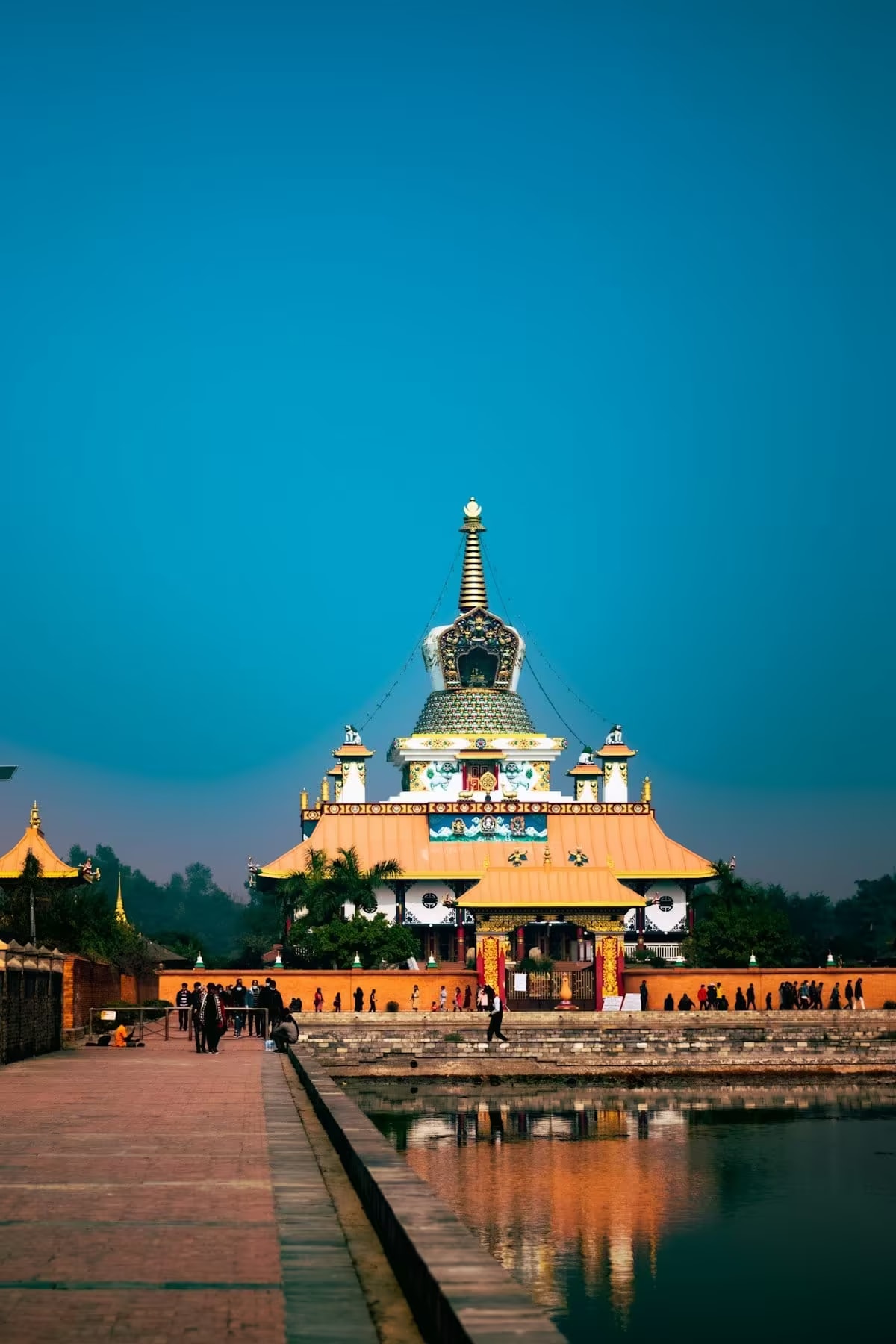
The Monastic Zone is a slow, strange, wonderful walk — a world's fair of Buddhist architecture. Myanmar's gilded shikhara, Thailand's gleaming white marble wat, China's courtyard halls, Korean, Vietnamese, Sri Lankan, and Cambodian compounds, the German-built Great Lotus Stupa with its painted ceiling — each active, each staffed by its own sangha. Rent a bicycle or take a rickshaw; the distances are flat but long, and the best hours are early morning and late afternoon when the monasteries hold their pujas and the Terai light softens.
Kapilavastu and the wider circuit
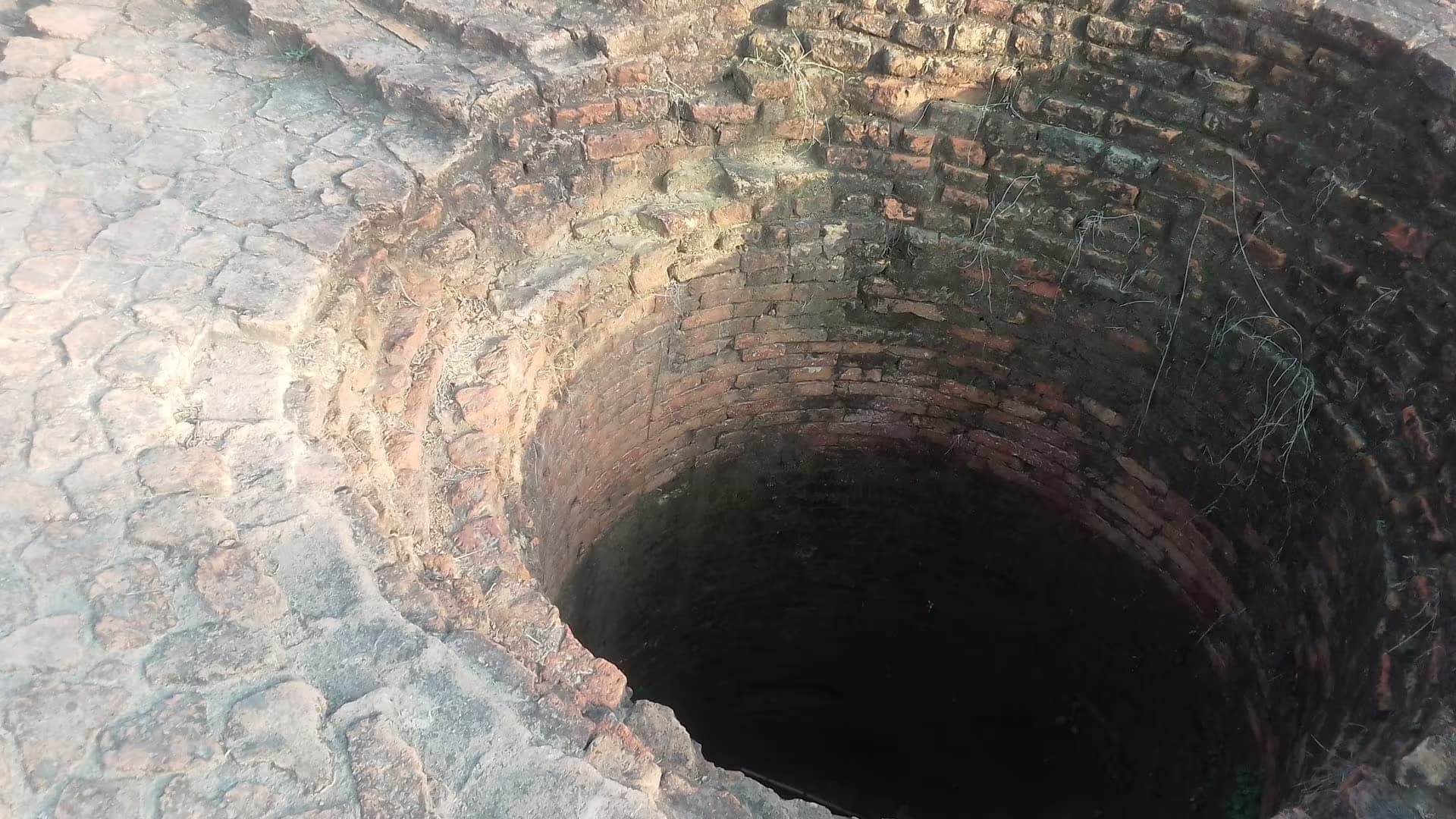
Lumbini is the anchor of a wider Buddhist landscape. Tilaurakot, 27 kilometres west, is widely identified as ancient Kapilavastu, the Sakya capital where Siddhartha lived his first 29 years before renouncing the palace — an atmospheric, little-visited archaeological site that pairs naturally with the Sacred Garden. Time a visit for Buddha Jayanti, the full-moon birthday in late spring, when Lumbini is at its most alive — or come in the cool, clear months from October to February, since the Terai summer is fierce and the monsoon floods the garden paths. Lumbini also crowns the Valley-to-Terai Buddhist circuit with Boudhanath and Namo Buddha, and combines well with Chitwan National Park on a southern Nepal loop.
Access & Mobility
The Lumbini Development Zone is broad and mostly flat, but distances between the Mayadevi Temple, monasteries, and peace sites are long. Plan transport or cycle-rickshaw support for elderly pilgrims.
- Vehicle
Road access to the development zone; internal movement may require walking, cycle-rickshaw, or local electric transport where available.
- On foot
Flat sacred-garden walking, with long distances across the wider monastic zone.
Best visited in winter.autumn: good, 16°C to 32°C. Cooling down after monsoon. Clear skies for cycling between the international monasteries. Comfortable evenings. monsoon: avoid, 25°C to 35°C. Intense heat and humidity plus monsoon rains. The sacred garden can flood. Most international monasteries still accessible. spring: possible, 20°C to 38°C. Getting very hot. Buddha Jayanti (May full moon) is the biggest celebration. Visit early morning to avoid midday heat. winter: best, 8°C to 24°C. Most pleasant time — warm days, cool evenings. Perfect for walking the extensive monastery zone. Misty mornings add tranquility.
The Almanac
Intense heat and humidity plus monsoon rains. The sacred garden can flood. Most international monasteries still accessible.
Folio III
Nearby Sacred Sites
Places within a short walk that help turn this stop into a small sacred cluster.
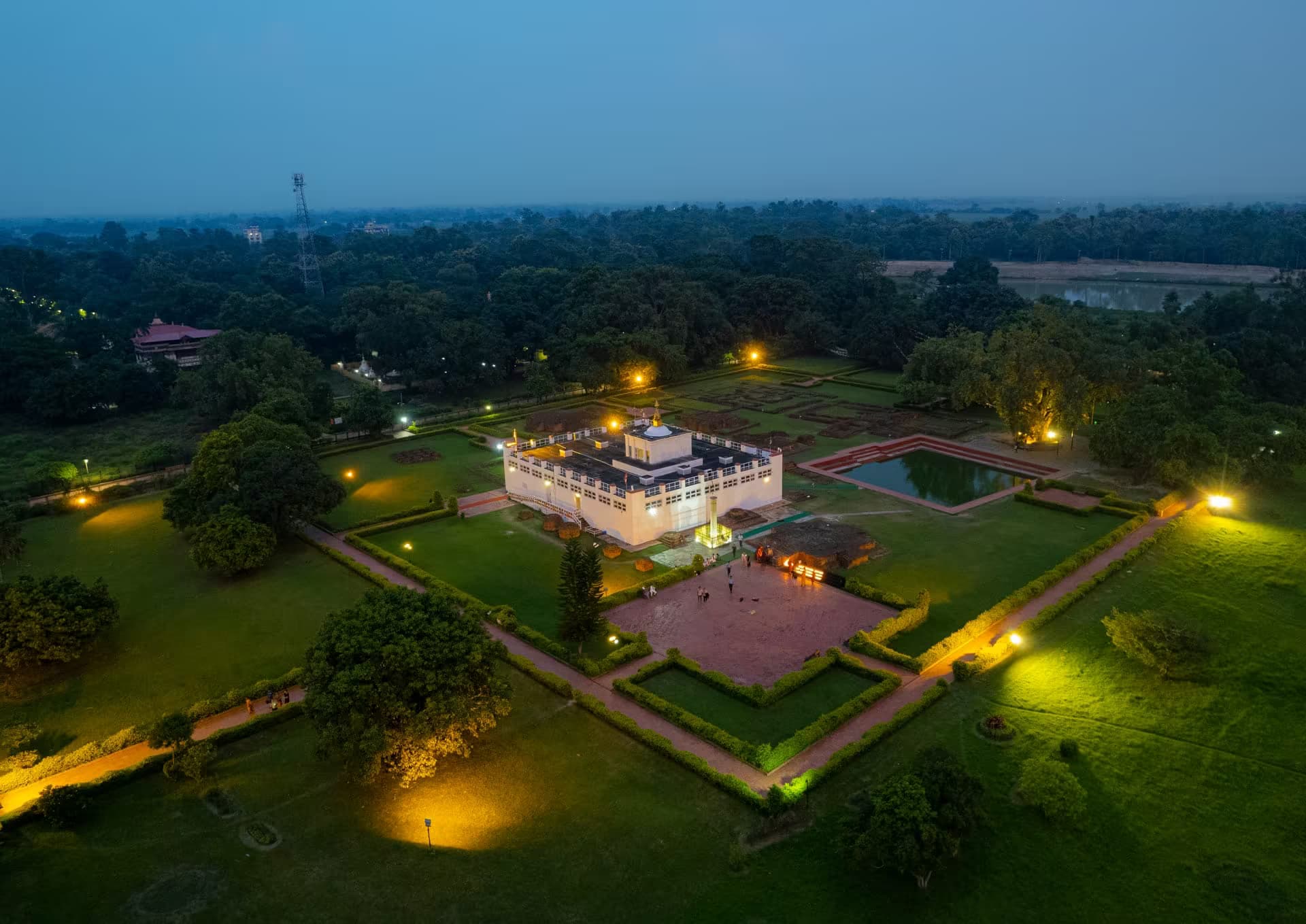
Maya Devi Temple
The sacred core of Lumbini — the shrine built directly over the exact spot where Queen Mayadevi gave birth to Prince Siddhartha Gautama in 623 BCE.
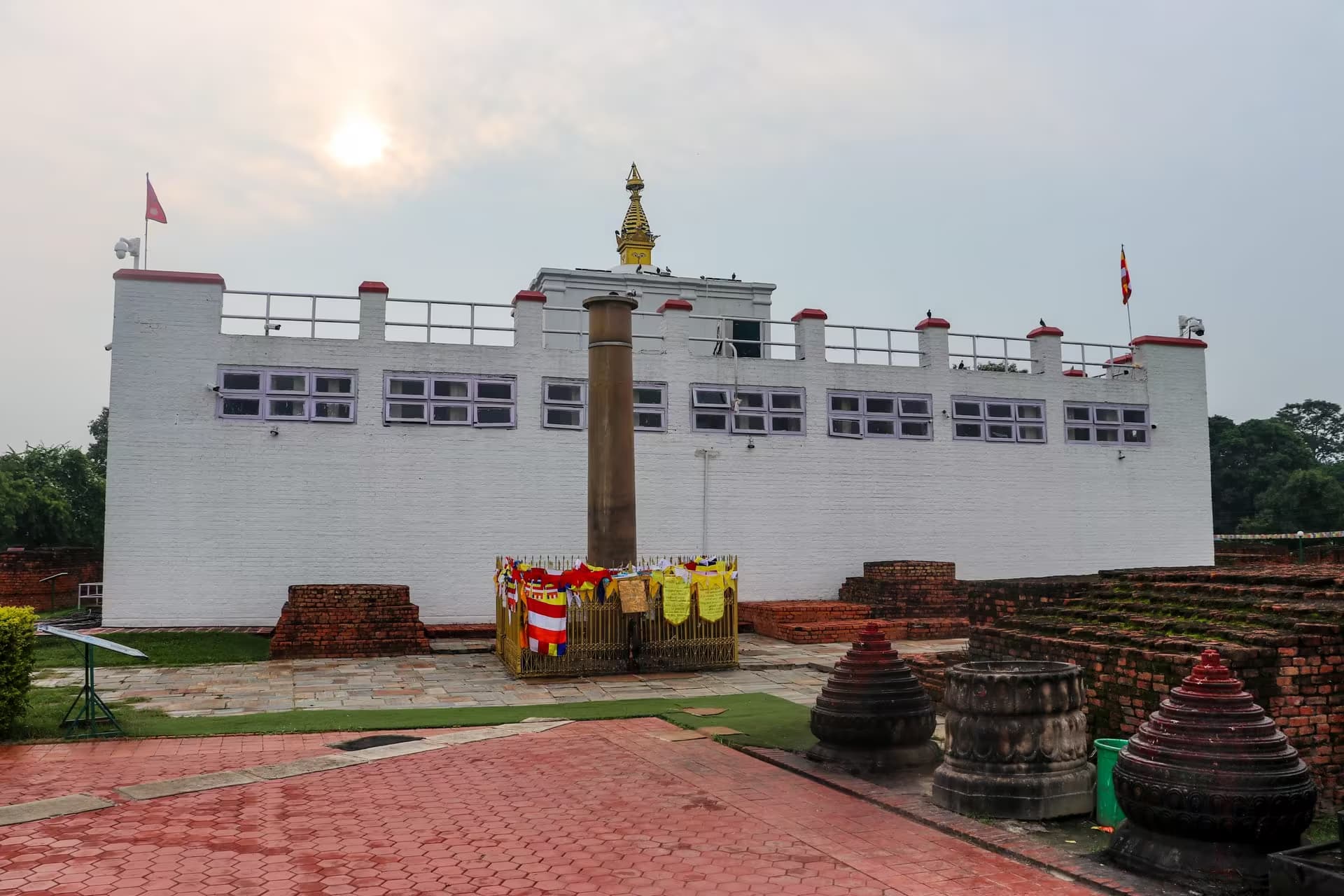
Ashoka Pillar, Lumbini
The 249 BCE sandstone pillar raised by Emperor Ashoka beside the Maya Devi Temple — bearing the earliest known inscription identifying Lumbini as the birthplace of the Buddha.
Coda
Continue the Pilgrimage
Within this area
Places and landmarks inside
Maya Devi Temple
Maya Devi Temple is the spiritual core of the Lumbini sacred garden
Ashoka Pillar, Lumbini
Ashoka Pillar stands beside the Maya Devi Temple in the sacred garden
Sacred Bodhi Tree sits in the Lumbini sacred garden next to Puskarini Pond

World Peace Pagoda, Lumbini
World Peace Pagoda is the climactic monument at the north end of the Lumbini master plan

Myanmar Golden Temple (Lokamani Pula Pagoda)
Myanmar Golden Temple is in the East Monastic Zone of Lumbini

Royal Thai Buddhist Monastery, Lumbini
Royal Thai Monastery sits in the Lumbini East Monastic Zone

Korean Buddhist Temple, Dae Sung Shakya Sa
Dae Sung Shakya Sa occupies the West Monastic Zone of Lumbini

Cambodian Monastery, Lumbini
Cambodian Monastery sits in the Lumbini East Monastic Zone

Zhong Hua Chinese Buddhist Monastery
Zhong Hua Chinese Monastery is in the Lumbini West Monastic Zone

Sri Lankan Monastery, Lumbini
Sri Lankan Monastery sits in the Lumbini East Monastic Zone

Great Lotus Stupa (German Monastery)
Great Lotus Stupa occupies the Lumbini West Monastic Zone
Related
Connected places and entries worth pairing
Guides that feature this place
- Regional10 min
Lumbini: Complete Guide to Buddha's Birthplace in Nepal
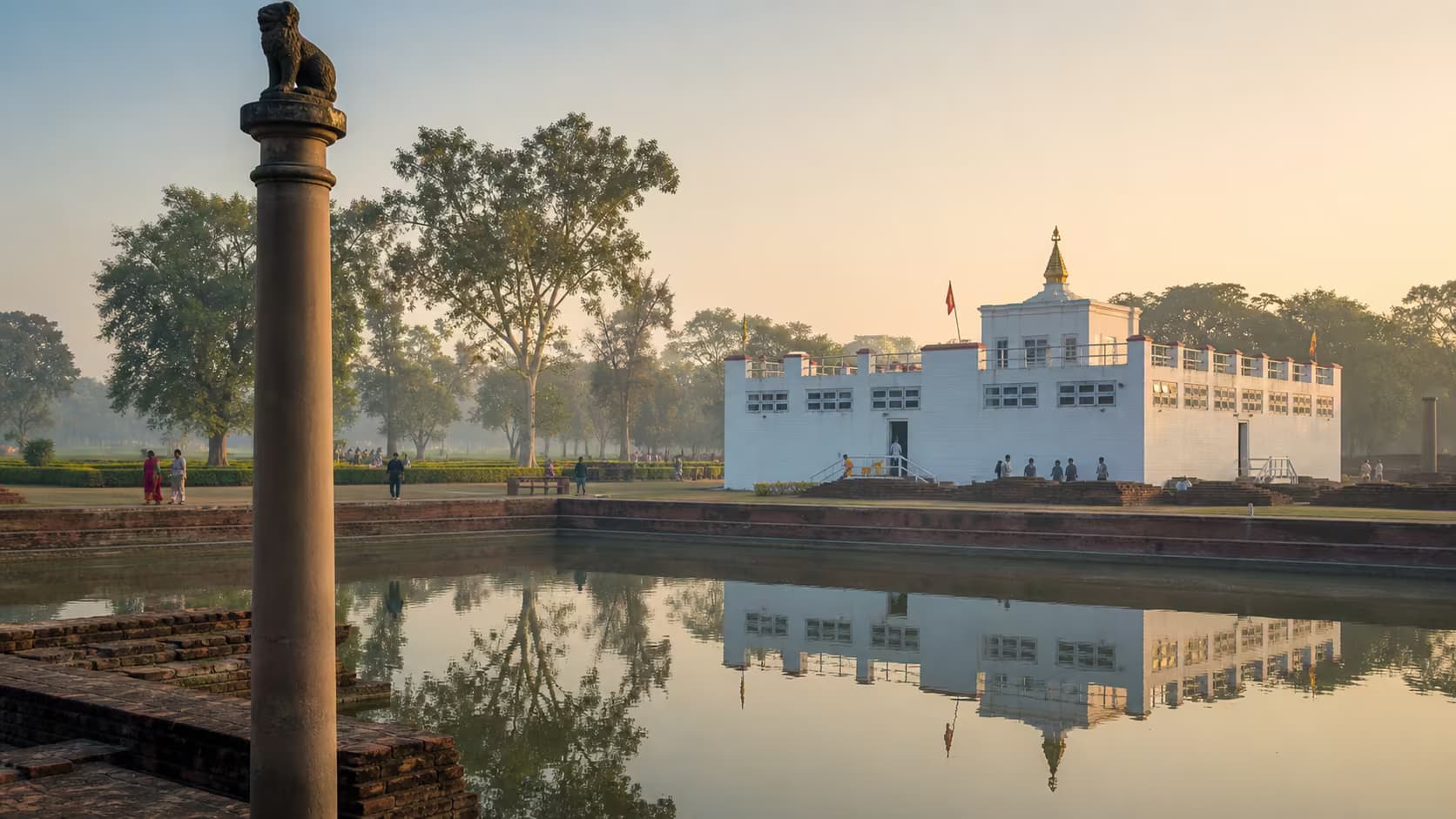
Everything you need to plan a visit to Lumbini — the birthplace of Siddhartha Gautama (Buddha), a UNESCO World Heritage Site in southern Nepal. How to get there, what to see, where to stay, and the best time to visit.
- Regional8 min
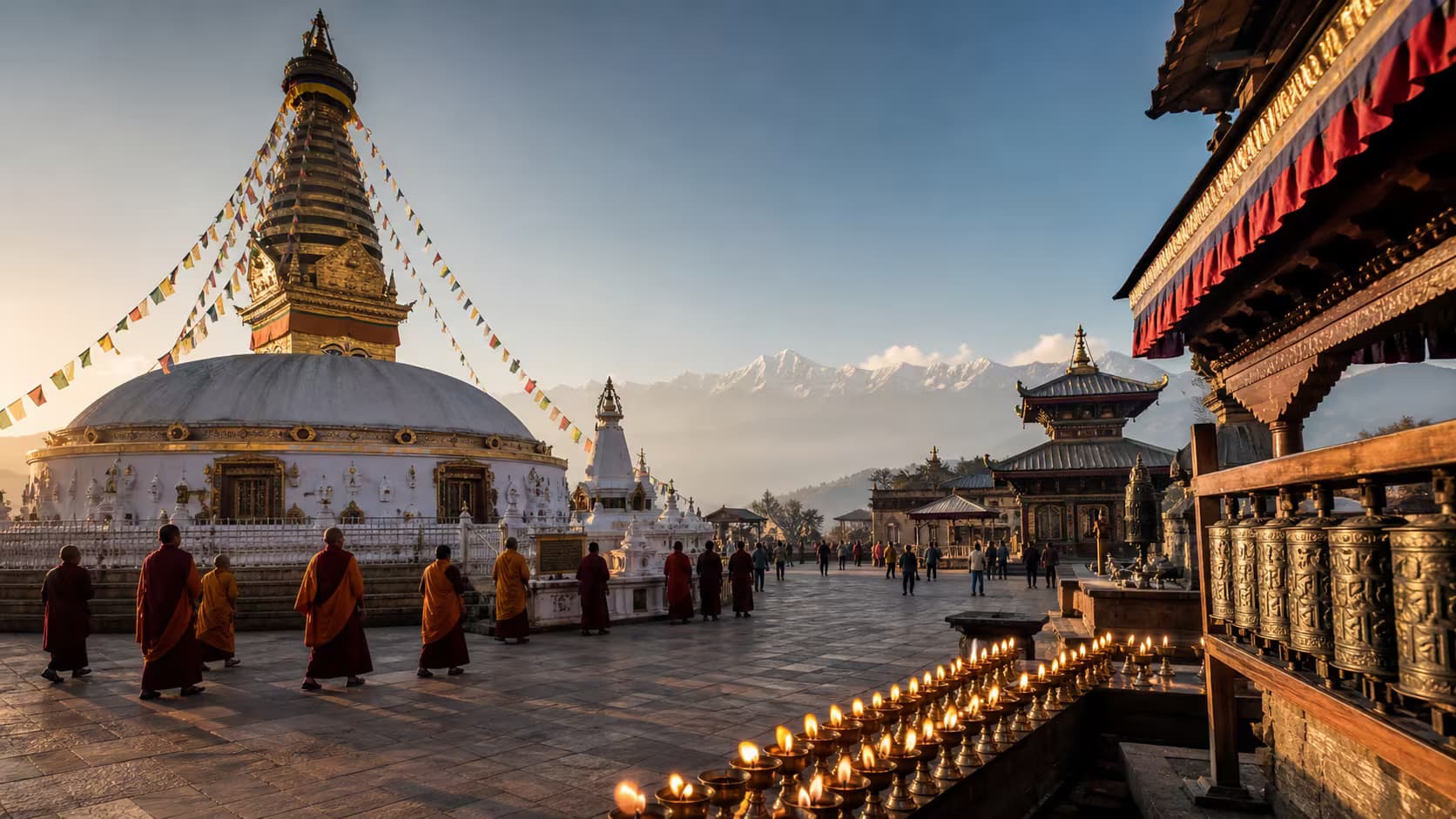
Buddhist Pilgrimage in Nepal: Lumbini, Boudhanath, Swayambhunath & Monasteries
A Buddhist pilgrimage guide to Nepal covering Lumbini, Boudhanath, Swayambhunath, Namo Buddha, Tilaurakot, Tibetan monasteries, Newar bahals, etiquette, and festival timing.
- Itinerary9 min
Nepal Pilgrimage Itinerary: Pashupatinath, Lumbini, Janakpur & Muktinath
A practical Nepal pilgrimage itinerary linking Pashupatinath, Janaki Mandir, Lumbini, and Muktinath with 3-5 day, 7 day, and 10-14 day route options.
- Itinerary11 min
A Spiritual Journey Through Nepal: Temples, Monasteries & Sacred Landscapes
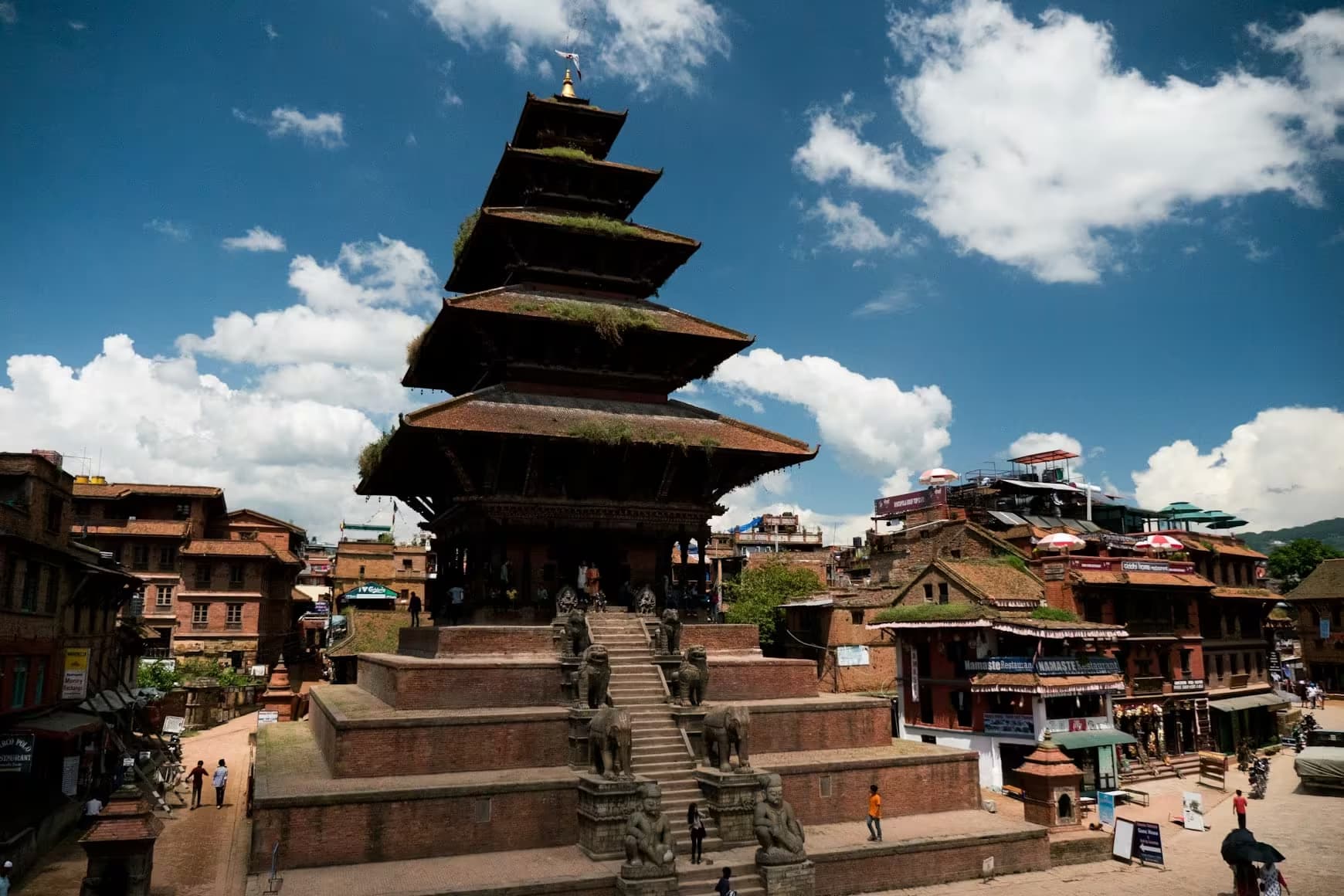
A guide to Nepal's most powerful spiritual sites — from Hindu temples and Buddhist monasteries to sacred mountains and meditation retreats, with a suggested 2-week pilgrimage route.
Planning this visit? Local operators publishing trips here can arrange it.
Elsewhere in this region
 Destination
Chitwan National Park
- Sacred Site
Great Lotus Stupa (German Monastery)
- Sacred Site
Cambodian Monastery, Lumbini
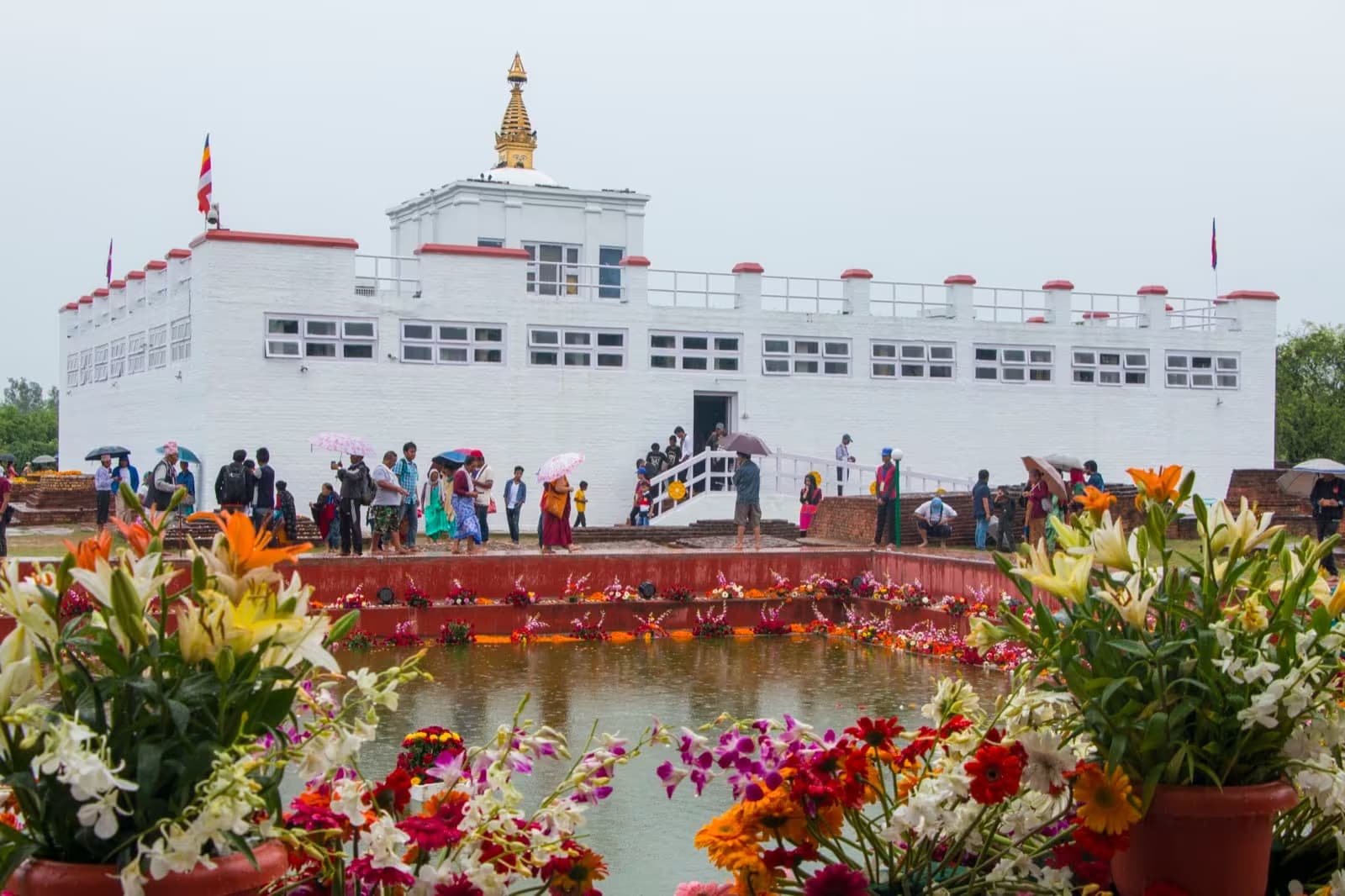 Festival
Buddha Jayanti (Buddha Purnima)
 Sacred Site
Tilaurakot (Ancient Kapilvastu)
- Sacred Site
Royal Thai Buddhist Monastery, Lumbini
- Sacred Site
Zhong Hua Chinese Buddhist Monastery
- Sacred Site
Korean Buddhist Temple, Dae Sung Shakya Sa
- Sacred Site
Sri Lankan Monastery, Lumbini
- Sacred Site
Myanmar Golden Temple (Lokamani Pula Pagoda)
- Sacred Site
World Peace Pagoda, Lumbini
 Guide
GuideNepal Pilgrimage Itinerary: Pashupatinath, Lumbini, Janakpur & Muktinath
 Guide
GuideBuddhist Pilgrimage in Nepal: Lumbini, Boudhanath, Swayambhunath & Monasteries
 Guide
GuideLumbini: Complete Guide to Buddha's Birthplace in Nepal
 Guide
GuideA Spiritual Journey Through Nepal: Temples, Monasteries & Sacred Landscapes
- festival_element
Siddhartha Gautama
- festival_element
Dawn Prayers at the Maya Devi Temple
Help us get it right
Know Lumbini — Birthplace of Buddha better than we do?
We write from research and reporting, and the ground changes faster than we can keep up. If something here is out of date, or you have been and would tell it differently, we would rather hear it.