Born in Nepal
Siddhartha Gautama was born at Lumbini, in the Terai, to the ruling family of the Shakya clan, whose seat was at nearby Tilaurakot — identified with the Kapilavastu of the accounts, where he spent his early life. The Ashoka Pillar at Lumbini, inscribed in the third century BCE to record the emperor's visit to the birthplace, is the earliest surviving epigraphic attestation of the site and the foundation of Nepal's claim to it.
The Departure
The narrative turns on what the accounts call the four sights. Kept within the palace grounds and shielded from any glimpse of suffering, Siddhartha goes out and encounters in turn an old man, a sick man, a corpse, and a wandering ascetic — old age, illness and death, and then the possibility of a response to them. He leaves at twenty-nine, abandoning his household, his wife Yashodhara and his infant son Rahula, and takes up the life of a renunciant.
The Middle Way
Six years of severe asceticism follow, pressed to the point of near-starvation, and are abandoned as fruitless — the basis of the middle way between indulgence and mortification that becomes central to his teaching. He then sits under a tree at Bodh Gaya and does not rise until he has understood; what he understands is set out as the four noble truths and the eightfold path. From that point he is the Buddha — "the awakened one", a title and not a name.
The Triple Anniversary
Birth, awakening and parinirvana are all placed on the full moon of Baisakh, which is why one day carries all three. Nepal's connection is to the first: the birth is the event that happened here, and Lumbini is where it is marked.
Note
The historical and the traditional accounts are not identical, and scholars differ on dating and on how much of the palace narrative is later elaboration. The traditional account is what the festival observes, and it is given here as such.
Related Places & Sites
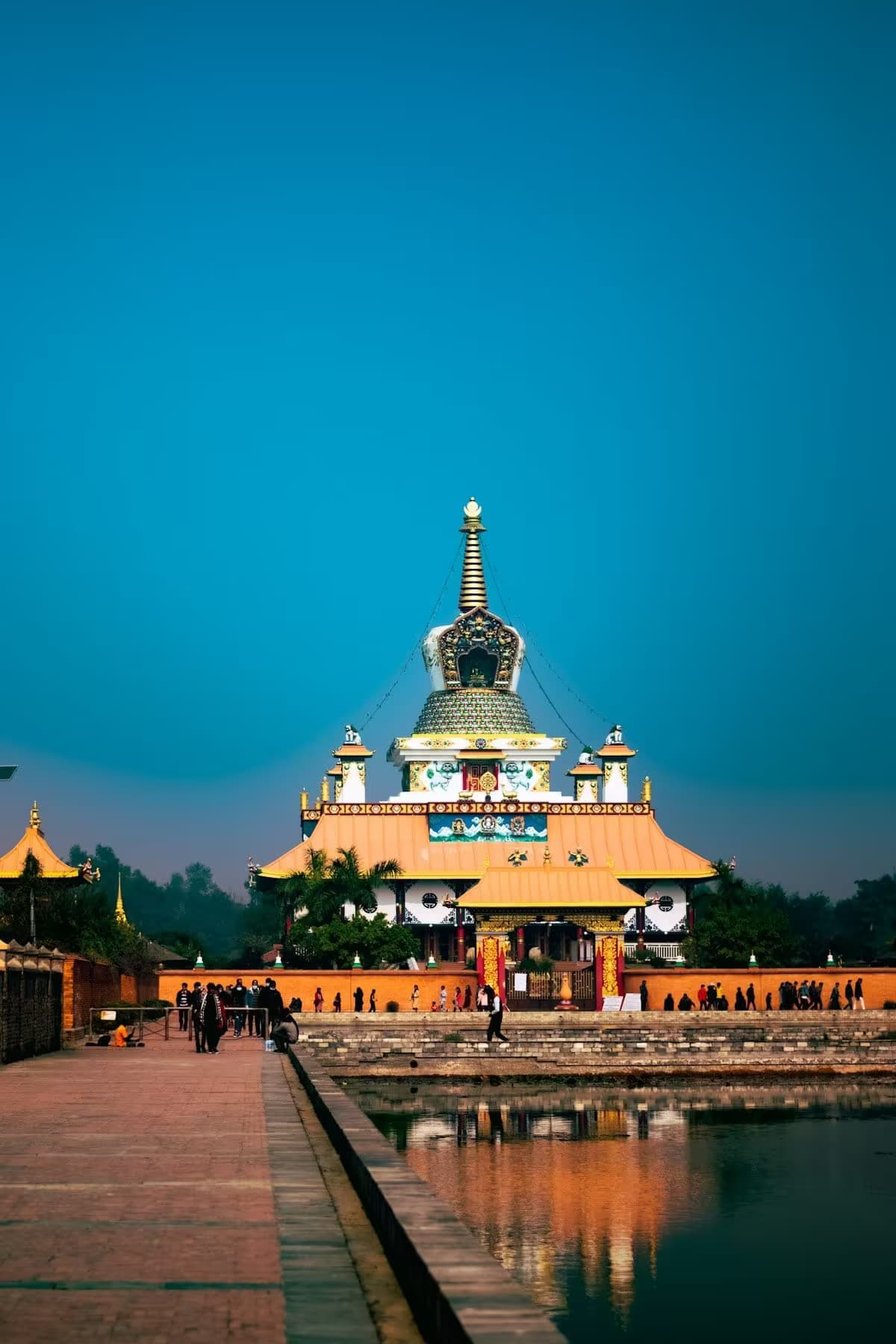
sacred site
Lumbini — Birthplace of BuddhaHis birthplace, and the reason Nepal's claim on the day is particular rather than shared
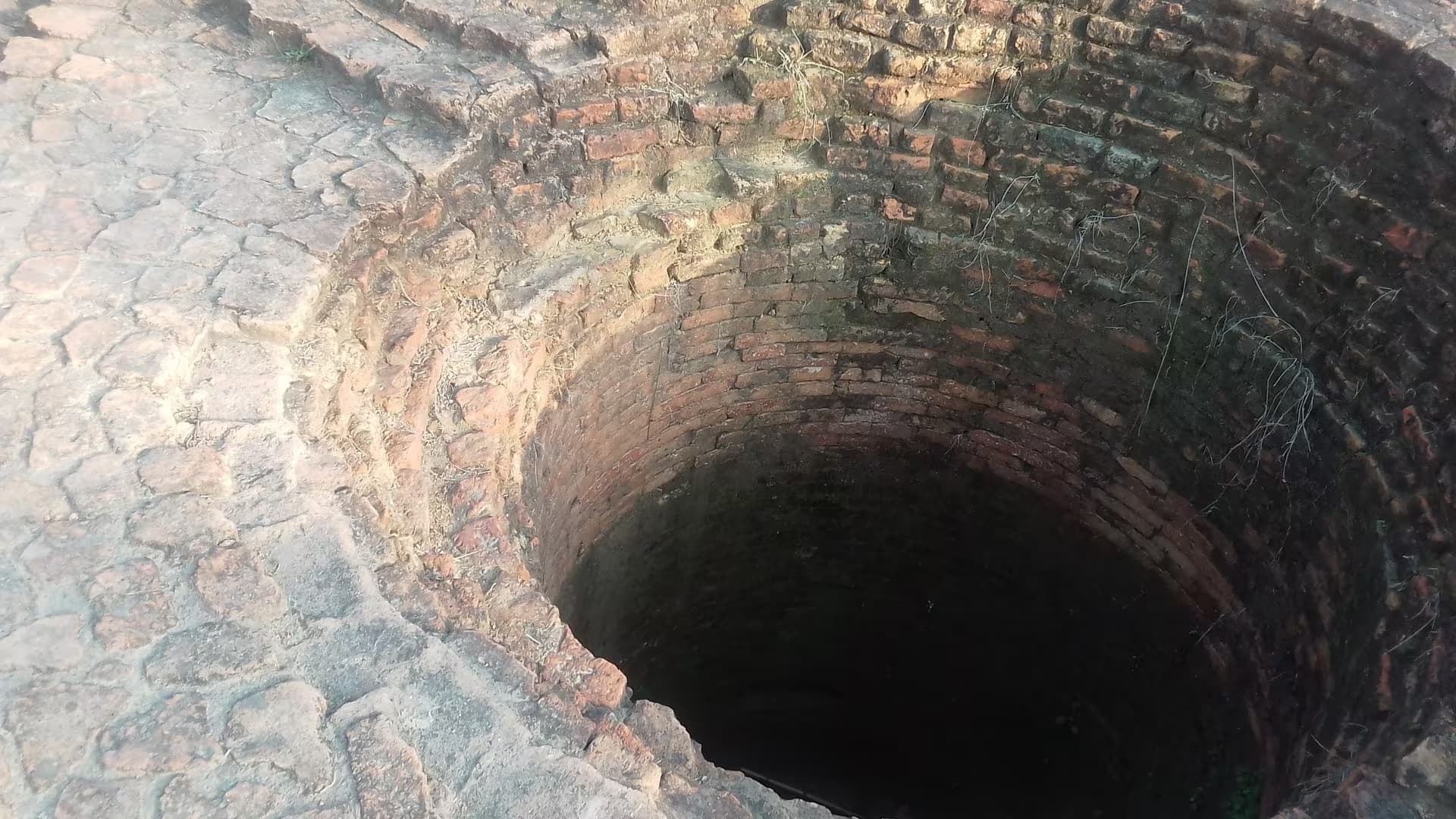
sacred site
Tilaurakot (Ancient Kapilvastu)Identified with the Kapilavastu of the accounts, where he is said to have spent his early life
Part of Buddha Jayanti (Buddha Purnima)