Shrine · Buddhist
Tilaurakot (Ancient Kapilvastu)
तिलौराकोट
Ancestral home of Siddhartha Gautama (Buddha); Shakya kingdom capital·8th century BCE – early centuries CE (Shakya kingdom capital)·Kapilvastu
The archaeological remains of the ancient Shakya kingdom's capital — where Prince Siddhartha Gautama grew up before renouncing palace life, 27 km west of Lumbini in Kapilvastu district.
Dedicated to
Ancestral home of Siddhartha Gautama (Buddha); Shakya kingdom capital
Period
8th century BCE – early centuries CE (Shakya kingdom capital)
Hours
09:00 – 17:00 (site museum may close earlier)
Admission
Local 200 · USD 3
Neighborhood
27 km west of Lumbini
Tilaurakot, in Kapilvastu district about 27 kilometres west of Lumbini, is widely identified by Nepali and international archaeologists as the site of ancient Kapilavastu — the capital of the Shakya kingdom where Prince Siddhartha Gautama grew up and from which he departed at the age of 29 to begin his spiritual quest. The identification rests on the accounts of the Chinese Buddhist pilgrims Faxian (5th century CE) and Xuanzang (7th century CE), both of whom described the city's layout, as well as successive archaeological campaigns — most importantly the P. C. Mukherjee survey of 1899 and the extensive Durham University / Nepal Department of Archaeology excavations from 2014 onwards, which uncovered stratified remains reaching back to the 8th century BCE.
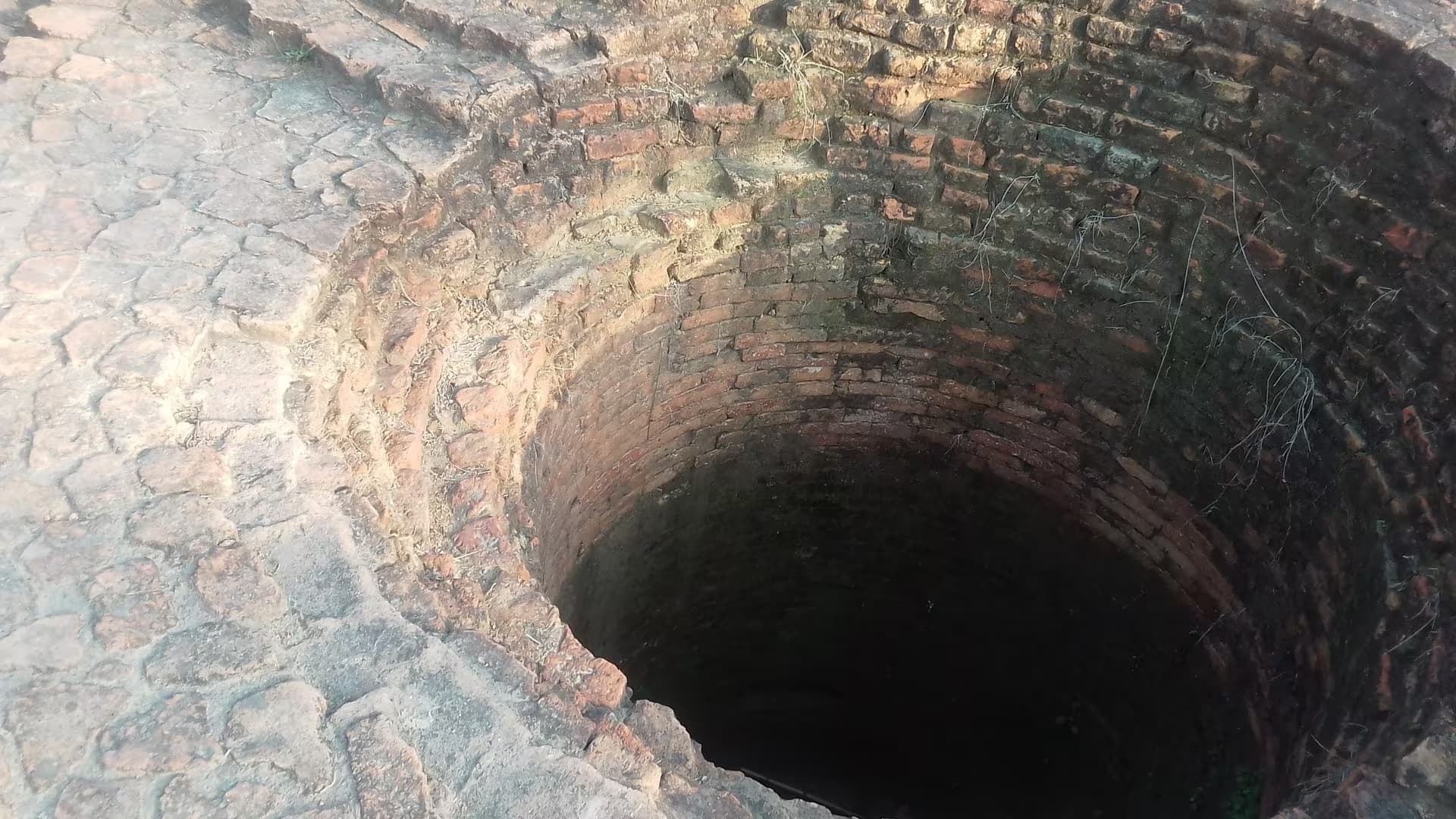
The excavated site covers a rectangular walled city measuring roughly 500 × 400 metres, surrounded by a brick rampart, a moat, and four gateways aligned to the cardinal directions. Inside, visitors can walk among the exposed foundations of ancient palace structures, wells, votive stupas, and residential compounds, laid out along a carefully planned grid. The Eastern Gate, traditionally identified as the Mahabhiniṣkramaṇa Dvara ("Gate of the Great Renunciation") through which Siddhartha is said to have left his father's palace for the last time, is the site's most evocative location.
A small site museum near the entrance displays pottery, terracotta figurines, coins and inscriptions recovered from the excavations. The surrounding landscape — sal forest and open fields — is calm and sparsely visited, and Tilaurakot is now on Nepal's UNESCO World Heritage tentative list. Best reached by taxi or hired car from Lumbini on a half-day trip; morning visits are coolest.
Coda
Continue the Pilgrimage
Guides that feature this place
- Regional10 min
Lumbini: Complete Guide to Buddha's Birthplace in Nepal
Everything you need to plan a visit to Lumbini — the birthplace of Siddhartha Gautama (Buddha), a UNESCO World Heritage Site in southern Nepal. How to get there, what to see, where to stay, and the best time to visit.
- Regional8 min
Buddhist Pilgrimage in Nepal: Lumbini, Boudhanath, Swayambhunath & Monasteries
A Buddhist pilgrimage guide to Nepal covering Lumbini, Boudhanath, Swayambhunath, Namo Buddha, Tilaurakot, Tibetan monasteries, Newar bahals, etiquette, and festival timing.
Planning this visit? Local operators publishing trips here can arrange it.
Elsewhere in this region
Help us get it right
Know Tilaurakot (Ancient Kapilvastu) better than we do?
We write from research and reporting, and the ground changes faster than we can keep up. If something here is out of date, or you have been and would tell it differently, we would rather hear it.