The Offering
Small lamps — traditionally butter, now often vegetable oil — are lit and set in rows in the lamp-houses and along the terraces at Boudhanath and Swayambhunath. Anyone may light one; they are sold at the stupas for a few rupees, and lighting a lamp from a neighbour's flame is the ordinary way to start.
What It Means
Light offered before an image or a stupa stands for the dispelling of ignorance — the specific obstacle that Buddhist practice concerns itself with, as distinct from sin or impurity. The offering is made for the benefit of all beings rather than for the person making it, and that dedication is what the accompanying recitation says. It is a small act with a large formula attached, and it is the most accessible of the day's practices: no knowledge, no affiliation, no ritual competence required.
The Two Stupas
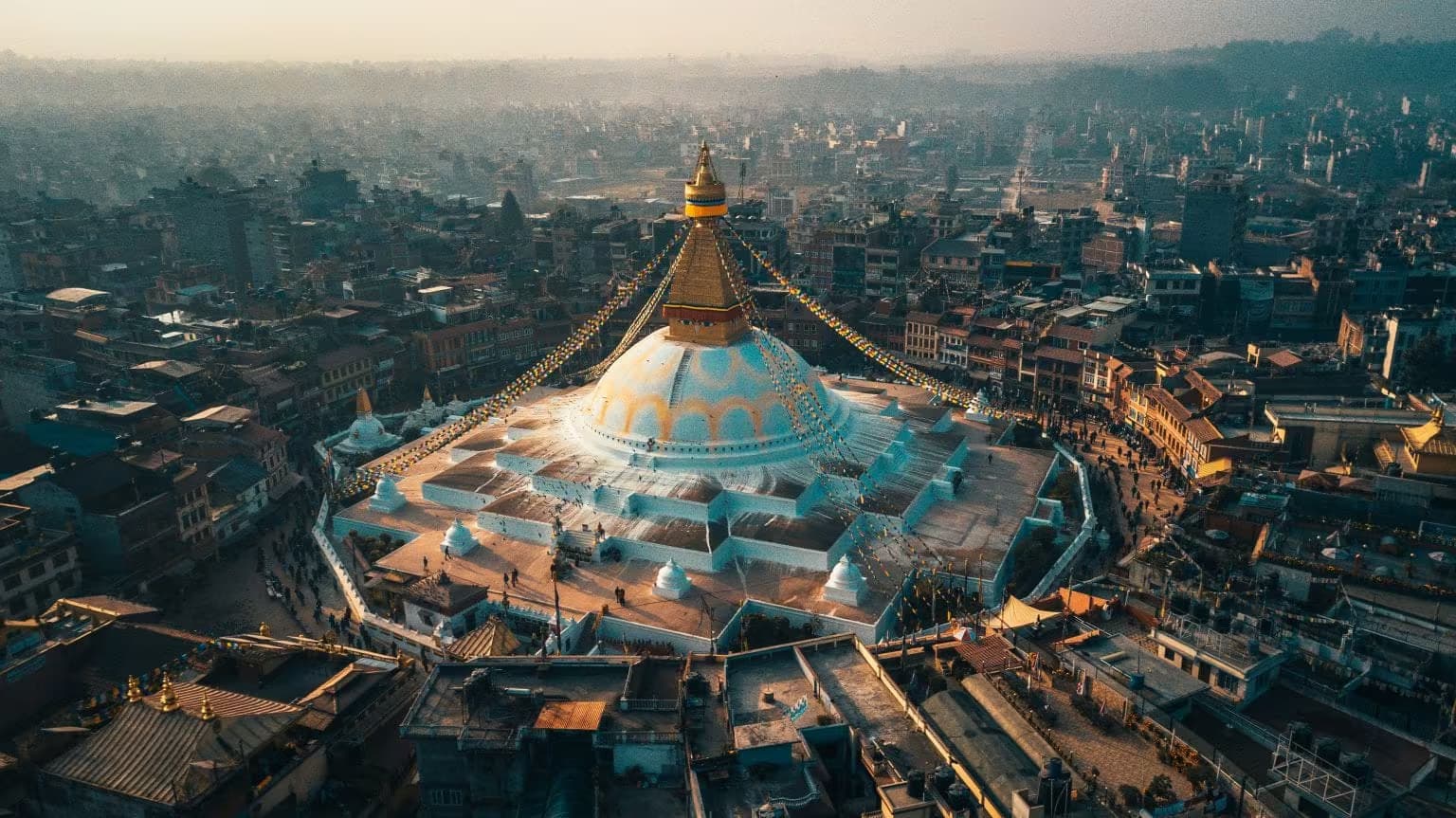
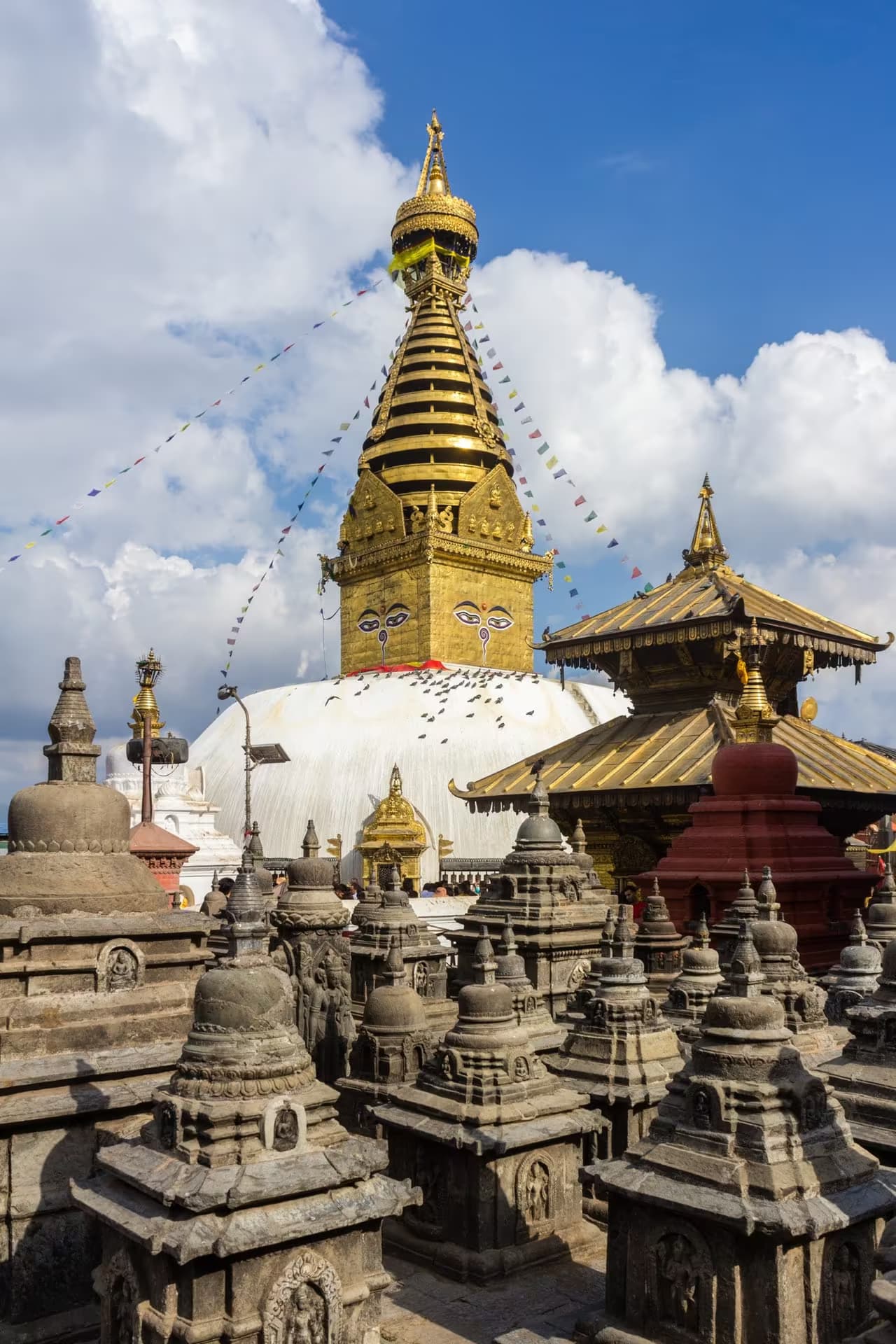
Boudhanath is the larger and the more Tibetan in character, and its vast white dome ringed with lamps under the painted eyes is the image that carries the day in Kathmandu. Swayambhunath, on its hill west of the city, is older, steeper and more mixed — Hindu shrines stand within the Buddhist complex, and the crowd reflects it. Both fill after dark; Boudhanath's circular kora around the dome moves continuously and is easy to join at any point, always clockwise.
Timing
Lamps are lit through the evening and the stupas look their best well after sunset, which makes this the one part of Buddha Jayanti that does not require an early start. Boudhanath is at its fullest in the hour or two after dark. Wind takes lamps constantly; relighting a neighbour's guttered lamp as you pass is normal and welcome.
Related Places & Sites
sacred site
Boudhanath StupaThousands of lamps are lit around the dome through the evening — the day's defining image in Kathmandu
sacred site
SwayambhunathThe second focus of lamp offerings in the Valley, where Hindu and Buddhist shrines share one hilltop
Part of Buddha Jayanti (Buddha Purnima)