Parsa National Park
The forested eastern extension of the Chitwan landscape — sal forest and Churia hills holding wild elephants, tigers and sloth bears, with almost no crowds.
- Altitude
- 300 m
- Coordinates
- 27.300°, 84.750°
Current Weather
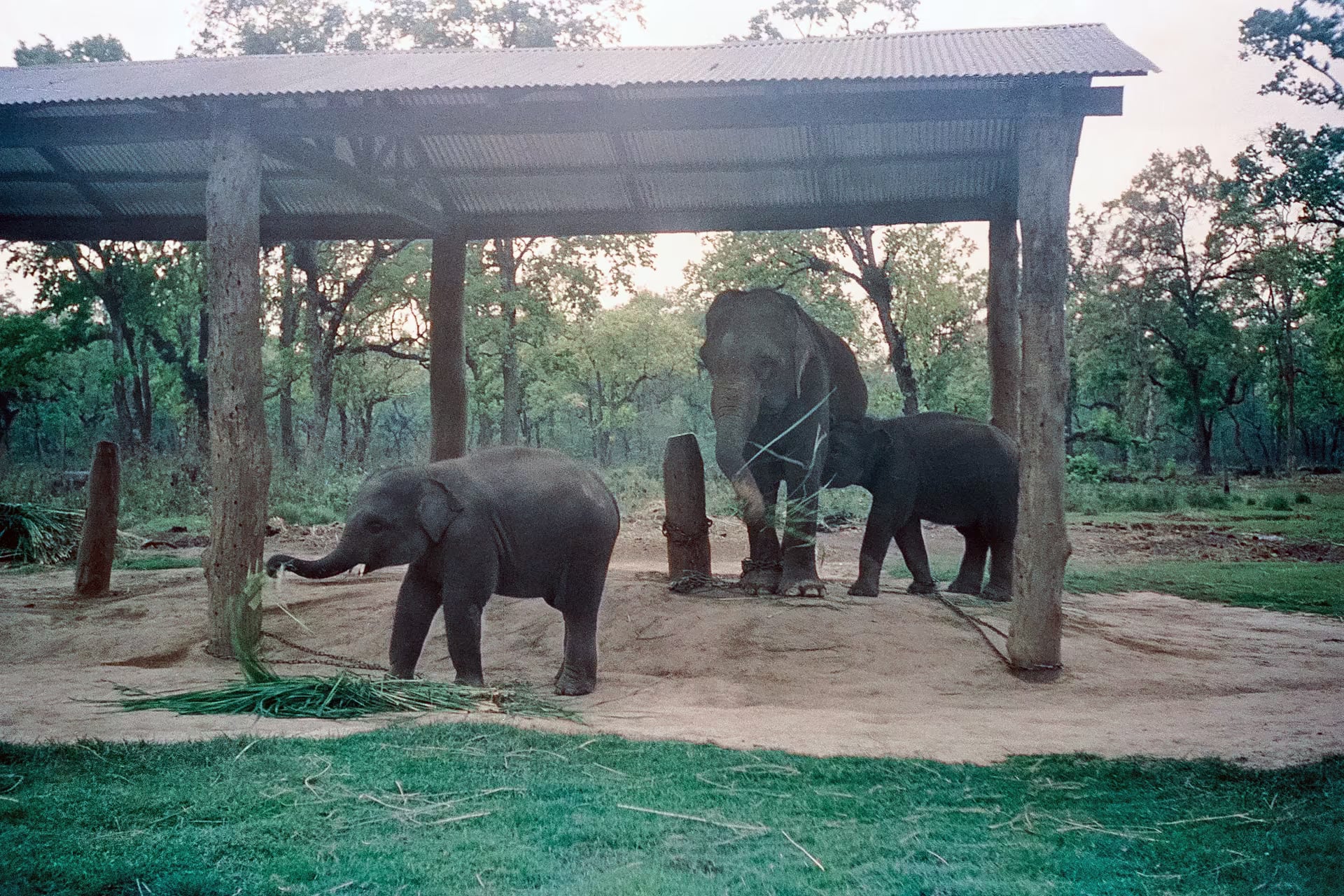
Parsa National Park covers 627 square kilometres of the inner Terai east of Chitwan, protecting the largest stretch of continuous forest in central lowland Nepal. First set aside as a wildlife reserve in 1984 to safeguard habitat for wild elephants, it was upgraded to national park status in 2017.
The park is contiguous with Chitwan National Park, and the two together form the core of the Chitwan-Parsa landscape, allowing tigers, rhinos and elephants to move across a much larger range than either park could support alone. Parsa's terrain is dominated by sal forest and the rugged Churia hills, with grassland and riverine forest along its watercourses. Wildlife includes Bengal tiger, wild elephant, sloth bear, leopard, gaur and over 500 species of bird.
Despite its size and the quality of its habitat, Parsa receives a tiny fraction of Chitwan's visitors, so a safari here is a solitary experience — jeep drives and walks through forest with little sign of other tourists.
The park headquarters lies near the East–West Highway, and Birgunj is the nearest city and transport hub. The dry months from October to March offer the best wildlife viewing and the most comfortable conditions.
Location
Planning this trip? Local operators publishing trips here can arrange it.
Help us get it right
Know Parsa National Park better than we do?
We write from research and reporting, and the ground changes faster than we can keep up. If something here is out of date, or you have been and would tell it differently, we would rather hear it.