Shuklaphanta National Park
A vast grassland wilderness in Nepal's far southwest, home to the world's largest population of swamp deer and a growing number of Bengal tigers.
- Altitude
- 174 m
- Coordinates
- 28.820°, 80.165°
Current Weather
Shuklaphanta National Park protects 305 square kilometers of grassland, forest, and wetland in the southwestern corner of Nepal, bordering India's Uttar Pradesh. The park is named after the Phanta — vast stretches of fantail grass (Saccharum spontaneum) that turn silver-white in autumn, creating a surreal, shimmering landscape.
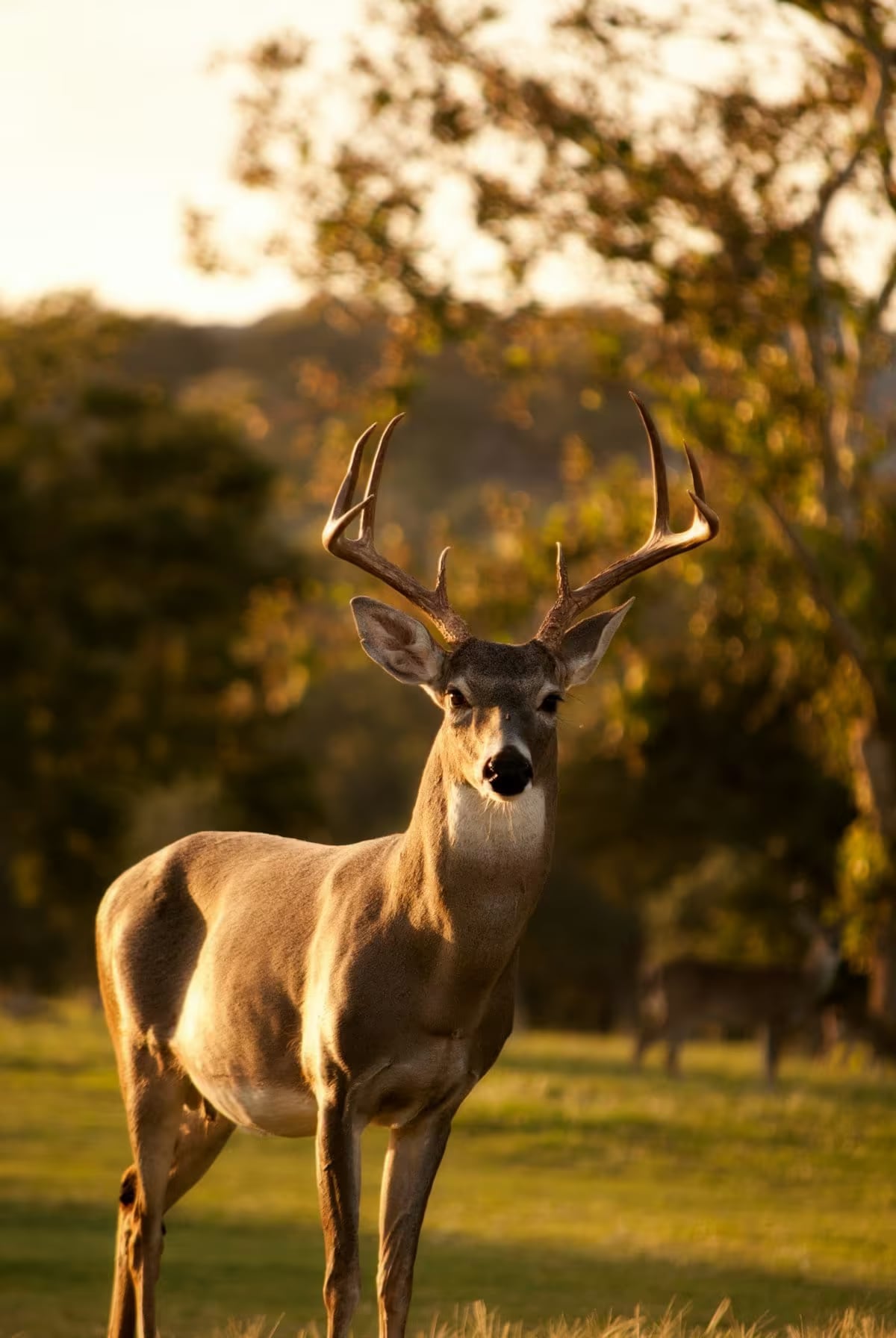
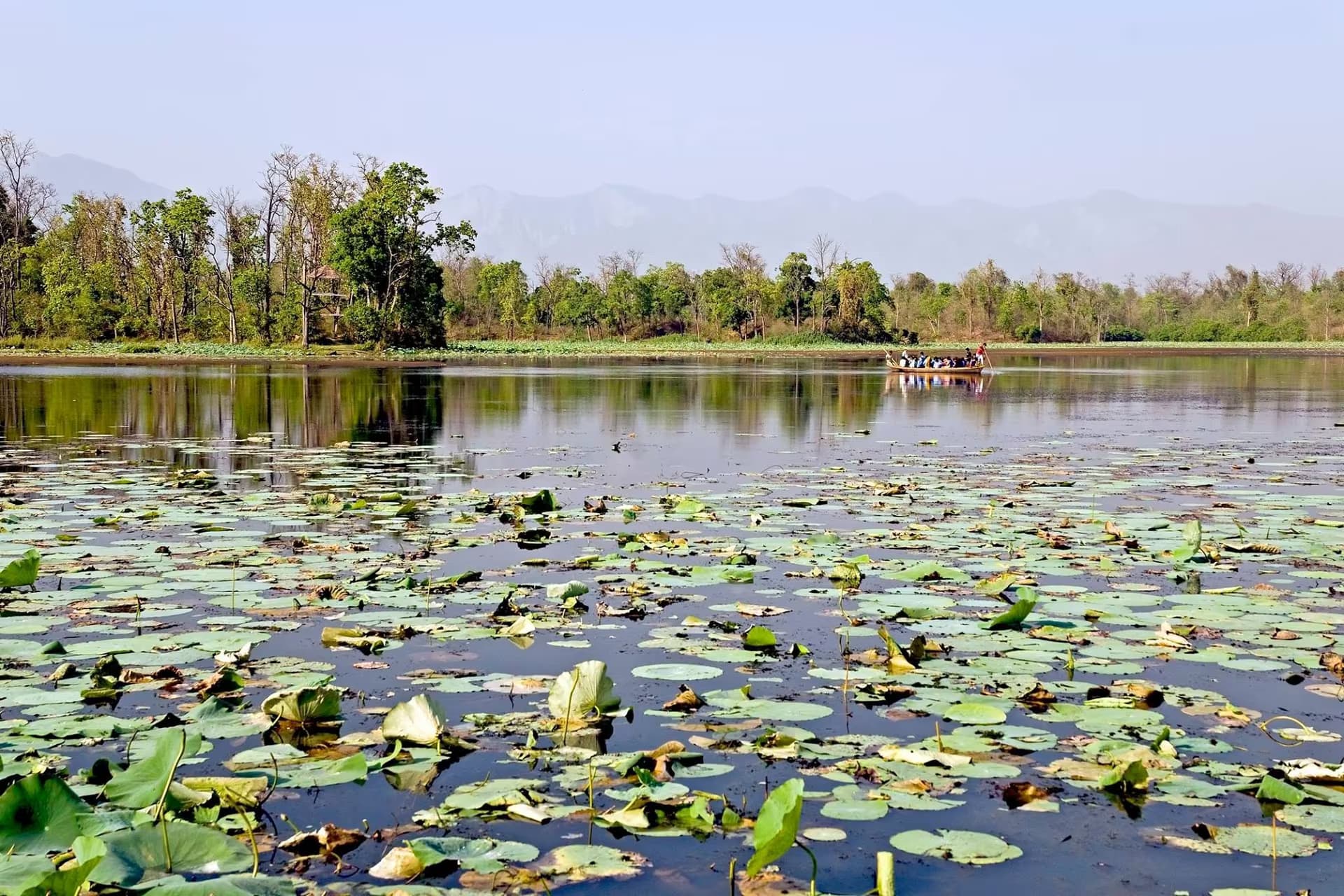
Shuklaphanta holds the world's largest population of swamp deer (barasingha), with over 2,000 animals grazing on the open phantas. The park also supports a growing population of Bengal tigers (around 36), one-horned rhinos reintroduced from Chitwan, wild elephants, leopards, and sloth bears. The Rani Tal lake and surrounding wetlands attract over 400 bird species.
Jeep safaris across the phantas at dawn offer some of Nepal's most dramatic wildlife viewing — herds of hundreds of swamp deer against a backdrop of tall grass and sal forest, with the Himalayan foothills visible on clear days. The park is far less commercialized than Chitwan, with only a handful of lodges and a genuine frontier atmosphere.
The nearest airport is Mahendranagar (now Bhimdatta), accessible by daily flights from Kathmandu. The park is also reachable by road from the Mahendra Highway. Despite being one of Nepal's finest wildlife destinations, Shuklaphanta sees only a fraction of Chitwan's visitors.
Location
Planning this trip? Local operators publishing trips here can arrange it.
Elsewhere in this region
Help us get it right
Know Shuklaphanta National Park better than we do?
We write from research and reporting, and the ground changes faster than we can keep up. If something here is out of date, or you have been and would tell it differently, we would rather hear it.