Baruntse
7,129m
A classic 7,129m expedition peak between Makalu and Lhotse — the natural stepping stone for mountaineers graduating from trekking peaks.
Mountain Weather
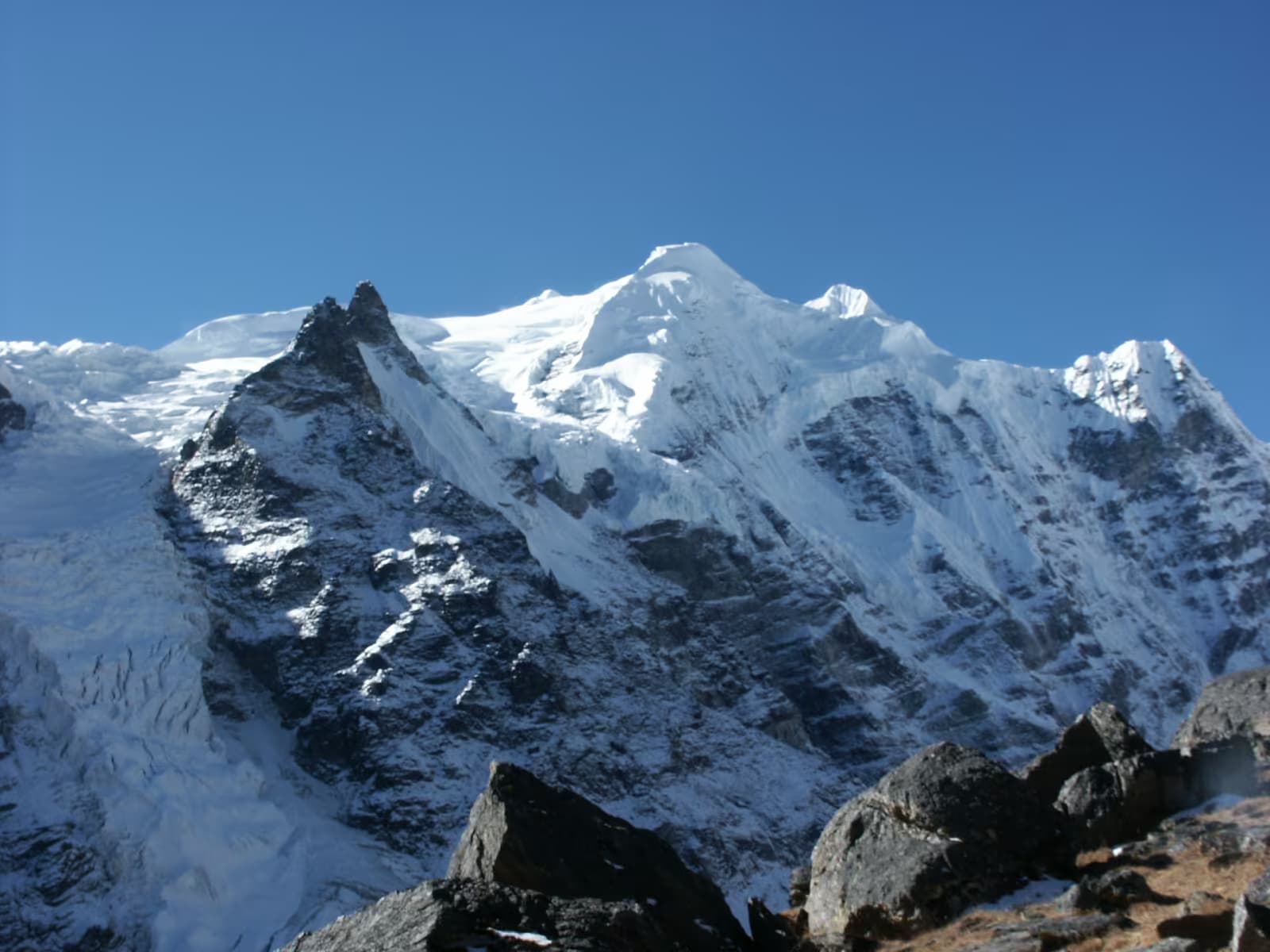
Baruntse (7,129m) is a four-peaked mountain located in the Makalu-Barun region of the Nepal Himalaya, between the massive Lhotse Shar and Makalu massifs. The mountain sits at the convergence of three major glacier systems — the Barun, Imja, and Hunku glaciers — making its summit one of the most panoramic viewpoints in the eastern Himalaya.
First climbed on May 30, 1954 by Colin Todd and Geoff Harrow of a New Zealand expedition led by Sir Edmund Hillary via the south ridge — part of Hillary's systematic exploration of the Barun Valley following the Everest success. Baruntse has since become one of the most popular 'expedition peaks' in Nepal: it requires a full expedition permit (not a trekking peak permit), involves genuine high-altitude expedition logistics, and serves as an ideal objective for mountaineers with prior trekking peak experience who are preparing for 8,000m climbs.
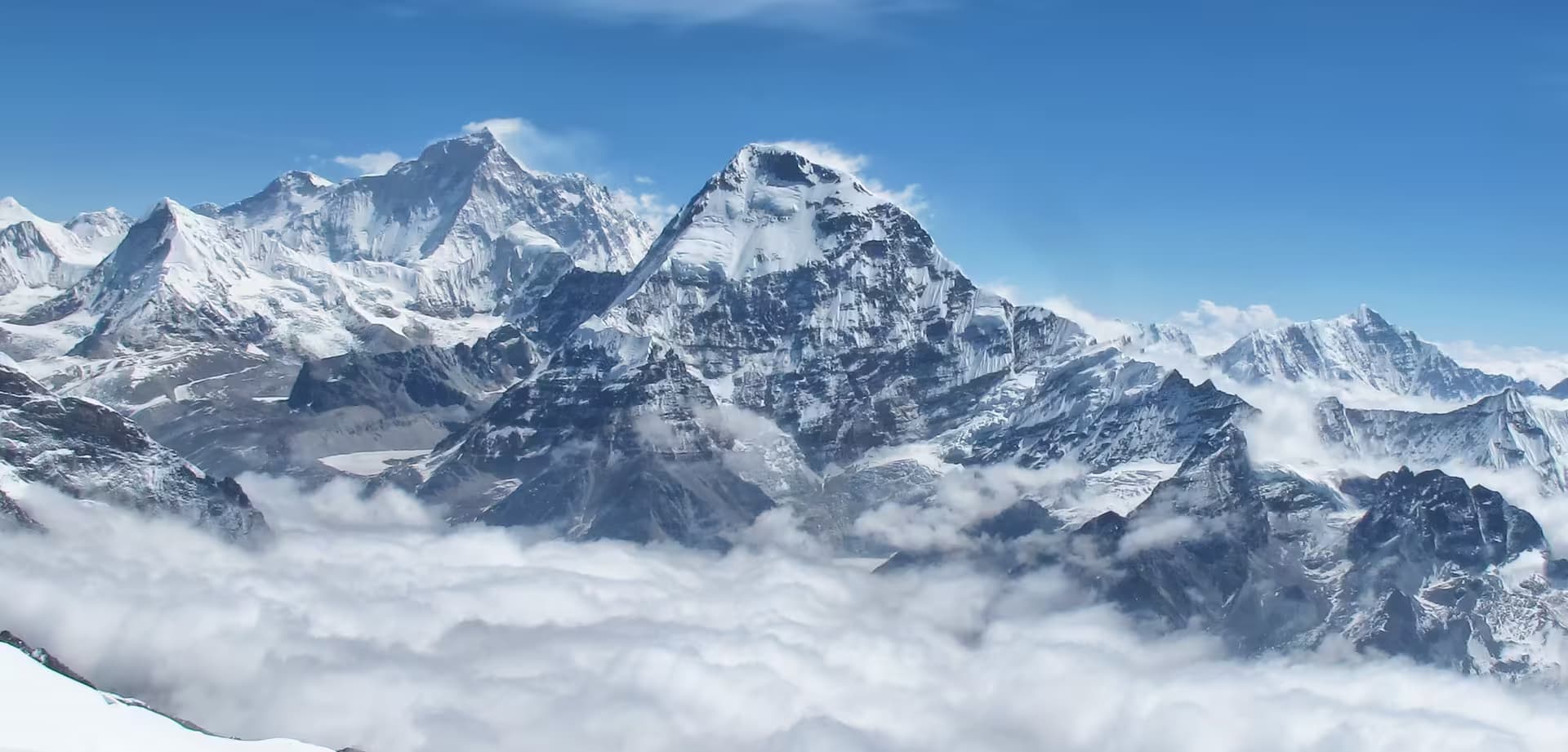
The standard southeast ridge route from the Barun Glacier is graded AD+ to D, involving glacier navigation, moderate ice climbing, and a stunning final ridge to the summit. The climb typically takes 30-40 days from Kathmandu including acclimatization. The summit panorama is considered one of the finest in the Himalaya: Everest, Lhotse, Lhotse Shar, Makalu, Chamlang, and Kangchenjunga are all visible in a 360-degree sweep. The approach through the Makalu-Barun National Park, via the remote and beautiful Barun Valley, is itself a world-class trekking experience. Best seasons: spring (April-May) and autumn (October-November).
Location
Planning this climb? Local operators publishing trips here can arrange it.
Elsewhere in this region
Help us get it right
Know Baruntse better than we do?
We write from research and reporting, and the ground changes faster than we can keep up. If something here is out of date, or you have been and would tell it differently, we would rather hear it.