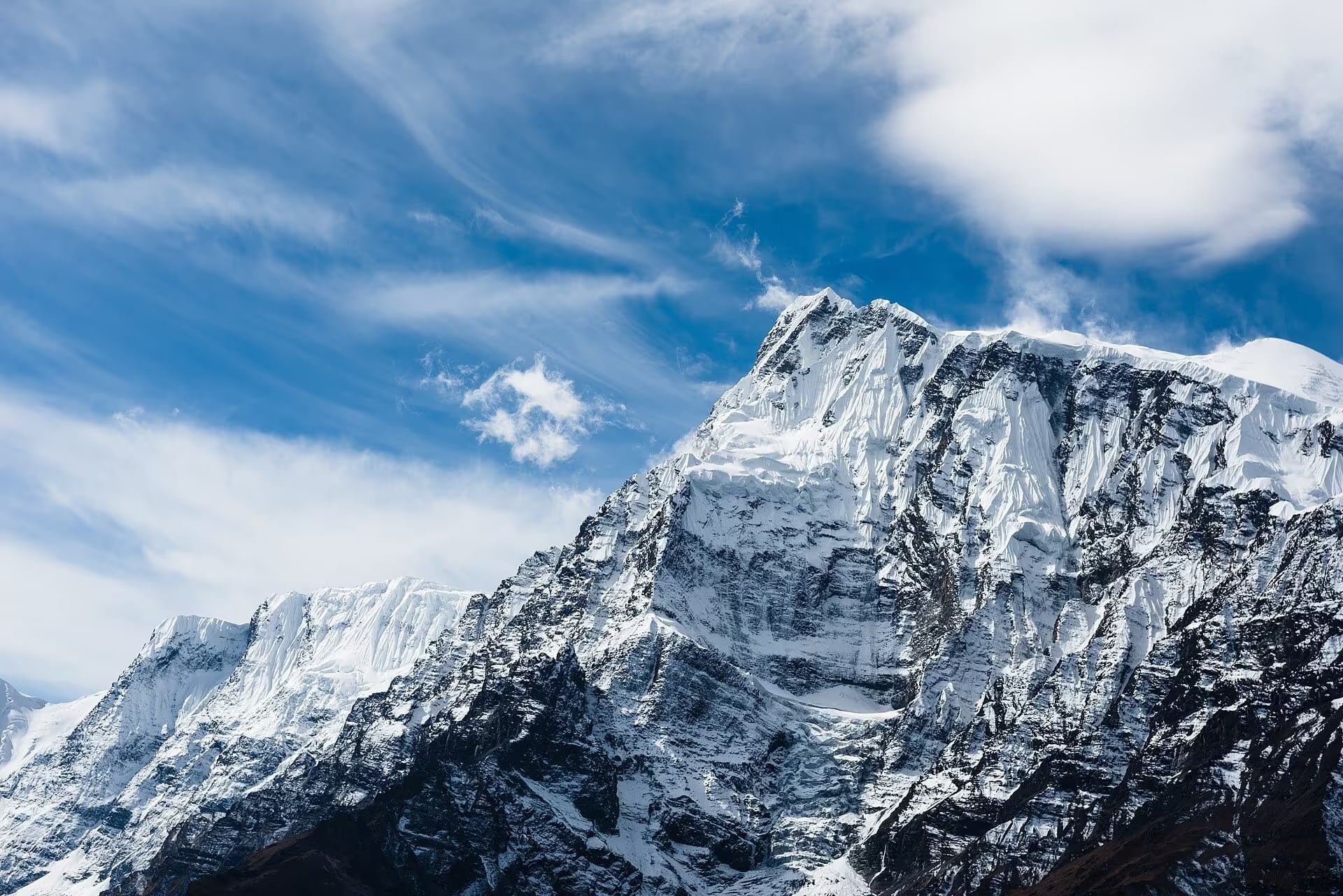
Annapurna Region
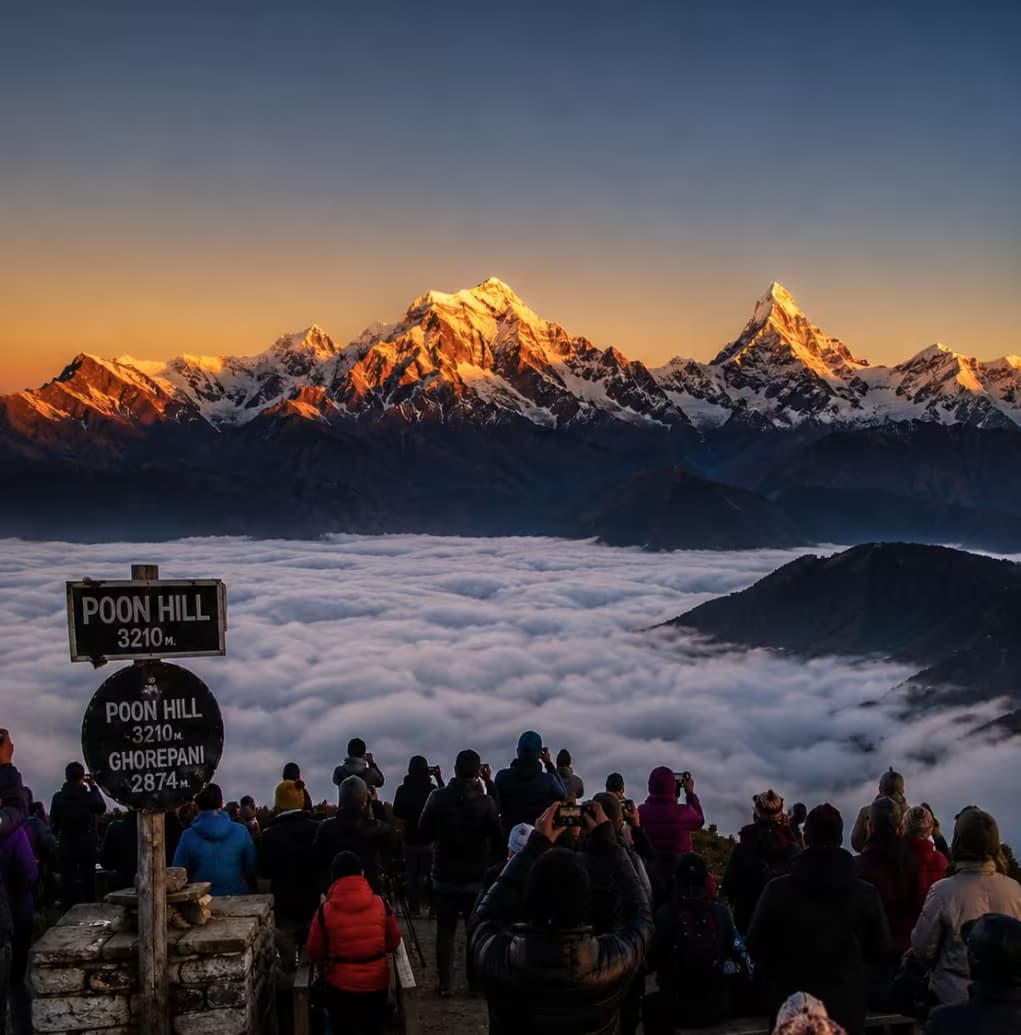
Nepal's most diverse mountain region — from subtropical forests to arid trans-Himalayan valleys, home to Gurung and Thakali cultures beneath an 8,000m wall of ice.
- Altitude
- 5,416 m
- Coordinates
- 28.668°, 84.019°
Current Weather
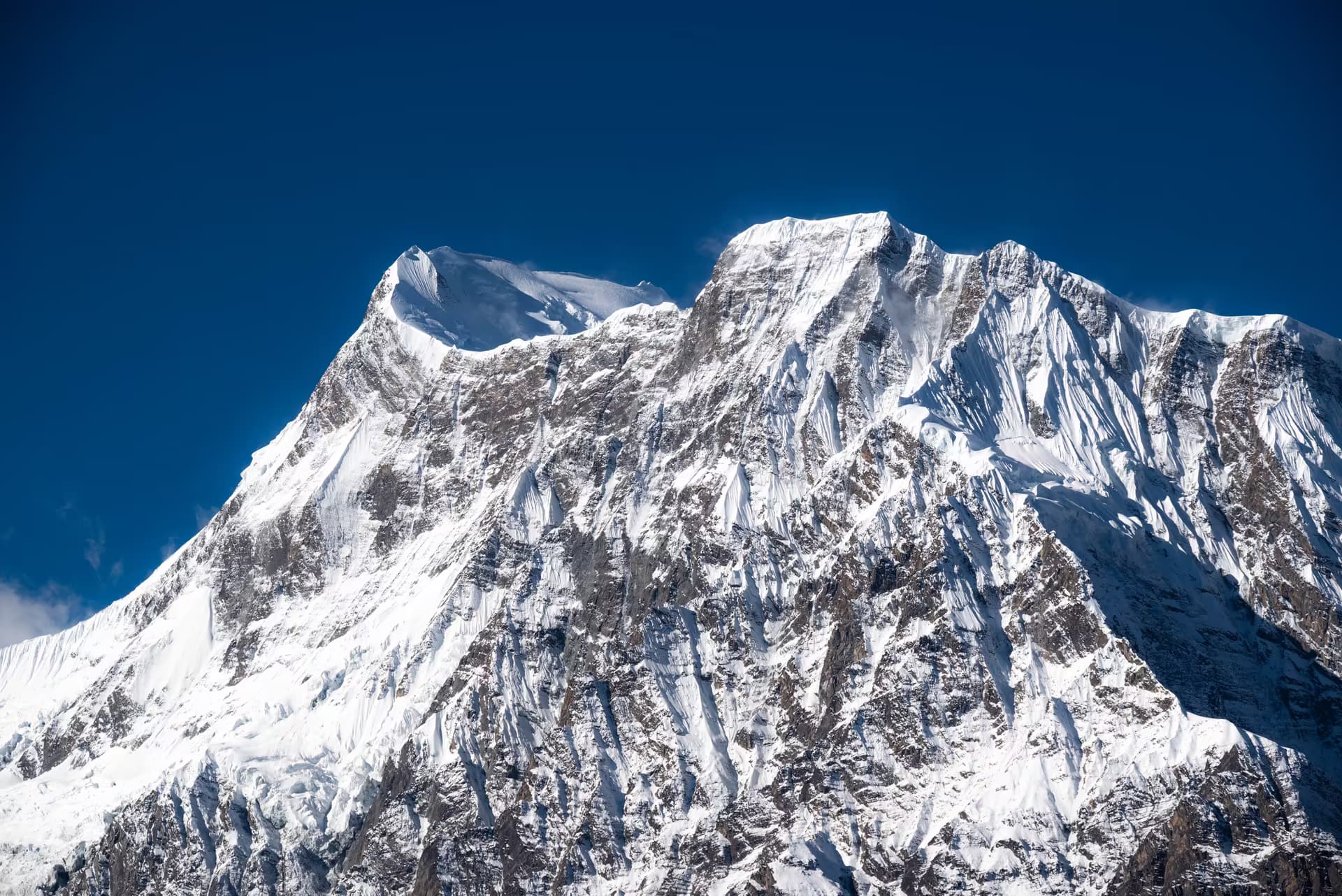
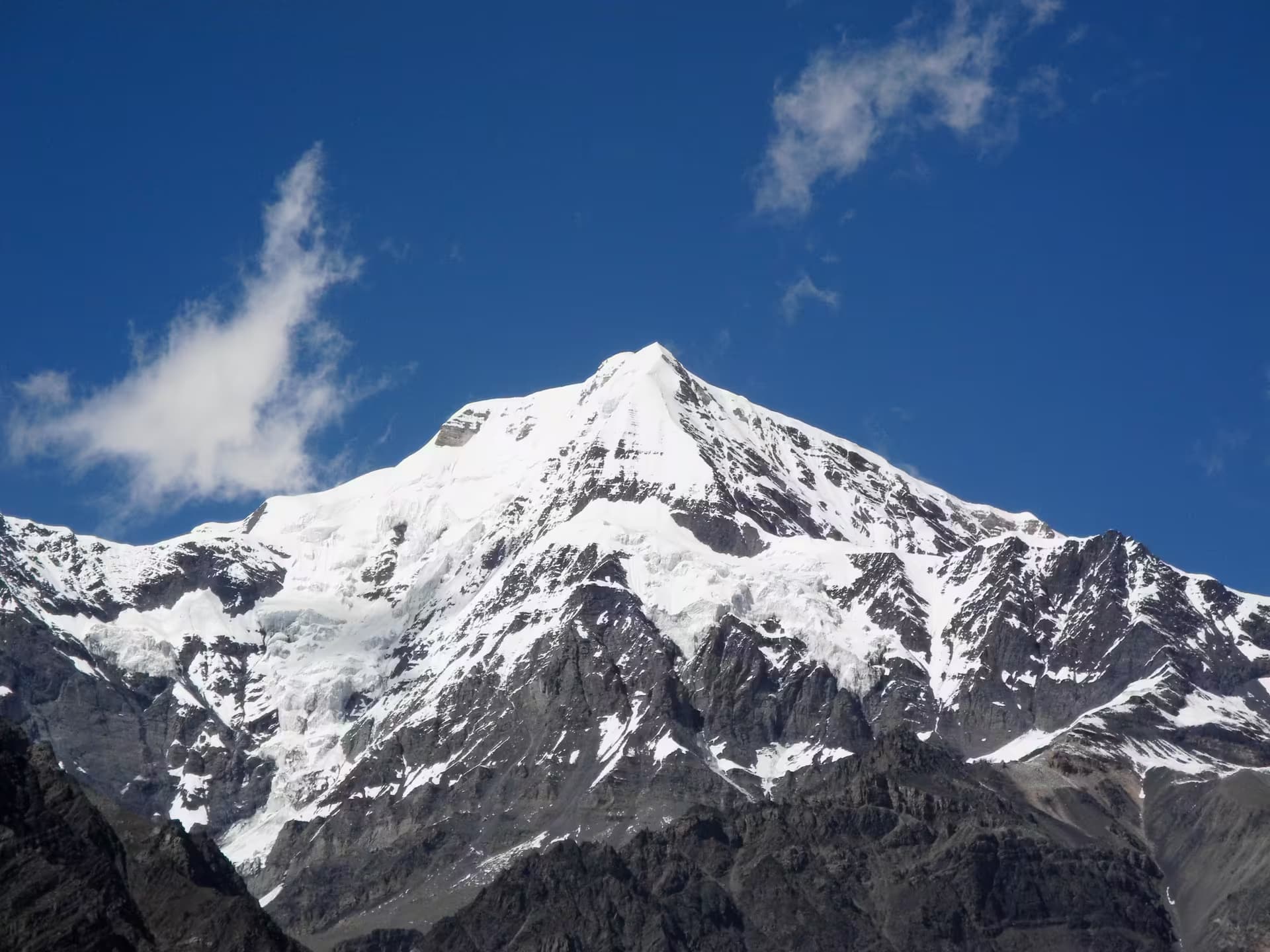
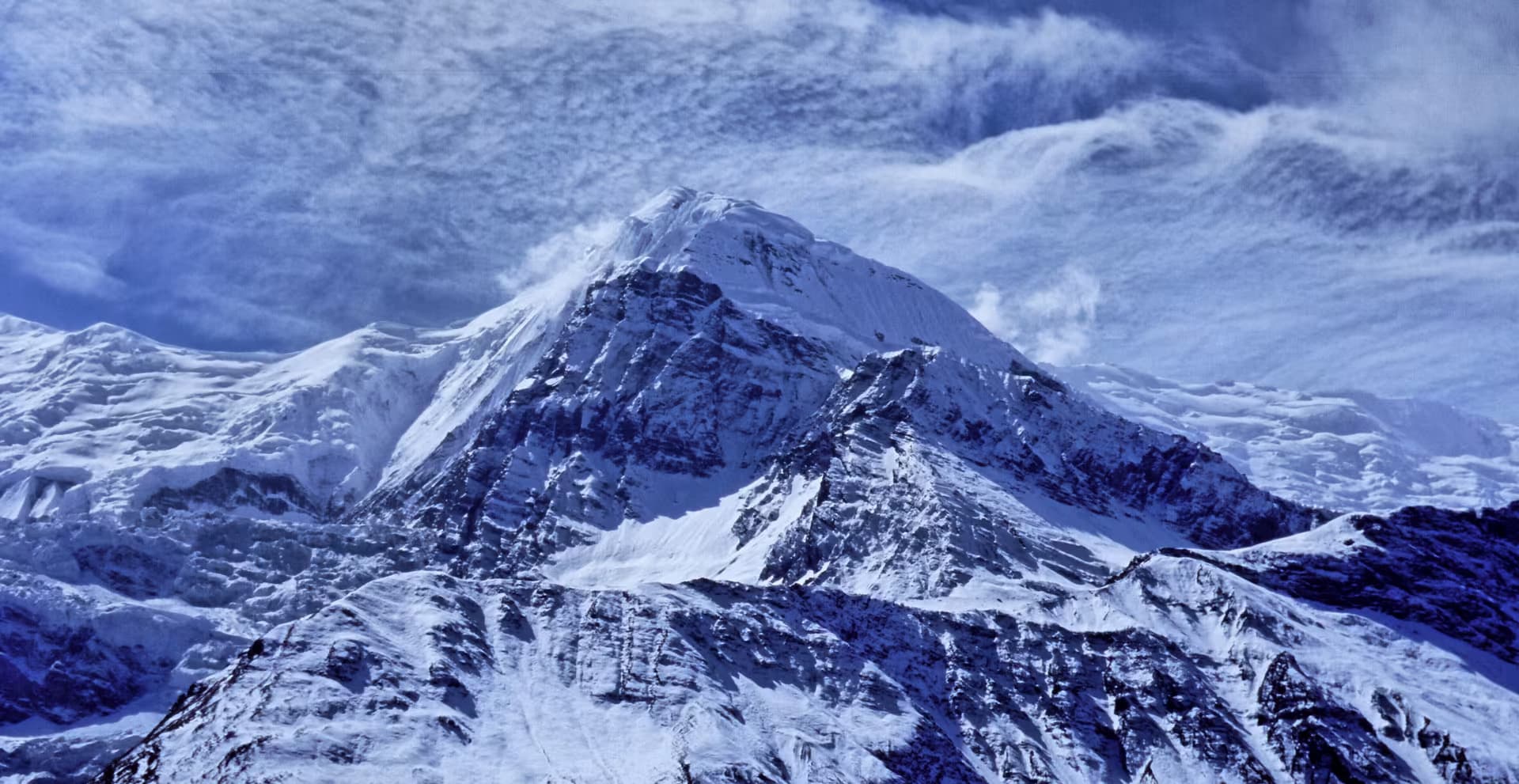
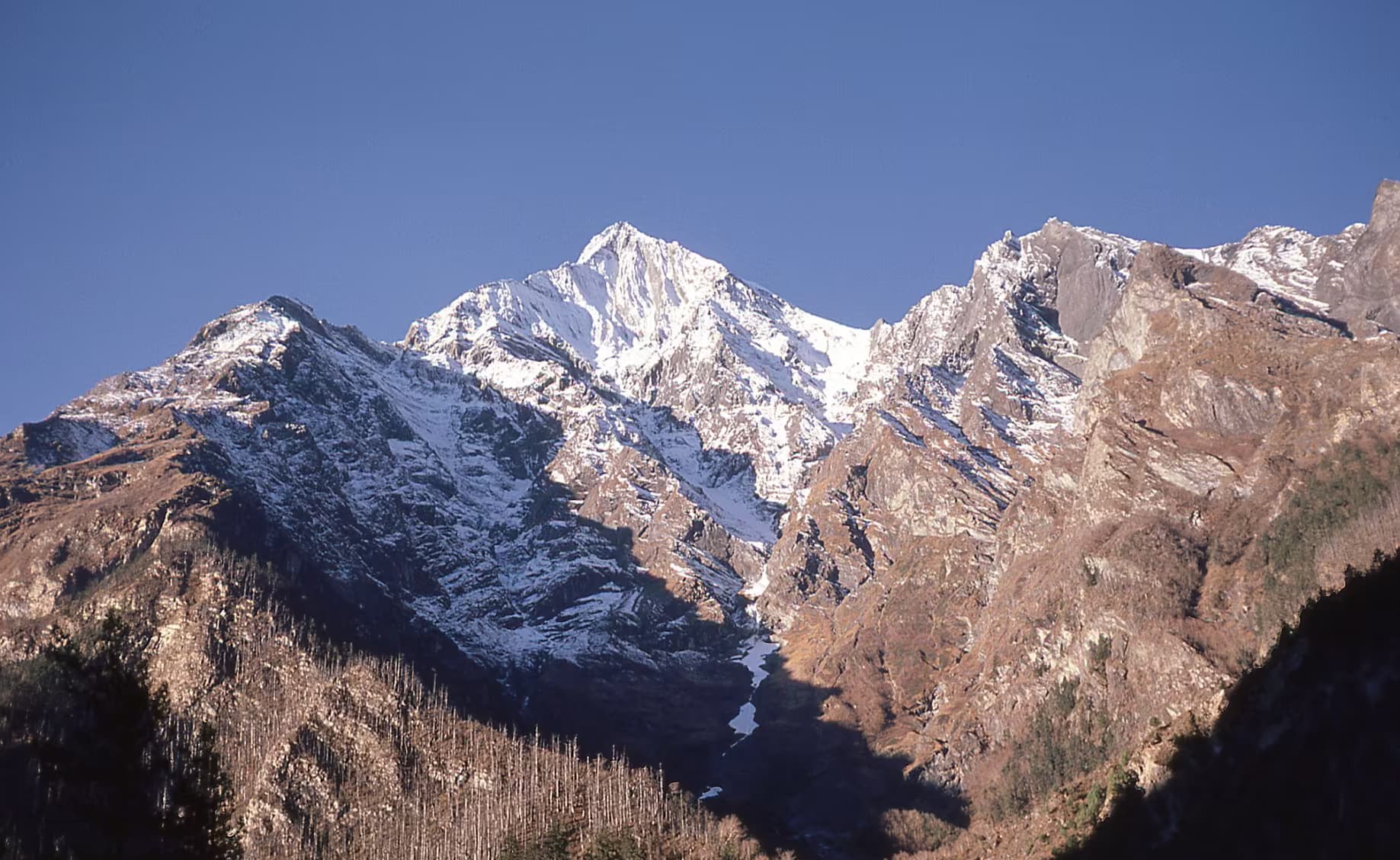
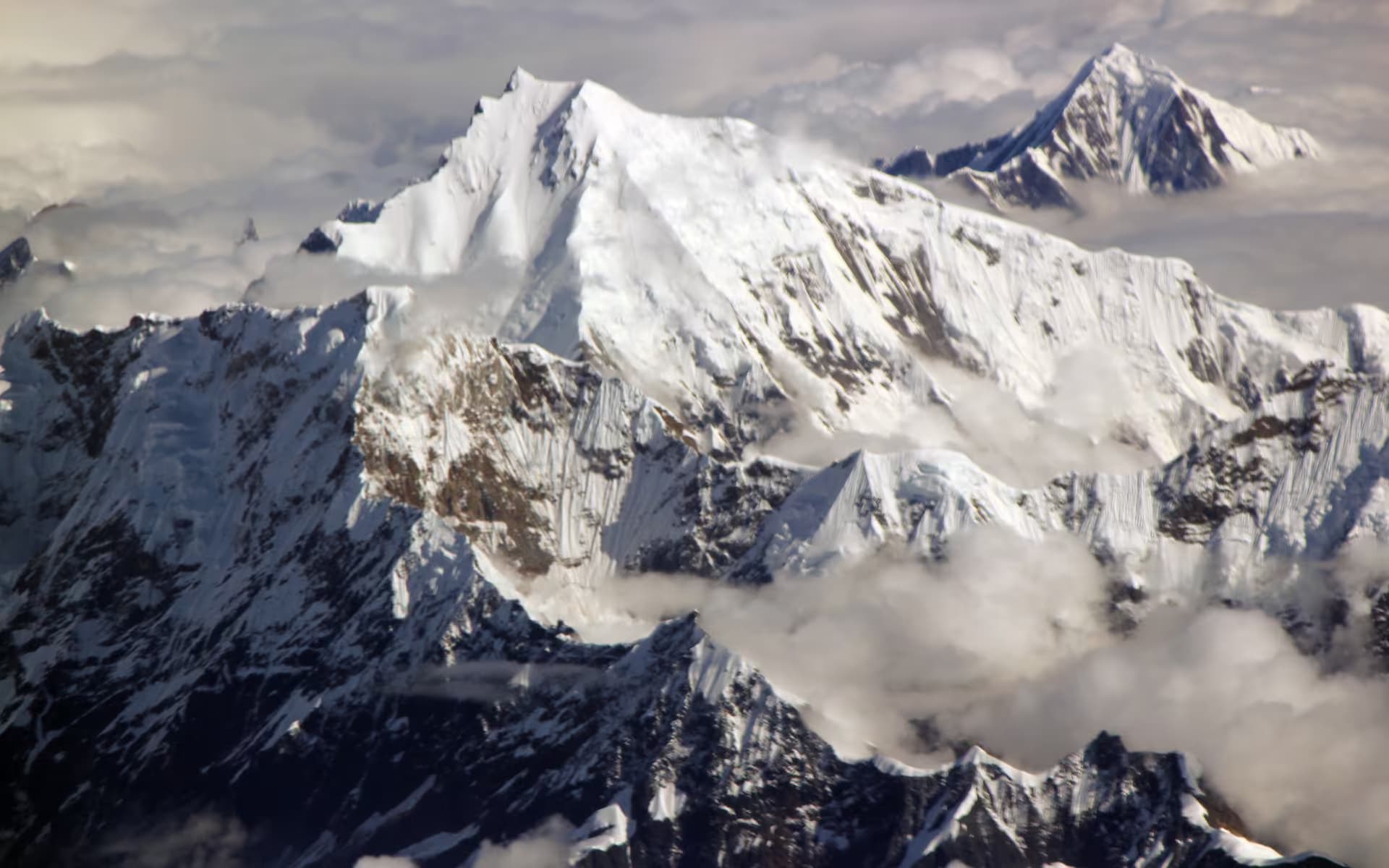
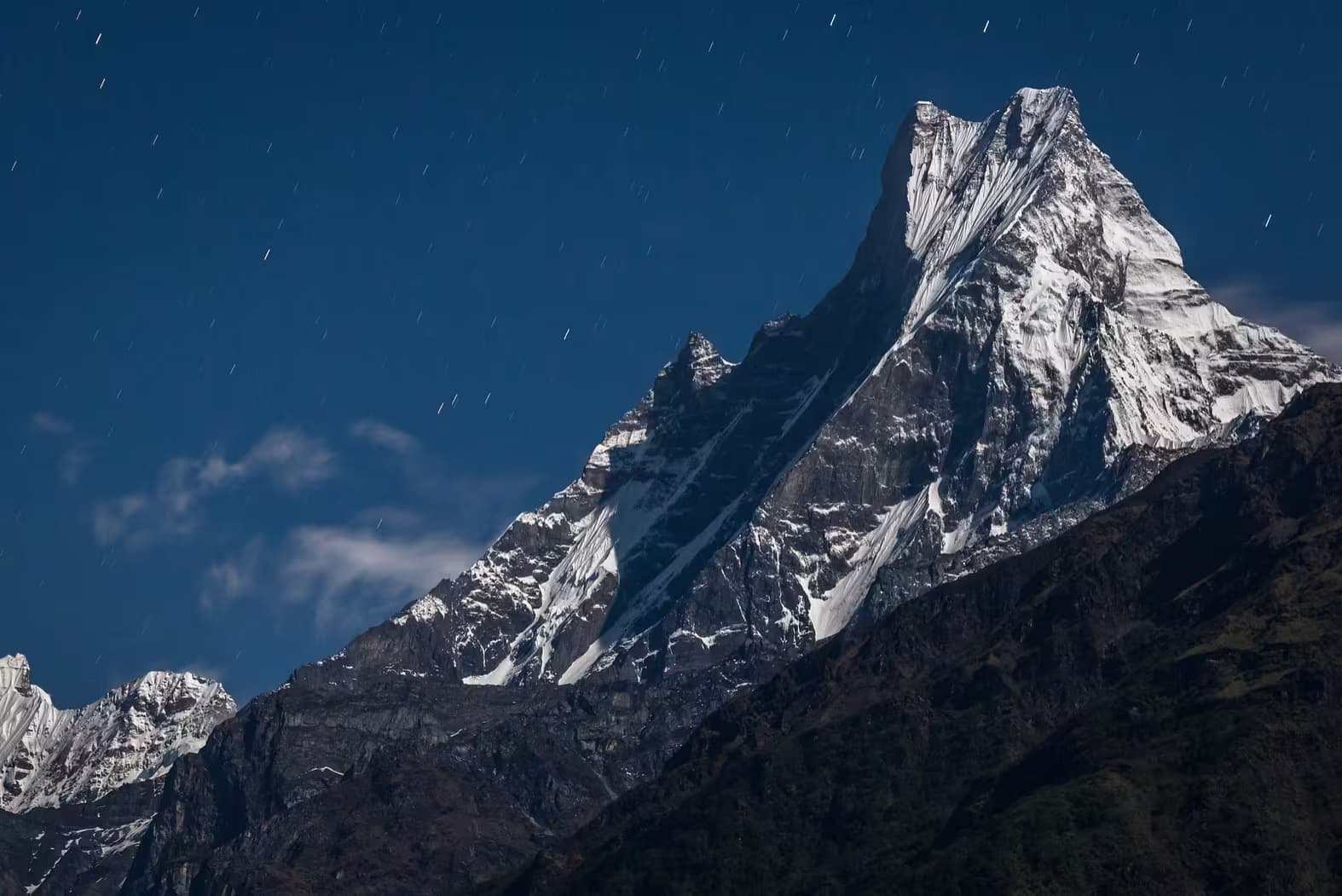
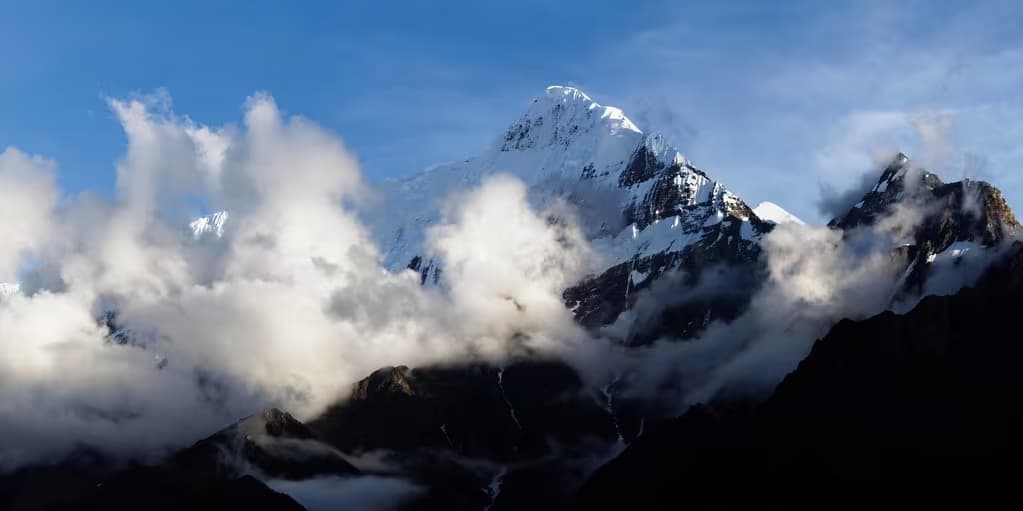
The Annapurna region encompasses an astonishing range of landscapes, cultures, and ecosystems within the Annapurna Conservation Area — Nepal's largest protected area at 7,629 square kilometers. The Annapurna massif, crowned by Annapurna I (8,091m), forms a natural amphitheater flanked by Dhaulagiri (8,167m) across the Kali Gandaki valley — one of the deepest gorges in the world.
The region's cultural richness matches its geography. The eastern valleys are home to the Gurung people, whose stone-built villages like Ghandruk and Manang preserve traditions rooted in Tibetan Buddhism. The western side belongs to the Thakali people of the Kali Gandaki corridor, whose cuisine — particularly the refined Thakali thali — is considered the finest dal bhat tradition in Nepal. The apple orchards of Marpha and the sacred temple of Muktinath add layers of interest.
Manang Valley, a high-altitude basin at 3,500m, has a distinctive Tibetan character with flat-roofed stone houses, ancient monasteries, and a climate more reminiscent of the Tibetan plateau than Nepal. Jomsom and the lower Mustang corridor offer an arid, wind-swept landscape that feels like a different country altogether.
The region is the most visited trekking area in Nepal, with excellent teahouse infrastructure and options ranging from short 4-day treks to multi-week expeditions.
Getting there
Use Besisahar as the nearest configured transport hub, then continue locally to Annapurna Region.
- BesisaharNearest configured hub
Routes to Besisahar
- KathmandutoBesisaharTourist bus7-10 hr
- KathmandutoBesisaharJeep6-8 hr
Besisahar is the nearest transport hub we have route data for, not a verified gateway for Annapurna Region. The final stretch is local and we have not confirmed it.
Location & What's Inside
Planning this trip? Local operators publishing trips here can arrange it.
Elsewhere in this region
Help us get it right
Know Annapurna Region better than we do?
We write from research and reporting, and the ground changes faster than we can keep up. If something here is out of date, or you have been and would tell it differently, we would rather hear it.