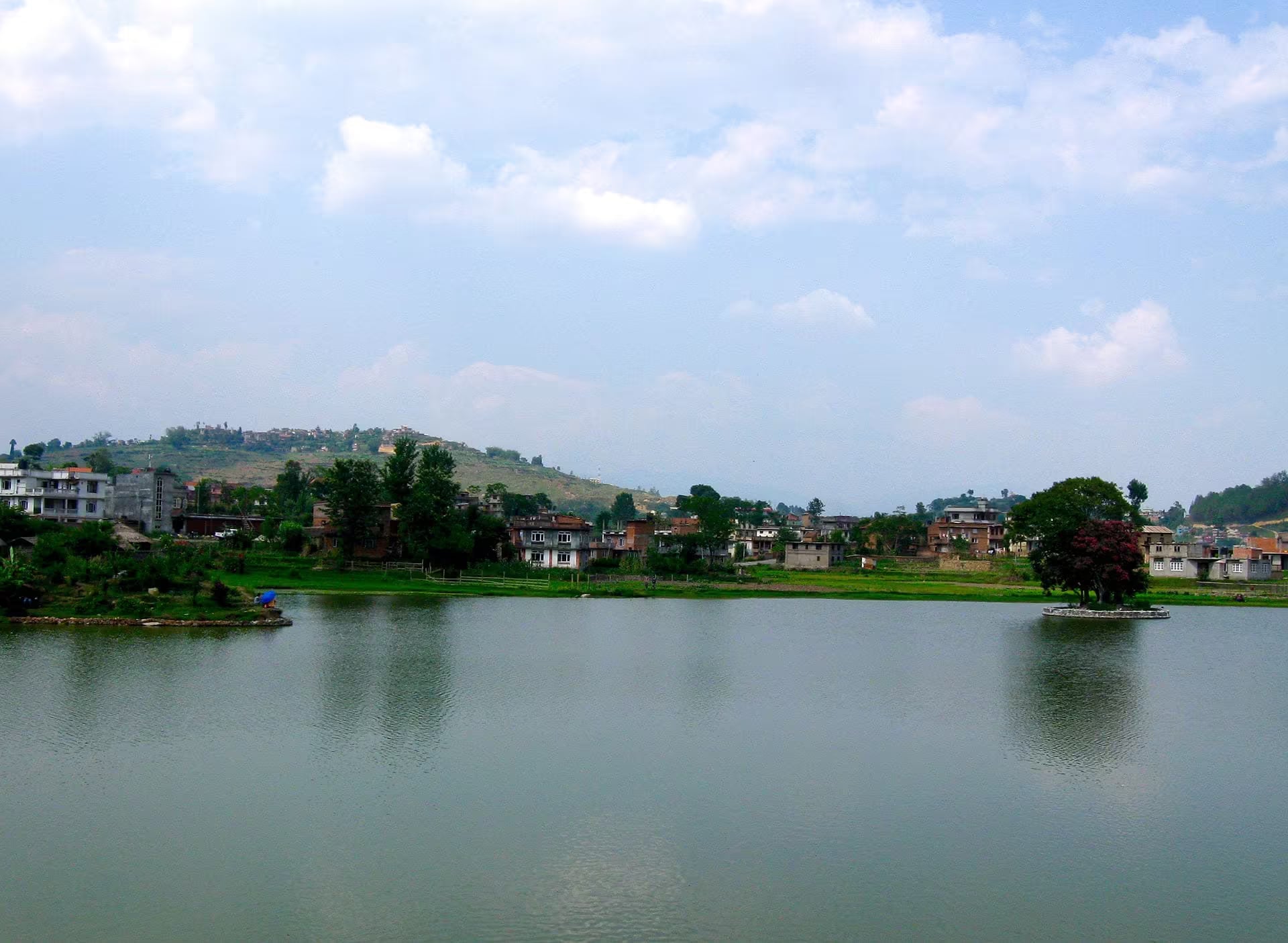
Taudaha Lake
A small, myth-laden crater lake south of Kathmandu where the serpent king Karkotaka Nag is said to dwell — a peaceful birding haven surrounded by farmland and valley legend.
- Altitude
- 1,350 m
- Coordinates
- 27.650°, 85.282°
Current Weather
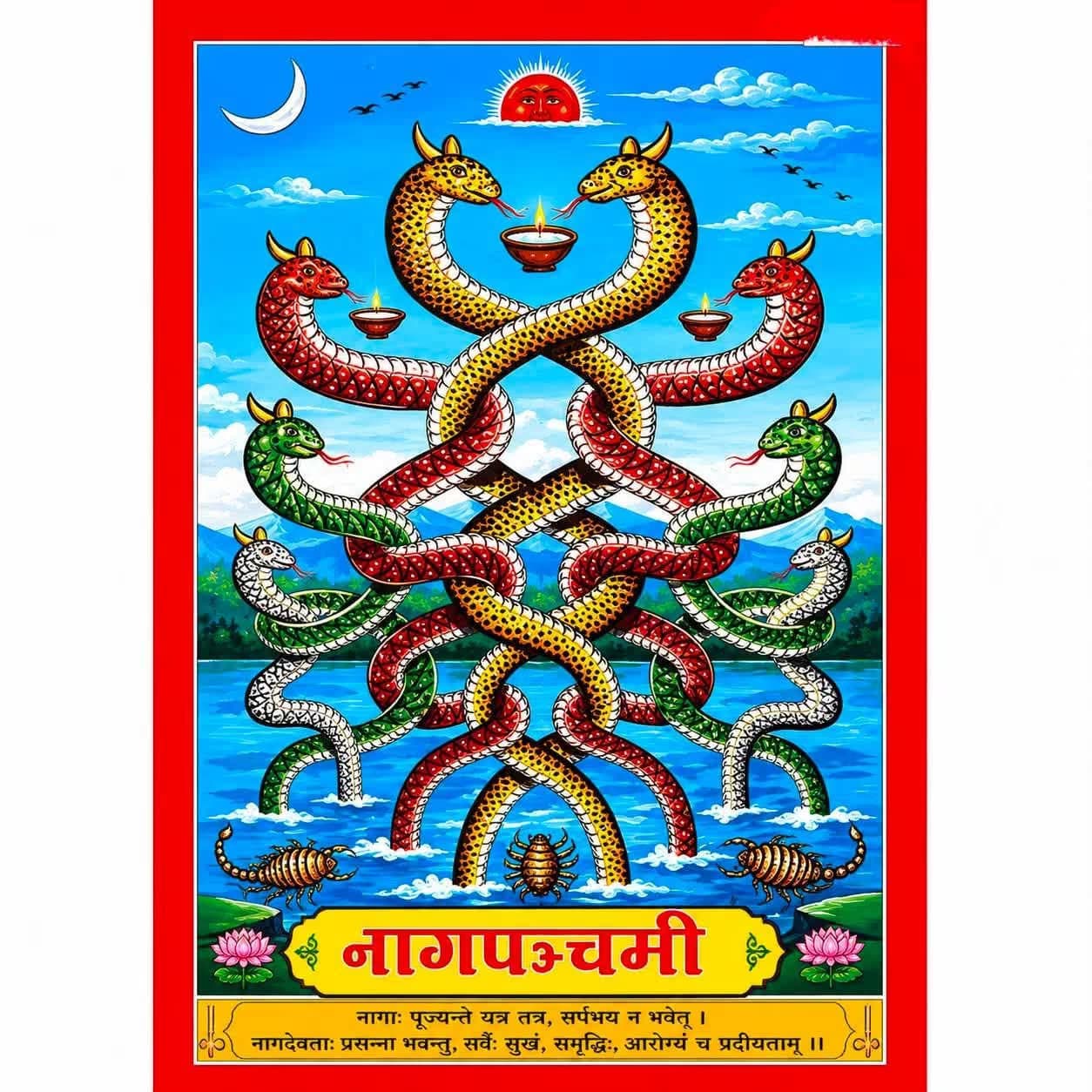
Taudaha is a small natural lake cradled in a depression south of the Kathmandu Valley, just beyond the Chobar gorge. According to the valley's founding myth, when the bodhisattva Manjushri drained the primordial lake that once filled the Kathmandu basin, the serpent king Karkotaka Nag had nowhere to go. Manjushri, taking pity on the great naga, left Taudaha as a refuge — a miniature remnant of the original lake where the serpent king could continue to dwell. To this day, locals believe Karkotaka Nag resides beneath the still waters, and offerings are sometimes placed at the lake's edge.
Despite its modest size (roughly 100 metres across), Taudaha punches well above its weight as a birding destination. The lake and its reed-fringed margins attract a surprising diversity of water birds, including herons, egrets, kingfishers, coots, and migratory ducks in winter. Birders have recorded over 50 species in the immediate vicinity. The surrounding fields and scrubland add raptors and passerines to the tally, making Taudaha one of the easiest birding excursions from Kathmandu.
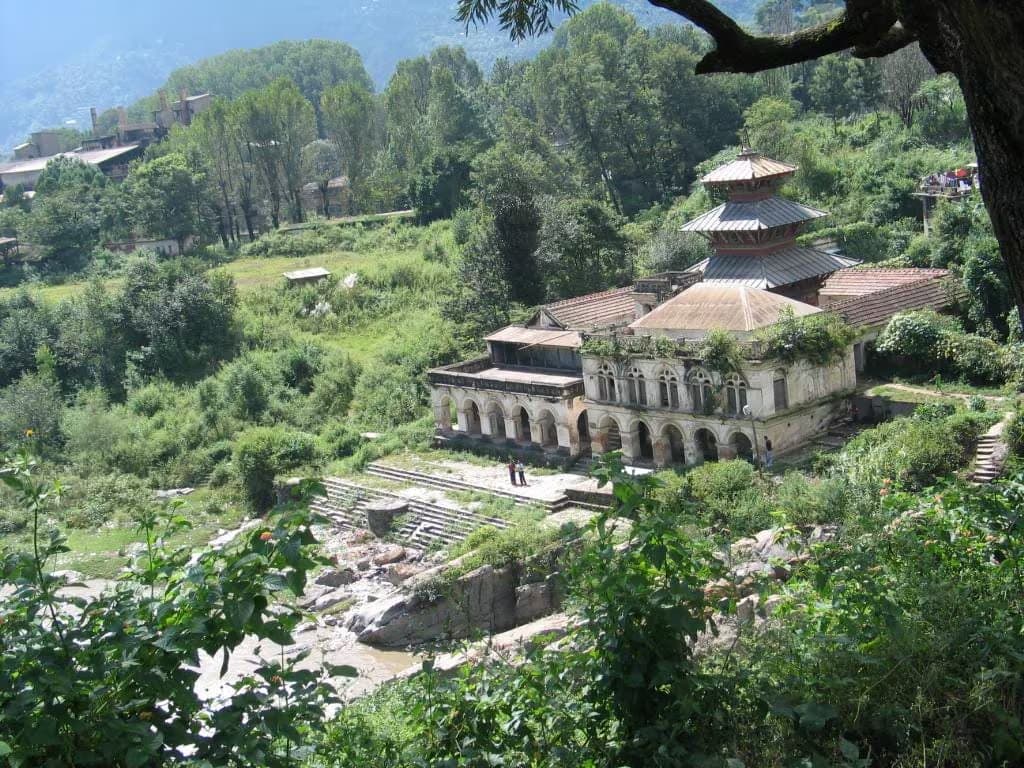
The lake is a 30-minute drive from Patan (just past Chobar) and is best visited early in the morning for bird activity and calm light. There is no entry fee and no formal infrastructure — just a footpath around the lake. Combine Taudaha with a visit to Chobar gorge and the Adinath temple for a full half-day nature and heritage excursion.
Location
Related
Connected places and entries worth pairing
Planning this trip? Local operators publishing trips here can arrange it.
Elsewhere in this region
Help us get it right
Know Taudaha Lake better than we do?
We write from research and reporting, and the ground changes faster than we can keep up. If something here is out of date, or you have been and would tell it differently, we would rather hear it.