Api
7,132m
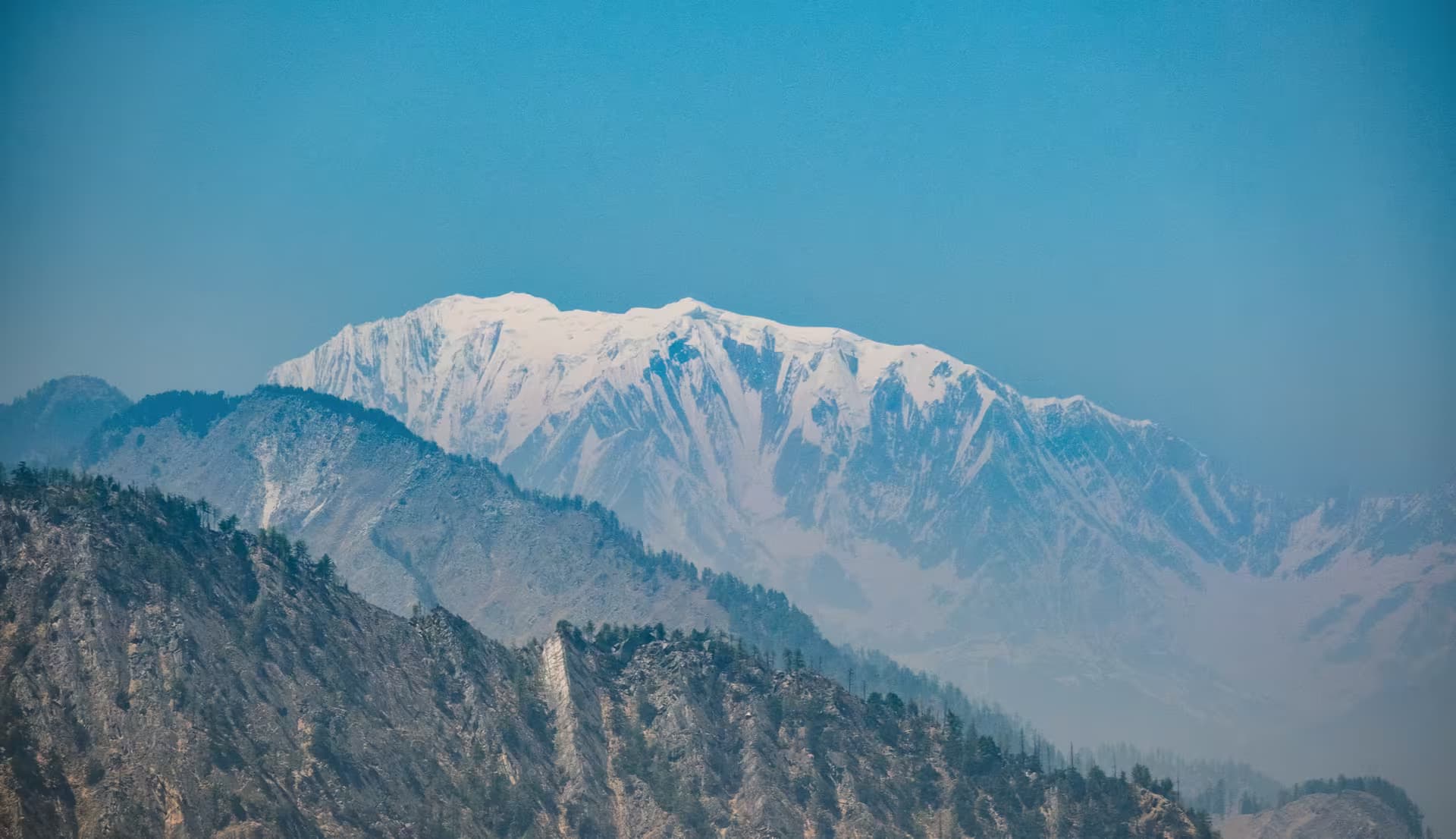
The highest peak of far western Nepal at 7,132m — a remote and rarely visited Himalayan giant that anchors the Api Himal.
Mountain Weather
Api (7,132m) is the highest mountain in far western Nepal and the highest peak in the Api Himal, a remote sub-range located in the extreme northwest corner of Sudurpaschim Province in Darchula District, bordering India and Tibet. The mountain gives its name to the Api Nampa Conservation Area (established 2010, covering 1,903 sq km), one of Nepal's least-visited protected areas.
First climbed on May 10, 1960 by K. Hirabayashi and Gyaltsen Norbu of a Japanese expedition via the northwest face, remarkably during the monsoon season — a testament to Japanese mountaineering determination in an era when far western Nepal was virtually inaccessible. Since then, ascents have been exceedingly rare; Api sees perhaps one expedition every few years, making it one of the least-climbed 7,000m peaks in Nepal.
The approach to Api Base Camp is itself a serious undertaking — a 12-14 day trek from the trailhead at Gokuleshwor, passing through traditional Kumaoni-influenced villages, pristine alpine forests, and high yak pastures before reaching the glacier. The region's extreme remoteness has preserved a way of life largely unchanged for centuries, and the trek offers a rare glimpse of Nepal's far western frontier. The Api Himal is also spiritually significant; Api is revered by the local Bhotiya and Kumaoni peoples. The mountain's lower slopes harbor medicinal plants collected for traditional remedies. Best seasons: late spring (May-June) and autumn (September-October).
Location
Planning this climb? Local operators publishing trips here can arrange it.
Elsewhere in this region
Help us get it right
Know Api better than we do?
We write from research and reporting, and the ground changes faster than we can keep up. If something here is out of date, or you have been and would tell it differently, we would rather hear it.