Saipal
7,031m
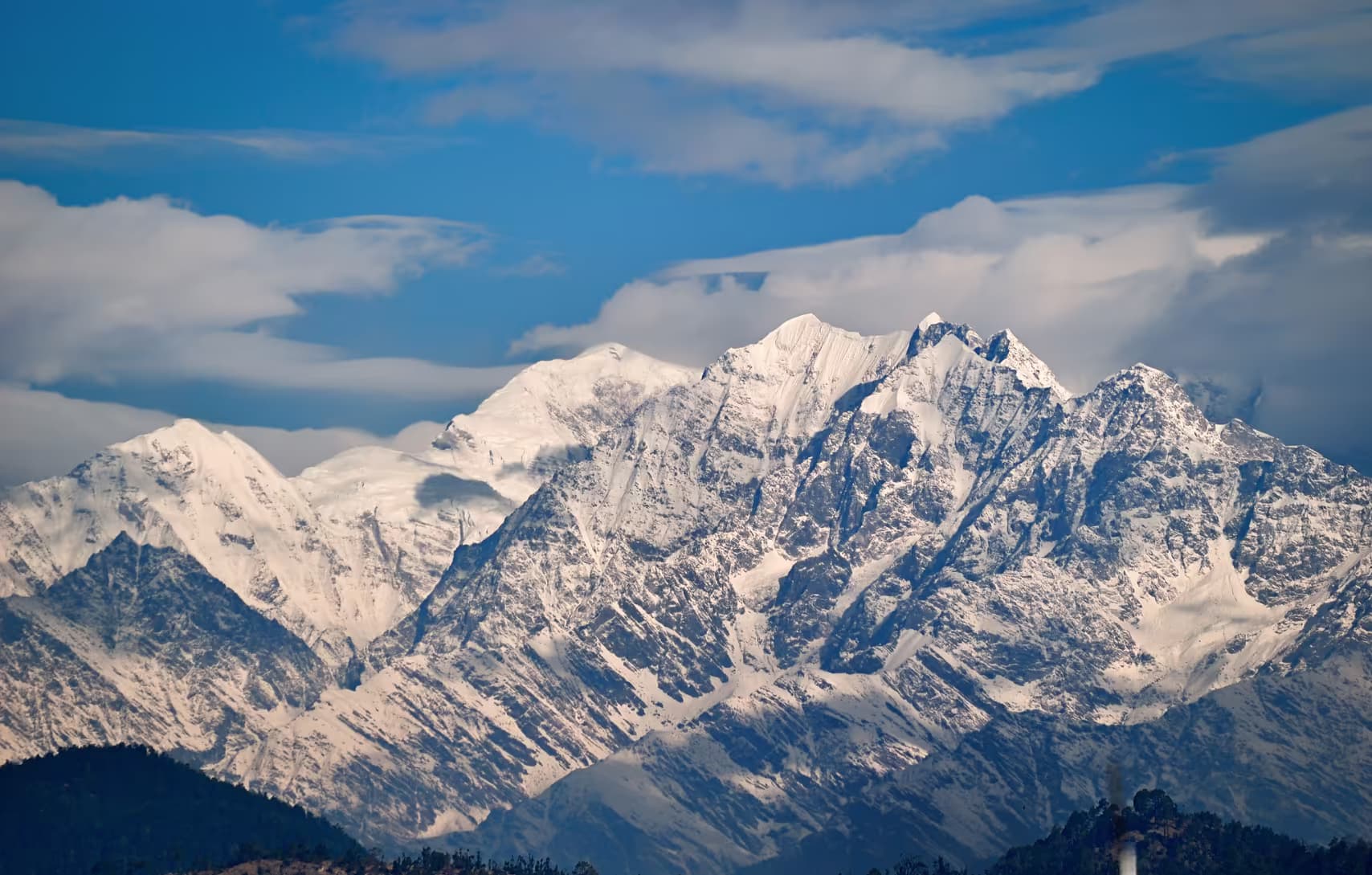
The second highest peak of far western Nepal at 7,031m — a remote and rarely climbed giant in the Saipal Himal.
Mountain Weather
Saipal (7,031m) is the second highest mountain in far western Nepal after Api (7,132m), located in the Saipal Himal range of Bajhang District in Sudurpaschim Province. Together with Api, it forms the twin crown of Nepal's extreme western frontier — one of the least explored and most culturally intact regions of the entire Himalaya.
First climbed on October 21, 1963 by a Japanese expedition led by Junjiro Matsuda, Saipal has seen very few ascents in the decades since. The mountain's remote location, requiring a 2-day drive from Dhangadhi followed by a 12-16 day trek through some of Nepal's most isolated terrain, makes it a serious logistical undertaking. The approach passes through traditional villages of the Bhotiya and Kumaoni peoples, whose way of life has remained largely untouched by modern trekking tourism.
The mountain is deeply revered locally — Saipal is considered the abode of local deities and features prominently in the folklore of far western Nepal. The trek to Saipal Base Camp traverses the Seti River Valley and the Bajhang highlands, crossing alpine pastures that erupt in wildflowers during the monsoon and post-monsoon seasons. The region is also home to the rare Himalayan monal (danphe, Nepal's national bird), blue sheep, and the elusive snow leopard. For mountaineers seeking genuine exploration in an era of commercialized Himalayan climbing, Saipal offers one of the last true adventures. Best seasons: late spring (May-June) and autumn (September-October).
Location
Planning this climb? Local operators publishing trips here can arrange it.
Elsewhere in this region
Help us get it right
Know Saipal better than we do?
We write from research and reporting, and the ground changes faster than we can keep up. If something here is out of date, or you have been and would tell it differently, we would rather hear it.