Dhaulagiri I
8,167m
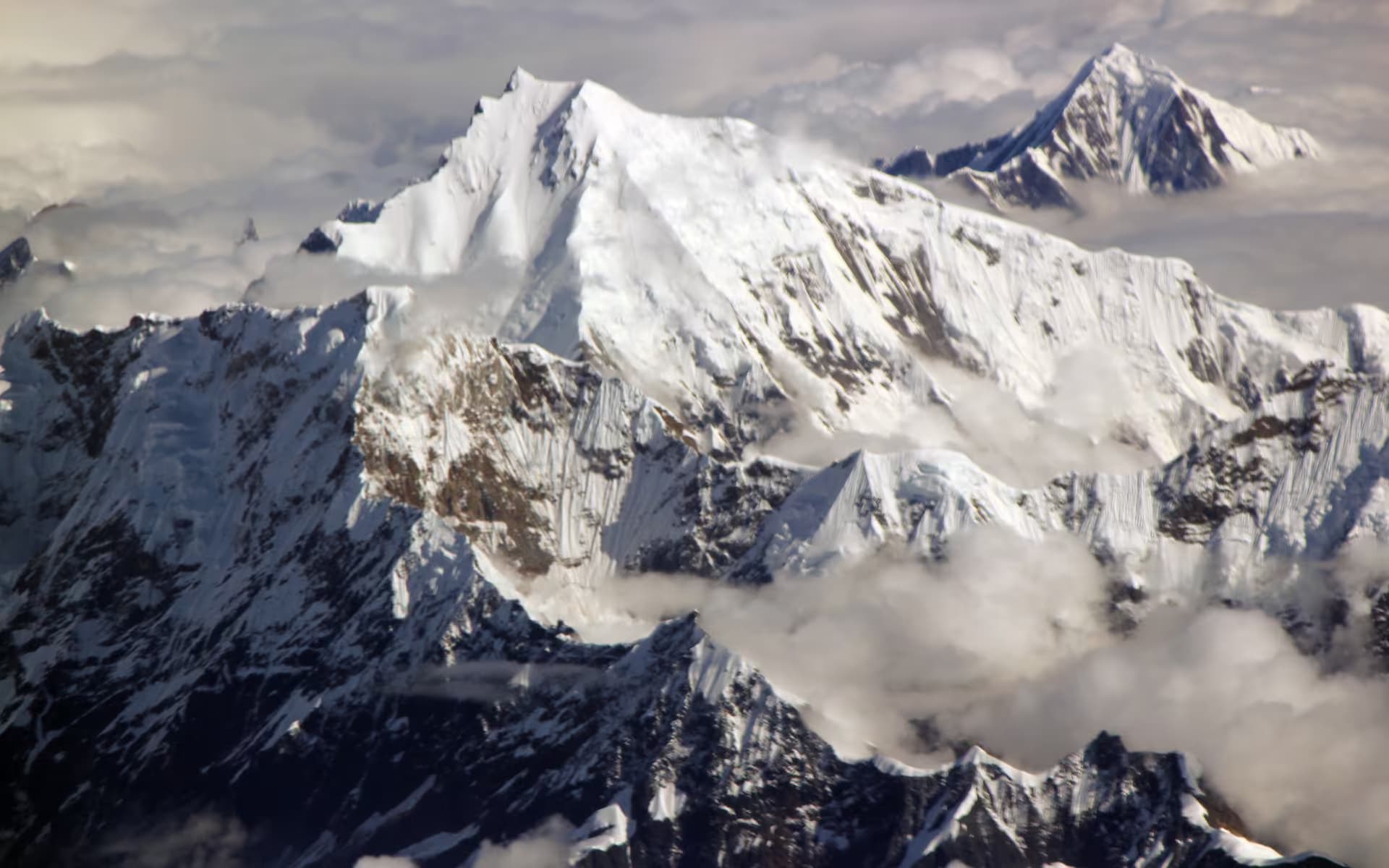
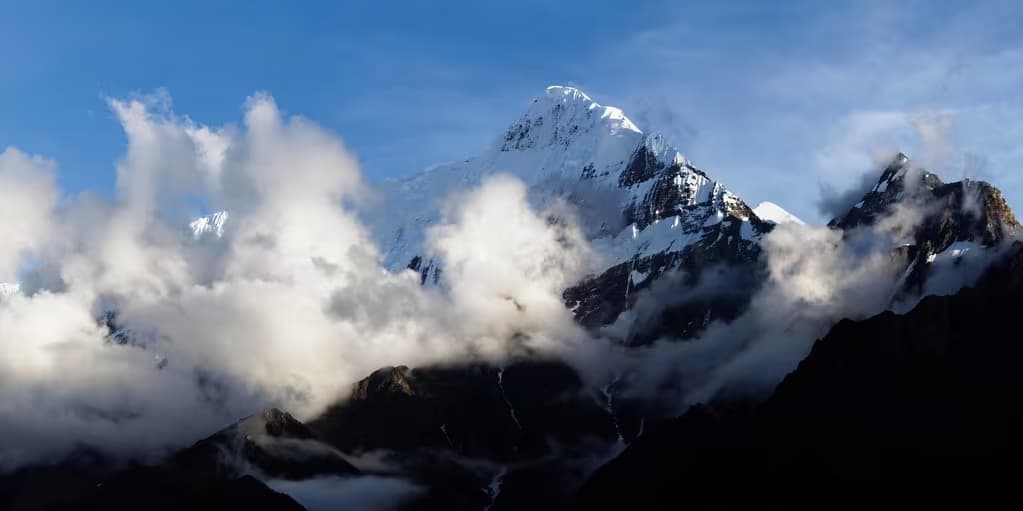
The world's seventh highest peak — the 'White Mountain' dominates the skyline west of the Kali Gandaki, one of the deepest valleys in the world.
Mountain Weather
Dhaulagiri I (8,167m) is the world's seventh highest mountain, located in north-central Nepal. Its name comes from Sanskrit: 'dhavala' meaning white and 'giri' meaning mountain — the 'White Mountain.' When first surveyed in 1808, it was thought to be the highest mountain in the world, a distinction it held for 30 years until Kangchenjunga was identified as taller.
First climbed on May 13, 1960 by a Swiss expedition led by Max Eiselin, with Kurt Diemberger, Peter Diener, Ernst Forrer, Albin Schelbert, Nawang Dorje, and Nima Dorje reaching the summit via the Northeast Ridge. The expedition was notable for using a Pilatus Porter aircraft to deliver supplies — the first time a plane was used in a Himalayan climbing expedition. The aircraft famously crashed during the expedition, though the crew survived. The mountain had resisted seven previous expeditions before the successful 1960 ascent.
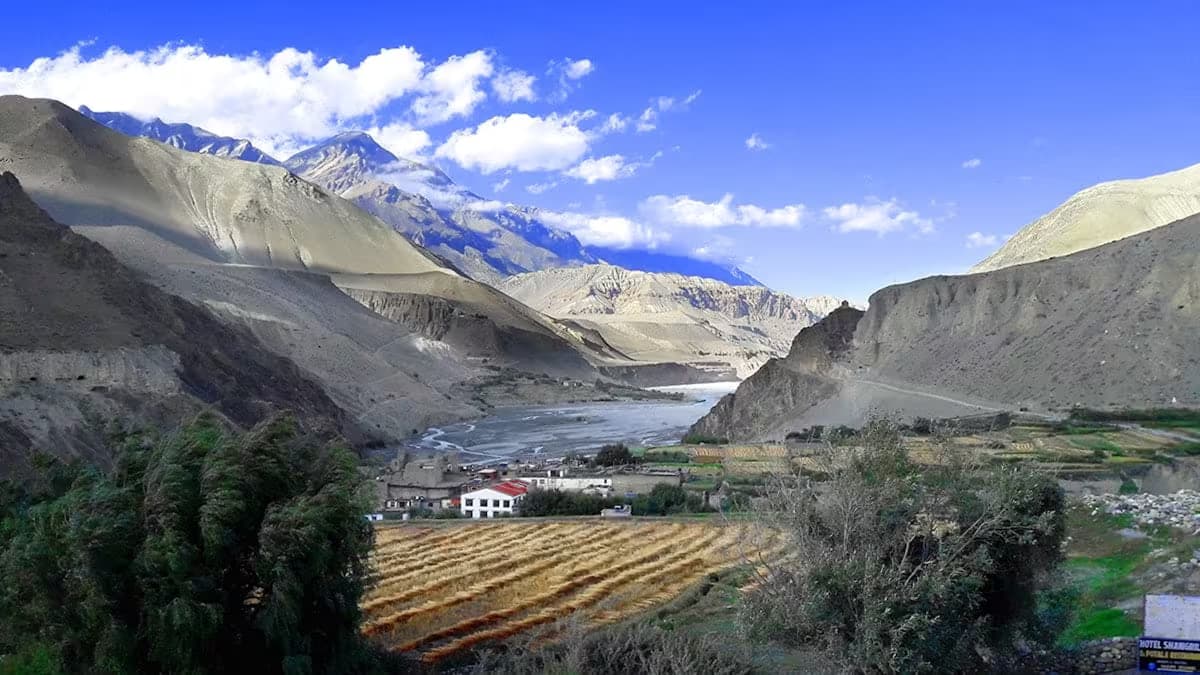
Dhaulagiri forms the western wall of the Kali Gandaki valley, which drops over 5,500m from Dhaulagiri's summit to the river below (measured peak-to-river), making it one of the deepest valleys in the world. The eastern wall is formed by Annapurna I, just 34 km away, creating one of the most dramatic landscapes on Earth.
The Dhaulagiri Circuit trek is one of Nepal's most challenging and rewarding treks, crossing the French Pass (5,360m) and traversing the Hidden Valley — a remote, glacier-carved plateau that feels like another world. The best seasons are spring (April-May) and autumn (October-November).
Location
Planning this climb? Local operators publishing trips here can arrange it.
Elsewhere in this region
Help us get it right
Know Dhaulagiri I better than we do?
We write from research and reporting, and the ground changes faster than we can keep up. If something here is out of date, or you have been and would tell it differently, we would rather hear it.