Annapurna Circuit
A 160 km, 15-day circumnavigation of the Annapurna massif, crossing the 5,416 m Thorong La from Gurung river valleys into the Kali Gandaki gorge.
Know before you go
Trip readiness
Best timing
October-November, March-April
Treat this as the first planning window, then verify local trail and weather conditions.
Time needed
15 days
Include acclimatization and transport buffers for mountain routes.
Permit status
Permit required
ACAP permit (NPR 3,000) and TIMS card (NPR 2,000) required
Difficulty
Challenging
Annapurna route. Match this to fitness, altitude experience, and daily walking hours.
Live conditions
Trail weather available
Use the weather card before starting, especially during monsoon and winter windows.
The Annapurna Circuit is a complete circumnavigation of the Annapurna massif: 160 km on foot, fifteen walking days, and roughly 8,000 m of cumulative ascent. Inside the Annapurna Conservation Area, it is the only trek in Nepal that takes you from subtropical paddy at 820 m to a 5,416 m pass and back down again, crossing three climate zones and two distinct cultural worlds on the way. Walked counter-clockwise from Besisahar up the Marsyangdi and down the Kali Gandaki, it remains one of the finest long walks anywhere — and, since the roads arrived, one of the most misunderstood.
Quick answer
Fifteen days of walking, plus travel from Pokhara at each end and one buffer day, so budget 17–18 days door to door. Go in October–November or March–April. Permits are an ACAP entry permit (NPR 3,000) and a TIMS card (NPR 2,000) — about USD 40 per person. You need no technical skill and no rope, but you do need to be genuinely fit and to respect the altitude: the crux day climbs to 5,416 m and descends 1,616 m before dark.
The route, day by day
| Day | Stage | Sleep at | Altitude | Hours |
|---|---|---|---|---|
| 1 | Besisahar → Bahundanda | Bahundanda | 1,310 m | 5–6 |
| 2 | Bahundanda → Chamje | Chamje | 1,430 m | 5–6 |
| 3 | Chamje → Bagarchhap | Bagarchhap | 2,160 m | 6–7 |
| 4 | Bagarchhap → Chame | Chame | 2,710 m | 5–6 |
| 5 | Chame → Pisang | Pisang | 3,300 m | 5–6 |
| 6 | Pisang → Manang | Manang | 3,540 m | 6–7 |
| 7 | Acclimatization day | Manang | 3,540 m | — |
| 8 | Manang → Yak Kharka | Yak Kharka | 4,050 m | 4–5 |
| 9 | Yak Kharka → Thorong Phedi | Thorong Phedi | 4,450 m | 4–5 |
| 10 | Thorong Phedi → Muktinath | Muktinath | 3,800 m | 8–10 |
| 11 | Muktinath → Kagbeni | Kagbeni | 2,810 m | 3–4 |
| 12 | Kagbeni → Marpha | Marpha | 2,670 m | 5–6 |
| 13 | Marpha → Kalopani | Kalopani | 2,530 m | 5–6 |
| 14 | Kalopani → Tatopani | Tatopani | 1,190 m | 6–7 |
| 15 | Tatopani → Nayapul | Nayapul | 1,070 m | 6–8 |
Those are overnight altitudes, which is the number that governs how you feel. Note the shape of it: eight days climbing at a manageable rate, one acclimatization day at Manang, then a single hard push over the pass — and then a very long descent that most write-ups skip over in a sentence.
The road question
This is the part of the circuit that has genuinely changed, and the part most pages handle badly. Motor roads now reach up both sides — as far as Manang on the east, and all the way to Muktinath and beyond on the west. The classic fifteen-day walk described above still exists on the ground, but on the lower sections you will be walking on or beside a jeep track rather than a footpath.
Most trekkers now compress the ends. The common shape is to jeep from Besisahar to Chame or Dharapani, cutting three or four of the least rewarding days, and to finish by jeep from Muktinath or Jomsom rather than walking the Kali Gandaki road down to Tatopani. That turns a fifteen-day trek into nine or ten days, all of them good ones. The NATT trails — the marked walking alternatives that leave the road for river banks and old village paths — exist for much of the corridor and are worth taking wherever they are signed.
None of this is a reason to skip the circuit. The high half, from Chame to Muktinath, is untouched by road building and is the reason people come.
The Thorong La crossing
Day 10 is the whole trek in miniature. From Thorong Phedi at 4,450 m you climb 966 m to the pass and drop 1,616 m to Muktinath at 3,800 m — eight to ten hours, on the highest ground of the trip, with wind that reliably gets up by late morning.
The standard advice is to leave between 4 and 5 a.m. Some parties sleep at High Camp, 400 m above Phedi, to shorten the climb; others argue that sleeping that high after an already-hard day costs more than it saves. Both are defensible. What is not optional is the acclimatization day at Manang and an easy afternoon at Phedi — the two things the itinerary above builds in and the two things a compressed schedule takes out first.
Two sides, two cultures
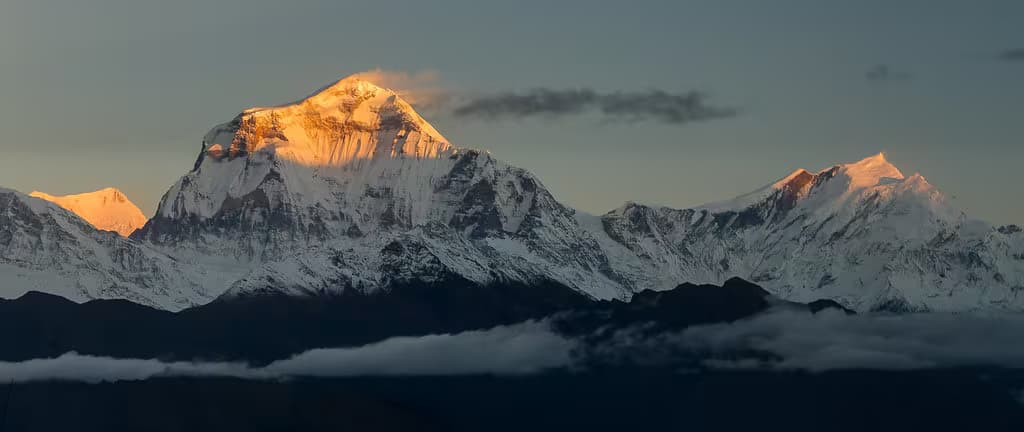
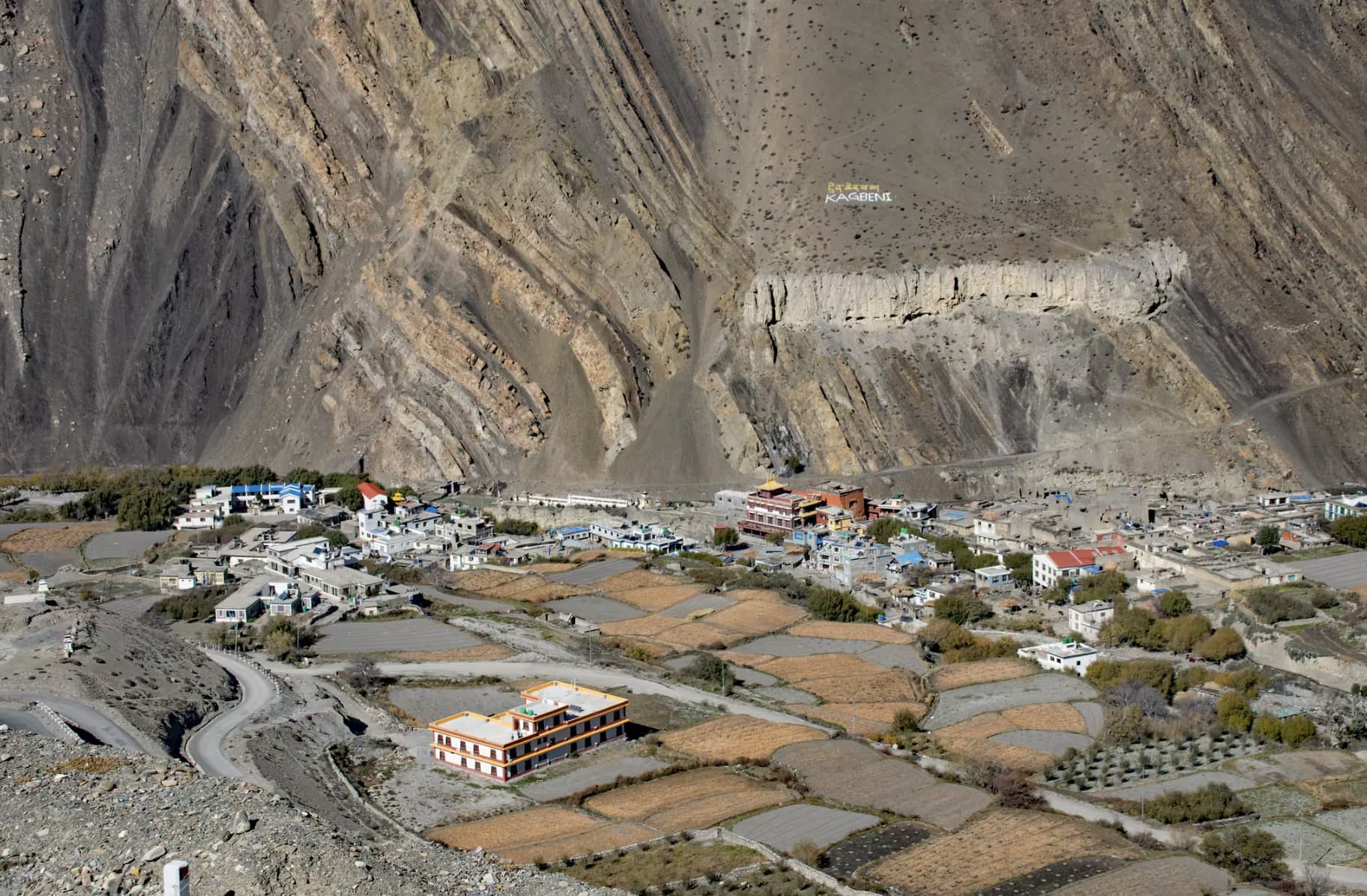
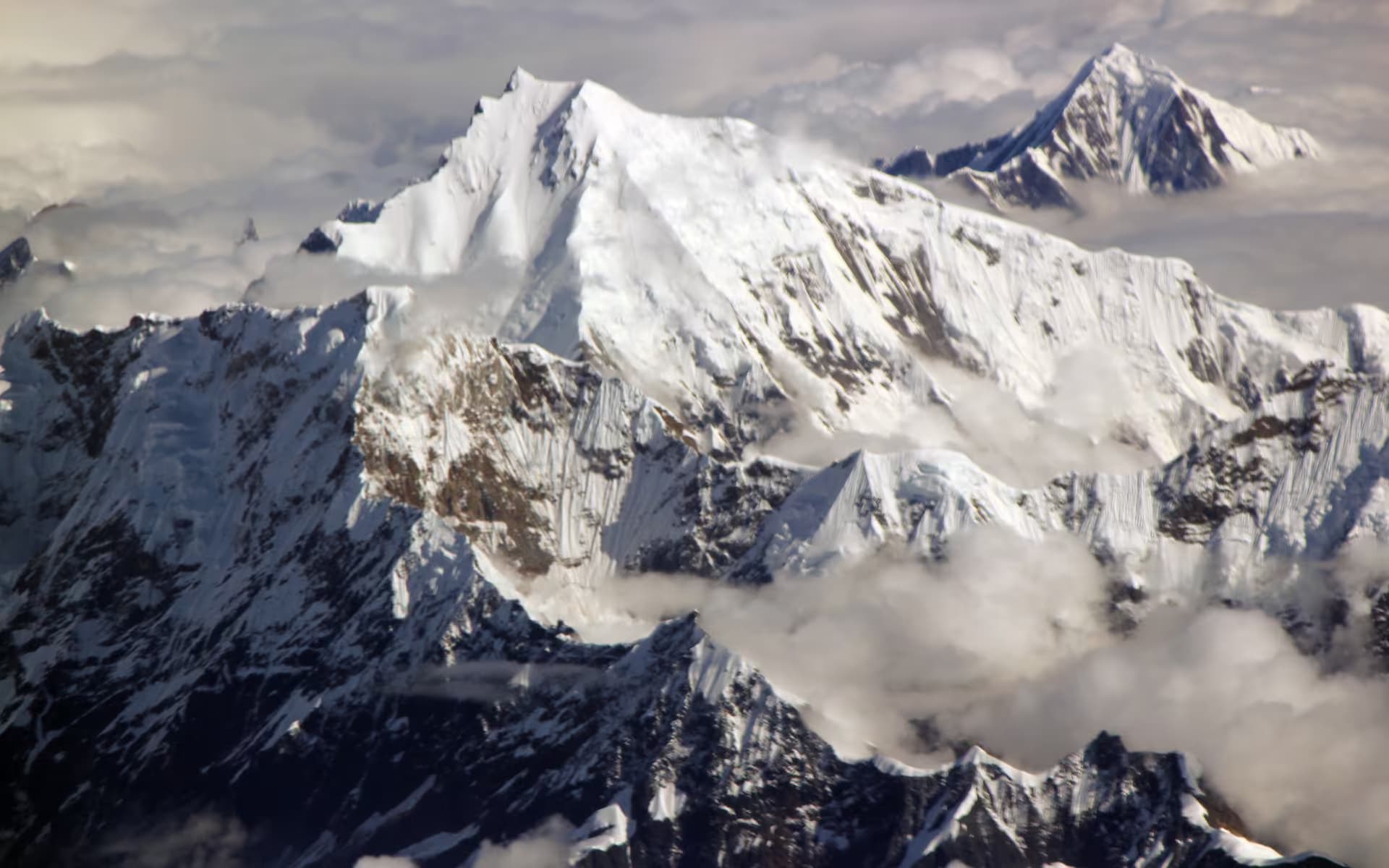
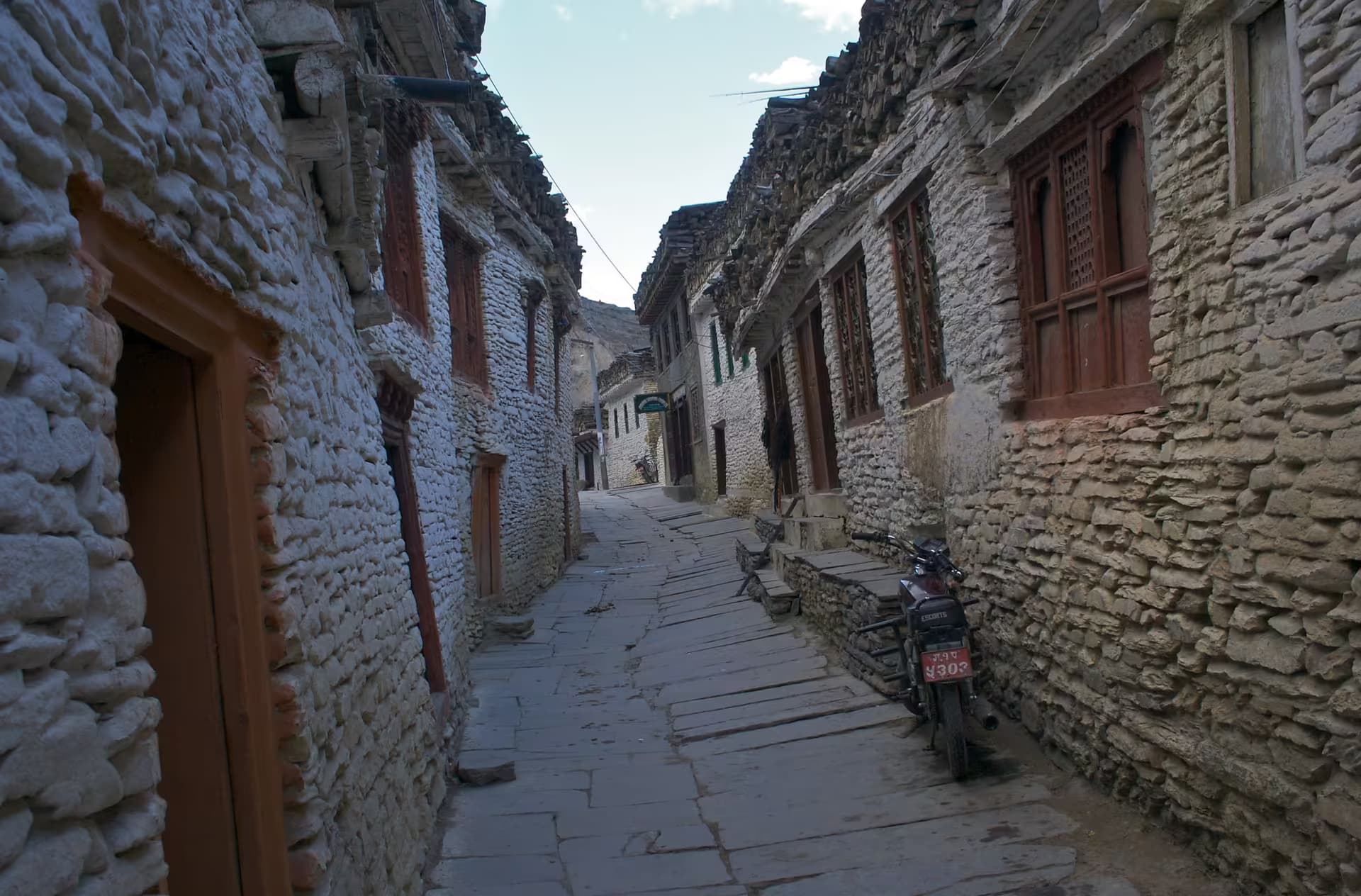
The eastern approach is Gurung country: terraced hillsides, river gorges, pine and rhododendron forest climbing toward the broad, dry basin of Manang, where the architecture and the Buddhism are Tibetan. The western descent is Thakali country — Kagbeni with its ruined fort and mud-brick lanes, Marpha with its apple orchards and whitewashed alleys — in the deepest gorge in the world, walled by Dhaulagiri at 8,167 m and Annapurna I at 8,091 m. Muktinath, where the descent lands, is sacred to Hindus and Buddhists alike and is one of Nepal's most visited pilgrimage sites.
Side trips worth the days
- Tilicho Lake — three extra days from Manang to one of the highest large lakes in the world at 4,919 m. The best acclimatization on the trek and the finest single side trip in the Annapurnas.
- Ice Lake and Praken Gompa — the two standard day walks from Manang on the acclimatization day. Take one; the altitude gain is the point.
- Muktinath to Kagbeni on foot — the short version of the descent, if you are jeeping out of Jomsom.
- Upper Mustang — a separate restricted-area trek beginning where the circuit's western half passes through. Different permit, different world.
Shorter and different ways to see the Annapurnas
If fifteen days is more than you have, the massif offers better-scaled alternatives than a truncated circuit. Annapurna Base Camp reaches the sanctuary in seven to twelve days and puts you inside the ring of peaks rather than around it. Ghorepani Poon Hill delivers the classic Dhaulagiri-to-Annapurna sunrise in four or five. Mardi Himal is the quiet high ridge most people have not heard of. And the circuit road that trekkers complain about is exactly what makes the Annapurna Circuit by mountain bike one of the great high-altitude rides.
Choosing between the Annapurnas and the Khumbu is the other common question — Everest vs Annapurna sets the two regions side by side.
Practical notes
Teahouse infrastructure runs the whole route; you do not need a tent and you do not need to carry food. Beds are plentiful outside the October peak, when Manang and Thorong Phedi fill early — start walking early on those days. A guide is not legally required on the circuit but is worth having above Manang, and porters are widely available in Besisahar and Pokhara.
Permit and fee rules in the Annapurna Conservation Area have changed more than once in recent years. Treat the figures above as the planning baseline and confirm the current requirement in Kathmandu or Pokhara when you collect the permits.
Field log · Day by day
The route, walked
- Stages
- 15
- Ascent
- +4,596 m
- Descent
- −4,346 m
- Day01
Besisahar→Bahundanda
moderateOvernightBahundanda- Walking
- 5.0–6.0h
- Ascent
- +490 m
Start on the eastern side of the circuit and follow the Marsyangdi valley upward.
- Day02
Bahundanda→Chamje
moderateOvernightChamje- Walking
- 5.0–6.0h
- Ascent
- +120 m
Continue through lower Marsyangdi villages and river gorge sections.
- Day03
Chamje→Bagarchhap
hardOvernightBagarchhap- Walking
- 6.0–7.0h
- Ascent
- +730 m
Climb through narrowing valley terrain toward the higher Manang approach.
- Day04
Bagarchhap→Chame
moderateOvernightChame- Walking
- 5.0–6.0h
- Ascent
- +550 m
Continue toward Chame, the district headquarters and a common overnight stop.
- Day05
Chame→Pisang
moderateOvernightPisang- Walking
- 5.0–6.0h
- Ascent
- +590 m
Walk through pine forest and valley walls toward Pisang.
- Day06
Pisang→Manang
hardOvernightManang- Walking
- 6.0–7.0h
- Ascent
- +240 m
Enter the broad Manang Valley, with Tibetan-influenced villages and major Annapurna views.
- Day07
Manang→Manang
AcclimatizationOvernightManangAcclimatization day in Manang before continuing toward Thorong La.
- Day08
Manang→Yak Kharka
moderateOvernightYak Kharka- Walking
- 4.0–5.0h
- Ascent
- +510 m
Gradual climb into drier alpine terrain above Manang.
- Day09
Yak Kharka→Thorong Phedi
hardOvernightThorong Phedi- Walking
- 4.0–5.0h
- Ascent
- +400 m
Move to the base of the Thorong La crossing; keep the afternoon easy for altitude.
- Day10
Thorong Phedi→Muktinath
cruxOvernightMuktinath- Walking
- 8.0–10.0h
- Ascent
- +966 m
- Descent
- −1,616 m
Cross Thorong La Pass, the highest and hardest day of the circuit, then descend to Muktinath.
- Day11
Muktinath→Kagbeni
lightOvernightKagbeni- Walking
- 3.0–4.0h
- Descent
- −990 m
Descend into the Kali Gandaki side and the arid Mustang landscape.
- Day12
Kagbeni→Marpha
moderateOvernightMarpha- Walking
- 5.0–6.0h
- Descent
- −140 m
Follow the Kali Gandaki corridor toward Marpha.
- Day13
Marpha→Kalopani
moderateOvernightKalopani- Walking
- 5.0–6.0h
- Descent
- −140 m
Continue down the Kali Gandaki valley with Dhaulagiri and Nilgiri views.
- Day14
Kalopani→Tatopani
moderateOvernightTatopani- Walking
- 6.0–7.0h
- Descent
- −1,340 m
Descend to the warmer lower valley around Tatopani.
- Day15
Tatopani→Nayapul
hardOvernightNayapul- Walking
- 6.0–8.0h
- Descent
- −120 m
Finish the circuit toward the road-connected Annapurna foothills; many modern itineraries use jeep sections here.
- End
Elevation profile
Cumulative elevation across 15 days, derived from per-stage gain/loss.
Peak Thorong Phedi · 4450m · low 820m
Connects to
Routes and trails that link here
passes_through
views
Related
Connected places and entries worth pairing
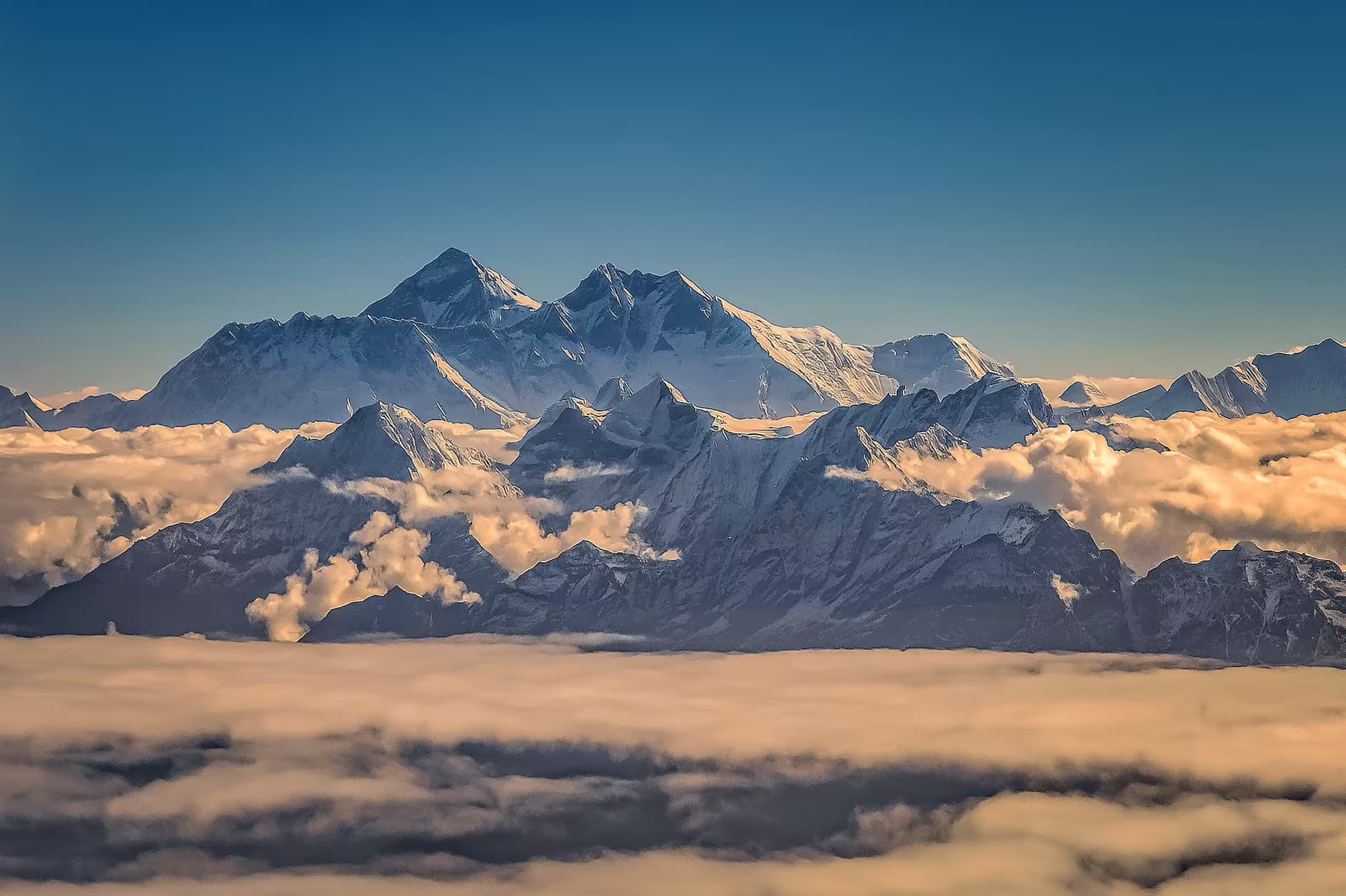
Everest Base Camp vs Annapurna Circuit: Which Trek Is Right for You?
Compare Annapurna Circuit with Nepal's other classic treks
Nepal Trekking Permits Explained: TIMS, NP Fees & Restricted Areas
ACAP + TIMS fees and rules trekkers need before the circuit
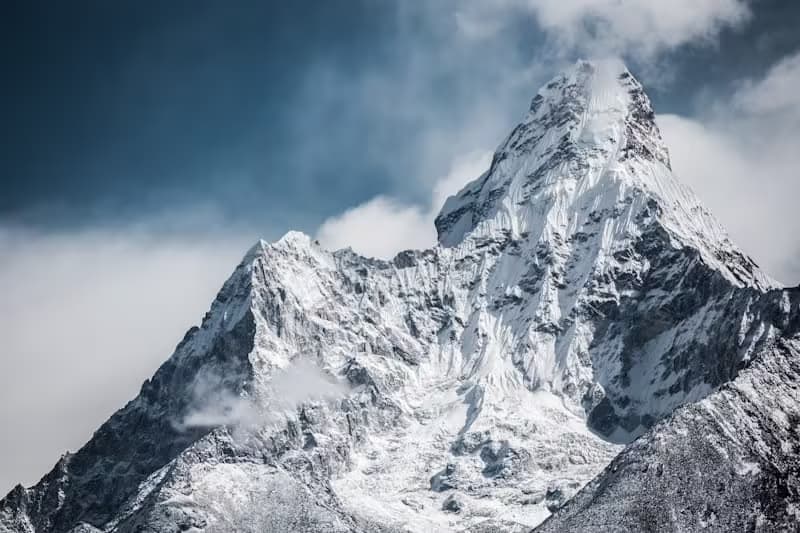
First-Time Trekker's Checklist: Everything You Need for Nepal
Gear, fitness, and acclimatization checklist for first-time Himalayan trekkers
Planning this trek? Local operators publishing trips here can arrange it.
Elsewhere in this region
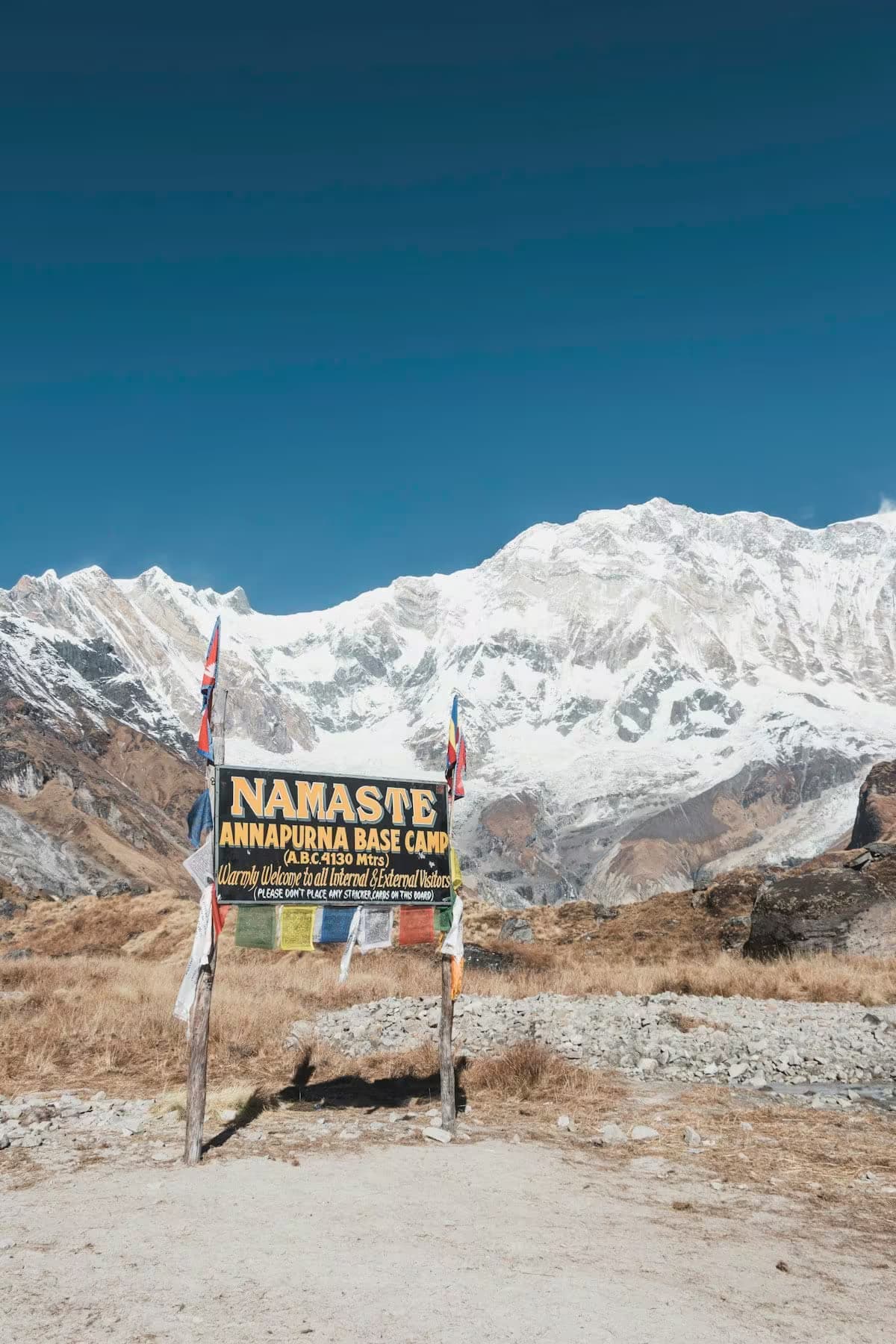 Trail
TrailAnnapurna Base Camp Trek
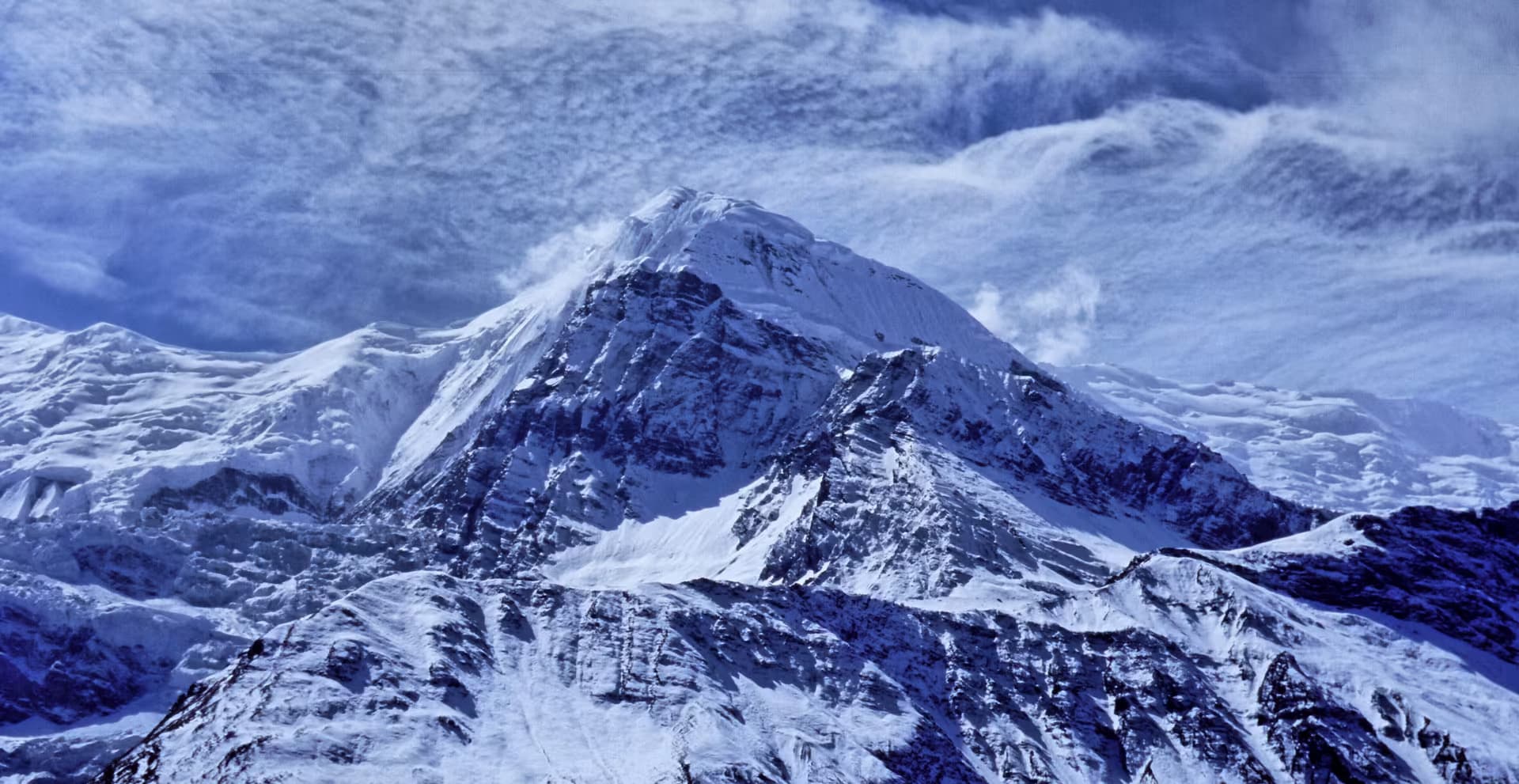 Peak
PeakGangapurna
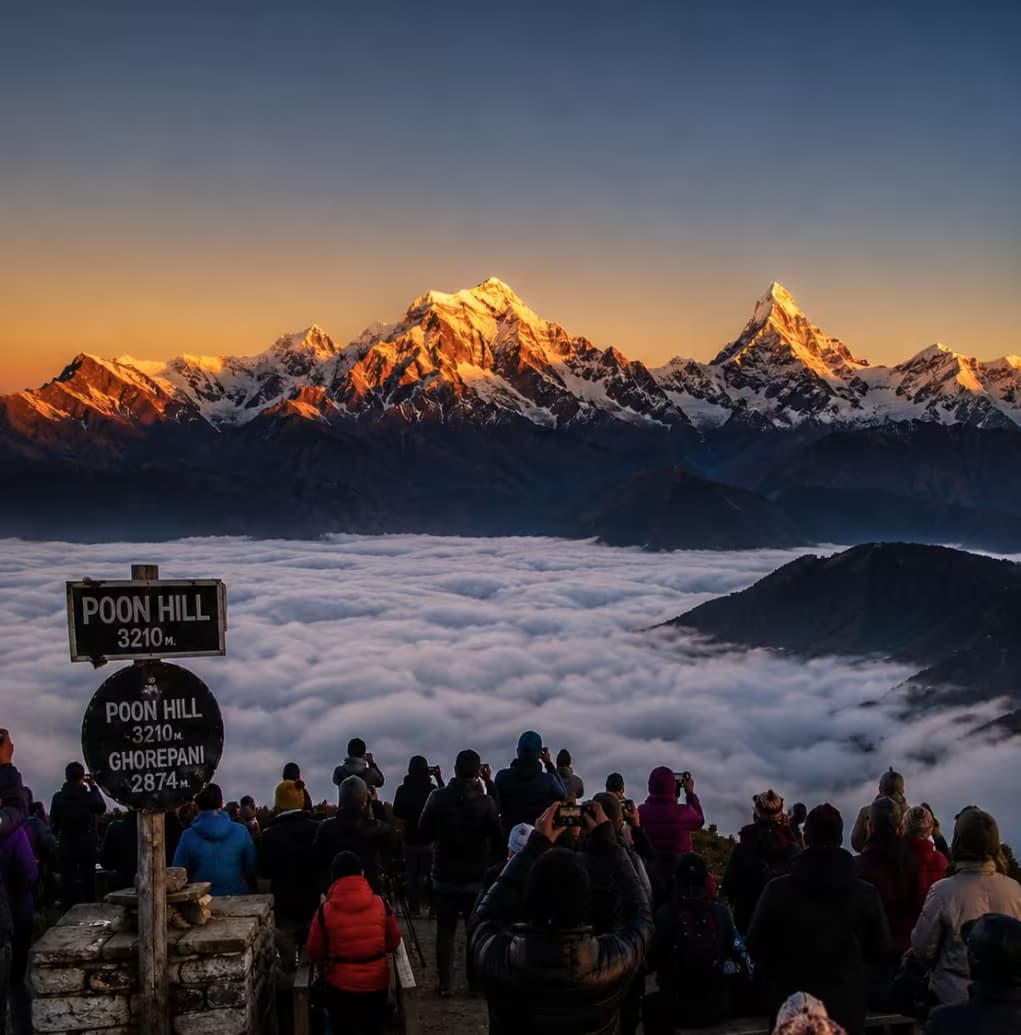 Trail
TrailGhorepani Poon Hill Trek
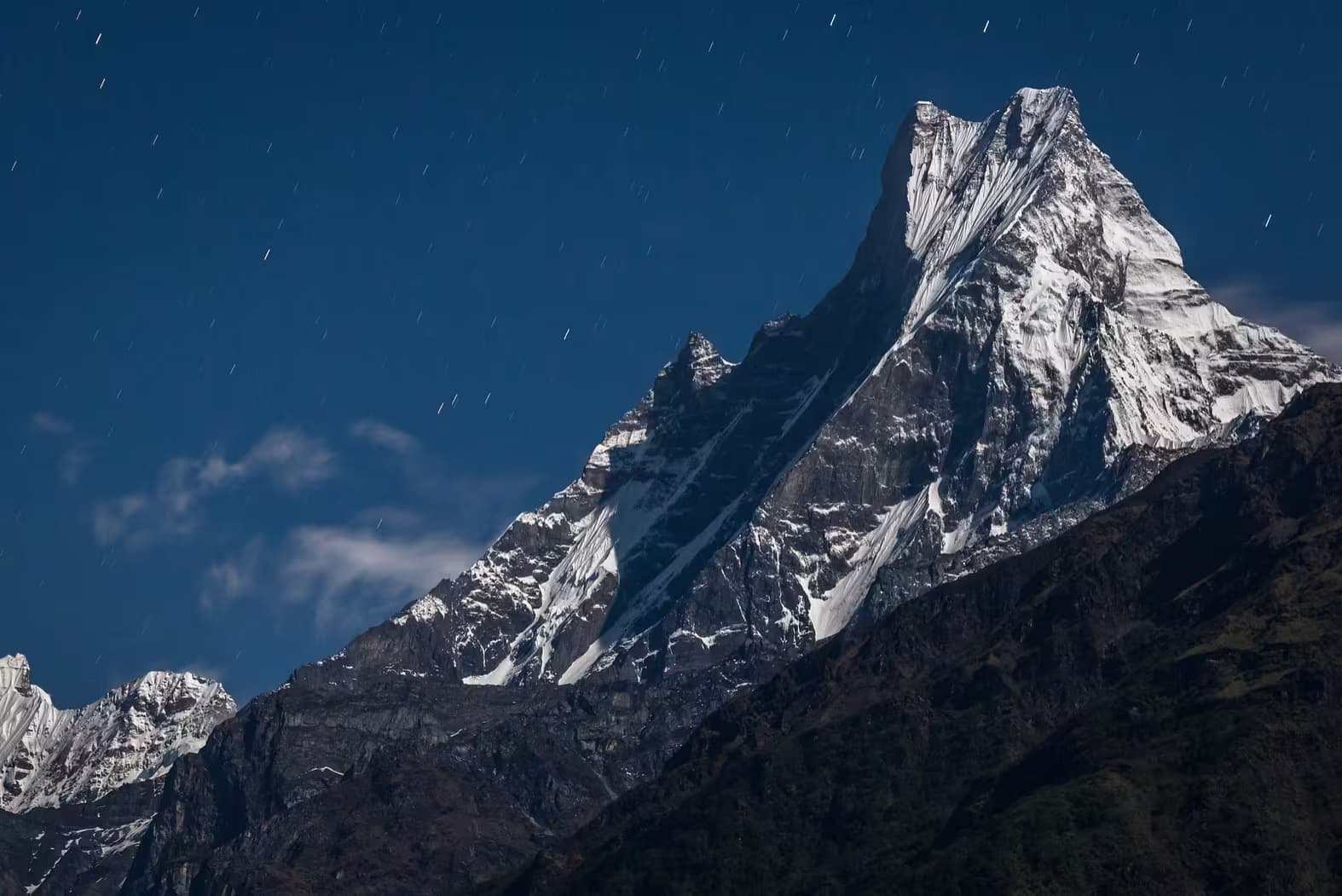 Peak
PeakMachapuchare (Fishtail)
- Guide
Nepal Trekking Permits Explained: TIMS, NP Fees & Restricted Areas
- Guide
Everest Base Camp vs Annapurna Circuit: Which Trek Is Right for You?
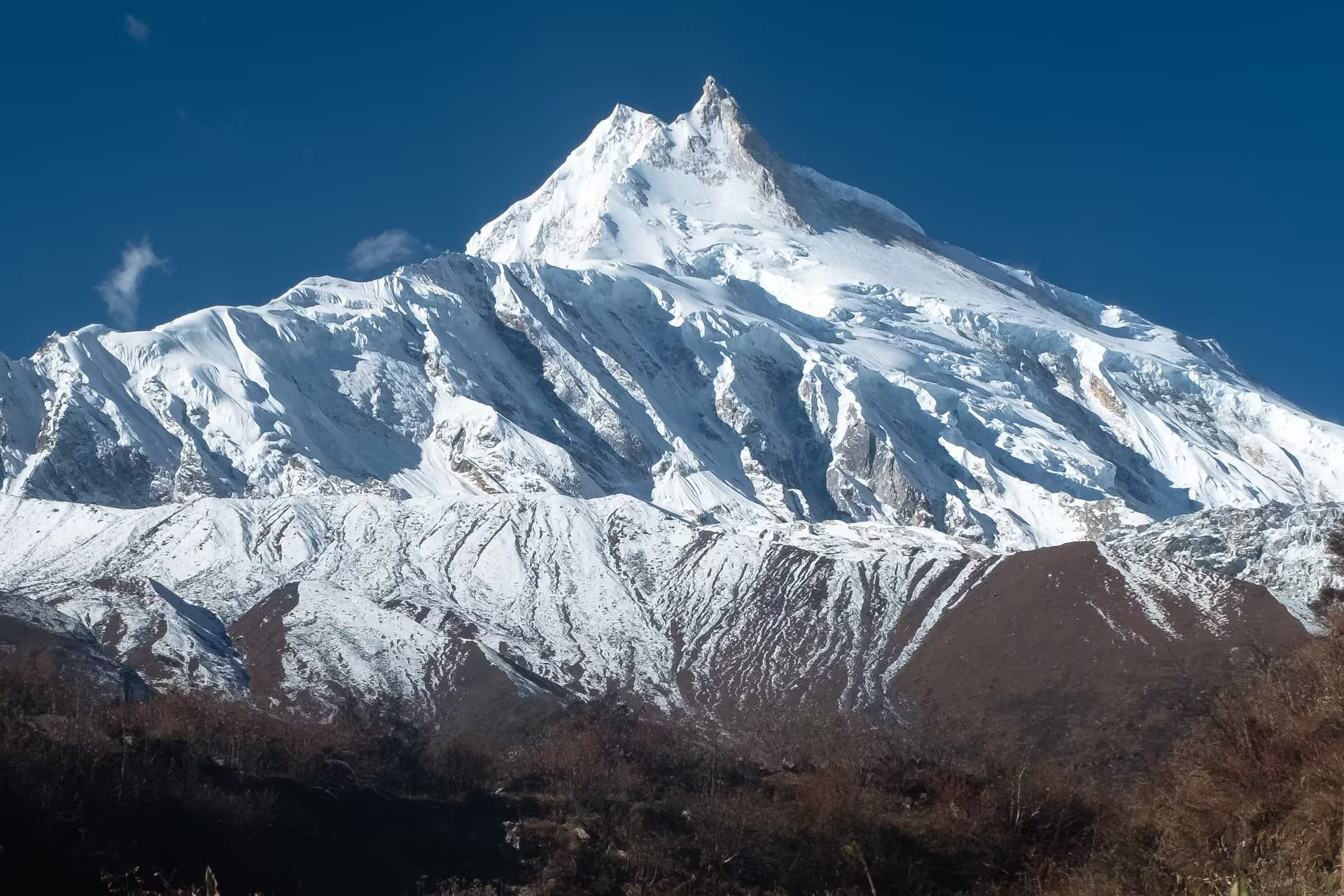 Peak
PeakManaslu
 Peak
PeakDhaulagiri I
 Destination
Kagbeni
- Guide
First-Time Trekker's Checklist: Everything You Need for Nepal
 Peak
PeakAnnapurna I
 Destination
Marpha
Help us get it right
Know Annapurna Circuit better than we do?
We write from research and reporting, and the ground changes faster than we can keep up. If something here is out of date, or you have been and would tell it differently, we would rather hear it.