Four hundred kilometres west of Kathmandu, while the Valley was still finding its shape, a second and entirely separate kingdom called itself Malla. The Khas Malla ruled the Karnali from Sinja in summer and Dullu in winter, and at their height their writ reached from Kumaon across western Nepal into western Tibet.
Their inscriptions — cut in stone at Sinja, Dullu and across the Karnali — name Krachalla, Ashokchalla and Prithvi Malla, and they are written in Khas bhasha, the direct ancestor of the Nepali language now spoken across the country. That is the dynasty's largest surviving work: not a temple but a tongue.
They are not the Mallas of the durbar squares. Nothing connects the two houses but the title, and the confusion is old enough to be worth stating plainly. The Khas Malla empire fragmented in the late fourteenth century into the Baise principalities, and its western remnant reorganised as the Doti kingdom, which outlasted it by four hundred years.
Far less survives here than in the Valley, and what does is landscape and inscription rather than gilded roof. The sites below are where the kingdom can still be stood in.
Where the kingdom stood
Numbered markers match the monuments below. Festivals and intangible legacy are listed but not mapped.
Where the kingdom survives
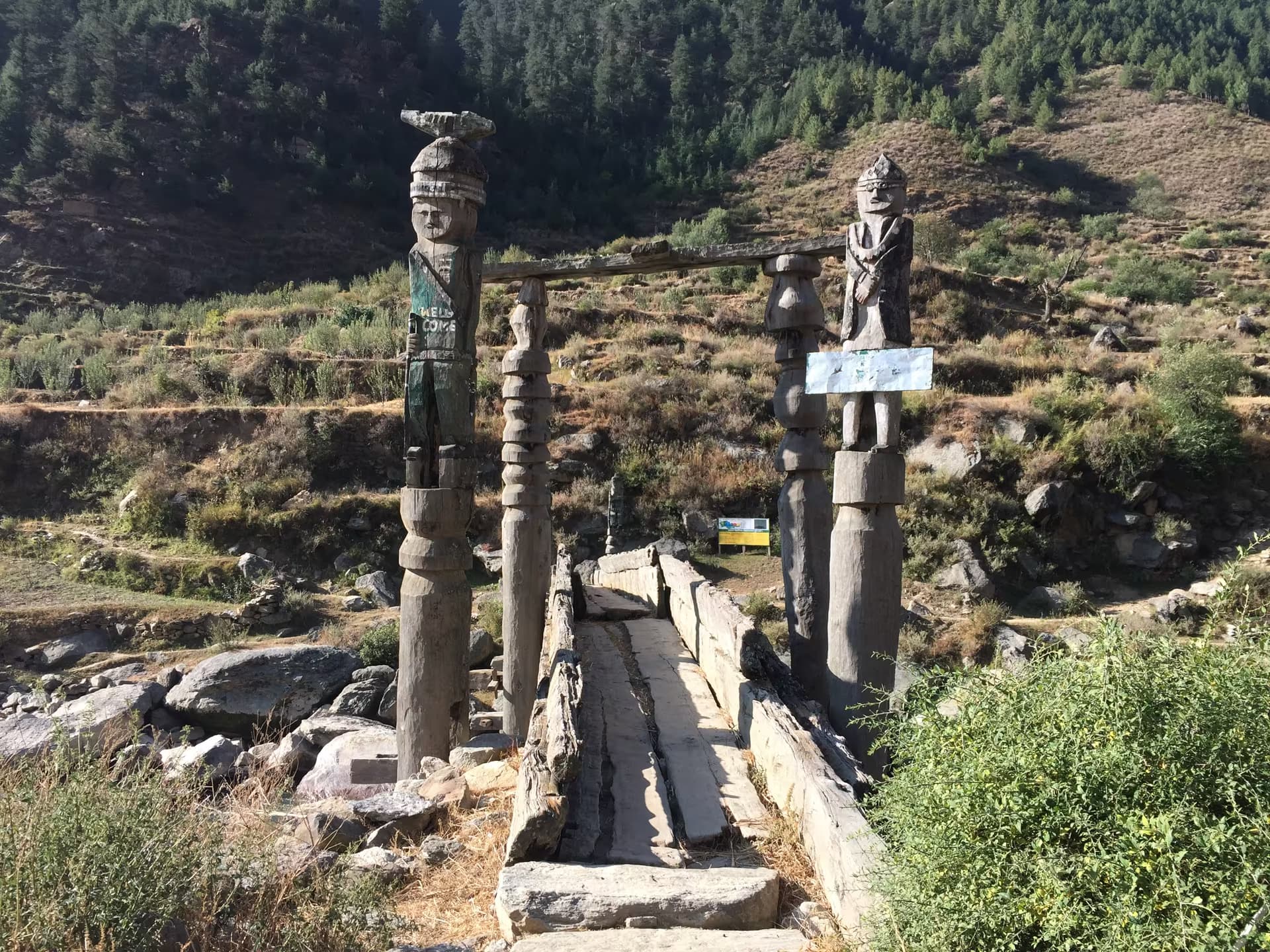
Sinja Valley
Summer capitalThe dynasty's summer seat and the birthplace of the Nepali language, on Nepal's UNESCO tentative list since 2008.
Jumla
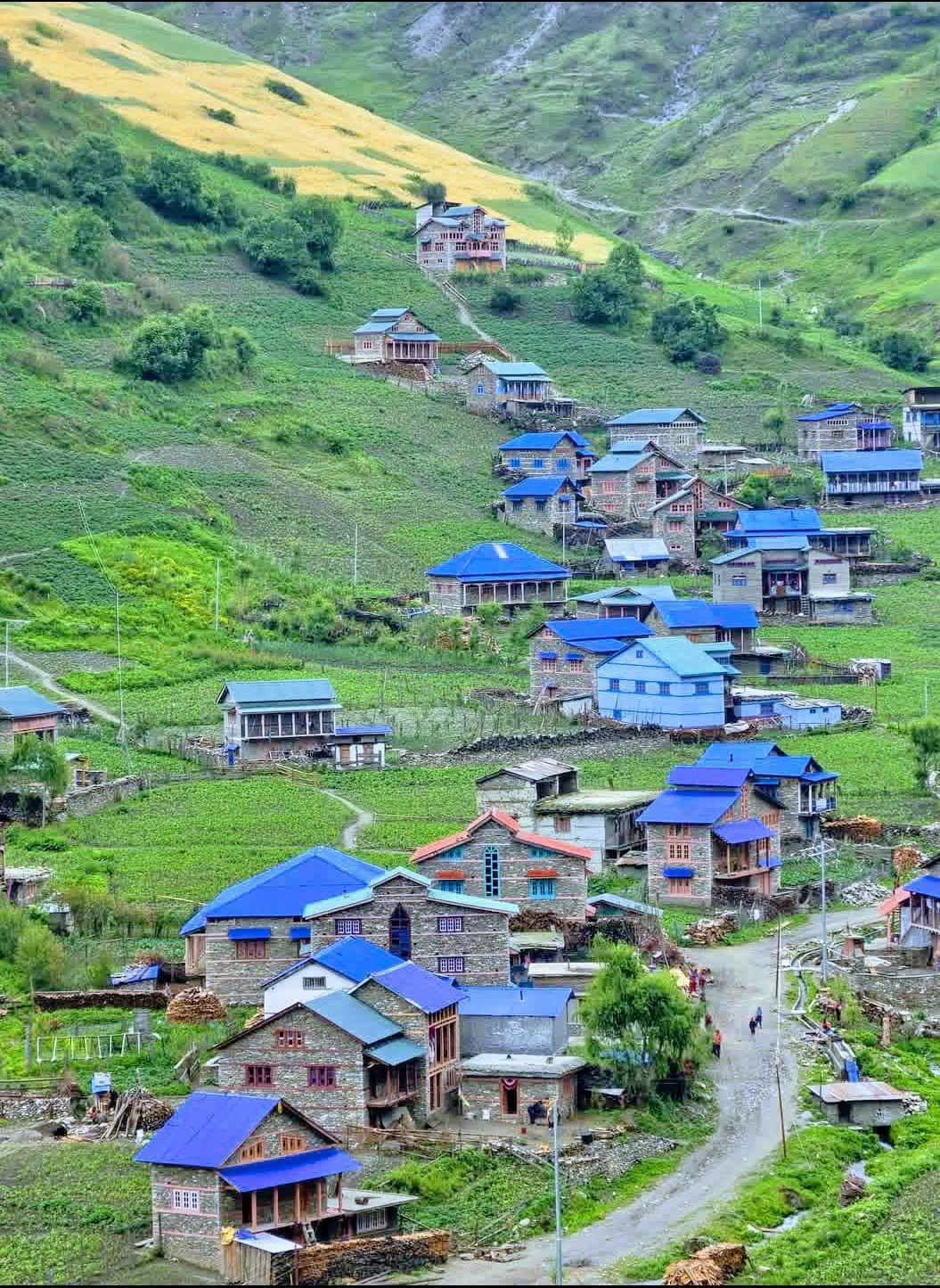
Jumla
Karnali heartlandThe district the kingdom was ruled from — Sinja in summer, wintering down at Dullu.
Jumla
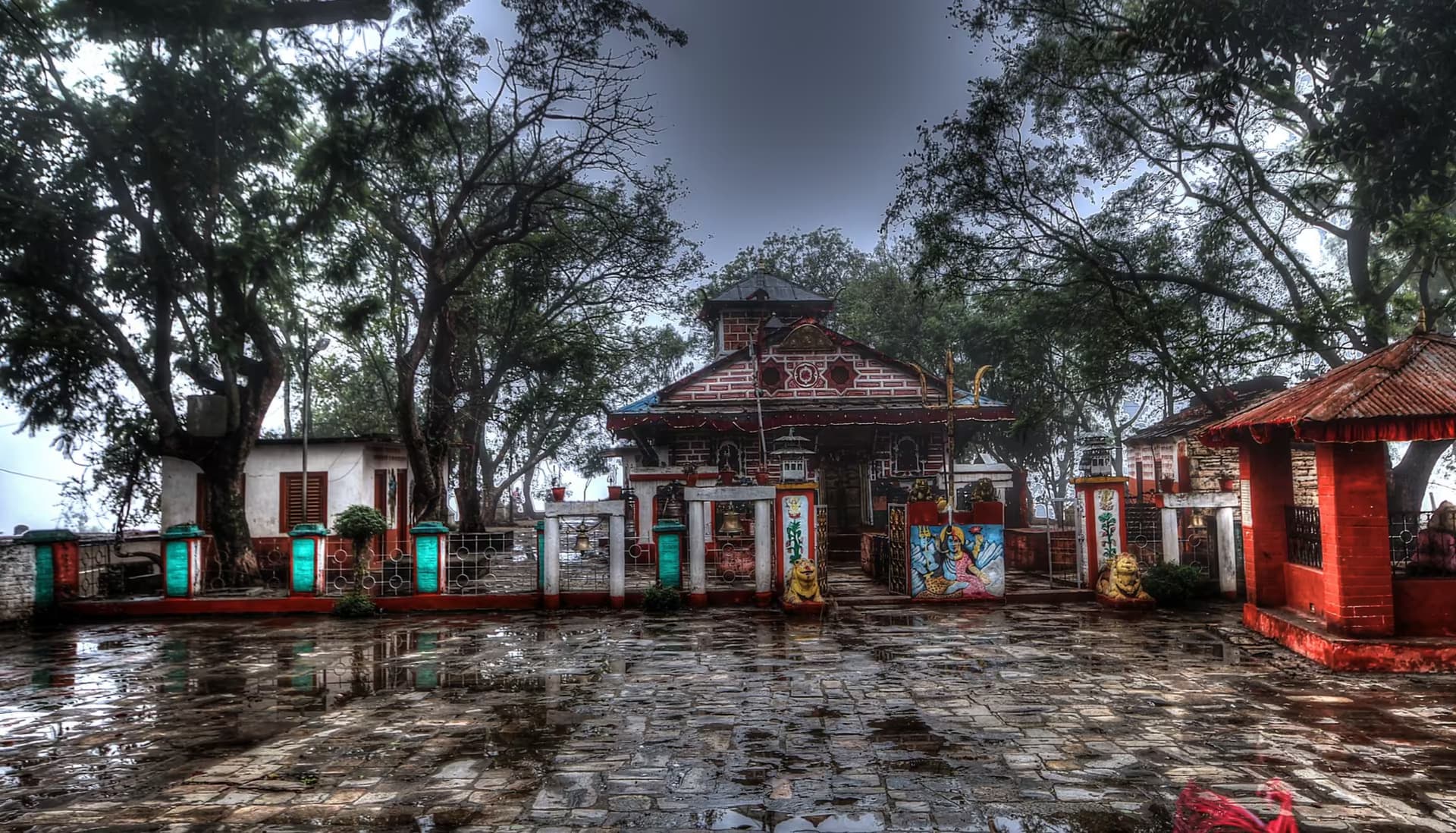
Doti (Silgadhi)
Successor kingdomWhere the western remnant reorganised as the Doti kingdom under the Raika dynasty, ruling until the Gorkha conquest of 1790.
Doti
Help us get it right
Know The Khas Malla Kings better than we do?
We write from research and reporting, and the ground changes faster than we can keep up. If something here is out of date, or you have been and would tell it differently, we would rather hear it.