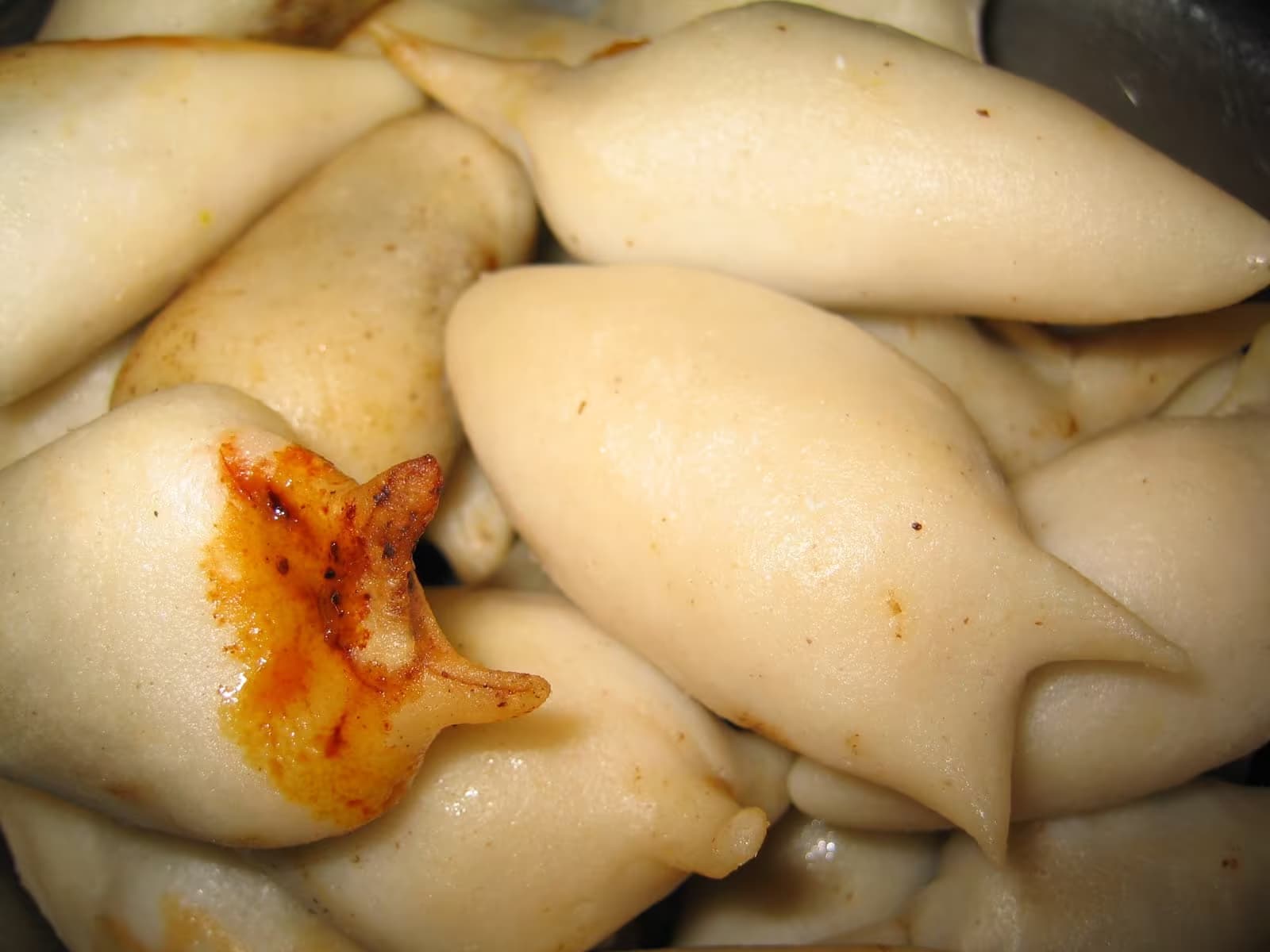
After dark, children go from house to house through the tole asking for yomari, and they sing for it.
The rhyme is about the thing they are asking for — the dumpling, and the chaku inside it — and it is sung at the doorway until somebody comes out with one. Households keep a supply back specifically for this. Visitors reach for trick-or-treating as the comparison and it is not a bad one, though the asking here is sung rather than demanded and the answer is never a sweet from a packet: it is something the household made that afternoon.
In some communities children are given small clay pots and coins rather than only dumplings.
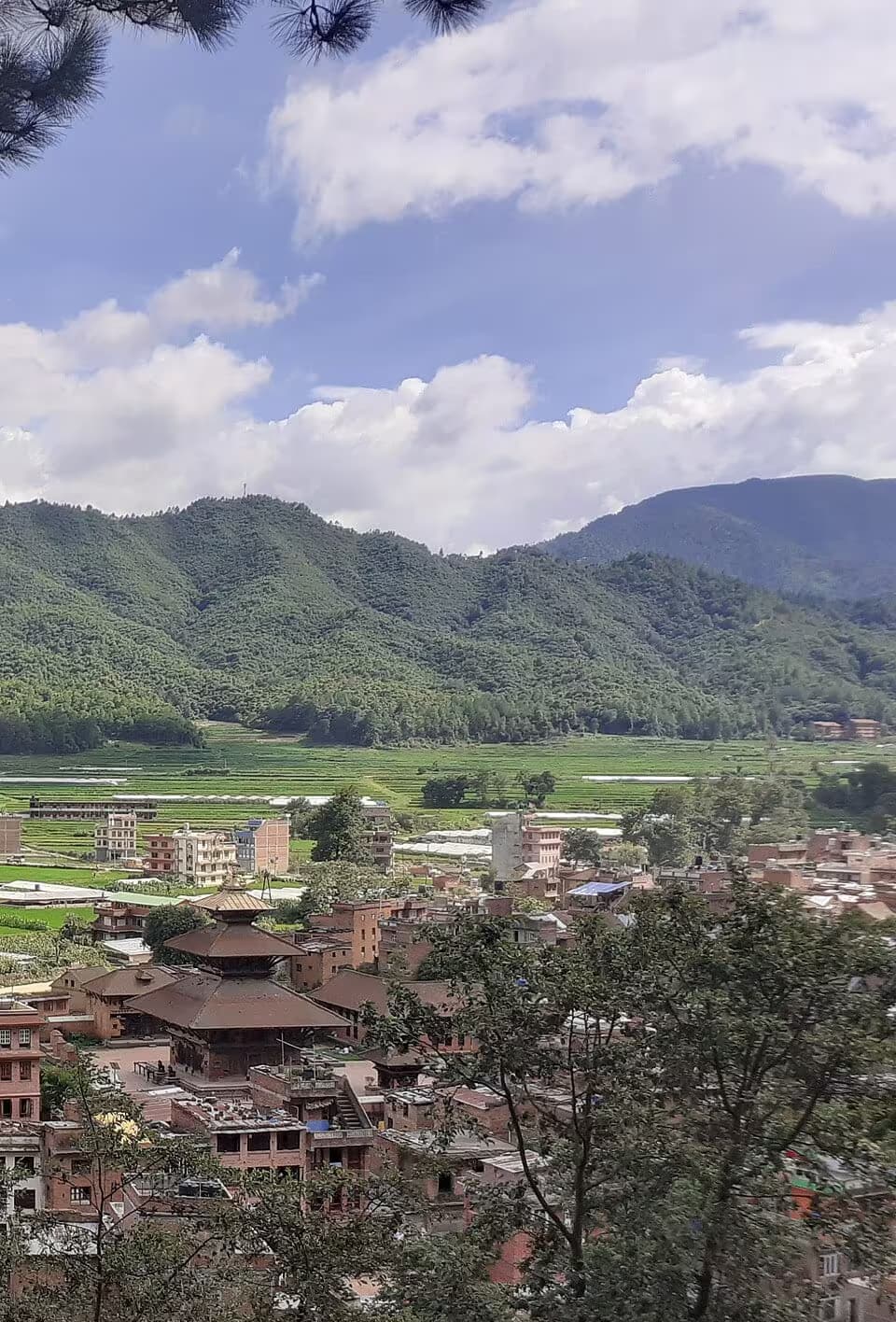
It is the most charming hour of the festival and the easiest part of it to stumble into by accident — if you are staying anywhere near a Newar neighbourhood in Kathmandu, Patan, Bhaktapur or Panauti on the full moon of Mangsir, you will hear it coming down the lane.
Related Places & Sites
Deities & Presences
Rituals & Ceremonies
Part of Yomari Punhi