Langtang Lirung
7,234m
The highest peak of the Langtang Himal at 7,234m — the dominant mountain of Nepal's closest Himalayan trekking region to Kathmandu.
Mountain Weather
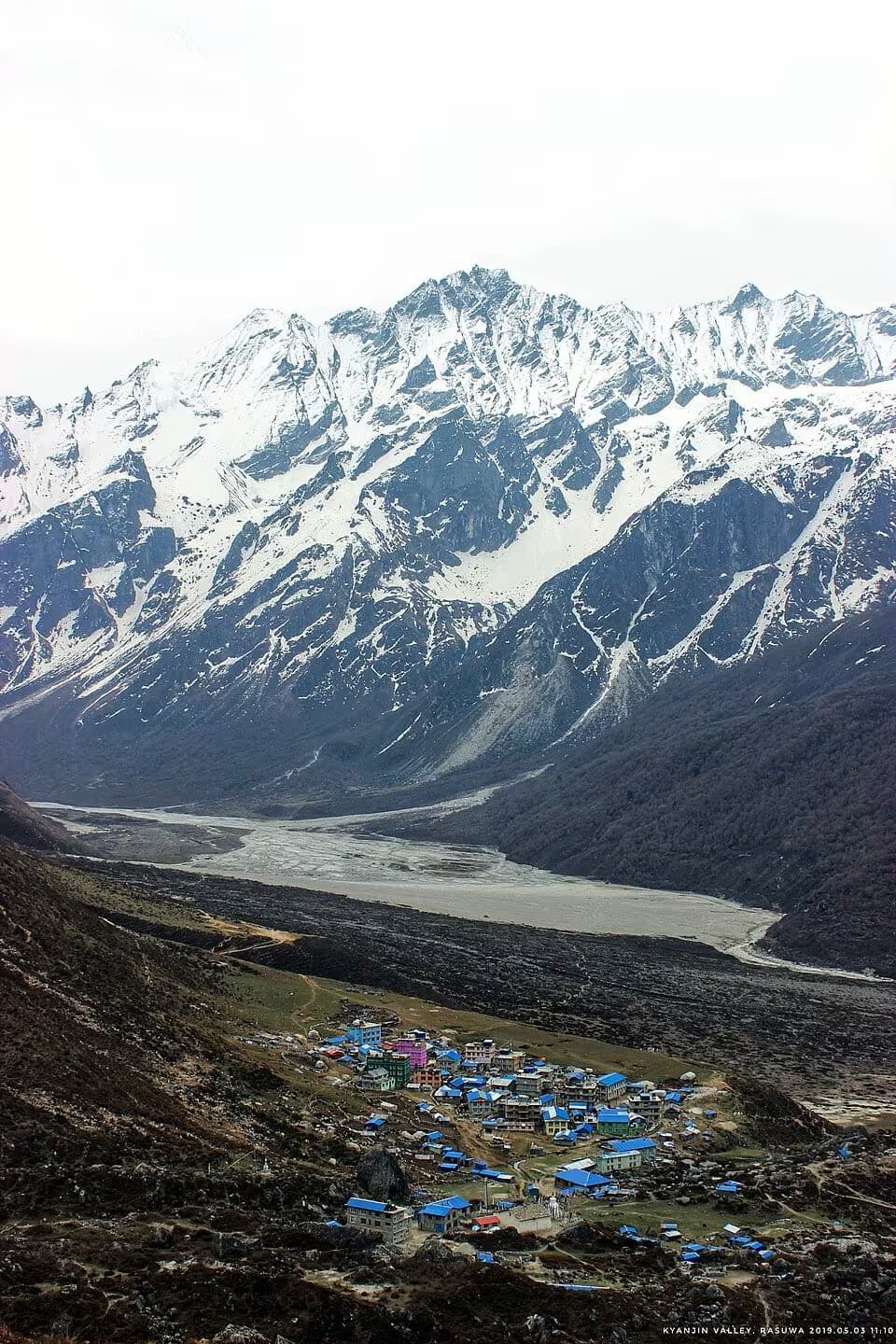
Langtang Lirung (7,234m) is the highest peak of the Langtang Himal, a sub-range of the Nepal Himalayas located approximately 50 km north of Kathmandu Valley in Rasuwa District. The mountain towers over the Langtang Valley, one of Nepal's most accessible and rewarding trekking regions. Its name reflects its location: 'Langtang' (Tibetan for 'yak pastures') and 'Lirung' (likely derived from the Tibetan for 'long peak').
First successfully climbed on October 24, 1978 by Seishi Wada and Pemba Tsering Sherpa of a Japanese expedition via the east ridge, after several previous attempts. The mountain's massive south face, which rises over 3,000m above the Langtang Valley floor, remains one of the most impressive unclimbed walls in the Himalaya. The peak is avalanche-prone and technically demanding, with a fatality history that includes a tragic 2009 accident that claimed Polish climber Piotr Morawski.
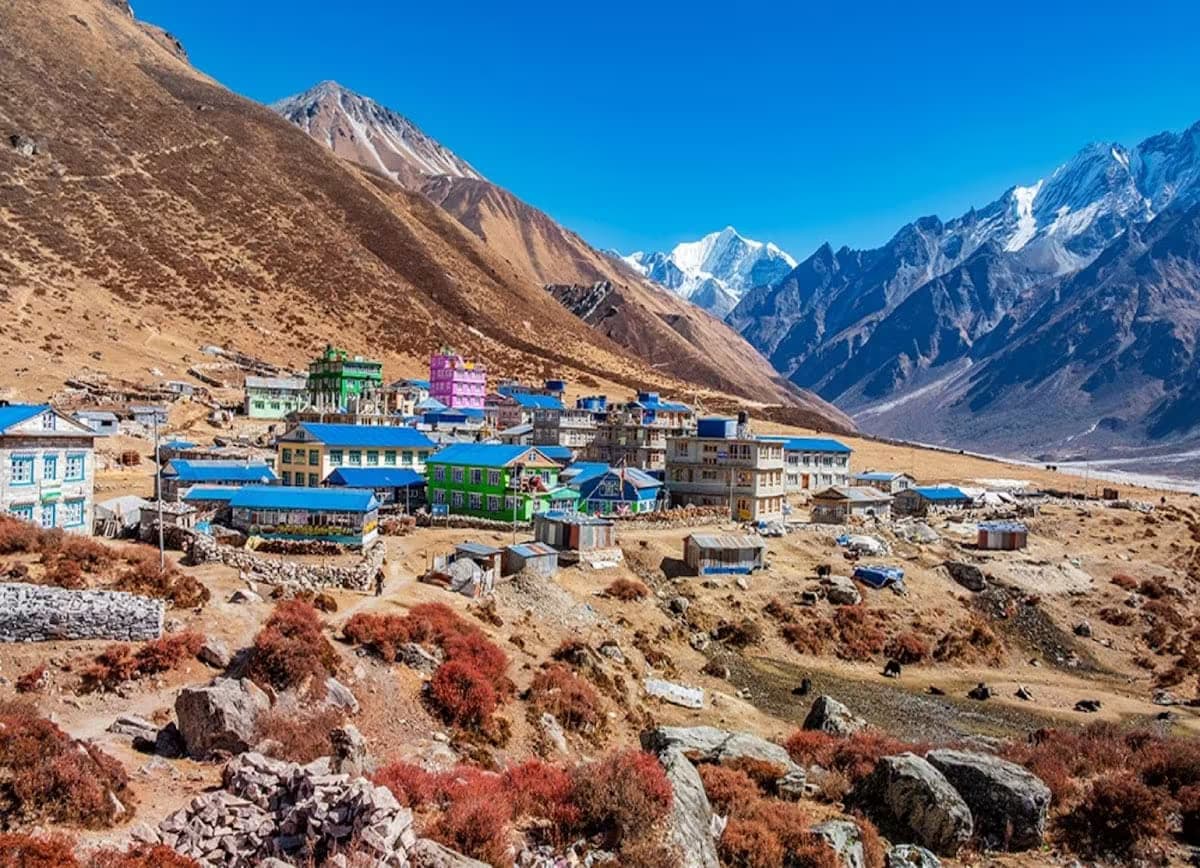
The Langtang Valley trek — a 7-10 day journey from Syabrubesi to Kyanjin Gompa (3,830m) — brings trekkers face-to-face with Langtang Lirung's south face. The valley, severely impacted by the 2015 earthquake-triggered landslide that destroyed Langtang village, has since rebuilt and offers a poignant story of resilience alongside stunning Himalayan scenery. The region is part of Langtang National Park, Nepal's first Himalayan national park, rich in wildlife including red pandas, Himalayan tahr, and the elusive snow leopard. Best seasons: spring (March-May) when rhododendrons bloom and autumn (September-November) for clearest skies.
Location
Part of
Langtang Valley
Planning this climb? Local operators publishing trips here can arrange it.
Elsewhere in this region
Help us get it right
Know Langtang Lirung better than we do?
We write from research and reporting, and the ground changes faster than we can keep up. If something here is out of date, or you have been and would tell it differently, we would rather hear it.