Temple · Syncretic
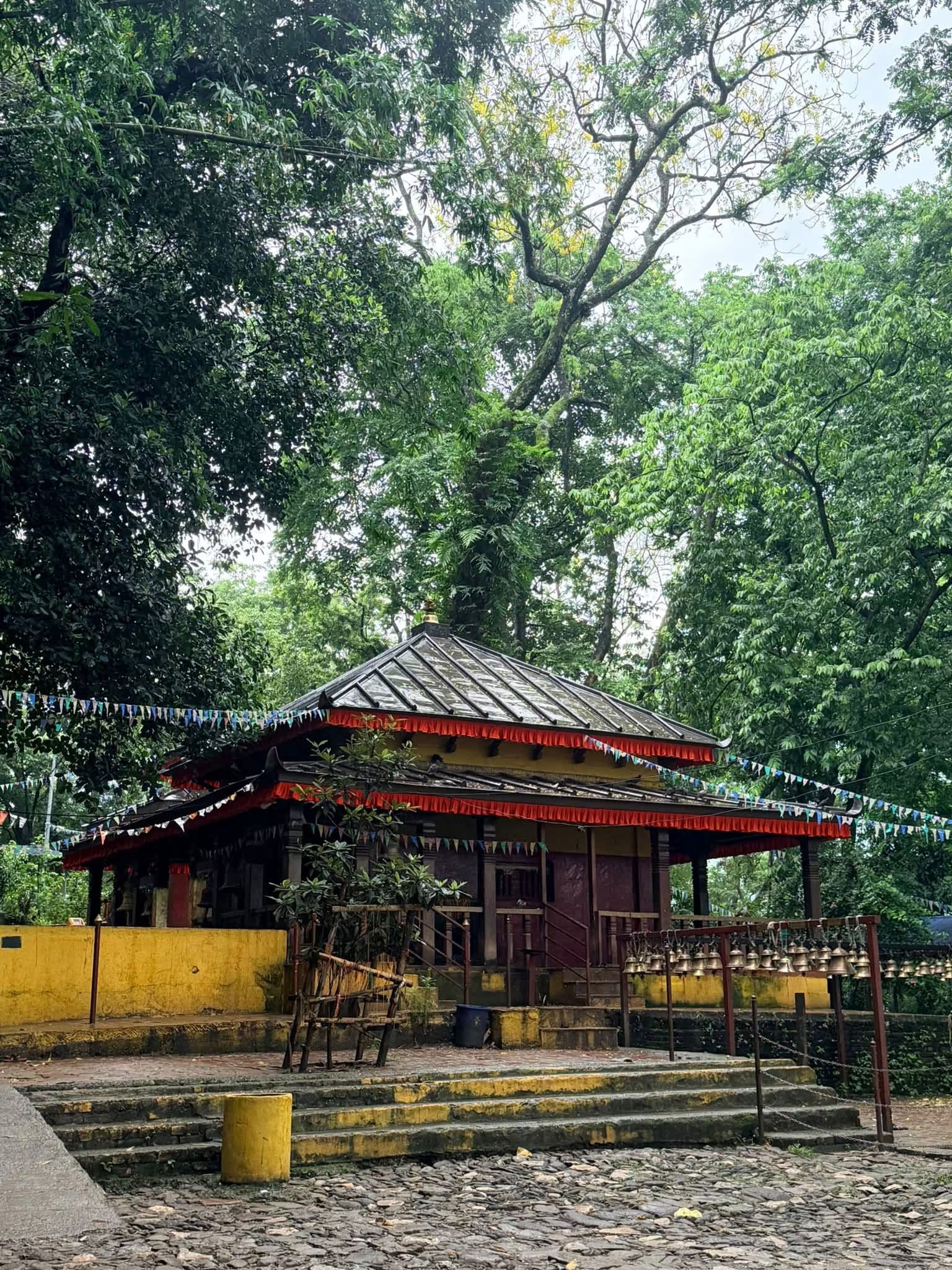
Budhasubba Temple
बुढासुब्बा मन्दिर
Budhasubba — the spirit of the Limbu king Buddhi Karna Raya Khebang, worshipped alongside Shiva in his Kirat form as Theba Sammang·Associated with the Limbuwan capital at Bijayapur; veneration dates from after 1773·Sunsari
Dharan's own shrine and eastern Nepal's busiest syncretic site — a Kirat holy place in the old Limbuwan capital of Bijayapur, set in a grove of bamboo that famously never grows a tip.
Dedicated to
Budhasubba — the spirit of the Limbu king Buddhi Karna Raya Khebang, worshipped alongside Shiva in his Kirat form as Theba Sammang
Period
Associated with the Limbuwan capital at Bijayapur; veneration dates from after 1773
Hours
Open daily from dawn to dusk; busiest on Saturday mornings
Admission
Free
Climate
terai
Budhasubba stands in Bijayapur on the northern edge of Dharan, on ground that was once the capital of Limbuwan. The Kirat historian Iman Singh Chemjong identified Bijayapur as the seat of the Limbu king Bijayanarayan Raya Khebang, and the shrine is understood as the resting place of Buddhi Karna Raya Khebang, the last Limbu king of that line, killed in 1773 by agents of Prithvi Narayan Shah during negotiations. Limbu communities came to venerate his spirit as a benign and helpful presence, and over generations Hindu worship settled alongside Kirat practice — which is why the site reads as neither one tradition nor the other.
The bamboo is the detail everyone repeats. The grove around the shrine grows bamboo with no tips, and the stories explaining it vary by teller. In the Kirat version Budhasubba, a hunter, was aiming a pellet bow at a crow, struck a bamboo shoot instead, gave up hunting in remorse, and the shoots never grew back. In another, Shiva and Parvati arrived at Bijayapur in the form of the Kirat king and queen to hunt, sensed the coming of Kali Yuga and vanished, leaving their discarded bows to sprout as tipless bamboo. Local lore adds that birds do not call in the grove.
The living practice is about wishes. Devotees tie sacred thread around the bamboo after worshipping — the older habit of writing a couple's names on the stems has been discouraged because it damaged the plants — and the shrine's long association with love and marriage keeps young visitors arriving from across the east. Footfall is enormous by eastern Nepal standards, heaviest on Saturday mornings and through Dashain and Tihar.
It is a few minutes from central Dharan and the natural first stop on the climb to Bhedetar. Anyone doing the region's sacred geography properly pairs it with Baraha Kshetra upriver and Ramdhuni in the sal forest to the west.
Best visited in autumn and winter (Terai Plains region).autumn: best, 18°C to 30°C. Comfortable weather and the heaviest footfall of the year through Dashain and Tihar, when Dharan's own crowds are joined by families travelling home to the east. Expect long queues at the shrine. monsoon: possible, 25°C to 33°C. Humid and often wet, and the grove drips for hours after rain. Worship carries on regardless — Saturday mornings are still busy — but underfoot it is muddy. spring: good, 20°C to 33°C. Hot by late morning but the bamboo grove holds shade. Visit early; the shrine is a short ride from central Dharan and the climb to Bhedetar makes the obvious second half of the day. winter: best, 9°C to 24°C. The pleasantest months to be in the eastern Terai, with cool mornings and clear light. Saturdays stay very busy year-round, so a weekday morning is the calm option.
The Almanac
Climate · Terai Plains
Humid and often wet, and the grove drips for hours after rain. Worship carries on regardless — Saturday mornings are still busy — but underfoot it is muddy.
Coda
Continue the Pilgrimage
Related
Connected places and entries worth pairing
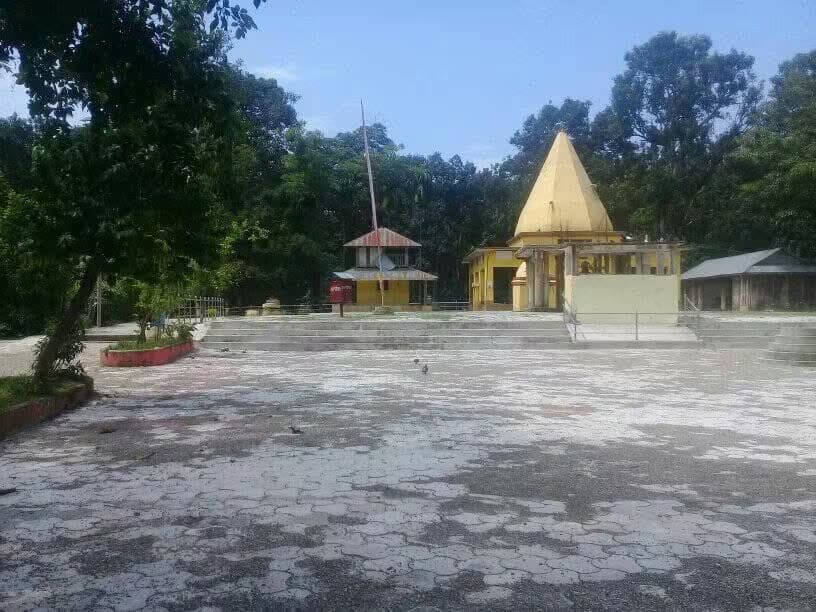
Planning this visit? Local operators publishing trips here can arrange it.
Elsewhere in this region
Help us get it right
Know Budhasubba Temple better than we do?
We write from research and reporting, and the ground changes faster than we can keep up. If something here is out of date, or you have been and would tell it differently, we would rather hear it.