Monastery · Buddhist
Tengboche Monastery
टेङ्बोचे गुम्बा
Shakyamuni Buddha·Founded 1916, rebuilt 1990·Solukhumbu
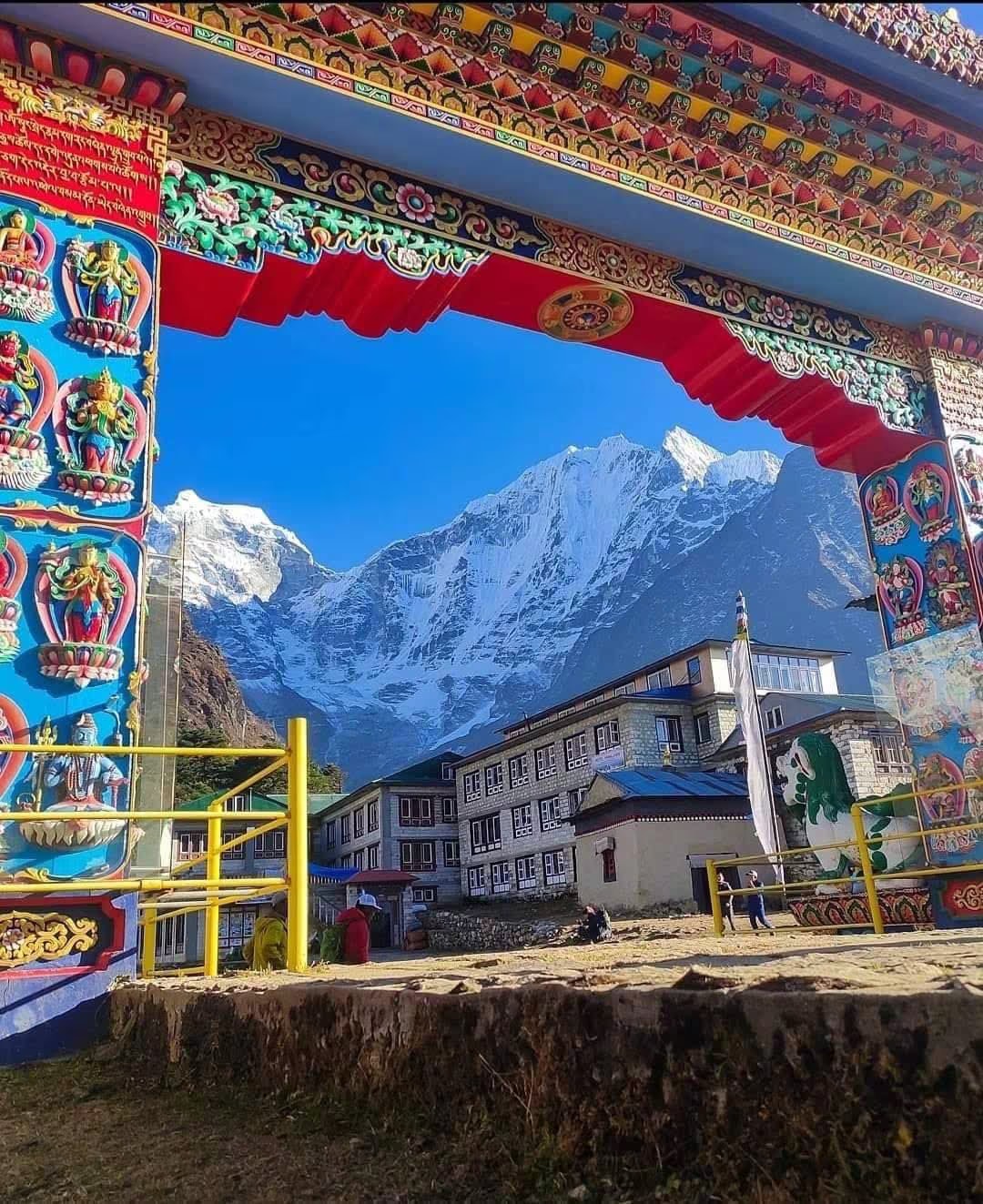
The most famous Sherpa monastery in the Khumbu region, set against the dramatic backdrop of Ama Dablam, Everest, and Lhotse.
Dedicated to
Shakyamuni Buddha
Period
Founded 1916, rebuilt 1990
Hours
6:00 AM – 5:00 PM (prayers at 6 AM and 3 PM)
Admission
Free
Neighborhood
Tengboche
Tengboche (or Thyangboche) Monastery is the largest and most important monastery in the Khumbu region, situated at 3,867 meters on a forested ridge with arguably the most spectacular mountain views in the world.
Founded in 1916 by Lama Gulu, the monastery is the spiritual center for Khumbu's Sherpa community. Destroyed by an earthquake in 1934 and rebuilt, then destroyed by fire in 1989 and rebuilt again with international support, it stands as a testament to the resilience of the Sherpa Buddhist tradition.
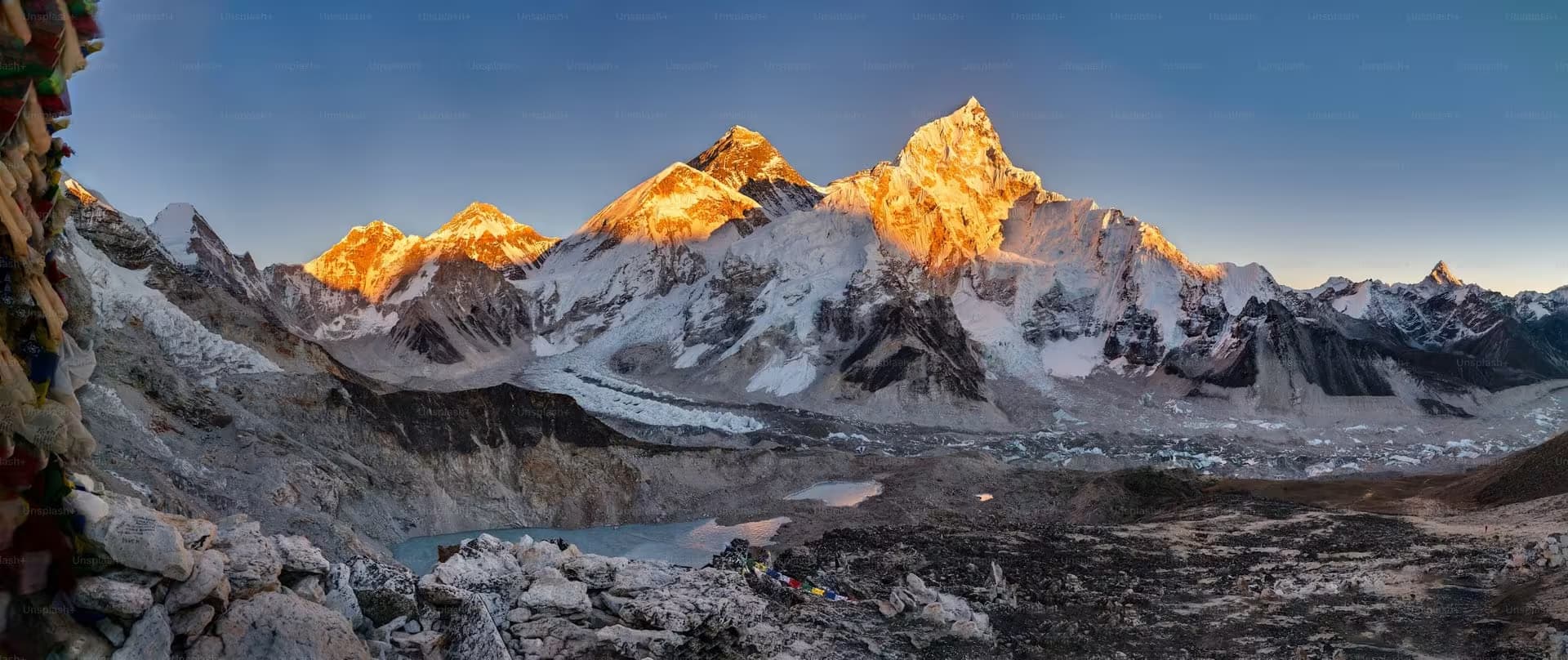
The monastery's setting is unparalleled: Ama Dablam's perfect pyramid rises directly behind, with Everest, Lhotse, and Nuptse visible to the north. The Mani Rimdu festival held here in October/November is one of the most colorful events in the Himalayas, featuring masked dances and sacred rituals.
Trekkers on the Everest Base Camp route typically spend a night in Tengboche for acclimatization. The monastery's interior has beautiful murals and a large statue of Shakyamuni Buddha.
Best visited in autumn and spring.autumn: best, -12°C to 6°C. Mani Rimdu festival features masked dances. Panoramic views of Everest, Nuptse, Lhotse, and Ama Dablam at their clearest. monsoon: avoid, -2°C to 12°C. Clouds engulf the monastery most days. Trail from Namche is slippery. Mani Rimdu festival (Oct/Nov) is worth timing for. spring: best, -8°C to 8°C. Rhododendrons frame the monastery with Ama Dablam behind. The iconic view of Everest from the courtyard is clearest. winter: possible, -20°C to 0°C. Extremely cold but crystal-clear views. Monastery remains active. Few trekkers pass through. Magical solitude.
The Almanac
Clouds engulf the monastery most days. Trail from Namche is slippery. Mani Rimdu festival (Oct/Nov) is worth timing for.
Coda
Continue the Pilgrimage
Part of
Sagarmatha National Park
Planning this visit? Local operators publishing trips here can arrange it.
Elsewhere in this region
Help us get it right
Know Tengboche Monastery better than we do?
We write from research and reporting, and the ground changes faster than we can keep up. If something here is out of date, or you have been and would tell it differently, we would rather hear it.