For one hundred and five years Nepal was governed not by its kings but by one family's prime ministers. Jung Bahadur Rana took power after the Kot massacre of September 1846, made the premiership hereditary in his own line, and reduced the Shah monarchs to ceremonial figures — an arrangement that outlasted him by three generations and ended only with the revolution of 1950–51.
What they left on the ground is unmistakable and almost entirely un-Newar. Where the Malla courts built in brick, timber and gilded copper, with struts and tiered pagoda roofs, the Ranas built white stuccoed neoclassicism: Corinthian columns, pediments, tall shuttered windows and long symmetrical frontages, executed by Newar craftsmen in local brick and lime. Jung Bahadur's state visit to Britain and France in 1850 is usually credited with setting the taste, and the **Narshingh** family of court architects — Kishore Narshingh above all — turned it into a house style.
The scale was enormous. Singha Durbar, finished for Chandra Shumsher in 1908, was described at the time as the largest private residence in Asia; Bagh Durbar, Lal Durbar, Babar Mahal, Thapathali and Seto Durbar filled the city with others, and the 1934 earthquake and a 1973 fire between them destroyed a great deal of it. Most of what survives is now ministries, army property or schools, which is why the Garden of Dreams matters out of proportion to its size: it is the one Rana-era place in Kathmandu you can simply buy a ticket and walk into.
The record is genuinely mixed and worth stating as such. Chandra Shumsher abolished slavery in Nepal in 1924 and founded Tri-Chandra College; Bir Shumsher built the country's first hospital. The same administrations kept Nepal closed to outsiders, blocked schooling for most of the population, and suppressed religious and political reform — the Theravada revival at Kindo Bahal among them. Both halves are the same century.
Across the Valley
Numbered markers match the monuments below. Festivals and intangible legacy are listed but not mapped.
Licchavi-era foundations
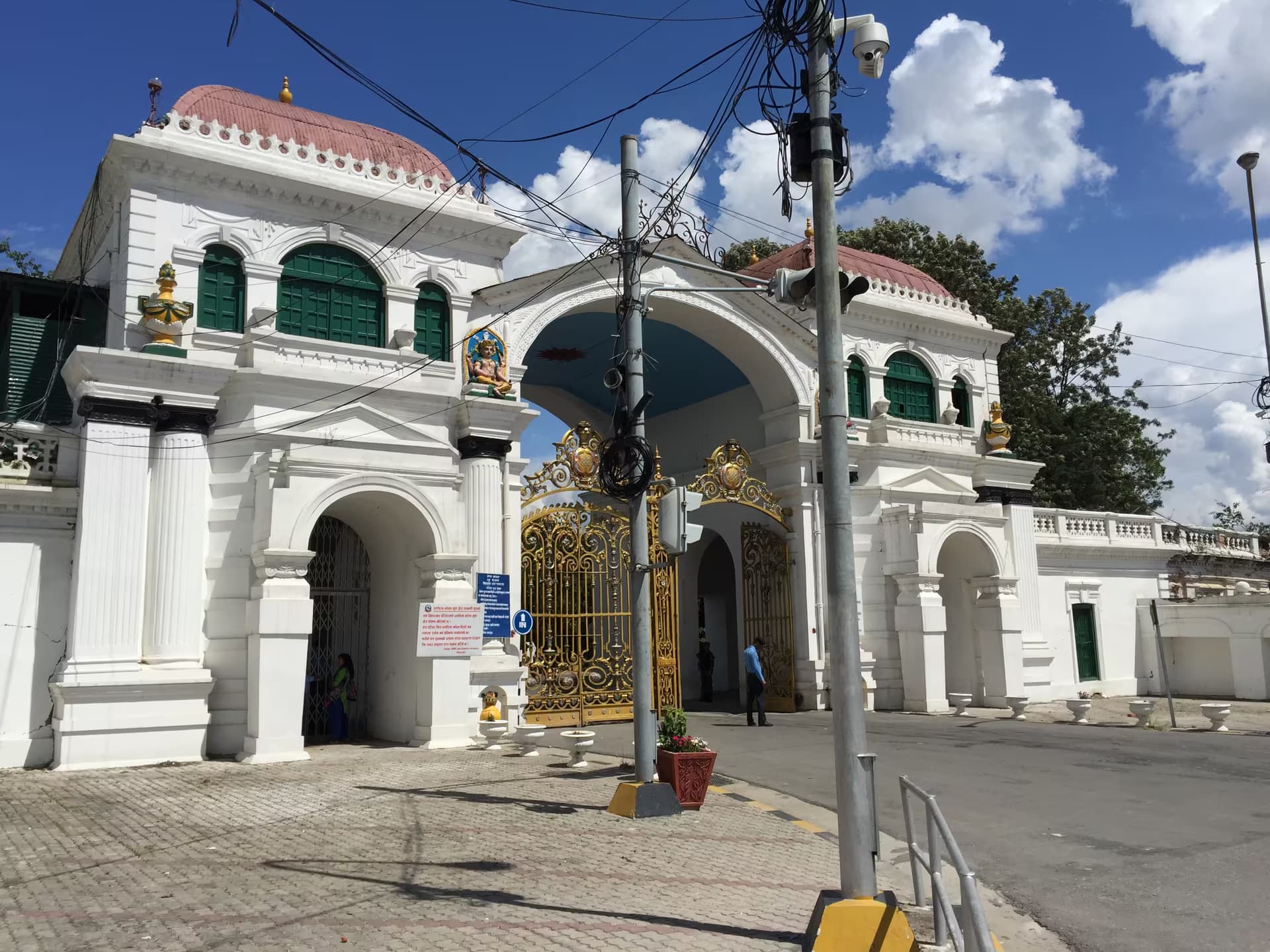
Singha Durbar
Chandra Shumsher, 1908The regime's masterwork and once reputedly Asia's largest private palace; most of it burned in 1973 and the surviving wing is now the federal secretariat.
Kathmandu
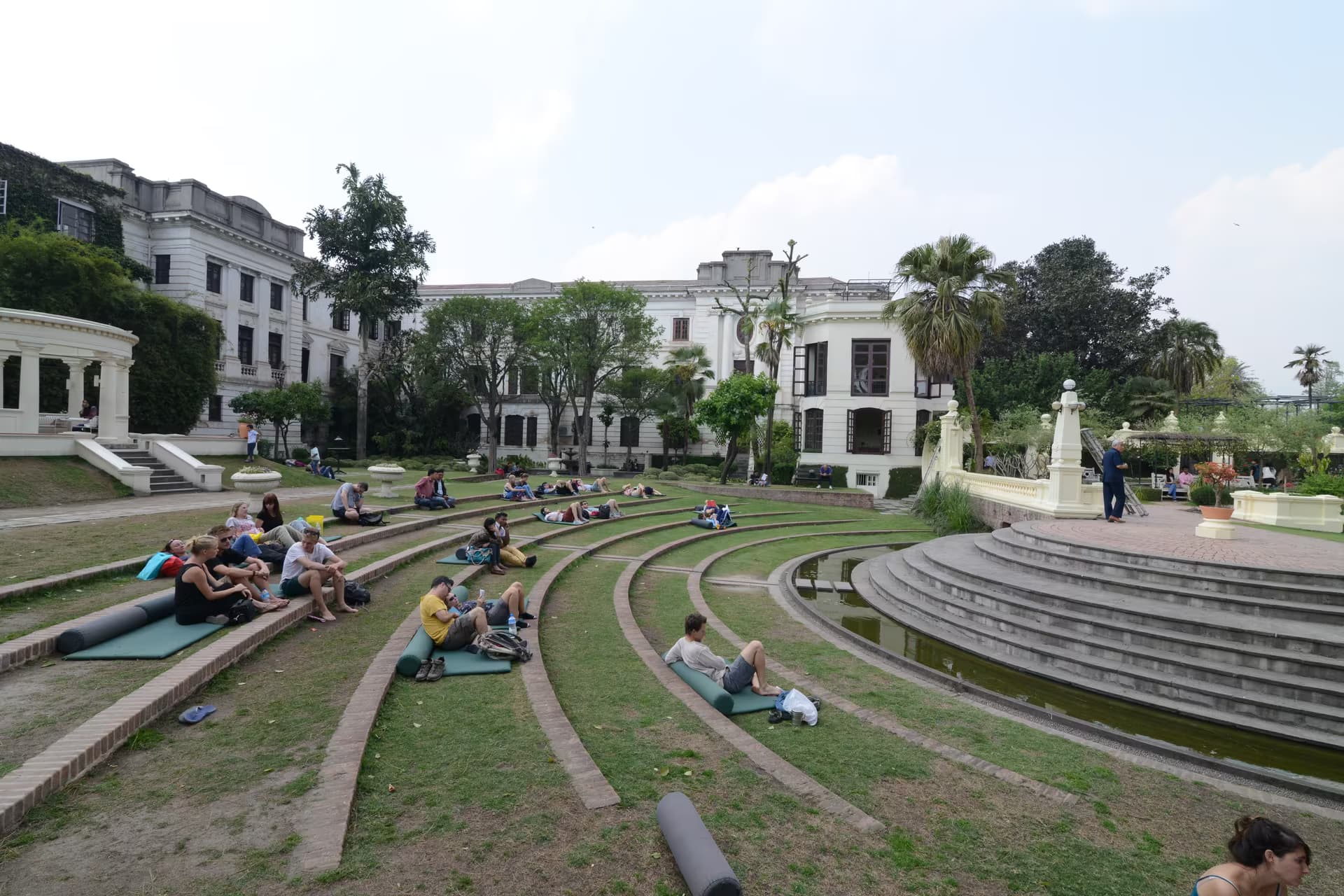
Garden of Dreams
Kaiser Shumsher, 1920Six season pavilions behind a Thamel wall, three still standing — the only Rana-era building here that is open to visitors.
Kathmandu
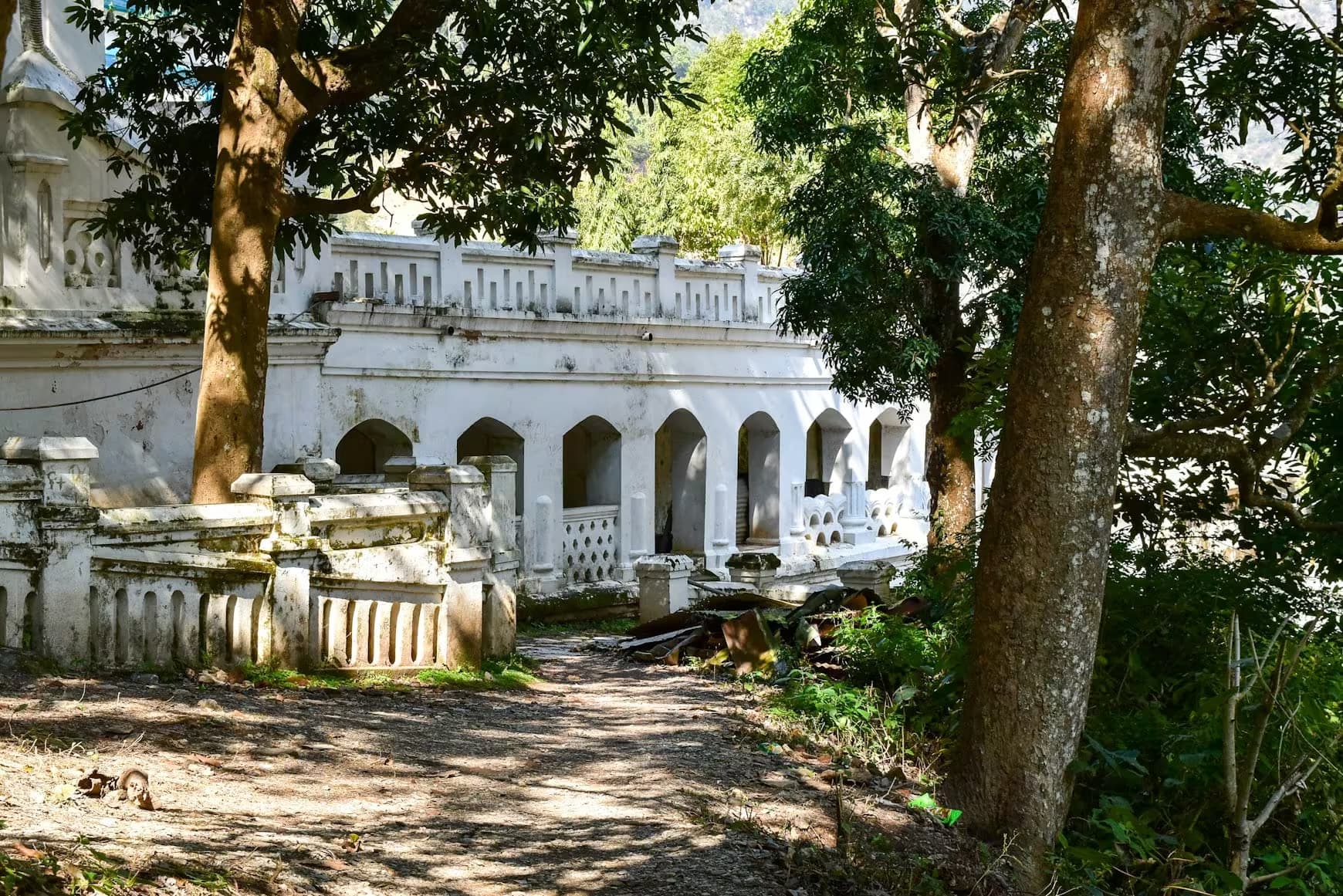
Tansen (Palpa)
Khadga Shumsher, 1893Rani Mahal, the riverside palace Khadga Shumsher built for his wife on the Kali Gandaki, stands an hour's walk below the town.
Palpa
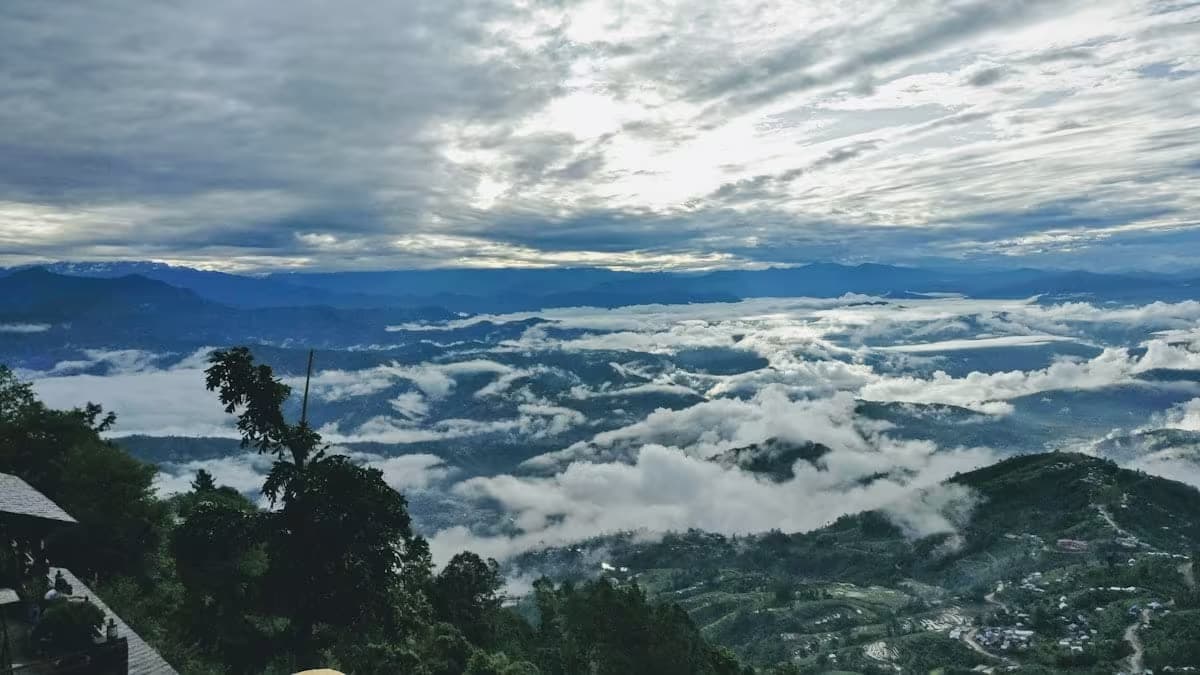
Nagarkot
Rana summer retreatThe Bhaktapur watch-ridge the Rana rulers turned into a hot-season escape, which is how it became a hill station at all.
Bhaktapur
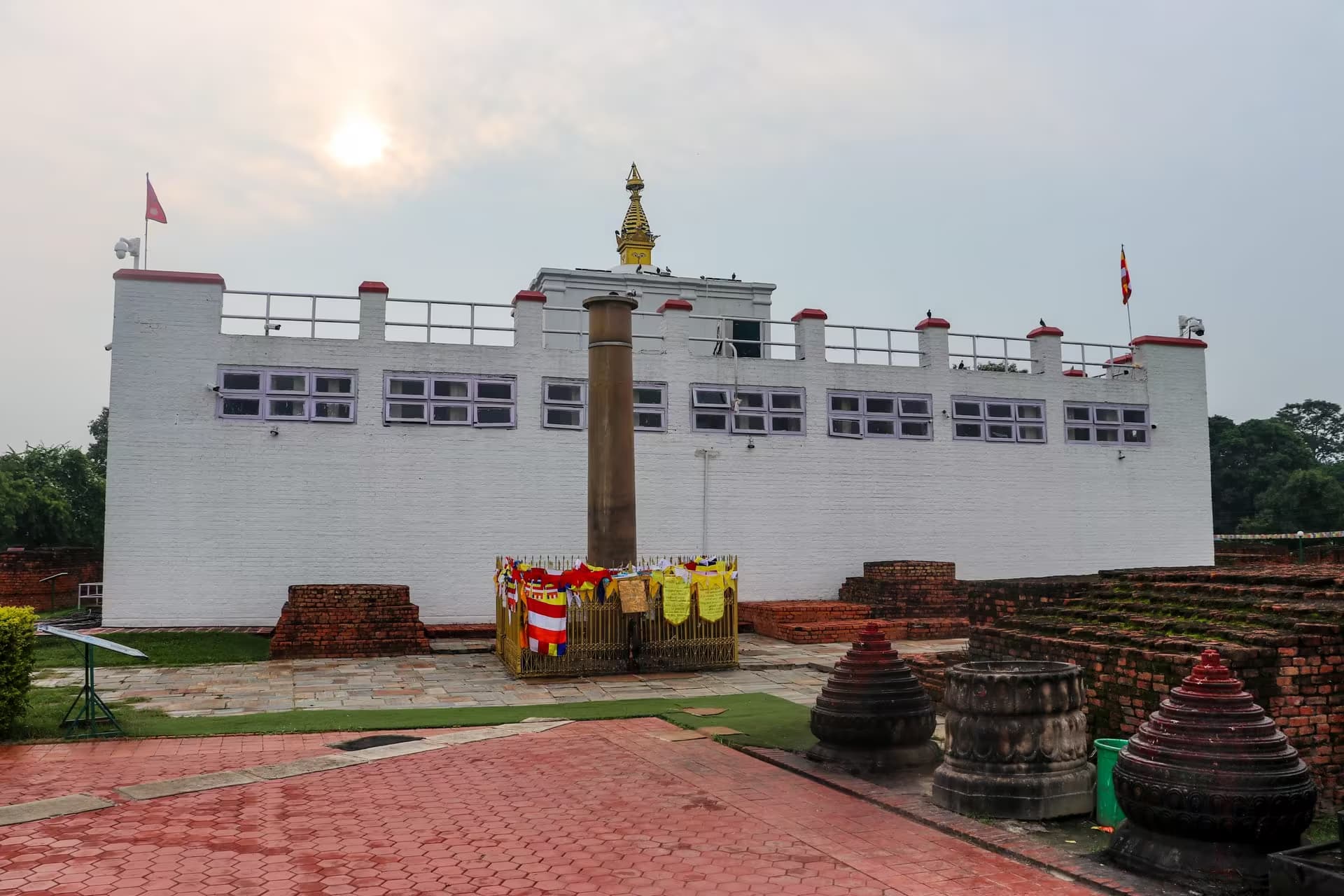
Ashoka Pillar, Lumbini
Rediscovered 1896General Khadga Shumsher Rana and the archaeologist Alois Führer found the pillar in the jungle, settling where the Buddha was born.
Sacred Garden, Lumbini
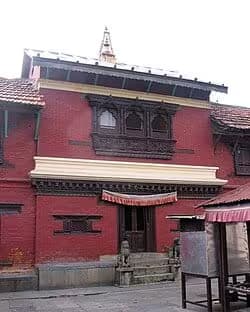
Kindo Bahal
Suppressed 1920s–40sThe Theravada revival sheltered here while the Rana state was expelling its monks — the regime's religious policy, seen from the receiving end.
Southern foot of Swayambhunath hill
Help us get it right
Know The Rana Prime Ministers better than we do?
We write from research and reporting, and the ground changes faster than we can keep up. If something here is out of date, or you have been and would tell it differently, we would rather hear it.