Phewa Lake
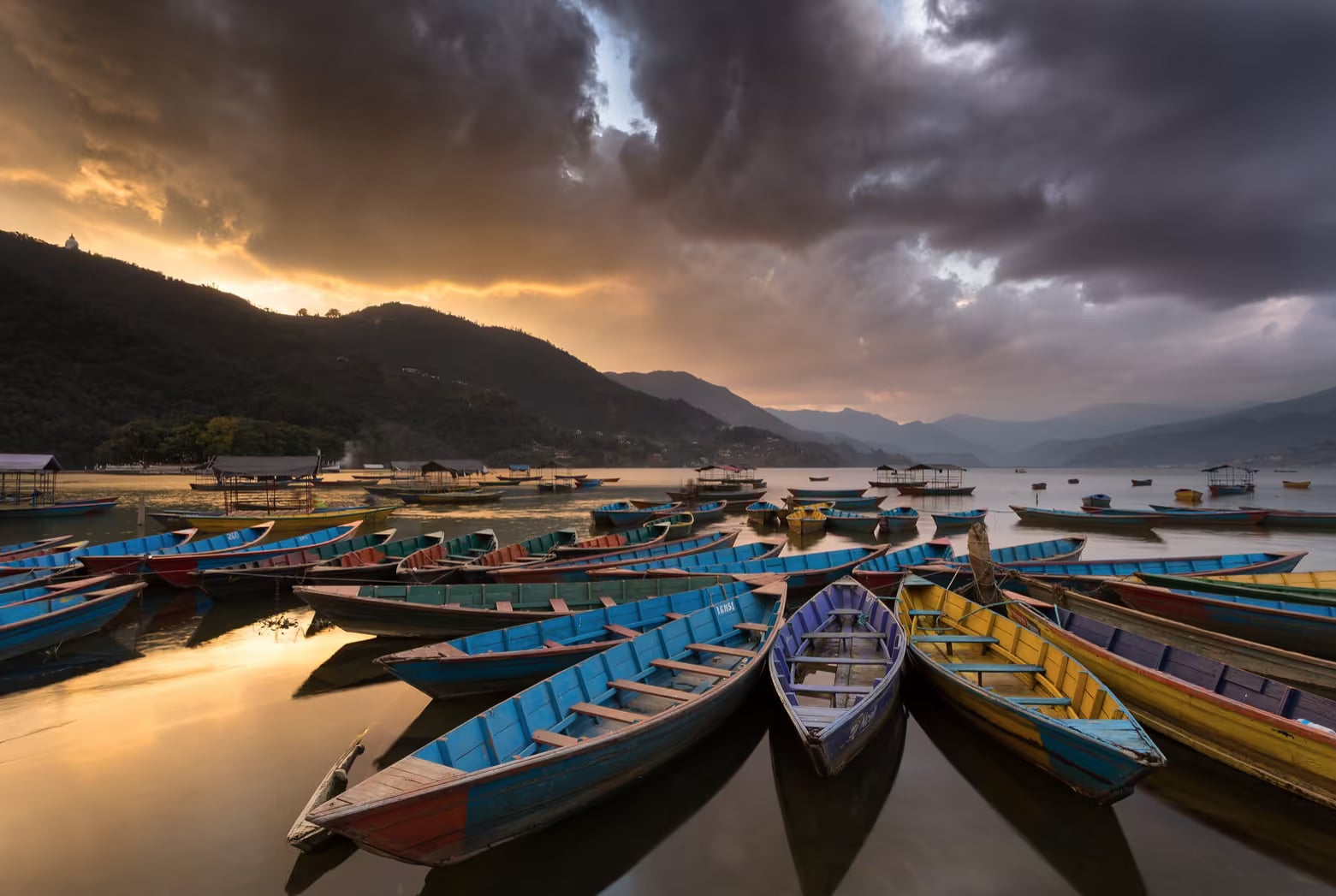
Pokhara's iconic lake at 742m, where the Annapurna and Machhapuchhre reflect on calm mornings and the island temple of Tal Barahi draws a steady stream of boat-borne worshippers.
- Altitude
- 742 m
- Coordinates
- 28.214°, 83.947°
Current Weather
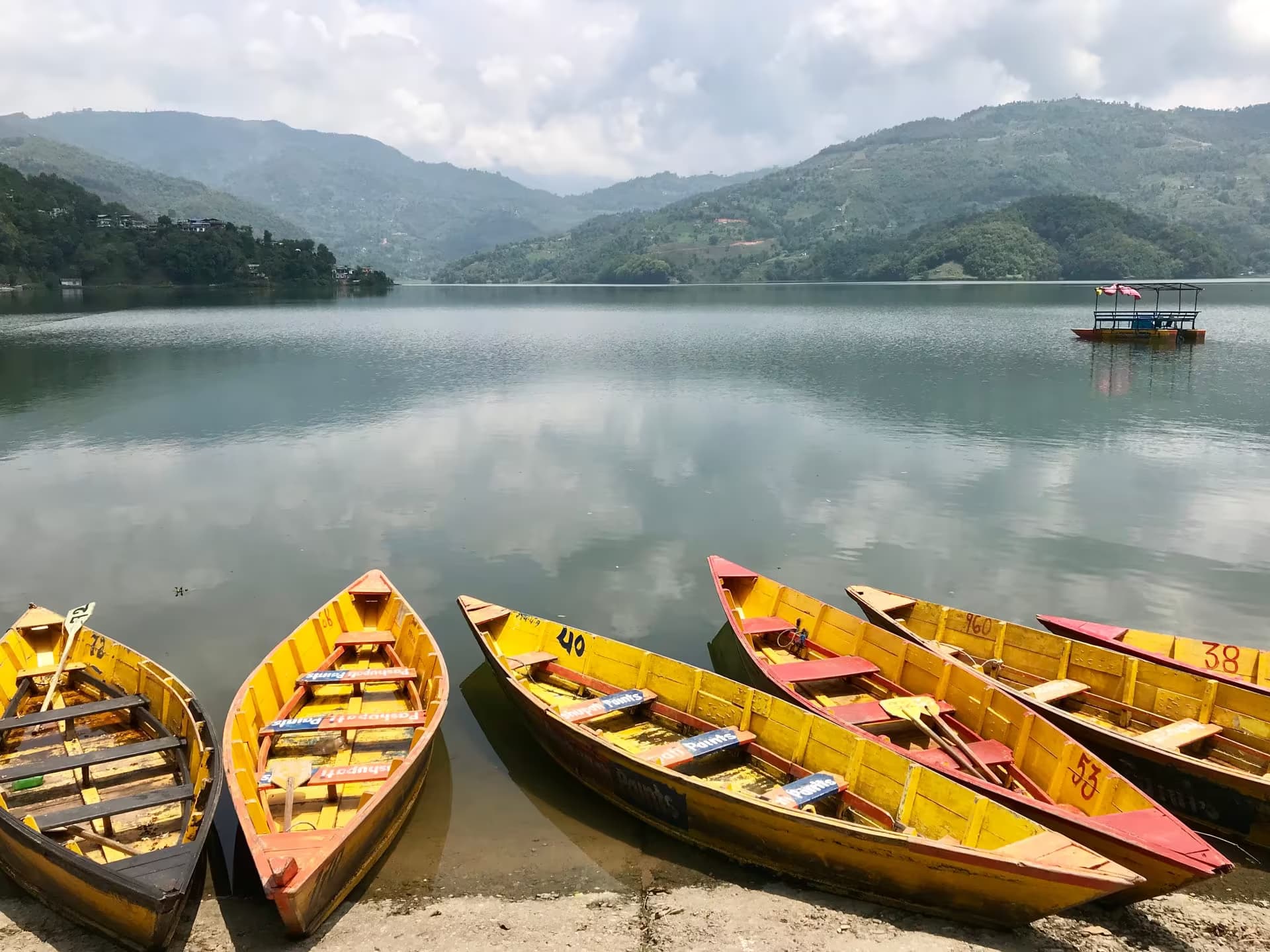
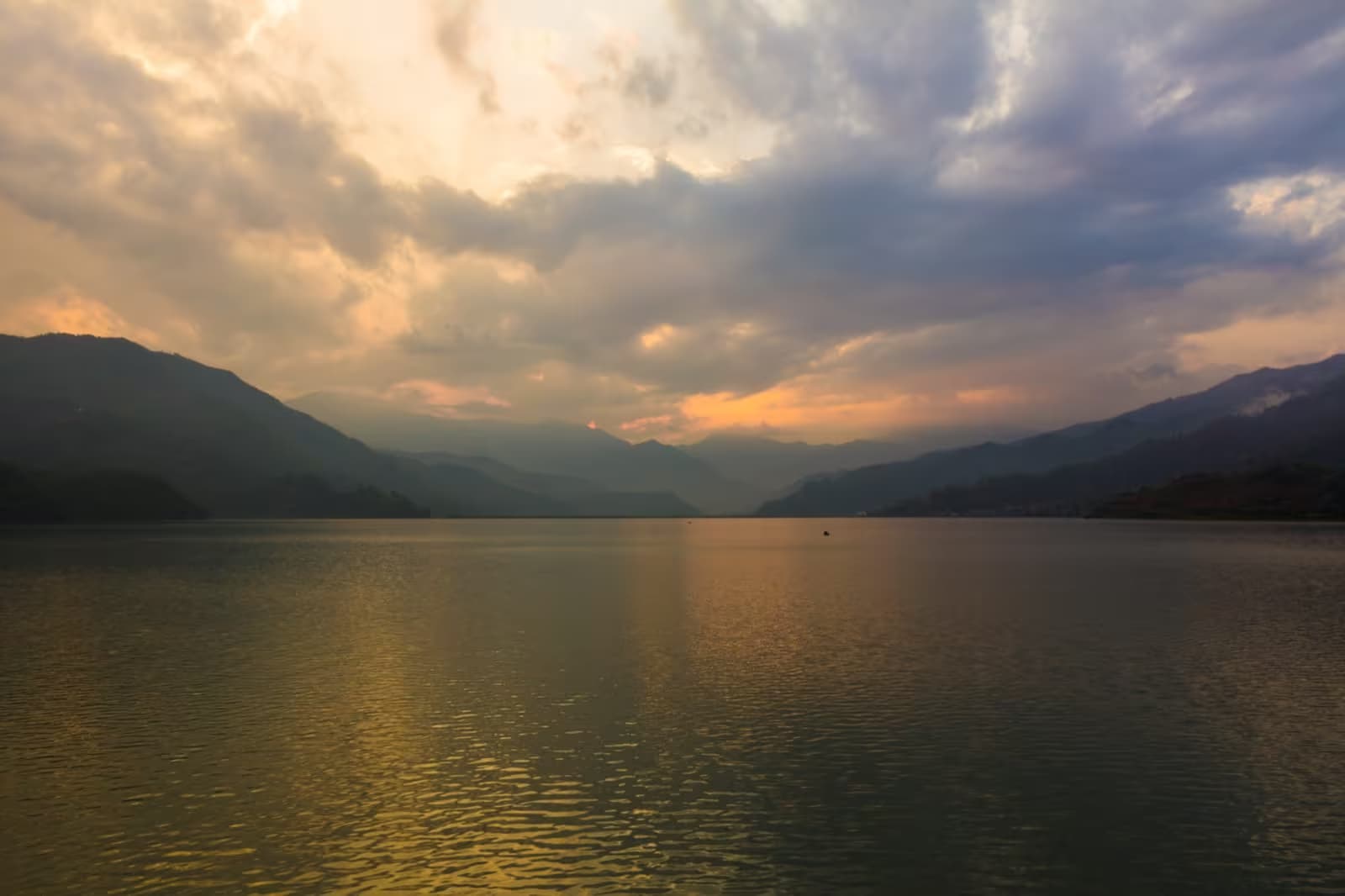
Phewa Lake — Phewa Tal — is the lake that made Pokhara famous. The largest lake of the Pokhara Valley and of Gandaki Province, it spreads roughly 5.7 square kilometres beneath forested ridges, and on still mornings the white pyramid of Machhapuchhre and the Annapurna wall hang upside-down in its water. The Lakeside (Baidam) strip along the eastern shore is the hub of Nepali tourism outside Kathmandu, but the lake itself is older and stranger than the cafes that line it.
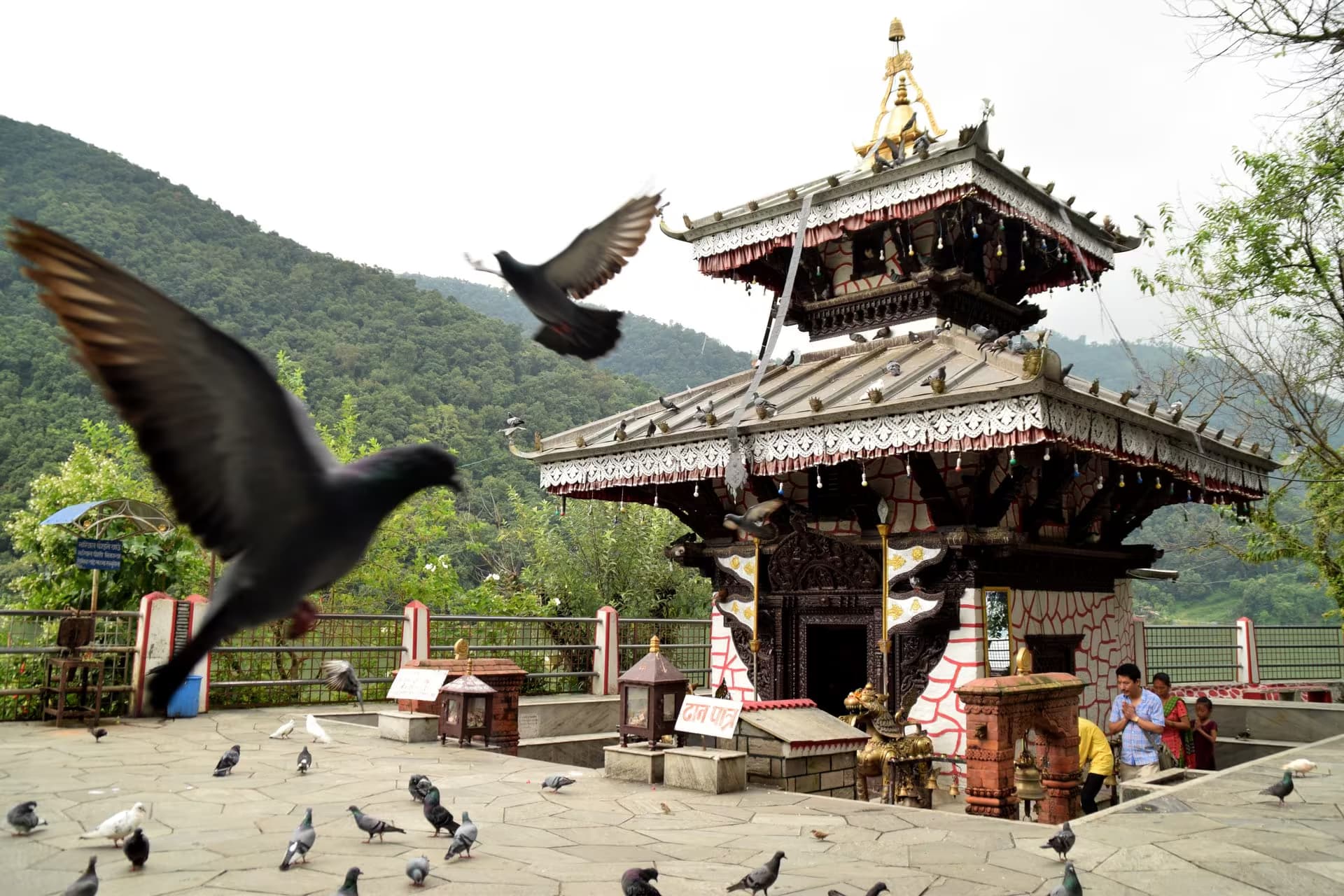
On a small island just offshore sits Tal Barahi, the most important shrine of the Pokhara valley — a two-storey pagoda of the boar-faced goddess Barahi Bhagwati, a fierce protector form of the goddess. The shrine is traditionally attributed to the medieval Kaski king Kulmandan Shah, though the date is disputed. It can only be reached by boat, and on Saturdays and during Dashain the painted wooden doonga ferry a constant procession of worshippers carrying offerings across the water.
Legend holds that a prosperous valley once stood where the lake now lies. The goddess came disguised as a beggar and was turned away from every door but one; she warned the one kind household of the flood she would send, and the rising water drowned the proud town. The island temple is said to have been raised by the survivors in her honour.
Beyond the temple, Phewa is simply Pokhara's living room: rowing boats and paddle boats for hire, paragliders spiralling down from Sarangkot to the lakeshore, the World Peace Pagoda gleaming on the southern ridge, and a dam at the Pardi end that has regulated the outflow since the 1960s. The lake is under real pressure — feeder streams wash in well over a hundred thousand tonnes of sediment a year and the shoreline keeps creeping inward — which gives a visit a quiet urgency: Phewa is best seen now, from the water, at first light.
Location & What's Inside

Part of
Pokhara Lakeside
Within this area
Places and landmarks inside
Planning this trip? Local operators publishing trips here can arrange it.
Elsewhere in this region
Help us get it right
Know Phewa Lake better than we do?
We write from research and reporting, and the ground changes faster than we can keep up. If something here is out of date, or you have been and would tell it differently, we would rather hear it.