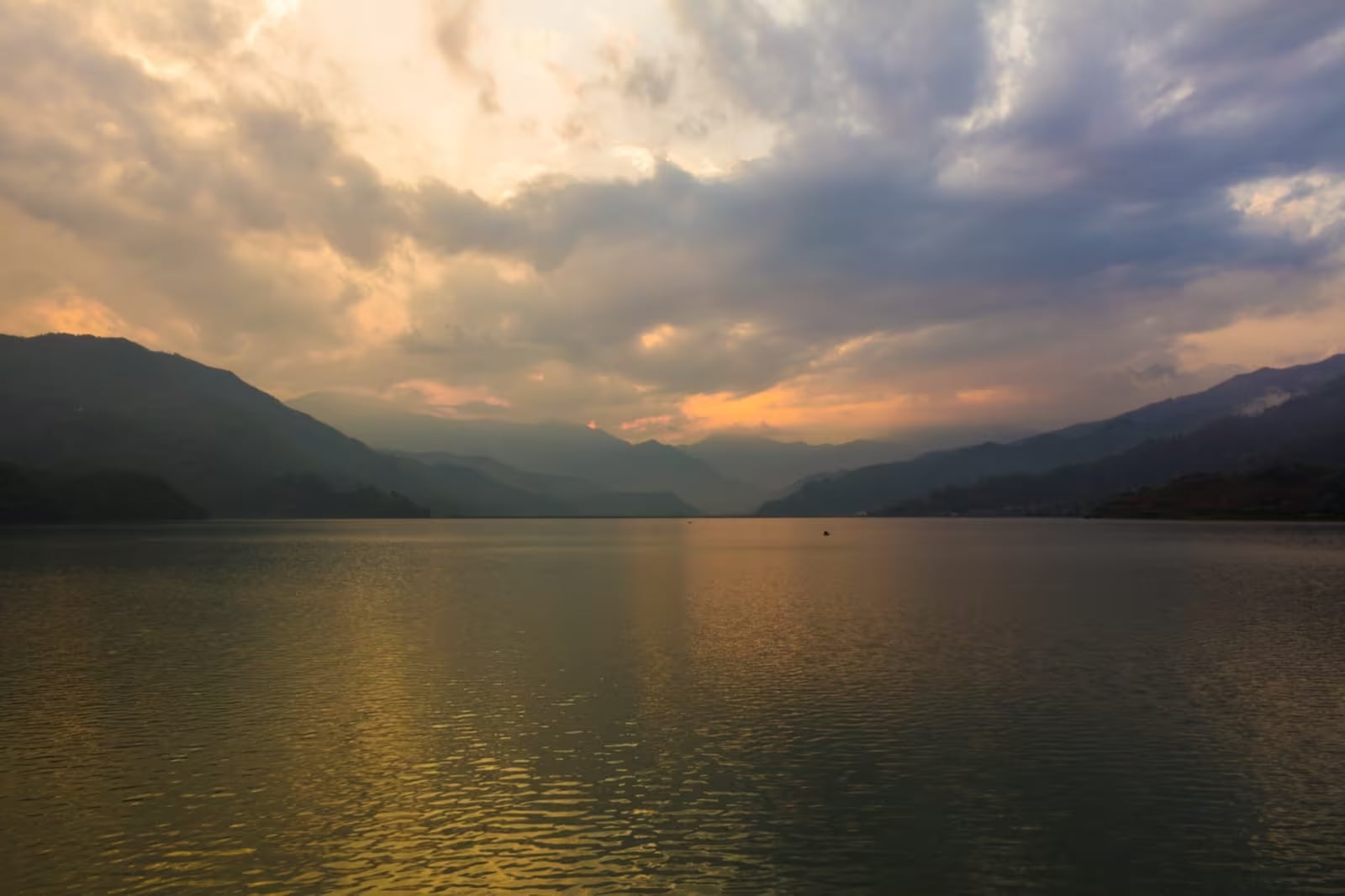
Pokhara Lakeside
Nepal's adventure capital on the shores of Phewa Lake — an old Tibet-trade bazaar turned trekking gateway, with the Annapurnas standing in the water.
- Altitude
- 827 m
- Coordinates
- 28.210°, 83.986°
Current Weather
Pokhara is Nepal's second city and its undisputed adventure capital, set where the lake district of the mid-hills meets the wall of the Annapurnas. Lakeside — the long, easy strip of hotels, cafés, and gear shops along the eastern shore of Phewa Lake — is where nearly every Annapurna trek begins and ends, and where trekkers come back to eat, sleep, and stare at the mountains they have just walked under. On a still morning, Machhapuchhre — the Fishtail — stands upside down in the lake, and it is worth organising your whole day around being on the water when it happens.
A bazaar on the Tibet road
Pokhara was a crossroads long before it was a resort. From the 17th century the town sat on the trade routes running between India and Tibet, and tradition holds that the kings of Kaski invited Newar merchant families from the Kathmandu Valley in the 1770s to build up the bazaar — which is why the old town, draped along the ridge north of the lake, still has the brick houses, carved windows, and shrine-studded lanes of a Newar trading street. The goddess Bindhyabasini has watched over that bazaar from her hilltop for centuries, and a morning walk through Old Pokhara — a world away from Lakeside's espresso machines — is the best free thing in the city. Beneath it all, literally, runs the Seti, the milk-white river that has cut a gorge so deep and narrow that in places the city simply builds over it.
The lake
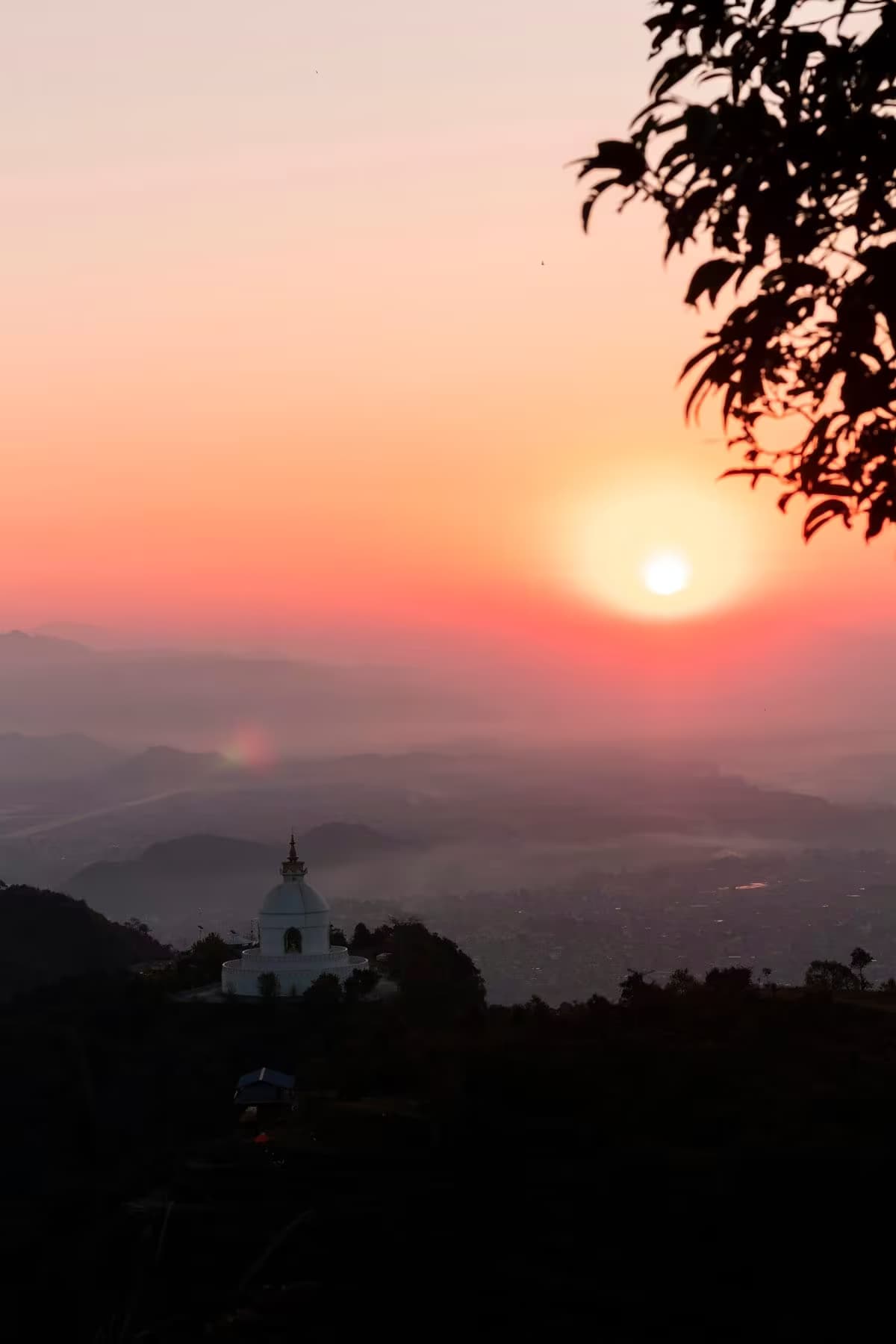
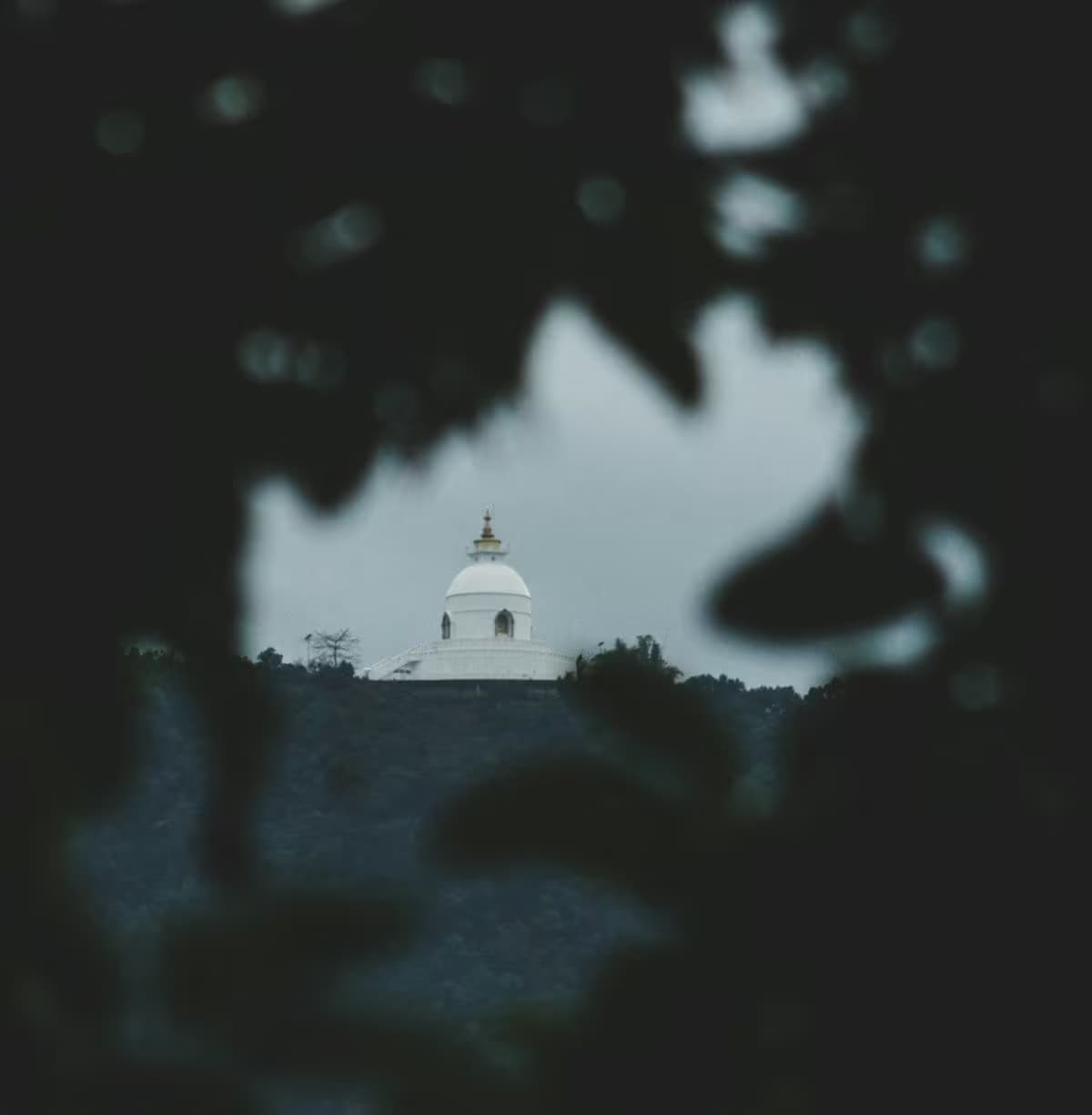
Phewa is the largest of the Pokhara Valley's lakes and the city's whole mood. Hire a wooden doonga — with or without a boatman — and row out to Tal Barahi, the island temple of the boar-headed protector goddess, reachable only by water and busy with devotees, drummers, and pigeons on Saturdays. Paddleboards and kayaks go out from the same shore. High on the forested ridge across the water gleams the World Peace Pagoda, raised by the Japanese Buddhist order Nipponzan Myohoji — its foundation stone laid in 1973, the finished stupa inaugurated in 1999 — and the hike up to it, by boat across the lake and then steeply through the forest, is Pokhara's essential half-day: lake below, white dome above, Annapurnas filling the north. Further west along the same ridge, the 108-foot Shiva statue at Pumdikot — finished in 2021 and ringed by 108 stone lingams — has become the valley's newest pilgrimage stop and, floodlit after dark, its best sunset platform.
From hippie lakeshore to adventure capital
Tourism here began with the hippie trail: when the first roads reached Pokhara around 1970, travellers drifting on from Kathmandu found a lakeshore of bamboo cafés and simple lodges, and stayed. The bamboo is gone but the instinct survives — Lakeside is still where Nepal relaxes. The adrenaline arrived later and never left: tandem paragliding from Sarangkot ridge — one of the best-loved flying sites in the world for its lake-and-Himalaya views — plus the ZipFlyer, ultralight flights, and the Sarangkot sunrise for those who prefer the view with their feet on the ground.
Trailhead of the Annapurnas
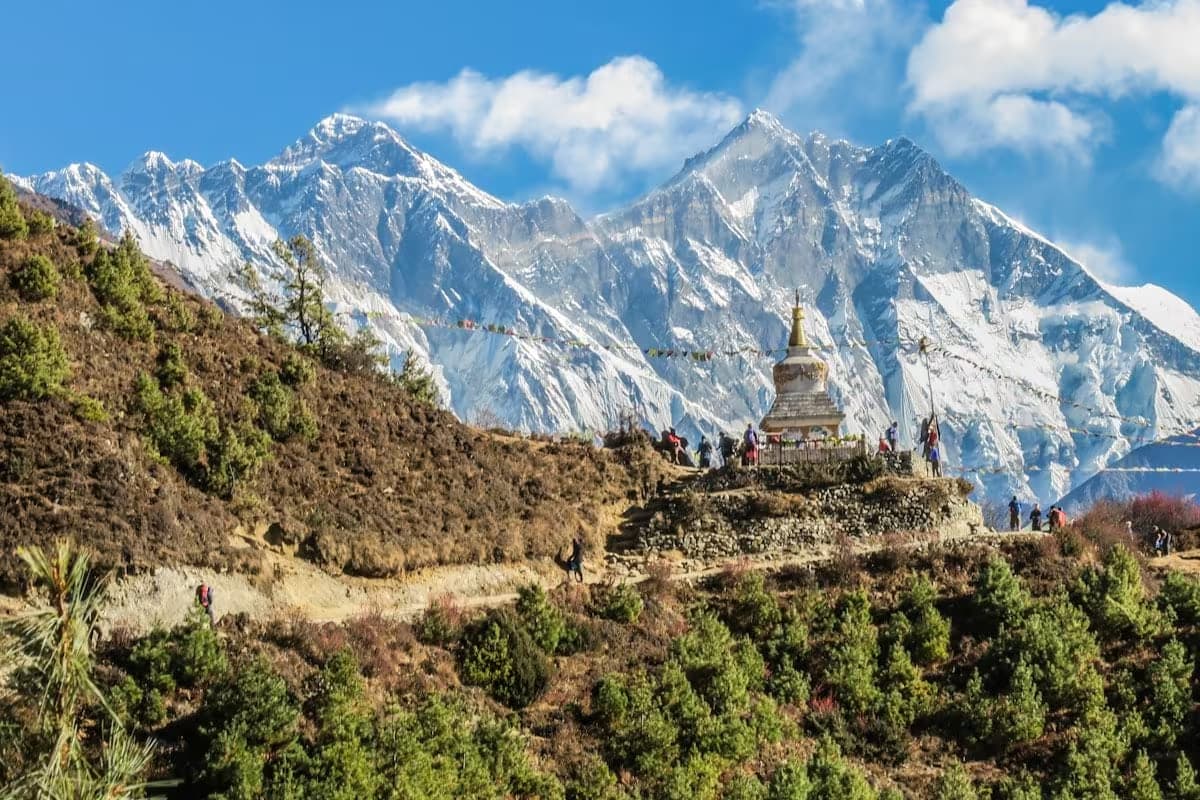
Pokhara is the gateway to Nepal's most-walked mountains. The Annapurna Circuit, Annapurna Base Camp, Ghorepani–Poon Hill, and Mardi Himal all stage from here, and Lakeside exists in large part to serve them: gear shops for last-minute kit, permit offices for ACAP paperwork, and the International Mountain Museum south of the lake for context on the peaks and the people who climb them — worth two hours even for non-trekkers.
Beyond the strip
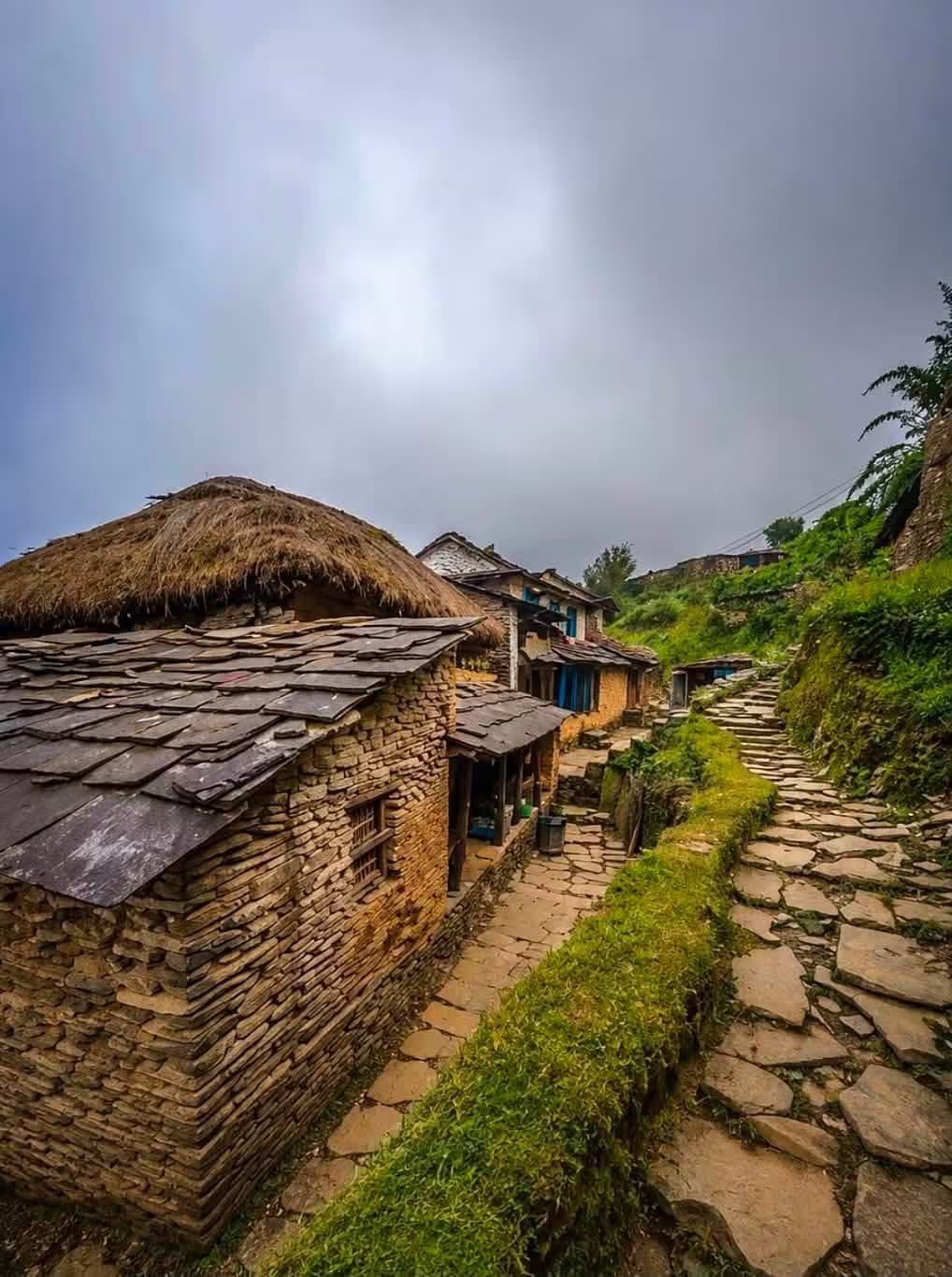
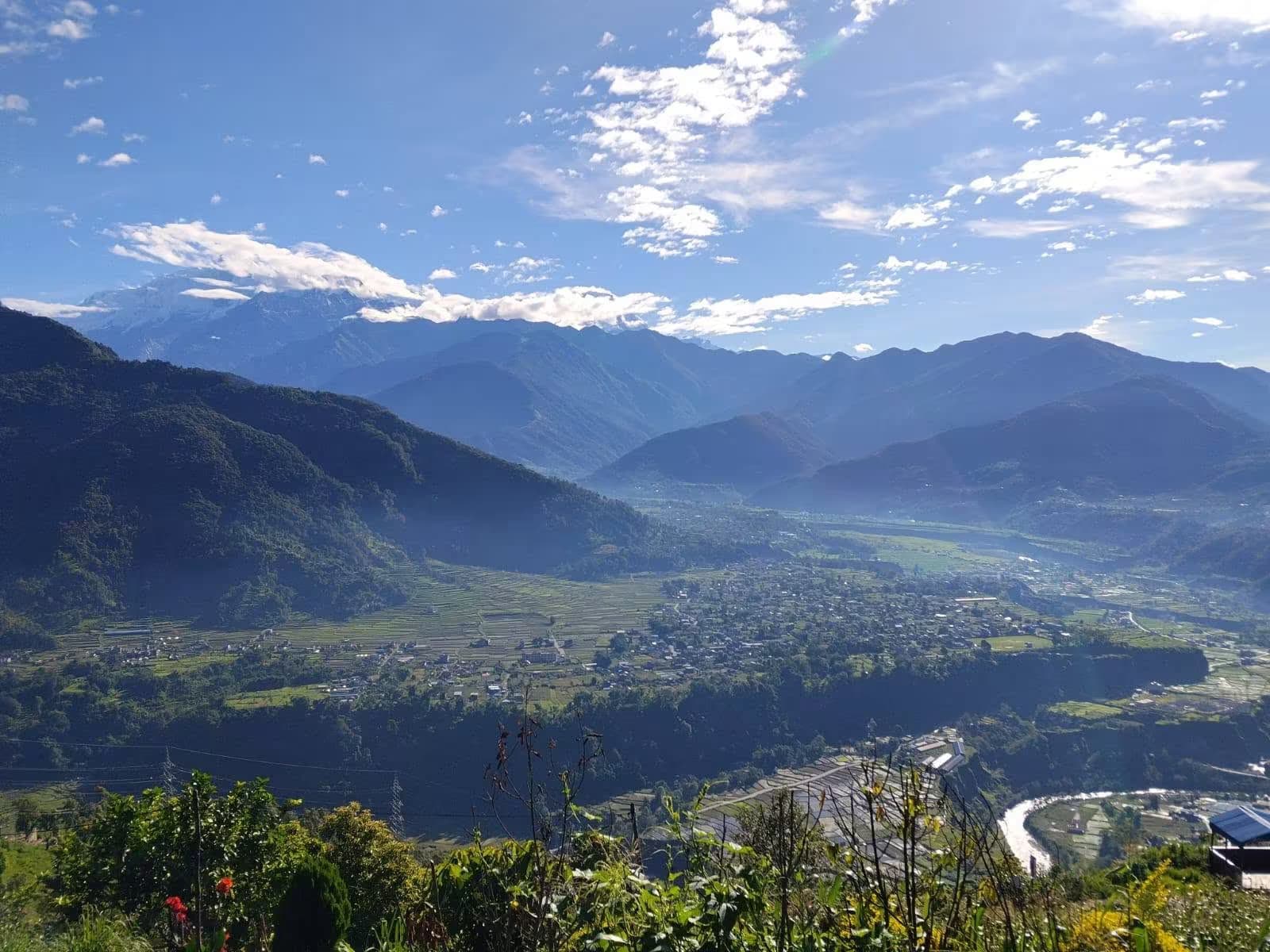
Pokhara's older sights cluster south and east: Davis Falls, where a Phewa outlet stream vanishes underground in a roar, the Gupteshwor cave shrine directly across the road, and Mahendra Cave north of town, with the rougher, unlit Bat Cave and its horseshoe-bat colony a few hundred metres further along the same lane. East of the old bazaar, Matepani Gumba is a working Tibetan Buddhist monastery on a wooded hill and about the quietest viewpoint in the city. When Lakeside feels too polished, Begnas Lake east of the city offers the same water and mountains with a fraction of the visitors; to leave the valley floor altogether, the ridge villages of Astam and Dhampus are an hour or two north-west, close enough for a single night away and high enough for an unobstructed Annapurna sunrise. The preserved hilltop bazaar of Bandipur, halfway back toward Kathmandu, makes the perfect overnight break in the journey.
Location & What's Inside
Within this area
Places and landmarks inside
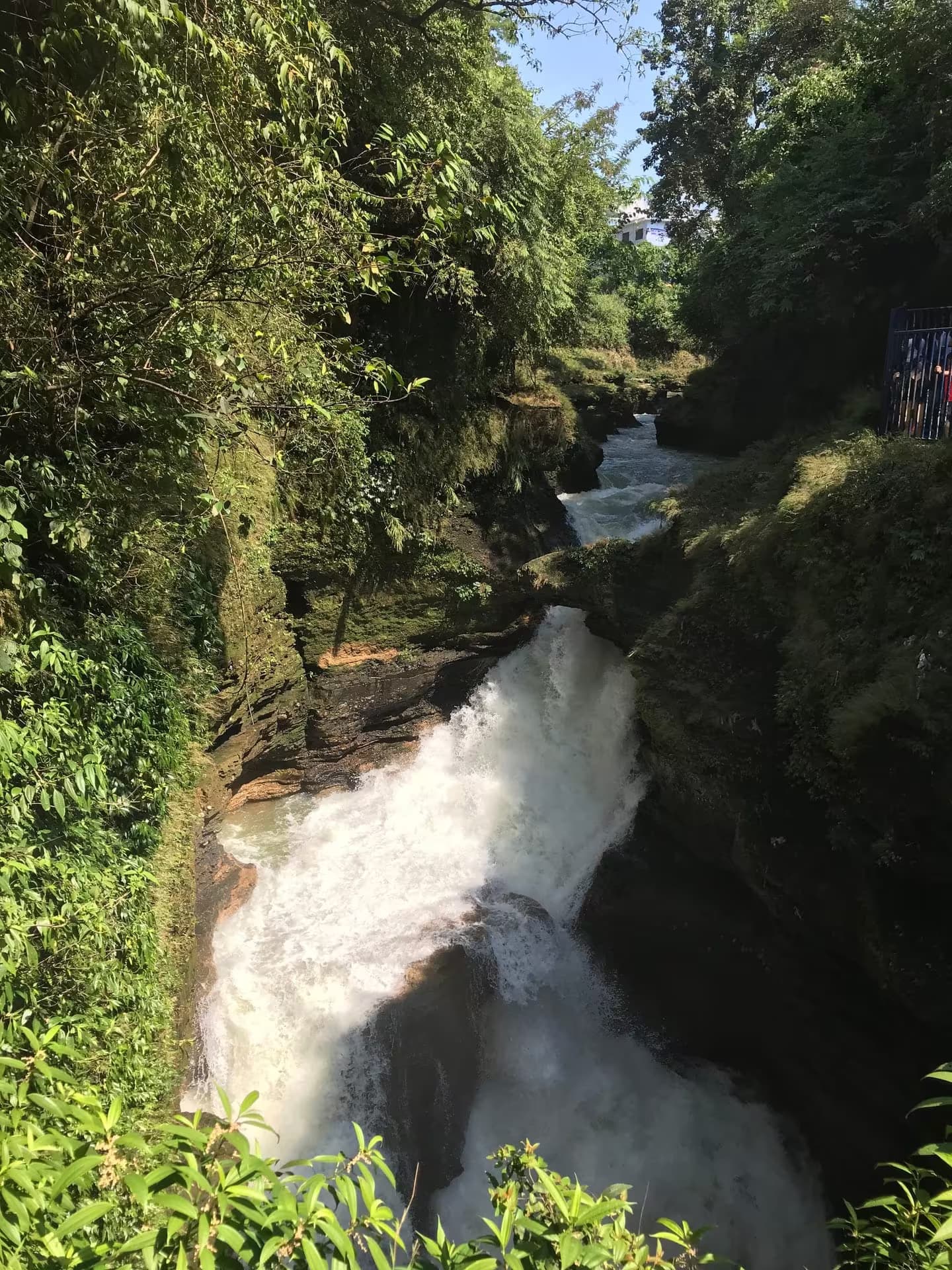
Davis Falls (Patale Chhango)
Davis Falls sits within southern Pokhara, 15 min from Lakeside
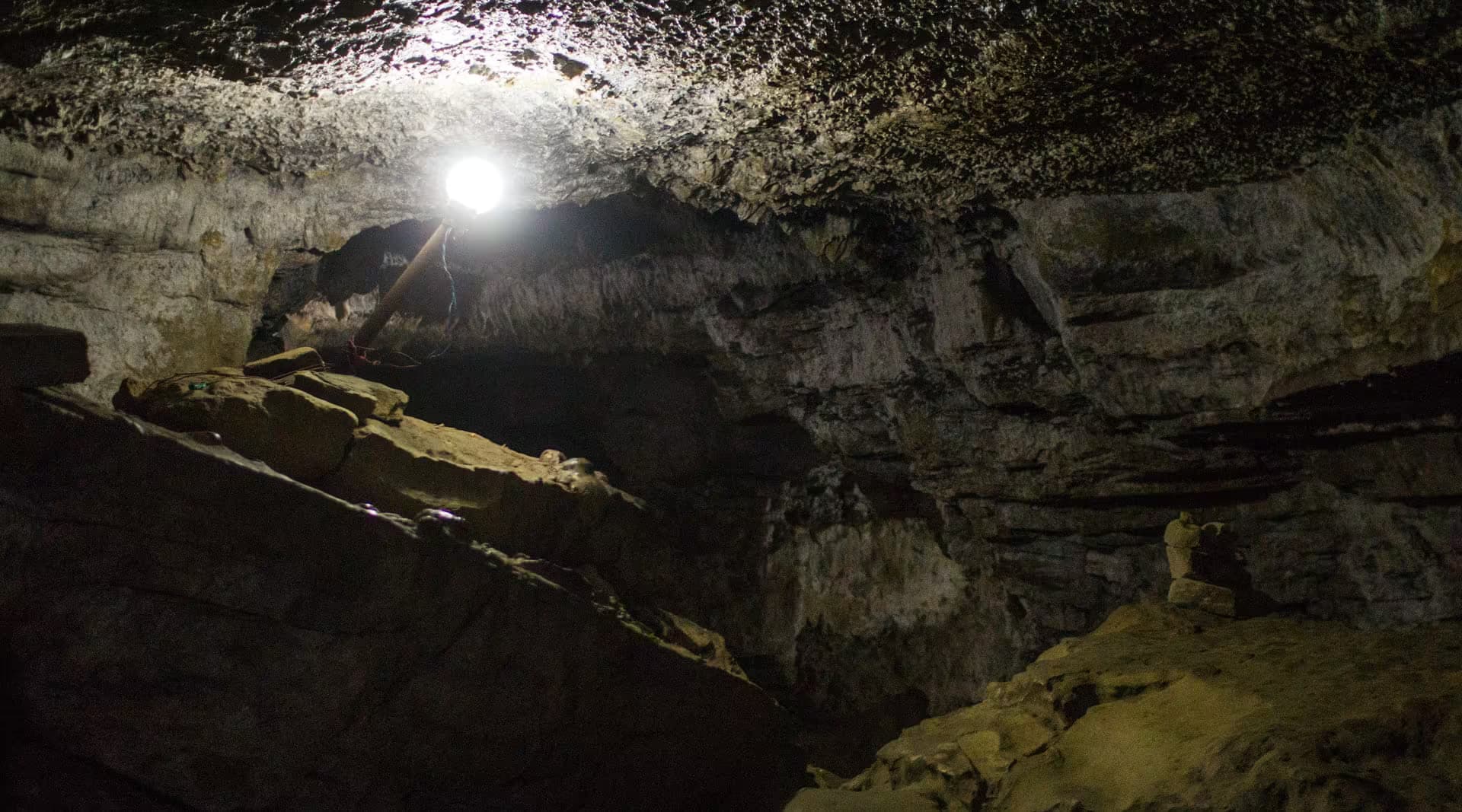
Mahendra Cave (Mahendra Gufa)
Mahendra Cave is on the northern edge of Pokhara city
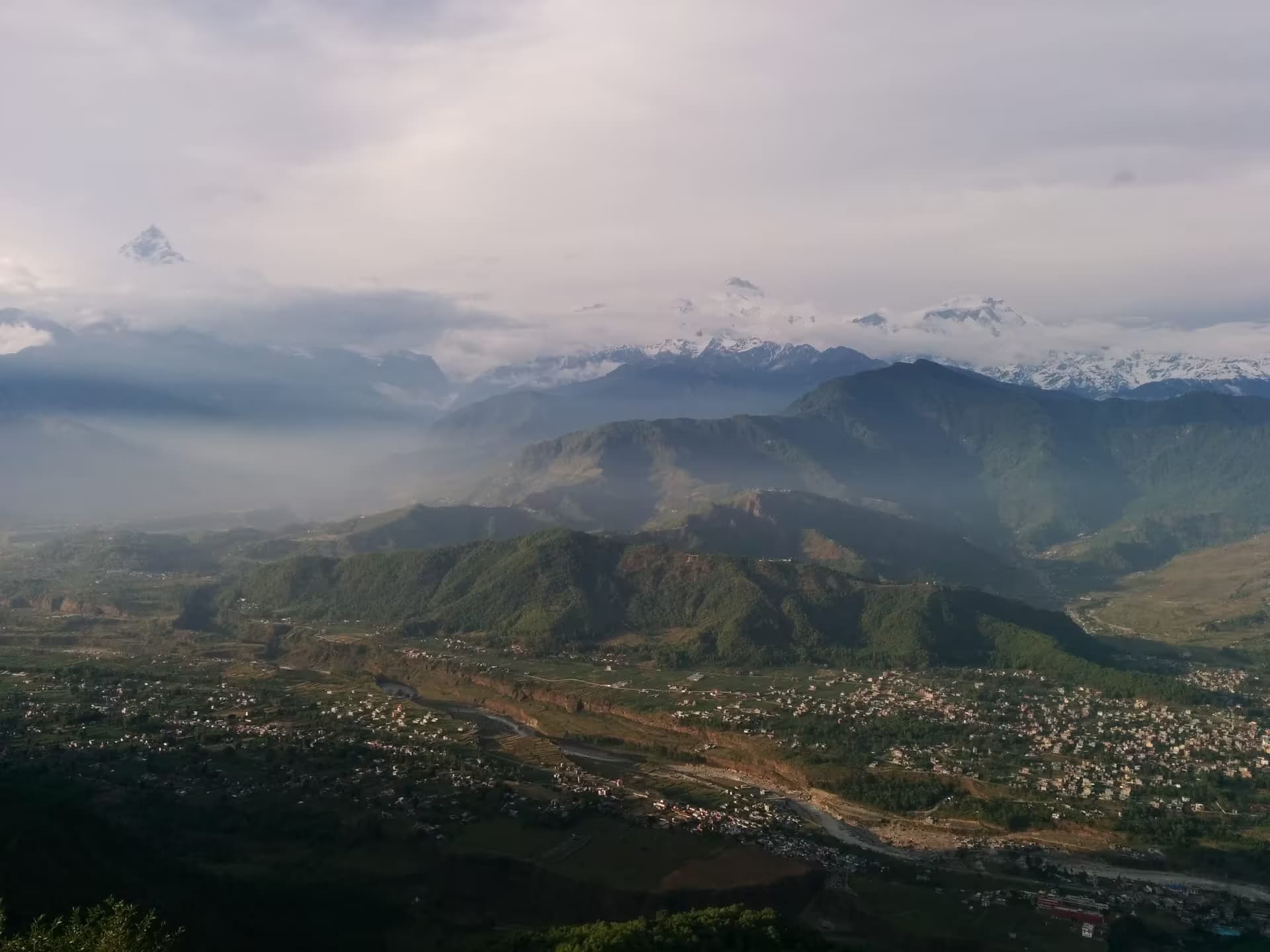
Sarangkot
Sarangkot is the ridge overlooking Pokhara from the northwest
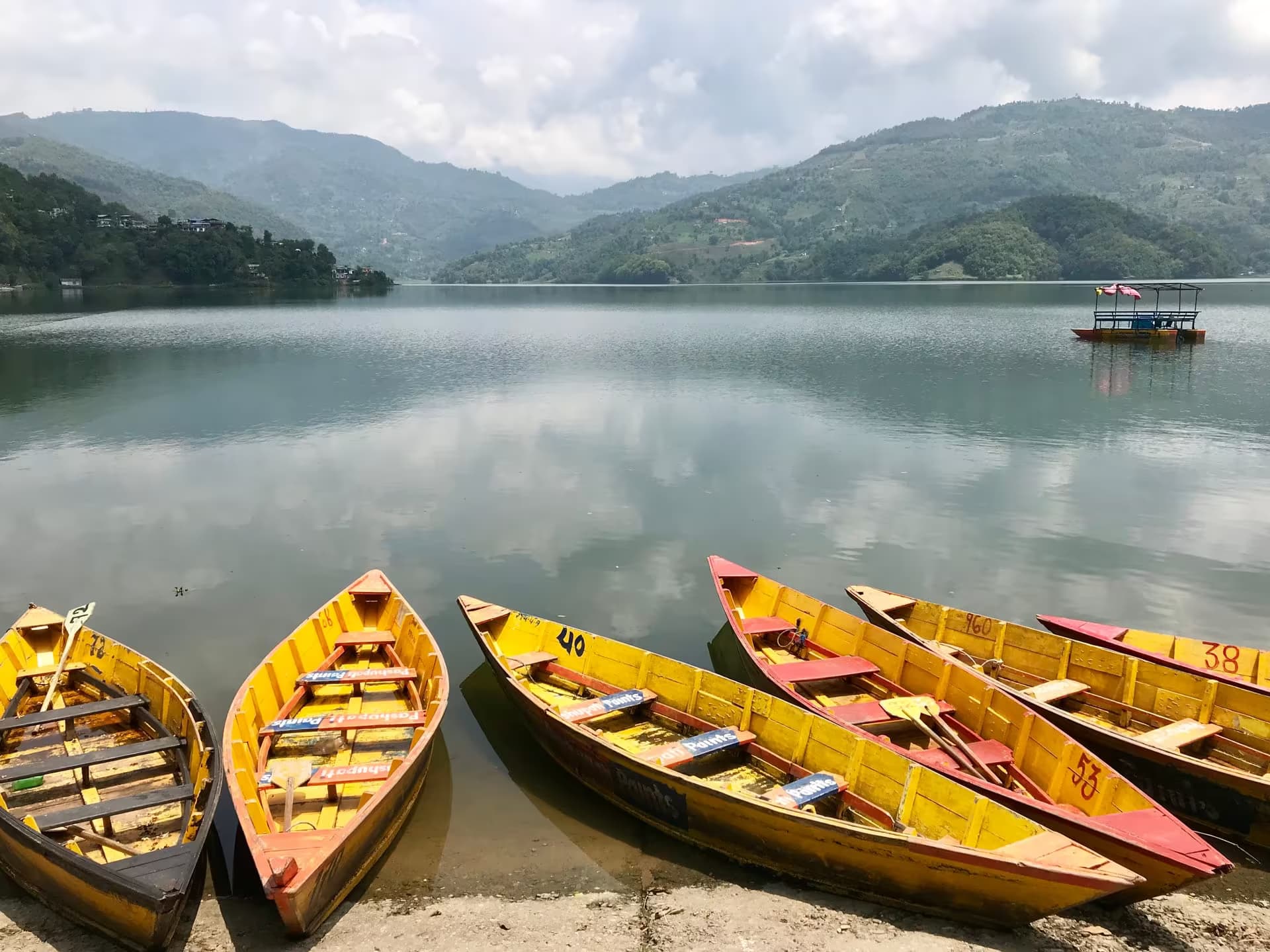
Begnas Lake (Begnas Tal)
Begnas Lake is the quieter sister lake ~15 km east of Lakeside
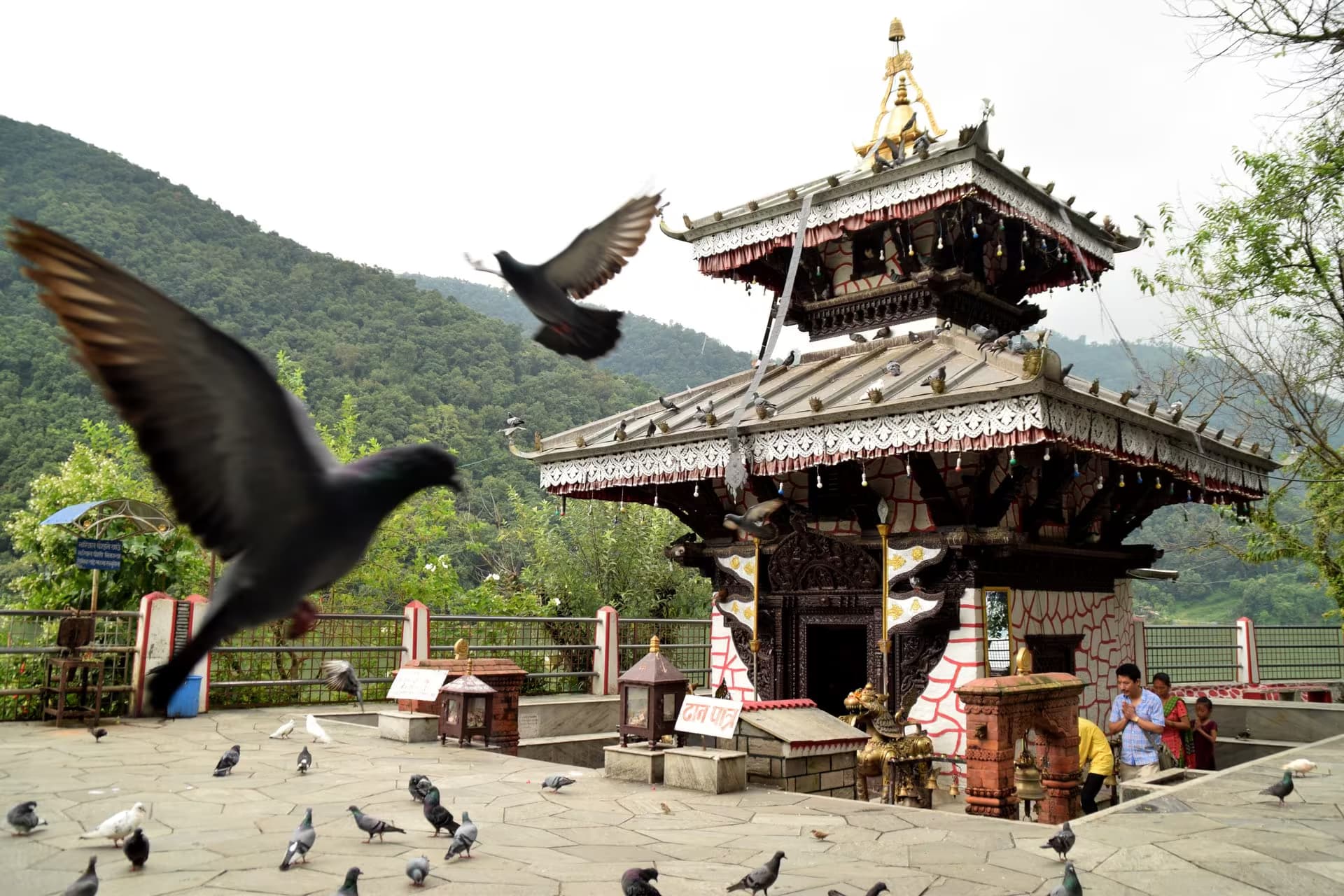
Tal Barahi Temple
Tal Barahi sits on an island in Phewa Lake, off Lakeside
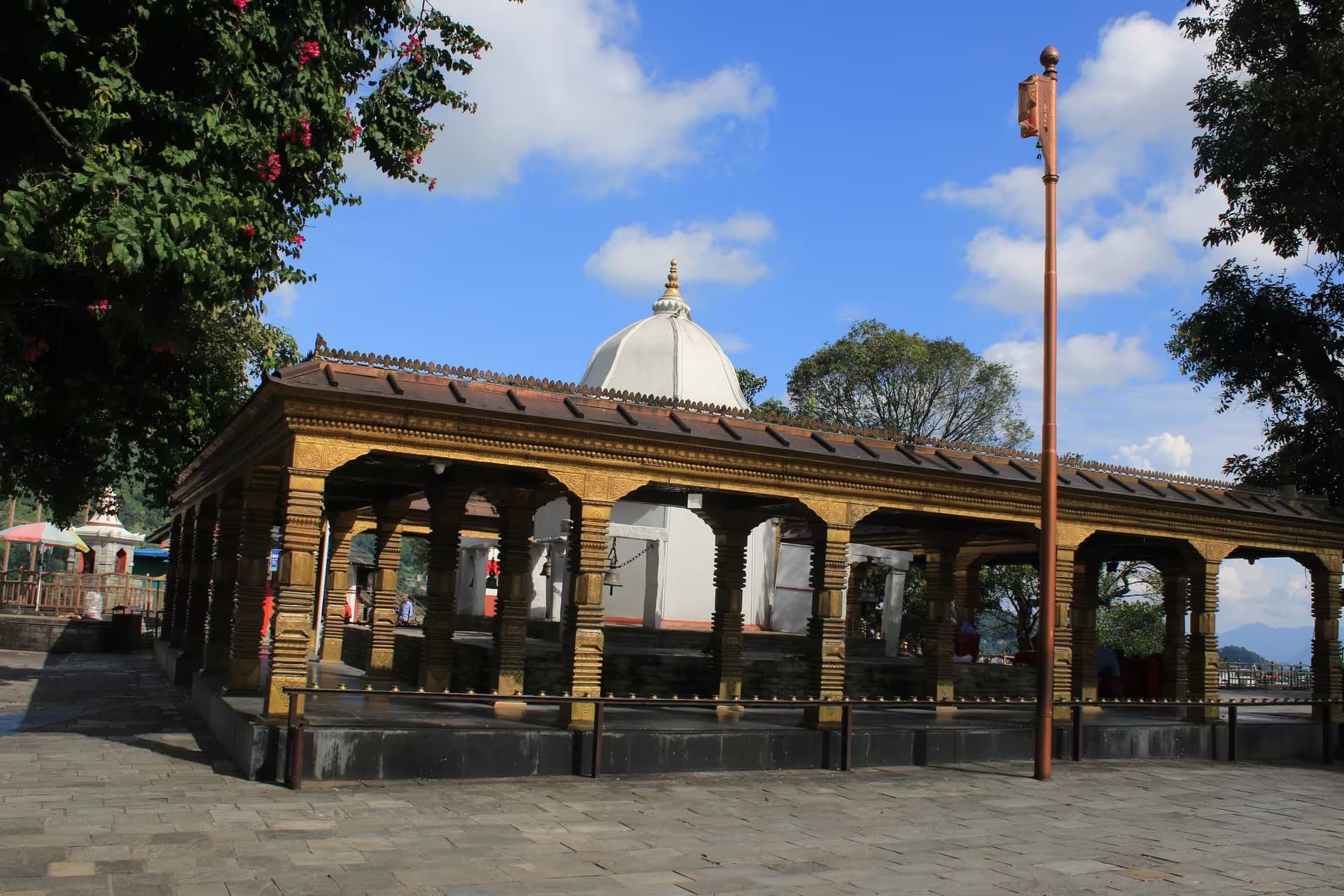
Bindhyabasini Temple
Bindhyabasini sits in the old bazaar north of Lakeside

World Peace Pagoda, Pokhara (Shanti Stupa)
Shanti Stupa crowns the Ananda hill on Phewa's southern shore
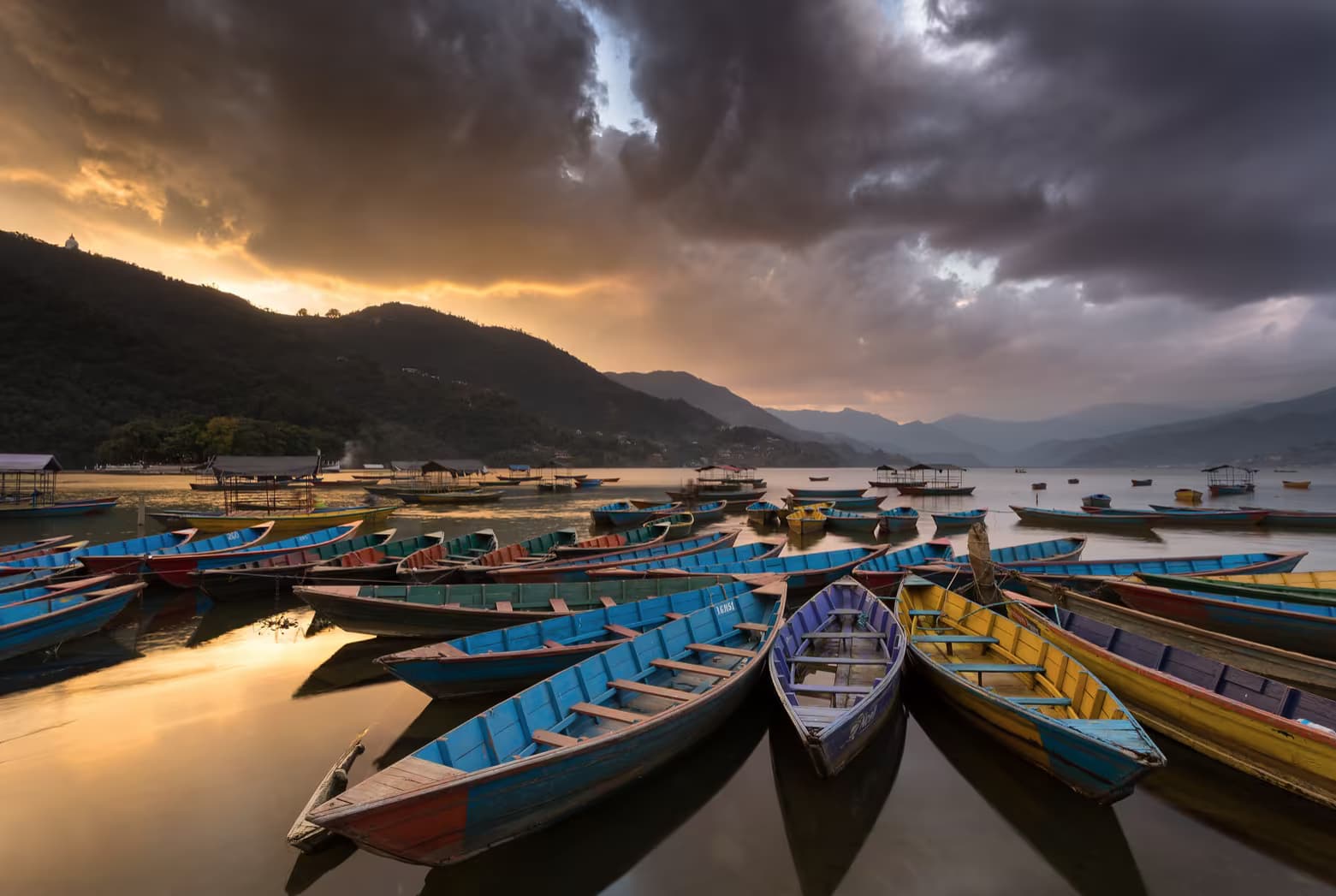
Phewa Lake
Phewa Lake fronts the entire Lakeside strip
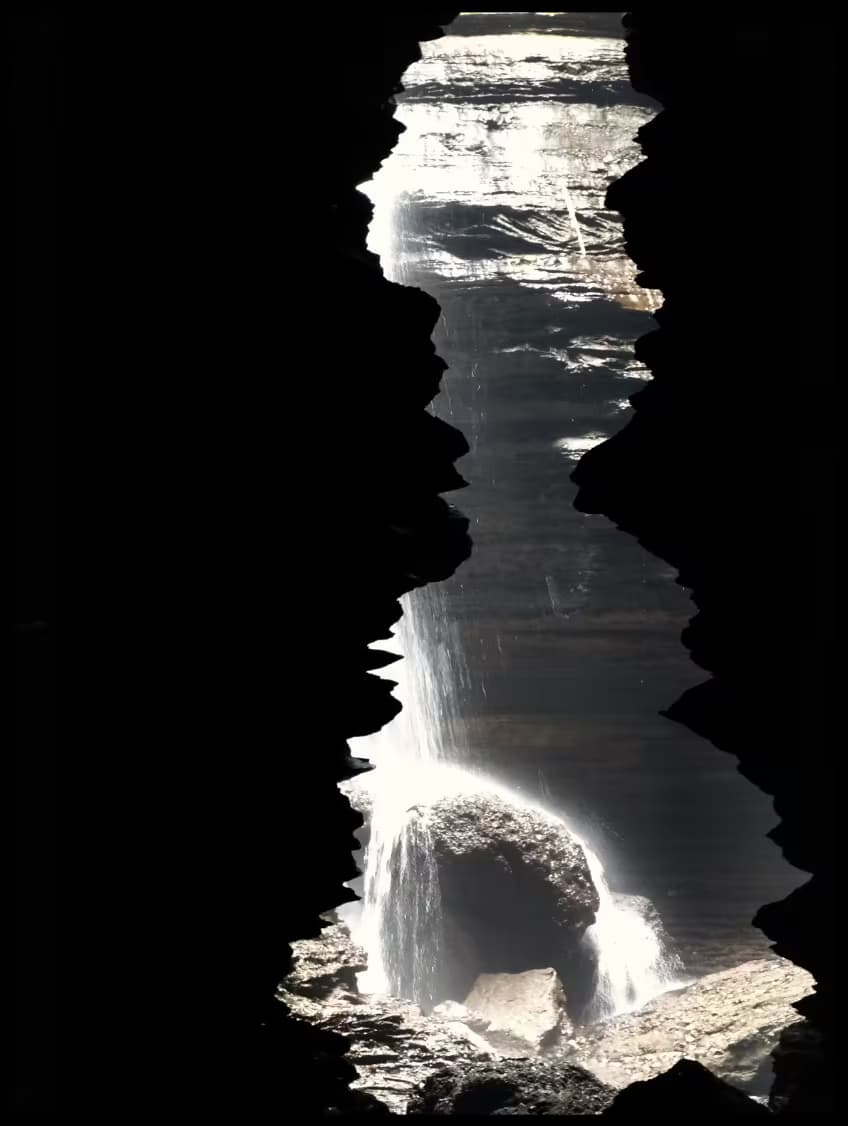
Bat Cave (Chamero Gufa)
Bat Cave is on the northern edge of Pokhara city, beside Mahendra Cave
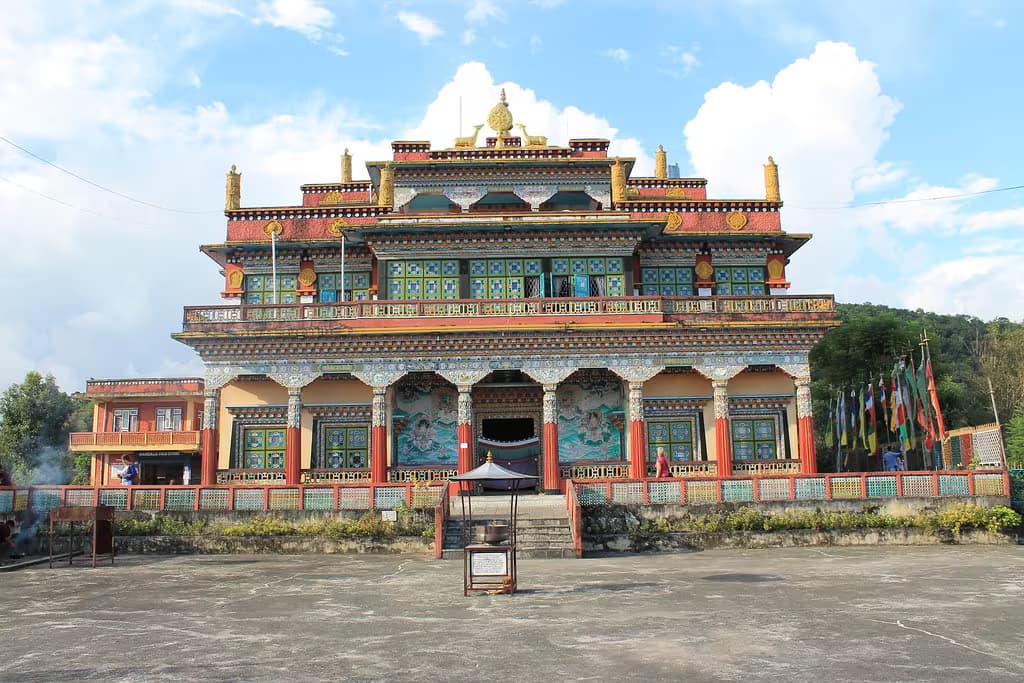
Matepani Gumba
Tibetan Buddhist monastery on a hill east of the old bazaar, within Pokhara
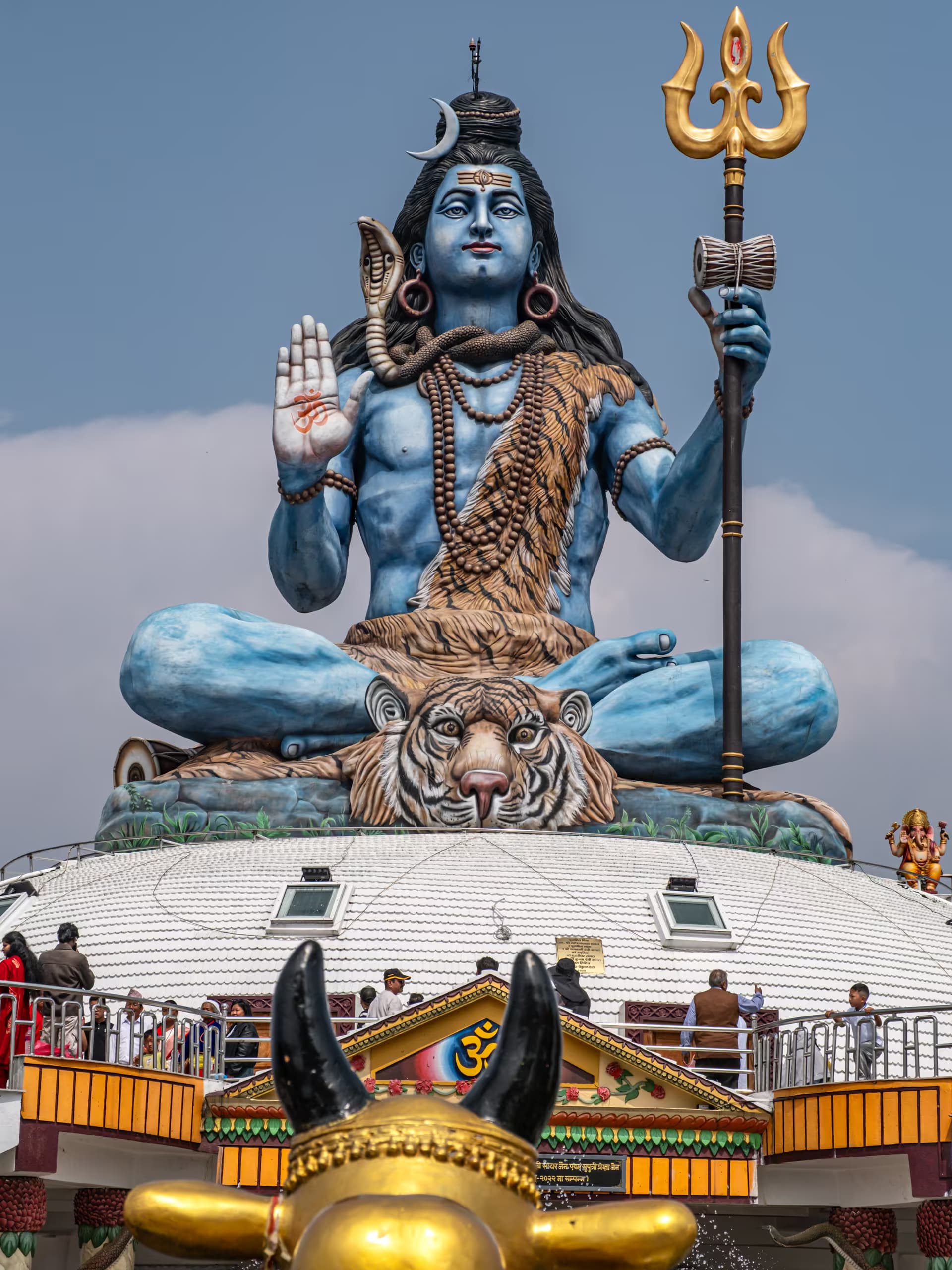
Pumdikot
Hilltop Shiva statue in Pokhara ward 22, on the ridge south-west of Phewa Lake
Gateway to
Starting point for these destinations
Planning this trip? Local operators publishing trips here can arrange it.
Elsewhere in this region
- Sacred Site
Tal Barahi Temple
- Sacred Site
Pumdikot
 Trail
TrailSarangkot Sunrise Hike
- Sacred Site
Matepani Gumba
- Destination
Phewa Lake
 Trail
TrailWorld Peace Pagoda Hike
- Destination
Bat Cave (Chamero Gufa)
- Destination
Sarangkot
- Destination
Begnas Lake (Begnas Tal)
 Destination
Dhampus
- Destination
Davis Falls (Patale Chhango)
 Destination
Astam
 trail_area
Annapurna Conservation Area
- Sacred Site
Bindhyabasini Temple
- Sacred Site
World Peace Pagoda, Pokhara (Shanti Stupa)
- Destination
Mahendra Cave (Mahendra Gufa)
Help us get it right
Know Pokhara Lakeside better than we do?
We write from research and reporting, and the ground changes faster than we can keep up. If something here is out of date, or you have been and would tell it differently, we would rather hear it.