Two Readings, One Deity
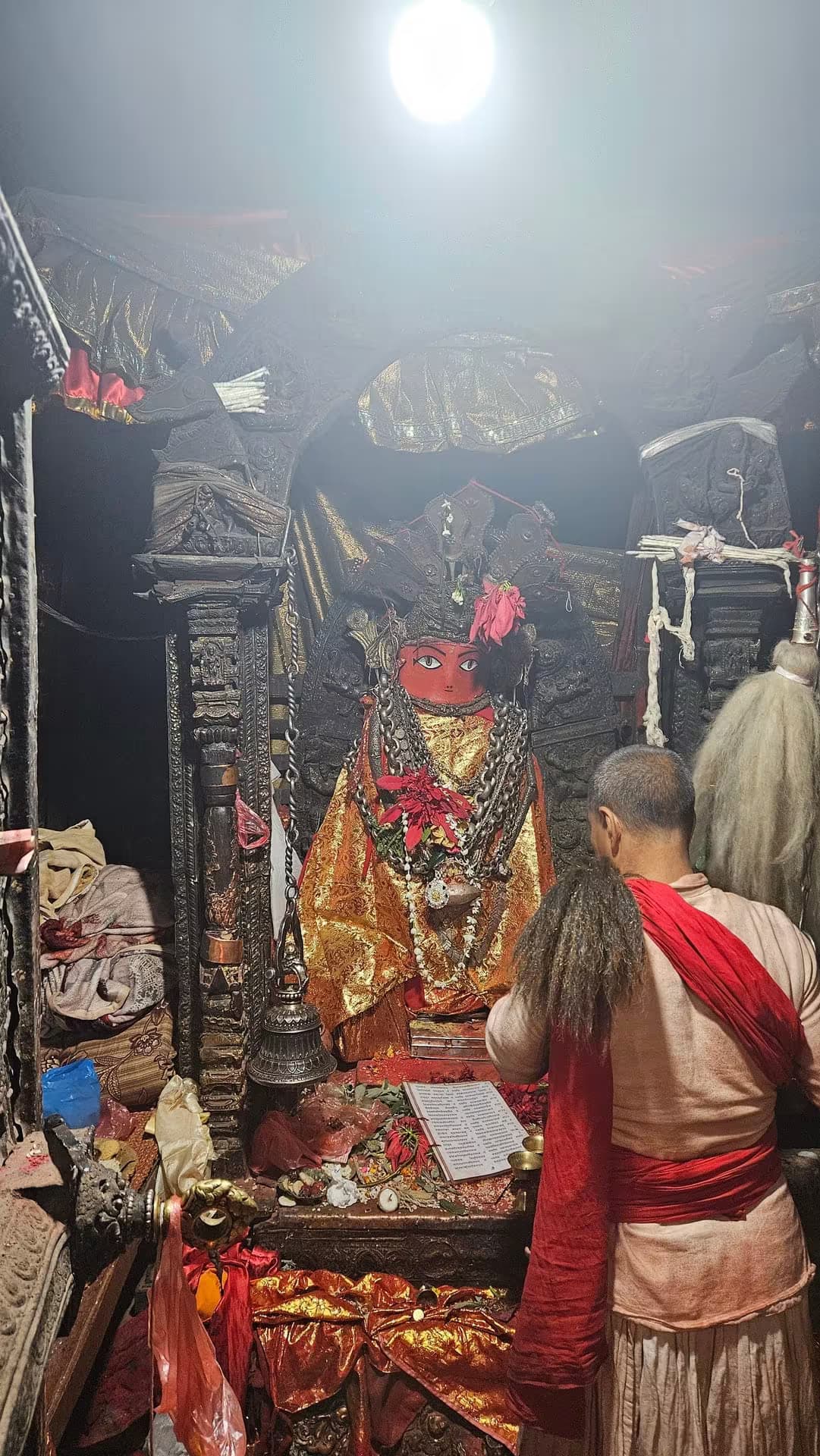
Bunga Dyah — Rato Machhindranath — is honoured by Newar Buddhists as a form of Avalokiteshvara, the bodhisattva of compassion, and by Hindus in a frame that associates him with Shiva and with the nath tradition of the yogi Matsyendranath. Both communities worship the same red-faced image, at the same shrines, during the same festival. Nobody is required to choose, and the question is generally not raised. This is the clearest single example of the Valley's religious pattern, in which a deity belongs to more than one tradition at once rather than being contested between them.
The Rain God
His function is rain. The story of his arrival in the Valley has him invited in to break a twelve-year drought, and the festival is in its plainest reading an annual petition for the monsoon — held in the weeks before the rains are due and concluded as they approach. The Kathmandu Valley's agriculture depends on a monsoon that arrives reliably in most years and fails in some. A late monsoon in a year when the chariot has been delayed or has fallen is a connection people make.
Two Homes
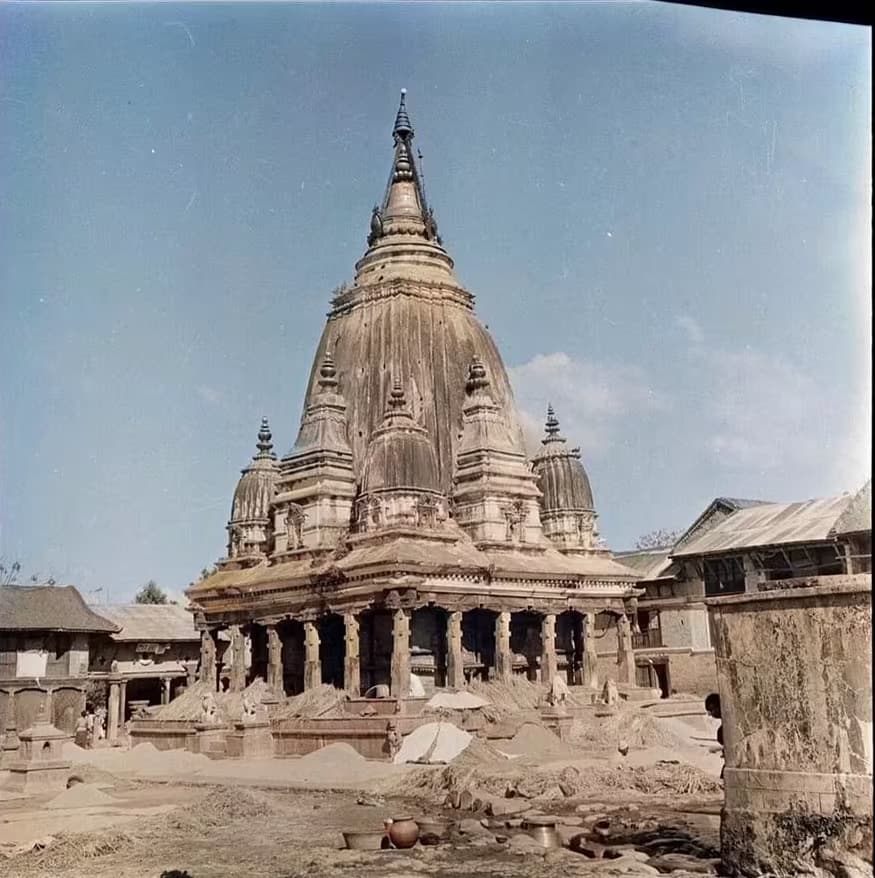
The deity does not live in one place. He spends roughly half the year at Bungamati, the village south of Patan regarded as his original home and the source of the name Bunga Dyah, and roughly half at his temple in Patan, and he is carried between them. That divided residence is the reason the festival's geography spans two settlements rather than one.
Every Twelfth Year
Because the founding drought lasted twelve years, twelve is the festival's governing number. Every twelfth year a longer and larger festival is held — the Barha Barsa Jatra — which begins and ends at Bungamati rather than at Patan and extends the route well beyond the ordinary one. A visitor who happens on one of these years sees a substantially different and much bigger event.
The White One
A second, distinct deity — Seto Machhindranath, the white one — has his own temple in Kathmandu and his own chariot festival earlier in the year. The two are related in form and frequently confused by visitors; they are not the same deity, and their festivals are separate events in different cities.
Related Places & Sites
sacred site
Rato Machhindranath Temple (Bunga Dyah)The deity's Patan seat, where he resides for roughly half the year
destination
BungamatiThe village regarded as his original home, source of the name Bunga Dyah, and his residence for the other half of the year
Related
Connected places and entries worth pairing
Rituals & Ceremonies
Procession Routes
Part of Rato Machhindranath Jatra