Ama Dablam
6,812m
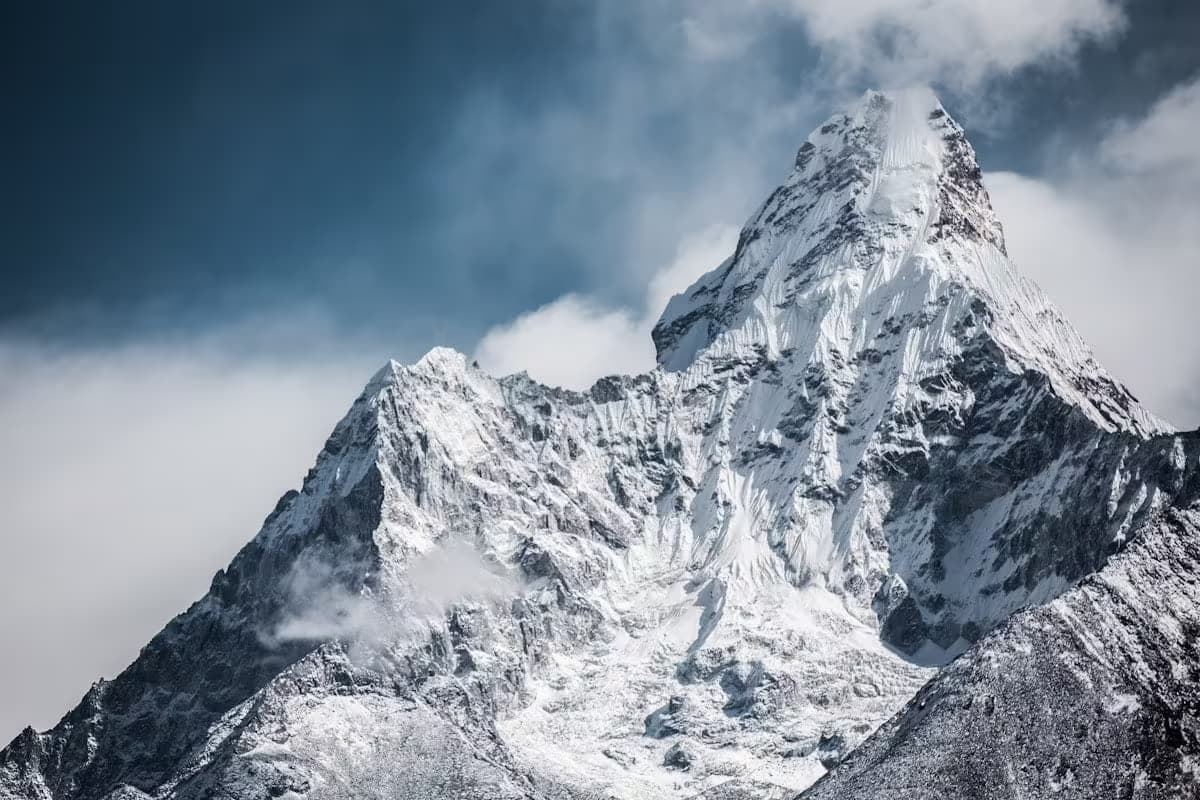
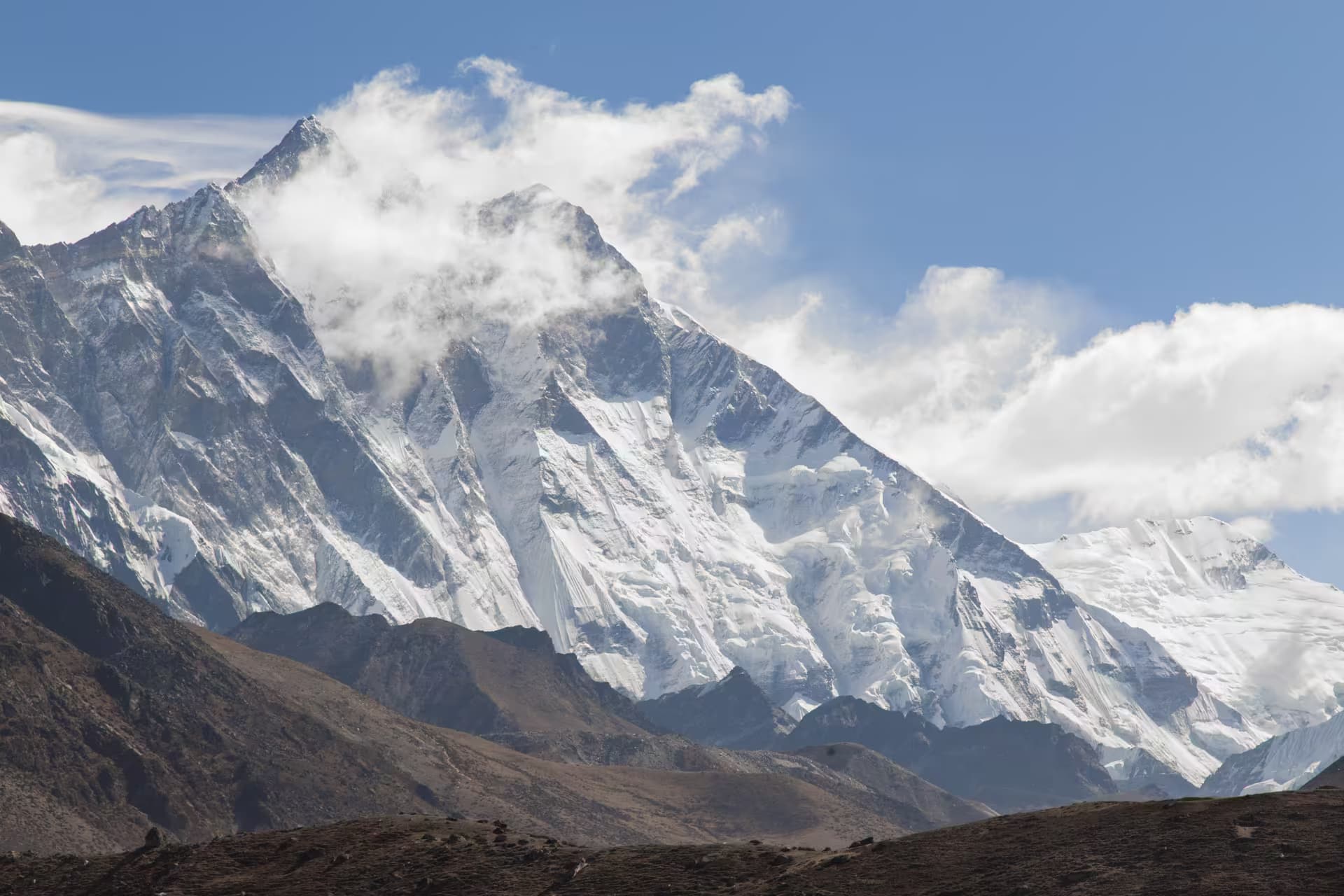
The Matterhorn of the Himalayas — arguably the most photogenic mountain on Earth with its iconic hanging glacier 'dablam' and soaring ridgelines.
Mountain Weather
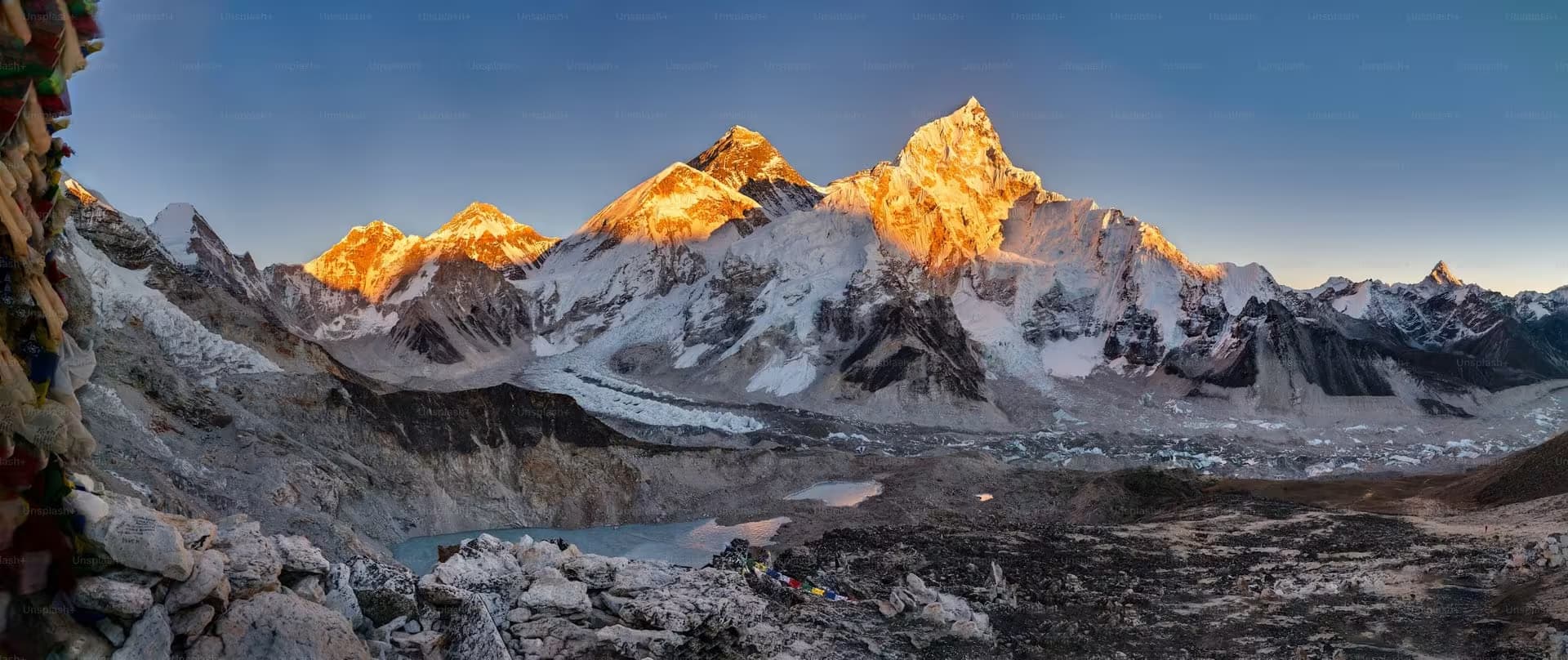
Ama Dablam (6,812m) is widely considered one of the most beautiful mountains in the world. Its name means 'Mother's Necklace' in Sherpa language — the mountain's long ridges resembling a mother's arms embracing her child, and the distinctive hanging glacier near the summit representing the traditional dablam (a pendant containing sacred relics worn by Sherpa women). Located in the Khumbu region south of Mount Everest, Ama Dablam dominates the skyline throughout the Everest Base Camp trek.
First climbed on March 13, 1961 by Mike Gill, Barry Bishop, Mike Ward, and Wally Romanes of a New Zealand-American expedition led by Sir Edmund Hillary, via the southwest ridge — a route that remains the standard today. The climb is considered one of the most aesthetic ridge climbs in the Himalaya: sustained steep ice and mixed terrain (50-80° sections), exposed granite towers, and the technical Yellow Tower and Mushroom Ridge features. At grade D+ on the Alpine scale, it is a serious undertaking despite being below 7,000m.
The mountain's beauty and technical challenge make it a highly coveted summit. The southwest ridge route involves three high camps, and the summit camp perches dramatically on a narrow ice ridge. From the top, the view encompasses Everest, Lhotse, Makalu, and the entire Khumbu region. Ama Dablam has a fatality rate of approximately 2-3%, with most accidents occurring during descent. The best climbing seasons are spring (April-May) and autumn (October-November), with autumn generally offering more stable weather for the southwest ridge. Trekkers can also enjoy breathtaking views of Ama Dablam from Pangboche village and from the summit of Kala Patthar.
Location
Part of
Sagarmatha National Park
Planning this climb? Local operators publishing trips here can arrange it.
Elsewhere in this region
Help us get it right
Know Ama Dablam better than we do?
We write from research and reporting, and the ground changes faster than we can keep up. If something here is out of date, or you have been and would tell it differently, we would rather hear it.